
Contents
Dealing with weight plateau or persistent metabolic struggles years after an initial bariatric procedure can feel discouraging, especially when lifestyle adjustments no longer yield results. If you are facing complications like severe acid reflux, inadequate initial weight loss, or anatomical pouch stretching, you may be exploring corrective medical pathways. That is why many international patients consider Revision Bariatric Surgery in Mexico to realign their health objectives. Choosing specialized surgical correction abroad can offer an experienced alternative for individuals seeking structural reassessment.
A secondary weight intervention requires exceptional surgical precision compared to primary operations due to existing scar tissue and altered anatomy. When researching clinics across regions like Tijuana, Monterrey, or Guadalajara, look beyond promotional material to verify official health authorizations, such as licensing by Mexico's Federal Commission for the Protection against Sanitary Risks (COFEPRIS). You should also thoroughly evaluate the surgeon’s specialized bariatric training, advanced laparoscopy credentials, and hospital affiliations. Taking time to verify these safety credentials ensures a more secure corrective healthcare journey.
Key Takeaways
Organizing a medical trip across international borders can feel complex when coordinating hospital fees, specialized recovery lodging, and ground logistics independently. Comprehensive all-inclusive bundles simplify this process by merging surgical fees, hospital stays, and dedicated recovery retreat lodging into a single itinerary. This structure allows you to concentrate entirely on nutritional healing and physical recovery. Explore the package options below to compare inclusions and identify a plan aligned with your specific restorative requirements.

Price starting from $8,000
Revision Bariatric Surgery in Tijuana Mexico at Hospital CYNTAR
Hospital CYNTAR in Tijuana, Mexico
- Obesity/Bariatric Surgery
Tijuana,Mexico
Financial transparency is vital when planning specialized medical travel. On average, Revision Weight Loss Surgery in Mexico ranges between $7,500 and $12,000, depending on the complexity of the previous anatomy and the precise surgical conversion required (such as converting a sleeve to a bypass). This differs notably from domestic costs in the United States or Canada, primarily due to operational structures rather than compromises in clinical standards. Always verify what is included—such as diagnostic imaging, specialized stapling devices, and hospital days. Review the pricing details below to evaluate your budgetary alignment.
Revision Gastric Sleeve Centers Cost Comparison in Mexico
| Provider | Procedure | Price |
|---|---|---|
| Hospital CYNTAR in Tijuana, Mexico | Revision Gastric Sleeve, Obesity/Bariatric Surgery | $8000 |
Revision Gastric Sleeve Cost Comparison in Mexico
| Country | Procedure | Price |
|---|---|---|
| United States | Revision Gastric Sleeve, Obesity/Bariatric Surgery | $30000 |
Selecting a medical center for a corrective metabolic procedure involves examining critical infrastructure rather than surface-level aesthetics. Revision operations require dedicated surgical suites, advanced imaging diagnostics, and robust intensive care capabilities to manage complex anatomical revisions safely. Look closely at hospital accreditations, infection control protocols, and specialized bariatric units. Review the clinic profiles below to examine technical credentials, surgeon credentials, and facility environments that prioritize patient safety.
Hospital CYNTAR in Tijuana, Mexico
Tijuana,Mexico

Hospital Vallarta Medical Center in Puerto Vallarta, Mexico
Puerto Vallarta,Mexico
Moving past written descriptions by watching clinic walkthroughs, surgeon interviews, and patient recovery diaries can help demystify the medical travel process. Visualizing recovery facilities and hearing firsthand explanations from surgical teams bridges the gap between digital research and physical reality. Take a moment to watch the featured media clips below to gain a transparent perspective on what to expect upon arrival.

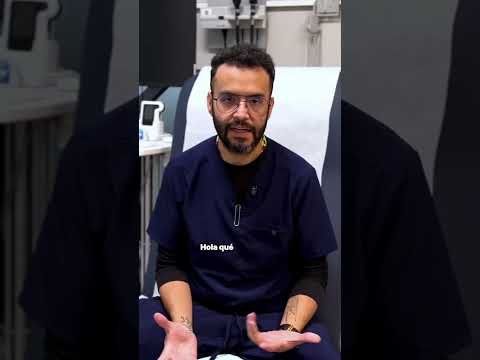

Listening to individuals who have navigated corrective metabolic procedures provides authentic insight into post-surgical realities. Former patients understand the dietary adaptation phases and nutritional monitoring required after a structural revision. Reviewing their testimonials regarding nursing attentiveness and support coordination offers valuable perspectives that standard brochures cannot replicate. Explore the patient feedback sections below to learn from their lived experiences.
How much does Revision Bariatric Surgery cost in Tijuana?
It can be incredibly disheartening to undergo bariatric surgery, only to find that you haven't achieved the weight loss results you hoped for, or worse, you've regained weight. For many, this isn't the end of their weight loss journey, but rather a turning point towards revision bariatric surgery. Tijuana, Mexico, has emerged as a leading destination for these specialized procedures, offering advanced medical care at a fraction of the cost found in other countries. This comprehensive guide will answer your most pressing questions about revision bariatric surgery in Tijuana, giving you the information you need to make an informed decision and take the next step towards a healthier you. What is Revision Bariatric Surgery? "Revision bariatric surgery is a secondary surgical procedure performed on patients who have previously undergone weight loss surgery but have not achieved their desired weight loss goals, have experienced weight regain, or have developed complications from their initial procedure." This type of surgery is designed to modify or correct issues that have arisen after the first bariatric procedure. It's a complex field, requiring a high level of surgical expertise, as it often involves working with altered anatomy and scar tissue from the initial operation. The goal is to address the specific problems a patient is facing, whether that's insufficient weight loss, weight regain, or complications like persistent reflux, ulcers, or nutritional deficiencies. It offers a renewed opportunity for patients to achieve significant and sustainable weight loss and improve their overall health. Why might someone need Revision Bariatric Surgery? "Patients typically need revision bariatric surgery due to insufficient weight loss, significant weight regain, or the development of complications from their initial weight loss procedure." The reasons for needing a revision are varied. Sometimes, the original procedure simply didn't achieve the expected weight loss. This could be due to the natural stretching of the stomach pouch or the widening of the connections (anastomosis) over time, allowing patients to eat more than intended. In other cases, patients may have regained a significant portion of the weight they initially lost, often because their body has adapted to the surgery, or they've struggled to maintain strict adherence to the post-surgical diet and lifestyle changes. Furthermore, some individuals develop chronic complications such as severe acid reflux (GERD), ulcers, strictures, or nutritional deficiencies that significantly impact their quality of life and require surgical correction. What types of Revision Bariatric Surgery are available in Tijuana? "A wide range of revision bariatric surgery types are available in Tijuana, including converting a gastric band to a sleeve or bypass, revising a stretched gastric sleeve, or addressing issues with a gastric bypass." Tijuana offers a comprehensive suite of revision procedures, tailored to the specific needs of each patient. These include: Lap-Band Revision/Removal: Many patients who initially underwent Lap-Band surgery may need revision due to inadequate weight loss, band erosion, slippage, or intolerance. Revisions often involve removing the band and converting to a more effective procedure like a gastric sleeve or gastric bypass. Gastric Sleeve Revision: If a gastric sleeve has stretched over time, or if the initial weight loss was insufficient, a revision might involve re-sleeving (making the sleeve smaller again), or converting the sleeve to a gastric bypass or a duodenal switch. This helps restore the restrictive effect and can improve metabolic outcomes. Gastric Bypass Revision: While less common, a gastric bypass can sometimes require revision. This may involve repairing a stretched pouch, narrowing the connection between the pouch and the small intestine (stoma), or addressing complications such as ulcers, fistulas, or severe nutritional deficiencies. Conversion to Duodenal Switch or SADI-S: For patients who have had a gastric sleeve but need more significant weight loss or resolution of comorbidities, conversion to a duodenal switch (DS) or Single Anastomosis Duodeno-Ileal Bypass with Sleeve Gastrectomy (SADI-S) can be a highly effective option. These procedures offer greater malabsorptive components, leading to more substantial and sustained weight loss. The specific revision procedure chosen will depend on the original surgery, the reason for the revision, and the patient's individual health profile. How much does Revision Bariatric Surgery cost in Tijuana? "Revision bariatric surgery in Tijuana typically costs significantly less than in the United States or Canada, with prices often ranging from $5,300 to $10,000 USD for an all-inclusive package, depending on the complexity of the procedure and the clinic." The cost is one of the primary reasons many individuals choose Tijuana for their revision bariatric surgery. While prices vary based on the specific type of revision, the surgeon's experience, and the facility, it's generally a fraction of what you'd pay in Western countries. For instance, a gastric bypass revision in the US could cost upwards of $20,000 to $30,000, whereas in Tijuana, it might be $7,000 to $10,000. These all-inclusive packages often cover hospital fees, surgeon's fees, anesthesiologist's fees, pre-operative tests, post-operative medications, and even transportation and accommodation. This affordability, combined with high-quality care, makes Tijuana an attractive option. Are clinics in Tijuana safe for Revision Bariatric Surgery? "Yes, many Bariatric clinics in Tijuana are safe and accredited for revision bariatric surgery, often operating in state-of-the-art facilities that meet international standards and employing highly experienced, board-certified surgeons." Tijuana has become a global hub for medical tourism, and a significant part of its appeal lies in the quality and safety of its medical facilities. Reputable bariatric clinics in Tijuana invest heavily in modern equipment, maintain stringent hygiene protocols, and employ medical staff, including surgeons and anesthesiologists, who are board-certified and have extensive experience in bariatric and revision bariatric surgery. Many hospitals catering to medical tourists are internationally accredited, ensuring they adhere to high standards of patient care and safety. It is crucial, however, to do thorough research and choose a well-regarded clinic with a strong track record and positive patient reviews. What is the success rate of Revision Bariatric Surgery? "The success rate of revision bariatric surgery varies depending on the type of procedure and the patient's adherence to lifestyle changes, but many patients achieve significant additional weight loss, with some studies showing an average of 12-15% total body weight loss after one year." Success in revision bariatric surgery is often measured by renewed weight loss and the resolution of complications. While it can be a more challenging procedure than the initial surgery due to altered anatomy, many patients experience positive outcomes. For example, endoscopic gastric sleeve revisions have shown success rates of 82% of patients losing at least 10% of their body weight. Surgical gastric sleeve revisions can result in 60-70% success rates in achieving meaningful weight loss. Factors like the patient's overall health, BMI before revision, and commitment to post-operative dietary and exercise guidelines significantly influence the outcome. Patients who seek revision within two to three years of their initial surgery often see better results as weight regain may not be as severe. What should I expect during a Revision Bariatric Surgery consultation in Tijuana? "During a revision bariatric surgery consultation in Tijuana, you can expect a comprehensive review of your medical history, including your previous bariatric surgery details, a physical examination, and a detailed discussion about your current health, weight loss goals, and potential revision options." The consultation is a critical step. The surgeon will thoroughly assess why your initial surgery didn't meet expectations or what complications you're experiencing. This typically involves reviewing your complete medical records, including past surgical reports, recent blood work, and imaging studies (like X-rays or endoscopies). You'll discuss your weight history, eating habits, and any symptoms you're experiencing. The surgeon will explain the various revision bariatric surgery options suitable for your case, outlining the benefits, risks, and expected outcomes for each. This is also an opportunity to ask any questions you have about the procedure, recovery, and post-operative care, ensuring you are fully informed before making a decision. How long is the recovery period for Revision Bariatric Surgery? "The recovery period for revision bariatric surgery can vary depending on the complexity of the procedure, but typically involves a hospital stay of 2-3 days, followed by several weeks of limited activity and a gradual return to normal diet and routine, similar to initial bariatric surgery." While often more intricate than the initial procedure, the recovery process for revision bariatric surgery generally follows a similar pattern to primary bariatric surgeries. Immediately after surgery, patients will spend a few days in the hospital for monitoring and initial recovery. During this time, pain management will be provided, and you'll begin a liquid diet. Once discharged, a strict liquid diet will continue, gradually progressing to pureed and then soft foods over several weeks. Most patients can return to light activities within 2-4 weeks, but full recovery and the ability to resume all normal activities, including strenuous exercise, may take 6-8 weeks or longer. Adhering to the surgeon's post-operative instructions is crucial for a smooth and successful recovery. What are the risks associated with Revision Bariatric Surgery? "The risks associated with revision bariatric surgery include, but are not limited to, bleeding, infection, leaks, strictures, nutritional deficiencies, and a higher risk of complications compared to primary bariatric surgeries due to existing scar tissue and altered anatomy." As with any surgical procedure, there are inherent risks, and revision bariatric surgery can carry a slightly higher risk profile than initial bariatric procedures. This is primarily because the surgeon is operating in an area that has already been surgically altered, which can lead to more scar tissue and adhesions, making the surgery technically more challenging. Specific risks can include: Bleeding: Internal bleeding can occur during or after the surgery. Infection: Any surgical site carries a risk of infection. Leaks: A leak from the newly created stomach pouch or connections is a serious but rare complication. Strictures: Narrowing of the connections can occur, requiring further endoscopic procedures to widen them. Nutritional Deficiencies: Alterations to the digestive tract, especially with malabsorptive procedures, can lead to deficiencies in vitamins and minerals, requiring lifelong supplementation. Anesthesia Complications: Risks associated with general anesthesia apply to any surgery. Failure to Achieve Desired Weight Loss: While the goal is improved weight loss, there's always a possibility that the desired results may not be fully achieved. Your surgeon will discuss these risks in detail during your consultation, ensuring you understand them thoroughly before proceeding. Is Revision Bariatric Surgery covered by insurance? "Whether revision bariatric surgery is covered by insurance depends on your specific insurance policy and the medical necessity of the procedure; many policies in the US and Canada may not cover international procedures, though some may offer partial reimbursement." Insurance coverage for revision bariatric surgery can be complex. In the United States and Canada, coverage typically depends on whether the procedure is deemed medically necessary and if your policy includes bariatric surgery. However, many insurance plans do not cover procedures performed outside of your home country. Even if your original bariatric surgery was covered, a revision might require additional documentation and justification to demonstrate medical necessity. It's crucial to contact your insurance provider directly to understand your policy's specifics, including coverage for international procedures, pre-authorization requirements, and any out-of-pocket expenses you may incur. Many patients traveling to Tijuana for revision bariatric surgery choose to self-pay due to the significant cost savings. What is the typical process for getting Revision Bariatric Surgery in Tijuana? "The typical process for revision bariatric surgery in Tijuana involves an initial online consultation, thorough pre-operative evaluations and medical tests, travel to Tijuana, the surgery itself, a short hospital stay, and a post-operative follow-up plan." Here's a general overview of the process: Initial Contact & Consultation: Most patients begin by contacting a bariatric clinic or facilitator in Tijuana online. You'll usually be asked to provide your medical history, details about your previous bariatric surgery, and current health information. An initial virtual consultation with a surgeon will then be scheduled. Pre-operative Evaluations: Once you decide to proceed, you'll undergo a series of pre-operative tests, which may include blood work, EKG, endoscopy, and other diagnostic imaging. Some tests can be done in your home country and sent to the clinic, while others may be performed upon arrival in Tijuana. Travel to Tijuana: You'll arrange your travel to Tijuana, often with assistance from the clinic or facilitator who can help with airport transfers and accommodation. In-person Consultation & Pre-op: Upon arrival, you'll have an in-person consultation with your surgeon to finalize the surgical plan and address any last-minute questions. Further tests might be conducted if needed. Surgery: The revision bariatric surgery is performed in a hospital setting. Hospital Stay: Patients typically stay in the hospital for 2-3 days for recovery and monitoring. Post-operative Care & Discharge: Before discharge, you'll receive detailed instructions on post-operative care, diet progression, and medications. Follow-up: Most clinics provide a structured follow-up plan, which may include remote consultations and guidance on long-term lifestyle changes. What are the long-term outcomes after Revision Bariatric Surgery? "Long-term outcomes after revision bariatric surgery can include sustained weight loss, improved resolution of obesity-related health conditions, and enhanced quality of life, provided patients commit to lifelong dietary and lifestyle modifications and regular follow-up." The goal of revision bariatric surgery is to provide a lasting solution to the challenges faced after primary bariatric surgery. While individual results vary, many patients experience significant improvements. This often includes achieving additional weight loss that was not possible after the initial surgery, leading to a healthier body mass index. Beyond weight loss, patients frequently see the resolution or significant improvement of obesity-related comorbidities such as type 2 diabetes, high blood pressure, sleep apnea, and joint pain. A better quality of life, increased mobility, and improved self-esteem are also common and vital long-term benefits. Lifelong adherence to dietary guidelines, vitamin supplementation, and regular follow-up with medical professionals are crucial for maximizing and maintaining these positive outcomes. What are the alternatives to surgical revision for weight regain? "Alternatives to surgical revision bariatric surgery for weight regain can include intensive medical weight management programs, re-engagement with diet and exercise, and in some cases, endoscopic procedures to reduce stomach pouch size or stoma diameter without traditional surgery." For some patients experiencing weight regain, a surgical revision might not be the first or only option. Non-surgical approaches include: Intensive Medical Weight Management: This involves working closely with a dietitian, exercise physiologist, and behavioral therapist to re-evaluate and optimize dietary habits, physical activity levels, and psychological factors contributing to weight regain. Pharmacotherapy: Certain weight loss medications may be prescribed to help manage appetite and promote further weight loss. Endoscopic Procedures: These minimally invasive procedures can be performed through the mouth, without incisions. Examples include endoscopic sleeve gastroplasty (ESG) for gastric sleeve patients to reduce pouch size, or transoral outlet reduction (TORe) for gastric bypass patients to tighten a stretched stoma. These procedures often have shorter recovery times and fewer risks than traditional surgery. The best alternative depends on the individual's specific situation, the type of original surgery, and the reasons for weight regain. How to choose a reputable clinic for Revision Bariatric Surgery in Tijuana? "To choose a reputable clinic for revision bariatric surgery in Tijuana, look for board-certified surgeons with extensive experience in revision procedures, hospitals with international accreditations, transparent pricing, comprehensive patient reviews, and clear communication channels." Selecting the right clinic is paramount for a safe and successful outcome. Here are key factors to consider: Surgeon's Qualifications and Experience: Ensure the surgeon is board-certified and has specific, extensive experience performing revision bariatric surgery. Ask about their success rates and how many revision procedures they perform annually. Hospital Accreditation: Look for hospitals that are accredited by international organizations (e.g., Joint Commission International - JCI) or that clearly state they meet US hospital standards. This indicates a commitment to high-quality care and patient safety. Transparency in Pricing: A reputable clinic will provide a clear, all-inclusive cost breakdown with no hidden fees. Patient Reviews and Testimonials: Research patient experiences on independent forums, review sites, and the clinic's website. Look for consistent positive feedback regarding outcomes, care, and communication. Communication and Support: Assess how responsive and clear the clinic's communication is during your initial inquiries. A good clinic will offer bilingual staff and comprehensive pre and post-operative support. Facilities and Equipment: Inquire about the modernity of their operating rooms, equipment, and recovery facilities. By diligently researching these aspects, you can increase your confidence in choosing a trusted provider for your revision bariatric surgery in Tijuana. Considering revision bariatric surgery to achieve your weight loss goals or address complications? Explore PlacidWay's network of world-class medical tourism solutions for tailored healthcare services that meet your needs.
How much does gastric bypass revision cost in Mexico?
Considering a gastric bypass revision? You're likely wondering about the cost, especially in a popular medical tourism destination like Mexico. The cost of a gastric bypass revision in Mexico is significantly lower than in the United States, making it an attractive option for many. This comprehensive guide will walk you through everything you need to know about the cost and other important aspects of this procedure in Mexico. The primary reason for the lower cost is the difference in the overall cost of living, including lower surgeons' fees, hospital charges, and administrative expenses. However, a lower price doesn't mean a compromise in quality. Many Mexican hospitals and surgeons offer world-class care and are internationally accredited. How much does a gastric bypass revision in Mexico cost? "The cost of a gastric bypass revision in Mexico typically ranges from $5,000 to $10,000 USD." This price is a fraction of what you would pay in the United States, where the same procedure can cost upwards of $25,000. The exact cost in Mexico can vary depending on several factors, including the complexity of the revision, the surgeon's experience, the hospital's reputation, and the specific package offered. It's crucial to get a detailed quote from your chosen clinic to understand what is included in the price. Always ensure there are no hidden fees. What factors influence the cost of gastric bypass revision in Mexico? "Several factors influence the final cost, including the type of revision needed, the surgeon's expertise, the hospital's accreditation, and the inclusions in the surgical package." The complexity of the revision is a primary cost driver. A simple pouch resizing will likely cost less than a more complex revision, such as converting a previous surgery to a different type of bariatric procedure. The surgeon's experience and the hospital's reputation also play a significant role. A highly experienced surgeon operating in a state-of-the-art, internationally accredited hospital will naturally have higher fees. Finally, the surgical package itself will affect the price. Some packages are all-inclusive, covering everything from pre-operative tests to post-operative care and even accommodation. Others may only cover the surgery itself, with additional costs for other services. What is typically included in a gastric bypass revision package in Mexico? "Most gastric bypass revision packages in Mexico are comprehensive, including the surgeon's fees, hospital stay, anesthesia, pre-operative tests, and post-operative medications." Many medical tourism packages in Mexico are designed to be all-inclusive to provide a seamless experience for international patients. A typical package will often include: Surgeon's and anesthesiologist's fees Hospital and operating room charges Pre-operative consultations and tests (e.g., blood work, EKG) Post-operative medications and initial follow-up Ground transportation (airport, hotel, hospital) A few nights' stay in a nearby hotel Always confirm the specifics of what your chosen package includes to avoid any unexpected expenses. Is it safe to have a gastric bypass revision in Mexico? "Yes, it is generally safe to have a gastric bypass revision in Mexico, provided you choose a reputable, accredited hospital and a board-certified bariatric surgeon." Many bariatric surgeons in Mexico have received training in the United States or Europe and are members of international medical organizations. The key to a safe procedure is thorough research. Look for hospitals with international accreditations, such as those from the Joint Commission International (JCI). Reading patient reviews and testimonials can also provide valuable insights into the quality of care and safety standards of a particular clinic or surgeon. What are the success rates for gastric bypass revision in Mexico? "The success rates for gastric bypass revision in Mexico are comparable to those in the United States, with many patients achieving their desired weight loss and health improvements." The success of a revision surgery depends on various factors, including the patient's commitment to lifestyle changes post-surgery. Experienced surgeons in Mexico report high success rates, helping patients get back on track with their weight loss journey. It's important to have realistic expectations and to follow your surgeon's post-operative guidelines carefully to maximize your chances of a successful outcome. What are the financing options for gastric bypass revision in Mexico? "Many clinics and medical tourism companies in Mexico offer financing options to help patients manage the cost of their gastric bypass revision." These financing plans can help you break down the total cost into more manageable monthly payments. Some companies specialize in medical loans for patients traveling abroad for surgery. It's worth inquiring about these options with your chosen provider. What are the best cities in Mexico for gastric bypass revision? "Tijuana, Cancun, and Guadalajara are among the most popular cities in Mexico for medical tourism, including gastric bypass revision surgery." These cities are home to numerous world-class hospitals and experienced bariatric surgeons. They are also easily accessible from the United States and Canada, with international airports and well-developed infrastructure for medical tourists. The choice of city may depend on your personal preference, travel convenience, and the specific clinics you are considering. What are the qualifications of bariatric surgeons in Mexico? "Reputable bariatric surgeons in Mexico are typically board-certified and have extensive experience in performing weight loss surgeries. Many have also received training in the US or Europe." When choosing a surgeon, look for their credentials, including their medical school, residency, and any specialized fellowships in bariatric surgery. Membership in professional organizations, such as the Mexican College of Surgery for Obesity and Metabolic Diseases (CMCOEM), is a good indicator of a surgeon's commitment to high standards. What is the recovery time for a gastric bypass revision in Mexico? "The initial recovery period in the hospital is typically 2 to 3 days, with a full recovery taking several weeks to months." You will likely need to stay in Mexico for about a week after your surgery for initial follow-up appointments. Once you return home, you will need to follow a specific diet and gradually reintroduce physical activity as advised by your surgeon. Most patients can return to work and normal activities within a few weeks. How does the cost and quality of gastric bypass revision in Mexico compare to the USA? "The cost of gastric bypass revision in Mexico is significantly lower than in the USA, often by 50-70%. In terms of quality, many Mexican facilities and surgeons meet or exceed international standards of care." While the cost is a major advantage, the quality of care is not compromised when you choose a reputable provider. Many Mexican hospitals use the same advanced technology and surgical techniques as their US counterparts. The key is to do your due diligence and select a facility and surgeon with a proven track record of excellence. What should I expect before and after a gastric bypass revision in Mexico? "Before the surgery, expect a thorough consultation and evaluation; after the surgery, anticipate a strict diet and a detailed recovery plan to ensure a successful outcome." The pre-operative process usually involves a comprehensive evaluation to ensure you are a suitable candidate for revision surgery. Post-operatively, you will receive detailed instructions on your diet, exercise, and wound care. Regular follow-up with your surgeon, either in person or virtually, is also a crucial part of the recovery process. What are the common reasons for needing a gastric bypass revision? "Common reasons for needing a gastric bypass revision include insufficient weight loss, weight regain, or complications from the initial surgery, such as an enlarged stomach pouch or stoma." Sometimes, the original surgery may not have produced the desired long-term results, or anatomical changes over time may have reduced its effectiveness. A revision surgery aims to correct these issues and help the patient achieve their weight loss goals. What are the risks and complications of gastric bypass revision surgery? "Like any major surgery, gastric bypass revision carries potential risks and complications, such as infection, bleeding, blood clots, and leaks from the staple lines." However, these risks are minimized when the surgery is performed by an experienced surgeon in a high-quality facility. Your surgeon will discuss the potential risks with you in detail during your consultation. It's important to follow all pre- and post-operative instructions to further reduce your risk of complications. How do I choose a clinic for gastric bypass revision in Mexico? "When choosing a clinic, consider the hospital's accreditation, the surgeon's qualifications and experience, patient testimonials, and the transparency of their pricing and packages." Take your time to research different clinics and surgeons. Don't hesitate to ask for virtual consultations to speak directly with the medical team. A reputable clinic will be transparent about their credentials, success rates, and all associated costs. Ready to explore your options for gastric bypass revision in Mexico? Let PlacidWay be your guide. We connect you with a global network of accredited hospitals and experienced surgeons. Explore our website to find the right solution for your healthcare needs.
Is bariatric revision surgery more affordable in Tijuana than in the U.S.?
Yes, bariatric revision surgery is typically more affordable in Tijuana than in the U.S. Patients often save 50% to 70% on the procedure due to lower administrative costs and a favorable exchange rate, without necessarily compromising on the quality of medical care. Navigating the journey of weight loss can be complex, especially when initial surgical interventions do not provide the expected long-term outcomes. Many patients considering a second step explore bariatric revision surgery in Tijuana to manage complications or address weight regain. Seeking healthcare across borders introduces unique financial advantages, but it also requires careful evaluation of safety, surgeon credentials, and post-operative logistics. Understanding whether traveling for healthcare makes sense for your specific situation involves looking beyond the initial price tag. You need to consider travel expenses, time off work, and the critical need for long-term follow-up care once you return home. This guide breaks down the financial landscape, clinical considerations, and practical steps for evaluating this major medical decision. Key Takeaways Revision procedures are inherently more complex and carry higher risks than initial surgeries due to existing scar tissue. Cost savings in Mexico largely stem from lower overhead and administrative expenses, not necessarily a lack of technology. Patients must arrange long-term follow-up care with a local physician before traveling abroad for surgery. Not everyone qualifies for a revision; a thorough evaluation by a qualified bariatric specialist is mandatory. Thorough research into facility accreditation and surgeon experience is vital for patient safety. Why do patients consider a second weight loss surgery in Mexico? Patients seek a second operation when initial surgeries fail to yield desired results, severe physical complications arise, and out-of-pocket costs in their home country are prohibitive. Weight loss surgery is a powerful tool, but it is not a cure for obesity. Over time, physical changes to the stomach pouch or the progression of underlying metabolic conditions can lead to weight regain. In other instances, patients may develop physical complications such as severe acid reflux (GERD), chronic nausea, or difficulty swallowing. When dietary changes and lifestyle modifications fail to resolve these issues, a doctor may recommend an anatomical correction. Many patients who underwent procedures like lap band surgery a decade ago are now finding that the device needs to be removed or converted to a different type of surgery. Because health insurance policies in the U.S. frequently deny coverage for revision procedures—labeling them as non-essential—patients are left to shoulder the entire financial burden. This high out-of-pocket reality drives many to explore international options where pricing aligns better with their personal budget. How much does bariatric revision surgery cost in Tijuana compared to the U.S.? The estimated cost typically ranges from $5,000 to $8,000 in Tijuana, compared to $15,000 to $30,000 or more for the exact same procedures in the United States. The stark difference in pricing is one of the main catalysts for medical travel. Healthcare systems in North America carry significant administrative burdens, high labor costs, and substantial malpractice insurance premiums, all of which inflate the final bill for the patient. In Mexico, these overhead expenses are considerably lower. When reviewing potential costs, keep in mind that a revision is technically more difficult than a primary surgery. Surgeons must navigate through adhesions and altered anatomy, which increases time in the operating room. Therefore, you will typically find that revisions cost slightly more than first-time gastric sleeve or bypass surgeries, even in Mexico. Procedure Type Estimated U.S. Cost Estimated Tijuana Cost Lap Band Removal & Sleeve Conversion $18,000 - $25,000 $5,500 - $7,000 Sleeve to Bypass Conversion $20,000 - $30,000 $6,000 - $8,500 Pouch Resizing $15,000 - $22,000 $5,000 - $6,500 Important Consideration: These figures are estimates. Your final quote will depend on your BMI, medical history, and the complexity of your previous surgery. What factors influence the total price of the procedure? Total prices fluctuate based on the specific anatomical correction needed, the operating surgeons experience level, facility fees, and the required length of your hospital stay. Many facilities package their services to simplify the process for international patients. While a packaged price might look appealing, you need to understand exactly what is included. Typically, these estimates cover the surgeon fees, anesthesia, standard hospital materials, and brief hotel accommodations. However, unexpected costs can arise. If your anatomy is severely scarred, the surgery may take longer, requiring more anesthesia and operating room time. Additionally, patients should budget for: Pre-operative blood work and cardiac evaluations. Travel expenses, including flights to San Diego and border crossing transport. Specialized post-operative medications and nutritional supplements. Potential extra nights in the hospital if your recovery is slower than expected. How can I identify a safe bariatric revision surgery clinic in Tijuana? You can identify suitable facilities by researching their national and international accreditations, verifying strict safety protocols, and asking for transparency regarding their complication rates. Choosing where to have surgery is arguably the most critical decision in your medical journey. Because regulations differ by country, the responsibility falls heavily on the patient to perform due diligence. Look for facilities that hold accreditations from recognized international bodies, such as the Joint Commission International (JCI), or those equivalent to rigorous domestic standards. When evaluating a center, ask detailed questions about their emergency response capabilities. A safe facility must have an intensive care unit (ICU) on-site or an immediate, established transfer protocol to a nearby hospital capable of handling severe surgical emergencies. Do not rely solely on online reviews; ask to see the surgeons certifications and verify that they are actively participating in recognized medical societies. What are the most common types of revision procedures performed? Common procedures include converting a problematic lap band to a gastric sleeve, changing a sleeve to a bypass to stop acid reflux, or surgically resizing a stretched gastric pouch. The type of revision you require directly depends on your primary surgery and the specific problems you are experiencing now. For example, lap band removals are very common today. Many patients who received gastric bands experience slippage, port infections, or inadequate weight loss. Surgeons often remove the band and convert the patient to a gastric sleeve or bypass during the same operation, provided the stomach tissue is healthy enough. Another frequent revision is converting a gastric sleeve to a Roux-en-Y gastric bypass. While the sleeve is highly effective for weight loss, it can sometimes induce severe, treatment-resistant acid reflux. Converting to a bypass alters the anatomy in a way that stops the reflux while also providing an additional mechanism for weight loss. Who is typically considered a suitable candidate for a revision? Candidates are usually individuals experiencing inadequate initial weight loss, significant weight regain, or serious physical complications like severe acid reflux or difficulty eating. Not everyone who regains weight is a candidate for further surgery. A qualified healthcare provider will conduct a thorough psychological and physical evaluation before approving a revision. They need to determine whether the weight regain is due to an anatomical failure, such as a stretched stomach pouch, or if it relates to a return of old dietary habits. If the issue is primarily behavioral, counseling and meetings with a registered dietitian may be recommended over taking on the risks of a second surgery. Medical clearance also involves checking your heart, lungs, and nutritional status to ensure your body can withstand another round of general anesthesia and surgical trauma. Expert Insight: Your surgeon will likely require an upper endoscopy or a barium swallow study to map out your current stomach anatomy before deciding if a revision is physically possible. What are the potential risks and complications of a revision? Revision surgeries carry a higher risk of complications, such as staple line leaks, internal bleeding, and severe infections, due to the presence of internal scar tissue from previous operations. Safety must always remain your top priority. The primary reason a second surgery is more dangerous is the presence of adhesions. Every time the abdomen is operated on, the body forms scar tissue. This tissue can bind organs together, making it difficult for the surgeon to separate them without causing accidental damage to the stomach or intestines. Because the blood supply to the stomach may have been altered during the first surgery, the tissue might not heal as predictably. This increases the risk of a leak, where digestive fluids escape into the abdominal cavity, requiring emergency intervention. Other risks include blood clots, prolonged recovery times, and long-term vitamin and mineral deficiencies. How does medical tourism in Tijuana work for surgical patients? Patients typically fly into San Diego, cross the border via private transport provided by the clinic, undergo surgery, recover locally for several days, and then travel home. The geographical proximity of this border city makes it a highly accessible destination for North American patients. Most treatment pathways begin with remote consultations, where you share your medical records, surgical history, and current test results with the medical team abroad. Once approved, patients usually fly into Southern California. Upon arrival, many established clinics provide a shuttle service that takes you directly across the border to the medical facility or a nearby hotel. You will undergo final blood tests and an in-person physical assessment before the operation. After discharge from the hospital, you will stay locally to ensure you are stable, hydrated, and capable of handling the journey home. How should I manage my aftercare and long-term follow-up at home? It is critical to secure a relationship with a local primary care physician or bariatric specialist in the U.S. before traveling, as lifelong monitoring of your nutritional levels is essential. The success of weight loss surgery relies heavily on post-operative care. When you return home, you will no longer have immediate access to your operating surgeon. Therefore, you must find a local healthcare provider willing to take over your long-term monitoring. This can sometimes be challenging, as some physicians hesitate to take on patients who received complex procedures abroad. You must obtain all operative reports, surgical notes, and discharge instructions translated into English before leaving Mexico. Bring these to your local doctor. You will require periodic blood tests to check for vitamin B12, iron, and calcium deficiencies. Committing to a lifelong regimen of specific bariatric vitamins and dietary discipline is mandatory for maintaining your health. Why Choose PlacidWay for Medical Tourism in Tijuana? PlacidWay is an informational platform designed to help patients explore healthcare options globally. Extensive Directory: Access information on numerous clinics and specialized healthcare providers in Mexico. Educational Resources: Read objective profiles and facility information to help guide your independent research. Direct Connections: Send inquiries directly to healthcare facilities to request customized treatment estimates. Procedure Details: Review available surgical methods, facility accreditations, and provider credentials in one place. Global Reach: Compare treatment options across different countries to find a destination that fits your budget and medical needs. Frequently Asked Questions Is it safe to travel to Tijuana for a medical procedure? Traveling for healthcare always carries some risk. While many patients have safe experiences in Tijuana, your safety depends on thoroughly researching the facility, verifying surgeon credentials, and understanding the clinic protocols for emergencies. Will my U.S. health insurance cover a revision surgery in Mexico? U.S. health insurance providers typically do not cover planned medical procedures performed outside the United States. Patients traveling for surgery abroad usually pay out of pocket using savings, personal loans, or medical financing. How long do I need to stay in Tijuana after my operation? Patients typically stay in the hospital for two to three days after the procedure, followed by an additional two to four days in a local hotel. Surgeons usually require an in-person follow-up before clearing you to travel home. Do surgeons in Tijuana speak English? Many surgeons and medical staff members who frequently treat international patients are bilingual. However, proficiency varies by facility, so you may want to ask about translation services during your initial consultation. Can I bring a companion with me to the hospital? Yes, most facilities allow you to bring a companion. Having a trusted friend or family member with you can provide emotional support and physical assistance during the early days of your recovery. What happens if I experience a complication after returning home? If you experience a medical emergency at home, you must seek immediate care at the nearest local emergency room. It is vital to establish a relationship with a local doctor before you travel so they can manage your long-term follow-up care. Are the medical instruments and technology similar to U.S. hospitals? Facilities that cater to international patients often invest in modern surgical equipment, including laparoscopic and robotic tools. You should verify the specific technology and accreditation of your chosen facility before booking. How long after my initial surgery can I have a revision? The appropriate timeline depends on your individual health, the type of original surgery, and the reasons for the revision. Surgeons typically wait until you have fully healed from the primary procedure and attempted non-surgical interventions. Will I need to follow a special pre-op diet again? Yes, surgeons routinely require patients to undergo a strict pre-operative liver-shrinking diet before a revision. This diet reduces the size of your liver, giving the surgeon better access to your stomach and potentially lowering surgical risks. How do I transfer my medical records to a foreign clinic? You can usually request a digital copy of your medical records and operative reports from your original surgeon. These documents are then securely emailed or uploaded to your prospective surgical team abroad for review. Compare Treatment Options Take the next step in researching your medical journey. Request detailed information about facilities, options, and estimated costs from healthcare providers abroad. Request Treatment Information References Bariatric Surgery Procedures – American Society for Metabolic and Bariatric Surgery (ASMBS) Weight-loss Surgery – National Institute of Diabetes and Digestive and Kidney Diseases Medical Tourism – Centers for Disease Control and Prevention (CDC) Gastric Bypass Surgery – Mayo Clinic Outcomes of Revisional Bariatric Surgery – National Center for Biotechnology Information (NCBI) Weight Loss Surgery Options – Johns Hopkins Medicine Bariatric Surgery Patient Information – American College of Surgeons Medical Disclaimer: The information provided in this article is for educational and informational purposes only and does not constitute medical advice. Treatment outcomes, recovery times, and individual suitability vary. You should not use this information to diagnose or treat a health problem or disease without consulting a qualified healthcare provider. Always seek the advice of your physician or other qualified health professional with any questions you may have regarding a medical condition or before deciding on any surgical procedure.
Is Revisional Bariatric Surgery Available in Tijuana?
Have you undergone bariatric surgery but haven't achieved the results you hoped for? Or perhaps you're experiencing complications that are affecting your quality of life. If so, you might be wondering about your options. The good news is that revisional bariatric surgery in Tijuana is a well-established and accessible solution for many. Tijuana has become a leading destination for medical tourism, particularly for bariatric procedures, due to its combination of experienced surgeons, modern facilities, and significantly lower costs compared to the United States and other Western countries. This comprehensive guide is designed to answer all your pressing questions about revisional bariatric surgery in Tijuana. We'll explore everything from the reasons you might need a revision to finding the right surgeon and understanding the entire process. Making the decision to undergo another surgery is significant, and we're here to provide you with the detailed, expert information you need to make an informed choice. Whether your initial procedure was a gastric sleeve, gastric bypass, or a lap band, there are advanced revisional options available in Tijuana to help you get back on track with your health and weight loss journey. Is Revisional Bariatric Surgery in Tijuana a Common Procedure? "Yes, revisional bariatric surgery is a common and frequently performed procedure in Tijuana. Many specialized bariatric centers and experienced surgeons in Tijuana regularly perform these complex surgeries for patients from around the world." Tijuana's reputation as a center for bariatric excellence extends to revisional procedures. The high volume of primary weight loss surgeries performed in the city means that surgeons also have extensive experience in addressing the various reasons why a revision might be necessary. This includes managing complications, addressing weight regain, or converting a previous surgery to a more effective procedure. The infrastructure for medical tourism in Tijuana is well-equipped to handle the specific needs of patients seeking revisional surgery. From initial consultations and pre-operative assessments to the surgery itself and post-operative care, the process is streamlined to ensure patient safety and comfort. Many clinics have dedicated teams to assist international patients with travel, accommodation, and navigating their medical journey. What Are the Main Reasons for Needing Revisional Bariatric Surgery? "The primary reasons for needing revisional bariatric surgery include inadequate weight loss, significant weight regain, or the development of post-operative complications such as acid reflux, ulcers, or anatomical changes like a stretched stomach pouch." There are several factors that can lead to the need for a revisional bariatric surgery. It's important to understand that not all initial surgeries are successful for every individual, and sometimes the body's response to the procedure necessitates a follow-up surgery. Here are some of the most common reasons: Inadequate Weight Loss: Some patients may not lose the expected amount of weight following their initial surgery. This could be due to the type of procedure, hormonal factors, or the body's individual response. Weight Regain: Over time, some patients may regain a significant portion of the weight they lost. This can happen due to stretching of the stomach pouch or sleeve, or a failure to adhere to long-term dietary and lifestyle changes. Medical Complications: A variety of complications can arise from the initial surgery, prompting the need for a revision. These can include: Chronic acid reflux (GERD) Ulcers Strictures (narrowing of the new stomach opening) Gastric band slippage or erosion Dumping syndrome (rapid passage of food into the small intestine) What Types of Revisional Bariatric Surgeries Are Performed in Tijuana? "In Tijuana, a wide range of revisional bariatric surgeries are performed, including converting a lap band to a gastric sleeve or bypass, revising a gastric sleeve to a gastric bypass or duodenal switch, and revising a previous gastric bypass to correct complications." The type of revisional bariatric surgery in Tijuana will depend on your original procedure and the reasons for the revision. Surgeons in Tijuana are proficient in various complex revisional techniques. Here's a table outlining some common revisional pathways: Initial Surgery Common Revisional Options Reasons for Revision Lap-Band Conversion to Gastric Sleeve or Gastric Bypass Band slippage, erosion, inadequate weight loss Gastric Sleeve Re-sleeve, Conversion to Gastric Bypass or Duodenal Switch Stomach stretching, severe acid reflux, insufficient weight loss Gastric Bypass Pouch resizing, stoma revision, limb distalization Pouch stretching, stoma enlargement, inadequate weight loss What is the Cost of Revisional Bariatric Surgery in Tijuana? "The cost of revisional bariatric surgery in Tijuana typically ranges from $5,000 to $8,000 USD. This is significantly more affordable than in the United States, where costs can exceed $20,000 to $30,000." One of the most compelling reasons to consider revisional bariatric surgery in Tijuana is the cost. The lower cost does not mean a compromise in quality. The reduced prices are primarily due to the lower cost of living and operational expenses in Mexico. Many clinics in Tijuana offer all-inclusive packages that cover: Surgeon's fees Anesthesia costs Hospital stay Pre-operative tests Post-operative medications Ground transportation from the San Diego airport Hotel accommodations It's important to get a detailed quote from your chosen clinic, as the final price can vary depending on the complexity of your revision and the specific procedures required. How Do I Choose a Qualified Surgeon for Revisional Bariatric Surgery in Tijuana? "To choose a qualified surgeon for revisional bariatric surgery in Tijuana, look for board certification, extensive experience specifically in revision procedures, and positive patient testimonials. Verify their credentials and the accreditation of the hospital where they operate." Selecting the right surgeon is the most critical step in your journey. Here's a checklist to help you make an informed decision: Board Certification: Ensure the surgeon is board-certified, preferably by a recognized Mexican or international board. Experience with Revisions: Ask about their specific experience with the type of revision you need. A surgeon who has performed hundreds or even thousands of revisions is ideal. Hospital Accreditation: The hospital or surgical center should be accredited, ideally by an international body like the Joint Commission International (JCI). Patient Reviews and Testimonials: Look for authentic reviews and success stories from previous patients who have undergone revisional surgery with that surgeon. Communication: The surgeon and their team should be able to communicate clearly with you in your language and be responsive to your questions and concerns. What is the Pre-Operative Process for Revision Surgery in Tijuana? "The pre-operative process for revision surgery in Tijuana typically involves a detailed medical history review, including records from your initial surgery, a pre-operative diet to shrink the liver, and a series of diagnostic tests upon your arrival in Tijuana." Preparing for your revisional bariatric surgery in Tijuana is a multi-step process. Once you've chosen your surgeon and clinic, you can expect the following: Initial Consultation (often virtual): You'll discuss your medical history, the details of your previous surgery, and your goals for the revision. Medical Records Submission: You'll need to provide your medical records, including details of your primary bariatric surgery. Pre-Operative Diet: Most patients will be required to follow a specific diet for a few weeks before surgery. This is typically a high-protein, low-carbohydrate diet designed to reduce the size of your liver, making the surgery safer. Arrival and Pre-Op Tests: You will typically arrive in Tijuana a day or two before your surgery for a physical examination and pre-operative tests, which may include blood work, an EKG, and an endoscopy. What is the Recovery Timeline for Revisional Bariatric Surgery? "The initial recovery in the hospital for revisional bariatric surgery is typically 2-3 days. Most patients can return to non-strenuous work within 2-4 weeks, with a full recovery and return to all activities taking several months." Recovery from revisional bariatric surgery in Tijuana is generally similar to that of a primary procedure, although it can sometimes be slightly longer due to the more complex nature of the surgery. Here's a general timeline: Hospital Stay: 2-3 nights. Hotel Stay in Tijuana: An additional 2-4 days for initial recovery and a post-operative check-up before you are cleared to travel home. At Home Recovery: You will need to follow a specific post-operative diet, starting with clear liquids and gradually advancing to soft and then solid foods over several weeks. Return to Work: For desk jobs, you can typically return to work within 2-3 weeks. For more physically demanding jobs, you may need 4-6 weeks or more off. Full Recovery: It can take several months to fully recover and adjust to your new digestive system. What is the Post-Operative Diet After Revisional Surgery? "The post-operative diet after revisional bariatric surgery is a phased approach that begins with clear liquids, progresses to full liquids, then pureed foods, soft foods, and finally to a long-term diet of solid foods. This gradual transition is crucial for healing and preventing complications." Your adherence to the post-operative diet is critical for a successful outcome. The diet is designed to allow your digestive system to heal and to help you adapt to your new stomach size. The phases generally include: Phase 1 (First few days): Clear liquids only (water, broth, sugar-free gelatin). Phase 2 (First couple of weeks): Full liquids (protein shakes, skim milk, yogurt). Phase 3 (Next few weeks): Pureed foods (blended soups, mashed vegetables, soft scrambled eggs). Phase 4 (After about a month): Soft foods (cooked vegetables, soft fruits, ground meats). Long-Term Diet: A balanced diet of solid foods, focusing on lean protein, vegetables, and whole grains, with an emphasis on small portions and thorough chewing. Is Revisional Bariatric Surgery in Tijuana Safe? "Yes, revisional bariatric surgery in Tijuana is generally safe, provided you choose a reputable surgeon and an accredited hospital. While any surgery carries risks, the complication rates at top Tijuana bariatric centers are comparable to those in the United States." The safety of your revisional bariatric surgery in Tijuana is paramount. It's important to acknowledge that revisional surgery is inherently more complex and can have a slightly higher risk of complications than primary bariatric surgery. However, by selecting a highly experienced surgeon and a modern, well-equipped hospital, you can significantly mitigate these risks. Many bariatric centers in Tijuana have excellent safety records and low complication rates. They adhere to international standards of care and utilize the latest surgical techniques and technology. Open communication with your surgeon about the potential risks and complications is essential. What are the Long-Term Lifestyle Changes After Revisional Bariatric Surgery? "Long-term lifestyle changes after revisional bariatric surgery are crucial for sustained success and include permanent dietary modifications, regular physical activity, and consistent vitamin and mineral supplementation. Lifelong follow-up with your medical team is also essential." Revisional bariatric surgery is a tool, not a magic cure. Long-term success depends on your commitment to significant lifestyle changes. These include: Dietary Habits: You will need to eat smaller, more frequent meals, prioritize protein, and avoid high-sugar and high-fat foods. Exercise: Regular physical activity is essential for weight loss and maintenance, as well as overall health. Supplementation: You will likely need to take vitamin and mineral supplements for the rest of your life to prevent nutritional deficiencies. Follow-Up Care: Regular check-ups with your bariatric team are necessary to monitor your health and progress. Are There Non-Surgical Alternatives to Bariatric Revision? "Yes, there are some non-surgical alternatives to bariatric revision, such as endoscopic procedures like pouch or stoma tightening. However, these are typically only suitable for specific issues and may not be as effective as surgical revision for significant weight regain or major complications." For some patients, non-surgical or less invasive options may be a possibility. These can include: Endoscopic Revision: Using an endoscope (a thin tube inserted through the mouth), a surgeon can perform procedures to tighten a stretched stomach pouch or stoma. Medical Weight Management: In some cases, a structured program of diet, exercise, and medication may be recommended before considering another surgery. It's important to discuss all your options with a qualified bariatric surgeon to determine the most appropriate course of action for your individual situation. Ready to explore your options for revisional bariatric surgery? PlacidWay can connect you with leading surgeons and accredited facilities in Tijuana and around the world. Take the next step in your health journey today!
How Successful Is Revision Gastric Sleeve Surgery in Mexico?
Revision gastric sleeve surgery in Mexico generally shows high success rates in addressing weight regain or insufficient weight loss after a primary sleeve gastrectomy, with many patients achieving significant improvements in health and quality of life. Mexico has become a leading destination due to experienced surgeons and affordable care. When you've already undergone gastric sleeve surgery, and for some reason, the results haven't met your expectations, or perhaps you've experienced weight regain, the idea of a "revision" might feel daunting. However, it's a very real and often highly successful option for many individuals. Revision gastric sleeve surgery in Mexico has emerged as a popular and effective solution for those seeking to get back on track with their weight loss journey or resolve complications from their initial procedure. Many people wonder if going to Mexico for a second bariatric procedure is truly a viable and successful path. The good news is that for many, it absolutely is. Mexico offers a combination of highly skilled bariatric surgeons, state-of-the-art facilities, and significantly more affordable costs compared to many other countries, making it an attractive destination for revision gastric sleeve surgery. This detailed guide will delve into the success rates, safety, and other crucial aspects of undergoing this important procedure in Mexico, helping you make an informed decision. What is revision gastric sleeve surgery? Revision gastric sleeve surgery is a follow-up bariatric procedure performed on patients who previously had a primary gastric sleeve but experienced complications, insufficient weight loss, or significant weight regain. It aims to optimize the stomach's size and shape to improve weight loss outcomes. Revision gastric sleeve surgery is a secondary bariatric procedure tailored for individuals who previously underwent a primary sleeve gastrectomy. While the initial gastric sleeve is often very effective, some patients may not achieve their desired weight loss, might regain weight over time, or could develop complications such as severe reflux. When these issues arise, a revision procedure can be considered. This surgery typically involves reshaping or further reducing the size of the stomach, which may have stretched over time, or addressing other anatomical issues that are hindering success. The goal is to correct the problems from the first surgery, optimize the restrictive effect on food intake, and help the patient achieve better long-term health and weight management. It's not a one-size-fits-all procedure; the specific approach depends on the individual's needs and the reasons for the revision. Why do patients need revision gastric sleeve surgery? Patients primarily need revision gastric sleeve surgery due to insufficient weight loss, significant weight regain years after the initial procedure, or the development of persistent complications like severe acid reflux (GERD) that impact their quality of life. There are several key reasons why a patient might require revision gastric sleeve surgery, each stemming from an unsatisfactory outcome of their initial procedure. Understanding these reasons is crucial for both patients and their medical teams to determine if a revision is the right path. Common reasons include: Insufficient Weight Loss: Some patients do not lose the expected amount of weight after their initial sleeve gastrectomy. This can be due to a variety of factors, including the initial sleeve being too large, or physiological adaptations by the body. Weight Regain: Over time, the stomach pouch can stretch, or patients may adapt their eating habits, leading to significant weight regain. This is one of the most common reasons for seeking revision surgery. Persistent Complications: While rare, some patients experience chronic complications after a primary sleeve, such as severe, intractable gastroesophageal reflux disease (GERD), persistent nausea, or strictures, which significantly impact their well-being. In these scenarios, a skilled bariatric surgeon evaluates the patient's history, current symptoms, and anatomical changes to determine the best revision strategy, aiming to improve both health outcomes and quality of life. What is the success rate of revision gastric sleeve surgery in Mexico? The success rate of revision gastric sleeve surgery in Mexico is generally very high, with many patients achieving an additional 50-70% of their excess weight loss. This success is supported by experienced surgeons and dedicated post-operative care, contributing to significant health improvements for patients. The success rate for revision gastric sleeve surgery in Mexico mirrors global trends for this type of procedure, often showing very positive outcomes. Patients who undergo revision surgery for weight regain or insufficient weight loss can typically expect to lose a significant portion of their remaining excess weight. On average, studies and clinical observations suggest that patients can achieve an additional 50-70% of their excess weight loss after a successful revision. Success is not just measured in pounds lost. It also encompasses significant improvements in obesity-related co-morbidities such as type 2 diabetes, high blood pressure, sleep apnea, and joint pain. Mexican bariatric centers that specialize in revision surgeries emphasize a comprehensive approach, including thorough patient selection, advanced surgical techniques, and robust post-operative support, which collectively contribute to these high success rates. Patients often report a renewed sense of motivation and improved quality of life following their revision procedure in Mexico. How safe is it to get revision gastric sleeve surgery in Mexico? Getting revision gastric sleeve surgery in Mexico is generally safe when choosing accredited hospitals and board-certified surgeons with extensive experience in bariatric revisions. Many Mexican facilities adhere to international safety standards, making it a reliable option for medical tourism patients. Patient safety is a paramount concern for any medical procedure, especially when considering surgery abroad. For revision gastric sleeve surgery in Mexico, safety levels are comparable to those in other developed nations, provided patients carefully select their providers. Mexico has a robust medical tourism infrastructure, with many hospitals and clinics specifically catering to international patients seeking bariatric procedures. Key factors contributing to the safety of revision gastric sleeve surgery in Mexico include: Accredited Facilities: Many bariatric centers in Mexico hold international accreditations, such as those from the Joint Commission International (JCI) or other recognized bodies, signifying adherence to rigorous safety and quality standards. Experienced Surgeons: Mexico is home to a significant number of highly skilled and board-certified bariatric surgeons who have performed thousands of primary and revision surgeries. Their expertise reduces the risk of complications. Modern Equipment: Leading Mexican clinics invest in state-of-the-art surgical equipment and technology, ensuring that procedures are performed with precision and efficiency. While inherent surgical risks always exist, choosing a reputable provider in Mexico significantly mitigates these concerns, making it a safe choice for many patients. What are the benefits of choosing Mexico for revision bariatric surgery? Choosing Mexico for revision bariatric surgery offers significant benefits including substantial cost savings, access to highly experienced bariatric surgeons, state-of-the-art facilities, and often shorter waiting times compared to many Western countries, without compromising on quality of care. Mexico has become a global hub for medical tourism, particularly for bariatric procedures like revision gastric sleeve surgery. The benefits of choosing Mexico extend beyond just the financial aspect, creating a compelling case for patients seeking this specialized care. Here are some of the primary advantages: Cost-Effectiveness: This is arguably the biggest draw. The cost of revision gastric sleeve surgery in Mexico can be anywhere from 50% to 70% less than in the United States or Canada, making it accessible to many who might not otherwise afford the procedure. Expertise and Experience: Mexican bariatric surgeons are often highly specialized and perform a large volume of bariatric surgeries, including complex revisions. This high volume translates into extensive experience and refined surgical skills. Advanced Facilities: Many clinics and hospitals catering to medical tourists in Mexico are modern, well-equipped, and designed to meet international standards of care, offering comfortable and safe environments. Accessibility and Convenience: For patients in North America, Mexico is geographically close, making travel relatively easy and less time-consuming. Many clinics also offer seamless travel and accommodation assistance packages. Reduced Waiting Times: Patients often face long waiting lists for bariatric surgeries in their home countries. Mexico provides the opportunity to schedule procedures more promptly, allowing patients to address their health needs sooner. These factors combine to make Mexico an attractive and practical choice for many seeking effective revision bariatric surgery. How much does revision gastric sleeve surgery cost in Mexico? Revision gastric sleeve surgery in Mexico typically costs between $6,000 and $10,000, which often includes surgeon fees, anesthesia, hospital stay, and basic post-operative care. This is a fraction of the cost in countries like the US or Canada, where it can exceed $20,000 to $30,000. The cost of revision gastric sleeve surgery is a major factor for many patients considering medical tourism. Mexico offers a significant financial advantage without compromising on the quality of care. The table below provides an approximate cost comparison: Country Estimated Cost (USD) Mexico $6,000 - $10,000 United States $20,000 - $35,000+ Canada $15,000 - $25,000+ (if not covered by public health) These costs in Mexico typically encompass the surgeon's fees, anesthesiologist's fees, hospital or clinic charges, pre-operative tests, and a short hospital stay. Some packages may also include ground transportation, accommodation, and initial post-operative follow-up. It is crucial for patients to get a detailed quote that outlines everything included to avoid unexpected expenses. The affordability allows many patients to access a life-changing procedure that would otherwise be out of reach. What factors contribute to the success of revision gastric sleeve surgery? The success of revision gastric sleeve surgery depends on factors like the surgeon's expertise, proper patient selection, adherence to post-operative dietary and lifestyle changes, and comprehensive follow-up care. Patient commitment to long-term habits is vital for optimal outcomes. Achieving a successful outcome from revision gastric sleeve surgery involves a combination of surgical excellence and dedicated patient effort. It's a partnership between the medical team and the individual. Key contributing factors include: Surgeon's Experience and Skill: Revision surgeries are often more complex than primary procedures. A highly experienced bariatric surgeon who specializes in revisions is critical for a safe and effective operation. Appropriate Patient Selection: Not everyone is a candidate for revision surgery. A thorough evaluation by the medical team to understand the root cause of the initial procedure's failure and assess the patient's overall health and psychological readiness is essential. Patient Adherence to Lifestyle Changes: Surgery is a tool, not a cure. Long-term success hinges on the patient's commitment to strict dietary guidelines, regular physical activity, and behavioral modifications. This includes understanding portion control, making healthy food choices, and avoiding problematic eating behaviors. Comprehensive Post-operative Support: Access to nutritional counseling, psychological support, and regular medical follow-ups plays a significant role in guiding patients through their recovery and helping them maintain long-term results. Realistic Expectations: Patients must have a clear understanding of what revision surgery can and cannot achieve. Setting realistic goals for weight loss and health improvements can prevent disappointment and foster motivation. When all these elements align, the chances of a highly successful revision gastric sleeve surgery are significantly enhanced. What are the potential risks and complications of revision gastric sleeve? Potential risks of revision gastric sleeve surgery include general surgical complications like infection, bleeding, and blood clots, as well as specific bariatric risks such as staple line leaks, strictures, and nutritional deficiencies. These risks are typically higher than with primary bariatric surgery due to altered anatomy. While revision gastric sleeve surgery can be highly beneficial, it's important for patients to be aware of the potential risks and complications, which are generally higher than those associated with a primary bariatric procedure due to the existing scar tissue and altered anatomy. Common risks and complications include: Staple Line Leaks: This is a serious but rare complication where digestive fluids leak from the re-stapled stomach, potentially leading to infection. Strictures: Scar tissue can form and narrow the new stomach pouch, making it difficult to eat. This may require endoscopic dilation to correct. Bleeding and Infection: As with any surgery, there is a risk of bleeding during or after the procedure, and a risk of infection at the surgical site. Blood Clots: Deep vein thrombosis (DVT) and pulmonary embolism (PE) are risks that are mitigated with preventive measures like blood thinners and early mobilization. Nutritional Deficiencies: Although less common than with malabsorptive procedures, patients can still develop deficiencies in vitamins and minerals, requiring lifelong supplementation. Conversion to another procedure: In some cases, the surgeon may encounter unexpected findings during the revision that necessitate converting to a different bariatric procedure, such as a gastric bypass. Surgeons in Mexico take extensive precautions to minimize these risks, including thorough pre-operative assessments and adherence to strict surgical protocols. Open communication with your surgical team about these risks is crucial. What is the recovery period like after revision gastric sleeve surgery? The recovery period after revision gastric sleeve surgery typically involves a 2-3 day hospital stay, followed by 2-4 weeks of restricted activity. Full recovery and adaptation to a new dietary regimen can take several months, requiring patience and adherence to medical advice. Understanding the recovery period is essential for planning and setting realistic expectations for revision gastric sleeve surgery. While every individual's recovery journey is unique, there are general phases to expect. Immediately after surgery: Hospital Stay: Patients typically stay in the hospital for 2 to 3 days. During this time, pain management is provided, and patients are monitored for any immediate complications. They will start on a clear liquid diet. Initial Weeks (Weeks 1-4): Upon returning home (or to a recovery accommodation in Mexico), patients will follow a very strict liquid diet, gradually progressing to pureed foods. Light walking is encouraged, but strenuous activities, heavy lifting, and driving are restricted. Most patients can return to light desk work within 2-4 weeks. Long-term Adaptation (Months 1-6+): The diet will continue to progress to soft solids and then regular, healthy foods, focusing on protein and vegetables. Full physical recovery and the adaptation to new eating habits, including portion control and mindful eating, can take several months. Consistent follow-ups with the medical team, including nutritionists, are vital during this phase to ensure proper healing and nutritional balance. Patience, adherence to all post-operative instructions, and active participation in follow-up care are crucial for a smooth and successful recovery. How do I choose a reputable clinic for revision gastric sleeve in Mexico? To choose a reputable clinic for revision gastric sleeve in Mexico, look for facilities with international accreditation (e.g., JCI), board-certified bariatric surgeons specializing in revisions, transparent pricing, comprehensive pre- and post-operative care, and positive patient testimonials or reviews. Selecting the right clinic and surgeon is the most critical step in ensuring a safe and successful revision gastric sleeve surgery in Mexico. With many options available, a diligent approach to research and vetting is essential. Consider the following factors: Surgeon Credentials and Experience: Verify that the surgeon is board-certified, has extensive experience specifically with revision bariatric surgeries, and is a member of reputable bariatric associations (e.g., American Society for Metabolic and Bariatric Surgery - ASMBS, or international equivalents). Ask about their complication rates for revision procedures. Clinic Accreditation and Facilities: Prioritize clinics or hospitals that are internationally accredited (like JCI). This indicates adherence to global standards of patient safety and quality. Ensure the facility is modern, clean, and well-equipped with advanced surgical technology. Comprehensive Care Packages: A reputable clinic will offer an all-inclusive package that covers pre-operative consultations, the surgery itself, hospital stay, anesthesia, medication, and crucially, robust post-operative follow-up care and nutritional guidance. Transparency in Pricing: Look for clinics that provide clear, upfront pricing with no hidden fees. They should be able to break down what is included in your total cost. Patient Testimonials and Reviews: Seek out reviews and testimonials from previous patients who have undergone revision surgery at the clinic. Patient experiences can offer valuable insights into the quality of care and overall satisfaction. Communication and Support: Assess how easily you can communicate with the clinic's staff and if they provide clear information in your preferred language. A good clinic will offer excellent patient support throughout your journey. By thoroughly researching and considering these points, you can make an informed decision and choose a highly reputable provider for your revision gastric sleeve surgery in Mexico. Can revision gastric sleeve improve comorbidities like diabetes? Yes, revision gastric sleeve surgery can significantly improve or resolve comorbidities such as type 2 diabetes, high blood pressure, and sleep apnea, especially if these conditions worsened due to weight regain after the initial surgery. Restoring effective weight loss is key to improving metabolic health. One of the most profound benefits of successful revision gastric sleeve surgery extends beyond just weight loss; it also significantly impacts obesity-related health conditions, known as comorbidities. For patients who experienced a recurrence or worsening of these conditions after their initial sleeve, revision surgery offers a renewed opportunity for improvement. How revision gastric sleeve helps: Diabetes Remission: By re-establishing effective weight loss and hormonal changes, revision surgery can lead to significant improvements, or even remission, of type 2 diabetes. This reduces the need for medication and lowers the risk of long-term complications. Blood Pressure Control: Weight loss from revision surgery often results in lower blood pressure, reducing the risk of heart disease and stroke, and potentially allowing patients to decrease or discontinue their blood pressure medications. Resolution of Sleep Apnea: Reducing excess weight around the neck and chest can alleviate obstructive sleep apnea, leading to better sleep quality and reduced reliance on CPAP machines. Improved Joint Pain: Less weight on the joints translates to reduced pain and improved mobility, enhancing overall quality of life and physical activity levels. These improvements in comorbidities are a major indicator of the overall success of revision gastric sleeve surgery, emphasizing its role in promoting comprehensive health and well-being. What pre-operative evaluations are needed for revision gastric sleeve in Mexico? Pre-operative evaluations for revision gastric sleeve in Mexico typically include a comprehensive medical history review, physical exam, blood tests, endoscopy, barium swallow study, and psychological assessment. These help determine surgical candidacy and identify any potential risks. Before undergoing revision gastric sleeve surgery in Mexico, a thorough pre-operative evaluation is crucial to ensure patient safety and optimize outcomes. These assessments help the medical team understand the patient's current health status, the reasons for the revision, and any potential risks. Standard evaluations often include: Medical History Review: A detailed review of the patient's entire medical history, including previous surgeries, existing medical conditions, and medications. Special attention is paid to the details of the initial bariatric surgery. Physical Examination: A complete physical assessment to check vital signs, body mass index, and overall physical health. Laboratory Tests: Blood tests to check blood count, kidney and liver function, electrolytes, and nutritional deficiencies. Endoscopy (EGD): An upper endoscopy is often performed to visualize the esophagus and stomach, assessing the current anatomy, checking for strictures, ulcers, or the size of the existing sleeve. Barium Swallow Study: This imaging test helps evaluate the shape and size of the gastric sleeve, identify any leaks, strictures, or reflux issues that may be contributing to the need for revision. Psychological Evaluation: A psychological assessment helps ensure the patient is mentally prepared for the surgery and the significant lifestyle changes required post-operatively. It also addresses any underlying eating disorders or behavioral issues. Cardiac and Respiratory Clearances: Depending on the patient's age and health, further cardiac (ECG, stress test) or respiratory evaluations may be required to ensure they can safely tolerate anesthesia and surgery. These comprehensive evaluations, often coordinated remotely or upon arrival in Mexico, ensure that patients are good candidates for revision surgery and minimize potential complications. What happens during the post-operative follow-up after revision gastric sleeve in Mexico? Post-operative follow-up after revision gastric sleeve in Mexico typically includes immediate hospital monitoring, wound care, pain management, and dietary guidance. Most clinics arrange remote check-ups with the surgeon and nutritionists upon return home, often involving video calls and regular progress reporting. Post-operative follow-up care is a critical component of ensuring the long-term success and safety of revision gastric sleeve surgery, regardless of where the procedure is performed. Clinics in Mexico that cater to international patients have well-structured follow-up protocols. Here’s what typically happens: Immediate Hospital Care: While still in Mexico, you will receive close monitoring in the hospital for 2-3 days. This includes regular checks of your vital signs, pain management, and initial guidance on your liquid diet. The medical team will also instruct you on wound care before discharge. Discharge Instructions: Before you return home, you will be provided with detailed instructions regarding your diet progression, medication schedule, activity restrictions, and signs of potential complications to watch out for. Remote Follow-ups: Recognizing that international patients return to their home countries, reputable Mexican clinics typically arrange for remote follow-up appointments. These often include: Video Consultations: Scheduled video calls with your surgeon or a bariatric specialist to review your progress, address concerns, and monitor healing. Nutritional Support: Ongoing virtual sessions with a bariatric nutritionist to guide you through dietary changes, ensure adequate nutrient intake, and prevent deficiencies. Progress Reporting: You may be asked to provide regular weight updates, food diaries, and sometimes even local lab results to your Mexican care team. Local Doctor Collaboration: Many clinics encourage patients to establish care with a local primary care physician or bariatric specialist at home who can help with ongoing monitoring and prescription management. This blend of immediate in-person care and ongoing remote support ensures that patients receive continuous guidance throughout their recovery journey, contributing significantly to the overall success of the revision gastric sleeve surgery. If you are considering revision gastric sleeve surgery or any other medical procedure abroad, exploring options through a trusted medical tourism facilitator like PlacidWay can provide access to leading international clinics, experienced specialists, and comprehensive care packages tailored to your needs.
The outcome of a corrective procedure depends heavily on the expertise of the operating surgeon. Revision bariatric cases require advanced technical mastery rather than standard general surgical approaches. Seek specialists who focus explicitly on complex bariatric conversions, hold active credentials with national surgical boards, and willingly share complication tracking metrics. Review the physician profiles below to compare professional backgrounds and identify a trusted specialist.

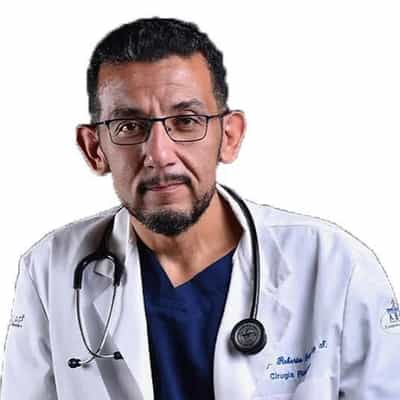
Dr. Juan Roberto Gonzalez Santamaria
Hospital CYNTAR in Tijuana, Mexico
- Bariatric Surgeon
Tijuana,Mexico
Traveling to Mexico for specialized metabolic care is a well-established pathway, particularly for individuals originating from the United States and Canada seeking accessible healthcare solutions without prolonged administrative delays. Proximity across the southern border makes travel streamlined, with primary medical hubs located in accessible regions like Tijuana, Monterrey, and Puerto Vallarta. When planning logistical arrangements for post-surgical recovery, consider comfort and ease of transit:
Keep in mind that although Mexico offers rich cultural surroundings, a revision bariatric procedure demands dedicated rest, hydration focus, and strict adherence to postoperative dietary guidelines rather than intensive tourism activities.
Navigating corrective weight loss pathways is a major step, and having structured guidance simplifies every phase. From gathering detailed surgical breakdowns to verifying facility accreditations and surgeon backgrounds, PlacidWay supports your planning journey. We help you explore options so you can make an informed choice focused on long-term health and wellness. Ready to discover what your personalized Revision Weight Loss Surgery in Mexico plan might look like? Let us assist you in finding the right path forward.References






















Share this listing