


Advanced Cleft Lip and Palate Nasal Reconstruction Procedure in South Korea
Achieving successful outcomes for congenital facial abnormalities requires world-class surgical expertise and advanced medical infrastructure. For many international patients, undergoing a complex cleft lip and palate nasal reconstruction procedure in South Korea represents a life-changing opportunity to restore both breathing function and facial symmetry. These highly specialized operations address deep structural deficiencies that standard cosmetic surgeries simply cannot fix.
Patients dealing with associated genetic conditions often require uniquely tailored approaches to rebuild the nasal framework safely. By leveraging cutting-edge techniques and decades of clinical experience, leading South Korean plastic surgeons provide comprehensive solutions for those who have endured multiple failed surgeries in the past. This meticulous approach to functional rhinoplasty sets a global benchmark in advanced reconstructive medical care.
Video Chapters
Understanding Congenital Reconstructive Rhinoplasty Challenges
Patients born with a cleft lip and palate frequently face severe structural abnormalities that extend well beyond the visible lip area. The condition often causes significant deformities within the nasal cavity, leading to a collapsed nasal tip and severe asymmetry. As seen in the case of a young patient from Gabon , multiple prior reconstructive attempts can still leave the individual with a severe lack of foundational tissue. These previous operations often generate rigid scar tissue that makes subsequent corrective surgeries exceptionally difficult.
Surgeons must carefully evaluate the remaining anatomical structures before attempting another reconstructive rhinoplasty for congenital defects. The primary objective is not merely aesthetic enhancement but the complete restoration of a viable airway. Without a stable skeletal framework, the nose cannot support itself, leading to chronic respiratory distress and a severely compromised quality of life. Reconstructive experts must navigate these delicate anatomical landscapes to meticulously rebuild the missing cartilaginous support.
A comprehensive approach is required to map out the internal nasal architecture before any incisions are made. High-resolution imaging and detailed physical examinations help the surgical team understand exactly which foundational elements are missing. This exhaustive preoperative planning is crucial for individuals who have already endured numerous unsuccessful procedures. It ensures that the upcoming surgery directly addresses the root cause of the nasal collapse rather than just the superficial symptoms.
The Complex Nature of Cleft Lip and Palate Deformities
Cleft lip and palate deformities present one of the most challenging puzzles in modern reconstructive medicine. The congenital separation of the upper lip and the roof of the mouth disrupts the normal growth patterns of the midface. This developmental interruption directly impacts the base of the nose, pulling the nasal structures off-center and severely restricting airflow. Correcting this requires an advanced cleft lip and palate nasal reconstruction procedure in South Korea, where specialists possess the specific skill sets needed to realign the facial foundation.
The absence of adequate bone and cartilage in the cleft area means that standard rhinoplasty techniques are fundamentally inadequate. The surgeon must essentially build a new structural base over a void, demanding exceptional spatial awareness and technical proficiency. It involves repositioning the maxillary bones and creating a stable platform for the new nasal framework to rest upon. This foundational work is what ultimately allows for a symmetrical and functional final result.
Typically, primary cleft lip repairs are performed during early infancy, followed by palate repairs a few months later. However, the nose continues to grow and change shape throughout adolescence, often revealing severe secondary deformities as the patient reaches adulthood. This delayed manifestation of structural collapse means that many adult patients require highly specialized secondary or tertiary interventions. These adult reconstructive surgeries are exceptionally delicate, as the tissues have lost much of their youthful elasticity and are bound by decades-old scar tissue.
The Impact of Marfan Syndrome on Connective Tissues
Adding another layer of complexity to reconstructive surgery is the presence of underlying genetic disorders. Marfan syndrome is a congenital developmental disorder that profoundly affects the body's connective tissues, bone development, and cardiovascular system . Patients with this condition typically exhibit a tall, thin stature, long facial features, and spinal curvatures such as scoliosis. The systemic fragility of their connective tissues makes standard surgical interventions far more unpredictable and challenging.
In a typical reconstructive rhinoplasty, a patient's own costal (rib) cartilage is the preferred grafting material due to its strength and abundance. However, for individuals with Marfan syndrome, harvesting autologous rib cartilage presents significant medical risks and complications. The genetic abnormality alters the structural integrity of their skeletal system, making their native cartilage unsuitable or biologically unsafe to harvest. This forces the medical team to meticulously research alternative grafting materials that can provide the necessary structural strength.
Furthermore, Marfan syndrome often brings associated cardiovascular risks that must be carefully managed during prolonged surgical operations. Anesthesia protocols must be customized to ensure the patient's heart and blood vessels remain stable throughout the complex reconstructive rhinoplasty procedure in South Korea. The surgical facility must be fully equipped with advanced monitoring technology and a multidisciplinary team ready to handle any genetic-related complications.
Rebuilding the Nasal Septum for Optimal Breathing Function
The functional capacity of the nose relies entirely on the central support structure known as the nasal septum. In severe congenital deformities, this crucial cartilaginous pillar is often completely absent or severely compromised . Without a functional septum, patients struggle to perform basic physiological tasks, such as smelling, filtering inhaled air, and breathing freely. Rebuilding this central divider is the absolute cornerstone of any successful functional rhinoplasty procedure.
Advanced nasal septal reconstruction surgery in Seoul focuses heavily on erecting a robust internal framework before addressing any external aesthetic concerns. By establishing a strong central pillar, surgeons can open up the collapsed nasal cavities, drastically increasing the volume of air the patient can inhale. This structural expansion immediately relieves the severe narrowness of the nasal passages that plagues cleft lip patients. The restoration of normal respiratory function alleviates chronic fatigue, prevents dangerous sleep apnea, and fundamentally improves daily living .
The meticulous engineering required to recreate a missing septum involves precise structural dynamics. The new grafts must be strong enough to support the thick skin envelope of the nose but flexible enough to withstand minor everyday traumas. Achieving this perfect balance of rigidity and elasticity is the true hallmark of an elite reconstructive specialist.
Alternative Grafting: Comparing Surgical Materials
In the context of advanced cleft lip reconstructive surgery, synthetic materials carry an unacceptably high risk of infection and extrusion. The compromised blood supply in heavily scarred congenital defect tissues makes foreign bodies extremely dangerous. Autologous or properly processed biological allografts are vastly superior because they integrate seamlessly with the patient's native tissues over time.
| Graft Material | Surgical Application | Marfan Syndrome Risk Profile |
|---|---|---|
| Autologous Rib Cartilage | Excellent for rigid structural support and building septal extension grafts. | High Risk. Harvesting chest cartilage can destabilize the skeletal system. |
| Autologous Ear Cartilage | Ideal for soft contouring of the nasal tip and alar rims. | Low Risk. Safe to harvest but lacks the rigidity needed for central support. |
| Donated Costal Allograft | Used as a robust, safe alternative for reconstructing the main septal pillar. | Very Safe. Bypasses donor site morbidity entirely while offering supreme strength. |
Advanced Surgical Techniques Using Allograft Cartilage
When a patient's own rib cartilage is not a viable option, surgeons must employ highly sophisticated biological grafting strategies. To rebuild the missing septum and nasal tip, specialists often combine different cartilage sources to achieve the desired structural stability. In complex cases, the surgical team may extract the patient's native ear cartilage for the softer, more flexible areas of the nose . This provides a natural contour to the nasal tip without subjecting the patient to severe donor site morbidity.
For the rigid central support, a donated costal cartilage allograft is meticulously carved and inserted. These allografts are rigorously processed and sterilized medical materials that offer the necessary tensile strength to prop up a severely collapsed nose. Utilizing an allograft completely bypasses the risks associated with chest wall surgery in Marfan syndrome patients. This innovative hybrid grafting technique requires an elite level of surgical precision, which is why patients seek out the best plastic surgery for congenital defects in Korea.
The precise carving of the allograft is an art form in itself, requiring the surgeon to anticipate how the cartilage will settle over the ensuing months. The graft must be meticulously sutured into the remaining foundational bone to ensure it does not shift or warp during the healing process. This high-level technical execution guarantees a long-lasting, stable result that can withstand the test of time.
The Psychological and Functional Benefits of Reconstructive Surgery
The transformation following a successful reconstructive procedure extends far beyond physical healing and respiratory improvements. For individuals who have lived their entire lives with severe facial deformities, the daily emotional burden and social stigma can be overwhelming. Restoring facial symmetry and normal anatomical function directly correlates with a massive boost in self-confidence and overall psychological well-being. Patients are finally able to integrate into social settings without the constant anxiety associated with their physical appearance .
Furthermore, the immediate physical relief from chronic airway obstruction is profoundly liberating. Many patients describe the sensation of drawing a full, unobstructed breath as an entirely new and joyous experience. This functional liberation empowers them to engage in rigorous physical activities that were previously impossible due to oxygen deprivation. The ability to breathe effortlessly transforms their energy levels and completely revitalizes their daily routines.
The ripple effect of this medical success touches the patient's entire family, offering them a renewed sense of hope and a fresh start in life. For relatives who have spent decades seeking medical solutions, seeing their loved one smile brightly is the ultimate reward . The psychological healing provided by these surgeries is just as critical as the physical reconstruction itself.
Choosing South Korea for Complex Medical Tourism
South Korea has firmly established itself as a premier global epicenter for advanced plastic and complex reconstructive surgery. The country's exceptional medical infrastructure is renowned for its stringent safety protocols, state-of-the-art diagnostic technology, and highly specialized medical professionals. For international patients requiring a complex reconstructive rhinoplasty procedure in South Korea, the unparalleled expertise of Korean surgeons offers a reliable beacon of hope. These specialists routinely and successfully handle the most challenging congenital deformities that other international clinics might decline.
Medical tourism in Korea is supported by comprehensive patient care programs specifically designed to accommodate international visitors. From initial digital online consultations to meticulous in-person post-operative follow-ups, the entire process is optimized for patient comfort and safety. International patient coordination teams handle everything from translation services to specialized accommodation, ensuring a stress-free medical journey. This holistic approach to healthcare allows the patient to focus entirely on their surgical preparation and subsequent healing.
Leading clinics specializing in reconstructive surgery often boast decades of dedicated, hands-on experience in dealing with severe structural defects. This ensures that every individual receives a bespoke surgical plan carefully tailored to their unique anatomical and genetic requirements. This unwavering dedication to medical excellence makes South Korea the absolute premier destination for life-altering surgical interventions and congenital defect corrections.
Post-Operative Healing and Long-Term Nasal Recovery
The recovery phase of a highly complex nasal reconstruction requires careful medical monitoring and strict patient adherence to post-operative guidelines. In the initial weeks following the surgery, patients will experience significant facial swelling and must rely on external protective splints to safely maintain the new nasal shape. By the two-week mark, surgical dressings are typically removed, revealing the initial structural improvements and allowing the patient to experience the immediate benefits of a vastly expanded nasal cavity .
Critical Post-Operative Care Guidelines
Long-term recovery primarily involves protecting the delicate internal structural grafts as they fully integrate with the surrounding facial tissues. To achieve the best possible reconstructive rhinoplasty outcomes, patients must adhere to specific healing protocols:
- Splint Usage: Patients are strictly required to wear custom-fitted nasal splints while sleeping to prevent accidental compression or shifting of the grafted cartilage.
- Activity Modification: Avoiding strenuous cardiovascular activities and heavy lifting is paramount to preventing unwanted blood pressure spikes that could disrupt vascular healing.
- Ongoing Evaluations: Regular medical imaging and check-ups ensure that the reconstructed airway remains completely unobstructed as the aesthetic contours settle.
During the critical healing window, patients are advised to follow a strict nutritional regimen designed to minimize inflammation and promote rapid tissue repair. By adhering to a comprehensive lifestyle plan, patients maximize their body's natural healing capacity and ensure the total integration of the allograft materials. The careful management of this prolonged healing process guarantees that the critical functional and cosmetic benefits of the surgery endure for a lifetime. With patience and proper aftercare, the results of a high-quality reconstructive rhinoplasty will provide permanent, life-changing functional stability and aesthetic harmony.
Ready to Transform Your Life with Advanced Reconstructive Surgery?
Discover your options for a cleft lip and palate nasal reconstruction procedure in South Korea. Connect with top medical professionals to discuss tailored surgical solutions today.
Get Free Quote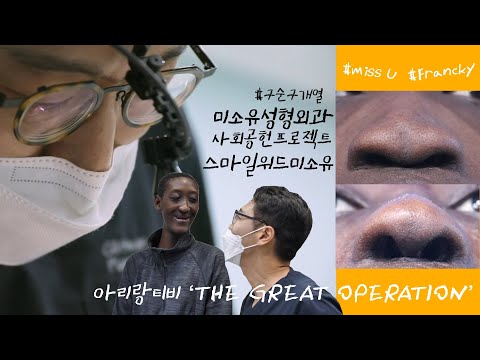




.png)
.png)
.png)
.png)
.png)



![[SECOND CHANCE TRAILER ] REAL STORIES, REAL TRANSFORMATIONS](https://img.youtube.com/vi/gzdqU-wlJw0/hqdefault.jpg)
.png)
.png)










Share this listing