
.png)
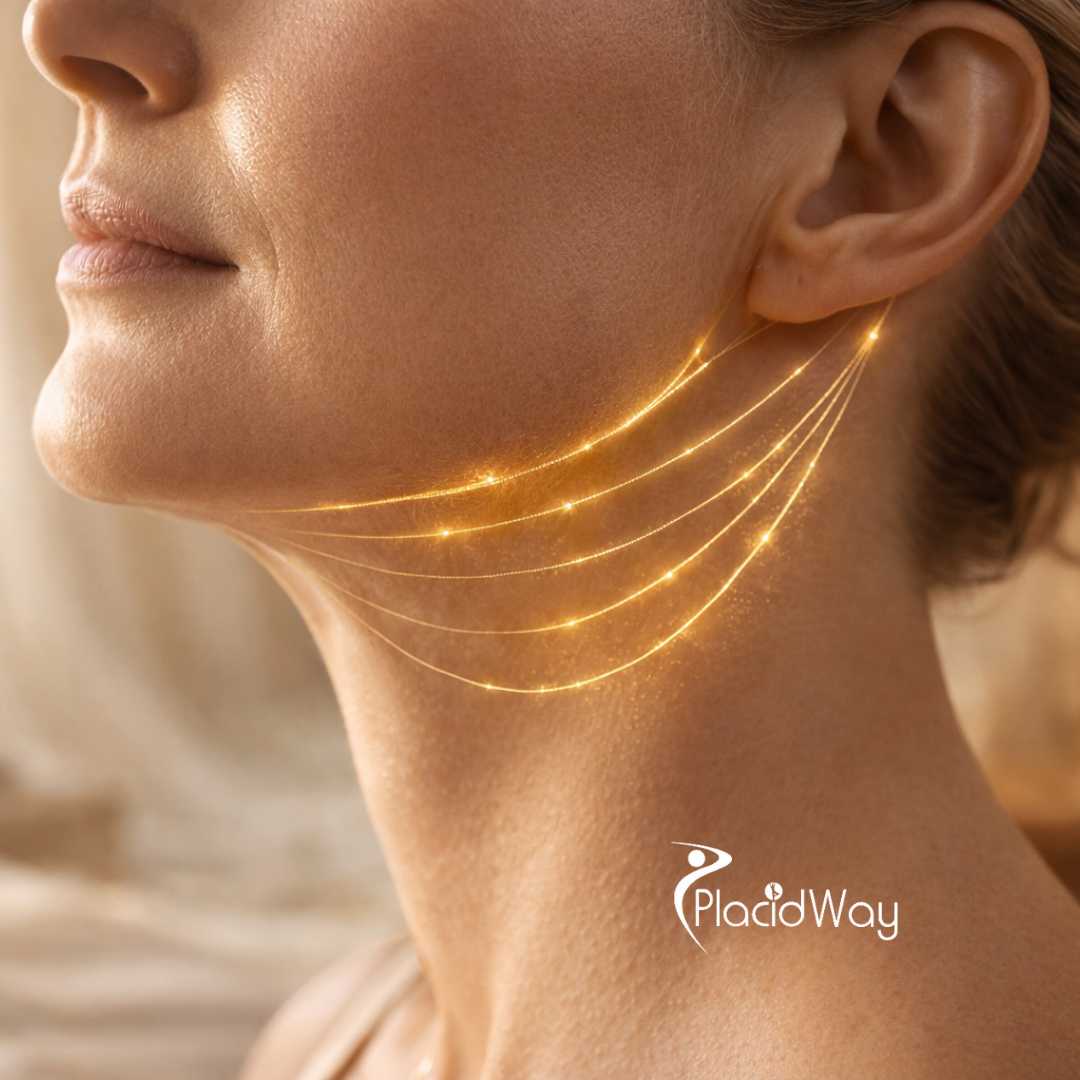
The landscape of anti-aging medicine has shifted from simply filling wrinkles to repairing them at a cellular level. Exosome skin rejuvenation represents the forefront of this regenerative revolution, offering a solution that goes beyond traditional Botox or fillers. By delivering potent signaling molecules directly to damaged skin cells, this therapy instructs the body to repair itself, resulting in improved texture, hydration, and elasticity.
South Korea, the global epicenter of aesthetic innovation, has pioneered the commercial use of exosomes, particularly with premium brands like ASCE+. For international patients, undergoing exosome therapy in South Korea offers access to the highest concentration products, advanced delivery systems, and experienced dermatologists at a fraction of the cost found in Western countries. Whether you are battling acne scars, rosacea, or signs of aging, Korean exosome treatments provide a powerful, non-invasive pathway to restored skin health.
Key Takeaways: Skin Regeneration in Korea
- Significant Cost Savings: Treatment packages in Korea average $350–$600, roughly 50% less than the US or UK.
- Potent Formulations: Korean clinics utilize high-purity, stem cell-derived exosomes (like ASCE+) with billions of particles per vial.
- Comprehensive Packages: Treatments often include deep cleansing, numbing, laser or microneedling delivery, and LED light therapy.
- Cost Snapshot:
- South Korea: $350 – $600 per session
- USA: $800 – $1,500 per session
- Thailand: $300 – $500 per session
What is Exosome Therapy and How Does It Work?
Exosomes are not cells but "cellular messengers" that instruct your skin to repair itself. This therapy uses nano-sized vesicles packed with growth factors to trigger regeneration without the inflammatory risks of live stem cells.
Exosomes are nano-sized extracellular vesicles, roughly 1/1000th the size of a cell, that act as the communication system between cells. In aesthetic medicine, stem cell-derived exosomes are isolated in a lab and purified to ensure they are free of DNA or live cells, making them safe and stable. These tiny bubbles are packed with lipids, proteins, amino acids, and growth factors.
When applied to the skin, exosomes penetrate the dermal layers and dock with your existing skin cells. They release their cargo of mRNA and signaling proteins, effectively "telling" your aging or damaged cells to wake up, produce more collagen, reduce inflammation, and repair the skin barrier. Unlike PRP, which relies on the patient's own age-dependent blood quality, lab-grown exosomes offer consistent, high-potency results every time.
Why Choose South Korea for Exosome Treatments?
South Korea is the birthplace of many leading exosome brands like ExoCoBio. The combination of manufacturer-direct pricing, high-volume clinic expertise, and advanced delivery technologies makes it the premier destination for this therapy.
Korea has firmly established itself as the global leader in regenerative aesthetics. The country is home to some of the world's largest exosome research and manufacturing facilities, meaning clinics in Seoul and Gangnam have access to the freshest, most advanced products before they reach Western markets.
Furthermore, Korean dermatologists are masters of "combination therapy." They rarely perform exosome therapy in isolation. Instead, they integrate it with Potenza RF microneedling, fractional lasers, or skin boosters to maximize absorption and efficacy. This holistic approach ensures that patients traveling to Korea receive a medical-grade treatment rather than a simple spa facial.
The world's most popular exosome brand, ASCE+, is manufactured by the Korean biotech company ExoCoBio. Because of this domestic production, clinics in Korea can offer this premium product at significantly lower rates—often 40% cheaper—than clinics in North America or Europe that must import it.
Types of Exosome Products Used in Korean Clinics
Not all exosomes are created equal. Korean clinics primarily use lyophilized (freeze-dried) powders that are activated immediately before use to ensure maximum potency and safety.
ASCE+ (Adipose Derived Stem Cell Exosomes)
This is the gold standard in Korean clinics. ASCE+ (Advanced Skincare Complex Exosome) contains billions of exosomes derived from rose stem cells or human adipose tissue. It is specifically formulated to tackle enlarged pores, sensitive skin, and acne scars. It comes in a dual-vial system: one vial of lyophilized exosome powder and one vial of activating solution containing hyaluronic acid and peptides.
Filcore and Other Premium Brands
While ASCE+ is the market leader, other premium brands like Filcore are also widely used for specific anti-aging concerns. These formulations may focus more heavily on hydration and elasticity, catering to older demographics looking for a "glass skin" effect. Your dermatologist will select the specific brand based on your skin analysis.
"Patients often ask about the difference between Rejuran Healer (Salmon DNA) and Exosomes. While both are skin boosters, Rejuran is superior for skin thickness and elasticity, whereas Exosomes are unmatched for anti-inflammation and calming sensitive skin. Many top clinics in Seoul now layer these treatments for a comprehensive anti-aging effect."
Step-by-Step Treatment Journey in Seoul
The procedure is efficient and meticulously designed for comfort. From deep cleansing to the final soothing mask, the entire process takes about 60 to 90 minutes.
1. Consultation and Analysis
Every session begins with a consultation using a digital skin scanner (like VISIA) to analyze pore size, wrinkle depth, and pigmentation. This ensures the exosome treatment is tailored to your specific needs.
2. Preparation and Numbing
The skin is deep-cleaned to remove all makeup and oil. A high-strength topical anesthetic cream is applied and left on for 20-30 minutes to ensure the procedure is painless.
3. The Delivery Method (MTS or Laser)
Exosomes cannot simply be rubbed on top of the skin; they need a channel to enter. Korean clinics typically use Microneedling Therapy Systems (MTS) or fractional lasers to create thousands of micro-channels. The activated exosome solution is then massaged into the skin, absorbing deep into the dermis through these channels.
4. Cryotherapy and Soothing
After absorption, a cooling device (Cryo-cell) is often used to seal the skin and reduce redness. A modeling mask is applied for 15 minutes to lock in moisture and calm the skin.
Cost of Exosome Skin Therapy: Korea vs. Global Prices
Affordability is a major draw. The table below illustrates the significant value proposition of seeking treatment in Korea compared to other medical tourism destinations.
| Treatment Type | Country | Price Range (USD) | Inclusions |
|---|---|---|---|
| ASCE+ Exosome Full Face | South Korea | $350 – $600 | Consultation, Numbing, MTS, Mask |
| Exosome Therapy | United States | $800 – $1,500 | Procedure Only (Consult often extra) |
| Exosome Therapy | Thailand | $300 – $500 | Consultation, Procedure |
| Exosome Therapy | Turkey | $250 – $450 | Consultation, Procedure, Transfer |
Selecting a Top Skin Clinic in Seoul
Navigating the thousands of clinics in Gangnam can be overwhelming. Prioritize safety and accreditation over the lowest price.
When choosing a facility for exosome treatment in Korea, look for clinics that specialize in dermatology rather than general plastic surgery. Board-certified dermatologists have a deeper understanding of skin physiology and can better customize the exosome delivery depth.
Seek out clinics with JCI accreditation or those that hold the Korea Medical Tourism Accreditation. These badges indicate that the facility meets rigorous international standards for hygiene, patient safety, and administrative transparency. Top clinics will also have English-speaking coordinators to assist with the consultation and aftercare instructions.
"For the best results, consider the Potenza + Exosome combination. Potenza is a radiofrequency microneedling device that physically pushes the exosomes deep into the dermis while tightening the skin with heat. This synergy produces a far more dramatic result for acne scars and pore reduction than manual application alone."
Frequently Asked Questions
What is the difference between Exosome therapy and PRP?
The primary difference lies in composition and inflammation. PRP (Platelet-Rich Plasma) utilizes your own blood's growth factors and creates a temporary inflammatory response to trigger healing. In contrast, Exosome therapy uses lab-purified, cell-free messenger signals that are significantly more potent and act as anti-inflammatory agents, making them better for calming sensitive skin.
How much does Exosome skin treatment cost in South Korea?
The average cost for Exosome skin therapy in South Korea ranges from $350 to $600 USD per session. Premium packages involving ASCE+ exosomes combined with microneedling or laser delivery may range between $500 and $900.
Is Exosome therapy painful?
Most patients experience minimal discomfort. Korean clinics typically apply a high-strength topical numbing cream for 20-30 minutes before the procedure. If the exosomes are delivered via microneedling (MTS), you may feel a slight scratching sensation, but it is generally well-tolerated.
How many sessions are needed for results?
While patients often report a "glow" after just one session, a standard protocol usually involves 3 to 5 sessions spaced 2 to 4 weeks apart to achieve significant anti-aging or scar reduction results. Maintenance sessions are recommended every 6 to 12 months.
Can Exosomes treat acne scars?
Yes, Exosomes are highly effective for acne scars. They work by signaling skin cells to regenerate and produce more collagen, which fills in pitted scars. When combined with RF Microneedling (like Potenza or Sylfirm), the results for acne scarring are significantly amplified.
Are there side effects to Exosome skin boosters?
Side effects are rare and typically mild. Common temporary effects include slight redness, pinpoint bleeding (if microneedling is used), or minor swelling, all of which usually subside within 24 to 48 hours. The cell-free nature of exosomes reduces the risk of allergic reactions.
What is the downtime after Exosome treatment?
Exosome therapy is often called a "lunchtime procedure" because there is virtually no downtime. You may look slightly flushed immediately after treatment, similar to a mild sunburn, but this typically fades within hours. Most patients return to normal activities the next day.
Is it safe for international patients?
Yes, provided you choose a reputable facility. South Korea adheres to strict medical safety standards. Leading clinics use K-FDA approved exosome products and are often JCI-accredited, ensuring high standards of hygiene and patient care.
Can I combine Exosomes with Botox?
Absolutely. Exosomes are frequently combined with other procedures such as Ultherapy, Botox, or dermal fillers in a single visit. In fact, applying exosomes after energy-based devices can speed up the healing process and enhance the overall rejuvenation results.
Revitalize Your Skin in Seoul
Experience the transformational power of K-Beauty technology firsthand. PlacidWay partners with Seoul's top-rated, JCI-accredited dermatology clinics to bring you exclusive exosome packages that combine affordability with world-class expertise.
Get a free, no-obligation quote today and let our medical care team help you plan your journey to radiant, youthful skin.
Get a Free Quote for Skin Treatment in Korea.png)
.png)
.png)
.png)
.png)


.png)
.jpg)
.jpg)
.jpg)








Share this listing