


Anti-Wrinkle Injections at Wolistic Center in Istanbul, Turkey
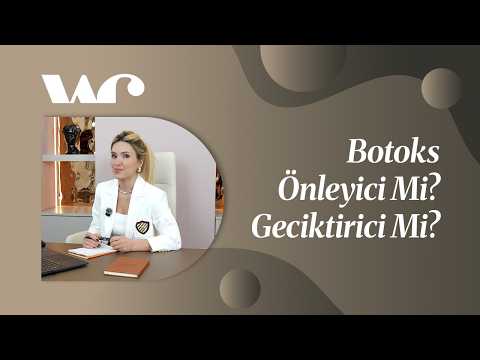
About this video: Understanding the true mechanisms of anti-aging treatments allows patients to make highly informed decisions regarding their long-term aesthetic goals. At Wolistic Center, clinical experts routinely break down the complex science of preventative aesthetics, helping international travelers navigate the highly popular world of non-surgical rejuvenation. For many individuals looking to smooth fine lines, understanding whether an Anti Wrinkle Treatment in Istanbul Turkey is preventative or corrective is the ultimate first step.
In this informative medical brief, a specialist addresses the most common questions surrounding muscle-relaxing treatments, including proper treatment schedules and how to avoid long-term over-administration. Watch to discover firsthand how personalized clinical expertise from a premier wellness destination ensures a safe, balanced, and remarkably natural look that systematically preserves your youthful appearance.
Video Chapters & Quick Navigation
The global demand for minimally invasive cosmetic procedures is rising swiftly, with international travelers seeking elite centers that prioritize tailored aesthetics over a one-size-fits-all methodology. Patients are traveling across borders for advanced wrinkle reduction treatment in Turkey to secure natural-looking, youthful contours from board-certified medical experts. The modern aesthetic perspective focus heavily on continuous wellness, combining localized neuro-modulators with healthy, systemic skin health optimization [00:00:00].
When selecting a dedicated aesthetic center abroad, understanding the core medical philosophy of your practitioner is incredibly vital for securing excellent long-term results. Highly professional practices provide transparent patient education, ensuring individuals realize exactly how muscle-relaxing treatments protect tissues from folding and deeply engraving with age. This collaborative relationship between patient and clinic forms the foundation of modern facial rejuvenation in Turkey, delivering pristine results in an incredibly safe, strictly regulated environment.
The Dynamic Preventative Science Behind Cosmetic Injections
Many patients initially believe that non-surgical wrinkle treatments are only necessary once static lines have already deeply settled into the skin matrix. However, specialized cosmetic injections in Istanbul work on a highly preventative spectrum by gently calming the underlying facial muscles responsible for repetitive mechanical expressions [00:00:04].
By safely minimizing this continuous muscular tension, physicians can prevent dynamic lines from transforming into permanent structural folds that remain visible even when the face is completely at rest. Utilizing targeted botox in Istanbul Turkey at an ideal biological stage helps individuals preserve their smooth skin texture, keeping the dermal layers resilient and completely crease-free.
This subtle, proactive management of facial movement serves as a primary pillar for modern age management. By treating areas such as the forehead, glabellar lines, and crow's feet before deep fracturing occurs, clinical experts help patients maximize their youthful skin elasticity with minimal product intervention over time.
Wolistic Center: Pioneering Elite Anti-Wrinkle Treatment in Istanbul Turkey
Nestled within the vibrant medical infrastructure of the city, Wolistic Center has built an international reputation for delivering highly personalized anti wrinkle treatment in Istanbul Turkey. The clinic combines advanced diagnostic skin analysis with a deeply refined aesthetic vision, ensuring that every injection session is calibrated to the patient's exact anatomy.
The expert medical team at Wolistic Center strictly uses premium, internationally certified biologics processed under pristine laboratory standards to guarantee total purity, safety, and long-lasting efficacy. This unyielding dedication to clinical safety provides international patients with total confidence during their aesthetic visit.
Furthermore, Wolistic Center prioritizes a deeply compassionate, patient-first environment, moving far away from over-frozen, unnatural clinical looks. Their signature approach centers on restoring symmetry and achieving a refreshed, youthful version of yourself, perfectly mirroring the elite standards of luxury European aesthetic healthcare.
Delaying the Signs of Aging and Sustaining Psychological Vitality
While cosmetic interventions cannot completely stop the natural biological clock, they are extraordinarily powerful tools for systematically delaying the visible signs of skin maturation. By easing localized dynamic tension, these micro-injections keep the facial canvas looking smooth and vibrant for years longer than traditional skin care routines allow [00:00:10].
The overarching clinical goal of advanced facial rejuvenation is to match a patient’s external appearance with their internal energy and drive. Easing deep frown lines or heavy worry creases avoids a permanently tired or stressed expression, allowing a person's genuine energy to shine through beautifully [00:00:18].
This positive aesthetic transformation offers a significant boost to personal confidence, improving daily social and professional interactions. Feeling completely satisfied with your visual appearance creates a powerful sense of well-being, highlighting the true value of modern clinical longevity therapies [00:00:24].
Managing Treatment Frequency for Maximum Long-Term Safety
A common concern for patients entering the world of premium medical aesthetics is whether receiving non-surgical wrinkle treatments too frequently can cause muscle atrophy or reduced product effectiveness. Expert dermatologists emphasize that your precise treatment intervals should always be carefully tailored alongside your personal physician [00:00:27].
Depending upon your specific muscular density, metabolic rate, and personal aesthetic goals, the optimal timeframe between maintenance sessions can be extended or shortened to preserve natural expressions. Leading practices heavily discourage over-treating the face too frequently to maintain excellent tissue health and prevent antibody resistance [00:00:30].
However, when a clinical need arises—such as pre-treating specific muscle groups before a major surgical procedure or correcting deep asymmetry—proceeding with a safely timed touch-up is completely appropriate. This balanced, medically managed frequency guarantees that your anti-aging results stay consistently elegant and safe for decades [00:00:33].
Customized Dosing Protocols for Natural Facial Expression
Elite aesthetic medicine has shifted completely away from generic, high-dose injection patterns that freeze all facial movement. Modern practitioners utilize precise micro-dosing techniques, strategically placing smaller units of neuro-modulator into targeted muscle layers to preserve your unique expressions [00:00:37].
This customized clinical precision prevents the dreaded heavy forehead look while still offering a powerful, comprehensive reduction in dynamic wrinkling. By maintaining natural eyebrow movement and genuine smiles, the resulting facial harmony looks remarkably refreshed and completely un-operated.
Furthermore, customized dosing paths mean that your specific treatment evolves as your tissues naturally age. This dynamic approach guarantees that your aesthetic plan is continuously optimized to match your changing facial structure, delivering high-ROI results with every visit.
The Turkish Aesthetic Landscape: World-Class Value and Care
Turkey’s position as a premier global hub for cosmetic medicine is built on an exceptional combination of advanced surgical expertise, cutting-edge technology, and legendary hospitality. International travelers choose this destination because they can access elite, board-certified specialists at a highly favorable economic rate compared to Western options.
The significant cost savings do not imply a compromise in clinical care; rather, they stem from lower operational costs and a highly supportive medical tourism infrastructure. This allows premier destinations like Wolistic Center to invest heavily in state-of-the-art medical devices and premium international brands, passing the ultimate value directly to the patient.
Additionally, the integration of premium aesthetic care with luxury hospitality creates a seamless, stress-free healing environment. Patients undergo their personalized treatments within private, spa-like sanctuaries designed to minimize clinical anxiety and maximize overall relaxation.
| Aesthetic Program | Primary Medical Focus | Expected Visual Outcomes |
|---|---|---|
| Targeted Neuro-Modulators | Forehead, Glabella, and Crow's Feet Relaxation | Smooths dynamic expression lines, prevents permanent structural wrinkling, and maintains full facial symmetry. |
| Advanced Dermal Fillers | Mid-Face Volumization and Deep Fold Correction | Restores lost youthful volume, sharpens jawline definition, and softens deep nasolabial creases. |
| Integrative Meso-Therapy | Dermal Hydration and Cellular Vitamin Infusions | Dramatically boosts skin radiance, enhances surface collagen elasticity, and clears fine superficial textures. |
Advanced Clinical Rejuvenation Options at Wolistic Center
The comprehensive range of aesthetic programs available in Istanbul extends well beyond simple wrinkle-smoothing injections to encompass a full spectrum of skin-rejuvenating procedures. These advanced options are strategically designed to work in perfect biochemical harmony, enhancing and prolonging your aesthetic results.
By assessing specific dermal biomarkers, skin thickness, and structural tissue descent, the clinical team at Wolistic Center can design an all-inclusive rejuvenation roadmap. This multi-layered approach ensures that both the underlying muscle layers and the visible skin surface are fully revitalized.
- Micro-Dose Neuro-Modulator Injections: Precisely placing premium formulas to safely relax hyperactive facial muscles, providing a beautifully soft and natural wrinkle-free appearance.
- Hyaluronic Acid Skin Boosters: Intradermal micro-infusions that draw deep moisture into the skin matrix, instantly restoring a glowing, radiant complexion.
- Autologous Platelet-Rich Plasma (PRP): Harnessing your body's native growth factors to aggressively stimulate fresh collagen production and accelerate cellular skin repair.
- Advanced Laser Resurfacing: Utilizing medical-grade energy systems to gently remove sun damage, erase hyperpigmentation, and tighten lax skin structures.
Planning Your Medical Aesthetic Journey to Istanbul
Embarking on a cross-border cosmetic journey is a highly structured, stress-free process when guided by an experienced international team. Your transformation starts with an online consultation, where digital photos and your medical history are evaluated by Wolistic Center’s specialists to map out a precise treatment plan before you fly.
Upon arrival, patients receive a seamlessly coordinated itinerary that blends their private clinical visits with luxury airport transfers and premium hotel accommodations. This thorough organizational support removes all logistical stress, ensuring complete peace of mind throughout your brief stay.
This dedicated continuity of care ensures your aesthetic relationship continues long after you return home, with expert follow-up guidelines provided to help you maximize and care for your refreshed look.
Combining Restorative Treatments with a Culturally Rich Vacation
Because minimally invasive cosmetic injections require zero down-time and carry no painful surgical recovery phases, you can immediately explore the breathtaking history and culture of Istanbul. Patients can spend their afternoons strolling through majestic historic palaces, enjoying world-class dining, or cruising along the beautiful Bosphorus.
True aesthetic rejuvenation works best when paired with deep mental relaxation, as lowering personal stress levels helps enhance whole-body vitality. Completing your non-surgical treatments in a captivating global destination ensures you return home looking completely refreshed, radiant, and deeply revitalized.
Ready to Refresh Your Appearance in Istanbul?
PlacidWay Medical Tourism connects you with top-rated aesthetic centers like Wolistic Center, offering world-class Wrinkle Reduction Treatment in Turkey and facial rejuvenation at unbeatable prices. Let us handle all your travel logistics while you focus entirely on your refreshing aesthetic transformation.
GET A FREE QUOTEView Full Video Transcript
[00:00:00] Doctor, I have a question.
[00:00:02] Is Botox preventive, or does it simply delay the signs of aging?
[00:00:04] Botox is both preventive and, in some ways, delaying.
[00:00:09] What does it prevent, and what does it delay?
[00:00:10] It helps prevent expression lines from becoming permanent. In other words, it stops facial lines from remaining visible even when you're not making facial expressions.
[00:00:18] As for what Botox delays, I would say it delays the feeling of looking older.
[00:00:24] It doesn't actually stop the aging process, but in my opinion, it helps you feel and appear younger for longer.
[00:00:27] Is getting Botox too frequently harmful?
[00:00:30] The treatment schedule should always be determined together with your doctor.
[00:00:33] Depending on your individual needs, the interval between treatments can be extended or shortened.
[00:00:37] In general, we don't prefer administering Botox too frequently. However, there are situations where it's necessary, and when the need arises, it's appropriate to proceed with the treatment.










Share this listing