
Specialized Cancer Treatment: Bone Marrow Transplantation in Turkey
Facing a diagnosis of childhood cancer or leukemia is often one of the most overwhelming experiences a family can endure. While modern oncology has made massive strides through chemotherapy and targeted therapies, there are instances where standard protocols are simply not enough to achieve complete remission. In these critical cases, Bone Marrow Transplantation in Istanbul Turkey emerges as an essential, life-saving therapeutic option, offering patients a renewed opportunity for healing and long-term health.
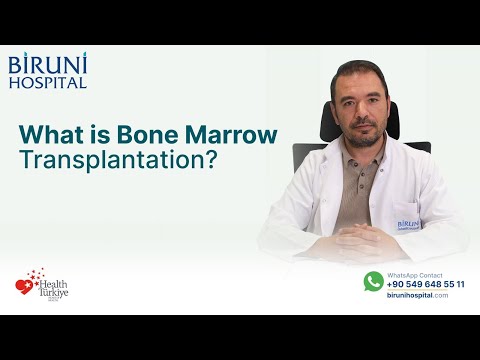
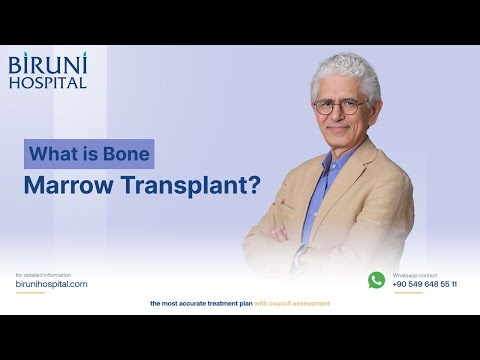
Biruni Hospital, situated in the heart of Istanbul, Turkey, stands as a premier center for advanced oncology and hematology. Combining cutting-edge medical infrastructure with world-class specialists, Biruni Hospital provides high-precision care tailored to both pediatric and adult patients. In the accompanying video, specialists from Biruni Hospital walk us through the intricate phases of bone marrow transplantation—from initial donor compatibility testing to the delicate post-transplant engraftment and recovery period. This comprehensive article explores the science, process, and compassionate care that define Bone Marrow Transplant in Istanbul Turkey.
Video Chapters & Quick Navigation
Understanding Bone Marrow Transplants in Pediatric and Adult Oncology
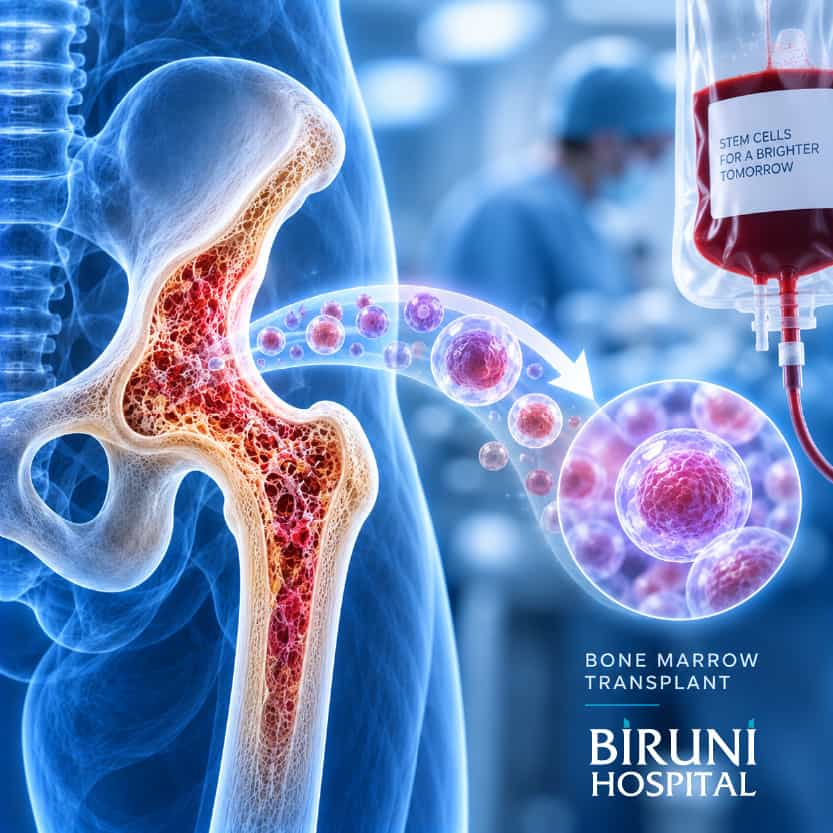
A bone marrow transplant, also known as a hematopoietic stem cell transplant, is a specialized medical procedure used to replace damaged or diseased bone marrow with healthy blood-forming stem cells. The bone marrow acts as the primary factory in the human body for producing red blood cells, white blood cells, and platelets. When conditions such as leukemia, lymphoma, aplastic anemia, or high-risk solid tumors compromise this vital organ, healthy blood cell production halts, exposing the patient to life-threatening infections, severe anemia, and dangerous bleeding risks.
At [00:20], the specialists at Biruni Hospital point out that while targeted therapies and standard chemotherapy serve as the first line of defense against childhood cancers and blood disorders, there are scenarios where malignant cells exhibit resistance or relapse occurs. In these complex scenarios, performing a Bone Marrow Transplant in Istanbul Turkey offers a definitive curative strategy. By administering ultra-high doses of targeted chemotherapy, physicians completely eradicate the patient's compromised marrow before introducing pristine donor stem cells capable of rebuilding a healthy immune system from scratch.
The procedure is categorized mainly into two types: autologous (using the patient's own harvested stem cells) and allogeneic (using stem cells harvested from a compatible donor). For aggressive hematologic malignancies like acute lymphoblastic leukemia (ALL) or acute myeloid leukemia (AML), allogeneic transplantation is frequently the preferred methodology because it introduces the graft-versus-leukemia (GVL) effect, where the donor's immune cells actively assist in destroying any remaining microscopic cancer cells in the host body.
The Two Pillars of Success: Donor Compatibility and Institutional Expertise
Executing a successful bone marrow procedure involves intricate biological balancing acts and precise timing. As highlighted at [00:48] in the Biruni Hospital presentation, two critical factors determine the ultimate outcome of the treatment:
- Human Leukocyte Antigen (HLA) Compatibility: The genetic match between the donor and the recipient must be as close as possible to minimize the risk of rejection and Graft-versus-Host Disease (GvHD).
- Center Experience & Infrastructure: The clinical capability of the transplantation center, including HEPA-filtered isolation rooms, advanced laboratory support, highly trained nursing staff, and specialized pediatric or adult hematologists.
When these two fundamental pillars align, success rates increase significantly, allowing patients to overcome severe hematologic challenges. At Biruni Hospital, high-precision HLA tissue typing laboratories work around the clock to evaluate immunological markers. Simultaneously, the hospital's specialized bone marrow units are designed with positive-pressure laminar airflow environments to shield vulnerable immuno-compromised patients from external bacterial, viral, or fungal pathogens during their stay.
Navigating Donor Matching: Sibling Screening and International Registries
The path to identifying a suitable stem cell donor follows a structured medical protocol. As detailed at [00:01:01], once the decision to proceed with a transplant is finalized, the medical team at Biruni Hospital first turns to the patient's immediate family. Blood samples are drawn from full siblings and parents to conduct high-resolution HLA typing. Statistically, full siblings have a 25% chance of being an exact 10/10 HLA match, making them the primary and ideal choice for allogeneic donation.
However, when a full sibling match is unavailable within the family circle, the clinical strategy shifts efficiently to national and international bone marrow donor registries. At [00:01:19], experts clarify that while an unrelated donor search is initiated through international databases (such as DKMS or the World Marrow Donor Association), the patient is maintained on bridge therapy or stabilizing chemotherapy. This guarantees that the disease remains controlled while genetic search engines locate a matched unrelated donor (MUD) anywhere across the globe.
| Donor Category | HLA Compatibility Level | Typical Search Timeline |
|---|---|---|
| Matched Sibling Donor (MSD) | 10/10 Full Match | 1 to 2 Weeks (Immediate) |
| Matched Unrelated Donor (MUD) | 9/10 or 10/10 High Resolution Match | 4 to 12 Weeks (Registry Search) |
| Haploidentical Donor | 5/10 Half Match (Parent or Sibling) | 1 to 2 Weeks (Alternative Option) |
The Clinical Journey: Conditioning Regimen and Stem Cell Infusion
The actual transplantation journey involves several distinct, carefully calculated clinical stages. The first critical phase is known as the bone marrow conditioning regimen, which begins prior to the infusion day. At [00:01:43], the physician explains that this conditioning phase lasts approximately 7 to 10 days. During this period, high-dose chemotherapy (sometimes combined with total body irradiation) is administered to achieve three main therapeutic goals:
- Eradication of Malignancy: Destroying any residual cancerous or leukemic cells remaining in the bone marrow niches.
- Marrow Space Preparation: Clearing out the host's diseased marrow matrix to create physical room for incoming healthy donor stem cells.
- Immunosuppression: Suppressing the host's existing immune system so it will not reject the new donor graft upon infusion.
Once conditioning is complete and a day of rest is observed, "Day 0" arrives—the day of transplantation. Contrary to what many imagine, a bone marrow transplant is not a surgical operation for the recipient. At [00:02:01], specialists note that the healthy stem cells collected from the donor are administered intravenously through a central venous catheter, much like a standard blood transfusion. The procedure is painless and takes roughly one hour to complete.
Post-Transplant Phases: Engraftment, Hospital Stay, and 3 to 6 Month Adaptation
Following the stem cell infusion, the complex biological phase known as engraftment begins. Harvested stem cells possess natural biological markers that allow them to home in on the bone marrow cavities inside the patient's bones. Over the next 2 to 3 weeks [00:02:06], these stem cells settle into the marrow spaces, multiply, and begin producing fresh white blood cells, red blood cells, and platelets.
The overall initial inpatient stay takes approximately 15 days to 3 weeks depending on how quickly blood counts recover. During this phase, patients remain inside ultra-clean sterile isolation suites at Biruni Hospital. Doctors closely monitor daily blood counts, provide supportive transfusions, and administer prophylactic antibiotics and antifungal medications to keep infections at bay while the new immune system takes root.
Once blood counts stabilize and engraftment is medically confirmed, the patient enters the outpatient adaptation phase. As noted at [00:02:19], full immune system adaptation and body reconciliation takes roughly 3 to 6 months. During this period, the patient lives in a clean home environment or specialized recovery apartment in Istanbul, attending frequent outpatient polyclinic follow-ups at Biruni Hospital for routine blood tests, medication adjustments, and continuous monitoring.
Integrative Role of Stem Cell Treatment in Comprehensive Cancer Care
The integration of advanced cellular therapies and modern oncology has redefined possibilities in international medical treatment. Utilizing Stem Cell Treatment in Istanbul Turkey allows multidisciplinary tumor boards to manage difficult relapsed hematologic cases that were previously deemed untreatable. By combining systemic oncological treatments with bone marrow reconstruction, medical teams can pursue cure-oriented treatment strategies rather than purely palliative measures.
Furthermore, holistic Cancer Care in Istanbul Turkey extends beyond the administration of chemotherapy drugs and laboratory testing. It encompasses comprehensive psychological support for young pediatric patients and their families, specialized nutritional programs to combat chemotherapy-induced mucosal inflammation, physical rehabilitation during post-transplant recovery, and rigorous long-term surveillance protocols to protect against late organ toxicity or disease recurrence.
Biruni Hospital: Excellence in Hematology and Medical Innovation
Named after the legendary Persian polymath Biruni, Biruni Hospital in Istanbul represents a beacon of academic rigor and clinical excellence in Turkey. Located strategically in Istanbul, the hospital features state-of-the-art diagnostic facilities, advanced radiation oncology suites, dedicated pediatric hematology-oncology intensive care units, and international patient coordination desks.
- Multidisciplinary Care Teams: Collaborative tumor boards consisting of adult and pediatric hematologists, oncologists, radiotherapists, pathologists, and transplant coordinators.
- Advanced Laboratory Facilities: On-site molecular diagnostics, flow cytometry, cytogenetics, and high-resolution HLA tissue typing laboratories ensuring zero delay in treatment timelines.
- Infection Control Standards: HEPA-filtered single-patient isolation suites with positive air pressure differentials to guarantee optimal biosecurity for vulnerable bone marrow recipients.
- Comprehensive International Services: Dedicated multi-lingual patient handlers, airport transfers, hotel accommodations, translation services, and post-discharge follow-up arrangements.
Navigating Medical Tourism for Bone Marrow Transplants in Istanbul
Istanbul, Turkey has securely established itself as a top global destination for complex medical procedures, particularly in the fields of bone marrow transplantation and advanced oncology. International patients traveling to Turkey benefit from world-class medical expertise that adheres strictly to international healthcare standards (JCI accreditation), while enjoying treatment costs that are significantly more accessible than those found in Western Europe or North America.
When traveling for Bone Marrow Transplantation in Istanbul Turkey, international families receive end-to-end guidance from initial virtual consultations to final post-treatment discharge. Biruni Hospital ensures that language barriers are eliminated through native-speaking interpreters, medical records are seamlessly transferred, and remote follow-up tele-consultations are maintained once the patient safely returns home after their 3-to-6-month recovery window.
Seeking Advanced Cancer Care & Bone Marrow Transplant Options?
PlacidWay Medical Tourism connects you with premier institutions like Biruni Hospital for Cancer Care in Istanbul Turkey. Contact our global care team today to receive personalized guidance, expert opinions, and transparent cost estimates for your treatment journey.
GET A FREE QUOTEView Full Video Transcript
[00:00:02] [Music]
[00:00:08] Childhood cancers and leukemia, among the diseases most feared by families, are now treated with chemotherapy and targeted therapies. However, sometimes we encounter situations where these treatments are not sufficient, and in these cases, bone marrow transplantation can provide an important treatment option.
[00:00:29] So, how is a bone marrow transplant performed?
[00:00:33] A bone marrow transplant is essentially performed by first giving very high-dose chemotherapy to eliminate harmful cells in the body, and then replacing them with healthy bone marrow from another person.
[00:00:46] There are two important factors here. First is the compatibility of the donor's bone marrow. The second is the experience of the center where the bone marrow transplant is performed. When both factors are present, we achieve good results.
[00:01:01] After deciding to perform a bone marrow transplant, we first collect samples from family members, particularly siblings, and examine them in the laboratory. After the compatibility testing is completed within a short period of time, if there is a match, we immediately begin the procedure.
[00:01:16] If there is no match, after providing chemotherapy for a period of time, we search national or international bone marrow banks to identify the most suitable bone marrow donor and perform the transplant using that compatible donor.
[00:01:30] The transplant process takes approximately 15 days. At the end of this period, the patient begins a new phase of life with the new bone marrow.
[00:01:41] First, in preparation for the bone marrow transplant, we administer a treatment called a bone marrow conditioning regimen. This treatment lasts approximately one week to 10 days.
[00:01:53] As a result, the patient's bone marrow is cleared, and we then administer the bone marrow collected from the donor. This procedure takes approximately one hour.
[00:02:04] After this procedure, the formation of the new bone marrow and its establishment in the body takes approximately 2–3 weeks to complete. After 2–3 weeks, the patient continues life with the new bone marrow.
[00:02:17] The process of the new bone marrow adapting to the body, and the body adapting to the new bone marrow, takes approximately 3–6 months, depending on the type and characteristics of the disease. During this period, the patient stays at home and attends outpatient follow-up appointments.
[00:02:32] [Music]





















Share this listing