


Knee Replacement Abroad: A UK Patient Story and Complete Medical Tourism Guide
Living with chronic joint pain can completely derail your quality of life. For many individuals, finding a timely solution feels virtually impossible due to extensive NHS waiting times. This comprehensive guide explores a highly detailed knee replacement abroad UK patient story.
Discover how seeking medical tourism for joint replacement offers a significantly faster, exceptionally affordable, and world-class alternative to domestic private care. Watch the accompanying video to learn how one UK resident successfully bypassed the waiting lists, regained their mobility, and reclaimed their life through international orthopedic surgery.
Video Chapters & Quick Navigation
The UK Healthcare Dilemma and NHS Waiting Times for Knee Surgery
The National Health Service (NHS) is a cherished institution, but it is currently facing an unprecedented backlog in elective surgeries. For patients suffering from severe osteoarthritis, the wait for a total knee replacement can stretch into several agonizing years. During this period, the cartilage continues to degrade, causing worsening pain and significantly reducing the patient's overall quality of life.
As highlighted in the video at , patients are often prescribed powerful painkillers to manage their symptoms while they wait. Unfortunately, long-term reliance on these medications can lead to unwanted side effects and dependencies. Furthermore, decreased mobility often results in weight gain and muscle atrophy, which can ironically make the eventual surgery and recovery much more difficult.
Faced with these dire circumstances, many UK citizens feel trapped. The cost of private knee replacement in the UK is exorbitantly high, often pricing out the average person. This critical healthcare gap has fueled a massive surge in medical tourism, prompting thousands to seek high-quality, affordable orthopedic care beyond British borders.
The Driving Forces Behind Medical Tourism for Joint Replacement
Traveling abroad for major surgery might seem intimidating at first glance, but the medical tourism industry has evolved into a highly regulated, patient-centric global network. Modern international hospitals are frequently accredited by the Joint Commission International (JCI), which is the absolute gold standard for global healthcare quality. This means the facilities operate under strict protocols that mirror or even exceed those found in standard UK hospitals.
Zero Waiting Times and Immediate Relief
One of the most compelling reasons UK patients choose to travel is the immediate access to surgical care. Instead of waiting two years, patients can often schedule their knee replacement surgery within a matter of weeks. This rapid turnaround halts the physical decline associated with osteoarthritis and allows patients to begin their rehabilitation journey almost immediately.
Access to World-Class Orthopedic Surgeons
As discussed at in our patient story, surgeons operating in top medical tourism destinations are heavily credentialed. Many have trained extensively in the United Kingdom, the United States, or Germany. They routinely perform hundreds of joint replacement surgeries annually, bringing a level of specialized expertise that translates directly into lower complication rates and superior patient outcomes.
A Real UK Patient Story: Defeating Severe Knee Osteoarthritis
To truly understand the impact of medical tourism, we look at the journey of David, a 62-year-old former postman from Yorkshire. David's story represents a classic knee replacement abroad UK patient narrative. After decades of physical labor, his right knee had deteriorated to bone-on-bone osteoarthritis. The pain was so severe that he could no longer walk his dog or climb the stairs without agonizing discomfort.
Upon learning he faced an 18-month wait on the NHS, David began exploring private knee surgery options. However, local private clinics quoted him upward of £12,000 to £15,000 for a single knee replacement. Feeling defeated but unwilling to accept a life of immobility, he turned to international options. As seen at , David connected with a medical tourism facilitator who guided him through the entire process.
David ultimately chose a state-of-the-art facility in Europe. His experience was transformative. From the moment he landed, a dedicated English-speaking patient coordinator handled his transfers, hospital admission, and pre-operative tests. The surgery was performed using advanced, minimally invasive techniques, and he was up and walking with a frame the very next day. Today, David is completely pain-free and has successfully reclaimed his active lifestyle, proving that geographical borders should not dictate healthcare quality.
Comparing the Cost of Private Knee Surgery: UK vs. Abroad
The financial disparity between domestic private healthcare and international medical centers is staggering. The primary reason surgeries are cheaper abroad is not due to a lack of quality, but rather lower operational costs, reduced administrative overhead, and favorable currency exchange rates. When calculating the cost of private knee replacement, patients must consider the entire package.
Below is a comparative breakdown of average total knee replacement costs. These estimates generally include the surgery, hospital stay, surgeon fees, and basic post-operative medications. It highlights exactly why thousands of Britons pack their bags for medical relief every year.
| Destination Country | Average Cost (GBP £) | Estimated Savings vs. UK |
|---|---|---|
| United Kingdom (Private) | £11,000 - £15,000 | N/A |
| Turkey | £4,500 - £6,000 | Up to 60% |
| Lithuania | £5,500 - £7,000 | Up to 50% |
| India | £3,500 - £5,000 | Up to 70% |
The Value of All-Inclusive Medical Packages
International clinics frequently bundle their services into all-inclusive orthopedic packages. Unlike the UK system, where you might receive separate bills for the anesthetist, the hospital room, and the physical therapy, overseas packages are comprehensive. They typically cover VIP airport transfers, a multi-night hospital stay, all surgical fees, premium FDA-approved titanium implants, and initial physiotherapy sessions.
Top Medical Tourism Destinations for Orthopedic Surgery
Choosing the right destination is crucial for a successful medical journey. Patients must weigh factors like flight duration, cultural comfort, climate, and the specific expertise of the region. Several countries have emerged as global leaders in providing world-class orthopedic care specifically tailored for international patients.
- Turkey: Known for its spectacular hospitality and highly modern infrastructure, Turkey is a top choice. Hospitals in Istanbul and Antalya utilize cutting-edge robotic surgery systems and employ highly fluent English-speaking medical staff.
- Lithuania: A fantastic option for UK patients who prefer a short-haul flight. Lithuania offers pristine medical facilities, rigorous European Union healthcare standards, and outstanding post-operative rehabilitation centers.
- India: While the flight is longer, India offers some of the most complex orthopedic expertise in the world. Top-tier hospitals in cities like New Delhi and Mumbai deliver phenomenal care at the most competitive price points globally.
As noted at in the video, medical tourism facilitators play a vital role in helping patients match their specific medical needs with the optimal destination. They take the guesswork out of vetting international hospitals, ensuring that patients only interact with highly accredited institutions.
Advanced Orthopedic Surgical Techniques Available Abroad
One of the persistent myths about medical tourism is the assumption that cheaper costs equate to outdated medical technology. The exact opposite is true. International private hospitals heavily invest in the latest medical advancements to attract global clientele. UK patients traveling abroad frequently gain access to surgical techniques that are either rare or entirely unavailable on the standard NHS pathways.
Robotic-Assisted Knee Arthroplasty
Many top-tier international facilities utilize advanced robotic surgical assistants, such as the MAKO system. These robotic arms assist the orthopedic surgeon in making highly precise bone cuts based on a 3D model of the patient's knee. This extreme precision ensures perfect alignment of the artificial implant, which significantly extends the lifespan of the prosthesis and reduces post-operative pain.
Minimally Invasive Surgery (MIS)
Rather than a traditional large incision that cuts through major muscles, minimally invasive knee replacement utilizes a much smaller incision. Surgeons carefully part the muscles rather than severing them to access the joint. This tissue-sparing approach drastically reduces blood loss, minimizes scarring, and dramatically accelerates the initial recovery timeline, allowing patients to fly home sooner.
Preparing for Your Orthopedic Medical Journey
Preparation is the cornerstone of a successful medical trip. Before booking flights, patients undergo rigorous remote consultations. UK patients are typically required to send their recent X-rays or MRI scans, alongside comprehensive medical histories, to the chosen clinic via secure digital portals. The international surgical team reviews these documents to confirm candidacy for the procedure.
Once approved, logistical planning begins. It is highly recommended to travel with a companion. Having a spouse, friend, or family member present provides immense emotional support and crucial physical assistance during the flight home. Patients must also consider deep vein thrombosis (DVT) prevention, as flying shortly after major joint surgery carries risks. Surgeons typically prescribe blood thinners and recommend compression stockings for the journey back to the UK.
Furthermore, patients should arrange their home environment before leaving the UK. Simple modifications, such as removing tripping hazards, installing grab bars in the bathroom, and moving essential items to waist height, make a tremendous difference. Returning home to a safe, recovery-friendly environment is a critical step highlighted by many successful medical tourists.
Post-Operative Care and Long-Term Rehabilitation
The surgery itself is only the first half of the journey; diligent rehabilitation dictates the final outcome. Following a total knee replacement abroad, patients usually spend 3 to 5 days recovering in the hospital. During this acute phase, dedicated physiotherapists work with the patient twice a day. They focus on restoring basic mobility, managing pain, and ensuring the patient can safely use walking aids.
Continuity of Care in the UK
A common concern is what happens once the patient returns to the United Kingdom. Reputable international clinics provide a comprehensive discharge portfolio translated into English. This dossier includes detailed surgical reports, details of the exact implant used, and specific rehabilitation protocols. Patients can seamlessly present this file to their local GP or private physiotherapist to continue their recovery.
Commitment to physical therapy is non-negotiable. Patients must diligently perform their prescribed exercises to regain full range of motion and strengthen the muscles surrounding the new joint. By adhering to the recovery plan, individuals can expect a vast improvement in their quality of life, finally returning to the activities they love without the shadow of chronic pain.
Ready to Regain Your Mobility Without the Wait?
PlacidWay Medical Tourism connects you with globally accredited orthopedic centers offering state-of-the-art knee replacement surgery. Skip the NHS waiting lists and discover affordable, world-class healthcare today.
GET A FREE QUOTE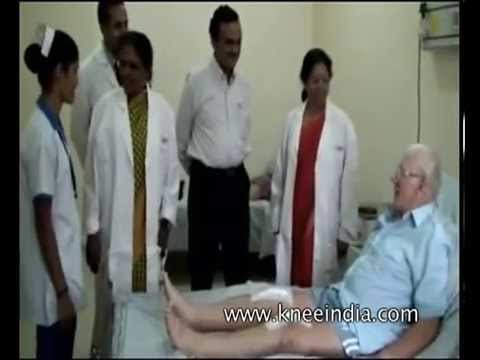



.png)

.jpg)














Share this listing