
All-on-4 Dental Implants Cost in the Dominican Republic: A Detailed Guide
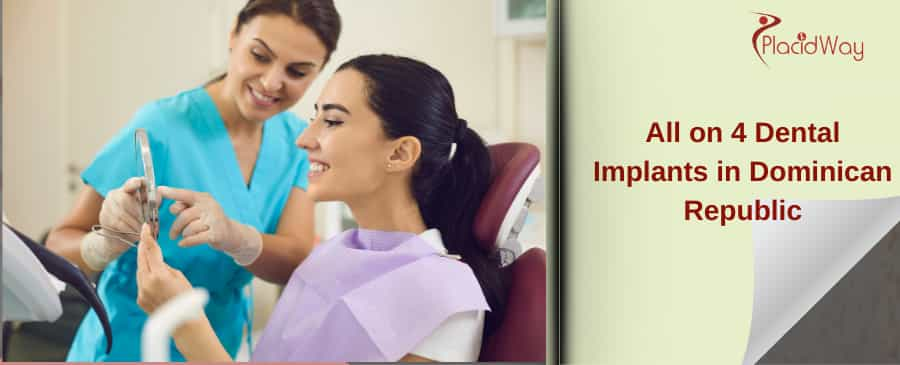
Replacing a full arch of missing or failing teeth is a major medical decision. For patients exploring international options, understanding the nuances of getting all on 4 dental implants in Dominican Republic involves looking beyond just the initial price tag. The procedure aims to restore dental function and aesthetics using four strategically placed titanium posts to support a fixed prosthetic bridge. While the Caribbean nation has become a known destination for dental care, prospective patients need a clear understanding of what the treatment entails, the variables affecting cost, and the realities of seeking care abroad.
This comprehensive guide explores the various factors that influence treatment plans, what to expect during surgery and recovery, and important considerations for managing your oral health before, during, and after your trip.
Key Takeaways
- The estimated baseline cost is between $6,500 and $9,500 per jaw, but preliminary treatments and material choices can increase this total.
- The process generally requires at least two separate trips spanning several months to allow the jawbone to heal fully.
- Suitable candidates must have sufficient jawbone density in the front of the mouth and be in generally good health.
- Post-operative care and establishing a relationship with a local dentist at home are critical for long-term implant maintenance.
- Outcomes, risks, and exact pricing vary significantly from patient to patient depending on individual clinical needs.
1. What factors influence the total cost of this procedure?
When researching the all on 4 dental implants cost in Dominican Republic, it is helpful to realize that quotes often reflect a standard baseline treatment. If you have remaining teeth that need to be extracted before the implants can be placed, this will add to the overall surgical expense. Additionally, while the All on 4 technique is designed to maximize existing bone, some patients may still require localized bone grafting to ensure the implants have a stable foundation, which incurs separate fees.
Another major variable is the material used for the final, permanent teeth. A standard acrylic or composite denture over a titanium bar is generally the most economical option. However, many patients opt for a final prosthesis made of zirconia or porcelain due to their enhanced durability and natural appearance. These premium materials require advanced milling techniques and can noticeably increase the total cost of the treatment plan.
2. Who is typically a suitable candidate for All on 4 implants?
Because the procedure is invasive, a candidate's general medical health is a primary consideration. Conditions that impair healing, such as uncontrolled diabetes or certain autoimmune disorders, may complicate the surgery or increase the risk of implant failure. Dental professionals will heavily weigh your medical history before recommending this treatment.
Lifestyle factors also play a critical role. Smoking is widely recognized by medical professionals as a significant risk factor for dental implant complications, as it restricts blood flow to the gums and bone, impeding the healing process. Patients are often advised to cease smoking well before and after the surgery. An individualized assessment by a qualified oral surgeon or prosthodontist is the only way to accurately determine if this procedure is medically appropriate for your specific anatomy.
3. What happens during the initial consultation and planning phase?
Thorough planning is essential for the safety and success of the procedure. Before any surgery takes place, the provider will typically take a Cone Beam Computed Tomography (CBCT) scan. This 3D imaging technology allows the dentist to visualize the jawbone in detail, identify vital structures like nerves and sinus cavities, and measure bone volume. This step is critical for avoiding surgical complications.
During this phase, you will also discuss your aesthetic goals and functional needs. The dental team will take impressions or digital scans of your mouth, which serve as the blueprint for creating your temporary prosthesis. This ensures that when you wake up from the procedure, the temporary teeth you receive will fit appropriately over the newly placed implants.
4. How is the surgical procedure performed?
On the day of surgery, the patient is first administered the chosen form of anesthesia to ensure comfort. If any failing teeth remain in the arch, they are carefully extracted. The surgeon then prepares the bone and inserts the titanium implants. The All on 4 technique generally involves placing two implants vertically in the front of the jaw, where bone density is usually highest, and two implants at an angle in the back.
Angling the posterior implants is a hallmark of this technique; it helps bypass the sinus cavities in the upper jaw and the nerve canal in the lower jaw, often reducing the need for extensive bone grafting. Once the implants are securely in place, abutments (connectors) are attached. In many cases, a temporary, lighter-weight acrylic denture is then affixed to these abutments, allowing the patient to leave the clinic with functional, albeit temporary, teeth.
5. What can patients expect during the recovery period?
Recovery occurs in two distinct phases: the immediate surgical recovery and the long-term biological healing. In the days following the procedure, it is normal to experience localized swelling and tenderness. Providers typically prescribe or recommend pain management medication and antibiotics to mitigate discomfort and reduce the risk of infection.
The longer recovery phase involves osseointegration, the biological process where the jawbone grows around and fuses with the titanium implants. This process generally takes between three to six months. During this period, it is vital to follow the dietary restrictions provided by your dentist—usually sticking to soft foods—to avoid placing undue pressure on the healing implants, which could cause them to shift or fail.
6. Are there potential risks or complications to consider?
While the procedure is common, it is not without risk. Immediate surgical complications can include bleeding, localized infection, or damage to surrounding structures such as neighboring teeth or blood vessels. If an implant is placed too close to a nerve in the lower jaw, it can result in numbness or tingling in the lips or chin, which may be temporary or, in rare cases, permanent.
Long-term risks include peri-implantitis, an inflammatory condition affecting the gums and bone around the implant, which can lead to bone loss and eventual implant failure if left untreated. Choosing an appropriately qualified healthcare professional and maintaining excellent oral hygiene are crucial steps in mitigating these risks. Outcomes and complication rates vary depending on individual anatomy and adherence to aftercare protocols.
7. How do patients manage follow-up care after returning home?
One of the challenges of receiving dental care internationally is the logistical difficulty of follow-up care. Once you return home from your initial surgery, you will still have the temporary teeth in place. It is highly advisable to have a local dentist who is aware of your treatment and willing to assist with routine maintenance or manage minor issues, such as a loose screw or gum irritation.
If a severe complication develops, such as an infection or an implant failure, traveling back to the original clinic may not be immediately feasible. Patients should discuss contingency plans with both their treating clinic abroad and their local dentist to ensure continuity of care. Regular professional cleanings and check-ups remain necessary even after the final prosthetic is placed.
8. What materials are commonly used for the prosthetic teeth?
The choice of material heavily dictates both the aesthetic result and the longevity of the prosthetic arch. Acrylic is lightweight and puts less stress on the newly placed implants, making it the standard choice for the temporary healing phase. Some patients choose to keep acrylic for their permanent teeth to keep costs lower, though it tends to wear down faster and may require replacement after several years.
For the final restoration, zirconia has become highly favored in restorative dentistry. It is exceptionally strong, highly resistant to chipping and staining, and can be milled to closely mimic the translucency of natural teeth. A porcelain-fused-to-metal (PFM) or porcelain-layered zirconia bridge are also options, offering a balance of structural integrity and aesthetic appeal. Patients should thoroughly discuss the pros, cons, and costs of each material with their provider.
9. How should patients prepare for dental treatment abroad?
Preparation begins well before booking a flight. Patients should obtain copies of their recent dental X-rays, 3D scans, and medical history records to share with their prospective provider. This helps the international clinic provide a more accurate initial assessment and prevents unnecessary duplication of tests.
When searching for an all on 4 dental implants clinic in Dominican Republic, focus on the credentials of the specific oral surgeon or prosthodontist who will be performing the procedure. Check their educational background, verify if they belong to recognized international implantology organizations, and ask detailed questions about their sterilization protocols. It is also important to plan the logistics carefully, as the entire process generally requires an initial trip for surgery (usually 7-10 days) and a second trip 3 to 6 months later to fit the permanent teeth.
10. Why are many patients considering this destination for dental care?
The rise of medical tourism in Dominican Republic is partly driven by convenience. Direct flights from major cities in the United States and Canada make traveling to the island relatively straightforward. This proximity is particularly beneficial given that complex dental restorations require multiple trips.
Furthermore, the cost of living and clinic operational overheads in the country are generally lower than in North America. This difference allows many dental facilities to offer treatments at a reduced price while still utilizing internationally recognized implant brands and modern equipment. However, patients must weigh these potential financial advantages against the logistical challenges of international travel and managing follow-up care across borders.
Why Choose PlacidWay for Medical Tourism?
Navigating international healthcare options can be complex. PlacidWay serves as a global medical tourism platform designed to help patients research their options. Here are five factual ways PlacidWay can assist in your research:
- Connects Patients with Facilities: PlacidWay provides a directory of international dental clinics and hospitals.
- Access to Provider Profiles: Patients can review the stated credentials, clinic details, and available treatments for listed providers.
- Informational Resources: The platform offers articles and guides about various procedures and medical tourism destinations.
- Cost Comparisons: Patients can view and compare estimated baseline costs provided by different clinics side-by-side.
- Facilitates Inquiries: PlacidWay allows users to send direct requests for information or consultations to their chosen international facilities.
Frequently Asked Questions
How long do I need to stay in the Dominican Republic for the surgery?
Most dental professionals recommend staying for 7 to 10 days during the first trip. This allows enough time for the initial consultation, the surgical placement of the implants, the fitting of the temporary prosthesis, and a brief follow-up before you fly home.
Will I leave the clinic with teeth on the same day?
In many suitable cases, patients receive a temporary acrylic bridge on the same day or within a few days of the implant surgery. This temporary set allows you to speak and eat soft foods while your jawbone heals around the new implants.
Do I need a passport or visa to travel for this dental work?
Yes, international travelers will need a valid passport to enter the Dominican Republic. Depending on your country of citizenship, you may also need a visa or a tourist card. It is highly recommended to check current entry requirements with your local embassy well before your planned travel dates.
What happens if an implant fails after I go back home?
If complications arise after returning home, you should immediately contact your local dentist for an assessment, as well as notify your treating clinic abroad. Managing international complications can be logistically challenging, which highlights the importance of having a local dental care provider willing to assist with follow-up care.
Is the initial consultation usually included in the quoted price?
Inclusion of the consultation fee varies by clinic. Some provide complimentary initial evaluations, while others charge a separate fee for the consultation and necessary 3D imaging. Always request an itemized breakdown of costs before committing to treatment.
How long must I wait before getting the permanent prosthetic bridge?
The healing process, known as osseointegration, typically takes 3 to 6 months. Once the jawbone has firmly fused with the titanium posts, you will need to return to the clinic to have the permanent, durable prosthesis designed and fitted.
Can I choose the color and shape of my new teeth?
Yes. During the design phase for your permanent prosthesis, you will typically work closely with the dental team to select the shade, shape, and size of the teeth so they complement your facial features and look as natural as possible.
Will language be a barrier at a dental clinic in the Dominican Republic?
Many clinics that cater to international patients have English-speaking dentists and staff. However, it is always a good idea to confirm the language capabilities of the clinic during your initial inquiries to ensure clear communication throughout your treatment.
How do I pay for dental procedures in the Dominican Republic?
Payment methods vary by facility. Most accept major international credit cards, wire transfers, or cash in major currencies like US dollars. It is important to ask about accepted payment methods and any potential transaction fees beforehand.
Are the materials used internationally recognized brands?
Many dental facilities use globally recognized implant brands and materials. Patients should always ask their prospective provider for the specific brand names and material specifications being used to ensure they meet standard quality expectations.
Compare Treatment Options Today
Explore international dental facilities, review provider information, and gather the facts you need to make an informed decision about your oral healthcare.
Request Treatment InformationReferences
- Implants – American Dental Association (ADA)
- Dental Implant Surgery – Mayo Clinic
- Travelers' Health: Dominican Republic – Centers for Disease Control and Prevention (CDC)
- Dental Implants: What You Should Know – U.S. Food and Drug Administration (FDA)
- All-on-4 Treatment Concept for the Rehabilitation of the Completely Edentulous Jaw – National Center for Biotechnology Information (NCBI)
- Dental Implant Procedures – American Academy of Periodontology























Share this listing