
What treatment


20+ Key FAQs on Dentistry in Dominican Republic
Questions About Dentistry in Dominican Republic? Start Here
Trusted Medical Tourism Platform Since 2007
Is Dominican Republic Good for Dental Work A Comprehensive Guide?
Yes, the Dominican Republic is a popular destination for dental work, offering estimated cost savings of 40% to 70% compared to the US and Canada. Many clinics feature modern technology and dentists trained internationally, though quality can vary. If you are exploring options for oral healthcare outside of your home country, you might be wondering if dental work in Dominican Republic is a viable choice. The island nation has steadily grown as a hub for international patients seeking everything from routine cleanings to complex restorative procedures like dental implants and full-mouth rehabilitations. Making the decision to travel for medical care requires careful research. While the prospect of combining a tropical vacation with oral healthcare is appealing, patient safety, realistic expectations, and proper post-operative care must remain your top priorities. This guide breaks down what you need to know about pursuing treatment, understanding costs, and safely navigating your options. Key Takeaways The Dominican Republic offers significant estimated cost savings on dental procedures, often ranging from 40% to 70% lower than North American prices. Reputable clinics in tourist hubs like Santo Domingo and Punta Cana frequently utilize globally recognized materials and technology. Success depends heavily on selecting a properly credentialed clinic and understanding that complex procedures may require multiple trips. Having a local dentist in your home country willing to handle routine maintenance and potential complications is essential for long-term safety. Outcomes, suitability, and risks vary by patient; a thorough consultation with a qualified professional is always required. Why Do Patients Choose the Dominican Republic for Dental Care? Patients primarily travel to the Dominican Republic for the combination of lower estimated treatment costs, the availability of well-equipped modern clinics, and the convenience of a nearby tropical destination. The rise of medical tourism in Dominican Republic is driven heavily by the accessibility of care. For many uninsured or underinsured patients in the United States and Canada, extensive dental work can be prohibitively expensive. The Dominican Republic offers an alternative where patients may receive comparable treatments at a fraction of the price. Beyond economics, geography plays a major role. Short, direct flights from many major North American cities make traveling to locations like Punta Cana or Santo Domingo relatively straightforward. Some patients find that the money saved on treatment easily covers their travel and accommodation expenses, allowing them to recover in a warm, relaxed environment. However, it is vital to remember that convenience should never supersede clinical quality. While many facilities cater specifically to international visitors with bilingual staff and modern sterilization protocols, patients must still diligently research provider credentials before committing to any procedure. What Are the Estimated Costs for Dental Procedures? You can often expect to see estimated savings of 40% to 70% on procedures like implants, crowns, and veneers, though exact prices depend on the clinic, materials used, and complexity of your case. Understanding dental work cost in Dominican Republic requires looking at the broader picture of dental economics. The lower cost of living, reduced administrative overhead, and different malpractice insurance structures allow local dentists to offer lower prices without necessarily compromising on the quality of the raw materials. For example, a single dental implant that might cost an estimated $3,000 to $5,000 in the United States could be priced between $1,000 and $1,500 in the Dominican Republic. Similarly, porcelain crowns or ceramic veneers may range from $350 to $600 per tooth, compared to $1,000 to $2,500 back home. Please note that these are merely estimates; individualized quotes are necessary for accurate budgeting. When calculating your total investment, you must also factor in travel expenses, accommodation, specialized post-operative medications, and the potential need for multiple trips. Some complex treatments, such as bone grafting followed by implant placement, require months of healing time in between stages, meaning you cannot complete the entire process in a single week-long vacation. Is It Safe to Get Dental Implants and Crowns Here? Dental treatment can be safe when performed by qualified professionals using strict sterilization protocols, but safety is heavily dependent on the specific clinic you choose and your overall health. Patient safety is a paramount concern when seeking medical care abroad. The Dominican Republic has a regulated healthcare system, and its Ministry of Public Health oversees medical and dental practices. Many clinics that focus on international patients actively seek out voluntary accreditations and align their sterilization and hygiene protocols with those established by organizations like the American Dental Association (ADA) or the Organization for Safety, Asepsis, and Prevention (OSAP). However, safety is never absolute. All dental procedures carry inherent risks, including infection, nerve damage, implant failure, or adverse reactions to anesthesia. Traveling shortly after oral surgery can also introduce complications, such as swelling or discomfort exacerbated by changes in cabin pressure during a flight. To mitigate these risks, suitable patients should undergo a thorough medical evaluation prior to travel. Conditions such as uncontrolled diabetes, osteoporosis, or heart disease can affect your eligibility for invasive procedures like implants. Transparent communication with your prospective dentist about your medical history is critical. How Does the Quality of Dentists Compare to the US or Canada? Many dentists in tourist centers have undergone rigorous training, with some completing postgraduate education or fellowships in the US, Europe, or South America, though standards across the entire country can vary. Quality in dentistry is determined by the provider's education, experience, and the technology they utilize. When evaluating a dental work clinic in Dominican Republic, you will likely find that top-tier facilities employ specialists in various fields, such as periodontists (gum specialists), prosthodontists (restoration specialists), and oral surgeons. It is quite common for leading dentists in the Dominican Republic to hold memberships in international organizations. This often requires them to complete continuing education credits to stay updated on the latest techniques and materials in global dentistry. They may use recognizable global brands for dental implants and CAD/CAM technology for precise crown manufacturing. Despite these high standards at premier clinics, it is your responsibility to verify credentials. Do not hesitate to ask prospective dentists about where they attended dental school, their specialization certificates, and how many times they have performed the specific procedure you require. What Types of Dental Treatments Are Available? Clinics in the Dominican Republic offer a full spectrum of dental services, ranging from routine preventive care and cosmetic enhancements to complex oral surgery and full-arch implant restorations. International patients typically travel for high-value or extensive procedures where the cost savings are most pronounced. Some of the most frequently sought-after treatments include: Dental Implants: Including single-tooth replacements, bone grafting, sinus lifts, and All-on-4 or All-on-6 full-arch restorations. Cosmetic Dentistry: Porcelain veneers, composite bonding, smile makeovers, and professional teeth whitening. Restorative Care: Zirconia or porcelain crowns, dental bridges, inlays, onlays, and root canal therapy. Prosthetics: Full or partial dentures and implant-supported overdentures. It is important to note that not every patient is a candidate for every procedure. For example, immediate-load implants (often called "teeth in a day") require specific bone density and health conditions to be successful. A reliable dentist will always present alternative treatment plans if your primary choice is medically unsuitable. How Long Should I Plan to Stay for My Procedure? The length of your stay depends entirely on your treatment plan; simple crowns may take a few days, while multiple implant stages may require trips lasting a week or more, spread out over several months. Time management is one of the most critical aspects of planning international dental care. Unlike a local dentist whom you can visit multiple times a month, traveling requires condensing appointments. Fortunately, many clinics that cater to travelers have in-house laboratories, which can significantly reduce the turnaround time for crowns, bridges, and veneers. If you are receiving dental implants, you must understand the biological limitations of healing. Typically, an implant post is placed into the jawbone, and the patient must wait three to six months for osseointegration (the bone fusing to the implant) before the final permanent crown can be attached. This means committing to at least two separate trips to the Dominican Republic. Your treating clinic will usually provide a suggested itinerary. It is wise to add a few buffer days to your trip to allow for initial consultations, unexpected adjustments, and sufficient rest before flying home. What Should I Look for in a Dental Clinic? Look for transparency in communication, verifiable dentist credentials, clear estimates of treatment plans, strict hygiene protocols, and detailed explanations of the materials they use. Choosing the right facility is the single most important decision you will make. When evaluating your options, pay attention to how the clinic communicates during your initial inquiry. Do they ask for your medical history and recent X-rays or 3D scans before promising a specific outcome? A responsible provider will need to review your current clinical data to determine suitability. Important Consideration: Beware of clinics that offer firm price guarantees or promise 100% success without first evaluating your oral health. Ethical medical professionals know that individual biological responses vary and treatment plans may need to adjust once an in-person examination occurs. Additionally, ask about the specific brands of implants or restorative materials the clinic uses. Reputable international clinics utilize globally recognized brands. If a clinic uses proprietary or regional brands, it may be difficult for your local dentist to find the necessary tools to adjust or repair the work in the future. Are There Risks Associated with Traveling for Dental Care? Yes, combining travel with medical procedures introduces risks such as travel fatigue, increased potential for post-operative swelling, and the challenge of managing complications once you return home. No medical procedure is entirely without risk, and adding international travel to the equation introduces new variables. Flying shortly after oral surgery, particularly procedures involving sinus lifts or major extractions, can be uncomfortable due to changes in cabin air pressure. Your dentist may advise you to wait a specific number of days before boarding a flight. Furthermore, patients may be tempted to engage in typical vacation activities—like drinking alcohol, swimming in the ocean, or spending extended time in the sun—which can compromise the healing process or increase the risk of infection. Strict adherence to post-operative instructions is critical, even if it means missing out on beach days. Finally, the distance between you and your treating dentist can be a vulnerability. If a crown becomes loose or an implant site shows signs of infection a month after your return, you cannot easily drop into the clinic for a quick adjustment. This underscores the necessity of having a solid aftercare plan. How Do I Handle Aftercare and Follow-up Appointments? Proper aftercare requires establishing a relationship with a local dentist in your home country who is informed about your travel plans and willing to provide long-term maintenance and emergency care. Before you travel to the Dominican Republic, you should inform your regular local dentist about your plans. Because dental restorations and implants require lifelong maintenance, you will need someone locally to perform routine cleanings, monitor your gum health, and take annual X-rays. Some local dentists may be hesitant to work on complex restorations placed abroad due to liability concerns or unfamiliarity with the specific implant systems used. Securing a local provider who is supportive and willing to take over your routine maintenance ensures you are not left without options if a minor issue arises. Always request a complete copy of your dental records in English from your Dominican clinic before you leave. This should include detailed notes on the procedures performed, pre- and post-operative X-rays, and the exact specifications (brand, size, and model) of any implants or restorative materials used. Having this documentation is crucial for your local dentist to provide effective continuity of care. Why Choose PlacidWay for Medical Tourism? Navigating international healthcare options can be overwhelming. PlacidWay exists to help patients gather information and connect with medical and dental facilities globally. Here is how PlacidWay assists patients: Access to Information: PlacidWay provides detailed profiles of various clinics and hospitals, allowing you to review provider backgrounds and facility details in one place. Direct Communication: The platform facilitates initial contact between patients and international clinics to help you start the conversation about your healthcare needs. Cost Comparisons: Patients can request and compare estimated treatment quotes from multiple facilities to better understand the financial scope of their options. Global Network: PlacidWay features a wide directory of healthcare providers across numerous countries, giving patients a broad view of available medical hubs. Educational Resources: The platform offers articles and guides to help patients understand procedures and general considerations for seeking care abroad. Frequently Asked Questions Do dentists in the Dominican Republic speak English? Many dentists who frequently treat international patients speak English fluently or have bilingual staff to assist with communication, though it is always wise to confirm language accommodations before booking. Can I use my US dental insurance in the Dominican Republic? Most dental clinics in the Dominican Republic do not directly bill US or Canadian insurance networks. However, some providers may supply you with the necessary itemized receipts to file for out-of-network reimbursement yourself, depending on your policy. Are materials used for crowns and implants the same quality? Reputable clinics often use the same globally recognized brands for implants and restorative materials (such as titanium, zirconia, and porcelain) as those used in North America, but you should always ask specifically which brands a clinic uses. What happens if I need emergency care after returning home? If complications arise after you return home, you will need to seek care from a local dentist. It is highly recommended to establish a relationship with a local provider who is willing to maintain and, if necessary, repair work done abroad. Do I need a passport or visa for dental treatment in the Dominican Republic? Yes, international travelers from the US, Canada, and Europe must have a valid passport. A tourist visa or electronic ticket is typically required for entry, though specific requirements vary by nationality. Can I combine my dental care with a vacation in Punta Cana? Many patients do combine their treatment with a vacation. However, you should discuss your travel plans with your dentist, as procedures like surgery or extractions may require you to avoid sun exposure, swimming, or strenuous activities during recovery. How are dental clinics regulated in the Dominican Republic? Dental clinics are regulated by the Ministry of Public Health. Additionally, many dentists who cater to international patients seek voluntary accreditations or memberships in international dental organizations to demonstrate adherence to global standards. Is sedation dentistry available for anxious patients? Yes, many modern clinics offer various forms of sedation, including oral conscious sedation and IV sedation, though this usually requires an on-site anesthesiologist. Availability varies, so it should be requested in advance. Can I get a full mouth restoration done in one trip? While some steps can be accelerated, a true full mouth restoration, especially involving implants, often requires multiple trips separated by months of healing time to ensure proper integration of the implants into the jawbone. How do I pay for dental work internationally? Clinics generally accept major credit cards, cash (US dollars or local currency), and wire transfers. It is important to confirm accepted payment methods and any potential international transaction fees before your trip. Compare Treatment Options Abroad Take the next step in gathering information. Connect with clinics, review provider credentials, and request estimated treatment plans to see if international dental care is right for you. Request Treatment Information References Travelers' Health: Dominican Republic – Centers for Disease Control and Prevention (CDC) Medical Tourism – American Dental Association (ADA) Oral Health Fact Sheet – World Health Organization (WHO) Traveling Abroad for Dental Care – Organization for Safety, Asepsis and Prevention (OSAP) Quality of Dental Care Guidelines – FDI World Dental Federation Standards and Quality in Healthcare – International Society for Quality in Health Care (ISQua) Medical Disclaimer: The information provided in this article is for educational and informational purposes only and does not constitute medical or dental advice. Outcomes, recovery times, and suitability for dental procedures vary widely by individual based on medical history, bone density, and general health. The estimated costs and savings mentioned are averages and not guaranteed prices. Always seek the advice of a qualified healthcare provider or licensed dentist in your local area before making decisions regarding international medical travel, invasive treatments, or surgical interventions....
Read more details

Why is Dominican Republic Popular for Medical Tourism Dentistry?
The Dominican Republic is popular for medical tourism dentistry due to its close proximity to North America, significantly lower treatment costs, modern dental technology, and bilingual specialists, offering patients financial relief on complex dental procedures. The concept of traveling abroad for healthcare is not new, but over the past decade, the Caribbean has emerged as a distinct hub for international patients. When looking into dentistry in Dominican Republic, many North Americans find a combination of geographical convenience and access to complex treatments that might otherwise be financially out of reach at home. The country has steadily developed its private healthcare infrastructure to cater specifically to this incoming patient base. Navigating medical tourism in Dominican Republic requires more than just booking a flight and a hotel. Dental procedures are serious medical interventions that require careful planning, extensive provider evaluation, and an understanding of how to manage your recovery away from home. While the prospect of saving money while visiting a tropical destination is appealing, patient safety, material quality, and continuity of care must remain the primary focus of your decision-making process. Key Takeaways Substantial cost differences often drive international patients to seek complex restorative work abroad. Short, direct flights from major US and Canadian cities make the logistics of travel relatively straightforward. Private clinics targeting tourists often feature modern technology and internationally trained staff. Rigorous vetting of clinic credentials, sterilization methods, and material origins is essential for patient safety. Planning for post-procedure recovery, air travel restrictions, and long-term local aftercare is critical. What drives the high demand for dental care in this region? Demand is largely driven by the significant disparity in out-of-pocket healthcare expenses between North America and the Caribbean, coupled with easily accessible direct flights to locations like Punta Cana and Santo Domingo. Many patients face a frustrating reality: major restorative dental work, such as multiple implants, full-mouth reconstructions, or extensive crown work, is frequently classified as cosmetic or falls beyond the maximum limits of standard dental insurance plans. This leaves individuals shouldering the burden of massive out-of-pocket expenses. The Dominican Republic offers a lower cost of living and reduced operational overhead for clinics, allowing practitioners to offer the same procedures at a lower price point. Furthermore, proximity plays a massive role. For an individual living in the eastern United States or Canada, a flight to the Dominican Republic often takes less time than a transcontinental domestic flight. This geographical advantage makes it easier for patients to manage the multiple trips sometimes required for complex procedures, such as the initial placement of an implant and the subsequent placement of the permanent crown months later. How much does dentistry cost in Dominican Republic compared to the US? While individual prices vary widely, patients often find that dentistry cost in Dominican Republic can be significantly lower than in the United States, particularly for labor-intensive, multi-stage procedures like implants and veneers. It is difficult to provide exact figures because pricing depends heavily on your specific oral health needs, the materials selected, and the expertise of the dental professional you choose. However, the price difference is generally the main catalyst for international travel. Routine care like cleanings and basic fillings also cost less, but the travel expenses usually outweigh the savings for minor work. Therefore, patients typically travel for major restorative or cosmetic needs. When calculating your total investment, you must factor in the hidden costs of travel. This includes airfare, accommodations for the duration of your required recovery, local transportation, food, and potential travel insurance. If a complication arises requiring an extended stay or a secondary trip, those costs will quickly diminish your anticipated financial savings. Always request a comprehensive, itemized treatment plan prior to booking any travel. What types of dental procedures are most commonly performed? International patients typically travel to the Dominican Republic for high-value restorative and cosmetic procedures, including single or multiple dental implants, full-arch restorations, porcelain veneers, and complex crown and bridge work. Because minor procedures rarely justify the cost and effort of international travel, the market focuses heavily on complex rehabilitations. Dental implants involve surgically placing a titanium post into the jawbone, which acts as a root for an artificial tooth. This requires specialized surgical skill, sterile environments, and high-quality materials to prevent rejection or infection. Full-mouth restorations (often referred to as All-on-4 or All-on-6) are also highly sought after by older patients or those with severe dental deterioration. Cosmetic treatments such as porcelain veneers—thin shells custom-made to cover the front surface of teeth—are another major draw. Since these are almost exclusively considered aesthetic by insurance providers, they are entirely out-of-pocket expenses in the US and Canada. Many clinics in the Dominican Republic boast in-house laboratories and CAD/CAM technology (like CEREC), which may allow them to design, mill, and place crowns or veneers in a condensed timeframe, sometimes within a single trip. Important Consideration: Condensed Timelines While same-day or rapid dentistry is convenient for travelers, your body dictates the true healing timeline. Rushing major restorative work to fit a vacation schedule can increase the risk of bite misalignment, improper healing, or subsequent material failure. How do I choose a safe dentistry clinic in Dominican Republic? Evaluating a dentistry clinic in Dominican Republic requires diligent research into the dentist’s credentials, the facility's sterilization protocols, patient reviews, and clear communication regarding treatment plans and materials. The responsibility of vetting a medical provider falls squarely on your shoulders when traveling abroad. Begin by looking for clinics that are transparent about their dentists' educational backgrounds. Many top-tier providers serving international patients pursue continuous education in North America or Europe and may hold memberships with recognized global dental organizations. These affiliations do not guarantee perfection, but they often indicate a commitment to international standards of care. During your initial virtual consultations, you should ask very specific questions: What specific brands of dental implants or restorative materials do you use? Can you provide a detailed explanation of your sterilization and infection control protocols? How do you handle medical emergencies during surgery? Do you have an in-house laboratory, or do you send molds out? What is your policy if a procedure fails or requires a revision after I return home? What are the potential risks and complications of dental tourism? Traveling abroad for dental care carries inherent risks, including post-surgical infections, complications during flights, differences in legal malpractice recourse, and difficulty securing localized follow-up care. Every medical and dental procedure carries a risk of complications, regardless of where in the world it is performed. However, medical tourism introduces unique variables. If you develop a post-operative infection, prolonged bleeding, or severe pain after returning to your home country, addressing it becomes much more complicated. You cannot simply drive back to your operating dentist for an emergency adjustment. Travel itself presents physiological challenges. Flying shortly after oral surgery can be dangerous. Changes in cabin air pressure can cause severe pain in recently treated teeth or sinuses, and can sometimes dislodge blood clots (leading to a painful condition known as dry socket). Furthermore, sitting on a long flight post-surgery increases the risk of deep vein thrombosis (DVT). If complications arise once you are home, you may find that local dentists are hesitant to correct or touch recent dental work performed by an unknown practitioner abroad due to liability concerns. How does the quality of dental care compare to North America? Quality varies significantly by provider; while some private clinics mirror the technological standards and hygiene protocols found in North America, standard regulatory oversight differs widely, making independent clinic vetting essential. It is inaccurate to paint the entire healthcare system of any country with a broad brush. In the Dominican Republic, the dental clinics that cater heavily to international medical tourists are often highly modernized. They invest heavily in digital x-rays, 3D CBCT scanners, intraoral cameras, and laser dentistry equipment to remain competitive in the global market. The materials used—like titanium posts and zirconia crowns—are frequently imported from the same global manufacturers used by US dentists. The difference often lies in the regulatory environment. In the US and Canada, dental boards impose strict, standardized rules on clinical operations, hygiene, and malpractice insurance. While the Dominican Republic has health regulations, enforcement and standardization can differ. This means the gap in quality between an elite clinic and an average clinic can be much wider than what you might experience back home. Your safety relies on finding a provider operating at the highest end of the quality spectrum. What should I know about communication and language barriers? Clear communication is critical for informed medical consent; while Spanish is the official language, clinics catering to medical tourists in major cities typically maintain fluent English-speaking staff and practitioners. Navigating medical terminology is challenging enough in your native language. When undergoing surgery, you must thoroughly understand your diagnosis, the proposed treatment plan, the potential risks, and the detailed aftercare instructions. You also need to be able to clearly articulate your medical history, any allergies you have, and your current medications. If you are exploring a clinic and find that communication via email or phone is difficult, fragmented, or confusing due to a language barrier, it is a strong indicator to look elsewhere. Relying on translation apps or non-medical bilingual friends during a surgical procedure is not a safe substitute for a provider who can effectively communicate clinical nuances to you directly. How do travel logistics and recovery work for dental patients? Patients must plan for adequate local recovery time before flying, arranging accommodations that provide a restful environment, access to soft foods, and proximity to the clinic for necessary follow-up appointments. Dental tourism is often erroneously marketed as a "dental vacation." While you may be in a beautiful tropical setting, your primary reason for being there is medical. If you are having extractions, implants, or extensive gum work, you will not feel like going to the beach. Sun exposure, swimming in the ocean, or participating in strenuous tourist activities can increase blood pressure, trigger bleeding, and expose open surgical sites to harmful bacteria. Your logistics planning must include a recovery buffer. If your treatment takes three days, you should plan to stay several additional days to allow for initial healing and a final post-operative check with your surgeon. You will also need to arrange accommodations where you can comfortably rest, apply ice, and easily access a soft-food diet. Verify that your hotel or rental property has the amenities you need to manage your recovery safely before you travel. What happens if I need aftercare or experience complications back home? Securing continuity of care is the most challenging aspect of dental tourism; patients should establish a relationship with a local dentist willing to monitor their healing and perform maintenance on international work before they travel. No dental work lasts forever, and even the most perfectly executed procedures require long-term maintenance. Implants need regular professional cleaning; crowns can chip; bite alignments may need subtle adjustments months after the initial placement. The reality is that if you require an adjustment a year later, flying back to the Dominican Republic is rarely practical. Before you commit to treatment abroad, have an open conversation with a dentist in your hometown. Ask if they are willing to provide your long-term hygiene and maintenance care once you return. Some local practitioners will not service international dental work because doing so may make them legally liable if the original work fails. Having a local professional ready to assist you if you develop an infection or require a minor adjustment upon returning home is a crucial safety net. Why Choose PlacidWay for Medical Tourism in Dominican Republic? Navigating international healthcare options can be overwhelming. PlacidWay provides tools and resources to help patients organize their research and explore global medical providers. Provider Comparisons PlacidWay offers a directory platform allowing you to view and compare different dental clinics in the Dominican Republic in one centralized location. Educational Resources The platform provides informative articles and destination guides to help you understand the realities of seeking medical treatment abroad. Global Network Patients can research not only the Dominican Republic but also explore alternative dental tourism destinations around the world to find the right fit. Clinic Profiles Access detailed profiles that often include clinic facilities, listed languages spoken, and the types of dental services offered to international travelers. Streamlined Research PlacidWay facilitates the initial connection between patients and international clinics, helping you start the conversation and request initial information. Frequently Asked Questions Do I need a visa for dental treatment in the Dominican Republic? Citizens of the US, Canada, and most European countries typically do not need a visa for short medical or tourist visits to the Dominican Republic, though a tourist fee may be required upon entry. Always verify current entry requirements with your local embassy before traveling. How long should I stay in the country for dental implants? The length of stay for dental implants varies by the complexity of your case. A standard single implant often requires two separate trips: a few days for the initial placement, followed by a 3 to 6-month healing period at home, and then another short trip for the final crown placement. Can I use my US dental insurance in the Dominican Republic? Most standard US dental insurance plans do not directly cover treatments received internationally. Some providers may reimburse you for out-of-network emergency care if you submit translated receipts and treatment codes, but this is rare for planned cosmetic or restorative work. What currency is typically accepted by Dominican dental clinics? While the local currency is the Dominican Peso (DOP), many clinics that cater to international patients readily accept US Dollars (USD), major international credit cards, and bank transfers. It is highly advisable to confirm payment methods and potential foreign transaction fees prior to your trip. Is it safe to travel to the Dominican Republic for dental work? Many patients travel safely for dental care, but safety depends heavily on selecting a thoroughly vetted clinic and following standard travel advisories. Stick to established medical tourism hubs like Santo Domingo or Punta Cana, and prioritize clinics with strict sterilization protocols. Are dentists in the Dominican Republic board-certified? Dentists must be licensed to practice by local health authorities. While many specialists pursue additional training or memberships with international organizations, local certification standards differ from those in the US or Canada. Patients should request verification of a dentist's credentials and specialized training. What materials are used for crowns and veneers there? Clinics focusing on international patients generally use global standard materials, such as zirconia, porcelain, and titanium, often sourced from well-known international manufacturers. You should always ask your provider for specifics regarding the brands and origin of the materials they plan to use. How soon can I fly after oral surgery? Flying too soon after extractions or implant surgery can increase the risk of complications, such as pain from cabin pressure changes or dry socket. Most oral surgeons recommend waiting at least 48 to 72 hours before flying, though complex surgeries may require a longer local recovery period. Are English-speaking dentists common in Punta Cana and Santo Domingo? Yes, in major cities and tourist hubs, many dental clinics employ bilingual staff and English-speaking dentists to accommodate international patients. Clear communication is vital for informed consent, so verify language proficiencies during your initial consultations. Can I combine a beach vacation with my dental treatments? While often marketed as a vacation, major dental work requires proper rest. Activities like swimming in the ocean or pools, intense physical exertion, and sun exposure are usually restricted after oral surgery due to infection risks and healing requirements. Plan your vacation activities for before your procedure. Ready to Explore Your Dental Options? Research clinics, compare treatment options, and gather the information you need to make an informed decision about your dental health journey. Request Treatment Information Medical Disclaimer: The information provided in this article is for educational and informational purposes only and does not constitute professional medical or dental advice, diagnosis, or treatment. Always seek the advice of your dentist, physician, or other qualified health provider with any questions you may have regarding a medical condition or treatment plan. Outcomes, risks, and recovery vary by individual. Undergoing medical procedures abroad carries inherent risks, and patients should thoroughly research providers and consult local healthcare professionals before traveling. References Medical Tourism - Centers for Disease Control and Prevention (CDC) Travel and Health: Medical Tourism - World Health Organization (WHO) Dental Tourism - American Dental Association (ADA) The Risks and Benefits of Medical Tourism - National Institutes of Health (NIH) Your Health Abroad - U.S. Department of State Health Tourism in the Dominican Republic - Inter-American Development Bank...
Read more details
How Much Does Dental Bonding Cost in the Dominican Republic?
Dental bonding in the Dominican Republic typically costs between $65 and $200 per tooth. This price point offers a significant saving of 60-80% compared to the United States, making it a highly affordable option for cosmetic dental work without sacrificing quality. Are you dreaming of a perfect smile but concerned about the high costs of cosmetic dentistry back home? You're not alone. Many people desire to fix minor dental imperfections like chips, gaps, or discoloration, but the price tag can be a major hurdle. This is where dental tourism in the Dominican Republic comes into the picture, offering a brilliant solution. Specifically, dental bonding in the Dominican Republic has become an incredibly popular procedure for those seeking high-quality, affordable cosmetic dental care. The central question on everyone's mind is, "How much does it actually cost?" The great news is that the prices are a fraction of what you would pay in the U.S. or Canada, allowing you to achieve your dream smile while enjoying a Caribbean getaway. This guide will break down everything you need to know about the cost of dental bonding, why it's so affordable, and what you can expect from the overall experience. The combination of highly skilled, often U.S.-trained dentists, modern clinics, and significant cost savings makes the Dominican Republic a premier destination for transforming your smile. How much does a single tooth bonding cost in the Dominican Republic? "The cost for a single dental bonding procedure in the Dominican Republic typically ranges from $65 to $200 per tooth. The final price depends on the clinic's location and the complexity of the dental issue being addressed." The affordability of dental bonding in the Dominican Republic is its main attraction. While prices can vary from one clinic to another, you can consistently expect to pay significantly less than you would in North America or Europe. This price difference is not due to a lower quality of materials or a lack of expertise but is a result of the country's lower operational costs, including clinic overhead and staff salaries. For a minor correction on a single tooth, you might find prices at the lower end of the spectrum, around $65 to $100. For more extensive work, such as closing a larger gap or repairing a significant chip, the cost might be closer to the $150 to $200 range. This transparency in pricing allows patients to budget effectively for their smile transformation. How do bonding costs in the Dominican Republic compare to the USA? "Dental bonding costs in the Dominican Republic are approximately 60-80% lower than in the United States. While a single tooth can cost $300 to $600 or more in the U.S., the same high-quality procedure costs between $65 and $200 in the Dominican Republic." The cost savings are substantial and are the primary driver for patients choosing the Dominican Republic for their dental work. A simple cost comparison illustrates the massive financial benefit. If you need to bond four teeth, you could potentially pay over $2,000 in the U.S. In contrast, the same treatment in the Dominican Republic might cost as little as $400 to $800, covering the entire procedure. This price disparity allows many patients to afford procedures that were previously out of their financial reach. The money saved on the dental work itself can often cover the entire cost of travel and accommodation, essentially providing a free Caribbean vacation alongside top-tier dental care. Procedure Average Cost in Dominican Republic (USD) Average Cost in the USA (USD) Dental Bonding (per tooth) $65 - $200 $300 - $600+ Smile Makeover (6 teeth) $390 - $1,200 $1,800 - $3,600+ What factors can influence the final cost of dental bonding? "Several factors affect the final cost, including the number of teeth being treated, the complexity of the case (e.g., small chip vs. large gap), the specific materials used, and the reputation and location of the dental clinic (e.g., Santo Domingo vs. Punta Cana)." While the baseline cost is low, it's important to understand what might influence your final quote. The most significant factors include: Number of Teeth: Dentists charge per tooth, so the more teeth you have bonded, the higher the total cost. However, many clinics offer package deals for multiple teeth, reducing the per-tooth price. Complexity: A simple procedure to cover a small stain will be cheaper than rebuilding a large portion of a chipped tooth or closing a significant diastema (gap). Clinic's Reputation: A highly sought-after dentist with extensive international training and a state-of-the-art clinic may charge slightly more than a smaller, local practice. Location: Clinics in major tourist hubs like Punta Cana or the capital, Santo Domingo, might have slightly different pricing due to varying operational costs. Is dental bonding the same as composite veneers? "Dental bonding and composite veneers are very similar as they both use the same tooth-colored resin material. The main difference is in the application. Bonding is typically used for smaller corrections, while composite veneers cover the entire front surface of the tooth for a more dramatic smile makeover." Think of it this way: dental bonding is like a small, precise touch-up, while a composite veneer is a complete resurfacing of the tooth. The resin is applied directly to the tooth and sculpted into the desired shape in both procedures. Because composite veneers use more material and require more artistic skill to cover the whole tooth, they are often slightly more expensive than simple bonding. However, both are considered "direct" procedures, meaning they are completed chairside in a single visit. This makes them a fast and effective way to enhance your smile, unlike porcelain veneers, which require lab fabrication and multiple appointments. How much do composite veneers cost in the Dominican Republic? "The cost of composite veneers in the Dominican Republic generally ranges from $150 to $300 per tooth. This offers a highly affordable alternative to porcelain veneers for those seeking a full smile makeover." If you're looking for a more comprehensive change to the shape and color of your teeth, composite veneers are an excellent choice. They can correct more significant issues than bonding and are still incredibly affordable in the Dominican Republic. A full "smile makeover" with 6 to 8 composite veneers can often be completed for less than the cost of just one or two porcelain veneers in the United States. This procedure is perfect for patients who want a dramatic yet natural-looking improvement to their smile in a single dental visit, making it an ideal treatment for dental tourists with limited time. Why is dental work so much cheaper in the Dominican Republic? "The lower cost is not due to lower quality but to the country's economic structure. Factors include a lower cost of living, reduced operational expenses for clinics (rent, salaries), and lower costs for dental lab work, all of which contribute to more affordable prices for patients." It's natural to question why the prices are so low, but the reasoning is purely economic. Dentists in the Dominican Republic can run a successful, modern practice without the massive overhead costs seen in North America. These savings are passed directly on to the patient. You are receiving care from highly qualified professionals who use the same FDA-approved materials and technology as your dentist at home, but at a price that reflects the local economy. Are dentists in the Dominican Republic well-qualified? "Yes, absolutely. Many of the best dentists in the Dominican Republic have completed postgraduate training in the United States, Europe, and other parts of the world. They are often members of international dental associations and are highly experienced in treating international patients." The country's top dental professionals are committed to continuous education and staying abreast of the latest techniques in cosmetic dentistry. Clinics catering to dental tourists pride themselves on their high standards of care and international qualifications. Before booking, you can always ask for a dentist's credentials, view their before-and-after portfolio, and read patient reviews to feel confident in your choice. What is the dental bonding procedure like? "The dental bonding procedure is a quick, painless, and minimally invasive treatment that is typically completed in a single visit. It involves applying a tooth-colored composite resin to a tooth, sculpting it into the desired shape, hardening it with a special light, and then polishing it." The process is straightforward and efficient: Preparation: The tooth surface is lightly etched to help the resin adhere. Anesthesia is usually not required. Application: The dentist applies the putty-like composite resin, which has been color-matched to your natural teeth. Sculpting: The dentist skillfully molds and shapes the resin to repair the imperfection and create a natural look. Curing: A special ultraviolet light is used to harden the resin in a matter of seconds. Polishing: Finally, the dentist trims, shapes, and polishes the bonded tooth to blend seamlessly with the rest of your smile. The entire process usually takes about 30 to 60 minutes per tooth. How long does dental bonding last? "With proper care, dental bonding can last for 5 to 10 years. The longevity of the bonding depends on factors like your oral hygiene habits and avoiding biting down on hard objects that could chip the material." While dental bonding is not as durable as porcelain veneers, it is a long-lasting and effective solution. To maximize its lifespan, it's important to maintain good oral hygiene, including regular brushing, flossing, and dental check-ups. You should also avoid habits like chewing on ice, pens, or hard candy, and be mindful when biting into hard foods. The composite material can also stain over time, so limiting coffee, tea, and red wine is recommended. Can I get other dental work done at the same time? "Yes, many patients combine dental bonding with other procedures like teeth whitening, dental cleanings, or even getting crowns or fillings on other teeth. Clinics are happy to create a comprehensive treatment plan to address all your dental needs in one trip." This is one of the biggest advantages of dental tourism in the Dominican Republic. You can take care of multiple dental issues in one consolidated visit, saving you even more time and money. It is common for patients to have a professional teeth whitening session before their bonding procedure to ensure the composite resin is matched to their newly brightened smile. How much is teeth whitening in the Dominican Republic? "Professional in-office teeth whitening in the Dominican Republic typically costs between $300 and $500. This is significantly more affordable than in the U.S., where the same procedure can cost upwards of $450 to $650." Getting your teeth professionally whitened before bonding is a great investment in your smile. It creates a bright, clean canvas for the dentist to work with. The affordable price in the Dominican Republic makes this combination of treatments highly accessible, allowing you to achieve a truly stunning smile makeover within a reasonable budget. What is the process for a dental tourist? "The process is simple and streamlined. It starts with an online consultation, where you send photos and X-rays. You'll receive a treatment plan and quote, after which you schedule your visit. Clinics often assist with travel logistics, making the entire journey hassle-free." Reputable dental clinics catering to international patients have perfected the process: Initial Contact: Reach out to the clinic online with your concerns and photos of your teeth. Virtual Consultation: The dentist will review your case and may schedule a video call to discuss your goals. Treatment Plan: You will receive a detailed plan outlining the procedure, timeline, and a transparent cost breakdown. Book Your Trip: Once you approve the plan, you can book your flights and accommodation. Many clinics offer assistance or have partnerships with local hotels. Treatment: Arrive for your appointment, where the procedure is often completed in a single day. Enjoy Your Vacation: With no downtime required for bonding, you can immediately enjoy the beautiful sights and beaches. Can I combine my dental treatment with a vacation? "Absolutely. Dental bonding requires no recovery time, making it the perfect procedure to combine with a vacation. You can get your smile enhanced in the morning and be relaxing on the beaches of Punta Cana or exploring historic Santo Domingo by the afternoon." This is the ultimate perk of choosing dental tourism in the Dominican Republic. The country is a world-class vacation destination, and since dental bonding is a quick and non-invasive procedure, you don't have to spend your trip recovering. The money you save on the dental work itself can fund an unforgettable Caribbean holiday. Is it safe to get dental work in the Dominican Republic? "Yes, it is very safe, provided you choose a reputable and accredited dental clinic. Top clinics in the Dominican Republic adhere to strict international hygiene and sterilization protocols and use modern, state-of-the-art technology to ensure patient safety." Patient safety and quality of care are top priorities for clinics that serve international patients. Their reputation depends on it. These facilities are often equipped with the latest in digital dentistry, such as intraoral scanners and CAD/CAM technology, which enhance precision and results. Always do your research and select a clinic with a proven track record of positive patient reviews. How do I find a good dentist in the Dominican Republic? "You can find a good dentist by using reputable medical tourism facilitators, reading online reviews from international patients, checking for international accreditations, and reviewing the dentist's credentials and before-and-after photos of their work." Finding the right provider is the most important step. Look for clinics with a strong online presence, detailed websites, and transparent pricing. Don't hesitate to ask for a virtual consultation to speak directly with the dentist and get a feel for their professionalism and communication style. Patient testimonials on independent platforms can also provide invaluable insight into the quality of care you can expect. Ready to take the next step toward your perfect smile? Explore PlacidWay to find vetted, high-quality dental solutions in the Dominican Republic and start your journey today....
Read more detailsDiscover your treatment options with a free, no-obligation quote!
Get your quote now!
Which are the Best Dental Clinics in the Dominican Republic?
Identifying the best dental clinics in the Dominican Republic involves looking for facilities with international accreditations, bilingual staff, and modern technology. Top-rated clinics are frequently located in Santo Domingo and Punta Cana. Key Takeaways Look for clinics featuring verifiable international accreditations and board-certified dental specialists. Major hubs for high-quality dental care include the capital city of Santo Domingo and the resort area of Punta Cana. Thoroughly research a facility’s hygiene standards, sterilization protocols, and patient reviews before making a decision. Treatment suitability, recovery times, and individual outcomes vary significantly from patient to patient. Consulting with a qualified dental professional is essential to evaluate your unique oral health needs and eligibility. What makes a dental clinic in the Dominican Republic stand out? The most reputable facilities distinguish themselves through rigorous adherence to international sterilization protocols, investment in advanced diagnostic technology, and highly specialized, bilingual medical teams. When searching for a highly qualified dental clinic in the Dominican Republic, discerning patients should prioritize standards of care over aesthetic marketing. Top-tier clinics typically maintain certifications from recognized international bodies, demonstrating a commitment to safety, hygiene, and continuous education. These facilities often employ specialists—such as periodontists, endodontists, and prosthodontists—rather than relying solely on general dentists for complex surgical procedures. Another distinguishing factor is the integration of modern dental technology. Leading facilities often utilize Cone Beam Computed Tomography (CBCT) scanners for precise 3D imaging, computer-aided design and manufacturing (CAD/CAM) for same-day crowns, and digital impression systems. These technologies can significantly enhance diagnostic accuracy and treatment planning, potentially reducing the margin for error during complex restorations. Furthermore, transparent communication is vital. The best clinics employ patient coordinators and dental professionals who are fluent in English and can clearly articulate treatment plans, potential risks, and post-operative instructions. They should be willing to discuss contraindications and alternative treatments openly, ensuring that the patient is fully informed before giving consent. Which cities have the most reputable dental clinics? Santo Domingo, Punta Cana, and Santiago are the primary hubs for international dental patients, offering dense concentrations of modern clinics equipped to handle complex dental restorations. Santo Domingo, as the capital city, typically offers the widest selection of highly specialized dental professionals and advanced medical infrastructure. Because it is a major metropolitan center, patients can find multidisciplinary dental hospitals equipped to handle complicated full-mouth reconstructions and oral surgeries. The city is also home to major medical universities, fostering a highly educated pool of dental practitioners. Punta Cana has rapidly developed as a center for medical tourism in the Dominican Republic. Clinics in this region often cater specifically to North American and European visitors, focusing heavily on patient experience, bilingual communication, and seamless coordination of care. While highly convenient for those wishing to recover in a resort environment, patients must remember that complex surgeries still require strict rest and limited exposure to sun and swimming pools. Santiago (Santiago de los Caballeros) is another notable destination. Known for its strong medical community and state-of-adrt hospitals, Santiago often features competitive healthcare options. Patients traveling here usually find excellent medical standards, though it may lack the immediate resort-style amenities found in coastal tourist destinations. Important Consideration: Regardless of the city you choose, your primary focus should always be on the qualifications of the dental provider and the safety standards of the facility, rather than the appeal of the destination. How can international patients verify a dentist's credentials in the DR? Patients should verify that a dentist is registered with the Dominican Dental College and inquire about their postgraduate training, specialist certifications, and affiliations with international dental associations. Vetting a dental professional abroad requires diligence. Unlike the highly centralized regulatory environments in the US or Canada, oversight in international destinations can vary. Start by confirming that the practitioner is licensed and in good standing with the local regulatory body, the Colegio Odontológico Dominicano (Dominican Dental College). Beyond basic licensing, it is crucial to investigate their specific area of expertise. For instance, if you are seeking dental implants, you should ideally consult an oral maxillofacial surgeon or a periodontist rather than a general dentist. Many top-tier dentists in the Dominican Republic have completed postgraduate fellowships or specialty training in the United States, Europe, or South America. You can typically verify these credentials by requesting documentation directly from the clinic. Additionally, look for memberships in recognized international groups such as the American Dental Association (ADA) as an international member, or the International Congress of Oral Implantologists (ICOI). While membership alone does not guarantee a successful outcome, it often indicates a commitment to adhering to global standards and participating in ongoing medical education. What types of dental procedures are commonly performed for medical tourists? Medical tourists frequently travel for extensive procedures such as dental implants, full-mouth restorations, porcelain veneers, and complex root canal therapies. Patients traveling abroad typically seek out high-value, complex treatments where the cost differential justifies the travel expenses. Some of the most common procedures include: Dental Implants: Single implants, implant-supported bridges, and full-arch solutions (like All-on-4 or All-on-6) are highly sought after. These often require titanium posts and high-quality restorations. Cosmetic Dentistry: Porcelain veneers, composite bonding, and professional whitening are popular for aesthetic enhancements. Restorative Care: Dental crowns (often crafted from zirconia or porcelain-fused-to-metal), inlays, onlays, and extensive bridgework. Endodontics and Oral Surgery: Complex root canal treatments, bone grafting, sinus lifts, and surgical extractions (such as impacted wisdom teeth). It is important to understand that not every patient is a candidate for these procedures. Bone density, existing periodontal disease, smoking habits, and systemic conditions like unmanaged diabetes can significantly affect eligibility and the success rate of surgical treatments. Is it safe to get dental work done in the Dominican Republic? Dental care in the Dominican Republic can be safe when performed by qualified specialists in accredited facilities, but it carries inherent risks similar to any medical procedure, complicated by the realities of international travel. Patient safety hinges almost entirely on the choice of facility and practitioner. Reputable clinics follow stringent sterilization protocols, utilizing autoclaves and single-use instruments to prevent cross-contamination and infections. However, regulatory oversight varies, and not all facilities operate to the same high standards. Thorough independent research is absolutely critical to minimize health risks. Any dental surgery carries risks, including infection, nerve damage, implant failure, and adverse reactions to anesthesia. Traveling shortly after surgery can exacerbate some of these risks. For instance, flying after oral surgery can cause discomfort due to cabin pressure changes, and swelling may increase. Patients are generally advised to rest locally for several days before flying home. Before committing to treatment abroad, discuss your comprehensive medical history with both your local physician and the prospective overseas dentist. Disclose all medications, allergies, and underlying health conditions to ensure you are medically cleared for both the procedure and the subsequent travel. How much does dental work cost in the Dominican Republic compared to the US? While exact prices fluctuate based on individual needs and materials, patients typically find that dental work cost in the Dominican Republic is estimated to be 40% to 60% lower than in North America. The financial appeal of seeking treatment abroad is driven by the lower cost of living, reduced overhead for clinic operations, and differences in administrative costs. However, patients should treat all online price lists as broad estimates rather than guaranteed final quotes. Several variables can significantly influence the final cost of your treatment plan. The specific materials used play a major role; for instance, high-grade zirconia crowns or premium, globally recognized implant brands (like Straumann or Nobel Biocare) will cost more than standard alternatives. Furthermore, unforeseen complexities discovered during the in-person consultation—such as the need for a bone graft or a sinus lift prior to implant placement—can increase the overall expense. When budgeting for care, patients must also factor in travel-related expenses. Flights, accommodation, local transportation, food, and potential lost wages during recovery time must be calculated into the total investment to determine if the trip is truly cost-effective. Procedure Category Typical Travel Time Requirement Important Medical Considerations Routine Crowns/Veneers Typically 5 to 7 days. May require tooth shaving; sensitivity is common post-procedure. Single Dental Implant Often requires 2 trips spaced 3-6 months apart. Requires sufficient bone density; osseointegration takes months. Full Arch (All-on-4) Multiple trips; initial stay of 7-10 days. Major oral surgery; strictly follow dietary and hygiene protocols. What should patients expect during their initial dental consultation? An initial consultation typically involves comprehensive 3D imaging, a thorough review of the patient's medical history, and a detailed discussion of feasible treatment options and potential risks. Even if a patient has sent dental X-rays via email for a preliminary estimate, a responsible dental professional will always require a comprehensive in-person evaluation before finalizing a surgical plan. This evaluation almost always includes a fresh panoramic X-ray or a 3D CBCT scan to assess bone density, nerve pathways, and hidden infections. During this meeting, the dentist will conduct a physical examination of your oral cavity, gums, and bite alignment. They will ask detailed questions about your general health. It is imperative to answer honestly, particularly regarding blood pressure, diabetes, osteoporosis medications, or tobacco use, as these profoundly impact healing. Finally, the dentist should present a customized treatment plan. This plan should clearly outline the required procedures, the timeline, the specific materials to be used, and a breakdown of costs. A reputable practitioner will explain the benefits, limitations, and potential complications, ensuring the patient sets realistic expectations. How does the recovery process work for major dental procedures abroad? Recovery requires dedicated rest, strict adherence to a soft-food diet, and mandatory follow-up appointments with the treating dentist before the patient is cleared to fly home. Many patients mistakenly view medical travel as a traditional vacation. However, post-surgical recovery must take precedence over tourism. Following procedures like extractions, implants, or extensive root canals, patients can expect varying degrees of swelling, discomfort, and mild bleeding. Proper rest in a clean, quiet environment is essential during the initial 48 to 72 hours. Your dentist will likely prescribe antibiotics and pain management medication. It is vital to take these exactly as directed to mitigate the risk of infection. Furthermore, strict dietary restrictions are usually enforced, often requiring a transition from liquid to soft foods over several weeks to avoid disrupting the healing surgical sites or newly placed temporary crowns. Patients are generally required to stay in the country for a few days to a week post-surgery. This allows the dental team to remove sutures, check for early signs of infection, and ensure that bite alignments are correct before the patient undertakes international travel. What happens if I need aftercare once I return home? Securing a local dentist willing to provide maintenance, cleanings, and emergency care for dental work completed abroad is a critical step that must be arranged before traveling. Continuity of care is one of the most challenging aspects of medical tourism in the Dominican Republic. Dental work requires lifelong maintenance, and complications—such as a loose crown, an infection, or implant rejection—can occur weeks, months, or even years after the initial procedure. Before you travel, it is highly recommended to speak with your local dentist in your home country. Ask if they are willing to take over your routine care and manage any potential complications arising from the foreign dental work. Some local dentists may be hesitant to work on complex cases, such as full-mouth implants, performed by another practitioner, particularly if unfamiliar implant systems were used. If a serious complication arises shortly after returning home, you may face a difficult decision: incur the high costs of corrective treatment locally, or bear the expense and physical strain of traveling back to the Dominican Republic to have the original dentist address the issue. Why Choose PlacidWay for Medical Tourism in the Dominican Republic? Navigating international healthcare requires reliable information and access to established facilities. PlacidWay helps patients research and evaluate their options by providing educational resources and connection platforms. Provides access to a diverse network of international dental providers and specialized clinics. Offers informative, free-to-access resources on medical travel destinations and procedures. Facilitates direct communication between patients and global healthcare facilities. Features a platform allowing patients to compare preliminary treatment estimates and clinic profiles. Assists patients in exploring and understanding various options for medical travel and dental care abroad. Frequently Asked Questions How long do I need to stay in the DR for major dental work? The required stay depends on the procedure. Simple crowns or veneers may take a few days, while complex treatments like dental implants often require multiple visits spread over several months to allow for proper healing and osseointegration. Do dental clinics in the DR generally have English-speaking staff? Many facilities that cater to international patients employ bilingual dentists and support staff. However, it is always advisable to confirm the availability of English-speaking professionals or translation services prior to booking. Are the materials used in Dominican dental clinics high quality? Reputable clinics often use globally recognized, FDA-approved, or CE-marked dental materials, including high-grade titanium for implants and zirconia or porcelain for crowns. Patients should always ask clinics about the specific brands and materials they use. Can I combine my dental treatment with a vacation? While some patients do enjoy a vacation alongside minor procedures, complex dental surgery often requires significant rest, dietary restrictions, and follow-up visits. Strenuous activities, swimming, or excessive sun exposure may be contraindicated during recovery. Do Dominican dental clinics accept US health or dental insurance? Most dental clinics in the Dominican Republic do not directly bill US or Canadian insurance providers. Patients typically pay out-of-pocket and may seek partial reimbursement from their insurer upon returning home, though coverage for international care varies widely. What is the best time of year to travel to the DR for dental care? Many patients prefer traveling between December and April when the weather is generally dry and pleasant. It is important to consider hurricane season (June to November), which can occasionally disrupt travel plans. Will I need a passport to travel to the Dominican Republic for dental care? Yes, international travelers require a valid passport to enter the Dominican Republic. Depending on your nationality, you may also need a visa or an electronic ticket (e-Ticket) for entry and exit. How do I handle payments at a dental clinic in the Dominican Republic? Payment methods vary by facility. Many accept major credit cards, bank transfers, or cash (often in US dollars). Patients should clarify payment schedules, accepted currencies, and any associated transaction fees before their arrival. Are initial consultations typically free at DR dental clinics? Some clinics offer complimentary initial consultations or virtual assessments for international patients, while others charge a fee that may be applied to the cost of treatment. 3D scans and comprehensive exams usually incur a separate cost. What qualifications should I look for in a Dominican cosmetic dentist? Patients should look for dentists registered with the Dominican Dental College (Colegio Odontológico Dominicano), specialized postgraduate training in prosthodontics or cosmetic dentistry, and affiliations with international organizations like the ADA. Compare Treatment Options Take the next step in your healthcare journey. Request educational resources, compare facility profiles, and gather information to make an informed decision about your dental care. Request Treatment Information References Health Information for Travelers to Dominican Republic - Centers for Disease Control and Prevention (CDC) Medical Tourism: Travel for Medical Care - Centers for Disease Control and Prevention (CDC) Dental Implants - American Dental Association (ADA) Oral Health Fact Sheet - World Health Organization (WHO) Accredited Healthcare Organisations - The International Society for Quality in Health Care (ISQua) Global Oral Health Information - FDI World Dental Federation Medical Disclaimer: The information provided in this article is for educational and informational purposes only and does not constitute professional medical advice, diagnosis, or treatment. Outcomes, risks, and recovery times for dental treatments vary significantly based on individual medical history, anatomical suitability, and adherence to aftercare. Never disregard professional medical advice or delay in seeking it because of something you have read here. Always consult with a qualified, appropriately licensed dental professional or healthcare provider regarding any questions you may have about a medical condition, proposed treatment, or eligibility for travel-related medical care....
Read more details
How Much Does Dentures Cost in the Dominican Republic?
Restoring your smile after tooth loss can be a major financial and personal decision. If you are exploring options abroad, you are likely wondering how much dentures cost in the Dominican Republic. Many patients look outside their home countries to find more accessible pricing for dental prosthetics without ignoring the importance of quality care. Understanding the estimates, the process, and the logistics of traveling for dental work can help you make a more informed decision about your oral health. Direct Answer: The estimated cost for traditional complete dentures in the Dominican Republic typically ranges from $400 to $900 per arch. Implant-supported dentures generally cost between $2,500 and $6,000, depending on the materials used and case complexity. Key Takeaways Prices for traditional dentures generally vary from $400 to $900 per upper or lower arch. Implant-supported options offer more stability but cost significantly more and require minor surgery. Patients typically need to stay in the country for 7 to 14 days to allow time for impressions, lab work, and fittings. Travel expenses, lodging, and post-treatment care at home must be factored into your total budget. Consultations and detailed imaging are required to determine if you are a suitable candidate for any dental prosthetic. What types of dentures are available in the Dominican Republic? Dental clinics in the Dominican Republic typically offer full, partial, immediate, and implant-supported dentures to address different levels of tooth loss. When you visit a dentures clinic in the Dominican Republic, the dentist will evaluate your remaining teeth, gum health, and jawbone structure. If you are missing all of your teeth in an arch, complete (or full) dentures are generally recommended. These are custom-made acrylic bases that sit directly on your gums. If you still have some healthy natural teeth, a partial denture may be appropriate. Partials often consist of replacement teeth attached to a pink or gum-colored base, connected by a metal or flexible resin framework that clips onto your existing teeth for support. This helps fill the gaps and prevents your natural teeth from shifting. For those seeking enhanced stability, implant-supported dentures (sometimes called overdentures or snap-in dentures) are also an option. Instead of resting solely on the gums, these prosthetics click securely onto dental implants that have been surgically placed into the jawbone. What factors affect the overall cost of dentures? The price of your dentures depends primarily on the prosthetic type, the materials used, the complexity of your dental needs, and any required preparatory procedures. A single advertised price rarely covers every patient's unique situation. When budgeting for your procedure, the specific materials chosen play a major role. For instance, standard acrylic teeth are generally more affordable, while high-quality porcelain or specialized flexible resins tend to increase the estimate. Preparatory dental work can also significantly impact the final bill. If you require tooth extractions, treatment for periodontal (gum) disease, or bone grafting to build up your jawline, these procedures will be billed in addition to the cost of the dentures themselves. Initial consultations and 3D panoramic X-rays are also standard requirements that may add to the overall expenses. Finally, the location and amenities of the clinic matter. Facilities in popular tourist areas or those catering heavily to international patients may charge slightly higher fees compared to local neighborhood clinics, often reflecting differences in provided services, such as English-speaking coordinators or modern waiting areas. How does the pricing compare to the US and Canada? Patients participating in medical tourism often find that estimated prices for dentures in the Dominican Republic can be roughly 50% to 70% lower than typical estimates in North America. In the United States and Canada, a single arch of traditional complete dentures can easily cost between $1,500 and $3,000, depending on the dentist and region. In contrast, similar procedures in the Caribbean often range between $400 and $900. These lower estimates are primarily driven by differences in overhead costs, cost of living, and lower administrative expenses. However, when calculating your potential savings, you must look at the entire picture. Medical tourism in the Dominican Republic involves travel. You will need to account for airfare, hotel accommodations, meals, and local transportation. Depending on the length of your stay, these travel expenses can consume a noticeable portion of the money saved on the dental procedure itself. Important Consideration: Always request a comprehensive, written treatment plan before traveling. Ask the clinic to itemize the costs for consultations, X-rays, extractions, and the dentures themselves so you can accurately compare the total price. Are implant-supported dentures available, and what is the process? Yes, many clinics offer implant-supported dentures, which typically require placing two to four dental implants into the jawbone to anchor the prosthetic securely. Implant-supported dentures are a popular alternative for patients who struggle with slipping or uncomfortable traditional dentures. By anchoring the prosthetic to titanium posts in the jaw, patients generally experience better chewing function and increased comfort. This process is more complex than getting standard removable dentures. It requires a minor surgical procedure to place the implants. Afterward, patients typically need to wait several months for a process called osseointegration to occur—where the jawbone naturally heals and fuses around the titanium implants. Because of this healing period, getting implant-supported dentures usually requires at least two separate trips to the destination. In terms of pricing, these procedures are significantly higher than traditional options. Depending on the brand of the implants, the number of posts required, and whether you need temporary dentures during the healing phase, estimates generally range between $2,500 and $6,000 per arch. What is the typical process and timeline for getting dentures abroad? For traditional custom dentures, patients usually need to stay in the Dominican Republic for one to two weeks to allow time for impressions, laboratory fabrication, and necessary adjustments. The journey to get new dentures requires multiple clinical steps. On your first visit, the dentist will examine your mouth, take X-rays, and create initial molds or digital impressions of your gums. These impressions are then sent to a dental laboratory, which may take several days to craft a wax model of your new teeth. During a follow-up appointment, you will have a "wax try-in." This step allows you and the dentist to evaluate the fit, appearance, and bite of the teeth before the final acrylic base is processed. Once the final denture is ready, you will return for the delivery and initial adjustments. Rushing this process can lead to poor-fitting prosthetics. Patients should plan to be available for multiple short appointments over the span of 7 to 14 days, ensuring enough time for the lab to do its work and for the dentist to make any needed tweaks before you fly home. Are there hidden costs to consider when traveling for dental prosthetics? Beyond the clinical fees, you must budget for flights, accommodations, local transportation, meals, and potential preparatory treatments like extractions or imaging. When assessing how much dentures cost in the Dominican Republic, the quoted clinical price is only one part of the equation. Travel logistics can add hundreds or even thousands of dollars to your total expense. Accommodations for one to two weeks can be significant, especially if you stay in popular tourist areas like Punta Cana or Santo Domingo. Additionally, medical tourism inherently carries the risk of the unknown. If the dentist discovers during your initial exam that you have an infection requiring treatment, or if the lab needs extra time to correct a fit issue, you may have to extend your stay and change your return flight. It is wise to keep an emergency fund available for unexpected expenses. You may also need to purchase prescription medications, such as antibiotics or pain relievers, which are usually not included in standard dental packages. Is it safe to get dentures in the Dominican Republic? Dental care in the Dominican Republic can be safe for suitable patients, provided they select licensed professionals who adhere to strict hygiene and international sterilization protocols. Safety in dentistry comes down to the standards maintained by the specific facility and the credentials of the treating professionals. Many dentists catering to international patients hold memberships in recognized international dental organizations and follow protocols similar to those found in North America or Europe. However, safety outcomes vary by patient and facility. There are risks associated with any dental procedure, including infections, poorly fitting prosthetics, or adverse reactions to materials. Communication is also a key safety factor; ensuring you can clearly express your medical history and understand the dentist's post-care instructions is crucial. Patients are encouraged to research clinics thoroughly, request information regarding the dentist’s training, and ask about the facility's infection control practices before committing to treatment. What materials are commonly used for dentures in Dominican dental clinics? Dental professionals generally use internationally recognized materials, including high-quality acrylic resins for the bases, and acrylic or porcelain for the artificial teeth. The standard material for complete denture bases is a rigid pink acrylic resin designed to mimic the appearance of natural gum tissue. The artificial teeth attached to this base are most commonly made of a dense, durable plastic or acrylic, which is relatively lightweight and can be easily adjusted. For partial dentures, a cast metal framework—usually made of a chrome-cobalt alloy—is frequently used to provide strength and support for the acrylic portions. Alternatively, some clinics offer flexible partials made from specialized thermoplastic resins, which eliminate the need for metal clasps and are often preferred for aesthetic reasons. Some patients inquire about porcelain teeth, which offer excellent aesthetics and durability. While available, porcelain is heavier, can cause more wear on opposing natural teeth, and is less commonly used for traditional removable dentures today. How should I care for my new dentures after returning home? It is essential to establish a relationship with a local dentist in your home country who can handle routine adjustments, relines, or unexpected complications after your trip. Even perfectly crafted dentures often require a period of adjustment. As your mouth gets used to the new prosthetic, minor sore spots or areas of irritation may develop. Because you cannot easily fly back to your overseas clinic for a 15-minute adjustment, having a local dentist who is willing to help you maintain your prosthetics is vital. Over time, the bone structure in your jaw will naturally shrink and change shape. Because dentures do not change shape, they will eventually become loose. You will likely need a professional reline (where new material is added to the base for a tighter fit) every one to two years. Daily maintenance at home is also necessary. You should remove your dentures nightly to give your gums a rest. Clean them daily using a soft brush specifically designed for dentures and a non-abrasive cleanser, avoiding regular toothpaste, which can scratch the acrylic surface and harbor bacteria. Why Choose PlacidWay for Medical Tourism in the Dominican Republic? Navigating healthcare options abroad can feel overwhelming. PlacidWay serves as a global medical tourism platform designed to help patients access information about treatments and facilities around the world. Access to Information: PlacidWay allows patients to explore facility profiles, doctor credentials, and typical procedure offerings in one centralized location. Treatment Comparisons: The platform enables you to review estimated costs and treatments across different international regions to see which align with your budget. Direct Connection: Patients can use the service to contact overseas dental clinics directly, facilitating initial conversations and the exchange of medical information. Educational Resources: PlacidWay offers articles, guides, and patient resources to help you understand what is involved in international dental care. Free Exploration: The platform is free for patients to use while gathering initial information and requesting treatment quotes. Frequently Asked Questions About Dentures in the Dominican Republic Can I get immediate dentures right after my teeth are extracted in the Dominican Republic? Yes, many dental professionals offer immediate dentures that are placed the same day your teeth are extracted. However, because your gums will shrink as they heal, these dentures will usually require a professional reline or complete replacement several months later. Do dental clinic staff in the Dominican Republic speak English? Many clinics that cater to international patients have English-speaking dentists and patient coordinators. However, it is always a good idea to confirm the language spoken at the clinic prior to booking your appointment to ensure clear communication. Will my domestic dental insurance cover procedures done in the Dominican Republic? Most standard domestic dental insurance plans, including Medicare or Medicaid in the US, do not cover care received internationally. Some private insurers may offer out-of-network reimbursement for certain procedures, but you must verify this directly with your provider beforehand. How long do traditional acrylic dentures typically last? With proper daily care, traditional acrylic dentures often last between five to seven years. Over time, natural changes in your jawbone and normal wear and tear of the materials will require the denture to be relined, rebased, or replaced. Can I travel alone for a denture fitting in another country? Yes, for standard, non-surgical denture fittings, most patients can comfortably travel alone. However, if you are combining the fitting with major oral surgery such as multiple extractions or dental implants under sedation, having a travel companion is highly recommended for your safety. Are flexible partial dentures an option for me? Flexible partial dentures are widely available and can be a good option for patients missing a few teeth who want to avoid the metal clasps of traditional partials. A dentist must evaluate your remaining teeth and bite to determine if flexible materials are suitable for your specific case. What happens if my new dentures cause sore spots? It is very common for new dentures to cause minor sore spots as they settle on your gums. You will likely need adjustments. If you have already returned home, you should visit a local dentist to have the acrylic carefully adjusted to relieve the pressure points. How do I maintain and clean my removable dentures? You should remove and gently brush your dentures daily using a soft-bristled brush and non-abrasive denture cleanser. When not wearing them, keep them submerged in water or a mild soaking solution to prevent the acrylic from drying out and warping. Can I combine my dental appointments with a vacation? Many patients do combine their dental visits with a vacation, but your primary focus should be your medical care. Dental appointments, laboratory wait times, and minor post-treatment discomfort may dictate your schedule and limit certain physical activities during your trip. Is bone grafting necessary before getting implant-supported dentures? If you have been missing teeth for a long time, you may have experienced jawbone deterioration. A dentist will use 3D imaging to assess your bone volume; if it is insufficient to support implants, a bone grafting procedure may be required before placing the anchors. Ready to Compare Treatment Options? Gather the information you need to make an informed decision about your dental health. Contact PlacidWay to request details about procedures and facilities. Request Treatment Information References Dentures – American Dental Association (ADA) Medical Tourism – Centers for Disease Control and Prevention (CDC) Dental Implant Surgery – Mayo Clinic Tooth Loss – National Institute of Dental and Craniofacial Research (NIDCR) Dentures Overview – U.S. Food and Drug Administration (FDA) Dentures Care and Information – Cleveland Clinic Medical Disclaimer: The information provided in this article is for educational and informational purposes only and does not constitute medical advice. Treatment outcomes, safety, eligibility, and recovery timelines vary by individual. Do not use this information to diagnose or treat a health problem without consulting a qualified, licensed healthcare professional. Always seek the advice of a dentist or other qualified health provider with any questions you may have regarding a medical condition or treatment plan....
Read more details
How Much Does a Dental Crown Cost in the Dominican Republic?
For many patients facing expensive dental restorative work at home, looking abroad has become a viable alternative. Getting a dental crown in the Dominican Republic offers an opportunity to receive necessary care while potentially managing out-of-pocket expenses. This Caribbean destination attracts thousands of visitors annually seeking restorative dentistry, combining necessary health care with a tropical setting. The dental crown cost in the Dominican Republic typically ranges from $250 to $600 per tooth. This estimated price varies based on the crown material, the complexity of your dental case, and the specific clinic you choose for treatment. Key Takeaways Pricing is generally lower than typical US and Canadian out-of-pocket estimates. Common materials include zirconia, porcelain, and porcelain-fused-to-metal (PFM). Treatment usually requires two clinic visits spread over three to five days. Complex cases may require prerequisite treatments like root canals or post-and-core build-ups. Successful long-term outcomes depend heavily on local aftercare once you return home. What materials are used for dental crowns in the DR? Dentists in the Dominican Republic typically offer porcelain, zirconia, porcelain-fused-to-metal (PFM), and metal alloys, allowing patients to select options based on budget and aesthetic preferences. Choosing the right material is a collaborative decision between you and the dental professional, guided by the location of the tooth and your specific biting forces. Zirconia is highly popular for both front and back teeth because it is incredibly durable and closely mimics the translucency of natural enamel. It resists chipping and cracking, making it an excellent choice for patients who need strong posterior restorations. Porcelain-fused-to-metal (PFM) crowns have a long track record of success. They provide the strength of a metal base covered by an aesthetic porcelain shell. While they are often more affordable than pure zirconia, the underlying metal can sometimes create a dark line at the gum margin, particularly if gums recede over time. All-porcelain crowns are typically favored for highly visible front teeth where aesthetics are the primary concern, though they may not possess the sheer bite strength of zirconia. Material Best Suited For Durability Zirconia Front and back teeth Very High Porcelain (Ceramic) Front teeth Moderate PFM (Porcelain-Fused-to-Metal) Back teeth / Bridges High How many visits are typically required for a crown? Traditional crown placement involves two separate visits over a few days, though some facilities use advanced CAD/CAM technology to design and mill the crown in a single day. The standard procedure involves a preparation phase and a fitting phase. During the first visit, the dentist numbs the area, removes any decay, and shapes the tooth to ensure the crown will fit securely. Impressions—either physical molds or digital scans—are then taken and sent to a dental laboratory. Before you leave the chair, a temporary acrylic crown is placed over the prepared tooth to protect it and minimize sensitivity. The second visit occurs once the permanent crown is ready, usually three to five days later. The dentist removes the temporary cap, cleans the tooth, and checks the fit, bite, and color of the new crown. Minor adjustments are often made at this stage. Once both you and the dentist are satisfied with the function and appearance, the crown is permanently cemented into place. If you are seeking care at a dental clinic in the Dominican Republic that offers same-day milling, the entire process—from preparation to final cementing—can be completed in a few hours. What factors affect the final price of the procedure? Your total financial investment will depend on the materials chosen, necessary diagnostic imaging, underlying treatments like root canals, and the geographic location of the facility. While basic per-tooth estimates provide a helpful baseline, the reality of dental care is highly individualized. A severely damaged tooth might not possess enough natural structure to hold a crown on its own. In such cases, a core build-up or a post-and-core procedure becomes necessary to anchor the restoration, which adds to the overall bill. Furthermore, if the dental pulp is infected or inflamed, you will require a root canal therapy prior to the crown preparation. Additionally, destination nuances play a role. Clinics situated in prime tourist hubs like Punta Cana might have slightly higher operational costs—and consequently, slightly higher fees—than those located in Santo Domingo or Santiago. It is crucial to request a comprehensive, itemized quote before traveling so you understand exactly what is included, from initial consultations and panoramic x-rays to temporary crowns and local anesthesia. Important Consideration: Always account for travel-related expenses such as flights, lodging, local transportation, and meals when calculating the true cost-effectiveness of seeking dental care abroad. Are there risks or complications associated with getting a crown? While considered a routine dental procedure, placing a crown carries potential risks such as tooth sensitivity, nerve inflammation, allergic reactions to metals, or future structural failure. Every medical and dental intervention involves some degree of risk. After a crown is placed, it is relatively common to experience temporary sensitivity to hot and cold temperatures as the tooth settles. However, in some instances, the preparation process can traumatize the tooth's internal nerve. If this nerve inflammation does not resolve, the tooth may eventually require a root canal, even if the crown has already been permanently cemented. Other potential complications include the crown chipping, particularly if it is made of porcelain and you have a habit of grinding your teeth (bruxism). Over time, the cement holding the crown can wash out, allowing bacteria to enter and cause decay underneath the restoration, which can ultimately lead to the crown loosening or falling off. Patients with metal allergies should discuss their medical history thoroughly with the provider to avoid localized allergic reactions to PFM or metal alloy crowns. How long do dental crowns usually last? A dental crown typically lasts between 5 and 15 years, heavily influenced by the chosen material, your daily oral hygiene routine, and functional habits like jaw clenching. Crowns are not permanent fixtures and will likely need replacement at some point in your life. Their lifespan is largely dictated by how well you care for your mouth. Brushing twice a day, flossing daily—especially around the base of the crown to prevent gum disease and secondary decay—and keeping up with routine professional cleanings are non-negotiable for longevity. Your lifestyle habits also exert significant influence. Using your teeth as tools to open packaging, chewing on ice or hard candies, and uncontrolled teeth grinding can severely shorten the lifespan of any restoration. If you are known to grind your teeth at night, your dentist may strongly advise having a custom night guard fabricated to protect both your natural teeth and your new investment from excessive wear and sudden fractures. Am I a suitable candidate for this dental procedure? You may be eligible for a crown if you have a tooth weakened by extensive decay, large fillings, or trauma, provided your supporting gum and bone structures are healthy. A crown is designed to restore a tooth's shape, size, strength, and appearance. Dental professionals frequently recommend them for teeth that have undergone root canal therapy, as these teeth tend to become brittle and prone to fracture over time. They are also used to restore severely worn down teeth, to hold a dental bridge in place, or to cover a dental implant. Suitability is not universal. If a tooth is decayed below the gum line or lacks sufficient healthy bone support due to advanced periodontal (gum) disease, placing a crown may not be a viable long-term solution. In such cases, an extraction followed by an implant or a bridge might be recommended instead. A thorough clinical evaluation and x-rays by a qualified dentist are mandatory to determine the appropriate treatment path. What should I expect during the recovery process? Recovery is generally swift; you may notice mild gum tenderness and temperature sensitivity for a few days as the anesthesia wears off and the tissues heal. Immediately after the procedure, the area around the treated tooth will likely remain numb for a few hours. It is highly advisable to avoid chewing on that side of your mouth or drinking excessively hot liquids until you have regained full feeling, preventing accidental bites to your tongue or lip. Over-the-counter pain relievers are usually sufficient to manage any residual ache in the gums where the tooth was prepared. While wearing a temporary crown between visits, you must modify your diet slightly. Sticky foods like caramel or chewing gum can pull the temporary off, while hard foods can break the acrylic material. Once the permanent crown is placed, your bite might feel slightly abnormal for a day or two. However, if the tooth feels noticeably "high" when you bite down after a few days, you should have the dentist adjust it to prevent localized pain and potential damage to the opposing tooth. How does dental care quality in the DR compare to the US? Many facilities catering to international patients offer modern technology and use internationally recognized materials, though regulatory oversight across the broader country can vary. Quality of care is heavily dependent on the specific provider you choose rather than the destination itself. Clinics focused on international patients often invest heavily in modern diagnostics, such as 3D CBCT scanners and CAD/CAM milling machines. Many of the dentists leading these clinics have pursued continuing education or specialty training in North America, Europe, or other Latin American countries, keeping them abreast of global clinical standards. However, it is vital to acknowledge that the regulatory environment and legal recourse regarding medical malpractice differ significantly from the United States and Canada. The onus is largely on the patient to perform due diligence. Reviewing clinical credentials, checking international accreditations, asking about sterilization protocols, and understanding the clinic's policy on remedial work are crucial steps for anyone engaging in cross-border healthcare. What happens if I experience a complication after returning home? Patients must have a local dentist at home who is willing to provide ongoing maintenance and manage any potential complications, such as nerve pain or a loose restoration. The reality of international healthcare is that geographic distance complicates follow-up care. If your newly crowned tooth develops an infection weeks or months after you return home, traveling back to the Caribbean for a minor adjustment or a root canal is rarely practical or financially viable. Therefore, any required remedial treatment will likely need to be managed and paid for locally. Before you travel, it is highly recommended to establish a relationship with a local dentist who is comfortable taking over the maintenance of your international dental work. Keep all clinical records, x-rays, and material specifications provided by the treating clinic abroad. Having this documentation ensures your home dentist knows exactly what was done and can provide the most appropriate ongoing care. What should I know about medical tourism in the Dominican Republic? Engaging in medical tourism in the Dominican Republic requires careful logistical planning, clear communication regarding treatment timelines, and balancing clinical needs with travel. The Dominican Republic boasts a strong tourism infrastructure, making flights, accommodations, and local transit relatively accessible. When planning a dental trip, the schedule should revolve around the clinical requirements rather than the vacation itinerary. You may need to visit the clinic on multiple non-consecutive days, so choosing accommodation near the dental facility can significantly reduce stress and transportation costs. Communication is another critical factor. While English is widely spoken in tourist sectors and international clinics, clarifying complex medical terminology can sometimes be challenging. Ensure that all treatment plans, cost breakdowns, and post-operative instructions are provided in writing in a language you fully understand. Building a buffer into your travel schedule—adding a day or two after your final fitting—allows time for any necessary bite adjustments before you board your flight home. Why Choose PlacidWay for Medical Tourism in the Dominican Republic? PlacidWay is an international medical tourism platform dedicated to helping patients research and evaluate global healthcare options. 1. Extensive Global Directory Provides patients with access to a wide database of international clinics, hospitals, and healthcare providers across multiple specialties. 2. Direct Provider Communication Facilitates direct contact between patients and medical facilities, allowing you to ask specific questions about treatments and credentials. 3. Free Informational Resources Offers access to destination guides, procedure overviews, and estimated pricing ranges to aid in initial research. 4. Multi-Region Coverage Features healthcare providers not just in the Caribbean, but across Latin America, Europe, and Asia for broader comparison. 5. Focus on Patient Education Emphasizes the importance of researching facilities and understanding the nuances of cross-border care before making health decisions. Frequently Asked Questions (FAQs) Can I get a root canal and crown during the same trip? Yes, many patients undergo a root canal and receive a crown during the same trip. This process usually requires staying in the country for five to eight days to allow time for the root canal treatment, laboratory fabrication of the crown, and final placement. However, complex cases may require two separate trips. Is CAD/CAM same-day crown technology available in the DR? Several modern clinics in the Dominican Republic utilize CAD/CAM (Computer-Aided Design and Computer-Aided Manufacturing) technology, which can mill a custom ceramic or zirconia crown in a single visit, often eliminating the need for temporary crowns. Will I need to wear a temporary crown? If your chosen clinic uses a traditional dental laboratory to fabricate the final crown, your dentist will place a temporary acrylic crown to protect your prepared tooth for the few days it takes to craft the permanent restoration. Does dental insurance cover crowns done internationally? Some US and Canadian dental insurance plans offer out-of-network reimbursement for international dental care, but you must verify this directly with your provider beforehand. You will typically need to pay out-of-pocket and submit translated, itemized receipts for potential reimbursement. Are dental facilities in the DR regulated? Dental care in the Dominican Republic is overseen by the Ministry of Public Health. While regulations exist, standards can vary between facilities. Patients often seek out providers with international affiliations or training to help gauge clinical standards. What happens if my temporary crown falls out while I am still in the DR? If a temporary crown dislodges, you should contact the treating clinic immediately. They can easily re-cement it to ensure your underlying tooth remains protected and to prevent any shifting of adjacent teeth before your final fitting. Is it safe to fly immediately after getting a crown? Flying is generally considered safe following a routine crown placement. However, if your treatment involved significant surgical procedures, such as a difficult extraction or root canal surgery prior to the crown, your dentist may advise waiting a few days before flying to minimize pressure-related discomfort. Can a crown be placed on an existing dental implant in the DR? Yes, dentists in the Dominican Republic can fabricate and place a crown over a fully healed dental implant. You must provide them with the exact brand and specifications of your implant so they can source the correct abutment and connection parts. Do dentists in the Dominican Republic speak English? Many dentists and clinical staff working in areas popular for medical tourism, such as Punta Cana and Santo Domingo, speak English. However, proficiency levels vary, so verifying communication capabilities before booking your appointment is recommended. How should I prepare my dental records before traveling? Request your recent dental x-rays (especially panoramic or 3D CBCT scans) and treatment notes from your local dentist. Emailing these to the destination clinic beforehand allows them to provide a more accurate preliminary treatment plan and cost estimate. Explore Your Dental Care Options Abroad Connect with international dental providers, review clinic details, and request preliminary information to help you make an informed decision regarding your oral health. Request Treatment Information References Crowns – American Dental Association (ADA) Dental Crowns: Purpose, Procedure, Complications, Care – Cleveland Clinic Bruxism (Teeth Grinding) – Mayo Clinic Medical Tourism: Traveling for Medical Care – Centers for Disease Control and Prevention (CDC) Dental Crowns: Uses, Types, and How the Procedure Is Done – WebMD Tooth Decay (Caries) – National Institute of Dental and Craniofacial Research How Long Do Dental Crowns Last? – Healthline Medical Disclaimer: The information provided in this article is for educational and informational purposes only and does not constitute medical or dental advice. Outcomes, costs, and risks associated with dental procedures vary significantly by individual. Always consult with a licensed and qualified healthcare professional for medical diagnosis and to determine if specific treatments are appropriate for your medical history and current health status....
Read more details
What is the Average Price of All on 4 Dental Implants in Dominican Republic?
Direct Answer: The average price for All on 4 dental implants in the Dominican Republic typically ranges from $6,500 to $9,500 per arch. This estimated cost generally covers the implant placement, abutments, and a temporary prosthesis, though final prices vary based on individual patient needs. Replacing a full arch of missing or failing teeth is a major medical decision. For patients exploring international options, understanding the nuances of getting all on 4 dental implants in Dominican Republic involves looking beyond just the initial price tag. The procedure aims to restore dental function and aesthetics using four strategically placed titanium posts to support a fixed prosthetic bridge. While the Caribbean nation has become a known destination for dental care, prospective patients need a clear understanding of what the treatment entails, the variables affecting cost, and the realities of seeking care abroad. This comprehensive guide explores the various factors that influence treatment plans, what to expect during surgery and recovery, and important considerations for managing your oral health before, during, and after your trip. Key Takeaways The estimated baseline cost is between $6,500 and $9,500 per jaw, but preliminary treatments and material choices can increase this total. The process generally requires at least two separate trips spanning several months to allow the jawbone to heal fully. Suitable candidates must have sufficient jawbone density in the front of the mouth and be in generally good health. Post-operative care and establishing a relationship with a local dentist at home are critical for long-term implant maintenance. Outcomes, risks, and exact pricing vary significantly from patient to patient depending on individual clinical needs. 1. What factors influence the total cost of this procedure? The final price can fluctuate significantly based on the materials chosen for the final prosthesis, the need for preliminary dental work like extractions or bone grafting, and the specific diagnostic tests required. When researching the all on 4 dental implants cost in Dominican Republic, it is helpful to realize that quotes often reflect a standard baseline treatment. If you have remaining teeth that need to be extracted before the implants can be placed, this will add to the overall surgical expense. Additionally, while the All on 4 technique is designed to maximize existing bone, some patients may still require localized bone grafting to ensure the implants have a stable foundation, which incurs separate fees. Another major variable is the material used for the final, permanent teeth. A standard acrylic or composite denture over a titanium bar is generally the most economical option. However, many patients opt for a final prosthesis made of zirconia or porcelain due to their enhanced durability and natural appearance. These premium materials require advanced milling techniques and can noticeably increase the total cost of the treatment plan. 2. Who is typically a suitable candidate for All on 4 implants? Suitable candidates generally include individuals with significant tooth loss who are in good overall health and possess adequate jawbone density in the anterior region to support the four strategic implants. Because the procedure is invasive, a candidate's general medical health is a primary consideration. Conditions that impair healing, such as uncontrolled diabetes or certain autoimmune disorders, may complicate the surgery or increase the risk of implant failure. Dental professionals will heavily weigh your medical history before recommending this treatment. Lifestyle factors also play a critical role. Smoking is widely recognized by medical professionals as a significant risk factor for dental implant complications, as it restricts blood flow to the gums and bone, impeding the healing process. Patients are often advised to cease smoking well before and after the surgery. An individualized assessment by a qualified oral surgeon or prosthodontist is the only way to accurately determine if this procedure is medically appropriate for your specific anatomy. Important Consideration: Never assume that treatment is definitely appropriate based on internet research alone. A thorough clinical evaluation is mandatory to rule out contraindications. 3. What happens during the initial consultation and planning phase? The treating dental team will conduct a comprehensive evaluation, often utilizing 3D imaging and reviewing your medical history, to map out the exact placement of each implant and design the prosthetic arch. Thorough planning is essential for the safety and success of the procedure. Before any surgery takes place, the provider will typically take a Cone Beam Computed Tomography (CBCT) scan. This 3D imaging technology allows the dentist to visualize the jawbone in detail, identify vital structures like nerves and sinus cavities, and measure bone volume. This step is critical for avoiding surgical complications. During this phase, you will also discuss your aesthetic goals and functional needs. The dental team will take impressions or digital scans of your mouth, which serve as the blueprint for creating your temporary prosthesis. This ensures that when you wake up from the procedure, the temporary teeth you receive will fit appropriately over the newly placed implants. 4. How is the surgical procedure performed? The surgery involves carefully placing four titanium posts into the jawbone at specific angles under local anesthesia or sedation, usually followed by the attachment of a temporary set of teeth. On the day of surgery, the patient is first administered the chosen form of anesthesia to ensure comfort. If any failing teeth remain in the arch, they are carefully extracted. The surgeon then prepares the bone and inserts the titanium implants. The All on 4 technique generally involves placing two implants vertically in the front of the jaw, where bone density is usually highest, and two implants at an angle in the back. Angling the posterior implants is a hallmark of this technique; it helps bypass the sinus cavities in the upper jaw and the nerve canal in the lower jaw, often reducing the need for extensive bone grafting. Once the implants are securely in place, abutments (connectors) are attached. In many cases, a temporary, lighter-weight acrylic denture is then affixed to these abutments, allowing the patient to leave the clinic with functional, albeit temporary, teeth. 5. What can patients expect during the recovery period? Patients typically experience mild to moderate swelling, bruising, and discomfort for the first several days, and must adhere to a strict soft-food diet for several weeks while the bone heals. Recovery occurs in two distinct phases: the immediate surgical recovery and the long-term biological healing. In the days following the procedure, it is normal to experience localized swelling and tenderness. Providers typically prescribe or recommend pain management medication and antibiotics to mitigate discomfort and reduce the risk of infection. The longer recovery phase involves osseointegration, the biological process where the jawbone grows around and fuses with the titanium implants. This process generally takes between three to six months. During this period, it is vital to follow the dietary restrictions provided by your dentist—usually sticking to soft foods—to avoid placing undue pressure on the healing implants, which could cause them to shift or fail. 6. Are there potential risks or complications to consider? Like any oral surgery, dental implant placement carries inherent risks, including infection, nerve injury, sinus complications, or the potential failure of the implant to fuse with the bone. While the procedure is common, it is not without risk. Immediate surgical complications can include bleeding, localized infection, or damage to surrounding structures such as neighboring teeth or blood vessels. If an implant is placed too close to a nerve in the lower jaw, it can result in numbness or tingling in the lips or chin, which may be temporary or, in rare cases, permanent. Long-term risks include peri-implantitis, an inflammatory condition affecting the gums and bone around the implant, which can lead to bone loss and eventual implant failure if left untreated. Choosing an appropriately qualified healthcare professional and maintaining excellent oral hygiene are crucial steps in mitigating these risks. Outcomes and complication rates vary depending on individual anatomy and adherence to aftercare protocols. 7. How do patients manage follow-up care after returning home? Coordinating with a local dental provider for regular cleanings, necessary x-rays, and addressing any minor adjustments or unforeseen complications is essential for the long-term success of the treatment. One of the challenges of receiving dental care internationally is the logistical difficulty of follow-up care. Once you return home from your initial surgery, you will still have the temporary teeth in place. It is highly advisable to have a local dentist who is aware of your treatment and willing to assist with routine maintenance or manage minor issues, such as a loose screw or gum irritation. If a severe complication develops, such as an infection or an implant failure, traveling back to the original clinic may not be immediately feasible. Patients should discuss contingency plans with both their treating clinic abroad and their local dentist to ensure continuity of care. Regular professional cleanings and check-ups remain necessary even after the final prosthetic is placed. 8. What materials are commonly used for the prosthetic teeth? The initial temporary bridge is most frequently crafted from acrylic, whereas the permanent prosthesis fitted months later is typically made from highly durable materials like zirconia, porcelain, or specialized composite resin. The choice of material heavily dictates both the aesthetic result and the longevity of the prosthetic arch. Acrylic is lightweight and puts less stress on the newly placed implants, making it the standard choice for the temporary healing phase. Some patients choose to keep acrylic for their permanent teeth to keep costs lower, though it tends to wear down faster and may require replacement after several years. For the final restoration, zirconia has become highly favored in restorative dentistry. It is exceptionally strong, highly resistant to chipping and staining, and can be milled to closely mimic the translucency of natural teeth. A porcelain-fused-to-metal (PFM) or porcelain-layered zirconia bridge are also options, offering a balance of structural integrity and aesthetic appeal. Patients should thoroughly discuss the pros, cons, and costs of each material with their provider. 9. How should patients prepare for dental treatment abroad? Thorough preparation involves gathering complete local dental records, understanding the multi-trip treatment timeline, planning for a sufficient stay duration, and carefully vetting potential clinics. Preparation begins well before booking a flight. Patients should obtain copies of their recent dental X-rays, 3D scans, and medical history records to share with their prospective provider. This helps the international clinic provide a more accurate initial assessment and prevents unnecessary duplication of tests. When searching for an all on 4 dental implants clinic in Dominican Republic, focus on the credentials of the specific oral surgeon or prosthodontist who will be performing the procedure. Check their educational background, verify if they belong to recognized international implantology organizations, and ask detailed questions about their sterilization protocols. It is also important to plan the logistics carefully, as the entire process generally requires an initial trip for surgery (usually 7-10 days) and a second trip 3 to 6 months later to fit the permanent teeth. 10. Why are many patients considering this destination for dental care? The Dominican Republic attracts international patients primarily due to its close geographical proximity to North America and the often lower operational costs of clinics compared to the US or Canada. The rise of medical tourism in Dominican Republic is partly driven by convenience. Direct flights from major cities in the United States and Canada make traveling to the island relatively straightforward. This proximity is particularly beneficial given that complex dental restorations require multiple trips. Furthermore, the cost of living and clinic operational overheads in the country are generally lower than in North America. This difference allows many dental facilities to offer treatments at a reduced price while still utilizing internationally recognized implant brands and modern equipment. However, patients must weigh these potential financial advantages against the logistical challenges of international travel and managing follow-up care across borders. Why Choose PlacidWay for Medical Tourism? Navigating international healthcare options can be complex. PlacidWay serves as a global medical tourism platform designed to help patients research their options. Here are five factual ways PlacidWay can assist in your research: Connects Patients with Facilities: PlacidWay provides a directory of international dental clinics and hospitals. Access to Provider Profiles: Patients can review the stated credentials, clinic details, and available treatments for listed providers. Informational Resources: The platform offers articles and guides about various procedures and medical tourism destinations. Cost Comparisons: Patients can view and compare estimated baseline costs provided by different clinics side-by-side. Facilitates Inquiries: PlacidWay allows users to send direct requests for information or consultations to their chosen international facilities. Frequently Asked Questions How long do I need to stay in the Dominican Republic for the surgery? Most dental professionals recommend staying for 7 to 10 days during the first trip. This allows enough time for the initial consultation, the surgical placement of the implants, the fitting of the temporary prosthesis, and a brief follow-up before you fly home. Will I leave the clinic with teeth on the same day? In many suitable cases, patients receive a temporary acrylic bridge on the same day or within a few days of the implant surgery. This temporary set allows you to speak and eat soft foods while your jawbone heals around the new implants. Do I need a passport or visa to travel for this dental work? Yes, international travelers will need a valid passport to enter the Dominican Republic. Depending on your country of citizenship, you may also need a visa or a tourist card. It is highly recommended to check current entry requirements with your local embassy well before your planned travel dates. What happens if an implant fails after I go back home? If complications arise after returning home, you should immediately contact your local dentist for an assessment, as well as notify your treating clinic abroad. Managing international complications can be logistically challenging, which highlights the importance of having a local dental care provider willing to assist with follow-up care. Is the initial consultation usually included in the quoted price? Inclusion of the consultation fee varies by clinic. Some provide complimentary initial evaluations, while others charge a separate fee for the consultation and necessary 3D imaging. Always request an itemized breakdown of costs before committing to treatment. How long must I wait before getting the permanent prosthetic bridge? The healing process, known as osseointegration, typically takes 3 to 6 months. Once the jawbone has firmly fused with the titanium posts, you will need to return to the clinic to have the permanent, durable prosthesis designed and fitted. Can I choose the color and shape of my new teeth? Yes. During the design phase for your permanent prosthesis, you will typically work closely with the dental team to select the shade, shape, and size of the teeth so they complement your facial features and look as natural as possible. Will language be a barrier at a dental clinic in the Dominican Republic? Many clinics that cater to international patients have English-speaking dentists and staff. However, it is always a good idea to confirm the language capabilities of the clinic during your initial inquiries to ensure clear communication throughout your treatment. How do I pay for dental procedures in the Dominican Republic? Payment methods vary by facility. Most accept major international credit cards, wire transfers, or cash in major currencies like US dollars. It is important to ask about accepted payment methods and any potential transaction fees beforehand. Are the materials used internationally recognized brands? Many dental facilities use globally recognized implant brands and materials. Patients should always ask their prospective provider for the specific brand names and material specifications being used to ensure they meet standard quality expectations. Compare Treatment Options Today Explore international dental facilities, review provider information, and gather the facts you need to make an informed decision about your oral healthcare. Request Treatment Information Medical Disclaimer: The information provided in this article is for educational and informational purposes only and does not constitute medical advice, diagnosis, or a recommendation for any specific treatment or facility. Dental surgery carries inherent risks, and outcomes vary by individual. Always consult with a qualified healthcare professional or dentist to determine if a procedure is appropriate for your specific medical history and dental needs. References Implants – American Dental Association (ADA) Dental Implant Surgery – Mayo Clinic Travelers' Health: Dominican Republic – Centers for Disease Control and Prevention (CDC) Dental Implants: What You Should Know – U.S. Food and Drug Administration (FDA) All-on-4 Treatment Concept for the Rehabilitation of the Completely Edentulous Jaw – National Center for Biotechnology Information (NCBI) Dental Implant Procedures – American Academy of Periodontology...
Read more detailsDiscover your treatment options with a free, no-obligation quote!
Get your quote now!
Safety and Quality of Dental Implants in the Dominican Republic for Americans
Getting dental implants in Dominican Republic can be a practical option for Americans. Safety and quality depend heavily on choosing an appropriately credentialed dentist. Treatment uses standard materials but involves travel and surgical risks. Key Takeaways Proximity and estimated lower costs make the DR a common destination for Americans seeking dental care. Patient safety relies on independently verifying provider credentials, as local regulations differ from US standards. The process often requires at least two separate trips spaced several months apart for proper healing. Risks involve standard surgical complications such as infection, alongside challenges related to flying after surgery. Establishing an ongoing relationship with a local US dentist for long-term maintenance is essential for your oral health. Why do Americans travel to the Dominican Republic for dental implants? Many Americans travel here primarily due to the short flight times from the East Coast and the potential for reduced treatment expenses compared to domestic prices. Evaluating dental implant cost in Dominican Republic reveals that prices are often lower than those found in the United States. This difference stems largely from lower operational costs, varying overhead expenses, and differences in local economies. For individuals needing extensive work, such as multiple implants or full-arch restorations, these estimated financial differences can look appealing. The growth of medical tourism in Dominican Republic is also driven by geography. Direct flights from major US cities make the logistics of traveling for medical care easier to manage. Many patients combine their dental procedures with a recovery period in a tropical climate. However, it is vital to balance the lower estimated procedural costs against the added expenses of flights, accommodations, transportation, and taking time away from work. Because implants often require multiple visits, travel costs will compound. How is the quality of dental materials regulated in the DR? The quality of materials can vary among clinics, though many established practices import internationally recognized implant brands used by American dentists. Unlike the centralized regulation provided by the FDA in the United States, the availability and standard of dental materials in the Dominican Republic rely heavily on the specific clinic's purchasing choices. Premium providers typically utilize globally trusted titanium or zirconia implant posts. To ensure material quality, patients should explicitly ask their prospective dentist which brands they use. High-quality manufacturers provide traceability for their products. Securing an "implant passport" is a crucial step; this document lists the manufacturer, reference number, and lot number of the hardware placed in your jaw. Having this documentation ensures that if you ever need an adjustment or repair back in the US, a local dentist will know exactly what components are required to service the restoration. What safety and hygiene standards should patients look for? Safe treatment relies on finding clinics that voluntarily adhere to international sterilization protocols, as local governmental oversight may differ from what Americans expect. When selecting a dental implant clinic in Dominican Republic, investigating their infection control protocols should be a priority. You want to look for facilities that follow guidelines similar to those outlined by the CDC or the ADA regarding instrument sterilization, environmental surface disinfection, and cross-contamination prevention. Autoclave usage: Ensure the clinic uses a modern autoclave for heat-sterilizing instruments. Barrier protections: Dentists and staff should consistently use fresh gloves, masks, and protective eyewear. Disposable items: Needles, suction tips, and certain surgical tools should be single-use only. Water line safety: Inquire about how the clinic manages dental unit waterlines to prevent bacterial buildup. What are the medical risks of getting dental implants abroad? Like any oral surgery, placing an implant carries risks of infection, nerve damage, and implant failure, which can be complicated by the stress of international travel. Dental implantation is a surgical procedure that involves placing a titanium post into the jawbone. While it is often successful in suitable candidates, outcomes vary. Potential complications include localized infection at the implant site, injury to surrounding teeth or blood vessels, and nerve damage resulting in numbness or tingling. For patients traveling internationally, these risks are compounded by the physical demands of flying. Cabin pressure changes and sitting for long periods can occasionally exacerbate post-operative swelling or increase the risk of minor bleeding. If an implant fails to integrate with the bone (osseointegration failure), it will need to be removed. Managing this complication is much more difficult when your treating surgeon is thousands of miles away. Important Consideration If you have underlying health conditions such as uncontrolled diabetes, autoimmune disorders, or a history of radiation therapy to the head/neck, your risk of implant failure may be higher. Always disclose your full medical history to both your primary physician and your prospective oral surgeon. Am I a good candidate for international dental implants? Ideal candidates have good general health, sufficient jawbone density, healthy gums, and the flexibility to travel abroad multiple times. Candidacy for dental implants is determined by the condition of your jawbone and your overall healing capacity. If you have experienced significant bone loss due to prolonged missing teeth or periodontal disease, you may require a bone grafting procedure before an implant can be securely placed. This adds complexity and time to the treatment timeline. Furthermore, lifestyle factors play a large role. Smoking heavily impedes blood flow to the gums and bone, significantly increasing the risk of implant failure. Patients must be willing to adhere strictly to pre- and post-operative instructions. You also need to assess your logistical candidacy. Can you comfortably afford the time off work? Are you physically comfortable traveling shortly after undergoing oral surgery? Does the implant process require multiple trips? Typically, a traditional dental implant procedure requires at least two separate trips spaced several months apart to allow the jawbone to heal and integrate. Many patients incorrectly assume they can travel for a week and return with a completely finished tooth. While "immediate load" implants exist, they are only suitable for a small subset of cases and carry specific risks. For most patients, the first trip involves consultations, potential tooth extractions, and the surgical placement of the titanium post into the jawbone. Afterward, a healing period of three to six months is typically necessary. During this time, the bone fuses to the implant in a process called osseointegration. The second trip involves taking impressions, placing the abutment (the connector), and finally affixing the custom-made dental crown. Each trip requires flight, hotel, and local transportation planning. How do you verify the credentials of a Dominican dentist? You should actively seek out dentists who hold verified, specialized training in implantology and maintain memberships in recognized international dental organizations. Not all dentists are trained equally in complex oral surgery. A general dentist might place an occasional implant, but cases involving multiple missing teeth, bone grafts, or sinus lifts often require an oral surgeon, periodontist, or prosthodontist. Ask about their specific postgraduate training in implant dentistry. Check if they hold affiliations with groups like the International Congress of Oral Implantologists (ICOI) or the American Academy of Implant Dentistry (AAID). Request to see before-and-after photos of similar cases they have completed. Ask how many times they perform this specific surgery per month. What happens if a complication occurs after returning home? Managing complications requires having a local US dentist who is informed about your medical tourism journey and is willing to provide follow-up care. One of the biggest hurdles in cross-border healthcare is continuity of care. If you experience severe pain, sudden swelling, or signs of infection two weeks after returning to the United States, flying back to the Dominican Republic may not be feasible or safe. Some US dentists hesitate to treat complications arising from international dental work due to liability concerns or unfamiliarity with the specific implant systems used. Before you travel, you should establish a relationship with a local dentist and ask if they are willing to provide maintenance and emergency care for foreign-placed implants. How should patients prepare for their medical journey? Preparation involves obtaining a comprehensive written treatment plan, securing medical clearance from your primary physician, and arranging flexible travel logistics. Begin by sending recent dental X-rays or a CBCT (3D cone beam) scan to your prospective clinic. This allows them to provide a realistic estimate and assess whether you need preparatory procedures like bone grafting. Keep in mind that remote assessments are preliminary; the final plan may change once the dentist examines you in person. Consult your primary care doctor to ensure you are fit for surgery and travel. Discuss any medications you are taking, especially blood thinners or bisphosphonates, which can interfere with surgery and bone healing. Ensure you have a clear, written outline of what is included in the quoted price. Does it cover the implant, the abutment, the crown, local anesthesia, and follow-up X-rays? How long does recovery take before you can fly home? Most patients need to rest locally for three to seven days after surgery to manage swelling and ensure no immediate complications occur before boarding a plane. After the surgical placement of the implant, patients typically experience localized swelling, bruising, and discomfort. Following the post-operative instructions—which usually include resting, applying ice, eating a soft food diet, and taking prescribed medications—is critical to early healing. Clinics often schedule a follow-up appointment a few days after the procedure to check the incision site and ensure there are no signs of early infection. Flying too soon can be uncomfortable due to cabin pressure changes and makes accessing your surgeon impossible if a sudden issue arises. Why Choose PlacidWay for Medical Tourism in the Dominican Republic? PlacidWay operates as a medical tourism platform to help patients navigate international healthcare options. Here is how they assist individuals exploring dental care abroad: Access to Information: PlacidWay provides organized details about various clinics and available procedures in the region. Provider Profiles: Patients can view clinic profiles to review credentials, spoken languages, and treatment focuses. Direct Connection: The platform facilitates direct communication between the patient and the international healthcare facility. Educational Resources: PlacidWay offers articles and guides to help users understand the realities of cross-border healthcare. Global Network: They represent numerous geographic locations, allowing patients to compare destinations side-by-side. Frequently Asked Questions How much do dental implants cost in the Dominican Republic on average? Estimates vary widely based on the materials used and the complexity of the case, but patients typically see costs ranging from $1,000 to $2,500 per implant. This is an estimate, and you must also factor in travel, lodging, and potential follow-up visits. Are Dominican dentists trained similarly to US dentists? Many dentists who cater to international patients undergo supplementary training in the US, Europe, or South America. However, basic licensing requirements in the DR differ from those in the US, making individual credential verification essential. Do dental clinics in the DR speak English? Clinics that frequently treat American and Canadian patients usually have English-speaking dentists and staff. It is always wise to confirm this before booking to ensure clear communication regarding your medical history and treatment plan. Can I get full-arch restorations like All-on-4 in the DR? Yes, many specialized clinics offer full-arch restorations. These are complex surgeries that require advanced prosthodontic and surgical skills, so patients should strictly evaluate the provider's specific experience with full-mouth rehabilitation. What type of anesthesia is used for implants in the DR? Local anesthesia is standard for single implants. For more complex procedures or anxious patients, IV sedation may be available. Anesthesia options should be discussed and planned with a qualified anesthesiologist. How soon can I travel back to the US after implant surgery? Providers typically recommend staying for 3 to 7 days post-surgery depending on the extent of the procedure. This allows the dentist to monitor early healing and remove stitches if necessary before you take a flight. Is it safe to drink the water while recovering in the DR? It is generally advised to avoid drinking tap water in the Dominican Republic. Use bottled water for drinking and brushing your teeth, especially after oral surgery, to minimize the risk of bacterial infection. Do I need a passport to go to the DR for dental work? Yes, US citizens need a valid passport to enter the Dominican Republic. You will also need to fill out an electronic entry and exit ticket before your flight. Will my US dental insurance cover treatment in the Dominican Republic? Most US dental insurance plans do not cover international care, though some may offer partial reimbursement for out-of-network emergency care. Always check directly with your insurance provider. What is an implant passport and do I need one? An implant passport is a document provided by the dentist detailing the exact brand, size, and lot number of the implant used. Yes, you should insist on getting one so a US dentist can order compatible parts in the future if needed. Request Treatment Information Take the next step in evaluating your options. Gather details, compare clinic profiles, and learn more about dental procedures in the Dominican Republic. Compare Treatment Options References Medical Tourism Guidelines – Centers for Disease Control and Prevention (CDC) Dental Implants: What You Should Know – U.S. Food and Drug Administration (FDA) Implants Overview – American Dental Association (ADA) What Are Dental Implants? – American Academy of Implant Dentistry (AAID) Patient Safety Fact Sheet – World Health Organization (WHO) Infection Prevention and Control in Dental Practice – FDI World Dental Federation Medical Disclaimer: The information provided in this article is for educational and informational purposes only and does not constitute medical advice. Treatment outcomes, recovery times, and risks vary by individual. Always consult with a qualified, local healthcare professional to determine if a medical procedure or medical tourism is appropriate for your specific health needs....
Read more details
How Much Does Root Canal in the Dominican Republic?
The average root canal cost in Dominican Republic typically ranges between $150 and $350 per tooth. This estimate depends heavily on the tooth location, case complexity, and the specific dental facility chosen for your endodontic treatment. Key Takeaways Cost savings can be substantial when compared to standard United States or Canadian endodontic estimates. Final prices heavily depend on the number of nerve canals within the affected tooth and the required crown material. Verifying the practitioners exequatur and specialized endodontic training is crucial for ensuring medical safety abroad. Thoroughly reviewing all estimated itemized fees helps prevent unexpected out of pocket expenses during your trip. Post operative care and establishing a relationship with a local dentist back home are vital components of the treatment lifecycle. What Factors Influence The Final Price Of Endodontic Therapy? The total estimated price fluctuates based on the specific tooth requiring treatment and whether preliminary diagnostic tests or subsequent restorations are necessary. Your unique anatomical needs directly dictate the customized treatment plan and its associated expenses. One of the primary drivers of cost variation involves the physical location of the affected tooth. Anterior front teeth usually possess a single root and canal system making them less complex and generally less expensive to treat. Conversely posterior molars can have three or four complex curved canal networks requiring significantly more clinical time and specialized microscopic instruments to properly clean and shape. Furthermore the necessity for additional restorative work plays a massive role in finalizing the total bill. A standard endodontic procedure only addresses the internal infection by removing the damaged pulp. Most posterior teeth will then require a custom dental crown and potentially a post and core buildup to restore structural integrity and withstand normal heavy chewing forces adding substantial costs to the base procedure. Finally the chosen root canal clinic in Dominican Republic significantly impacts the overall estimate. Facilities located in premium urban districts with advanced in house 3D imaging technology and luxury patient amenities will naturally charge higher facility fees than smaller general practices. Patients must balance their desire for advanced technology with their overall budget constraints. Did You Know? Endodontic therapy is designed to save your natural tooth by removing infected inner tissues and sealing the hollow space with a biocompatible material called gutta percha. Retaining your natural root system often provides better biting force and jawbone preservation than extraction and replacement options. How Do Endodontic Estimates Compare Between Regions? Patients exploring options abroad often discover that procedures in the Caribbean cost considerably less than comparable treatments in North America. Lower administrative overhead and favorable currency exchange rates contribute to these reduced estimates without inherently sacrificing clinical quality. In the United States treating a complex molar often exceeds $1200 excluding the necessary post core and custom crown restoration. By contrast completing the exact same therapy on a molar in the Caribbean typically ranges between $250 and $400 in base surgical costs. The drastic price difference is primarily driven by the lower cost of living reduced commercial real estate expenses and lower malpractice insurance premiums in the region. Many specialized clinics abroad utilize the exact same globally recognized rotary files and digital imaging systems used by North American specialists. When calculating potential savings patients must carefully factor in the cost of flights accommodations and ground transportation required to receive medical tourism in Dominican Republic. Procedure Type Estimated US Cost Estimated Cost in Dominican Republic Anterior Tooth Base Cost $800 - $1,100 $150 - $250 Molar Base Cost $1,000 - $1,500 $250 - $350 Post and Core Buildup $300 - $600 $100 - $150 What Is The Typical Timeline For Completing The Treatment? Resolving a deep dental infection and restoring the tooth is generally completed in one or two dedicated clinic visits. The exact timeframe depends on the severity of the active infection and the in house laboratory capabilities of the chosen facility. During the initial appointment the practitioner will administer local anesthesia isolate the tooth and create a small access opening in the crown. The diseased pulp nerve tissue and bacteria are meticulously removed from the internal chamber and root canals. If the infection is severe the dentist may place a temporary medicinal filling inside the tooth and require you to wait a few days for the inflammation to subside before finishing the procedure. If the canals are deemed clean and infection free the dentist will immediately fill the hollowed roots with a biocompatible sealer and gutta percha material. Once the internal structure is sealed a permanent filling is placed in the access hole. This active endodontic phase usually requires between one to two hours in the dental chair depending on canal complexity. The final step involves acquiring the permanent crown. Facilities equipped with modern CAD CAM technology can often mill a custom ceramic crown on the exact same day. If the clinic relies on an external dental laboratory patients may need to wear a temporary crown and return three to five days later for the final cementation of the permanent restoration. Expert Insight Delaying the placement of a permanent crown after endodontic therapy significantly increases the risk of vertical tooth fracture. A tooth lacking its internal pulp becomes inherently brittle making the protective exterior crown a medically necessary component of the overall treatment plan. Are Additional Procedures Usually Required Alongside This Treatment? Many patients presenting with deep decay require supportive therapies to ensure the long term structural viability of the restored tooth. Assessing the remaining healthy tooth structure is mandatory before commencing the internal cleaning process. Comprehensive digital periapical radiographs are absolutely essential for mapping the hidden nerve pathways and verifying the complete removal of infected tissue at the root apex. A post and core procedure is frequently necessary if the tooth has lost significant mass to decay. This involves cementing a supportive rod into the cleaned canal to provide an anchor for the final crown. In cases where the decay extends below the gumline a minor surgical procedure called crown lengthening may be required to expose enough healthy tooth structure to support the new prosthetic. If an initial endodontic therapy fails due to complex anatomy a specialized retreatment procedure using microscopic magnification may be required to resolve the lingering infection. Severe active abscesses may require the prescription of systemic oral antibiotics to clear the spreading infection prior to beginning the physical drilling and shaping phase. How Can Patients Verify Practitioner Credentials And Facility Standards? Participating in cross border healthcare requires diligent independent research. Verifying the legitimacy of a practitioners licenses and the safety protocols of their facility is your most crucial defense against subpar or dangerous care. The fundamental step in verifying a local dentist is requesting their exequatur number. This document serves as the official license granted by the national government permitting them to practice dentistry legally within the country. Without a valid exequatur the individual is not legally authorized to perform medical procedures and patients should immediately look elsewhere for care. Beyond basic licensing complex posterior treatments should ideally be performed by highly trained specialists known as endodontists. Patients should request proof of specialized post graduate training preferably from recognized academic institutions. General dentists lacking specific endodontic residency training may not possess the expertise required to handle severely calcified canals or unexpected procedural complications. Evaluating the facility itself is equally vital. Inquire deeply about their sterilization protocols specifically the use of modern autoclaves and single use sterile rotary files. Reputable facilities are highly transparent about their safety measures and will readily provide documentation regarding their international certifications or professional affiliations. What Are The Potential Risks And Recovery Requirements? While modern endodontic therapy boasts high viability rates working within the microscopic confines of a tooth root carries inherent clinical risks. Understanding these potential physical limitations and committing to post operative guidelines is essential. Immediate surgical risks include the potential for tiny specialized cleaning files to fracture and remain wedged inside a complex curved canal. There is also a risk of incomplete tissue removal if hidden accessory canals are missed leading to a persistent localized infection. The most significant long term risk is a vertical root fracture which invariably necessitates the complete extraction of the tooth. Recovery requires adherence to the practitioners specific instructions. Patients typically experience mild to moderate localized tissue tenderness and inflammation for several days especially when biting down. This discomfort is generally well managed with standard over the counter anti inflammatory medications or prescribed analgesics. Perhaps most importantly patients must avoid chewing hard or sticky foods on the treated side until the final permanent crown is securely cemented into place. An unprotected tooth is highly susceptible to structural failure meaning strict dietary modifications are mandatory during the interim healing phase. How Do Different Crown Materials Affect Overall Estimates? The choice of material for your final protective crown significantly impacts both the aesthetic outcome and the final financial estimate. Understanding the functional differences between available materials helps set realistic budget expectations. Porcelain fused to metal represents a traditional and durable restorative solution. It offers excellent strength due to the underlying metal substructure while the layered porcelain mimics natural tooth color. However the metal margin can sometimes cast a slight dark shadow at the gumline making it less ideal for highly visible front teeth though it remains cost effective. Monolithic Zirconia is increasingly considered the premium modern option for posterior restorations. It is exceptionally resistant to chipping and fractures highly resistant to staining and provides superior functional longevity. While it carries a higher initial financial investment its durability makes it highly recommended for molars that endure intense daily grinding forces. Lithium disilicate glass ceramic known commercially as Emax provides the absolute highest level of cosmetic translucency and aesthetic appeal. It is typically the preferred material for anterior teeth that require a flawless natural appearance. Patients must discuss their grinding habits dietary preferences and aesthetic goals to select the most appropriate material. What Should Be Included In A Comprehensive Treatment Estimate? When requesting estimates from international providers obtaining a highly detailed itemized breakdown is critical. A vague lump sum quote often hides missing clinical necessities leading to severe financial shock once treatment begins. A reliable written quote must explicitly detail the costs associated with the diagnostic and endodontic phase. This includes fees for the initial clinical consultation digital periapical imaging the specific cost of the nerve removal procedure based on the exact tooth number and the placement of the temporary filling material. Furthermore the estimate must clearly outline the restorative phase which is often billed separately. This involves the cost of any necessary post and core structural buildup the specific material type of the final permanent crown and any associated laboratory fabrication fees. Clarify whether local anesthesia and basic medications are included in the base rate. Finally inquire deeply about contingency costs. Ask what financial policies apply if an unexpected complication arises during the procedure requiring specialist intervention or extended clinic time. By securing a comprehensive document detailing every potential charge patients can accurately plan their travel budget. Why Choose PlacidWay For Finding Global Healthcare Options? PlacidWay serves as a comprehensive informational platform designed to help individuals explore various global healthcare options and connect directly with international providers. The platform empowers users with the necessary data and resources to make informed highly educated decisions regarding their medical journeys. Extensive Facility Directory Provides structured access to a vast network of verified healthcare facilities and credentialed medical professionals operating across multiple global destinations. Transparent Cost Comparisons Offers clear comparative pricing data for various complex dental and restorative procedures allowing users to evaluate financial feasibility effectively. Educational Patient Resources Supplies in depth guides focused on evaluating clinic safety standards understanding international accreditation protocols and verifying provider qualifications. Direct Clinic Communication Facilitates secure direct communication channels between prospective patients and global dental teams for preliminary consultations and estimate requests. Objective Decision Support Empowers users with unbiased factual information that helps them clearly understand the distinct risks benefits and clinical realities of cross border dental care. Frequently Asked Questions Is it safe to undergo endodontic therapy in Santo Domingo or Punta Cana? Safety depends heavily on your choice of facility and practitioner. Many urban facilities cater to international visitors and maintain stringent hygiene protocols. However you must independently verify the providers exequatur and review their sterilization processes to ensure they meet recognized safety standards. How long does a restored tooth typically last after therapy? With proper oral hygiene and a high quality final restoration the treated tooth can often last for decades. The attached prosthetic crown may experience normal wear and tear and typically requires replacement or significant maintenance every ten to fifteen years depending on the material used. Can I fly immediately after undergoing this dental procedure? Flying immediately after endodontic therapy is generally possible but may cause discomfort due to cabin pressure changes affecting the sealed tooth or surrounding inflamed tissues. Most dental providers recommend waiting at least two to three days before flying to ensure no acute complications arise. What type of anesthesia is typically used for this therapy? Most standard endodontic therapies utilize local anesthesia to completely numb the affected tooth and surrounding gingival tissues. For patients experiencing severe dental anxiety providers may also offer oral conscious sedation or nitrous oxide to ensure the patient remains relaxed throughout the duration of the procedure. Are international warranties available for dental restorations? Warranties regarding the clinical procedure or the final prosthetic crowns are typically limited to the specific facility where the work was performed. If a revision is necessary you may need to return to the original provider meaning you must factor potential return travel into your contingency planning. How do I maintain my oral hygiene after returning home? Maintenance requires daily brushing with a soft bristle toothbrush routine flossing and regular check ups with your local dentist. Professional cleanings every six months are essential to prevent secondary decay around the margins of the crown and ensure the long term stability of the restored tooth. Will my local insurance cover any part of international dental work? Most traditional health and dental insurance plans do not cover cross border treatments. However some specific dental policies may offer partial reimbursement for out of network international care if properly documented. Always consult your insurance provider prior to scheduling any international procedures. What happens if an infection returns after I travel back home? If a complication arises you will likely need to seek immediate care from a local endodontist. Managing post operative complications locally will incur additional out of pocket expenses which highlights the importance of having a robust contingency fund when planning medical travel. How does an active untreated infection impact candidacy for this procedure? A severe active infection or systemic swelling may require a course of oral antibiotics prior to beginning the physical root canal therapy. Providers typically require the acute inflammatory response to subside so the local anesthesia can work effectively and the canals can be properly sterilized. How has the growth of healthcare travel impacted local clinic standards? The influx of international patients has driven many urban facilities to elevate their operational standards invest in advanced microscopic imaging technology and adopt international sterilization protocols. This competitive environment generally improves the quality of care available to foreign visitors seeking endodontic solutions. Ready to Explore Your Restorative Options? Compare customized treatment estimates review provider qualifications and gather the essential information needed to make educated decisions about your endodontic healthcare journey abroad. Request Treatment Information References Tooth Abscess Diagnosis and Treatment – Mayo Clinic What is a Root Canal Procedure – American Association of Endodontists (AAE) Medical Tourism Safety and Travel Risks – Centers for Disease Control and Prevention (CDC) Root Canals Patient Information – American Dental Association (ADA) Root Canal Treatment Medical Encyclopedia – MedlinePlus Tooth Decay Oral Health Data – National Institute of Dental and Craniofacial Research (NIDCR) Disclaimer: Pricing data provided is an estimate based on regional averages and is subject to change based on individual patient anatomical requirements chosen restorative materials and clinic specific operational fees. Always consult with a verified endodontic professional for an accurate diagnosis and detailed treatment plan....
Read more details
How Much Does Full Mouth Dental Implants Cost In The Dominican Republic?
The average full mouth dental implants cost in the Dominican Republic generally ranges from $10,000 to $24,000 per arch. Total expenses vary significantly based on the restorative materials chosen, required bone grafting procedures, and the specific facility, offering substantial savings compared to standard North American estimates. Key Takeaways Cost savings can be substantial when compared to standard United States or Canadian treatment estimates. Final prices heavily depend on the implant brand, crown materials, and any necessary preliminary bone augmentation. Verifying the practitioners exequatur and specialized training is crucial for ensuring medical safety abroad. Thoroughly reviewing all estimated itemized fees helps prevent unexpected out-of-pocket expenses during your trip. Post-operative care and establishing a relationship with a local dentist back home are vital components of the treatment lifecycle. What Factors Influence The Final Price Of This Procedure? The total estimated price fluctuates based on the specific implant brand, the prosthetic material chosen, and whether preliminary surgical preparations are required. Your unique anatomical needs directly dictate the customized treatment plan and its associated expenses. One of the primary drivers of cost variation involves the physical materials utilized during the restoration. Internationally recognized, FDA-cleared titanium posts generally command higher prices than lesser-known alternatives. Furthermore, the final prosthetic teeth can be crafted from acrylic, porcelain, or monolithic zirconia, with zirconia representing the highest tier of durability and associated expense. Preliminary procedures also play a massive role in finalizing the total bill. If a patient lacks sufficient jawbone density to support the titanium posts, specialized bone grafting or sinus lift procedures become medically necessary prior to placement. These requisite surgeries add significant surgical fees, anesthesia costs, and required healing time to the overall process. Finally, the chosen full mouth dental implants clinic in the Dominican Republic significantly impacts the overall estimate. Facilities located in premium districts with advanced in-house 3D imaging technology and luxury patient amenities will naturally charge higher facility fees than smaller practices. Patients must balance their desire for advanced technology with their overall budget. Did You Know? The term All-on-4 refers to a specific technique where an entire arch of teeth is supported by just four strategically angled titanium posts. This method often eliminates the need for extensive bone grafting, which may reduce the total treatment timeline and overall surgical expenses for suitable candidates. How Do Complete Arch Estimates Compare Between Regions? Patients exploring options abroad often discover that procedures in the Caribbean cost considerably less than comparable treatments in North America. Lower administrative overhead and favorable currency exchange rates contribute to these reduced estimates without inherently sacrificing material quality. In the United States, replacing a single arch often exceeds $30,000, bringing a full mouth restoration to $60,000 or more. By contrast, completing the same dual-arch restoration in the Caribbean typically ranges between $20,000 and $48,000 in total. The drastic price difference is primarily driven by the lower cost of living, reduced commercial real estate expenses, and lower malpractice insurance premiums in the region. Many top-tier clinics abroad import the exact same globally recognized implant brands used by North American specialists, ensuring material parity. When calculating potential savings, patients must factor in the cost of flights, accommodations, food, and potential return trips for finalizing the prosthetics. Procedure Type Estimated US Cost Estimated Cost in Dominican Republic Single Arch (Acrylic on Titanium) $25,000 - $35,000 $10,000 - $14,000 Single Arch (Zirconia) $30,000 - $45,000 $15,000 - $24,000 Bone Grafting (Per Quadrant) $800 - $3,000 $400 - $1,200 What Is The Typical Timeline For Complete Arch Restoration? Transforming a smile with fixed prosthetics is rarely a single-visit procedure. The process generally requires two separate trips spaced several months apart to allow for proper surgical healing and integration of the hardware into the jawbone. During the initial surgical trip, the practitioner performs any necessary extractions and strategically places the titanium posts into the jawbone. Depending on the patients bone density and the specific protocol used, the surgeon may affix a temporary, lightweight acrylic denture to the posts. This initial phase typically requires a stay of five to ten days to monitor early healing and manage acute discomfort. Following the first trip, a critical healing period known as osseointegration occurs. This biological process, where the natural bone fuses tightly with the titanium surface, takes approximately three to six months. Patients must adhere strictly to a soft food diet during this phase to prevent micro-movements that could lead to hardware failure. Once osseointegration is confirmed successful, the patient returns for the restorative phase. During this second visit, the temporary teeth are removed, final impressions or digital scans are taken, and the permanent, highly durable custom crowns are fabricated and secured. This final step usually requires a shorter stay of roughly five to seven days. Expert Insight Patience is critical during the osseointegration phase. Rushing the final restoration or failing to follow dietary restrictions can compromise the titanium posts, leading to failure and the need for complex, expensive corrective surgeries. Are Additional Treatments Usually Required Before Surgery? Many candidates for extensive dental restorations present with underlying oral health challenges that must be addressed prior to post placement. Resolving active infections and ensuring sufficient structural support are mandatory prerequisites for surgical viability. Prolonged tooth loss often leads to severe jawbone deterioration, making bone grafting a frequently necessary step to build a solid foundation. When addressing the upper jaw, a sinus lift may be required to create adequate vertical bone height and prevent the titanium posts from penetrating the sinus cavity. Any remaining failing teeth, roots, or active periodontal disease must be completely eradicated and extracted to create a sterile surgical environment. Comprehensive 3D Cone Beam Computed Tomography imaging is absolutely essential for mapping nerve pathways and planning precise surgical trajectories. If extensive preparatory work like major grafting is required, an entirely separate healing period of several months may be necessary before the actual placement can occur. How Can Patients Verify Dentist Credentials And Clinic Standards? Participating in medical tourism in the Dominican Republic requires diligent independent research. Verifying the legitimacy of a practitioners licenses and the safety protocols of their facility is your most crucial defense against subpar care. The fundamental step in verifying a local dentist is requesting their exequatur number. This document serves as the official license granted by the national government, permitting them to practice medicine legally. Without a valid exequatur, the individual is not legally authorized to perform surgery, and patients should immediately look elsewhere. Beyond basic licensing, extensive restorative work should only be performed by highly trained specialists, such as oral maxillofacial surgeons or prosthodontists. Patients should request proof of specialized post-graduate training, preferably from internationally recognized institutions. General dentists lacking specific surgical residency training may not possess the expertise required to handle complex arch rehabilitations or severe complications. Evaluating the facility itself is equally vital. Inquire about their sterilization protocols, specifically the use of modern autoclaves, and request details regarding their emergency response capabilities. Reputable facilities are transparent about their safety measures and will readily provide documentation regarding their international certifications or affiliations. What Are The Potential Risks And Recovery Requirements? While modern dental surgery boasts high viability rates, placing multiple posts into the jawbone remains an invasive surgical procedure. Understanding the inherent physical risks and committing strictly to post-operative guidelines are essential for minimizing adverse outcomes. Immediate surgical risks include localized infection, excessive bleeding, and the potential for temporary or permanent nerve damage resulting in numbness of the lip or chin. The most significant long-term risk is failure of osseointegration, where the bone rejects the titanium, often necessitating removal, additional grafting, and delayed replacement. Recovery requires strict adherence to the surgeons instructions. Patients will experience swelling, bruising, and discomfort for several days, managed with prescribed medications. A liquid and ultra-soft food diet is strictly enforced for weeks to prevent putting undue pressure on the healing surgical sites. Perhaps most importantly, patients traveling abroad must secure a local dentist back home who is willing to assist with long-term maintenance. Not all domestic practitioners are comfortable servicing hardware placed internationally, so establishing this relationship before traveling is a crucial logistical step for long-term health. How Do Different Prosthetic Materials Affect Overall Estimates? The choice of material for your final permanent teeth significantly impacts both the aesthetic outcome and the final financial estimate. Understanding the differences between available materials helps set realistic budget expectations and functional goals. Acrylic bonded to a titanium framework represents the most cost-effective permanent solution. While highly functional, acrylic can stain over time and may wear down faster, requiring replacement every five to ten years. Porcelain fused to metal provides excellent aesthetics and mimics the light-reflecting properties of natural teeth. However, the underlying metal can sometimes cast a slight shadow, and porcelain is susceptible to chipping under heavy bite forces. Monolithic Zirconia is considered the premium option. It is exceptionally resistant to chipping and fractures, highly resistant to staining, and provides superior longevity, though it carries the highest initial financial investment. The weight of the material also matters; zirconia is heavier than acrylic, which may influence the surgeons decision based on your specific bone density and structural support capabilities. Patients must discuss their grinding habits, dietary preferences, and aesthetic desires with their prosthodontist to select the most appropriate material for their lifestyle. What Should Be Included In A Comprehensive Treatment Estimate? When requesting estimates from international providers, obtaining a highly detailed, itemized breakdown is critical. A vague, lump-sum quote often hides missing necessities, leading to severe financial shock once treatment begins. A reliable quote must explicitly detail the costs associated with the surgical phase. This includes fees for the initial consultation, 3D imaging, the specific brand of titanium posts being utilized, surgical placement fees, and the cost of the temporary healing dentures. If bone grafting or extractions are anticipated, these must be listed as separate line items. Furthermore, the estimate must clearly outline the restorative phase. This involves the cost of custom abutments, the specific material of the final permanent prosthetic arch, and any laboratory fabrication fees. Clarify whether follow-up appointments and necessary adjustments are included in this restorative package. Finally, inquire deeply about auxiliary costs. Ask if local anesthesia, IV sedation, facility usage fees, and prescribed post-operative medications are covered. By securing a comprehensive, written document detailing every potential charge, patients can accurately assess if getting full mouth dental implants in the Dominican Republic truly aligns with their financial planning. Why Choose PlacidWay For Finding Reliable Global Healthcare Options? PlacidWay serves as a comprehensive informational platform designed to help individuals explore various global healthcare options and connect directly with international providers. The platform empowers users with the necessary data and resources to make informed, highly educated decisions regarding their medical journeys. Extensive Facility Directory Provides structured access to a vast network of verified healthcare facilities and certified medical professionals operating across multiple global destinations. Transparent Cost Comparisons Offers clear, comparative pricing data for various complex medical and restorative procedures, allowing users to evaluate financial feasibility effectively. Educational Patient Resources Supplies in-depth guides focused on evaluating clinic safety standards, understanding international accreditation protocols, and verifying provider qualifications. Direct Clinic Communication Facilitates secure, direct communication channels between prospective patients and global healthcare teams for preliminary consultations and estimate requests. Objective Decision Support Empowers users with unbiased, factual information that helps them clearly understand the distinct risks, benefits, and logistical realities of cross-border healthcare. Frequently Asked Questions Is it safe to undergo extensive oral surgery in Santo Domingo or Punta Cana? Safety depends heavily on your choice of facility and practitioner. Many urban facilities cater to international visitors and maintain stringent hygiene protocols. However, you must independently verify the providers exequatur and review their sterilization processes to ensure they meet recognized safety standards. How long do complete arch restorations typically last? With proper oral hygiene and regular professional cleanings, titanium posts can often last for decades. The attached prosthetic crowns or overdentures experience normal wear and tear and typically require replacement or significant maintenance every ten to fifteen years, depending on the material used. Can I fly immediately after undergoing oral surgery? Flying immediately after extensive oral surgery is generally discouraged due to the risk of increased swelling and discomfort caused by cabin pressure changes. Most dental surgeons recommend waiting at least three to five days before flying, depending on the complexity of your specific procedure. What type of anesthesia is typically used for extensive arch surgeries? Most comprehensive arch placements utilize local anesthesia combined with IV sedation or oral conscious sedation. This combination ensures the patient remains entirely comfortable and relaxed throughout the duration of the lengthy procedure while allowing the surgeon to work efficiently. Are international warranties available for surgical hardware? Some internationally recognized implant manufacturers offer global warranties on the physical titanium posts. However, warranties regarding the surgical placement or the prosthetic crowns are typically limited to the specific facility where the work was performed, meaning you may need to return for covered revisions. How do I maintain my oral hygiene after returning home? Maintenance requires daily brushing with a soft-bristle toothbrush, the use of water flossers designed for implant care, and routine check-ups with your local dentist. Professional cleanings every six months are essential to prevent peri-implantitis and ensure the long-term stability of the restoration. Will my local insurance cover any part of international dental work? Most traditional health and dental insurance plans do not cover cross-border treatments. However, some specific dental policies may offer partial reimbursement for out-of-network international care if properly documented. Always consult your insurance provider prior to scheduling any international procedures. What happens if an implant fails after I return to my home country? If a complication arises, you will likely need to seek immediate care from a local prosthodontist or oral surgeon. Managing post-operative complications locally will incur additional out-of-pocket expenses, which highlights the importance of having a robust contingency fund when planning medical travel. How does diabetes or smoking impact candidacy for this surgery? Uncontrolled diabetes and active smoking severely impair the body healing processes and drastically increase the risk of osseointegration failure and infection. Surgeons typically require patients to cease smoking weeks before surgery and maintain stable blood sugar levels to be considered viable candidates. How has the growth of healthcare travel impacted local clinic standards? The influx of international patients has driven many urban facilities to elevate their operational standards, invest in advanced 3D imaging technology, and adopt international sterilization protocols to remain competitive. This competitive environment generally improves the quality of care available to foreign visitors. Ready to Explore Your Restorative Options? Compare customized treatment estimates, review provider qualifications, and gather the essential information needed to make educated decisions about your oral healthcare journey abroad. Request Treatment Information References Dental Implants: What You Should Know – U.S. Food and Drug Administration (FDA) Dental Implant Surgery Overview and Risks – Mayo Clinic Medical Tourism Safety and Risks – Centers for Disease Control and Prevention (CDC) Implants Information and Care Guidelines – American Dental Association (ADA) Clinical Evaluation of Survival and Success Rates of Dental Implants – National Center for Biotechnology Information (NCBI) Tooth Decay and Oral Health Information – National Institute of Dental and Craniofacial Research (NIDCR) Disclaimer: Pricing data provided is an estimate based on averages and is subject to change based on individual patient requirements, chosen materials, and clinic-specific fees. Always consult with a verified medical professional for an accurate diagnosis and treatment plan....
Read more details
What I Wish I Knew Before Dental Implants in the Dominican Republic?
Before getting dental implants in the Dominican Republic, patients should know that the estimated cost ranges from $800 to $1,500 per implant post. Thoroughly verifying dentist credentials, understanding total restoration costs, and planning for multiple visits are crucial steps for a safe experience. Key Takeaways The advertised price often covers only the titanium implant post, not the abutment or crown. Verify the dentists Exequatur (license) and specialty training in implantology or maxillofacial surgery. Dental implant treatments typically require at least two separate trips spaced several months apart for proper bone healing. Establishing a relationship with a local dentist in your home country is vital for long-term maintenance and emergency care. Thoroughly research the dental implant clinic in the Dominican Republic to ensure they use internationally recognized implant brands. What is the real cost of dental implants in the Dominican Republic? The true dental implant cost in the Dominican Republic involves the surgical placement, abutment, and final crown, which combined generally range from $1,200 to $2,500 total per tooth. When researching prices online, many patients mistake the price of the titanium screw for the complete tooth replacement. It is essential to clearly distinguish the implant post price from the total cost of the abutment, crown, required imaging, tooth extractions, and potential bone grafts. A remarkably low advertised price usually excludes these vital components. Prices for dental implants in the Dominican Republic vary based on the clinic location, the expertise of the specialist, the materials chosen, and the complexity of your specific dental case. Premium international implant brands will naturally increase the overall expense compared to standard local alternatives, but they often come with better global recognition should you need parts replaced back home. To help patients understand potential expenses, below is an estimated breakdown of individual components. Always request a comprehensive, itemized treatment plan from your chosen clinic before committing to travel. Procedure / Component Estimated Cost (USD) Dental Implant Post Only $800 - $1,200 Abutment and Standard Crown $400 - $800 Bone Graft (if required) $200 - $600 3D CBCT Scan / Imaging $100 - $200 How do I verify the credentials of a dentist in the Dominican Republic? Patients should verify that the dentist holds a valid Exequatur from the Dominican Ministry of Public Health and check for specialized postgraduate training in oral surgery or implantology. Unlike some countries where implantology is a strictly regulated specialty board, many general dentists worldwide perform implant placements. To ensure a higher standard of care, prospective patients should seek out professionals who have completed formal, multi-year postgraduate residency programs in periodontics, prosthodontics, or oral and maxillofacial surgery. The foundational legal requirement to practice medicine or dentistry in the country is the Exequatur. Furthermore, active membership in the Colegio Dominicano de Odontólogos demonstrates a commitment to local professional standards. However, professional association membership alone should not be viewed as absolute proof of advanced surgical capability. Do not hesitate to ask the clinic for documentation of the dentists training, certifications, and volume of previous implant cases. A reputable facility will transparently provide their specialists curriculum vitae, details on their sterilization protocols, and their established procedures for handling potential surgical complications. Expert Insight When evaluating a foreign dental provider, prioritize specialized university education over weekend certification courses. True surgical competence is built through extensive supervised residency training, not brief seminars. What hidden fees should I watch out for when planning my treatment? Hidden fees can arise from pre-surgical diagnostics, temporary crowns, specialized sedation, medications, and mandatory follow-up appointments that were not included in the initial quote. A major challenge in medical tourism in the Dominican Republic is navigating incomplete pricing structures. Patients are sometimes drawn in by promotional pricing that only covers the baseline surgical insertion of the titanium screw. Before making any travel arrangements, you must demand a comprehensive breakdown of all expected medical and non-medical costs. Commonly overlooked expenses include the 3D CBCT scans required for safe surgical planning, temporary dentures or flippers worn during the healing phase, and the costs of specialized abutments required for aesthetic anterior placements. Additionally, if the dentist discovers inadequate bone volume upon arrival, an unexpected bone grafting procedure will add both cost and recovery time to your plan. Finally, patients must calculate the logistical expenses associated with international care. Flights, local transportation, accommodations for the duration of the healing period, and the potential need to adjust return flights if minor complications occur can significantly alter the total investment. How many trips are typically required for the complete implant procedure? Traditional dental implant procedures generally require at least two separate trips, spaced three to six months apart, to allow for proper osseointegration before placing the final crown. The first trip typically involves the initial consultation, 3D imaging, any necessary tooth extractions, bone grafting, and the surgical placement of the implant post. Patients usually need to stay in the country for five to ten days to allow the oral surgeon to remove stitches and verify initial soft tissue healing before clearing the patient for air travel. Following the first trip, a critical healing phase called osseointegration occurs, during which the jawbone fuses with the titanium implant. This biological process cannot be rushed and typically takes between three to six months. Attempting to place a permanent crown on an implant that has not fully integrated significantly increases the risk of implant failure. The second trip involves uncovering the implant, attaching the abutment, taking impressions, and ultimately fabricating and placing the permanent crown. This phase may require a stay of one to two weeks depending on the clinics in-house laboratory capabilities and the complexity of the final restoration. What implant brands and materials are commonly used in the Dominican Republic? Top clinics utilize FDA-cleared or internationally recognized implant systems such as Straumann, Nobel Biocare, and Zimmer, alongside high-quality titanium or zirconia materials. When selecting a dental implant clinic in the Dominican Republic, the brand of the implant system utilized is incredibly important. Reputable clinics will proudly state which systems they use. Internationally recognized brands have decades of clinical research supporting their design and typically yield reliable osseointegration when placed correctly in suitable patients. The primary advantage of choosing a global brand is component availability. If you require a minor adjustment, a screw tightening, or a replacement crown ten years down the line in your home country, your local dentist can easily order the necessary proprietary tools and parts. Using obscure regional brands can result in a situation where local dentists are unable or unwilling to service the implant. Regarding materials, medical-grade titanium remains the gold standard for the implant post due to its exceptional strength and biocompatibility. For the final visible restoration, options typically range from porcelain-fused-to-metal (PFM) to highly aesthetic, durable solid zirconia crowns, which provide a natural appearance while resisting fracture. Did You Know? Titanium possesses a unique biological property that allows human bone cells to grow directly onto its surface, creating a permanent structural bond. This phenomenon, discovered in the 1950s, is the foundation of modern implant dentistry. How do I prepare for a safe dental implant procedure abroad? Preparation involves obtaining medical clearance from your primary physician, sharing comprehensive health records with your foreign clinic, and establishing a local follow-up care plan. Safety in medical tourism begins long before boarding a plane. Patients must be completely transparent with their chosen overseas clinic regarding their full medical history. Conditions such as uncontrolled diabetes, autoimmune disorders, osteoporosis, or a history of radiation therapy can severely impact healing and may disqualify a patient from safe implant surgery. Review all current medications with both your local physician and the foreign dental specialist. Certain medications, especially blood thinners or specific osteoporosis treatments, require careful management or temporary cessation under medical supervision prior to any oral surgery to prevent severe complications. Furthermore, it is highly recommended to establish a relationship with a local dentist in your home country who is willing to provide post-operative monitoring or address minor issues. Do not assume any local clinic will take over a complex international case without prior communication. What should I expect during the recovery period in the Dominican Republic? Patients should anticipate minor swelling, mild to moderate discomfort managed by prescribed medication, and strict adherence to a soft-food diet for several days post-surgery. Following the surgical placement, the local anesthesia will wear off within a few hours, at which point pain management protocols must begin. Clinics typically prescribe antibiotics to prevent infection, pain relievers, and sometimes a specialized antibacterial mouthwash. It is critical to follow the exact dosing schedule provided by your dental surgeon. Swelling and minor bruising around the jaw and cheeks are normal physiological responses to the procedure. Applying ice packs to the outside of the face in intervals during the first 48 hours can significantly reduce inflammation. Patients are strictly advised to avoid smoking, vigorous rinsing, or drinking through a straw, as these actions can disrupt clot formation. While you may be visiting a tropical destination, your recovery period is not a traditional vacation. You must limit strenuous physical activity, avoid swimming in pools or the ocean to prevent infection, and consume only soft, cool, or room-temperature foods to protect the delicate surgical site during the initial healing window. What happens if complications arise after I return home? If complications occur back home, patients must seek immediate evaluation from a local dentist or oral surgeon, potentially incurring out-of-pocket costs to manage infections or implant failure. While dental implants have a generally favorable success rate, complications can and do happen regardless of geographic location. Post-operative risks include localized infection, nerve damage causing numbness, sinus issues if upper jaw implants protrude into the sinus cavity, and a condition called peri-implantitis, which is inflammatory bone loss around the implant. If you experience severe throbbing pain, persistent fever, prolonged numbness, or visible pus after returning home, you cannot wait for an international flight to seek care. You must immediately consult a local healthcare professional. It is important to note that your domestic health or dental insurance may not cover complication management resulting from an elective procedure performed abroad. Clear communication with your original provider in the Dominican Republic is also necessary. While reputable clinics may offer to replace a failed implant at no additional cost for the procedure itself, the patient is almost always responsible for the costs of return flights, accommodations, and any emergency domestic care received in the interim. Important Consideration Geographic distance complicates medical liability. Malpractice laws and patient protection regulations in foreign jurisdictions differ vastly from those in the US or Canada. Patients must understand that seeking legal recourse for negative medical outcomes abroad is exceptionally difficult. Why choose PlacidWay for your dental treatment abroad? PlacidWay serves as a comprehensive global platform that assists patients in discovering, researching, and communicating with medical providers around the world to facilitate informed healthcare choices. Navigating the landscape of international healthcare can be overwhelming without a structured approach. PlacidWay provides a centralized directory that empowers patients to take control of their medical journey by offering transparent access to facility information and direct provider communication. By utilizing the platform, prospective patients can evaluate their options systematically. The service focuses on giving individuals the necessary data to compare clinics, understand international treatment standards, and request preliminary information without pressure. Extensive Global Directory: Access a wide array of dental facilities and specialist profiles allowing you to compare credentials, accreditations, and available technologies across different regions. Transparent Information Gathering: Easily review estimated pricing structures and comprehensive facility details to help you make well-informed, budget-conscious healthcare decisions. Direct Provider Communication: Utilize established communication channels to connect directly with healthcare providers for initial clinical consultations and treatment inquiries. Educational Patient Resources: Explore detailed destination guides, procedure explanations, and articles designed to help patients understand medical processes and local healthcare systems. No-Obligation Quotations: Support in gathering and comparing preliminary treatment plans from multiple international clinics without high-pressure sales tactics or binding obligations. Frequently Asked Questions Is it safe to get dental implants in the Dominican Republic? Getting dental implants in the Dominican Republic can be safe for suitable patients when choosing a licensed facility with verified specialists. Patients must carefully research clinic credentials, sterilization protocols, and the dentists specific experience with implantology before making a decision. Do dentists in the Dominican Republic speak English fluently? Many specialists operating in popular medical tourism areas speak English fluently and cater specifically to international patients. Facilities often employ bilingual staff or dedicated patient coordinators to ensure clear communication regarding medical history and treatment plans. Can I get full mouth dental implants in the Dominican Republic? Yes, many facilities offer full mouth restoration options such as All-on-4 or All-on-6 implant systems. These complex procedures require meticulous planning, advanced imaging, and typically require a highly experienced prosthodontist and oral surgeon team. How long does a dental implant procedure take to heal? The initial soft tissue healing typically takes one to two weeks, but osseointegration where the bone fuses to the implant usually requires three to six months. Patients must follow a soft diet and avoid heavy pressure on the implant area during this critical phase. What type of anesthesia is used during the dental implant surgery? Local anesthesia is standard for single implant placements, while IV sedation or oral conscious sedation may be offered for complex cases or patients with dental anxiety. General anesthesia is rare but might be utilized in hospital settings for extensive reconstructive procedures. Are bone grafts always necessary for dental implants? Bone grafts are not always required but may be necessary if the patient has experienced significant jawbone loss due to long-term missing teeth or periodontal disease. The dentist will determine bone volume requirements using a 3D CBCT scan during the initial consultation. How do I maintain my dental implants after returning home? Maintaining dental implants requires excellent daily oral hygiene, including brushing twice a day and using interdental brushes or water flossers. Regular professional cleanings and check-ups with a local dentist are vital to monitor the peri-implant tissue and prevent infections. Can I travel back immediately after my dental implant placement? It is generally advised to wait a few days before flying to allow initial swelling to subside and ensure no immediate post-operative bleeding occurs. Changes in cabin pressure can sometimes cause discomfort, so your dentist will provide specific travel clearance based on your procedure. Is medical tourism in the Dominican Republic well regulated? The Ministry of Public Health oversees healthcare regulations and issues licenses called Exequatur for medical professionals. While regulations exist, enforcement can vary, making it the patients responsibility to verify the credentials and accreditations of their chosen facility. What is the success rate for dental implants placed abroad? When performed by qualified professionals using recognized materials, dental implants placed abroad generally share similar survival rates to those placed domestically, often cited between 90 and 95 percent. Success heavily depends on patient health, oral hygiene, and strict adherence to aftercare instructions. Compare Dental Implant Options Abroad Take the next step in researching your dental restoration options. Connect directly with verified clinics, evaluate treatment plans, and compare pricing to make an informed decision about your oral health. Request Treatment Information References Medical Tourism: Travel for Medical Care – Centers for Disease Control and Prevention (CDC) Dental Implants: What You Should Know – U.S. Food and Drug Administration (FDA) Dental Implant Surgery Risks and Preparation – Mayo Clinic Tooth Replacement Options – National Institute of Dental and Craniofacial Research (NIDCR) Risk Factors for Peri-implantitis – National Center for Biotechnology Information (NCBI / PubMed) Position Statement on Dental Implants – American College of Prosthodontists Medical Licensing and Exequatur Regulations – Ministerio de Salud Pública República Dominicana Disclaimer: The information provided in this article is for educational and informational purposes only and should not be construed as medical advice. Always consult with a qualified healthcare professional regarding any medical conditions or treatment decisions. Cost estimates are subject to change and vary by specific clinical requirements....
Read more details.png)
What Are The Typical Dentist Prices In The Dominican Republic?
Typical dentist prices in the Dominican Republic range from $50 for cleanings to $800 for dental implants. Patients often save 50% to 70% compared to North American costs, making it a popular destination for affordable, quality dental care. Key Takeaways Cost estimates for comprehensive restorations are significantly lower due to regional economic factors rather than a compromise in medical quality. Prospective patients must differentiate between the price of an implant post and the total cost including the abutment and custom crown. Thorough verification of local licensing through the Ministry of Public Health is essential before scheduling any major procedure. Successful recovery requires planning for multiple trips when dealing with complex bone grafting or full mouth restorations. Post-operative care and potential complications must be managed with a local provider in your home country upon return. What are the common dental procedures in the Dominican Republic and their estimated costs? Common procedures include routine cleanings, porcelain veneers, root canals, and structural restorations. Prices typically range from simple diagnostics at $50 to full structural rehabilitation costing several thousand dollars depending on case complexity. When exploring dentist prices in the Dominican Republic, patients will find a wide variety of available treatments ranging from preventative care to complex oral surgery. Preventative treatments like cleanings, digital X-rays, and standard fillings are highly accessible. Many travelers combine these minor procedures with vacations to maximize their time and healthcare budget. More complex restorative work attracts the largest volume of international visitors. This includes root canal therapy, custom porcelain crowns, and multi-unit dental bridges. These structural treatments require specialized materials and skilled clinical application. Costs are highly dependent on the choice of materials, such as standard porcelain fused to metal versus premium zirconia. The most sought-after complex treatments are undoubtedly surgical replacements. It is critical to understand that advertised prices often reflect only a portion of the complete treatment. A quoted price for an implant usually represents just the titanium fixture placed into the jawbone, while the abutment connector and the final visible crown incur separate, additional fees. Procedure Type Estimated Cost in Dominican Republic (USD) Estimated Cost in US/Canada (USD) Dental Checkup and Cleaning $40 - $80 $150 - $300 Porcelain Crown $350 - $550 $1,000 - $1,800 Root Canal Treatment (Per Tooth) $200 - $400 $800 - $1,500 Single Titanium Implant (Post Only) $700 - $950 $1,800 - $3,000 Complete Implant Restoration (Post, Abutment, Crown) $1,200 - $1,800 $3,500 - $5,500 Why is the dental work cost in the Dominican Republic lower than in North America? The reduced prices stem from macro-economic differences, including lower operational overhead, reduced real estate expenses, more affordable labor costs, and lower local living expenses compared to North America. The fundamental reason for the lower dental work cost in the Dominican Republic is the local cost of living. Operational expenses for running a clinical facility, including commercial rent, utility costs, and local taxation, are substantially lower than comparable expenses in major United States or Canadian metropolitan areas. These reduced overhead requirements allow practitioners to offer services at more accessible price points. Labor costs also play a significant role in overall pricing. The salaries for clinical support staff, specialized dental hygienists, laboratory technicians, and administrative personnel reflect the local economic standards. Because payroll is a major expense for any healthcare facility, these local labor economics translate directly into lower final invoices for the patient. Furthermore, higher education and medical training are often subsidized differently in the region, meaning many practitioners graduate without the massive student debt burdens common in North America. This financial freedom allows them to structure their clinical fees based on practice sustainability rather than aggressive debt repayment schedules. Did You Know? While the labor and facility costs are lower, reputable international clinics still import their raw clinical materials, such as titanium posts and bonding agents, from the exact same global manufacturers used by North American providers. Are dental clinics in the Dominican Republic safe and properly regulated? Safety and regulation levels vary across the country. Reliable clinics adhere to guidelines set by the Ministry of Public Health and often voluntarily pursue international certifications to ensure stringent sterilization and care standards. The regulatory environment for a dental clinic in the Dominican Republic is overseen primarily by the Ministerio de Salud Publica. This governing body issues operating licenses and establishes baseline hygiene and structural requirements for medical facilities. However, enforcement and regular auditing can be inconsistent, making patient diligence absolutely critical when selecting a provider. To bridge any regulatory gaps, many clinics that focus on international patients voluntarily align their practices with international standards. They may implement sterilization protocols outlined by global health organizations and seek recognition from international dental associations. This voluntary compliance demonstrates a commitment to maintaining a sterile, secure clinical environment. Safety is not only about facility cleanliness but also emergency preparedness. Suitable clinics are equipped with standard emergency medical equipment, utilize proper autoclave sterilization for all reusable instruments, and maintain clear protocols for managing unexpected medical events during procedures. Important Consideration Never rely solely on a clinic website for proof of accreditation. Always ask for the direct license numbers of the facility and the attending practitioner, and verify these details independently through official local health registries before booking. How do dental implants in the Dominican Republic compare to other popular destinations? The quality and approach to implants are comparable to destinations like Mexico and Costa Rica when using reputable clinics. Success depends entirely on the specific practitioner skill level and the quality of the implant system utilized. When comparing dental implants in the Dominican Republic to other prominent medical tourism hubs, the clinical workflows are largely similar. Providers in the region follow the standard multiphase approach: consultation, imaging, extraction if necessary, post placement, healing, and final restoration. The diagnostic technology available at top clinics, such as 3D CBCT scanners, matches that found in other competitive international markets. A key differentiating factor is geographic accessibility. For residents of the East Coast of the United States and eastern Canada, the flight times to the Dominican Republic are often shorter and more direct than traveling to central America or deep into Mexico. This geographic advantage can lower overall travel fatigue and associated travel costs for the multiple trips required for implant completion. Clinically, the outcomes rely heavily on the use of FDA-cleared or internationally recognized implant systems. Just as in any destination, patients must confirm that their chosen provider uses traceable, branded materials with valid lot numbers. Relying on unbranded or generic implant posts to further reduce costs can significantly elevate the risk of future mechanical failure. What should patients evaluate before selecting a dental clinic in the Dominican Republic? Patients must evaluate clinical credentials, material transparency, facility technology, and complication protocols. A comprehensive assessment ensures the chosen provider meets rigorous medical and ethical standards. Professional Licensing: Request the official registration number of the primary dentist and verify their specific specialty training, especially if undergoing oral surgery or advanced restorations. Material Transparency: Ensure the clinic provides documentation stating the exact brands of the implant fixtures, bone graft materials, and crown composites being utilized. Diagnostic Equipment: Confirm the facility possesses or has immediate access to 3D Cone Beam Computed Tomography (CBCT) scanners, which are essential for safe implant planning and avoiding nerve damage. Communication Protocols: Evaluate the responsiveness and clarity of the clinic staff during initial inquiries. Clear English communication is vital for informed consent and understanding post-operative instructions. Complication Management: Ask explicitly about the clinic policy regarding treatment failures or complications. Understand who bears the financial responsibility for corrective procedures and additional necessary travel. Comprehensive Treatment Plans: Only proceed with a clinic that provides a detailed, itemized treatment plan prior to travel, outlining every expected fee including temporary fixtures and local anesthesia. What does the recovery timeline look like for major dental procedures in the Dominican Republic? Recovery timelines vary significantly by procedure. Simple extractions require a few days of rest, while bone grafts and implant placements necessitate months of osseointegration before the final restorative phase can begin. The immediate postoperative period for invasive dental procedures in the Dominican Republic typically involves swelling, minor discomfort, and dietary restrictions. Patients undergoing surgical placements or extractions are generally advised to rest locally for three to five days before flying. Changes in cabin pressure during flights can sometimes exacerbate swelling or cause discomfort in recent surgical sites. For implant procedures, the biological recovery phase known as osseointegration occurs once the patient returns home. This phase usually takes three to six months. During this time, the jawbone gradually fuses with the titanium post. Patients must adhere strictly to soft-food diets and maintain excellent oral hygiene to prevent peri-implantitis, an infection that can cause implant failure. Follow-up care is an essential component of the long-term recovery timeline. Because international patients cannot easily visit their treating clinic for routine healing checks, they must arrange for a local dentist in their home country to monitor their progress, remove sutures if non-dissolvable types were used, and perform necessary cleanings during the healing phase. How does medical tourism in the Dominican Republic function for dental care patients? The process involves remote consultation, travel planning, executing the clinical phases, and establishing a home-country follow-up plan. It requires extensive coordination to balance healthcare needs with international travel logistics. Engaging in medical tourism in the Dominican Republic begins with a thorough remote consultation. Prospective patients typically send their recent panoramic X-rays or digital scans to the international clinic. The clinical team reviews these images to determine patient suitability and drafts a preliminary, non-binding treatment estimate. This phase is crucial for establishing baseline expectations regarding time and financial commitments. Once a treatment plan is tentatively agreed upon, the logistical phase begins. Patients coordinate their flights, local accommodations, and ground transportation. While the primary focus is medical care, the clinical schedule usually allows for periods of rest. Patients must prioritize their healing and adhere to clinical advice regarding sun exposure, physical exertion, and dietary choices while abroad. The final, ongoing phase occurs after the patient returns home. Medical tourism is not a single transaction but a continuing health process. The patient assumes responsibility for maintaining the dental work through diligent home care and regular check-ups with a domestic provider. Any long-term maintenance or minor adjustments must be integrated into the patient regular local healthcare routine. What hidden expenses should I consider regarding dentist prices in the Dominican Republic? Beyond the core procedure costs, patients must budget for diagnostic imaging, preliminary treatments like bone grafting, temporary restorative solutions, prescription medications, and the compounding costs of flights and accommodations. When evaluating dentist prices in the Dominican Republic, the advertised headline rate rarely represents the total out-of-pocket expenditure. Clinical hidden costs often appear upon in-person examination. For example, a 3D CBCT scan may reveal inadequate bone density, necessitating an unforeseen bone grafting or sinus lift procedure before an implant can be safely placed. These preliminary surgeries add both cost and time to the treatment. Another frequently overlooked clinical expense is the provision of temporary solutions. If a patient is waiting months for an implant to integrate, they will likely need a temporary crown, bridge, or flipper device for aesthetic and functional purposes. Additionally, the costs for necessary post-operative medications, such as specialized antibiotics or pain management prescriptions, are generally paid directly to local pharmacies. Non-clinical hidden expenses are entirely related to travel logistics. Patients must budget for peak-season flight fluctuations, multiple nights of hotel accommodation, specialized soft-food meals during recovery, and reliable ground transportation to and from the clinic. If complications require an extended stay, these daily logistical costs can rapidly consume the anticipated financial savings. Expert Insight Always request that your prospective clinic outlines the absolute worst-case scenario pricing. Understanding the financial implications of required extractions, extensive grafting, and prolonged temporary solutions helps prevent budget exhaustion midway through a complex treatment plan. Why Choose PlacidWay for your dental medical tourism journey? PlacidWay functions as a comprehensive informational platform that connects international patients with a wide network of healthcare providers, facilitating research and preliminary communication for informed medical decisions. Provides extensive directories of international dental clinics, allowing users to explore multiple options across various geographic regions. Allows patients to compare estimated pricing structures and treatment methodologies from different global healthcare facilities side-by-side. Offers access to detailed clinic profiles that aggregate self-reported facility accreditations and professional dentist qualifications. Facilitates direct digital communication channels between prospective patients and international healthcare providers for preliminary case reviews. Empowers patients with accessible educational resources and procedural overviews to assist them in making informed, independent healthcare decisions. Frequently Asked Questions (FAQs) Is it safe to undergo dental procedures in the Dominican Republic? Undergoing dental procedures in the Dominican Republic can be safe when suitable patients select properly vetted clinics. It is crucial to verify clinic accreditations, ensure the facility follows international sterilization protocols, and confirm the dentist has specialized training for your specific procedure. Do dentists at a dental clinic in the Dominican Republic speak English? Many dentists who cater to international patients speak fluent English. Clinics focusing on international arrivals typically employ bilingual staff and dentists who have completed partial training or continuous education in English-speaking countries to facilitate clear medical communication. How long is the typical stay for dental implants in the Dominican Republic? The timeline for implants typically requires two separate trips. The first visit for extraction and implant placement usually lasts five to eight days. After a healing period of three to six months, a second visit of similar length is required to place the final abutment and crown. Are the materials for dental work cost in the Dominican Republic of good quality? Reputable clinics utilize globally recognized materials from Switzerland, Germany, and the United States. Patients should always ask for the brand names of implants or crowns being used and verify they are FDA-cleared or meet equivalent international regulatory standards. Can I use North American dental insurance for dentist prices in the Dominican Republic? Most international clinics do not bill foreign insurance networks directly. However, some providers offer out-of-network reimbursement if the patient submits the required itemized receipts and treatment codes, though coverage is never guaranteed. Do providers offer warranties on dental procedures in the Dominican Republic? Some clinics provide limited warranties on restorations like crowns or implant posts. These warranties typically cover material failure under normal conditions but often require the patient to return to the original clinic for the corrective work, which involves additional travel costs. What forms of payment are accepted for medical tourism in the Dominican Republic? International clinics usually accept major credit cards, wire transfers, and cash in US Dollars. Patients should check in advance about potential credit card processing fees, which can range from three to five percent of the total treatment cost. What happens if complications arise after receiving dental implants in the Dominican Republic? Patients should establish a relationship with a local dentist in their home country before traveling. If complications occur after returning home, immediate local care is necessary, which will incur additional out-of-pocket expenses not covered by the overseas clinic. Are there specific entry requirements for medical tourism in the Dominican Republic? Most North American and European citizens require a valid passport with at least six months of validity remaining and must complete an electronic entry and exit ticket. Travel requirements frequently update, so patients must verify current protocols with their local embassy before departure. How do I verify a dentist for a dental clinic in the Dominican Republic? Patients should request the dentist credential number and verify it through the Dominican Republic Ministry of Public Health. Additionally, checking for memberships in recognized international dental organizations can provide another layer of professional verification. Ready to Compare Dental Implant Options? Explore international clinic profiles, review estimated pricing structures, and request detailed treatment information to make an educated decision regarding your oral healthcare needs. Request Treatment Information Disclaimer: The cost data presented in this article is based on estimated averages gathered from international clinic networks. Prices are subject to change based on individual case complexity, material selection, and regional economic factors. This article is for informational purposes only and does not constitute medical advice. Always consult with a qualified local healthcare professional before making international treatment decisions. References: Medical Tourism Guidelines – Centers for Disease Control and Prevention (CDC) Dental Implants: What You Should Know – U.S. Food and Drug Administration (FDA) Oral Health Fact Sheet – World Health Organization (WHO) Dental Implants Patient Information – American Dental Association (ADA) Infection Prevention and Control in Dental Practice – FDI World Dental Federation Standards for Dentistry (TC 106) – International Organization for Standardization (ISO)...
Read more details-1-(1).png)
How much are dental implants in Dominican Republic?
Dental implants in Dominican Republic typically cost between $800 and $1,500 per tooth, compared to $3,000 to $5,000 in the U.S. Full mouth implant restorations range from $7,000 to $15,000 per arch depending on materials and surgery needs. Key Takeaways The advertised cost often represents only the implant post; patients must account for abutment and crown fees. The procedure requires an average of two trips separated by several months to allow the bone to heal securely. Additional procedures like bone grafting, sinus lifts, and extractions will increase the overall medical bill. Checking the credentials of the oral surgeon via official Dominican registries is essential for patient safety. Implant survival rates are high, but proper maintenance and long-term local follow-up care remain critical. What exactly is included in the dental implants cost in Dominican Republic? The advertised cost often refers only to the titanium surgical post. A complete tooth replacement also requires an abutment, a dental crown, diagnostic imaging, and possibly a bone graft or extraction. When evaluating price estimates, it is crucial to understand that a dental implant is not a single prefabricated piece. The restorative process typically requires three distinct components: the titanium implant post that acts as the artificial root, the abutment which serves as an intermediary connector, and the custom-fabricated dental crown that replaces the visible portion of the tooth. Many low-price advertisements only list the cost of the surgical post, leaving patients surprised by additional restorative fees. Beyond the hardware itself, successful implant surgery requires comprehensive diagnostic steps. Before any invasive procedure begins, specialists must utilize 3D CBCT (Cone Beam Computed Tomography) scans to carefully evaluate jawbone density, nerve locations, and sinus cavities. These imaging services are critical for surgical safety and precision, but they may be billed as an extra expense during your initial consultation phase. Finally, prerequisite oral surgeries can significantly alter the total dental implants cost in Dominican Republic. If a patient does not possess sufficient bone volume to support an implant, a structural bone graft or sinus lift is required before or during placement. Similarly, if a damaged or infected tooth is still present, extraction fees must be factored into the overall budget. Always request a detailed, itemized treatment plan that covers every phase of the restoration. How do prices for single dental implants in Dominican Republic compare to the US? A single complete implant restoration in the Dominican Republic typically estimates between $800 and $1,500. In the United States, patients can expect to pay between $3,000 and $5,000 for the exact same procedure. Cost savings remain the primary driver for medical tourism in Dominican Republic. While a comprehensive single-tooth restoration—comprising the post, abutment, and crown—in the United States routinely costs between $3,000 and $5,000, similar treatments in the Dominican Republic are estimated at $800 to $1,500. This disparity allows international patients to secure significant savings on complex restorative dental care. These reduced prices are not indicative of lower medical or clinical standards. Instead, they reflect the country’s lower overall cost of living, reduced overhead expenses for clinical operations, and more affordable administrative and labor fees. Furthermore, dentists in the Dominican Republic do not carry the same exorbitant malpractice insurance premiums required in the U.S., allowing clinics to pass those financial savings directly to the consumer. Procedure Component Est. Cost in US/Canada Est. Cost in Dominican Republic Titanium Implant Post (Surgery) $1,500 - $2,500 $600 - $900 Abutment & Standard Crown $1,500 - $3,000 $400 - $800 Complete Single Implant $3,000 - $5,500 $1,000 - $1,700 Full Arch (All-on-4) $24,000 - $35,000 $7,000 - $15,000 *Prices are estimates, vary by clinic, city, materials, case complexity, and specific treatment requirements. However, patients must calculate their net savings accurately. When assessing the true cost of treatment, individuals should factor in the cost of round-trip flights, hotel accommodations, local transportation, and daily living expenses for multiple trips. Even with these travel expenses included, patients requiring multiple implants or full mouth restorations often see substantial overall savings. What is the expected cost for full mouth restorations or All-on-4 procedures? Full arch rehabilitation, such as the All-on-4 system, generally ranges from $7,000 to $15,000 per jaw. The final estimate depends heavily on the clinic, case complexity, and the chosen prosthetic materials. For patients missing all of their teeth on the upper or lower jaw, full arch restorations like the All-on-4 or All-on-6 systems provide a permanent alternative to traditional removable dentures. These procedures involve placing four to six strategic implants into the jawbone to support a full bridge of artificial teeth. Prices for these advanced rehabilitations in the Dominican Republic generally range from $7,000 to $15,000 per arch. The final cost of full mouth rehabilitation is highly dependent on the chosen materials. A temporary acrylic healing denture is often placed on the day of surgery to provide function while the bone heals. Months later, the patient returns for the final prosthetic. Bridges made of standard acrylic with titanium frameworks are more affordable, whereas high-end, highly durable solid zirconia or porcelain bridges will place the procedure at the higher end of the pricing spectrum. Surgical complexity also plays a critical role in pricing. Patients suffering from severe maxillary bone loss may require extensive bone grafting or specialized zygomatic implants, which bypass the upper jaw entirely and anchor directly into the cheekbone. These advanced surgical techniques require highly specialized oral and maxillofacial surgeons, thereby increasing the overall clinical fee and recovery time. Important Consideration Because bone healing requires biological time, patients should anticipate a minimum of two separate trips. Attempting to rush the placement of heavy permanent crowns before the jawbone firmly heals tightly around the implant can compromise the procedure and lead to implant failure. Are there hidden fees when visiting a dental implant clinic in Dominican Republic? While reputable clinics provide transparent quotes, unexpected costs can arise if a patient requires additional preliminary treatments. Bone grafting, specialized sedation, and medications are often billed separately. Transparency is critical when seeking international dental care, but patients must proactively ask the right questions to avoid unexpected expenses. A reputable dental implant clinic in Dominican Republic will provide a comprehensive quote, but certain variables can only be accurately determined after an in-person physical examination and a review of the 3D imaging results. Sedation is a common area for supplementary fees. While standard local anesthesia is typically included in the surgical cost, many patients prefer deeper relaxation for invasive, multi-hour procedures. Intravenous (IV) sedation or oral conscious sedation requires the presence of a specialized anesthesiologist, which will add a separate hourly fee to your final medical bill. Additional expenses can also include necessary post-operative care items. Prescription medications such as antibiotics, professional pain relievers, and specialized antibacterial mouthwashes must often be purchased out-of-pocket from a local pharmacy. Furthermore, if a patient chronically grinds their teeth, the dentist may mandate the purchase of a custom night guard to protect the new porcelain crowns from fracturing during sleep. How should I verify the credentials of dentists for medical tourism in Dominican Republic? Patients should verify the dentist’s registration with the Dominican Dental College (Colegio Odontológico Dominicano). It is also vital to confirm specialized postgraduate training in oral surgery or implantology. The safety and success of any surgical intervention rely heavily on the provider's specific skill and clinical experience. Patients should begin by verifying that the dentist is officially licensed to practice and is an active member of the Colegio Odontológico Dominicano (Dominican Dental College). This basic verification step ensures the provider meets national regulatory standards for healthcare professionals. General dentistry credentials alone are not sufficient for complex implantology cases. Patients should look for specialists who have completed multi-year postgraduate residency programs specifically in oral and maxillofacial surgery, prosthodontics, or periodontics. Many top-tier dentists operating within the medical tourism sector have completed additional specialized training or fellowships in the United States, Europe, or other South American nations. Beyond individual physician credentials, evaluate the clinic's infrastructure and hygiene standards. Inquire about their sterilization protocols, whether they use advanced 3D CBCT imaging in-house, and if they maintain their own dental laboratory. Clinics equipped with modern digital technology often provide more precise surgical placements and faster, more reliable turnaround times for prosthetic fabrication. What materials are used for dental implants in the Dominican Republic? Quality clinics utilize internationally recognized, FDA-cleared implant systems crafted from high-grade titanium or zirconia. The prosthetic crowns are typically fabricated from durable materials like porcelain or solid zirconia. A common misconception regarding international dental care is that lower procedural prices mean inferior or unsafe materials. In reality, established clinics catering to international patients utilize the exact same FDA-cleared or internationally recognized implant systems found in North American and European offices. Patients have the full right to request documentation detailing the exact brand of implant being placed. The implant post itself is typically manufactured from biocompatible, aerospace-grade titanium alloy. Titanium has a decades-long track record of successfully fusing with human bone without causing rejection. For patients with severe metal allergies or specific holistic preferences, some clinics offer specialized zirconia implants, which are entirely metal-free and highly aesthetic, though they often come at a premium price. The visible portion of the restoration, the dental crown, is also subject to critical material choices. Standard options include porcelain-fused-to-metal (PFM), which offers durability and affordability for back molars. However, many patients opt for pure porcelain or solid zirconia crowns for their front teeth, as these materials reflect light identically to natural enamel and prevent the appearance of a dark metallic line near the gumline over time. How long does the dental implant procedure typically take? The implant process usually requires at least two separate visits spaced several months apart. The initial phase involves surgical placement, followed by a three to six-month healing period before final crowns are attached. Dental implant surgery is not an overnight fix; it requires patience and a strict commitment to biological healing. In most standard cases, patients must plan for two separate trips to the Dominican Republic. The initial trip focuses on diagnostics, potential tooth extractions, bone grafting (if necessary), and the surgical placement of the titanium implant posts deep into the jawbone. Following the surgery, a critical biological process called osseointegration must occur. Over the next three to nine months, the jawbone slowly grows into and fuses directly with the surface of the dental implant. Placing heavy permanent crowns on implants before they are fully integrated can lead to catastrophic implant failure due to premature chewing and biting forces. The second trip takes place only once the implants are firmly fused to the bone. During this restorative visit, the dentist will expose the healed implants, attach the abutments, and take precise digital or physical impressions of your mouth. A dental laboratory will then custom-fabricate the permanent crowns or full-arch bridges. This final phase typically requires a stay of five to ten days to ensure proper fitting and minute bite adjustments. Expert Insight A recent 20-year meta-analysis of dental implant survival rates indicates that while implants are highly successful (roughly 4 out of 5 implants succeed long-term), their longevity depends heavily on bone density, meticulous oral hygiene, and regular professional follow-up. What are the potential risks and complications of traveling for dental implants? General surgical risks include infection, nerve damage, and sinus problems. Travel-specific risks include communication barriers and challenges in securing local follow-up care if a complication arises after returning home. While generally safe for suitable patients, dental implant placement is a surgical procedure carrying inherent medical risks. General complications can include infection at the surgical site, injury to surrounding teeth, or nerve damage causing lingering pain, numbness, or tingling in the lips or chin. If placed improperly in the upper jaw, implants can also protrude into the sinus cavities, requiring corrective surgery. Medical tourists face unique logistical challenges on top of standard surgical risks. The Centers for Disease Control and Prevention (CDC) warns that communication barriers can lead to misunderstandings regarding treatment plans, medication usage, and crucial post-operative care. Furthermore, flying too soon after complex oral surgery, such as extensive bone grafting or sinus lifts, can cause severe sinus pressure and discomfort due to cabin altitude changes. The most significant risk involves long-term follow-up care. If an implant fails or a crown fractures months after returning home, your local hometown dentist may be hesitant to repair work performed internationally, especially if they are unfamiliar with the specific implant brand used. Patients must establish a clear protocol with their overseas clinic regarding warranties and how potential complications will be managed remotely. Why Choose PlacidWay to research dental implant options? PlacidWay provides a comprehensive directory to help patients research international healthcare options independently. It offers access to facility details, cost estimates, and provider profiles without pressuring patients. Navigating the complexities of international healthcare can be overwhelming for independent travelers. PlacidWay serves as a comprehensive medical resource platform designed to assist patients in discovering and evaluating cross-border treatment options transparently. Rather than pressuring patients into decisions, PlacidWay provides the necessary tools for thorough independent research. Patients can access detailed clinic profiles, compare localized pricing structures, and review the documented credentials of treating specialists all in one centralized directory, empowering them to make informed choices. PlacidWay enhances the medical discovery process by offering: Access to an extensive global network of established dental and medical facilities. Transparent cost comparisons to help patients budget accurately for their specific clinical needs. Detailed provider profiles showcasing medical education, specialties, and professional certifications. Multilingual coordination teams to facilitate clear communication between international patients and local clinics. Objective educational resources covering procedure details, material options, and recovery timelines. Frequently Asked Questions Do dental implants in the Dominican Republic require multiple trips? Yes. Standard protocols typically require at least two trips. The first visit is for the surgical placement of the implant post. After a healing period of three to six months for osseointegration, a second trip is required to attach the custom permanent crowns. Can I get a bone graft during the same visit as my implant placement? In some cases of minor bone loss, a dentist can perform a minor graft simultaneously with implant placement. However, if significant bone regeneration is required, the graft must heal for several months before the jaw is strong enough to support an implant. Is it safe to fly immediately after dental implant surgery? Patients are generally advised to wait at least 24 to 48 hours before flying. If a sinus lift was performed, flying may be restricted for two weeks to prevent pressure-related damage to the healing sinus membrane. Always consult your oral surgeon before booking return flights. How painful is the dental implant recovery process? The surgery itself is performed under local anesthesia and is usually pain-free. Post-operative discomfort, mild swelling, and bruising are common for a few days and can typically be managed effectively with over-the-counter pain relievers and prescribed antibiotics. What happens if my dental implant fails after I return home? Implant failure is rare but possible. If it occurs, you will likely need to consult a local oral surgeon for evaluation and potential removal. It is vital to retain all surgical records and know the exact brand of the implant to facilitate local care. Are FDA-cleared dental implant materials available in the Dominican Republic? Yes, reputable clinics catering to international patients routinely use globally recognized, FDA-cleared implant brands such as Straumann, Nobel Biocare, and Zimmer Biomet. You should always ask the clinic to specify which brand they use. Do dentists in the Dominican Republic speak English fluently? Many dentists and clinical staff working in medical tourism hubs like Santo Domingo or Punta Cana are bilingual and fluent in English. This minimizes communication barriers and ensures patients fully understand their treatment options. How do I maintain and clean my new dental implants? Implants should be cared for much like natural teeth. This includes brushing twice daily with a non-abrasive toothpaste, using interdental brushes or water flossers to clean around the implant base, and attending regular professional dental cleanings. Will my local dentist provide follow-up care for implants placed abroad? While many local dentists will perform routine cleanings and check-ups on international work, some may decline to repair or adjust unfamiliar implant systems due to liability concerns. Establishing a local dentist willing to assist with follow-up care prior to travel is highly recommended. Is the Dominican Republic a safe destination for medical tourists? Medical tourists generally have safe experiences by taking standard travel precautions. It is advisable to stay in established tourist or medical districts, arrange transportation directly through the clinic or hotel, and adhere to all local travel advisories. Ready to Compare Dental Implant Options? Connect with verified dental facilities in the Dominican Republic and receive personalized treatment information to help you make an informed medical decision. Request Treatment Information References Medical Tourism Safety Guidelines – Centers for Disease Control and Prevention (CDC) Dental Implant Surgery Information – Mayo Clinic 20-Year Meta-Analysis of Dental Implant Survival Rates – National Library of Medicine (PubMed) Dental Implants: Types, Purpose & Benefits – Cleveland Clinic Tooth Decay and Restorations – National Institute of Dental and Craniofacial Research Oral Health Fact Sheet – World Health Organization (WHO)...
Read more details.png)
Dominican Republic Dental Implants & Veneers Cost Guide
The dental implants in Dominican Republic typically cost between $800 and $1,500 per tooth. For aesthetic enhancements, the dental veneers cost in Dominican Republic ranges from $350 to $600 per tooth based on chosen materials. Key Takeaways Initial estimates for implant posts do not always include the necessary abutments and final crowns. Proper recovery requires following local clinical guidelines before flying back to your home country. Verifying credentials through the Colegio Odontologico Dominicano is an essential step for international patients. Participating in medical tourism in Dominican Republic requires diligent research into both dental providers and travel health advisories. Treatment success rates vary by individual health status and strict adherence to aftercare instructions. How Much Do Dental Implants Cost in Dominican Republic? The baseline price for replacing a tooth surgically is often lower here than in the United States, usually starting around $800. However, total financial commitments fluctuate based on required abutments, final crowns, and specialized diagnostic imaging. When evaluating the financial aspects of restoring your smile, it is critical to distinguish between the cost of the titanium post and the complete restoration. Many advertised prices for dental implants in Dominican Republic only cover the surgical placement of the root substitute. Patients must clarify if their initial quote includes the connective abutment and the visible porcelain crown. Beyond the basic components, patients may require preliminary procedures to ensure a solid foundation for the new teeth. If a patient lacks sufficient bone density, surgeons may recommend bone grafting or sinus lifts before placement can occur. These necessary preparatory steps will increase the overall clinical time and the final estimated investment. Furthermore, the type of anesthesia selected and the specific technology utilized during the procedure can influence the final bill. Facilities that employ advanced 3D imaging for precise surgical planning may charge slightly more, but this technology plays a vital role in proper placement and reducing potential risks during the operation. Dental Procedure Component Estimated Cost Range (USD) Single Titanium Implant Post $800 - $1,500 Standard Abutment and Crown $500 - $900 Porcelain Restoration (per tooth) $350 - $600 Composite Resin Application (per tooth) $200 - $350 Bone Grafting (per site, if needed) $300 - $600 What Influences the Dental Veneers Cost in Dominican Republic? The final financial estimate depends heavily on the chosen fabrication materials, with durable porcelain generally commanding a higher price than composite resin. Additional variables include the complexity of your case and the geographical location of the chosen facility. Material selection is the primary driver behind the dental veneers cost in Dominican Republic. Porcelain shells offer superior durability and stain resistance, which is why they represent a larger initial investment. Conversely, composite resin options are more budget-friendly but may require replacement or polishing more frequently over the course of a decade. The experience level of the cosmetic dentist and the laboratory used for fabrication also play significant roles in determining the price. Clinics that utilize in-house milling machines for immediate results might have different pricing structures compared to those that partner with specialized external dental laboratories to craft highly customized restorations. Finally, the number of teeth being treated simultaneously can impact the overall cost per unit. Some providers offer adjusted rates when a patient undergoes a comprehensive smile makeover involving multiple top and bottom teeth, though this depends entirely on individual clinic policies and case requirements. How to Select a Reputable Dental Clinic in Dominican Republic? Selecting a trustworthy facility requires diligent independent research, verifying professional credentials, and ensuring strict adherence to international sterilization protocols. Patients should verify licenses through the appropriate national health ministries. When searching for a dental clinic in Dominican Republic, prioritizing official credential verification is paramount. Prospective patients should look for providers registered with the Ministry of Public Health and those who hold active membership in the Colegio Odontologico Dominicano. This helps establish a baseline of professional accountability and standardized training. Beyond basic licensing, patients should inquire about the specific specialty training of the professional performing the procedure. Surgical interventions require distinct skill sets compared to general restorative work. Asking about the provider history with complex cases and their protocols for managing potential complications provides insight into their clinical preparedness. Evaluating the facility infrastructure is equally important. Reputable establishments should transparently discuss their sterilization processes, the origin of their materials, and their post-operative support structures. A reliable provider will prioritize comprehensive consultations over pressured sales tactics and will openly discuss both the benefits and the inherent risks of any treatment. Important Consideration Never rely solely on professional association logos displayed on a website as definitive proof of current licensing. Always ask for registration numbers and independently verify them through official government or collegiate registries to ensure your chosen provider remains in good standing. What to Expect from Medical Tourism in Dominican Republic? Combining healthcare with international travel allows patients to access specialized treatments while spending recovery time in a tropical environment. Proper planning requires strict attention to health advisories, travel documentation, and local infrastructure. Participating in medical tourism in Dominican Republic involves much more than booking a flight and a hotel. Patients must carefully coordinate their clinical appointments with their travel itinerary, keeping in mind that major procedures often demand multiple days of rest before it is medically advisable to engage in typical tourist activities or board an airplane. Travelers must also consult official resources regarding local health conditions. Being up to date on recommended vaccinations and understanding safe food and water practices are crucial steps to prevent illnesses that could complicate surgical recovery. Staying within well-developed tourist zones generally provides better access to clean water and reliable infrastructure. Communication logistics should also be established well before arrival. While many professionals catering to international visitors speak English, patients should confirm that they can easily communicate their medical history and understand post-operative instructions without language barriers causing critical misunderstandings. Did You Know? The healing timeline dictates your travel schedule, not the other way around. Surgeons typically advise against engaging in strenuous activities, swimming in public pools, or exposing surgical sites to intense tropical sun during the initial phases of post-operative recovery. Are Dental Implants in Dominican Republic Suitable for Everyone? Not every patient qualifies as an ideal candidate for surgical tooth replacement. Successful outcomes depend heavily on adequate bone density, excellent periodontal health, and the absence of uncontrolled systemic conditions like diabetes. Before proceeding with dental implants in Dominican Republic, providers must conduct a thorough medical evaluation. Patients with insufficient jawbone volume may require grafting procedures before a post can be safely anchored. Without adequate bone support, the artificial root cannot integrate properly, leading to potential failure of the restoration. Active gum disease is a significant contraindication for this type of surgery. Healthy gingival tissues are necessary to seal around the new abutment and protect the underlying bone from bacterial invasion. Any existing periodontal issues must be comprehensively treated and stabilized before cosmetic or structural enhancements begin. Systemic health factors also play a critical role in determining suitability. Conditions that impair the immune system or affect bone healing can drastically reduce the chances of successful integration. Patients must disclose their complete medical history, including any medications they take for bone density issues, as these can affect surgical outcomes. What Materials Are Used for Dental Veneers in Dominican Republic? Professionals primarily utilize high-quality porcelain and advanced composite resins to create aesthetic facial coverings for teeth. The choice between these materials impacts the longevity, appearance, and overall maintenance requirements. When considering the dental veneers cost in Dominican Republic, understanding the material differences is essential. Porcelain is highly regarded for its translucent properties that closely mimic natural enamel. It is exceptionally resistant to staining from coffee or tea and provides a durable surface that can withstand normal biting forces for many years in suitable patients. Composite resin offers a more conservative approach, as it generally requires less removal of the natural tooth structure during preparation. While it is more affordable and can often be applied in a single visit, composite material is more susceptible to chipping and staining over time, necessitating more frequent professional polishing or eventual replacement. Regardless of the material chosen, reputable providers use internationally recognized brands for their bonding agents and restorative materials. Patients have the right to ask their provider about the specific brands being utilized and whether those materials meet stringent safety and quality clearances. What Are the Risks of Dental Implants in Dominican Republic? Like any surgical intervention, placing titanium posts carries inherent medical risks, including localized infection and potential damage to surrounding anatomical structures. Thorough patient evaluation helps mitigate but cannot entirely eliminate these possibilities. Infection at the surgical site: Bacterial ingress during healing can compromise the integration process and affect overall health. Nerve damage: Improper placement can affect the nerves in the jaw, leading to temporary or persistent tingling in the lips or chin. Sinus complications: Posts placed in the upper jaw can protrude into sinus cavities if bone density is miscalculated. Integration failure: Occasionally, the bone fails to fuse adequately with the titanium, necessitating removal and a prolonged healing period. Surrounding tissue injury: Adjacent natural teeth or blood vessels can sustain damage during the drilling and placement phases. Long-term maintenance issues: Poor oral hygiene after surgery can lead to peri-implantitis, a destructive inflammatory condition affecting the supporting gums and bone. Expert Insight Successful clinical outcomes are never absolute. Patients traveling internationally for care must arrange for ongoing domestic follow-up care, as routine maintenance and immediate attention to early signs of complication are vital for long-term functionality. How Long is the Recovery for Dental Implants in Dominican Republic? The healing timeline involves a complex biological process that spans several months. Patients must observe strict dietary modifications and attend necessary follow-up evaluations before receiving their final permanent restorations. The initial post-operative phase typically involves manageable swelling and minor discomfort that subsides within the first week. During this crucial early period, patients remaining at their dental clinic in Dominican Republic destination must consume only soft foods and avoid activities that increase blood pressure, which could trigger bleeding at the surgical site. The most critical phase of recovery occurs beneath the gum line over the next three to six months. This process, known as osseointegration, involves the natural jawbone growing around and fusing with the microscopic surface of the titanium post. This extended healing period must proceed undisturbed to ensure a strong foundation. Once the bone has securely healed around the post, a subsequent minor procedure is often required to attach the abutment. After the gums heal from this secondary step, the final custom-crafted crown can be securely cemented or screwed into place, fully restoring normal chewing function. Why Choose PlacidWay for Your Dental Procedures in Dominican Republic? Navigating international healthcare systems can be overwhelming, and finding an appropriate provider requires substantial data gathering. PlacidWay assists patients by offering educational tools and transparent comparative information for decision-making. Provider Discovery: PlacidWay connects patients with various international dental facilities, allowing them to review multiple options in one accessible location. Transparent Estimates: We facilitate the gathering of preliminary cost estimates, helping patients understand potential financial commitments across different clinics. Educational Resources: Our platform provides extensive reading materials regarding clinical procedures, potential risks, and what to expect during recovery. Dedicated Inquiry Support: Our coordination team assists in routing your specific medical questions to the appropriate clinical representatives for clear answers. Credential Visibility: We encourage and support patients in verifying facility certifications, ensuring they have the information needed to evaluate clinical standards. Frequently Asked Questions Can I get a full mouth restoration during a single trip to the Dominican Republic? Full mouth restorations involving implants typically require at least two separate visits spaced several months apart to allow the jawbone to heal and integrate with the titanium posts. Do dental professionals in the Dominican Republic speak English fluently? Many dentists and staff members in facilities catering to international patients speak English proficiently to ensure clear communication regarding treatment plans and medical histories. Is it safe to travel to the Dominican Republic for extensive dental care? Traveling for care can be safe when patients follow official travel health guidelines, verify facility credentials, and avoid non-tourist areas with limited infrastructure. Will my domestic dental insurance cover treatments in the Dominican Republic? Most standard dental insurance plans do not cover treatments performed internationally. Patients should consult their specific insurance providers to understand any potential out-of-network reimbursement options. How soon can I fly home after getting a dental implant surgically placed? Surgeons typically recommend waiting between three to seven days before flying after implant placement to monitor for early complications and manage any swelling or discomfort safely. What travel documents are required for dental treatments abroad? Travel document requirements depend on your citizenship and mode of transportation. International air travel generally requires a valid passport with at least six months of remaining validity. Are the implant brands used in the Dominican Republic recognized internationally? Reputable clinics typically utilize FDA-cleared or internationally recognized implant systems to ensure material quality and compatibility with domestic providers for future maintenance. Can porcelain veneers become stained over an extended period of time? While porcelain is highly resistant to staining compared to natural enamel, the bonding material at the edges can discolor, and abrasive toothpaste can compromise the surface over time. What happens if I experience unexpected complications after returning home? Patients must establish a relationship with a local dentist prior to traveling, as addressing post-operative complications requires accessible domestic care to prevent further health issues. How many years do dental veneers typically last with proper maintenance? With diligent oral hygiene and regular professional checkups, porcelain restorations generally last between ten and fifteen years before requiring replacement due to normal wear. Request Treatment Information Take the next step in evaluating your dental health options. Request comprehensive information to compare carefully researched facilities that match your clinical needs. Compare Dental Implant Options References Dental Implants Patient Education – American Dental Association What Are Dental Veneers? Cost, Procedure and Advantages – Cleveland Clinic Dominican Republic Travel Health – Centers for Disease Control and Prevention Dental Implant Surgery Risks and Details – Mayo Clinic Tooth Decay Process and Prevention – National Institute of Dental and Craniofacial Research Oral Health Fact Sheet – World Health Organization...
Read more details
How much is average cost for Dental Implants in Santo Domingo, Dominican Republic?
The average cost for dental implants in Santo Domingo ranges from $800 to $1,500 per tooth. This price includes the titanium post, abutment, and standard crown, offering patients up to seventy percent savings compared to North American prices. Key Takeaways: Restoring Your Smile in Santo Domingo Incredible Savings: Patients typically save 50 to 70 percent on full dental restoration compared to US or Canadian clinics. Premium Materials: Specialists utilize globally recognized titanium brands such as Straumann, Zimmer, and Nobel Biocare. Two-Stage Process: Treatment usually requires two brief visits separated by a three to six month healing period. Advanced Technology: Leading centers utilize 3D CBCT scanners and computer guided surgery for flawless placement. Bilingual Expertise: Many top tier maxillofacial surgeons in the capital speak fluent English and hold international board certifications. What factors influence the Dental Implants cost in Dominican Republic? The total price varies based on the number of teeth being replaced, the need for preparatory surgeries, and the brand of materials used. Patients with complex dental needs should expect a highly customized treatment estimate. • Diagnostic Imaging: Comprehensive 3D CBCT scans are crucial for mapping the jawbone and planning the exact angle of the titanium root, which may add a small fee to the baseline cost. • Preparatory Procedures: If you have suffered significant bone loss, preliminary treatments such as sinus lifts or synthetic bone grafting will increase the overall financial investment required. • Implant Brand Selection: Choosing premium, globally recognized implant brands like Straumann or Nobel Biocare will carry a higher price tag than high quality but less famous regional alternatives. • Crown Material Options: The final visible tooth can be crafted from standard porcelain fused to metal, or you can opt for more expensive, highly durable and aesthetically pleasing solid zirconia. • Anesthesia Choices: While local numbing is usually included, requesting conscious IV sedation for severe dental anxiety will involve an additional fee for the specialized anesthesiologist. Are materials used for Dental Implants in Dominican Republic safe and durable? Top specialists in Santo Domingo use globally recognized titanium brands and biocompatible materials that meet strict international health standards. These materials are identical to those utilized by leading dentists in North America and Europe. Many prospective patients worry that lower prices equate to inferior medical supplies, but this is a misconception. The leading dental centers in Santo Domingo import their titanium posts, abutments, and crown materials directly from the world's most reputable dental manufacturers. They rely on medical grade titanium alloys, specifically Grade four and Grade five, which boast exceptional strength and a unique ability to biologically fuse with human bone tissue over time. Beyond the titanium roots, the aesthetic components placed in the Dominican Republic are crafted to the highest standards. In house dental laboratories utilize advanced CAD CAM milling technology to sculpt custom crowns from solid blocks of porcelain or highly translucent zirconia. This ensures the new tooth perfectly matches the color, shape, and bite alignment of your surrounding natural teeth. Furthermore, accredited clinics strictly adhere to international sterilization and cross contamination protocols. The surgical environments mirror the cleanliness and technological sophistication found in premium US clinics, ensuring that your long term dental health is never compromised for the sake of cost efficiency. How long does the procedure take at a Dental Implants clinic in Dominican Republic? The complete restoration process typically requires two separate visits spaced three to six months apart. This mandatory healing period allows the titanium post to fuse securely with your natural jawbone. Your dental journey begins with the first visit to Santo Domingo, which usually lasts between four and seven days. During this initial trip, the specialist conducts all necessary diagnostic imaging, safely extracts any failing teeth, and surgically places the titanium implant into your jawbone. You will be provided with a temporary crown or denture so you do not have to return home with a visible gap in your smile. Following the surgical placement, you enter the vital osseointegration phase. Over the next three to six months, your jawbone will naturally grow around and bond with the threaded titanium post, creating an incredibly sturdy foundation that mimics a natural tooth root. Rushing this natural biological process can lead to implant failure, which is why top specialists insist on this resting period. Once osseointegration is confirmed successful via X-rays, you will make a second trip lasting roughly five to eight days. During this final phase, the dentist attaches the connecting abutment and permanently cements your custom crafted porcelain or zirconia crown. You will leave Santo Domingo with a fully functional, radiant smile ready to last a lifetime. Did You Know? Because the jawbone lacks the dense network of pain sensing nerves found in the teeth themselves, the actual process of drilling into the bone to place the implant is surprisingly painless, often causing far less discomfort than a standard tooth extraction. Why is medical tourism in Dominican Republic growing for dental procedures? Santo Domingo combines world class dental expertise with highly affordable pricing structures. Patients can receive extensive restorative work while enjoying a stress free recovery in a beautiful Caribbean setting. The rising cost of healthcare in North America has pushed many individuals to seek high quality alternatives abroad. Santo Domingo has rapidly emerged as a premier destination because it offers the perfect intersection of affordability and exceptional medical skill. The drastically lower cost of living and clinic overhead in the Dominican Republic allows specialists to pass significant financial savings directly to the patient without sacrificing quality. Furthermore, the caliber of dental professionals in the capital is world class. A significant percentage of the top prosthodontists and oral surgeons practicing in Santo Domingo have completed extensive fellowships, specialized training programs, or board certifications in the United States, Spain, or the United Kingdom. This ensures they are fully versed in the latest global advancements in restorative dentistry. Finally, the psychological benefits of combining a medical procedure with a tropical getaway cannot be overstated. Recovering in a serene environment helps lower stress hormones, which can actively promote faster healing. After the initial post op rest period, patients can enjoy the rich history of the Colonial Zone or relax in comfortable resort style accommodations before returning home. Do I need bone grafting before getting dental implants in Santo Domingo? Bone grafting is only necessary if your jawbone lacks the density required to firmly anchor the titanium implant. Your specialist will determine this through comprehensive 3D imaging during your initial evaluation. • Understanding Bone Loss: When a tooth is missing for an extended period, the jawbone naturally begins to atrophy and shrink because it no longer receives the chewing stimulation necessary to maintain its density. • The Grafting Procedure: If density is low, the surgeon will place synthetic, bovine, or donor bone material into the weakened area to stimulate your body to grow new, strong bone tissue. • Sinus Lift Necessity: For upper jaw implants, bone loss can cause the sinus cavity to drop. A sinus lift is a specialized graft that raises the sinus membrane to make safe room for the titanium post. • Simultaneous Placement: In cases of minor bone loss, the surgeon can often perform the bone graft and place the titanium implant simultaneously during the same surgical appointment. • Extended Healing Time: If severe bone loss requires a major graft, you may need to wait several months for the new bone to solidify completely before the titanium implant can be safely installed. How does the All on 4 Dental Implants cost in Dominican Republic compare to a single implant? While a single implant replaces one tooth, the All on 4 system restores an entire arch using just four strategically placed titanium posts. This comprehensive solution costs significantly more than a single unit but is highly economical for full mouth reconstruction. The All on 4 system is a revolutionary technique designed for patients missing all or most of their teeth on either the upper or lower jaw. Instead of replacing each missing tooth with an individual implant, the surgeon places four specialized titanium posts at precise angles. The two posterior implants are tilted dramatically, which maximizes contact with the existing bone and frequently eliminates the need for expensive and time consuming bone grafts. When comparing costs, a single implant in Santo Domingo averages between eight hundred and fifteen hundred dollars. In contrast, an entire All on 4 arch typically ranges from six thousand to ten thousand dollars depending on the final prosthesis material. While the upfront number is larger, it represents an incredible bargain for fully edentulous patients, saving tens of thousands of dollars compared to receiving the exact same All on 4 treatment in North America. Furthermore, the All on 4 technique often allows for immediate loading. This means that after the four surgical posts are placed, a temporary fixed bridge can be securely attached on the very same day. Patients walk into the clinic with failing teeth and walk out hours later with a beautiful, fixed smile securely anchored in place. Expert Insight The strategic tilting of the rear implants in an All on 4 procedure not only bypasses the sinus cavities but also provides biomechanical stability that traditional vertical implants cannot achieve in patients with low bone density. What type of pain management is available during dental implant surgery in Santo Domingo? Clinics offer multiple anesthesia options ranging from local numbing injections to intravenous sedation for maximum patient comfort. The choice depends on the complexity of your procedure and your personal anxiety levels. • Local Anesthesia: For single or straightforward implant placements, specialists use potent local anesthetics to completely numb the surgical site, ensuring you feel pressure but zero sharp pain. • Oral Sedatives: If you suffer from mild dental anxiety, the clinic can provide prescription oral sedatives to take an hour before surgery, keeping you relaxed and calm while remaining fully awake. • IV Sedation: For complex procedures like full mouth restorations or multiple bone grafts, an on staff anesthesiologist can administer conscious IV sedation, putting you in a deep state of relaxation where you retain no memory of the procedure. • Post Operative Medication: Before leaving the clinic, you will be prescribed a carefully managed regimen of pain relievers and anti inflammatories to control any dull throbbing during the initial healing days. • Cold Therapy: Dentists highly recommend applying ice packs to the outside of the jaw in twenty minute intervals during the first forty eight hours to drastically reduce swelling and localized discomfort. Are there any hidden fees associated with getting dental implants in the Dominican Republic? Reputable international clinics provide transparent quotes that cover the primary surgical and restorative phases. However, patients should always ask about secondary costs like diagnostic scans or specialized medications. The foundation of successful medical tourism is absolute financial transparency. The best clinics in Santo Domingo will provide you with an itemized treatment plan before you ever book a flight. However, it is vital to understand exactly what is included in your quoted price. A deeply discounted quote might only cover the titanium post, leaving you surprised when separate bills arrive for the abutment piece and the final porcelain crown. Patients must also inquire about diagnostic requirements. High quality restorative dentistry demands 3D CBCT scans to safely avoid facial nerves and sinus cavities. Some clinics bundle this high tech imaging into their comprehensive packages, while others charge an independent fee ranging from one hundred to two hundred dollars. Additionally, mandatory post surgery medications like antibiotics and specialized mouthwashes are usually paid directly at a local pharmacy. To ensure a stress free financial experience, always request an all inclusive quote from your chosen facility. This document should explicitly outline the costs of extractions, bone grafting if required, temporary prosthetics, the implants themselves, all clinical visits, and the final permanent crowns. Utilizing an experienced patient advocacy platform can help you secure these comprehensive guarantees. Why Choose PlacidWay for your Dental Implants in Santo Domingo? PlacidWay serves as your trusted healthcare advocate, connecting you with fully vetted specialists and internationally accredited dental centers. We ensure your entire medical journey is safe, transparent, and completely customized to your clinical needs. Rigorous Facility Vetting: We partner exclusively with clinics that meet rigorous international standards for safety, sterilization, and advanced technological integration. Verified Specialist Credentials: Our team thoroughly reviews the educational backgrounds, board certifications, and specialized fellowship training of every head dental surgeon in our network. Complete Financial Transparency: We negotiate on your behalf to secure all inclusive pricing packages, protecting you from hidden clinic fees and ensuring you receive the highest value for your budget. Direct Clinic Communication: We facilitate seamless consultations and secure sharing of your panoramic X-rays directly with the chief specialists to develop an accurate treatment plan before you commit. Dedicated Patient Advocacy: From your initial inquiry to your final follow up appointment, our global support team is available to answer medical questions and ensure your clinical experience exceeds expectations. Frequently Asked Questions About Dental Care in the Dominican Republic Is it safe to get dental implants in Santo Domingo? Yes, undergoing dental implant surgery in Santo Domingo is highly safe when choosing verified and accredited facilities. Top specialists in the capital city follow strict international sterilization protocols and utilize modern diagnostic imaging to ensure precise implant placement and optimal patient safety. Can I get my implants and crowns done in a single trip to the Dominican Republic? For standard dental implants, you will generally need two trips. The first trip is for placing the titanium post, followed by a three to six month healing period. The second trip involves attaching the permanent crown. However, some patients qualify for immediate load implants, which your specialist must evaluate via 3D imaging. What is the success rate of dental implants placed in Santo Domingo? The success rate for dental implants performed by specialized oral surgeons in Santo Domingo is exceptionally high, typically exceeding ninety five percent. This matches the success rates found in the United States and Canada, provided patients follow all prescribed aftercare and maintain proper oral hygiene. Will my home dental insurance cover implants in the Dominican Republic? Most traditional US and Canadian dental insurance plans do not directly cover cross border treatments. However, due to the incredibly low out of pocket expenses in Santo Domingo, patients often pay less for the entire procedure abroad than they would paying their insurance deductibles and copays back home. How do I communicate with dentists in Santo Domingo if I only speak English? Language barriers are rarely an issue at top tier facilities catering to international patients. The leading dental centers in Santo Domingo employ bilingual staff, and many of the head dental surgeons completed their advanced medical training or fellowships in the United States or the United Kingdom. Can I eat normally after getting dental implants in Santo Domingo? Immediately following the surgical placement of the titanium post, you will need to stick to a soft food diet for several weeks to prevent shifting the implant. Once the permanent crown is attached and fully healed, you can resume eating a normal diet, including hard and crunchy foods, with complete confidence. What happens if an implant fails after I return home from the Dominican Republic? Reputable dental centers in Santo Domingo typically offer warranties or guarantees on the materials they use, especially premium brands like Straumann or Nobel Biocare. If a failure occurs due to material defects, the clinic will usually replace it at no additional surgical cost, though you must factor in the return trip. Are metal free zirconia implants available in Santo Domingo clinics? Yes, many advanced clinics in the Dominican Republic offer ceramic or zirconia implants for patients with metal allergies or those seeking holistic dentistry options. These non metallic alternatives provide excellent aesthetic results and integrate incredibly well with the natural jawbone. How soon can I swim in the ocean after dental implant surgery in Santo Domingo? Surgeons typically advise against swimming in the ocean or public pools for at least one week following your implant surgery. This precaution helps prevent harmful bacteria from entering the surgical site, ensuring a smooth and infection free initial healing process. How do Dominican Republic dental implant prices compare to Mexico or Costa Rica? The Dominican Republic offers highly competitive pricing that is often on par with or slightly lower than major dental hubs in Mexico and Costa Rica. Santo Domingo provides an excellent balance of affordable healthcare, top quality specialists, and a highly desirable recovery destination. Start Your Smile Transformation in Santo Domingo Today Do not let the high cost of dental care keep you from achieving the perfect smile. PlacidWay connects you with the Dominican Republic's top rated, internationally certified dental implant specialists. Get a free, no obligation quote, receive a personalized treatment plan from board certified experts, and unlock exclusive clinical packages designed exactly for your restorative needs. Get Your Free Quote Responses typically within 24 hours. Patient privacy is fully guaranteed....
Read more details
What is the cost of Maxillofacial Surgery in Santo Domingo, Dominican Republic?
The Maxillofacial Surgery cost in Santo Domingo, Dominican Republic usually ranges from $3,000 to $8,000. This pricing saves patients up to 60% compared to North American prices, offering top-tier care and advanced surgical technology. Key Takeaways: Affordability and Quality Exceptional Savings: Patients can save thousands of dollars without compromising on clinical quality. Advanced Technology: Facilities utilize cutting-edge 3D imaging and computer-guided surgical planning. World-Class Expertise: Board-certified surgeons often hold international fellowships and memberships. Streamlined Experience: Comprehensive packages cater specifically to international patient needs. What factors influence the Maxillofacial Surgery cost in Santo Domingo, Dominican Republic? The cost depends heavily on procedure complexity, anesthesia requirements, and the specific materials used. Extensive bone grafting or dual-jaw realignment will naturally increase the overall financial investment. When calculating the total financial requirement for your procedure, the primary driver is the specific anatomical complexity of your case. Corrective jaw adjustments that require shifting both the upper and lower jaws simultaneously take longer in the operating room and require more sophisticated surgical plates and screws. These titanium fixations are imported from premium global manufacturers, which sets a baseline for material costs. Another significant element impacting your final bill is the type of anesthesia and facility fees. Because these procedures are highly invasive, they demand a fully equipped hospital operating room rather than a standard dental chair. General anesthesia administered by a certified anesthesiologist adds to the safety of the procedure but also contributes to the final invoice. Finally, pre-operative diagnostics play a vital role in the pricing structure. The best specialists rely on comprehensive 3D CBCT scans, physical models, and digital surgical simulations to map out every millimeter of the operation before making an incision. While these advanced diagnostic steps add to the upfront Maxillofacial Surgery cost in Santo Domingo, Dominican Republic, they are non-negotiable for ensuring optimal aesthetic and functional outcomes. Expert Insight Many international patients are surprised to learn that even with the added expenses of flights and accommodations, the total financial outlay for severe jaw reconstruction in the Caribbean remains significantly lower than a basic domestic procedure in the United States or Canada. What types of treatments are included in Maxillofacial Surgery in Santo Domingo, Dominican Republic? Treatments encompass a broad spectrum from corrective orthognathic alignment to complex facial trauma repair. Highly skilled specialists handle both functional restoration and aesthetic facial enhancement. The field of oral and facial reconstruction is incredibly diverse. Patients traveling for Maxillofacial Surgery in Santo Domingo, Dominican Republic have access to a wide array of specialized interventions tailored to correct both congenital defects and acquired injuries. Orthognathic Procedures: Corrective adjustments to realign the upper and lower jaws, resolving severe underbites, overbites, and sleep apnea issues. Bone Grafting: Advanced tissue engineering using synthetic or autogenous bone to rebuild deteriorated jawbones, often in preparation for full-mouth dental implants. TMJ Disorder Treatment: Surgical intervention for the temporomandibular joint to relieve chronic facial pain, clicking, and restricted mouth opening. Facial Trauma Reconstruction: Repairing fractured facial bones including the jaw, cheekbones, and eye sockets following accidents or severe injuries. Pathology Removal: Safe extraction of cysts, benign tumors, or other abnormal growths located within the oral cavity and facial structures. Is it safe to undergo Maxillofacial Surgery in Santo Domingo, Dominican Republic? Yes, undergoing this complex operation in the Caribbean nation is highly safe when you select accredited medical centers. The country enforces rigorous healthcare protocols specifically designed to protect international visitors. Safety is the primary concern for anyone considering healthcare abroad. Fortunately, the Dominican healthcare sector has invested heavily in creating secure, sterilized, and technologically advanced environments for foreign patients. When you choose a reputable Maxillofacial Surgery clinic in Santo Domingo, Dominican Republic, you are entering a facility that strictly adheres to international hygiene and patient safety guidelines. The specialists performing these complex operations undergo rigorous educational journeys. Many complete their foundational medical and dental degrees locally before pursuing advanced surgical fellowships in the United States, Europe, or South America. This cross-pollination of medical education ensures they are well-versed in the latest surgical techniques and emergency management protocols. Furthermore, leading surgical centers utilize multi-disciplinary teams. During your operation, you will be monitored not just by your primary surgeon, but by dedicated anesthesiologists and specialized surgical nurses. These facilities are equipped with modern intensive care units and backup power systems, ensuring that every layer of patient safety is comprehensively covered. Did You Know? The Dominican Republic has become one of the top destinations in the Caribbean for medical travel, actively supported by government initiatives aimed at maintaining incredibly high medical standards to boost global health tourism. How does the quality of a Maxillofacial Surgery clinic in Santo Domingo, Dominican Republic compare to the US? The quality of care easily rivals North American standards, featuring state-of-the-art diagnostic equipment and immaculate surgical suites. Patients receive premium attention without the rushed atmosphere often found elsewhere. When comparing international healthcare facilities to those in the United States, the distinction often lies not in clinical capability, but in operational efficiency and patient experience. A top-tier Maxillofacial Surgery clinic in Santo Domingo, Dominican Republic is outfitted with the exact same sophisticated equipment you would find in Miami or New York. This includes ultra-low radiation 3D scanners, intraoral digital impression systems, and precise piezoelectric surgical tools that minimize bone trauma. In terms of sterilization and hygiene, facilities catering to international travelers maintain impeccable standards. They utilize hospital-grade autoclaves and strictly enforce single-use protocols for all disposable materials. The surgical suites are designed with advanced air filtration systems to prevent post-operative infections, matching the rigorous requirements set by global health accreditation bodies. Perhaps the most significant difference patients notice is the level of personalized attention. Unlike the high-volume, rushed environments common in many Western healthcare systems, specialists in Santo Domingo often take more time for one-on-one consultations. They ensure every single question is answered, fostering a deeply trusting doctor-patient relationship prior to entering the operating room. What is the typical recovery time for Maxillofacial Surgery in Santo Domingo, Dominican Republic? Initial recovery typically takes one to three weeks, while complete osseous healing requires several months. Patients are usually advised to stay in the country for at least ten days post-operation. Healing from complex facial reconstruction is a phased process that requires patience and strict adherence to medical advice. Understanding the timeline helps set realistic expectations. Days 1 to 3: This is the most intensive period of swelling and discomfort. Patients focus entirely on rest, applying ice continuously, and adhering strictly to a liquid diet while relying on prescribed pain management. Week 1: Swelling usually peaks and begins to gradually subside. You will attend a vital follow-up appointment with your surgeon to assess the initial healing phase and oral hygiene. Week 2: Most patients feel well enough to transition to a slightly thicker soft-food diet. If clearance is granted by the specialist, this is typically when international patients are permitted to fly home. Month 1: Bruising disappears entirely, and residual swelling becomes unnoticeable to strangers. Normal daily activities resume, though rigorous exercise and heavy chewing are still prohibited. Long-Term (3-6 Months): The underlying jawbone fully fuses and regains structural integrity. Only at this stage is the recovery considered clinically complete. Why is medical tourism in Santo Domingo, Dominican Republic growing for facial procedures? The rapid growth is fueled by incredible cost efficiency combined with robust healthcare infrastructure. Patients embrace the opportunity to undergo complex procedures in a serene, tropical environment. The landscape of global healthcare is shifting, and the Caribbean has emerged as a powerhouse for specialized treatments. The boom of medical tourism in Santo Domingo, Dominican Republic is directly linked to the geographical convenience it offers North American patients. A short, direct flight from major US hubs like Miami or New York drops patients into a modern metropolis boasting a highly developed private health sector. Furthermore, the financial mathematics make perfect sense. Even when factoring in premium accommodation, round-trip airfare, and daily expenses, the total expenditure remains a fraction of the cost quoted by domestic providers. This economic advantage does not come at the expense of quality; rather, it reflects lower operational overhead and a favorable currency exchange rate that benefits the international consumer. Finally, the psychological aspect of recovery plays a massive role. Recovering from significant facial surgery can be emotionally taxing. Doing so in a beautiful, sunny environment with dedicated hospitality staff transforms a purely clinical experience into a healing retreat. This holistic approach to post-operative care is a major driving force behind the sustained growth of the industry. Are there language barriers when visiting a Maxillofacial Surgery clinic in Santo Domingo, Dominican Republic? Language barriers are virtually non-existent at premier facilities. Centers catering to global travelers employ fully bilingual staff, ensuring clear communication throughout your entire medical journey. Clear and precise communication is critical when discussing complex surgical procedures. Recognizing this, any top-rated Maxillofacial Surgery clinic in Santo Domingo, Dominican Republic places a heavy emphasis on English proficiency. The leading surgeons have almost always completed parts of their training or attended major conferences in English-speaking countries, making them highly fluent in medical terminology and conversational English. Beyond the surgeon, the support staff is equally prepared. International departments utilize dedicated patient coordinators who speak perfect English. These coordinators act as your personal liaisons, translating any necessary administrative documents, assisting with pharmacy visits, and ensuring you feel completely understood from the moment you step off the plane. This commitment to seamless communication eliminates the anxiety often associated with seeking healthcare abroad. You will be able to articulate your aesthetic goals, understand detailed pre-operative instructions, and comfortably express any post-operative concerns without fear of misinterpretation. What pre-operative tests are required for Maxillofacial Surgery in Santo Domingo, Dominican Republic? Patients must undergo a thorough battery of tests including blood work, advanced facial imaging, and general health evaluations to guarantee their absolute safety under general anesthesia. Preparation is the cornerstone of a successful surgical outcome. Before you are cleared for the operating room, your medical team will require a comprehensive evaluation to map out the procedure and ensure your body can handle the stress of surgery. 3D CBCT Scans: Cone Beam Computed Tomography provides an exact three-dimensional replica of your skull, nerve pathways, and bone density, essential for surgical planning. Complete Blood Count (CBC): A mandatory test to check for any underlying infections, anemia, or clotting issues that could pose a risk during the operation. Electrocardiogram (EKG): Required for patients undergoing general anesthesia, especially those over a certain age, to ensure optimal heart function. Digital Dental Impressions: Used to create physical or digital models of your bite, allowing the surgeon to fabricate custom surgical splints that guide jaw placement. Physical Examination: A final clearance check by a general physician to confirm your lungs and airways are clear prior to intubation. How do I select the best Maxillofacial Surgery clinic in Santo Domingo, Dominican Republic? Choosing the right facility involves verifying strict surgical credentials, checking international accreditations, and reading authenticated patient reviews to ensure a reliable outcome. The key to a successful international medical experience lies in diligent research. When evaluating a potential Maxillofacial Surgery clinic in Santo Domingo, Dominican Republic, your first priority must be confirming the surgeon's exact qualifications. Ensure they are a board-certified Oral and Maxillofacial Surgeon, not merely a general dentist offering expanded services. Look for affiliations with recognized international bodies like the International Association of Oral and Maxillofacial Surgeons. Next, evaluate the clinical facility itself. The practice should operate out of an accredited surgical center or a recognized hospital setting, equipped with emergency backup systems and intensive care capabilities. Request to see photos of the operating rooms and ask about their specific sterilization protocols and post-operative monitoring procedures. Finally, leverage the experience of those who have walked the path before you. Patient testimonials, particularly those involving complex jaw surgeries, provide invaluable insight into the bedside manner, pain management strategies, and overall reliability of the clinic. Utilizing an established medical facilitator can streamline this vetting process considerably. Why Choose PlacidWay for your Maxillofacial Surgery in Santo Domingo, Dominican Republic? PlacidWay guarantees a secure and highly organized medical journey by connecting you strictly with thoroughly vetted, globally recognized surgical centers, ensuring your complete peace of mind. Organizing complex facial reconstruction in a different country can feel overwhelming. PlacidWay exists to remove the uncertainty from your decision-making process, serving as your dedicated advocate in the global healthcare market. Here is why patients trust us to guide their surgical journey: Rigorous Clinic Vetting: We perform exhaustive background checks on every partner facility, ensuring they meet uncompromising international standards for safety and hygiene. Absolute Price Transparency: We eliminate hidden fees by providing comprehensive, pre-negotiated treatment quotes so you can budget your procedure with total accuracy. Dedicated Patient Support: Our bilingual coordination team facilitates direct communication between you and your chosen specialist, ensuring all medical questions are answered promptly. Zero Ghost Doctors: We mandate strict transparency protocols. The highly qualified surgeon you consult with via video is the exact specialist who will perform your operation. Customized Treatment Planning: We assist in gathering your local medical records and imaging to secure a detailed, personalized surgical plan before you ever leave home. Frequently Asked Questions How long should I stay in Santo Domingo after jaw surgery? Patients are typically advised to remain in Santo Domingo for at least ten to fourteen days following major jaw reconstruction. This allows your surgical team to monitor initial healing, remove any non-dissolvable sutures, and ensure you are cleared for the changes in cabin pressure during your flight home. Can I get dental implants during my facial bone surgery in the Dominican Republic? Yes, many patients combine bone grafting or sinus lifts with immediate dental implant placement. Your specialist will evaluate your bone density using a 3D scan to determine if simultaneous placement is viable, which can significantly reduce your overall recovery timeline. Is general anesthesia used for facial reconstruction in Santo Domingo? Most complex facial reconstructions and orthognathic procedures require general anesthesia. Top medical facilities in the Dominican Republic employ board-certified anesthesiologists who use modern monitoring equipment to ensure your complete safety and comfort throughout the entire operation. Do Dominican maxillofacial facilities accept US dental insurance? While international clinics generally do not bill US insurance companies directly, many provide detailed medical invoices and treatment codes. You can submit these documents to your provider for potential out-of-network reimbursement, depending on your specific policy coverage. What is the success rate of orthognathic surgery in the Dominican Republic? The success rate for orthognathic interventions is exceptionally high, mirroring international standards of over ninety-five percent. Success is driven by rigorous pre-operative planning, advanced 3D imaging technologies, and the extensive training required for certified oral specialists. Are there specialized dietary restrictions after jaw surgery in Santo Domingo? Yes, a strict liquid or ultra-soft diet is mandatory for the first few weeks to protect the healing bone. Your medical team will provide a comprehensive nutritional guide featuring local tropical fruits and protein-rich smoothies that are easy to consume without chewing. How do I manage pain after facial surgery in a foreign country? Your surgical facility will prescribe a carefully managed pain control regimen, including anti-inflammatory medications and analgesics. These prescriptions are easily filled at local Dominican pharmacies, and your care coordinator will assist you in obtaining all necessary medications before you return to your hotel. Can I combine maxillofacial procedures with cosmetic surgery in Santo Domingo? Many patients opt for multidisciplinary approaches, combining functional jaw alignment with aesthetic enhancements like rhinoplasty or chin augmentation. This must be meticulously planned by a collaborative surgical team to ensure your body can safely handle the combined recovery process. What happens if I experience complications after returning home from the Dominican Republic? Reputable facilities provide comprehensive post-operative support via telemedicine. If a physical complication arises, your Dominican specialist will collaborate with your local dentist or physician by sharing all surgical records and imaging to ensure you receive immediate and appropriate care. How soon can I fly after major facial surgery in Santo Domingo? Flying is usually restricted for at least seven to ten days post-operation to prevent complications related to sinus pressure and swelling. Your doctor will perform a final physical evaluation to provide definitive medical clearance before you board your flight. Start Your Transformational Journey Today Do not let the high cost of domestic healthcare prevent you from achieving proper facial function and aesthetics. PlacidWay connects you with top-rated, accredited specialists in the Caribbean. Secure your free, no-obligation estimate and receive a personalized treatment plan today. Get Your Free Quote * Responses typically within 24 hours. Privacy guaranteed....
Read more details
Traveling from the US to the Dominican Republic for dental implants: Tips and advice
Traveling from the US for dental implants in the Dominican Republic offers savings up to 70 percent. Expect costs between $800 and $1,500 per implant. US patients enjoy world-class care and bilingual specialists just a short flight away. Key Takeaways: Dental Tourism in the Caribbean Massive Financial Savings: Pay a fraction of North American prices without sacrificing material quality or surgical expertise. Geographical Convenience: Short, direct flights from major East Coast hubs like Miami, New York, and Atlanta. Global Standards: Specialists frequently hold certifications from prestigious US and European dental associations. Premium Materials: Access to globally recognized titanium and zirconia brands used by top specialists worldwide. Efficient Timelines: Streamlined scheduling for international patients allows for faster treatment phases compared to crowded US offices. Is it safe to get dental implants in the Dominican Republic? Yes, getting dental implants in the Dominican Republic is highly safe when you select certified and internationally accredited facilities. These centers strictly follow global sterilization protocols and employ highly trained oral surgeons. Safety is understandably the primary concern for any US patient traveling abroad for oral surgery. The good news is that top tier facilities catering to international visitors adhere to the exact same rigorous hygiene and safety standards mandated by the American Dental Association. They utilize hospital grade autoclaves to sterilize all instruments and maintain impeccable operating room environments to prevent cross contamination and infection. Furthermore, the Dominican government and local dental boards have heavily invested in regulating health tourism to protect their growing reputation. Clinics that actively seek international patients frequently undergo voluntary audits by global healthcare accreditation bodies. This ensures that their clinical practices, emergency protocols, and patient care standards match or exceed those found in standard North American practices. The safety of your procedure also relies heavily on the thoroughness of the pre surgical planning. Reputable specialists will never rush you into the operating chair. They require comprehensive blood tests, medical history reviews, and advanced 3D imaging to ensure you are a suitable candidate. This meticulous preparation minimizes surgical risks and significantly increases the long term success rate of your restorative work. What is the average dental implants cost in the Dominican Republic compared to the US? The dental implants cost in the Dominican Republic ranges from $800 to $1,500 per tooth, representing a 60 to 70 percent discount compared to US prices. Full mouth restorations offer even more substantial financial savings. The dramatic price difference is the main driver for patients seeking care overseas. In the United States, a single titanium post combined with the abutment and the final porcelain crown can easily cost between $3,500 and $5,000. In contrast, the exact same procedure using identical global brands like Straumann or Nobel Biocare can be completed for a fraction of that price on the island. These savings are entirely due to the lower cost of living, reduced overhead expenses, and lower malpractice insurance premiums, rather than any compromise in medical quality. When looking at extensive restorative work, such as the All on 4 full arch system, the savings become truly life changing. A full mouth restoration that might cost upwards of $40,000 to $60,000 in a major US city can frequently be completed for $10,000 to $15,000 abroad. This immense price gap allows patients who have been priced out of essential oral healthcare in their home country to restore their smile and chewing function affordably. It is important to understand what is included in your quoted price. While the base cost covers the surgical placement and the materials, you must also budget for initial consultations, panoramic X rays, 3D CBCT scans, and potential preparatory work like tooth extractions or bone grafting. Always request a comprehensive, itemized treatment plan from your chosen facility to ensure complete financial transparency before you travel. Procedure Type Estimated US Cost Estimated Dominican Cost Single Titanium Implant (Post Only) $1,500 - $2,500 $600 - $900 Abutment and Porcelain Crown $1,500 - $3,000 $400 - $700 Bone Grafting (Per Arch) $800 - $1,200 $300 - $500 All on 4 Full Arch System $20,000 - $30,000 $6,000 - $9,000 How long does the procedure for dental implants in the Dominican Republic take? The entire process typically requires two separate trips spaced three to six months apart. The first trip involves the surgical placement of the post, while the second trip focuses on attaching the permanent custom crown. Initial Consultation and Imaging: Upon your arrival, the first day is dedicated to advanced 3D scanning, physical examinations, and finalizing the surgical roadmap. This ensures the specialist knows exactly where the titanium root will be anchored. Surgical Placement (Trip One): The actual surgery to insert the titanium post into your jawbone usually takes one to two hours per tooth. You will need to stay in the country for at least three to five days afterward so the surgical team can monitor initial healing. The Osseointegration Phase: You will return home to the United States for three to six months. During this crucial healing period, your natural jawbone will fuse to the titanium post, creating an incredibly strong and permanent foundation for the new tooth. Crown Fabrication (Trip Two): When you return for your second visit, the specialist will attach the connecting abutment. Impressions or digital scans will be taken to fabricate your custom permanent crown in a high tech laboratory. Final Placement and Adjustment: During the last days of your second trip, the custom crown is permanently cemented or screwed onto the abutment. The dentist will make final bite adjustments, allowing you to fly home with a fully restored, fully functional smile. What technology is used at a top dental implant clinic in the Dominican Republic? A premier dental implant clinic in the Dominican Republic utilizes state of the art equipment including 3D CBCT scanners, intraoral digital cameras, CAD CAM milling machines, and specialized software for guided implant surgery. Modern oral surgery relies heavily on precision technology, and the top tier facilities serving international patients spare no expense in this department. The cornerstone of successful treatment is the 3D Cone Beam Computed Tomography scanner. This machine creates an intricate three dimensional model of your facial nerves, sinus cavities, and jawbone density. By utilizing this technology, specialists can plan the exact depth and angle of the titanium post, ensuring maximum stability and avoiding vital nerve pathways entirely. Another technological advancement heavily utilized is Computer Aided Design and Computer Aided Manufacturing systems. Gone are the days of messy, uncomfortable putty impressions. Specialists now use small digital wands to take precise 3D color images of your mouth. This digital file is sent directly to an in house laboratory where a robotic milling machine carves your custom porcelain or zirconia crown with microscopic accuracy, drastically reducing the wait time for your final restoration. Additionally, advanced centers employ computer guided surgical templates. These custom fabricated guides fit over your existing teeth or gums during the surgery, dictating the exact trajectory of the drill based on the pre surgical digital plan. This minimally invasive technique reduces the need for large gum incisions, resulting in significantly less post operative swelling, minimal bleeding, and a much faster healing timeline for the patient. Did You Know? Because many elite centers maintain their own sophisticated in house dental laboratories equipped with advanced milling units, they can often fabricate temporary crowns or make necessary adjustments to permanent prosthetics in a matter of hours, rather than forcing international patients to wait days for off site lab deliveries. What materials are used for dental implants in the Dominican Republic? Specialists use premium, globally recognized materials such as biocompatible titanium alloy for the surgical posts and highly durable zirconia or porcelain for the visible crowns to ensure longevity and natural aesthetics. Grade 4 and Grade 5 Titanium: The vast majority of surgical roots are crafted from medical grade titanium alloys. This material is incredibly strong, highly resistant to corrosion, and exceptionally biocompatible, meaning the human body rarely rejects it during the healing phase. Ceramic Zirconia Posts: For patients who suffer from severe metal allergies or prefer holistic dentistry options, advanced specialists offer completely metal free zirconia roots. These white ceramic posts provide excellent soft tissue response and eliminate the rare risk of titanium sensitivity. Solid Zirconia Crowns: When crafting the visible replacement tooth, especially for molars that endure intense chewing pressure, solid zirconia is the preferred material. It is nearly indestructible and provides a highly functional, long lasting restoration that resists chipping and cracking. Porcelain Fused to Zirconia: For the front teeth where aesthetics are the absolute highest priority, experts often layer translucent porcelain over a strong zirconia core. This combination mimics the natural light reflecting properties of real enamel perfectly while maintaining structural integrity. Global Implant Brands: Reputable facilities do not use cheap, unbranded materials. They rely on globally trusted manufacturers like Straumann, Nobel Biocare, Zimmer, and BioHorizons. This ensures that any US dentist can easily find compatible parts for future maintenance if ever needed. How do US patients handle aftercare for dental implants in the Dominican Republic? Aftercare involves strictly following dietary restrictions, maintaining excellent oral hygiene, and participating in virtual follow up appointments. Specialists provide detailed recovery guidelines and electronic prescriptions prior to your departure. Successful aftercare actually begins before you board your flight home. Your surgical team will equip you with a comprehensive recovery kit. This includes detailed printed instructions, specialized ultra soft bristled toothbrushes, prescribed oral antibiotics to prevent infection, and professional grade anti inflammatory medication to manage initial swelling. You will be thoroughly briefed on how to clean the surgical site gently without disturbing the sutures or the newly placed titanium post. Dietary compliance is absolutely critical during the first few weeks of the healing phase. You will be instructed to maintain a strict soft food diet, consuming items like protein shakes, yogurt, mashed potatoes, and blended soups. Avoiding hard, crunchy, or extremely hot foods prevents unnecessary pressure on the healing jawbone and protects the delicate gum tissues as they close over the surgical site. Furthermore, completely abstaining from smoking and using straws is mandatory to prevent painful complications like dry socket. Communication does not end once you leave the island. Top professionals utilize secure telehealth platforms to conduct virtual check ups. You will periodically send clear, well lit photographs of your gums to the surgical team so they can monitor your progress from afar. Should any minor issues arise, they will coordinate with your local hometown dentist to ensure you receive immediate, appropriate care while you await your second trip for the final crown placement. Why is medical tourism in the Dominican Republic growing for dental care? The surge in medical tourism in the Dominican Republic is driven by proximity to the US, substantial cost savings, highly skilled bilingual specialists, and the appeal of recovering in a relaxing, tropical destination. The geographical advantage of the island cannot be overstated. For millions of residents living on the East Coast of the United States, reaching Santo Domingo or Punta Cana requires only a short, direct flight of two to three hours. This incredible convenience eliminates the jet lag, heavy travel fatigue, and massive flight expenses typically associated with traveling to other popular healthcare destinations in Asia or Eastern Europe. Beyond convenience, the destination offers an unparalleled recovery environment. Rather than resting in a dreary urban apartment after surgery, patients can recuperate in luxurious coastal resorts featuring serene ocean views and warm, tropical breezes. This stress free, relaxing atmosphere significantly contributes to lower blood pressure and a more positive mindset, which clinical studies suggest can actually accelerate the physical healing process following invasive procedures. Finally, the robust support infrastructure developed specifically for international patients has accelerated this growth. The local government and private healthcare sectors have heavily invested in dedicated patient concierge services. From the moment travelers land at the airport, they are provided with bilingual drivers, assistance with local accommodations, and priority scheduling at top medical centers, ensuring a seamless, highly supportive experience from start to finish. What qualifications do dentists performing dental implants in the Dominican Republic have? Leading oral surgeons possess extensive qualifications, frequently including advanced degrees from prominent local universities, prestigious international fellowships, and active memberships in major global dental associations. Rigorous Academic Foundations: Specialists undergo years of rigorous university training to earn their Doctor of Dental Surgery degree, followed by multi year residency programs specifically focused on oral maxillofacial surgery and advanced implantology. International Advanced Training: It is highly common for top practitioners to complete specialized postgraduate training programs, symposiums, or extended fellowships at renowned institutions located in the United States, Spain, or Germany. Global Association Memberships: Many elite surgeons maintain active, prestigious memberships with globally recognized organizations such as the International Congress of Oral Implantologists or the American Academy of Implant Dentistry. Continuous Education Requirements: To maintain their credentials and stay abreast of the latest surgical techniques, these professionals frequently attend international medical conferences and participate in mandatory ongoing professional education courses. High Volume Surgical Experience: Because they cater to a massive influx of international tourists, these surgeons perform hundreds of complex oral restorations annually, often resulting in surgical experience levels that far exceed their average North American counterparts. How can I find a reliable dental implant clinic in the Dominican Republic? Locating a trustworthy facility requires thorough independent research. Patients should verify surgeon credentials, request extensive before and after portfolios, read independent patient reviews, and utilize established medical facilitation platforms. Your research should always begin with verifying the specific qualifications of the head surgeon. Do not just look at the facility itself; look at the person holding the scalpel. Ensure they have specialized postgraduate training in maxillofacial surgery and hold active memberships in recognizable international medical associations. A reliable facility will prominently display the educational backgrounds, license numbers, and professional affiliations of their entire medical staff on their official website. Next, insist on examining visual evidence of their previous work and speaking with former patients. Request comprehensive portfolios showing before and after photographs of cases similar to your own. High quality centers are always proud to share their success stories. Additionally, search for independent video testimonials and read reviews on third party platforms to gauge how the facility handles post operative complications and patient communication once the traveler has returned to the United States. Finally, utilize the services of a professional healthcare facilitation network. Navigating foreign medical systems, verifying international credentials, and overcoming language barriers can be overwhelming for a patient traveling alone. Established facilitators have already performed the necessary on the ground audits, checking sterilization records and verifying malpractice histories, ensuring you only connect with fully vetted, globally accredited professionals. Why Choose PlacidWay for dental implants in the Dominican Republic? PlacidWay connects US patients with top tier medical professionals internationally while ensuring high standards of safety and care. Our platform streamlines your healthcare journey by providing access to meticulously vetted oral surgery centers. Rigorous Facility Vetting: We perform extensive background checks on all our partner centers, ensuring they hold current operating licenses, utilize hospital grade sterilization protocols, and employ board certified specialists with impeccable safety records. Absolute Price Transparency: By utilizing our platform, patients receive comprehensive, itemized quotes directly from the medical providers. We help eliminate hidden fees and unexpected charges, allowing you to budget accurately for your entire treatment plan. Streamlined Provider Communication: We facilitate secure, direct communication channels between you and your chosen specialist. This ensures your medical records, X rays, and specific concerns are thoroughly reviewed prior to finalizing your treatment strategy. Access to Patient Testimonials: Our network provides comprehensive access to verified reviews and documented experiences from previous international travelers, empowering you to make highly informed decisions regarding your healthcare provider. Comprehensive Record Coordination: We assist in securely gathering, translating if necessary, and transferring your pertinent medical history and diagnostic imaging files directly to the international surgical team for accurate pre operative assessment. Frequently Asked Questions About Oral Surgery Abroad Are bone grafts included in the price of dental implants in the Dominican Republic? Bone grafting is typically an additional procedure and is rarely included in the base price of a single implant. Depending on the complexity and the amount of bone material required, US patients can expect to add between 200 and 500 dollars to their total treatment plan. It is crucial to have a 3D CBCT scan evaluated prior to your trip so the clinic can provide an accurate estimate that includes any necessary grafting. Can I get full mouth dental implants in the Dominican Republic? Yes, full mouth restorations using All on 4 or All on 6 techniques are highly requested by US patients traveling abroad. These comprehensive procedures replace an entire arch of teeth using strategically placed titanium posts. Dominican specialists are highly trained in these advanced full arch protocols, offering them at a fraction of the cost you would find in North America. How soon can I fly back to the US after getting dental implants in the Dominican Republic? Most dental surgeons recommend waiting at least 48 to 72 hours after implant placement before flying back to the United States. This short waiting period allows your specialist to monitor initial healing, manage any immediate swelling, and ensure no post operative bleeding occurs. Changes in cabin pressure during a flight can cause discomfort if you travel too soon after oral surgery. Do dentists in the Dominican Republic speak English? The vast majority of specialists working with international patients are fully bilingual in English and Spanish. Many have completed advanced training or specialized fellowships in the United States or the United Kingdom. This ensures clear communication regarding your treatment plan, medical history, and post operative care instructions without the need for a translator. What payment methods are accepted at a dental implant clinic in the Dominican Republic? Facilities catering to US patients typically accept a wide variety of payment methods including major international credit cards like Visa and Mastercard. Additionally, many accept direct bank wire transfers, cash payments in US dollars, and sometimes specialized medical financing plans. Always confirm the accepted payment methods and any potential credit card foreign transaction fees with your chosen facility beforehand. Is the water safe for rinsing after oral surgery in the Dominican Republic? It is highly advised to use bottled or purified water for all oral hygiene routines, including brushing and rinsing, during your recovery. While top facilities use sterile water during the actual surgical procedure, tap water in hotels or residential areas may contain different minerals and local bacteria that your immune system is not accustomed to, which could risk infection at the surgical site. Can I use my US dental insurance for dental implants in the Dominican Republic? Most standard US dental insurance policies do not provide direct coverage for procedures performed outside the country. However, some specialized plans or PPO networks may offer out of network reimbursement for international care. You will need to pay out of pocket upfront and request an itemized receipt with international dental codes to submit a claim to your insurance provider upon returning home. What happens if an implant fails after I return to the United States? Reputable facilities offer extensive warranties on the materials and the surgical placement of the titanium posts. If an implant fails due to a clinical error or material defect, they will typically replace it at no additional cost upon your return. However, it is important to note that you will generally be responsible for your own travel expenses to return to the island for the corrective procedure. Are there age limits for receiving dental implants in the Dominican Republic? There is no upper age limit for this procedure as long as the patient is in good overall health and has sufficient bone density in the jaw. Older adults frequently travel for this care to improve their quality of life. Conversely, there is a lower age limit, as the jawbone must have completely stopped growing, meaning patients should generally be at least 18 to 21 years old. How do I communicate my dental history to a clinic in the Dominican Republic? Before you travel, you will undergo a comprehensive digital consultation. You will be asked to email recent panoramic X rays, 3D CBCT scans, and a detailed medical history form to the specialist. This allows the dental team to evaluate your bone density, plan the exact placement of the titanium posts, and provide an accurate cost estimate before you ever board a plane. Restore Your Smile with Expert Care Abroad Do not let high healthcare costs keep you from achieving the perfect smile. PlacidWay connects you with globally accredited, highly skilled dental specialists. Request your personalized, no obligation treatment plan today and discover how affordable world class oral care can be. Get Your Free Quote * Responses typically within 24 hours. Privacy strictly guaranteed....
Read more details
Cost Comparison of Dental Implants: United States vs. Dominican Republic
The cost of dental implants in the United States ranges from $3,000 to $5,000 per tooth, whereas dental implants cost in the Dominican Republic averages $800 to $1,500. Patients can save up to 70% while receiving high-quality care abroad. Key Takeaways: Procedure Savings and Value Massive Financial Savings: Patients easily save thousands of dollars per tooth when choosing Caribbean destinations over North American providers. Premium Global Brands: The exact same titanium and zirconia materials from leading global manufacturers are used in both regions. Specialized Expertise: Top tier Caribbean professionals often hold international certifications and utilize advanced 3D imaging technology. Vacation Integration: Recovery can take place in a tropical setting, blending essential healthcare with a relaxing getaway. Comprehensive Packages: International care centers frequently bundle consultations, x-rays, and surgery into one transparent price. Why is there such a massive difference in dental implants cost in the Dominican Republic compared to the United States? The price difference stems from lower living costs, reduced administrative overhead, and cheaper malpractice insurance in the Caribbean nation compared to America. Operational Overhead: Renting facility space, paying utility bills, and maintaining a high tech practice costs significantly less in Santo Domingo or Punta Cana than in New York or Los Angeles. Staff Salaries: The wage structure for hygienists, dental assistants, and administrative staff aligns with the local economy, allowing the primary surgeon to reduce the final bill for the patient. Malpractice Insurance Rates: North American healthcare providers pay exorbitant annual premiums for liability insurance, a cost that is inevitably passed down to the consumer. Educational Debt: American specialists often graduate with hundreds of thousands of dollars in student loans, necessitating higher service fees to manage their debt compared to their internationally educated peers. Government Subsidies: Certain foreign governments provide tax incentives and subsidies to healthcare facilities that actively promote inbound international patient travel, further lowering operational burdens. Direct Lab Access: Many premier international facilities operate in house dental laboratories, cutting out the expensive middleman required by most domestic practices. Are the materials used for dental implants in the Dominican Republic the same quality as those in the US? Yes, top facilities use globally recognized brands like Straumann and Nobel Biocare, ensuring materials meet identical international standards. When patients investigate dental implants in the Dominican Republic, a primary concern is whether the discounted price reflects inferior materials. This is a common misconception. Reputable centers dedicated to international visitors utilize the exact same FDA approved titanium posts and zirconia crowns found in premium North American practices. The materials are imported directly from leading manufacturers in Switzerland, Germany, and the USA. The success of the procedure relies heavily on biocompatibility. High grade titanium is used globally because the human body does not recognize it as a foreign object, allowing the bone to fuse directly to the screw. Providing substandard metals would lead to massive failure rates, which would instantly destroy the reputation of any facility relying on global patient reviews. Therefore, top tier providers refuse to compromise on hardware quality. Furthermore, the prosthetic crowns attached to the abutments are crafted from advanced ceramics or zirconia. These materials offer incredible durability and a translucent quality that perfectly mimics natural tooth enamel. Whether you sit in a chair in Miami or Punta Cana, the physical components being placed into your jaw represent the pinnacle of modern bioengineering. Did You Know? Many high end centers in the Caribbean provide patients with an official implant passport. This small booklet contains the serial number, brand, and exact dimensions of your titanium post, ensuring that any dentist back home can identify and service your restoration if needed in the future. How much can I save on a full mouth reconstruction like All on 4 dental implants in the Dominican Republic? Patients often save tens of thousands of dollars, as US prices exceed twenty five thousand dollars per arch while Caribbean prices hover around eight to ten thousand. Per Arch Pricing: Replacing an entire upper or lower row of teeth domestically can bankrupt a family, whereas the same life changing procedure abroad costs a fraction of the domestic price. Included Extractions: Full arch restorations often require removing failing teeth; foreign packages frequently bundle these extractions into the flat rate rather than charging per tooth. Temporary Dentures Included: During the healing phase, patients need functional temporary teeth, a necessity that is usually included in comprehensive global care packages. No Surprise Fees: The massive price tags in America often exclude anesthesia and facility fees, whereas international quotes are designed to be all inclusive to build trust with traveling patients. Luxurious Recovery: Even after factoring in luxury resort accommodations and first class airfare, the total expenditure remains vastly lower than staying stateside for the procedure. Immediate Quality of Life Improvement: The financial accessibility allows patients to undergo full mouth restorations years sooner than if they had to save up for domestic pricing, immediately halting jawbone degradation. Is it safe to get dental implants in the Dominican Republic as a foreign patient? Receiving restorative dentistry abroad is highly safe when selecting internationally accredited centers that follow strict sterilization and clinical protocols. Safety is the absolute priority for anyone participating in medical tourism in the Dominican Republic. The nation has developed a robust infrastructure dedicated to providing world class healthcare to foreigners. Leading practices voluntarily submit to rigorous inspections by international accrediting bodies. These organizations evaluate everything from water filtration systems and autoclave sterilization methods to emergency medical protocols, ensuring the environment is as safe as any top tier hospital. Infection control in these specialized centers is paramount. Because their business model relies completely on successful outcomes and positive word of mouth from foreign visitors, these centers cannot afford a single lapse in hygiene. Operating rooms are equipped with HEPA filtration, and disposable, single use tools are utilized whenever possible to eliminate cross contamination risks entirely. Furthermore, safety extends beyond the surgical chair. Reputable centers provide concierge services that transport patients securely from the airport to their hotel and to every appointment. This closed loop system ensures that international patients never have to navigate unfamiliar local transit systems while recovering from sedation or surgery, providing a completely insulated and secure healing environment. Procedure Type Estimated Cost in USA Estimated Cost in Dominican Republic Average Savings Single Titanium Implant (Post Only) $1,500 - $2,500 $600 - $900 60% - 65% Complete Single Implant (Post, Abutment, Crown) $3,500 - $5,000 $1,000 - $1,500 65% - 70% Bone Grafting (Per Quadrant) $400 - $1,200 $200 - $400 50% - 65% All on 4 System (Per Arch) $24,000 - $30,000 $8,500 - $12,000 60% - 70% What hidden fees should I watch for when comparing dental implants cost in the United States vs the Dominican Republic? When evaluating prices, patients must factor in consultation fees, bone grafting, panoramic x-rays, and abutments, which are often billed separately in America. Diagnostic Imaging: Advanced CBCT 3D scans are crucial for mapping jaw nerve pathways; domestic providers frequently charge hundreds of dollars for these scans, while international centers often include them free of charge. The Abutment Trap: Some advertisements highlight a shockingly low price for an implant, only for the patient to discover that the price excludes the connecting piece known as the abutment, which adds substantial cost. Medication and Aftercare: Pain management prescriptions, antibacterial mouthwashes, and customized follow up care kits are hidden expenses that savvy travelers ensure are bundled into their final quote. Sedation Charges: If you suffer from clinical anxiety and require deep IV sedation, anesthesiologist fees in North America are billed per hour at staggering rates compared to flat fee overseas models. Travel Accommodations: While the medical procedure itself is vastly cheaper, patients must diligently calculate the cost of flights, hotels, and local food to understand their true net savings. How long does the entire process take for dental implants in the United States vs the Dominican Republic? The timeline is generally faster for international patients due to expedited lab work, though the biological healing process of osseointegration remains identical everywhere. The biological reality of bone healing cannot be rushed, regardless of geography. After the titanium screw is inserted into the jawbone, the body requires a period of three to six months to complete osseointegration. This is the process where bone cells actively grow and wrap around the threads of the implant, locking it permanently into place. Therefore, evaluating a dental implants clinic in the United States versus one abroad will not change the biological healing calendar. Where the timelines drastically diverge is in administrative and laboratory efficiency. Domestic practices often juggle hundreds of local patients and rely on offsite, third party laboratories to mill their crowns. This disjointed system can result in weeks of waiting simply to get a porcelain crown fabricated and shipped back to the local office. In contrast, facilities focused on international visitors operate with intense efficiency to accommodate travel schedules. Many premier Caribbean centers possess state of the art CAD CAM technology and in house milling machines. Because they know their patients have flights to catch, they can digitally design, mill, and customize a permanent zirconia crown in a matter of hours or days, rather than weeks. This hyper efficient workflow ensures that your time spent away from home is maximized for clinical results rather than waiting room delays. Do I need bone grafting before getting dental implants in the Dominican Republic? Bone grafting necessity depends entirely on your individual jawbone density, which a specialist will determine using advanced 3D CBCT scans during your initial consultation. Bone Resorption Explained: When teeth are missing for extended periods, the jawbone no longer receives chewing stimulation and naturally begins to shrink and deteriorate, lacking the necessary width to hold a titanium screw safely. The Grafting Process: If density is insufficient, the surgeon places synthetic, bovine, or human donor bone material into the deficient area, acting as a scaffold for your body to regenerate strong new bone tissue. Impact on Treatment Timeline: Minor grafting can often be performed simultaneously with screw placement; however, massive bone loss requires a standalone grafting surgery followed by four to six months of healing before placement can occur. Sinus Lifts: Patients missing upper back teeth frequently require a specialized bone graft called a sinus lift to thicken the bone floor separating the sinus cavity from the mouth roots. Cost Transparency: The addition of grafting materials significantly impacts the final bill, making it critical to send panoramic x-rays to your chosen international facility beforehand to receive an accurate, comprehensive estimate. Advanced Alternatives: For patients with severe bone loss who wish to avoid grafting entirely, some highly skilled surgeons offer zygomatic or pterygoid implants that bypass the shrunken jawbone completely. What qualifications do specialists offering dental implants in the Dominican Republic possess? Many leading implantologists hold international certifications, having completed rigorous postgraduate training programs in North America or Europe before practicing locally. Finding a world class dental implants clinic in the Dominican Republic is highly achievable because the medical education standards among premier practitioners are exceptionally strict. The top echelon of specialists do not simply graduate from local universities and begin placing complex surgical hardware. They view global education as mandatory. Many pursue extensive fellowships and master degree programs in implantology in the United States, Spain, or Germany. Furthermore, these professionals actively maintain memberships in prestigious global organizations, such as the International Congress of Oral Implantologists or the American Academy of Implant Dentistry. Maintaining these credentials requires completing dozens of hours of continuing education every year, ensuring they remain at the absolute cutting edge of surgical techniques, soft tissue management, and bio material sciences. When evaluating a provider, patients are encouraged to request the surgeon curriculum vitae. A high quality practice will proudly display their doctors medical licenses, international fellowship certificates, and patient case studies. This level of transparency proves that the hands performing your surgery are just as capable and educated as the most expensive specialists operating in major American metropolitan areas. Did You Know? The concept of medical tourism is heavily supported by the local government. To maintain their reputation as a premier destination for healthcare, authorities strictly monitor the licensing of clinics that advertise services to international tourists, ensuring high standards are uniformly met. Why Choose PlacidWay for finding a dental implants clinic in the Dominican Republic? PlacidWay connects you with meticulously vetted and internationally accredited healthcare providers, ensuring exceptional clinical outcomes and immense cost savings. Rigorous Vetting Process: We do not feature just any facility; our team conducts extensive background checks on licensing, accreditation, and malpractice history to ensure you only connect with the absolute best providers. Verified Patient Reviews: We provide authentic testimonials and visual case studies from previous international patients, granting you total confidence in the aesthetic and functional capabilities of the surgical team. Transparent Pricing Structures: Through our platform, patients receive comprehensive, all inclusive quotes upfront, completely eliminating the fear of hidden fees or surprise upcharges upon arrival at the clinic. Board Certified Network: We grant you direct access to elite implantologists and prosthodontists who hold international qualifications and utilize the finest global materials like Straumann and Zimmer. Dedicated Patient Coordination: Our specialized representatives assist in facilitating remote video consultations and the secure transfer of your x-rays, ensuring your medical file is thoroughly reviewed by the doctor before you make any commitments. Frequently Asked Questions What is the average cost of a single dental implant in the Dominican Republic compared to America? A single implant in the Caribbean nation typically ranges from eight hundred to one thousand five hundred dollars. This is a fraction of the dental implants cost in the United States, where a single tooth replacement can exceed four thousand dollars when including the post, abutment, and crown. These massive savings allow patients to fix their smiles without taking on insurmountable debt. Can American dental insurance be used for dental implants in the Dominican Republic? Most traditional American insurance providers do not offer direct billing for international procedures. However, many patients find that paying entirely out of pocket for care abroad is still significantly cheaper than paying the out of pocket maximums and deductibles required by their domestic insurance for complex restorative surgeries. How long do dental implants last if placed in the Dominican Republic? When placed by a skilled specialist using top tier materials, the titanium root is designed to last a lifetime. The ceramic or zirconia crown may need replacement after fifteen to twenty years due to normal chewing wear, matching the exact longevity expected from any top tier dental implants clinic in the United States. Excellent oral hygiene and regular cleanings are essential to prevent gum disease around the hardware. Are English speaking dentists common for medical tourism in the Dominican Republic? Yes, facilities catering to international patients prioritize bilingual staff. Leading specialists often complete part of their training in North America, ensuring seamless communication regarding your medical history, treatment plan, and post operative care instructions. You will not face language barriers during critical medical discussions. What happens if an implant fails after returning to the United States? Reputable international facilities provide robust warranties on their surgical work and materials. While implant failure is incredibly rare, should it occur, covered patients can typically return to the original provider for a free replacement, though flights and accommodation would be the responsibility of the patient. Always ask for written warranty terms before surgery. Is zygomatic implant surgery available in the Dominican Republic? Advanced procedures like zygomatic placement, which anchors the hardware into the cheekbone for patients with severe jawbone loss, are available at premier specialized centers in major cities like Santo Domingo. These require highly specialized maxillofacial surgeons and represent the pinnacle of modern restorative techniques available in global healthcare hubs. Can I get a dental implant and crown in a single trip to the Dominican Republic? Immediate load implants allow for a temporary crown to be placed during the first visit. However, the permanent porcelain or zirconia crown usually requires a second trip three to six months later, after the titanium post has fully fused with your jawbone through osseointegration. This two trip protocol ensures maximum stability and long term success. What type of anesthesia is used for implant surgery in the Dominican Republic? Most single tooth replacements are performed under local anesthesia, ensuring you feel no pain during the procedure. For extensive work like full mouth restorations, patients can opt for IV sedation administered by a licensed anesthesiologist to sleep comfortably through the operation, a service that is significantly more affordable abroad than in domestic markets. How soon can I go to the beach after getting dental implants in Punta Cana or Santo Domingo? Surgeons strictly advise against swimming in oceans or pools for at least one week following surgery to prevent bacterial infection in the incision sites. Patients engaging in medical tourism in the United States or abroad must prioritize healing. You are encouraged to enjoy relaxing beach views from the shade while avoiding direct sun exposure and strenuous water activities. Are there age limits for receiving dental implants in the Dominican Republic? There is no upper age limit for this restorative procedure, provided the patient is in good overall health and possesses sufficient bone density. Seniors routinely undergo successful placements. The only age restriction applies to young adolescents whose jawbones are still growing, making them ineligible until their early twenties when skeletal development halts. Transform Your Smile Without Breaking the Bank Stop suffering from missing teeth due to exorbitant domestic pricing. PlacidWay connects you with globally accredited clinics offering premium restorative dentistry at a fraction of the cost. Gain access to transparent pricing, verified surgeon profiles, and dedicated support every step of the way. Get Your Free Quote Today * Secure, confidential, and completely obligation-free. Responses typically within 24 hours....
Read more details
Transform Your Smile with Dental Veneers in Santo Domingo | Expert Advice
Getting dental veneers in Santo Domingo offers a premium smile makeover at a fraction of US prices. The procedure combines advanced cosmetic dentistry with cost-effective care, typically ranging from $400 to $800 per tooth based on the material. Key Takeaways: Smile Makeovers in the Caribbean Massive Savings: Patients typically save fifty to seventy percent compared to North American dental rates. Premium Materials: Specialists utilize global brands like E-max, Zirconia, and high-grade composite resins. Rapid Turnaround: A complete smile transformation usually takes just five to seven days. Advanced Technology: Facilities boast 3D imaging, CAD/CAM milling, and digital smile design software. Expert Care: Internationally trained prosthodontists oversee complex cosmetic cases for optimal results. What are the primary types of veneers offered by a dental veneers clinic in Dominican Republic? Clinics in Santo Domingo primarily offer high-quality porcelain and composite resin veneers. Patients can choose based on their budget, desired aesthetic, and long-term durability goals. Porcelain options are universally recognized as the gold standard in cosmetic dentistry due to their natural translucency and incredible resistance to staining. These custom-made ceramic shells require precise laboratory fabrication, ensuring a perfect match to your surrounding teeth. They provide a highly durable, permanent solution that beautifully mimics the light-reflecting properties of natural tooth enamel, often lasting well over a decade with proper maintenance. Composite resin alternatives offer a faster and more budget-friendly approach that can frequently be completed in a single dental visit. The specialist sculpts the tooth-colored resin directly onto your natural tooth structure, making it a minimally invasive process. While they may not boast the same longevity as ceramic options, modern composites still deliver a stunning aesthetic improvement and are easily repairable if minor chipping occurs. Furthermore, leading specialists in the region now provide ultra-thin glass-ceramic options such as E-max. These state-of-the-art materials offer superior structural strength while requiring minimal to zero enamel reduction. Because they preserve so much of your natural tooth structure, they are highly sought after by international visitors seeking the most conservative yet striking aesthetic upgrades available today. How much does the dental veneers cost in Dominican Republic compared to North America? The dental veneers cost in Dominican Republic is typically fifty to seventy percent lower than in the United States or Canada. This massive price difference allows patients to achieve a full smile makeover without compromising on quality. Patients traveling for cosmetic dentistry regularly save thousands of dollars, even after factoring in their local accommodations and dining expenses. In North America, a single premium ceramic unit can easily exceed two thousand dollars. In stark contrast, top-tier specialists in Santo Domingo charge significantly less for the exact same premium materials and advanced clinical techniques. This striking affordability is absolutely not a reflection of lower quality or outdated methods. Rather, it stems from the significantly lower cost of living, reduced commercial real estate overhead, and different administrative structures in the region. Dental professionals here utilize the exact same global brands, precision instruments, and advanced CAD/CAM milling technology found in exclusive Manhattan or Miami cosmetic centers. Treatment Type Average US Cost (Per Tooth) Santo Domingo Cost (Per Tooth) Composite Resin $800 - $1,500 $200 - $350 Traditional Porcelain $1,500 - $2,500 $400 - $600 E-max / Zirconia $1,800 - $3,000 $500 - $800 What is the typical timeline for getting dental veneers in Dominican Republic? Most patients complete their entire smile transformation within five to seven days. This quick turnaround makes medical tourism in Dominican Republic incredibly convenient for busy international visitors. Initial Consultation: The journey begins with a comprehensive oral examination, digital panoramic x-rays, and an in-depth discussion regarding your specific aesthetic goals and face shape. Digital Smile Design: Specialists utilize advanced 3D imaging software to virtually construct your new smile, allowing you to preview and approve the final result before any physical work commences. Tooth Preparation: A minute layer of enamel is delicately buffed away to accommodate the material thickness, and beautiful temporary units are placed to protect your teeth while you wait. Laboratory Fabrication: Highly skilled master ceramists craft your permanent restorations in a specialized dental lab, meticulously matching the selected shade, translucency, and anatomical shape. Final Cementation: You return to the specialist after a few days for the permanent bonding phase, ensuring a flawless fit, perfect gum alignment, and a fully functional bite. How do I select a reputable dental veneers clinic in Dominican Republic? Choosing the right dental veneers clinic in Dominican Republic requires verifying credentials, reviewing patient portfolios, and confirming the use of modern technology. Prioritize facilities that cater specifically to international patients. Begin your due diligence by seeking out board-certified prosthodontists or cosmetic specialists with extensive international training backgrounds. Many of the top practitioners operating in Santo Domingo have completed rigorous fellowships in the United States, South America, or Europe. This global exposure ensures they adhere strictly to the highest international standards of dental care, aesthetic trends, and infection control protocols. Reviewing comprehensive before-and-after photographic portfolios of previous international patients is a mandatory step in assessing any facility. These visual records demonstrate the artistic skill of the specialist and provide a realistic expectation of the outcomes you can achieve. Pay close attention to subtle details, such as how natural the gum line appears, the symmetry of the arch, and whether the tooth shapes flatter the patients facial structure. Furthermore, it is vital to verify that the facility heavily invests in modern diagnostic and treatment equipment. Look for centers equipped with panoramic 3D imaging machines, digital intraoral scanners, and in-house CAD/CAM milling units. Facilities utilizing cutting-edge technology consistently provide more accurate diagnoses, remarkably faster turnaround times, and overall superior clinical results for complex cosmetic restorations. Did You Know? Many top-tier facilities in Santo Domingo feature an on-site master ceramics laboratory. This means the ceramist creating your new smile can meet you in person, allowing for custom shade matching and immediate micro-adjustments during your final fitting. Why is medical tourism in Dominican Republic growing for cosmetic dentistry? The surge in medical tourism in Dominican Republic is driven by the perfect combination of world-class dental expertise, highly affordable pricing, and a breathtaking tropical environment. The nation has recognized the immense value of healthcare travel and has heavily invested in developing a robust infrastructure to support it. Investors and medical professionals have collaborated to build state-of-the-art dental centers specifically designed to welcome and accommodate international visitors. With fluent English-speaking staff, dedicated bilingual patient coordinators, and seamless appointment scheduling, the entire process is remarkably stress-free for those arriving from abroad. Beyond the confines of the dental chair, the city of Santo Domingo offers an incredibly rich cultural and recreational experience. Patients can explore the historic Colonial Zone, enjoy world-class dining, and soak in the vibrant local atmosphere. Many visitors find that recovering from minor dental preparations is infinitely more enjoyable when they can spend their downtime relaxing at a beautiful nearby beach resort rather than sitting at home. Geographical proximity to North America acts as another massive catalyst for this rapid industry growth. With numerous daily, direct, short-haul flights available from major hubs in New York, Miami, and Toronto, traveling south for a comprehensive smile makeover has never been more accessible or logistically convenient for individuals seeking premium aesthetic results without the exorbitant domestic price tag. Expert Insight Combining a vacation with dental care is not just about saving money; it significantly lowers treatment-related stress. The relaxed Caribbean environment helps lower cortisol levels, making patients more comfortable during their clinical visits and improving their overall experience. Are porcelain materials more durable than composite options for a smile makeover? Porcelain is significantly more durable and stain-resistant than composite resin, making it the preferred choice for a permanent smile transformation. While composites are excellent for minor fixes, porcelain offers superior longevity. Exceptional Stain Resistance: High-grade ceramic is highly impervious to common dietary staining agents like dark coffee, black tea, and red wine, ensuring your smile remains brilliantly bright for years. Lifelike Natural Appearance: The unique translucent properties of dental ceramic closely mimic biological enamel, reflecting and absorbing light in a remarkably natural and flattering manner. Superior Structural Durability: Boasting excellent tensile strength, properly bonded ceramic resists daily wear, chipping, and fracturing far better than its softer resin counterparts. Extended Longevity: When maintained with diligent oral hygiene and regular professional cleanings, these aesthetic restorations can easily last ten to fifteen years or even longer. Excellent Gum Tolerance: Soft periodontal tissue tolerates polished ceramic exceptionally well, significantly reducing the risk of chronic inflammation or irritation at the delicate margin line. What preparations are necessary before traveling to Santo Domingo for cosmetic dentistry? Proper preparation involves completing a local dental checkup, transferring x-rays to your chosen specialist, and planning your stay timeline. Being organized ensures your treatment begins smoothly upon arrival. It is strongly recommended to visit your local dental provider for a basic professional cleaning and routine checkup several weeks before your scheduled trip. Ensuring your gums are optimally healthy and free from active periodontal disease or severe internal decay is absolutely essential, as these underlying issues must be fully resolved before any cosmetic enhancements can be permanently bonded. Request panoramic imaging or recent bitewing x-rays from your current provider and securely email them to the specialist in the Caribbean ahead of time. This proactive step allows the international dental team to thoroughly evaluate your bone density, accurately determine your candidacy for the procedure, and draft a highly accurate preliminary treatment plan before you even board your flight. Plan your travel timeline meticulously, allocating a sufficient number of days for the initial diagnostic consultation, the delicate laboratory fabrication phase, and the final precision placement. Most comprehensive aesthetic makeovers require staying in the city for at least one full week. Booking a comfortable, centrally located accommodation near the dental center will make attending your daily clinical visits much more convenient and relaxing. How do you maintain your new smile after returning home? Maintaining your newly restored teeth requires standard oral hygiene practices, regular professional cleanings, and avoiding habits that damage ceramic. Proper care ensures your investment lasts for over a decade. Non-Abrasive Brushing: Brush thoroughly twice daily using a soft-bristled brush and non-abrasive fluoride toothpaste to prevent micro-scratches on the highly polished surface of the restorations. Diligent Flossing: Floss gently but consistently every single day to maintain healthy gum margins and completely prevent harmful decay from forming on the natural tooth structure hidden beneath the ceramic. Protective Night Guards: Wear a custom-fitted acrylic night guard if you have any history of bruxism, which involves subconsciously grinding or intensely clenching your jaws while sleeping. Safe Dietary Habits: Strictly avoid biting down directly on excessively hard items like solid ice cubes, hard candies, or nut shells, as the intense point pressure can potentially fracture the thin edges. Routine Professional Checkups: Visit your local dental hygienist every six months for routine visual checkups and professional cleanings to carefully monitor the health of your gum line. Why Choose PlacidWay for your smile transformation journey? PlacidWay provides a secure, transparent, and seamless pathway to achieving your dream aesthetic abroad. We connect patients with fully vetted, internationally accredited dental professionals who deliver exceptional results. Strict Quality Control: We meticulously vet every single partner facility to ensure they meet rigorous international standards for patient safety, clinical hygiene, and sustained aesthetic excellence. Total Price Transparency: Our dedicated platform provides clear, upfront cost estimates, firmly protecting you from hidden administrative fees and unexpected medical expenses during your treatment phase. Dedicated Patient Advocacy: We carefully assign dedicated representatives who advocate fiercely for your personal needs, ensuring exceptionally clear communication between you and the foreign dental team. Verified Patient Reviews: We provide unrestricted access to authentic patient testimonials and extensive visual portfolio galleries so you can make a highly informed, confident medical decision. Comprehensive Care Support: From handling the initial email inquiry to conducting post-treatment follow-ups, our experienced team expertly guides you through every medical and administrative step. Frequently Asked Questions About Smile Makeovers in the Caribbean Are dental treatments painful to experience in Santo Domingo? Modern cosmetic dentistry is remarkably comfortable. Local anesthesia is used during the preparation phase to numb the teeth and gums entirely. Post-procedure sensitivity is common for a few days but can be easily managed with over-the-counter pain relievers. Can I eat normally with my new smile makeover? Yes, once the permanent restorations are bonded, you can eat a normal diet. However, to prolong their lifespan, you should avoid biting directly into excessively hard foods like apples, ice, or hard nuts with your front teeth. Cutting hard foods into smaller pieces is highly recommended. Do they shave down my real teeth significantly? The amount of enamel removed depends on the material chosen and your natural tooth alignment. Typically, only a fraction of a millimeter is removed to prevent a bulky appearance. Some modern ultra-thin materials require little to no shaving at all. What happens if a piece falls off while I am back home? If a restoration detaches cleanly, keep it safe and visit a local dentist immediately. In most cases, a local professional can simply re-bond it to your tooth. Many reputable international facilities also provide a warranty that covers replacement if a structural failure occurs. Is it safe to get dental work done in this Caribbean region? Yes, it is extremely safe when visiting an accredited facility. Top specialists follow strict international sterilization protocols, use advanced autoclaves, and maintain the exact same hygiene standards expected in North America or Europe. How many units do I actually need for a full smile? The number of units depends on your visible smile line. Most patients require between six to ten upper restorations to achieve a perfectly symmetrical and complete aesthetic result when they smile broadly. Can I whiten my ceramic restorations if they get stained? Ceramic materials do not respond to traditional bleaching gels. Fortunately, they are highly stain-resistant. If you want a whiter smile in the future, the restorations would need to be replaced. This is why selecting your ideal shade beforehand is crucial. What is the difference between E-max and traditional materials? E-max is crafted from lithium disilicate, an advanced glass-ceramic known for its exceptional strength and lifelike translucency. It is less prone to chipping than older conventional ceramics and allows for thinner preparation, preserving more of your natural tooth structure. Do local specialists speak English fluently? Facilities catering to international patients employ bilingual staff and highly fluent specialists. Many of these professionals completed specialized training or fellowships in the United States, ensuring clear communication throughout your entire treatment plan. Can I get a consultation before booking my treatment? Absolutely. Most facilities offer comprehensive virtual consultations. By sending digital photographs and recent x-rays, the specialist can evaluate your candidacy and provide a detailed treatment plan and cost estimate before you make any commitments. Start Your Smile Transformation Journey Today Do not leave your dental health to chance. PlacidWay connects you with the highest-rated, internationally accredited specialists in the Caribbean. Get a free, no-obligation quote, receive a personalized cosmetic treatment plan, and unlock exclusive healthcare packages designed just for you. Get Your Free Quote * Responses typically within 24 hours. Privacy guaranteed....
Read more details
Which is the best choice for All on 6 Dental Implants Dentists in Dominican Republic?
The best choice for All on 6 Dental Implants in Dominican Republic involves board-certified prosthodontists specializing in full mouth restoration. Patients save up to sixty percent compared to US prices while receiving world-class dental care. Key Takeaways: Dental Restoration Excellence Exceptional Savings: Treatments cost a fraction of North American prices without compromising on premium materials. Advanced Diagnostics: Top providers utilize CBCT 3D scanning and computer-guided implant placement for perfect accuracy. Premium Materials: Access to globally recognized brands like Straumann and Nobel Biocare paired with zirconia bridges. Tropical Recovery: Recoup in a serene, stress-free island environment that promotes faster overall healing. Bilingual Experts: Seamless communication with highly trained specialists who cater exclusively to international patients. What is the average All on 6 Dental Implants cost in Dominican Republic? The typical All on 6 Dental Implants cost in Dominican Republic ranges from eight thousand to twelve thousand dollars per arch. This comprehensive price includes the surgical placement, abutments, and the final fixed bridge. Understanding the financial aspects of full mouth restoration is crucial for international patients. The remarkable affordability found here is not a reflection of lower quality care but rather the result of distinct economic factors. Lower operational overhead, reduced malpractice insurance premiums, and favorable exchange rates allow specialists to offer premium dental services at a fraction of the cost found in the United States or Canada. Patients can achieve a completely restored smile without taking on debilitating medical debt. When reviewing estimates for your treatment, it is vital to ensure you are receiving a transparent, all-inclusive quote. A proper breakdown should detail the costs of 3D imaging, necessary tooth extractions, temporary acrylic dentures worn during the healing phase, and the final permanent zirconia prosthesis. Some destinations may advertise incredibly low baseline prices but add hidden fees for anesthesia or follow-up visits, which is why comprehensive transparency is paramount. To provide a clear perspective on the incredible value offered, we have compiled a general comparison of prices. By choosing to travel for your dental needs, you can easily cover the cost of flights, luxury accommodations, and the procedure itself while still retaining substantial savings in your bank account. Treatment Location Average Cost (Per Arch) Estimated Savings United States $25,000 - $35,000 N/A Canada $22,000 - $30,000 N/A Dominican Republic $8,000 - $12,000 Up to 65% How do I select a top-rated All on 6 Dental Implants clinic in Dominican Republic? Selecting the ideal All on 6 Dental Implants clinic in Dominican Republic requires evaluating the surgeon's specialized credentials, international accreditations, and access to state-of-the-art dental technology. The foundation of a successful full mouth restoration lies entirely in the hands of the professional performing the surgery. When evaluating potential facilities, your first priority must be verifying the credentials of the lead implantologist or prosthodontist. Look for specialists who have completed continuous education programs in implantology from recognized global institutions. Membership in international organizations, such as the International Congress of Oral Implantologists, serves as a strong indicator of their commitment to modern dental standards. Equally important is the technological infrastructure of the facility. The modern standard of care for complex restorations demands the use of CBCT scanners. These 3D imaging devices allow the surgeon to map your jawbone density accurately and avoid vital nerves during the placement of the titanium posts. Furthermore, facilities utilizing computer-guided surgical templates offer an unmatched level of precision, ensuring each post is inserted at the absolute optimal angle for long-term stability. Finally, transparency and patient history speak volumes about the quality of care you will receive. Request to see comprehensive portfolios of before and after photographs featuring cases similar to yours. Reading authentic patient testimonials and discussing treatment plans via virtual consultations will help you gauge the professionalism and communication skills of the staff before you ever board a flight. Did You Know? Many premier facilities catering to international patients offer complimentary virtual consultations. You can simply email your panoramic X-rays or 3D scans ahead of time, allowing the specialists to draft a highly accurate, personalized treatment plan and cost estimate before you make any travel commitments. Why is medical tourism in Dominican Republic popular for full mouth restorations? The surge of medical tourism in Dominican Republic is driven by its convenient geographic location, exceptional healthcare infrastructure, and the opportunity to recover in a luxurious tropical environment. For patients residing in North America, geographic proximity is a massive advantage. Major international airports in cities like Punta Cana and Santo Domingo offer direct, short-haul flights from numerous hubs in the United States and Canada. This accessibility significantly reduces travel fatigue, which is particularly beneficial when undertaking major oral surgery. The convenience of a short flight means less stress on the body and an easier journey back home during the critical initial recovery phase. Beyond accessibility, the nation has heavily invested in developing a robust healthcare infrastructure designed specifically to cater to international visitors. Many dental centers are located in modern, affluent districts that feature high-end hotels, reliable transportation, and excellent security. These centers understand the unique needs of traveling patients, often providing concierge services that assist with local logistics, language translation, and personalized care coordination. The psychological benefits of a tropical recovery cannot be overstated. Dental surgery naturally induces anxiety, but recovering in a serene environment helps mitigate stress hormones, potentially accelerating the healing process. Patients can spend their post-operative days relaxing by the ocean breeze, enjoying specialized soft-food diets prepared by hospitality experts, and focusing entirely on their well-being away from the daily stresses of home life. What materials are used for All on 6 Dental Implants in Dominican Republic? Top specialists utilize aerospace-grade titanium for the structural posts and premium zirconia or porcelain for the permanent prosthetic teeth. These biocompatible materials ensure absolute longevity, functionality, and outstanding aesthetics. Grade 4 and 5 Titanium Posts: Titanium is the gold standard for implantology due to its incredible strength and unique ability to fuse seamlessly with human bone, a process known as osseointegration. Prettau Zirconia Bridges: Zirconia is highly favored for the final permanent bridge. It is virtually indestructible, highly resistant to staining, and mimics the natural translucency of real teeth beautifully. Porcelain Fused to Metal: While slightly older technology, PFM bridges remain a viable, cost-effective option providing excellent durability and a proven track record in full mouth restorations. High-Density PMMA: Polymethyl Methacrylate is commonly used for the temporary bridge fitted during your first visit. It is lightweight, adjustable, and durable enough to withstand soft-food diets during the healing phase. E-Max Crowns: For patients seeking ultimate aesthetic perfection, specifically in the anterior front teeth section, lithium disilicate crowns might be integrated into the bridge design for unmatched visual realism. How long does the procedure take for All on 6 Dental Implants in Dominican Republic? The initial surgery requires roughly three to four hours per arch. However, the complete restoration journey is divided into two distinct phases separated by a critical healing period lasting four to six months. The journey begins with Phase One, which is the surgical foundation of your new smile. During this initial visit, the specialist will extract any failing teeth, meticulously clean the jawbone, and surgically place the six titanium fixtures. Thanks to computer-guided precision, the actual surgical time is relatively swift. On the same day or the day after, a temporary acrylic bridge is secured to the implants, ensuring you do not leave the office without a functional set of teeth. Following this initial surgery, patience becomes vital. The osseointegration phase requires four to six months of healing time back in your home country. During this period, your jawbone naturally grows around and firmly bonds to the titanium threads of the implants. This biological fusion is what provides the immense biting strength necessary to support a full permanent bridge without any risk of shifting or failure. Phase Two involves your return trip to the island. During this visit, the temporary prosthesis is removed, and highly accurate final impressions or digital scans are taken. The dental laboratory then mills your custom permanent zirconia bridge to exact specifications. The final fitting ensures perfect bite alignment, lip support, and stunning aesthetics, completing your transformative dental journey. Are there guarantees provided by an All on 6 Dental Implants clinic in Dominican Republic? Yes, reputable dental institutions offer extensive warranties covering both the structural integrity of the titanium posts and the custom prosthetic bridge, providing profound peace of mind for traveling patients. Lifetime Implant Warranties: Many premium brands like Straumann offer international lifetime guarantees on the titanium fixtures themselves against manufacturing defects or breakage. Prosthetic Bridge Coverage: The final zirconia or porcelain bridge typically comes with a three to five-year warranty protecting against unexpected chipping, cracking, or material failure during normal use. Surgical Failure Replacement: If an implant fails to osseointegrate during the initial healing phase due to biological rejection, top facilities will usually replace it free of charge during your next visit. Conditions for Validity: Patients must strictly adhere to post-operative guidelines, maintain impeccable oral hygiene, and provide proof of routine dental cleanings in their home country to keep the warranty valid. Official Documentation: Upon completion of your treatment, you will receive an implant passport and written warranty certificates outlining all terms, ensuring full legal transparency. What is the recovery timeline for All on 6 Dental Implants in Dominican Republic? Initial soft tissue healing takes about seven to ten days, characterized by minor swelling and manageable discomfort. Complete structural recovery, where the bone entirely embraces the implants, spans up to six months. The first forty-eight hours post-surgery require dedicated rest. Patients typically experience localized swelling and minor bruising around the jawline. Specialists prescribe robust anti-inflammatory medications, specialized antibacterial mouthwashes, and appropriate pain relievers to ensure comfort. Cold compresses applied to the face in twenty-minute intervals heavily mitigate initial swelling. During this immediate recovery window, it is crucial to avoid any strenuous physical activity that could elevate blood pressure. Diet plays a monumental role in the success of the healing timeline. For the duration of the osseointegration phase, while wearing the temporary acrylic bridge, you must strictly adhere to a soft-food diet. Consuming hard, crunchy, or extremely chewy foods can exert undue pressure on the healing implants, potentially causing them to shift and fail. Smoothies, mashed potatoes, flaky fish, and well-cooked pastas become dietary staples during these intermediate months. Long-term recovery relies on immaculate oral hygiene. While the new prosthetic teeth cannot decay, the gum tissue surrounding the titanium posts remains susceptible to periodontal disease. Utilizing specialized water flossers, ultra-soft bristled toothbrushes, and attending regular cleanings with a local hygienist will guarantee the gum tissue remains pristine, securing the foundation of your new smile for decades to come. How do bone grafts impact the All on 6 Dental Implants cost in Dominican Republic? Bone grafting adds supplementary financial costs and extends the overall treatment timeline, but it is an absolutely essential procedure for patients lacking the required jawbone density to anchor the titanium posts safely. When natural teeth are missing for extended periods, the jawbone no longer receives the stimulation required to maintain its density, leading to severe bone resorption. If a patient presents with a significantly degraded jawbone, placing implants directly would result in immediate failure due to a lack of foundational support. To correct this, surgeons perform bone grafting, which involves placing highly specialized grafting material into the deficient areas to stimulate new, dense bone growth. The grafting procedure utilizes either synthetic materials, bovine bone minerals, or sometimes bone harvested from the patient. Depending on the severity of the bone loss, grafting can sometimes be performed simultaneously with the implant placement. However, in severe cases, the graft must be allowed to heal and solidify for several months before the six implants can be introduced to the jaw. This approach ensures maximum safety and surgical success. Financially, bone grafting and associated procedures like sinus lifts will increase the baseline cost of your treatment package. In North America, extensive bone grafting can add thousands of dollars to an already expensive bill. Fortunately, in this tropical destination, the cost of grafting materials and the surgical time required to place them are remarkably lower, ensuring that even complex foundational work remains accessible and highly affordable. Why Choose PlacidWay for All on 6 Dental Implants in Dominican Republic? PlacidWay empowers patients by connecting them with globally vetted dental experts. We ensure a safe, transparent, and highly structured pathway to achieving your complete smile restoration. Rigorous Professional Vetting: We perform extensive background checks on all partner professionals, ensuring you only receive care from board-certified implantologists with proven records of surgical excellence. Complete Price Transparency: Our platform guarantees highly detailed, itemized quotes upfront. We eliminate the stress of hidden medical fees, allowing you to budget your dental care with absolute certainty. Comprehensive Patient Education: We provide exhaustive resources regarding surgical protocols, material choices, and expected outcomes so you can make highly informed decisions about your oral health. Dedicated Global Support Team: From coordinating initial virtual consultations to facilitating document transfers between clinics, our dedicated support staff remains by your side throughout the entire medical journey. Access to Premium Accredited Facilities: We exclusively partner with modern dental centers that strictly adhere to rigorous international standards for sterilization, technology, and overall patient safety. Frequently Asked Questions About Dental Restorations Is it safe to get All on 6 Dental Implants in Dominican Republic? Yes, receiving dental implants here is incredibly safe when you select certified and accredited specialists. The country boasts modern facilities that adhere to strict international sterilization and safety protocols, ensuring excellent patient outcomes and minimal risk of complications. Do dentists in Dominican Republic speak English during dental consultations? Absolutely. The vast majority of dental professionals catering to international patients are fluent in English. Many of them have completed advanced training or fellowships in the United States or Europe, making communication regarding your treatment plan completely seamless. Can I get All on 6 Dental Implants in Dominican Republic if I have severe bone loss? Yes, but you will likely require preparatory procedures. Specialists can perform bone grafting or sinus lifts to rebuild your jawbone density before placing the six implants. During your initial virtual consultation, the dentist will review your 3D scans to determine the exact bone volume available. How many trips are required for All on 6 Dental Implants in Dominican Republic? The standard protocol requires two separate trips. The first trip involves extractions, implant placement, and fitting a temporary bridge. After a healing period of four to six months, you return for the second trip to have your permanent, custom-milled zirconia bridge securely attached. What kind of anesthesia is used for dental implant surgery in Dominican Republic? Most patients receive local anesthesia combined with IV conscious sedation. This ensures you remain completely relaxed and pain-free throughout the surgery without the risks associated with general anesthesia. An anesthesiologist monitors your vitals continuously during the entire procedure. Are the dental implants used in Dominican Republic FDA approved? Top-tier facilities exclusively use globally recognized, FDA-approved implant brands such as Straumann, Nobel Biocare, and Osstem. You will receive an implant passport post-surgery, which details the exact brand, lot number, and specifications of the materials placed in your jaw. How do I maintain my new teeth after getting All on 6 Dental Implants in Dominican Republic? Maintenance is similar to caring for natural teeth but requires specific tools. You must use a water flosser daily to clean underneath the bridge, brush with a non-abrasive toothpaste, and visit your local dental hygienist twice a year for professional cleaning and maintenance of the prosthetic. Can I enjoy a vacation while getting All on 6 Dental Implants in Dominican Republic? Yes, you can absolutely enjoy the beautiful beaches and resorts, but timing is critical. It is highly recommended to enjoy all your strenuous vacation activities and sunbathing before the surgery. Post-surgery, you must avoid swimming in pools or the ocean, limit sun exposure, and stick to relaxing activities. What happens if an implant fails after my procedure in Dominican Republic? Reputable specialists provide comprehensive warranties on both the titanium posts and the prosthetic bridge. If an implant fails due to biological rejection or structural issues within the warranty period, the facility will replace it at no additional cost for the materials and surgery. How soon can I eat solid food after receiving All on 6 Dental Implants in Dominican Republic? You must adhere to a strict soft-food diet for the first four to six months while wearing your temporary bridge. This allows the implants to fuse with your jawbone properly. Once your permanent zirconia bridge is placed during your second visit, you can return to eating all your favorite solid foods. Start Your Smile Transformation Journey Today Do not let the high cost of dental care keep you from the beautiful, fully functional smile you deserve. PlacidWay connects you with premium, highly vetted dental centers offering phenomenal care at accessible prices. Receive a customized treatment plan from board-certified specialists and unlock exclusive restorative packages designed just for you. Get Your Free Quote * Personalized responses are typically provided within 24 hours. Your privacy is strictly guaranteed....
Read more detailsTable of Contents
- Is Dominican Republic Good for Dental Work A Comprehensive Guide?
- Why is Dominican Republic Popular for Medical Tourism Dentistry?
- How Much Does Dental Bonding Cost in the Dominican Republic?
- Which are the Best Dental Clinics in the Dominican Republic?
- How Much Does Dentures Cost in the Dominican Republic?
- How Much Does a Dental Crown Cost in the Dominican Republic?
Unlock the Best Dentistry Packages Just for You
Discover the ultimate Dentistry packages designed to meet your health and wellness goals. Choose the perfect fit for your journey.

Price starting from $9,625
Full Mouth Restoration Package in Cancun, Mexico by SANI Dental
Sani Dental Group Cancun
- Dentistry
Cancun, Mexico

Price starting from $8,000
All-on-4 Dental Implants Package in Los Algodones, Mexico by Best Dental Care
Best Dental Care - Dental Clinic in Los Algodones, Mexico
- Dentistry
Los Algodones, Mexico
.png)
Price starting from $4,300
Affordable All on 6 Dental Implants in Dominican Republic by Paulino Almonte Dental Team
Paulino Almonte Dental Team
- Dentistry
Santo Domingo, Dominican Republic

Price starting from $13,999
All-on-Four Dental Implants in Los Algodones, Mexico by Complete Advanced Dentistry
Complete Advanced Dentistry - Dental Clinic in Los Algodones
- Dentistry
Los Algodones, Mexico
Dentistry Solutions Near You: Explore Top Medical Centers
Discover how Dentistry is transforming lives at leading medical centers in , Dominican Republic. Dive into center profile, specialties, doctors, reviews, etc. and explore the best options tailored to your needs in this region.
Punta Cana Dentist in Dominican Republic
Punta Cana, Dominican Republic
Paulino Almonte Dental Team
Santo Domingo, Dominican Republic
Jose Alonso DDS
Santo Domingo, Dominican Republic
Transformative Dentistry Experiences: Dive into Procedure Insights
Discover the power of Dentistry through compelling patient experiences. Uncover detailed insights into procedures, recovery journeys, and life-changing results.

All on 8 Dental Implants in Dominican Republic
- All on 8 Dental Implants, Dentistry
Dominican Republic
.png)
.png)
All on 6 Dental Implants in Dominican Republic
- All on 6 Dental Implants, Dentistry
Dominican Republic
.jpg)
Explore Dentistry: Stories, Testimonials, and Procedures
Watch in-depth videos covering everything from Dentistry success stories to detailed procedure explanations. Learn what to expect and hear from real patients.
How PlacidWay's Digital Marketing Boosts Medical Centers in the Digital Landscape
Dentistry
PlacidWay Medical Tourism
Dominican Republic
Amplify Your Medical Center's Global Presence with PlacidWay Medical Tourism
Dentistry
PlacidWay Medical Tourism
Dominican Republic
An Interview with PlacidWay Founder Pramod Goel: Innovation, Ethics, & Medical Tourism Evolution
Dentistry
PlacidWay Medical Tourism
Dominican Republic

Which Top Notch Doctors Are Affiliated with the Best Medical Travel Companies?
Dentistry
PlacidWay Medical Tourism
Dominican Republic
Learn More with These Dentistry Articles
Take a look at these interesting articles, stories and research that will help you learn more about Dentistry.
.jpg)
Tooth Extraction in San Jose, Costa Rica: Understanding Costs Before You Decide
PlacidWay Costa Rica
- Dentistry
Costa Rica
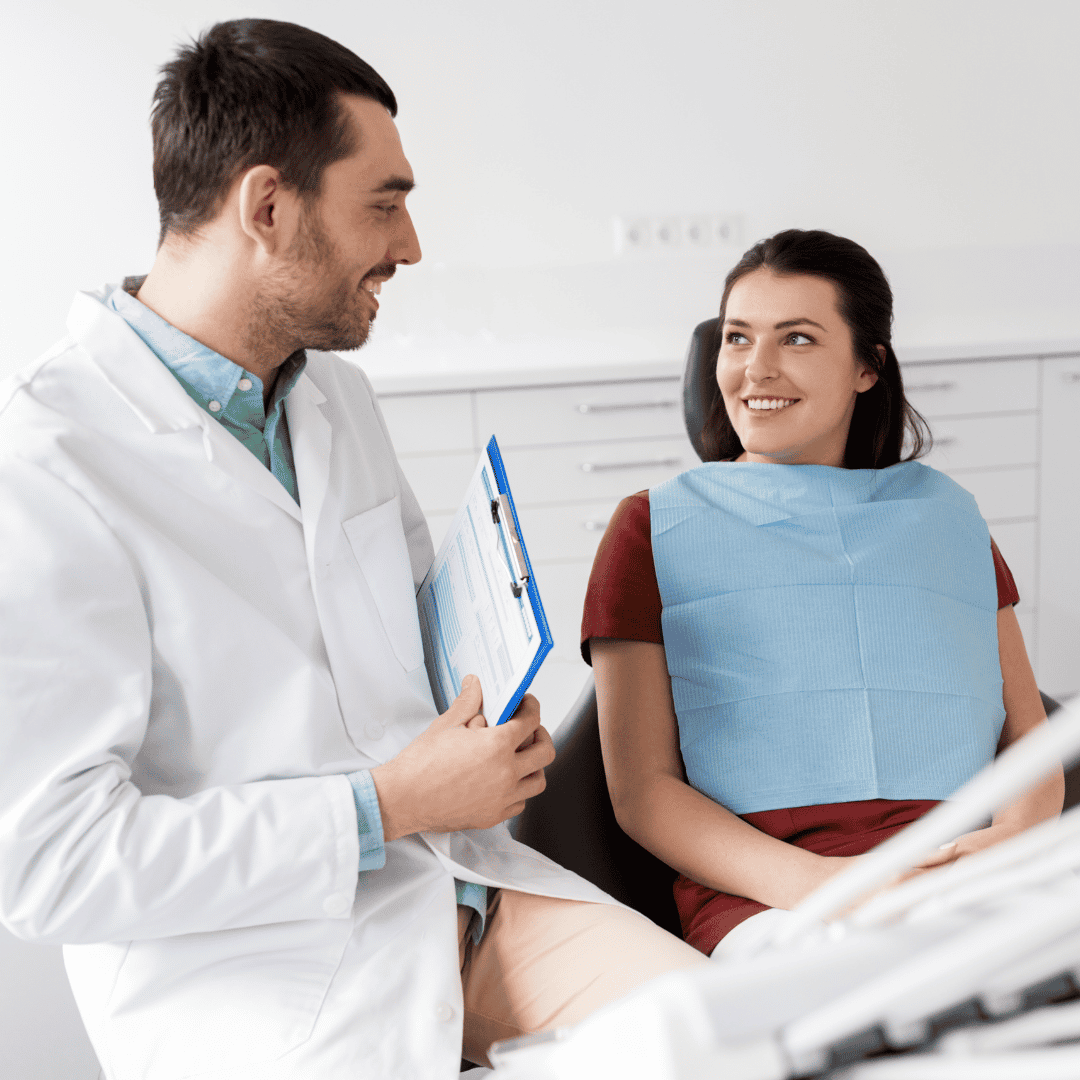
Best Dentists in Santo Domingo Dominican Republic
PlacidWay Mexico Medical Tourism
- Dentistry
Dominican Republic

Dental Implants in the Dominican Republic: Costs, Safety, and Best Options
PlacidWay Latin America Medical Tourism
- Dentistry
Dominican Republic
.jpg)







