
Save 70% on Dental Work in Dominican Republic
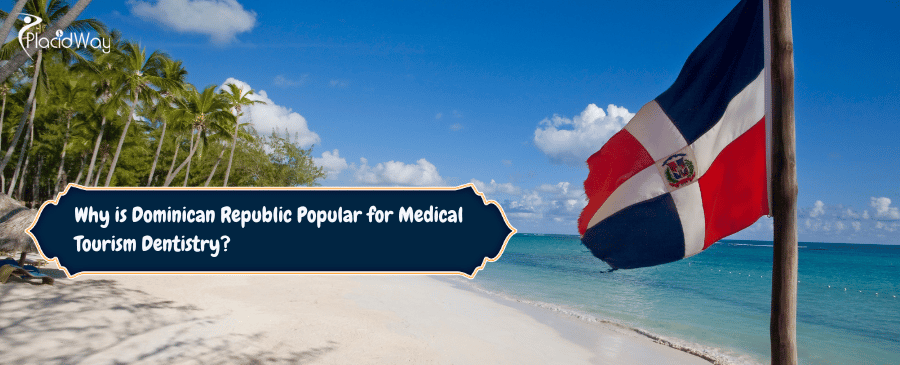
The concept of traveling abroad for healthcare is not new, but over the past decade, the Caribbean has emerged as a distinct hub for international patients. When looking into dentistry in Dominican Republic, many North Americans find a combination of geographical convenience and access to complex treatments that might otherwise be financially out of reach at home. The country has steadily developed its private healthcare infrastructure to cater specifically to this incoming patient base.
Navigating medical tourism in Dominican Republic requires more than just booking a flight and a hotel. Dental procedures are serious medical interventions that require careful planning, extensive provider evaluation, and an understanding of how to manage your recovery away from home. While the prospect of saving money while visiting a tropical destination is appealing, patient safety, material quality, and continuity of care must remain the primary focus of your decision-making process.
Key Takeaways
- Substantial cost differences often drive international patients to seek complex restorative work abroad.
- Short, direct flights from major US and Canadian cities make the logistics of travel relatively straightforward.
- Private clinics targeting tourists often feature modern technology and internationally trained staff.
- Rigorous vetting of clinic credentials, sterilization methods, and material origins is essential for patient safety.
- Planning for post-procedure recovery, air travel restrictions, and long-term local aftercare is critical.
What drives the high demand for dental care in this region?
Many patients face a frustrating reality: major restorative dental work, such as multiple implants, full-mouth reconstructions, or extensive crown work, is frequently classified as cosmetic or falls beyond the maximum limits of standard dental insurance plans. This leaves individuals shouldering the burden of massive out-of-pocket expenses. The Dominican Republic offers a lower cost of living and reduced operational overhead for clinics, allowing practitioners to offer the same procedures at a lower price point.
Furthermore, proximity plays a massive role. For an individual living in the eastern United States or Canada, a flight to the Dominican Republic often takes less time than a transcontinental domestic flight. This geographical advantage makes it easier for patients to manage the multiple trips sometimes required for complex procedures, such as the initial placement of an implant and the subsequent placement of the permanent crown months later.
How much does dentistry cost in Dominican Republic compared to the US?
It is difficult to provide exact figures because pricing depends heavily on your specific oral health needs, the materials selected, and the expertise of the dental professional you choose. However, the price difference is generally the main catalyst for international travel. Routine care like cleanings and basic fillings also cost less, but the travel expenses usually outweigh the savings for minor work. Therefore, patients typically travel for major restorative or cosmetic needs.
When calculating your total investment, you must factor in the hidden costs of travel. This includes airfare, accommodations for the duration of your required recovery, local transportation, food, and potential travel insurance. If a complication arises requiring an extended stay or a secondary trip, those costs will quickly diminish your anticipated financial savings. Always request a comprehensive, itemized treatment plan prior to booking any travel.
What types of dental procedures are most commonly performed?
Because minor procedures rarely justify the cost and effort of international travel, the market focuses heavily on complex rehabilitations. Dental implants involve surgically placing a titanium post into the jawbone, which acts as a root for an artificial tooth. This requires specialized surgical skill, sterile environments, and high-quality materials to prevent rejection or infection. Full-mouth restorations (often referred to as All-on-4 or All-on-6) are also highly sought after by older patients or those with severe dental deterioration.
Cosmetic treatments such as porcelain veneers—thin shells custom-made to cover the front surface of teeth—are another major draw. Since these are almost exclusively considered aesthetic by insurance providers, they are entirely out-of-pocket expenses in the US and Canada. Many clinics in the Dominican Republic boast in-house laboratories and CAD/CAM technology (like CEREC), which may allow them to design, mill, and place crowns or veneers in a condensed timeframe, sometimes within a single trip.
Important Consideration: Condensed Timelines
While same-day or rapid dentistry is convenient for travelers, your body dictates the true healing timeline. Rushing major restorative work to fit a vacation schedule can increase the risk of bite misalignment, improper healing, or subsequent material failure.
How do I choose a safe dentistry clinic in Dominican Republic?
The responsibility of vetting a medical provider falls squarely on your shoulders when traveling abroad. Begin by looking for clinics that are transparent about their dentists' educational backgrounds. Many top-tier providers serving international patients pursue continuous education in North America or Europe and may hold memberships with recognized global dental organizations. These affiliations do not guarantee perfection, but they often indicate a commitment to international standards of care.
During your initial virtual consultations, you should ask very specific questions:
- What specific brands of dental implants or restorative materials do you use?
- Can you provide a detailed explanation of your sterilization and infection control protocols?
- How do you handle medical emergencies during surgery?
- Do you have an in-house laboratory, or do you send molds out?
- What is your policy if a procedure fails or requires a revision after I return home?
What are the potential risks and complications of dental tourism?
Every medical and dental procedure carries a risk of complications, regardless of where in the world it is performed. However, medical tourism introduces unique variables. If you develop a post-operative infection, prolonged bleeding, or severe pain after returning to your home country, addressing it becomes much more complicated. You cannot simply drive back to your operating dentist for an emergency adjustment.
Travel itself presents physiological challenges. Flying shortly after oral surgery can be dangerous. Changes in cabin air pressure can cause severe pain in recently treated teeth or sinuses, and can sometimes dislodge blood clots (leading to a painful condition known as dry socket). Furthermore, sitting on a long flight post-surgery increases the risk of deep vein thrombosis (DVT). If complications arise once you are home, you may find that local dentists are hesitant to correct or touch recent dental work performed by an unknown practitioner abroad due to liability concerns.
How does the quality of dental care compare to North America?
It is inaccurate to paint the entire healthcare system of any country with a broad brush. In the Dominican Republic, the dental clinics that cater heavily to international medical tourists are often highly modernized. They invest heavily in digital x-rays, 3D CBCT scanners, intraoral cameras, and laser dentistry equipment to remain competitive in the global market. The materials used—like titanium posts and zirconia crowns—are frequently imported from the same global manufacturers used by US dentists.
The difference often lies in the regulatory environment. In the US and Canada, dental boards impose strict, standardized rules on clinical operations, hygiene, and malpractice insurance. While the Dominican Republic has health regulations, enforcement and standardization can differ. This means the gap in quality between an elite clinic and an average clinic can be much wider than what you might experience back home. Your safety relies on finding a provider operating at the highest end of the quality spectrum.
What should I know about communication and language barriers?
Navigating medical terminology is challenging enough in your native language. When undergoing surgery, you must thoroughly understand your diagnosis, the proposed treatment plan, the potential risks, and the detailed aftercare instructions. You also need to be able to clearly articulate your medical history, any allergies you have, and your current medications.
If you are exploring a clinic and find that communication via email or phone is difficult, fragmented, or confusing due to a language barrier, it is a strong indicator to look elsewhere. Relying on translation apps or non-medical bilingual friends during a surgical procedure is not a safe substitute for a provider who can effectively communicate clinical nuances to you directly.
How do travel logistics and recovery work for dental patients?
Dental tourism is often erroneously marketed as a "dental vacation." While you may be in a beautiful tropical setting, your primary reason for being there is medical. If you are having extractions, implants, or extensive gum work, you will not feel like going to the beach. Sun exposure, swimming in the ocean, or participating in strenuous tourist activities can increase blood pressure, trigger bleeding, and expose open surgical sites to harmful bacteria.
Your logistics planning must include a recovery buffer. If your treatment takes three days, you should plan to stay several additional days to allow for initial healing and a final post-operative check with your surgeon. You will also need to arrange accommodations where you can comfortably rest, apply ice, and easily access a soft-food diet. Verify that your hotel or rental property has the amenities you need to manage your recovery safely before you travel.
What happens if I need aftercare or experience complications back home?
No dental work lasts forever, and even the most perfectly executed procedures require long-term maintenance. Implants need regular professional cleaning; crowns can chip; bite alignments may need subtle adjustments months after the initial placement. The reality is that if you require an adjustment a year later, flying back to the Dominican Republic is rarely practical.
Before you commit to treatment abroad, have an open conversation with a dentist in your hometown. Ask if they are willing to provide your long-term hygiene and maintenance care once you return. Some local practitioners will not service international dental work because doing so may make them legally liable if the original work fails. Having a local professional ready to assist you if you develop an infection or require a minor adjustment upon returning home is a crucial safety net.
Why Choose PlacidWay for Medical Tourism in Dominican Republic?
Navigating international healthcare options can be overwhelming. PlacidWay provides tools and resources to help patients organize their research and explore global medical providers.
Provider Comparisons
PlacidWay offers a directory platform allowing you to view and compare different dental clinics in the Dominican Republic in one centralized location.
Educational Resources
The platform provides informative articles and destination guides to help you understand the realities of seeking medical treatment abroad.
Global Network
Patients can research not only the Dominican Republic but also explore alternative dental tourism destinations around the world to find the right fit.
Clinic Profiles
Access detailed profiles that often include clinic facilities, listed languages spoken, and the types of dental services offered to international travelers.
Streamlined Research
PlacidWay facilitates the initial connection between patients and international clinics, helping you start the conversation and request initial information.
Frequently Asked Questions
Do I need a visa for dental treatment in the Dominican Republic?
Citizens of the US, Canada, and most European countries typically do not need a visa for short medical or tourist visits to the Dominican Republic, though a tourist fee may be required upon entry. Always verify current entry requirements with your local embassy before traveling.
How long should I stay in the country for dental implants?
The length of stay for dental implants varies by the complexity of your case. A standard single implant often requires two separate trips: a few days for the initial placement, followed by a 3 to 6-month healing period at home, and then another short trip for the final crown placement.
Can I use my US dental insurance in the Dominican Republic?
Most standard US dental insurance plans do not directly cover treatments received internationally. Some providers may reimburse you for out-of-network emergency care if you submit translated receipts and treatment codes, but this is rare for planned cosmetic or restorative work.
What currency is typically accepted by Dominican dental clinics?
While the local currency is the Dominican Peso (DOP), many clinics that cater to international patients readily accept US Dollars (USD), major international credit cards, and bank transfers. It is highly advisable to confirm payment methods and potential foreign transaction fees prior to your trip.
Is it safe to travel to the Dominican Republic for dental work?
Many patients travel safely for dental care, but safety depends heavily on selecting a thoroughly vetted clinic and following standard travel advisories. Stick to established medical tourism hubs like Santo Domingo or Punta Cana, and prioritize clinics with strict sterilization protocols.
Are dentists in the Dominican Republic board-certified?
Dentists must be licensed to practice by local health authorities. While many specialists pursue additional training or memberships with international organizations, local certification standards differ from those in the US or Canada. Patients should request verification of a dentist's credentials and specialized training.
What materials are used for crowns and veneers there?
Clinics focusing on international patients generally use global standard materials, such as zirconia, porcelain, and titanium, often sourced from well-known international manufacturers. You should always ask your provider for specifics regarding the brands and origin of the materials they plan to use.
How soon can I fly after oral surgery?
Flying too soon after extractions or implant surgery can increase the risk of complications, such as pain from cabin pressure changes or dry socket. Most oral surgeons recommend waiting at least 48 to 72 hours before flying, though complex surgeries may require a longer local recovery period.
Are English-speaking dentists common in Punta Cana and Santo Domingo?
Yes, in major cities and tourist hubs, many dental clinics employ bilingual staff and English-speaking dentists to accommodate international patients. Clear communication is vital for informed consent, so verify language proficiencies during your initial consultations.
Can I combine a beach vacation with my dental treatments?
While often marketed as a vacation, major dental work requires proper rest. Activities like swimming in the ocean or pools, intense physical exertion, and sun exposure are usually restricted after oral surgery due to infection risks and healing requirements. Plan your vacation activities for before your procedure.
Ready to Explore Your Dental Options?
Research clinics, compare treatment options, and gather the information you need to make an informed decision about your dental health journey.
Request Treatment InformationReferences
- Medical Tourism - Centers for Disease Control and Prevention (CDC)
- Travel and Health: Medical Tourism - World Health Organization (WHO)
- Dental Tourism - American Dental Association (ADA)
- The Risks and Benefits of Medical Tourism - National Institutes of Health (NIH)
- Your Health Abroad - U.S. Department of State
- Health Tourism in the Dominican Republic - Inter-American Development Bank




















Share this listing