
Dentist Prices in the Dominican Republic Explained
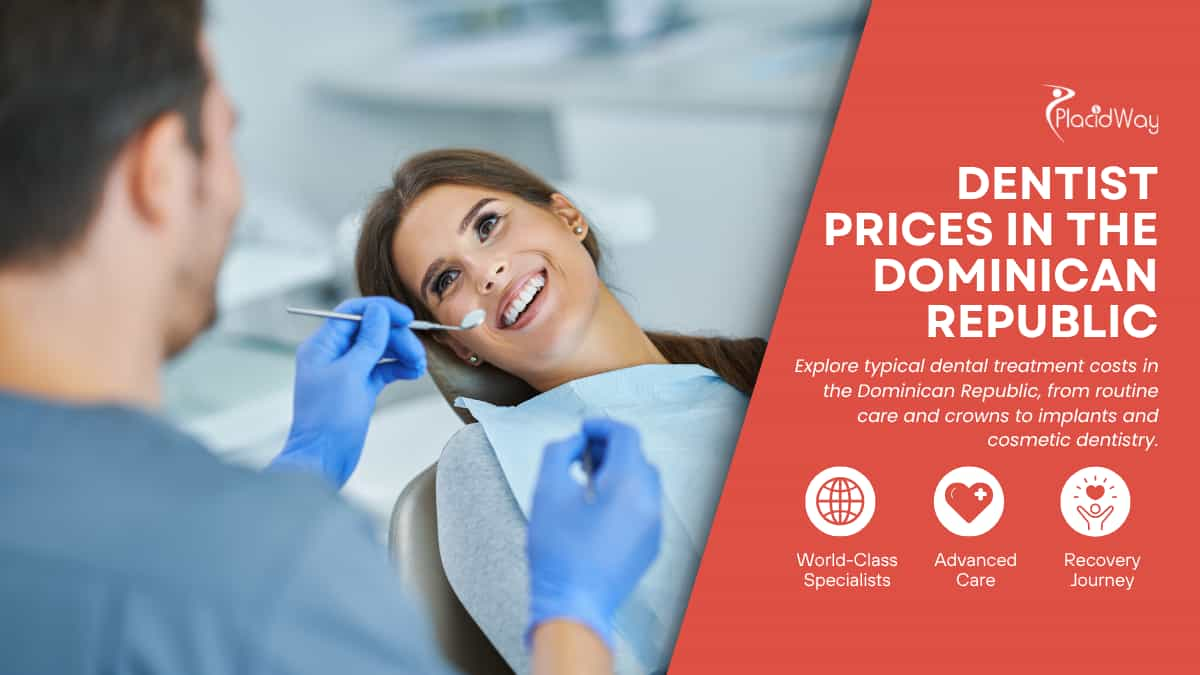
Typical dentist prices in the Dominican Republic range from $50 for cleanings to $800 for dental implants. Patients often save 50% to 70% compared to North American costs, making it a popular destination for affordable, quality dental care.
Key Takeaways
- Cost estimates for comprehensive restorations are significantly lower due to regional economic factors rather than a compromise in medical quality.
- Prospective patients must differentiate between the price of an implant post and the total cost including the abutment and custom crown.
- Thorough verification of local licensing through the Ministry of Public Health is essential before scheduling any major procedure.
- Successful recovery requires planning for multiple trips when dealing with complex bone grafting or full mouth restorations.
- Post-operative care and potential complications must be managed with a local provider in your home country upon return.
What are the common dental procedures in the Dominican Republic and their estimated costs?
Common procedures include routine cleanings, porcelain veneers, root canals, and structural restorations. Prices typically range from simple diagnostics at $50 to full structural rehabilitation costing several thousand dollars depending on case complexity.
When exploring dentist prices in the Dominican Republic, patients will find a wide variety of available treatments ranging from preventative care to complex oral surgery. Preventative treatments like cleanings, digital X-rays, and standard fillings are highly accessible. Many travelers combine these minor procedures with vacations to maximize their time and healthcare budget.
More complex restorative work attracts the largest volume of international visitors. This includes root canal therapy, custom porcelain crowns, and multi-unit dental bridges. These structural treatments require specialized materials and skilled clinical application. Costs are highly dependent on the choice of materials, such as standard porcelain fused to metal versus premium zirconia.
The most sought-after complex treatments are undoubtedly surgical replacements. It is critical to understand that advertised prices often reflect only a portion of the complete treatment. A quoted price for an implant usually represents just the titanium fixture placed into the jawbone, while the abutment connector and the final visible crown incur separate, additional fees.
| Procedure Type | Estimated Cost in Dominican Republic (USD) | Estimated Cost in US/Canada (USD) |
|---|---|---|
| Dental Checkup and Cleaning | $40 - $80 | $150 - $300 |
| Porcelain Crown | $350 - $550 | $1,000 - $1,800 |
| Root Canal Treatment (Per Tooth) | $200 - $400 | $800 - $1,500 |
| Single Titanium Implant (Post Only) | $700 - $950 | $1,800 - $3,000 |
| Complete Implant Restoration (Post, Abutment, Crown) | $1,200 - $1,800 | $3,500 - $5,500 |
Why is the dental work cost in the Dominican Republic lower than in North America?
The reduced prices stem from macro-economic differences, including lower operational overhead, reduced real estate expenses, more affordable labor costs, and lower local living expenses compared to North America.
The fundamental reason for the lower dental work cost in the Dominican Republic is the local cost of living. Operational expenses for running a clinical facility, including commercial rent, utility costs, and local taxation, are substantially lower than comparable expenses in major United States or Canadian metropolitan areas. These reduced overhead requirements allow practitioners to offer services at more accessible price points.
Labor costs also play a significant role in overall pricing. The salaries for clinical support staff, specialized dental hygienists, laboratory technicians, and administrative personnel reflect the local economic standards. Because payroll is a major expense for any healthcare facility, these local labor economics translate directly into lower final invoices for the patient.
Furthermore, higher education and medical training are often subsidized differently in the region, meaning many practitioners graduate without the massive student debt burdens common in North America. This financial freedom allows them to structure their clinical fees based on practice sustainability rather than aggressive debt repayment schedules.
Did You Know?
While the labor and facility costs are lower, reputable international clinics still import their raw clinical materials, such as titanium posts and bonding agents, from the exact same global manufacturers used by North American providers.
Are dental clinics in the Dominican Republic safe and properly regulated?
Safety and regulation levels vary across the country. Reliable clinics adhere to guidelines set by the Ministry of Public Health and often voluntarily pursue international certifications to ensure stringent sterilization and care standards.
The regulatory environment for a dental clinic in the Dominican Republic is overseen primarily by the Ministerio de Salud Publica. This governing body issues operating licenses and establishes baseline hygiene and structural requirements for medical facilities. However, enforcement and regular auditing can be inconsistent, making patient diligence absolutely critical when selecting a provider.
To bridge any regulatory gaps, many clinics that focus on international patients voluntarily align their practices with international standards. They may implement sterilization protocols outlined by global health organizations and seek recognition from international dental associations. This voluntary compliance demonstrates a commitment to maintaining a sterile, secure clinical environment.
Safety is not only about facility cleanliness but also emergency preparedness. Suitable clinics are equipped with standard emergency medical equipment, utilize proper autoclave sterilization for all reusable instruments, and maintain clear protocols for managing unexpected medical events during procedures.
Important Consideration
Never rely solely on a clinic website for proof of accreditation. Always ask for the direct license numbers of the facility and the attending practitioner, and verify these details independently through official local health registries before booking.
How do dental implants in the Dominican Republic compare to other popular destinations?
The quality and approach to implants are comparable to destinations like Mexico and Costa Rica when using reputable clinics. Success depends entirely on the specific practitioner skill level and the quality of the implant system utilized.
When comparing dental implants in the Dominican Republic to other prominent medical tourism hubs, the clinical workflows are largely similar. Providers in the region follow the standard multiphase approach: consultation, imaging, extraction if necessary, post placement, healing, and final restoration. The diagnostic technology available at top clinics, such as 3D CBCT scanners, matches that found in other competitive international markets.
A key differentiating factor is geographic accessibility. For residents of the East Coast of the United States and eastern Canada, the flight times to the Dominican Republic are often shorter and more direct than traveling to central America or deep into Mexico. This geographic advantage can lower overall travel fatigue and associated travel costs for the multiple trips required for implant completion.
Clinically, the outcomes rely heavily on the use of FDA-cleared or internationally recognized implant systems. Just as in any destination, patients must confirm that their chosen provider uses traceable, branded materials with valid lot numbers. Relying on unbranded or generic implant posts to further reduce costs can significantly elevate the risk of future mechanical failure.
What should patients evaluate before selecting a dental clinic in the Dominican Republic?
Patients must evaluate clinical credentials, material transparency, facility technology, and complication protocols. A comprehensive assessment ensures the chosen provider meets rigorous medical and ethical standards.
- Professional Licensing: Request the official registration number of the primary dentist and verify their specific specialty training, especially if undergoing oral surgery or advanced restorations.
- Material Transparency: Ensure the clinic provides documentation stating the exact brands of the implant fixtures, bone graft materials, and crown composites being utilized.
- Diagnostic Equipment: Confirm the facility possesses or has immediate access to 3D Cone Beam Computed Tomography (CBCT) scanners, which are essential for safe implant planning and avoiding nerve damage.
- Communication Protocols: Evaluate the responsiveness and clarity of the clinic staff during initial inquiries. Clear English communication is vital for informed consent and understanding post-operative instructions.
- Complication Management: Ask explicitly about the clinic policy regarding treatment failures or complications. Understand who bears the financial responsibility for corrective procedures and additional necessary travel.
- Comprehensive Treatment Plans: Only proceed with a clinic that provides a detailed, itemized treatment plan prior to travel, outlining every expected fee including temporary fixtures and local anesthesia.
What does the recovery timeline look like for major dental procedures in the Dominican Republic?
Recovery timelines vary significantly by procedure. Simple extractions require a few days of rest, while bone grafts and implant placements necessitate months of osseointegration before the final restorative phase can begin.
The immediate postoperative period for invasive dental procedures in the Dominican Republic typically involves swelling, minor discomfort, and dietary restrictions. Patients undergoing surgical placements or extractions are generally advised to rest locally for three to five days before flying. Changes in cabin pressure during flights can sometimes exacerbate swelling or cause discomfort in recent surgical sites.
For implant procedures, the biological recovery phase known as osseointegration occurs once the patient returns home. This phase usually takes three to six months. During this time, the jawbone gradually fuses with the titanium post. Patients must adhere strictly to soft-food diets and maintain excellent oral hygiene to prevent peri-implantitis, an infection that can cause implant failure.
Follow-up care is an essential component of the long-term recovery timeline. Because international patients cannot easily visit their treating clinic for routine healing checks, they must arrange for a local dentist in their home country to monitor their progress, remove sutures if non-dissolvable types were used, and perform necessary cleanings during the healing phase.
How does medical tourism in the Dominican Republic function for dental care patients?
The process involves remote consultation, travel planning, executing the clinical phases, and establishing a home-country follow-up plan. It requires extensive coordination to balance healthcare needs with international travel logistics.
Engaging in medical tourism in the Dominican Republic begins with a thorough remote consultation. Prospective patients typically send their recent panoramic X-rays or digital scans to the international clinic. The clinical team reviews these images to determine patient suitability and drafts a preliminary, non-binding treatment estimate. This phase is crucial for establishing baseline expectations regarding time and financial commitments.
Once a treatment plan is tentatively agreed upon, the logistical phase begins. Patients coordinate their flights, local accommodations, and ground transportation. While the primary focus is medical care, the clinical schedule usually allows for periods of rest. Patients must prioritize their healing and adhere to clinical advice regarding sun exposure, physical exertion, and dietary choices while abroad.
The final, ongoing phase occurs after the patient returns home. Medical tourism is not a single transaction but a continuing health process. The patient assumes responsibility for maintaining the dental work through diligent home care and regular check-ups with a domestic provider. Any long-term maintenance or minor adjustments must be integrated into the patient regular local healthcare routine.
What hidden expenses should I consider regarding dentist prices in the Dominican Republic?
Beyond the core procedure costs, patients must budget for diagnostic imaging, preliminary treatments like bone grafting, temporary restorative solutions, prescription medications, and the compounding costs of flights and accommodations.
When evaluating dentist prices in the Dominican Republic, the advertised headline rate rarely represents the total out-of-pocket expenditure. Clinical hidden costs often appear upon in-person examination. For example, a 3D CBCT scan may reveal inadequate bone density, necessitating an unforeseen bone grafting or sinus lift procedure before an implant can be safely placed. These preliminary surgeries add both cost and time to the treatment.
Another frequently overlooked clinical expense is the provision of temporary solutions. If a patient is waiting months for an implant to integrate, they will likely need a temporary crown, bridge, or flipper device for aesthetic and functional purposes. Additionally, the costs for necessary post-operative medications, such as specialized antibiotics or pain management prescriptions, are generally paid directly to local pharmacies.
Non-clinical hidden expenses are entirely related to travel logistics. Patients must budget for peak-season flight fluctuations, multiple nights of hotel accommodation, specialized soft-food meals during recovery, and reliable ground transportation to and from the clinic. If complications require an extended stay, these daily logistical costs can rapidly consume the anticipated financial savings.
Expert Insight
Always request that your prospective clinic outlines the absolute worst-case scenario pricing. Understanding the financial implications of required extractions, extensive grafting, and prolonged temporary solutions helps prevent budget exhaustion midway through a complex treatment plan.
Why Choose PlacidWay for your dental medical tourism journey?
PlacidWay functions as a comprehensive informational platform that connects international patients with a wide network of healthcare providers, facilitating research and preliminary communication for informed medical decisions.
- Provides extensive directories of international dental clinics, allowing users to explore multiple options across various geographic regions.
- Allows patients to compare estimated pricing structures and treatment methodologies from different global healthcare facilities side-by-side.
- Offers access to detailed clinic profiles that aggregate self-reported facility accreditations and professional dentist qualifications.
- Facilitates direct digital communication channels between prospective patients and international healthcare providers for preliminary case reviews.
- Empowers patients with accessible educational resources and procedural overviews to assist them in making informed, independent healthcare decisions.
Frequently Asked Questions (FAQs)
Is it safe to undergo dental procedures in the Dominican Republic?
Undergoing dental procedures in the Dominican Republic can be safe when suitable patients select properly vetted clinics. It is crucial to verify clinic accreditations, ensure the facility follows international sterilization protocols, and confirm the dentist has specialized training for your specific procedure.
Do dentists at a dental clinic in the Dominican Republic speak English?
Many dentists who cater to international patients speak fluent English. Clinics focusing on international arrivals typically employ bilingual staff and dentists who have completed partial training or continuous education in English-speaking countries to facilitate clear medical communication.
How long is the typical stay for dental implants in the Dominican Republic?
The timeline for implants typically requires two separate trips. The first visit for extraction and implant placement usually lasts five to eight days. After a healing period of three to six months, a second visit of similar length is required to place the final abutment and crown.
Are the materials for dental work cost in the Dominican Republic of good quality?
Reputable clinics utilize globally recognized materials from Switzerland, Germany, and the United States. Patients should always ask for the brand names of implants or crowns being used and verify they are FDA-cleared or meet equivalent international regulatory standards.
Can I use North American dental insurance for dentist prices in the Dominican Republic?
Most international clinics do not bill foreign insurance networks directly. However, some providers offer out-of-network reimbursement if the patient submits the required itemized receipts and treatment codes, though coverage is never guaranteed.
Do providers offer warranties on dental procedures in the Dominican Republic?
Some clinics provide limited warranties on restorations like crowns or implant posts. These warranties typically cover material failure under normal conditions but often require the patient to return to the original clinic for the corrective work, which involves additional travel costs.
What forms of payment are accepted for medical tourism in the Dominican Republic?
International clinics usually accept major credit cards, wire transfers, and cash in US Dollars. Patients should check in advance about potential credit card processing fees, which can range from three to five percent of the total treatment cost.
What happens if complications arise after receiving dental implants in the Dominican Republic?
Patients should establish a relationship with a local dentist in their home country before traveling. If complications occur after returning home, immediate local care is necessary, which will incur additional out-of-pocket expenses not covered by the overseas clinic.
Are there specific entry requirements for medical tourism in the Dominican Republic?
Most North American and European citizens require a valid passport with at least six months of validity remaining and must complete an electronic entry and exit ticket. Travel requirements frequently update, so patients must verify current protocols with their local embassy before departure.
How do I verify a dentist for a dental clinic in the Dominican Republic?
Patients should request the dentist credential number and verify it through the Dominican Republic Ministry of Public Health. Additionally, checking for memberships in recognized international dental organizations can provide another layer of professional verification.
Ready to Compare Dental Implant Options?
Explore international clinic profiles, review estimated pricing structures, and request detailed treatment information to make an educated decision regarding your oral healthcare needs.
Request Treatment InformationDisclaimer: The cost data presented in this article is based on estimated averages gathered from international clinic networks. Prices are subject to change based on individual case complexity, material selection, and regional economic factors. This article is for informational purposes only and does not constitute medical advice. Always consult with a qualified local healthcare professional before making international treatment decisions.
References:
- Medical Tourism Guidelines – Centers for Disease Control and Prevention (CDC)
- Dental Implants: What You Should Know – U.S. Food and Drug Administration (FDA)
- Oral Health Fact Sheet – World Health Organization (WHO)
- Dental Implants Patient Information – American Dental Association (ADA)
- Infection Prevention and Control in Dental Practice – FDI World Dental Federation
- Standards for Dentistry (TC 106) – International Organization for Standardization (ISO)























Share this listing