
Dentures Cost in the Dominican Republic: Your Comprehensive Guide
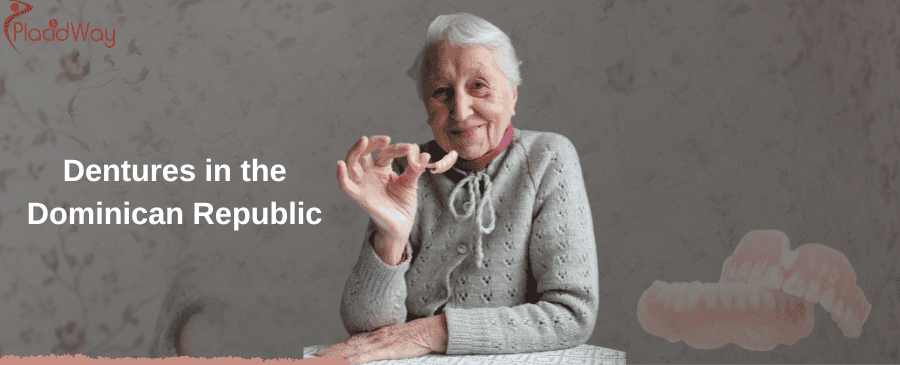
Restoring your smile after tooth loss can be a major financial and personal decision. If you are exploring options abroad, you are likely wondering how much dentures cost in the Dominican Republic. Many patients look outside their home countries to find more accessible pricing for dental prosthetics without ignoring the importance of quality care. Understanding the estimates, the process, and the logistics of traveling for dental work can help you make a more informed decision about your oral health.
Key Takeaways
- Prices for traditional dentures generally vary from $400 to $900 per upper or lower arch.
- Implant-supported options offer more stability but cost significantly more and require minor surgery.
- Patients typically need to stay in the country for 7 to 14 days to allow time for impressions, lab work, and fittings.
- Travel expenses, lodging, and post-treatment care at home must be factored into your total budget.
- Consultations and detailed imaging are required to determine if you are a suitable candidate for any dental prosthetic.
What types of dentures are available in the Dominican Republic?
When you visit a dentures clinic in the Dominican Republic, the dentist will evaluate your remaining teeth, gum health, and jawbone structure. If you are missing all of your teeth in an arch, complete (or full) dentures are generally recommended. These are custom-made acrylic bases that sit directly on your gums.
If you still have some healthy natural teeth, a partial denture may be appropriate. Partials often consist of replacement teeth attached to a pink or gum-colored base, connected by a metal or flexible resin framework that clips onto your existing teeth for support. This helps fill the gaps and prevents your natural teeth from shifting.
For those seeking enhanced stability, implant-supported dentures (sometimes called overdentures or snap-in dentures) are also an option. Instead of resting solely on the gums, these prosthetics click securely onto dental implants that have been surgically placed into the jawbone.
What factors affect the overall cost of dentures?
A single advertised price rarely covers every patient's unique situation. When budgeting for your procedure, the specific materials chosen play a major role. For instance, standard acrylic teeth are generally more affordable, while high-quality porcelain or specialized flexible resins tend to increase the estimate.
Preparatory dental work can also significantly impact the final bill. If you require tooth extractions, treatment for periodontal (gum) disease, or bone grafting to build up your jawline, these procedures will be billed in addition to the cost of the dentures themselves. Initial consultations and 3D panoramic X-rays are also standard requirements that may add to the overall expenses.
Finally, the location and amenities of the clinic matter. Facilities in popular tourist areas or those catering heavily to international patients may charge slightly higher fees compared to local neighborhood clinics, often reflecting differences in provided services, such as English-speaking coordinators or modern waiting areas.
How does the pricing compare to the US and Canada?
In the United States and Canada, a single arch of traditional complete dentures can easily cost between $1,500 and $3,000, depending on the dentist and region. In contrast, similar procedures in the Caribbean often range between $400 and $900. These lower estimates are primarily driven by differences in overhead costs, cost of living, and lower administrative expenses.
However, when calculating your potential savings, you must look at the entire picture. Medical tourism in the Dominican Republic involves travel. You will need to account for airfare, hotel accommodations, meals, and local transportation. Depending on the length of your stay, these travel expenses can consume a noticeable portion of the money saved on the dental procedure itself.
Are implant-supported dentures available, and what is the process?
Implant-supported dentures are a popular alternative for patients who struggle with slipping or uncomfortable traditional dentures. By anchoring the prosthetic to titanium posts in the jaw, patients generally experience better chewing function and increased comfort.
This process is more complex than getting standard removable dentures. It requires a minor surgical procedure to place the implants. Afterward, patients typically need to wait several months for a process called osseointegration to occur—where the jawbone naturally heals and fuses around the titanium implants. Because of this healing period, getting implant-supported dentures usually requires at least two separate trips to the destination.
In terms of pricing, these procedures are significantly higher than traditional options. Depending on the brand of the implants, the number of posts required, and whether you need temporary dentures during the healing phase, estimates generally range between $2,500 and $6,000 per arch.
What is the typical process and timeline for getting dentures abroad?
The journey to get new dentures requires multiple clinical steps. On your first visit, the dentist will examine your mouth, take X-rays, and create initial molds or digital impressions of your gums. These impressions are then sent to a dental laboratory, which may take several days to craft a wax model of your new teeth.
During a follow-up appointment, you will have a "wax try-in." This step allows you and the dentist to evaluate the fit, appearance, and bite of the teeth before the final acrylic base is processed. Once the final denture is ready, you will return for the delivery and initial adjustments.
Rushing this process can lead to poor-fitting prosthetics. Patients should plan to be available for multiple short appointments over the span of 7 to 14 days, ensuring enough time for the lab to do its work and for the dentist to make any needed tweaks before you fly home.
Are there hidden costs to consider when traveling for dental prosthetics?
When assessing how much dentures cost in the Dominican Republic, the quoted clinical price is only one part of the equation. Travel logistics can add hundreds or even thousands of dollars to your total expense. Accommodations for one to two weeks can be significant, especially if you stay in popular tourist areas like Punta Cana or Santo Domingo.
Additionally, medical tourism inherently carries the risk of the unknown. If the dentist discovers during your initial exam that you have an infection requiring treatment, or if the lab needs extra time to correct a fit issue, you may have to extend your stay and change your return flight.
It is wise to keep an emergency fund available for unexpected expenses. You may also need to purchase prescription medications, such as antibiotics or pain relievers, which are usually not included in standard dental packages.
Is it safe to get dentures in the Dominican Republic?
Safety in dentistry comes down to the standards maintained by the specific facility and the credentials of the treating professionals. Many dentists catering to international patients hold memberships in recognized international dental organizations and follow protocols similar to those found in North America or Europe.
However, safety outcomes vary by patient and facility. There are risks associated with any dental procedure, including infections, poorly fitting prosthetics, or adverse reactions to materials. Communication is also a key safety factor; ensuring you can clearly express your medical history and understand the dentist's post-care instructions is crucial.
Patients are encouraged to research clinics thoroughly, request information regarding the dentist’s training, and ask about the facility's infection control practices before committing to treatment.
What materials are commonly used for dentures in Dominican dental clinics?
The standard material for complete denture bases is a rigid pink acrylic resin designed to mimic the appearance of natural gum tissue. The artificial teeth attached to this base are most commonly made of a dense, durable plastic or acrylic, which is relatively lightweight and can be easily adjusted.
For partial dentures, a cast metal framework—usually made of a chrome-cobalt alloy—is frequently used to provide strength and support for the acrylic portions. Alternatively, some clinics offer flexible partials made from specialized thermoplastic resins, which eliminate the need for metal clasps and are often preferred for aesthetic reasons.
Some patients inquire about porcelain teeth, which offer excellent aesthetics and durability. While available, porcelain is heavier, can cause more wear on opposing natural teeth, and is less commonly used for traditional removable dentures today.
How should I care for my new dentures after returning home?
Even perfectly crafted dentures often require a period of adjustment. As your mouth gets used to the new prosthetic, minor sore spots or areas of irritation may develop. Because you cannot easily fly back to your overseas clinic for a 15-minute adjustment, having a local dentist who is willing to help you maintain your prosthetics is vital.
Over time, the bone structure in your jaw will naturally shrink and change shape. Because dentures do not change shape, they will eventually become loose. You will likely need a professional reline (where new material is added to the base for a tighter fit) every one to two years.
Daily maintenance at home is also necessary. You should remove your dentures nightly to give your gums a rest. Clean them daily using a soft brush specifically designed for dentures and a non-abrasive cleanser, avoiding regular toothpaste, which can scratch the acrylic surface and harbor bacteria.
Why Choose PlacidWay for Medical Tourism in the Dominican Republic?
Navigating healthcare options abroad can feel overwhelming. PlacidWay serves as a global medical tourism platform designed to help patients access information about treatments and facilities around the world.
- Access to Information: PlacidWay allows patients to explore facility profiles, doctor credentials, and typical procedure offerings in one centralized location.
- Treatment Comparisons: The platform enables you to review estimated costs and treatments across different international regions to see which align with your budget.
- Direct Connection: Patients can use the service to contact overseas dental clinics directly, facilitating initial conversations and the exchange of medical information.
- Educational Resources: PlacidWay offers articles, guides, and patient resources to help you understand what is involved in international dental care.
- Free Exploration: The platform is free for patients to use while gathering initial information and requesting treatment quotes.
Frequently Asked Questions About Dentures in the Dominican Republic
Can I get immediate dentures right after my teeth are extracted in the Dominican Republic?
Yes, many dental professionals offer immediate dentures that are placed the same day your teeth are extracted. However, because your gums will shrink as they heal, these dentures will usually require a professional reline or complete replacement several months later.
Do dental clinic staff in the Dominican Republic speak English?
Many clinics that cater to international patients have English-speaking dentists and patient coordinators. However, it is always a good idea to confirm the language spoken at the clinic prior to booking your appointment to ensure clear communication.
Will my domestic dental insurance cover procedures done in the Dominican Republic?
Most standard domestic dental insurance plans, including Medicare or Medicaid in the US, do not cover care received internationally. Some private insurers may offer out-of-network reimbursement for certain procedures, but you must verify this directly with your provider beforehand.
How long do traditional acrylic dentures typically last?
With proper daily care, traditional acrylic dentures often last between five to seven years. Over time, natural changes in your jawbone and normal wear and tear of the materials will require the denture to be relined, rebased, or replaced.
Can I travel alone for a denture fitting in another country?
Yes, for standard, non-surgical denture fittings, most patients can comfortably travel alone. However, if you are combining the fitting with major oral surgery such as multiple extractions or dental implants under sedation, having a travel companion is highly recommended for your safety.
Are flexible partial dentures an option for me?
Flexible partial dentures are widely available and can be a good option for patients missing a few teeth who want to avoid the metal clasps of traditional partials. A dentist must evaluate your remaining teeth and bite to determine if flexible materials are suitable for your specific case.
What happens if my new dentures cause sore spots?
It is very common for new dentures to cause minor sore spots as they settle on your gums. You will likely need adjustments. If you have already returned home, you should visit a local dentist to have the acrylic carefully adjusted to relieve the pressure points.
How do I maintain and clean my removable dentures?
You should remove and gently brush your dentures daily using a soft-bristled brush and non-abrasive denture cleanser. When not wearing them, keep them submerged in water or a mild soaking solution to prevent the acrylic from drying out and warping.
Can I combine my dental appointments with a vacation?
Many patients do combine their dental visits with a vacation, but your primary focus should be your medical care. Dental appointments, laboratory wait times, and minor post-treatment discomfort may dictate your schedule and limit certain physical activities during your trip.
Is bone grafting necessary before getting implant-supported dentures?
If you have been missing teeth for a long time, you may have experienced jawbone deterioration. A dentist will use 3D imaging to assess your bone volume; if it is insufficient to support implants, a bone grafting procedure may be required before placing the anchors.
Ready to Compare Treatment Options?
Gather the information you need to make an informed decision about your dental health. Contact PlacidWay to request details about procedures and facilities.
Request Treatment InformationReferences
- Dentures – American Dental Association (ADA)
- Medical Tourism – Centers for Disease Control and Prevention (CDC)
- Dental Implant Surgery – Mayo Clinic
- Tooth Loss – National Institute of Dental and Craniofacial Research (NIDCR)
- Dentures Overview – U.S. Food and Drug Administration (FDA)
- Dentures Care and Information – Cleveland Clinic




















Share this listing