
Finding the Right Alcohol Addiction Clinic: Your Path to Recovery
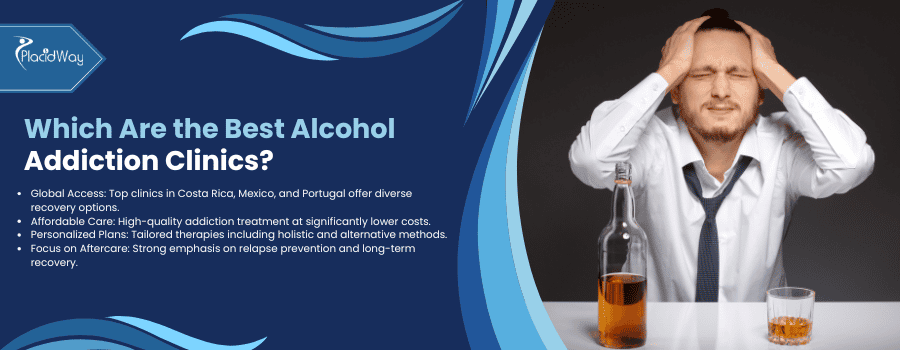
Finding the right facility for recovery is a vital step toward long-term sobriety. For many individuals, seeking alcohol addiction treatment in Thailand offers a combination of experienced clinical care, private settings, and comprehensive therapeutic approaches. Because treatment is a highly personal journey, knowing what questions to ask and what standards to look for can help you make an informed, medically sound decision.
Rather than looking for a single "best" center, patients should evaluate clinics based on their specific medical needs, the severity of their addiction, and their psychological profile. Alcohol use disorder is a complex, chronic condition. Addressing it effectively often requires a multi-disciplinary approach involving medical doctors, psychiatrists, psychologists, and specialized counselors.
Key Takeaways
- Look for properly licensed facilities with credentialed psychiatric and medical staff.
- Comprehensive recovery programs typically integrate medical detox, behavioral therapy, and structured aftercare.
- Residential treatment duration usually ranges from 28 to 90 days, depending on individual clinical assessments.
- Evidence-based therapies, such as Cognitive Behavioral Therapy (CBT), form the core of effective addiction treatment.
- Always verify a clinic's emergency medical protocols and affiliations with local hospitals before admission.
What makes Thailand a recognized destination for alcohol rehab?
Over the past decade, Thailand has developed a robust reputation in the field of behavioral health. Facilities here often blend high standards of clinical care with the natural tranquility of the environment. Being removed from familiar stressors and the everyday triggers of your home environment can provide the necessary physical and mental space to focus entirely on recovery.
Furthermore, many centers cater specifically to international patients. This means they employ fluent English-speaking clinical staff, including expatriate psychiatrists and addiction specialists who are trained to international standards. The country's strong healthcare regulatory framework also helps ensure that accredited facilities maintain rigorous safety and clinical protocols.
What types of alcohol addiction treatment programs are available?
The appropriate level of care depends heavily on the patient's medical history, the duration and severity of the alcohol use, and whether there are co-occurring mental health conditions. Inpatient residential programs are the most common choice for international patients. These programs provide 24/7 care, daily structured therapy sessions, and a secure, substance-free environment.
For individuals with milder dependencies or those who have already completed a residential program, outpatient or step-down programs may be suitable. Dual-diagnosis programs are specifically designed for patients who suffer from alcohol addiction alongside mental health disorders, such as anxiety, depression, or PTSD. Treating both conditions simultaneously is often critical for long-term recovery.
How do I identify a reputable alcohol addiction treatment clinic in Thailand?
When evaluating an alcohol addiction clinic in Thailand, the first step is to verify its licensing and accreditations. Reputable facilities are transparent about the qualifications of their clinical directors, medical doctors, and therapists. You should expect to be treated by professionals with recognized degrees in psychology, psychiatry, or addiction medicine.
Additionally, you can assess a clinic's quality by reviewing their treatment methodologies. Facilities that rely primarily on scientifically backed approaches, such as Cognitive Behavioral Therapy (CBT) and Dialectical Behavior Therapy (DBT), are generally more reliable. Avoid clinics that make absolute promises of a "cure" or guarantee permanent sobriety, as addiction is recognized by the medical community as a chronic condition requiring ongoing management.
What is the typical alcohol addiction treatment cost in Thailand?
Prices vary significantly based on the facility's amenities and the intensity of medical care required. Standard accredited programs may fall on the lower end of the spectrum, while exclusive, highly private executive rehabs with private villas and personalized 1-on-1 care will cost more. These estimates typically cover accommodation, meals, individual and group therapy, and basic medical supervision.
However, it is vital to inquire about what is not included in the base price. Medical detox, specialized psychiatric medications, emergency hospital transfers, and post-treatment aftercare programs may incur additional fees. Patients should request a comprehensive, itemized breakdown of costs before committing to a program to avoid unexpected financial burdens during recovery.
Is medical detox offered at a standard alcohol addiction clinic in Thailand?
Alcohol withdrawal can be physically severe and, in some cases, life-threatening. Symptoms can range from mild tremors and anxiety to severe complications like seizures and Delirium Tremens (DTs). Because of these risks, detox should never be attempted without professional medical supervision.
How long does inpatient alcohol rehab usually take?
A 28-day program is often considered the minimum timeframe for residential care. The first week is frequently dedicated to physical stabilization and detox, leaving limited time for intensive psychological work. For many patients, 60 to 90 days provides a more realistic timeline to break deep-rooted habits, engage fully in therapy, and practice new relapse prevention techniques.
The optimal length of stay varies by patient and should be determined through a professional clinical assessment. Factors influencing this decision include the history of relapse, the presence of co-occurring mental health disorders, and the level of support available to the patient once they return home.
What therapies are used for alcohol addiction recovery?
Therapy aims to help patients understand the root causes of their addiction, identify triggers, and develop healthier coping mechanisms. Common therapeutic approaches include:
- Cognitive Behavioral Therapy (CBT): Focuses on recognizing and altering negative thought patterns and behaviors related to alcohol use.
- Dialectical Behavior Therapy (DBT): Helps patients manage intense emotions and improve relationship skills, which is particularly useful for dual diagnosis.
- Motivational Interviewing (MI): Designed to enhance a patient’s internal motivation to change.
- Family Therapy: Addresses family dynamics, enabling loved ones to support recovery healthily.
Many clinics also incorporate complementary therapies—such as mindfulness meditation, yoga, and physical fitness—to support overall physical and mental well-being during recovery.
Is it safe to undergo alcohol addiction treatment in Thailand?
Patient safety must always be the priority. Before traveling, it is essential to undergo a pre-admission assessment with the facility to ensure they are medically equipped to handle your specific case. Patients must be completely honest about their medical history, substance use volume, and any pre-existing health conditions.
Safety also encompasses the physical environment of the clinic. Reputable facilities provide secure, substance-free campuses with round-the-clock staff supervision. They also maintain clear, documented procedures for transferring patients to nearby tertiary care hospitals should a sudden medical emergency arise.
What role does aftercare play in maintaining sobriety?
Completing a residential program is only the beginning of the recovery process. The transition back home is often when individuals face the highest risk of relapse, as they are re-exposed to old environments, relationships, and stressors. A comprehensive aftercare plan is designed before discharge to mitigate these risks.
Leading clinics typically offer aftercare programs that include regular online counseling sessions, alumni support groups, and connections to local therapists or support networks (such as AA or SMART Recovery) in the patient's home country. Committing to aftercare significantly improves the chances of sustaining long-term sobriety.
How does medical tourism in Thailand support privacy during recovery?
For many professionals and individuals seeking confidentiality, medical tourism in Thailand presents an appealing solution. Seeking care in your hometown can sometimes lead to anxiety regarding chance encounters or privacy breaches. Traveling internationally creates a physical boundary that helps maintain anonymity.
Accredited facilities handling international patients are well-versed in global privacy standards. They implement strict confidentiality agreements and data protection protocols similar to HIPAA regulations in the United States. This commitment to discretion ensures that your medical records and presence at the facility remain entirely confidential.
Why Choose PlacidWay for Medical Tourism?
Navigating international healthcare options can be complex, especially when seeking sensitive behavioral health treatment. PlacidWay provides educational resources and facilitation to assist patients in their research. Here are factual ways PlacidWay can help:
- Global Network: PlacidWay connects patients with healthcare facilities and rehab centers across multiple global destinations.
- Facility Profiles: The platform offers access to detailed clinic information, helping you understand available treatments and center accreditations.
- Direct Communication: Patients can use the platform to facilitate direct contact and consultations with healthcare providers abroad.
- Option Comparison: The service allows users to review and compare different treatment centers based on their specific healthcare needs.
- Educational Resources: PlacidWay provides guides and information to help patients understand the logistics and considerations of medical tourism.
Frequently Asked Questions
Can I bring a family member with me to rehab in Thailand?
Some alcohol addiction clinics allow family members to accompany patients, particularly during family therapy weeks. However, during the initial detox and intensive therapy phases, facilities often recommend that patients focus entirely on their own recovery without outside distractions. Always check the clinic’s specific visitor and companion policies.
Are English-speaking therapists available at Thai addiction clinics?
Yes, facilities catering to international patients typically employ fluent English-speaking medical staff, psychologists, and counselors. Many internationally accredited centers have diverse teams of expatriate and bilingual Thai professionals to ensure clear communication.
Will my health insurance cover alcohol rehab abroad?
Insurance coverage for international treatment varies significantly by provider and policy. Some private health insurance plans offer partial or full reimbursement for accredited overseas facilities, while others only cover domestic care. Patients should contact their insurance provider directly to understand out-of-network international benefits.
Can I work remotely while in an alcohol treatment program?
While some specialized executive rehab programs permit limited access to phones and laptops for remote work, standard residential treatment programs generally restrict device usage. This policy helps patients disconnect from daily stressors and focus completely on therapeutic activities.
What happens if I experience a medical emergency during detox?
Accredited clinics are equipped with medical personnel to monitor patients closely during detox. If a severe complication arises, such as delirium tremens or seizures, established facilities have emergency transfer protocols in place with nearby, fully equipped international hospitals to provide critical care.
Are private rooms standard in all Thai rehab centers?
Private rooms are common in many facilities catering to international patients, offering a quiet space for reflection and rest. However, more budget-conscious programs may use shared accommodations. Patients should verify room arrangements with the clinic before admission.
What is the difference between inpatient and outpatient rehab?
Inpatient rehab requires patients to reside at the facility 24/7, receiving round-the-clock care and a structured daily schedule. Outpatient rehab allows patients to live outside the facility, attending scheduled therapy sessions during the day, which is often recommended for milder dependencies or as a step-down after inpatient care.
Can dual diagnosis be treated alongside alcohol addiction in Thailand?
Yes, many recognized clinics provide dual diagnosis treatment. This approach simultaneously addresses alcohol use disorder and co-occurring mental health conditions, such as depression or anxiety, using a comprehensive psychiatric and psychological care plan.
Is a visa required to stay in Thailand for a 90-day rehab program?
Visa requirements depend on your nationality and the length of your stay. While many nationalities receive a short-term visa exemption upon arrival, a 90-day program usually requires applying for a medical or tourist visa in advance. Clinics often assist patients with the necessary documentation for visa applications.
How soon can I travel back home after completing inpatient treatment?
Patients typically travel home within a few days of completing their residential program. However, medical staff evaluate each individual's stability before discharge. A structured aftercare plan and immediate support system should be in place before embarking on international travel to minimize relapse risks.
Explore Your Recovery Options Today
If you are considering treatment abroad and want to learn more about accredited facilities, programs, and estimated costs, reach out for educational resources and provider connections.
Compare Treatment OptionsReferences
- Treatment for Alcohol Problems: Finding and Getting Help – National Institute on Alcohol Abuse and Alcoholism (NIAAA)
- Recovery and Recovery Support – Substance Abuse and Mental Health Services Administration (SAMHSA)
- Alcohol Fact Sheet – World Health Organization (WHO)
- Clinical Guidelines for Alcohol Withdrawal Management – American Society of Addiction Medicine (ASAM)
- Behavioral Therapies in Addiction Treatment – National Institute on Drug Abuse (NIDA)
- Traveler's Health: Thailand – Centers for Disease Control and Prevention (CDC)



























Share this listing