
Affordable Dental Veneers in Mexicali: Cost, Benefits, and Insights

If you are exploring options for restoring your smile, you might be wondering about the affordability of dental treatments across the border. Many patients considering veneers in Mexico look to border cities like Mexicali for a blend of geographic accessibility and potential cost savings. While the initial appeal is often the significantly lower veneers cost in Mexico, it is crucial to understand that base pricing is just one piece of a much larger puzzle.
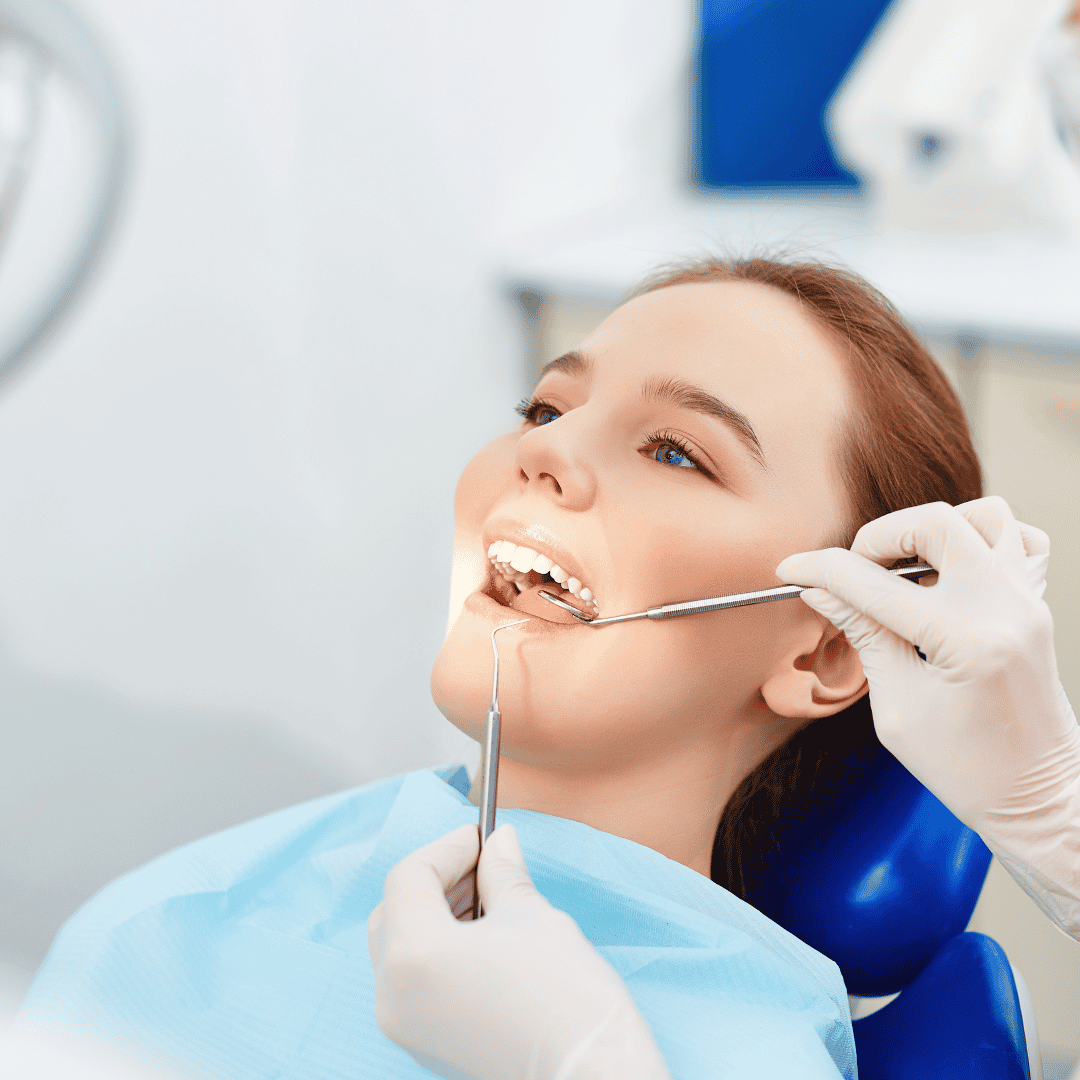
Finding a reliable veneers clinic in Mexico requires careful research into material quality, the practicing dentist's credentials, facility hygiene, and recognized safety standards. This guide breaks down what you might expect when exploring medical tourism in Mexico for cosmetic dentistry, focusing specifically on comprehensive cost breakdowns, procedural steps, medical risks, and the necessary aftercare required to protect your oral health.
Key Takeaways
- Costs generally range from $150 to $450 per tooth, highly dependent on whether you choose composite or porcelain materials.
- Porcelain offers greater durability and stain resistance but requires a higher financial investment and irreversible enamel removal.
- Not every patient is a candidate; healthy gums and sufficient natural tooth structure are strict medical prerequisites.
- Cross-border care requires thorough budgeting for travel, accommodations, initial imaging, and potential unexpected follow-ups.
- Always seek an individualized assessment from a licensed dental professional to discuss your specific medical history before traveling.
1. What determines the total cost of veneers in Mexicali?
The advertised price per tooth is rarely the only expense you will incur during a cosmetic dental transformation. The most significant variable is the material itself. Advanced ceramics and e.max porcelain require meticulous fabrication in a dental laboratory, driving up the overhead cost. Clinics that utilize highly skilled ceramists or invest in advanced digital scanning technology may charge on the higher end of the spectrum to cover these premium services.
Furthermore, the complexity of your current bite and smile line plays a large role. If your teeth require extensive reshaping, or if you need preliminary treatments to address minor gum inflammation before placing the veneers, the overall quote will increase. Diagnostic imaging, such as panoramic X-rays or 3D cone beam scans, may also be billed separately.
2. How do porcelain and composite veneers compare in price and quality?
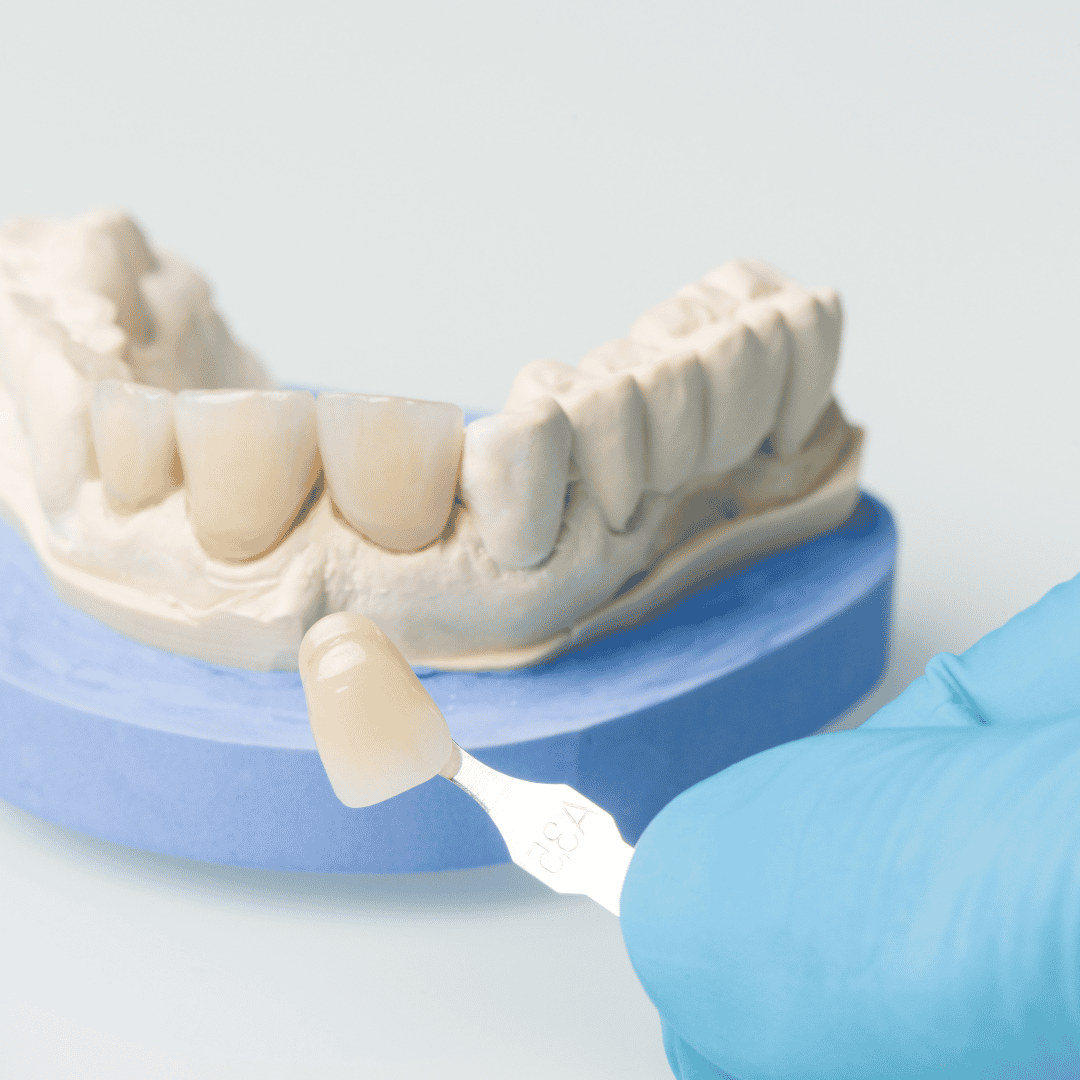
Porcelain veneers are highly regarded in cosmetic dentistry for their ability to mimic the light-reflecting properties of natural tooth enamel. Because they are fired in a kiln and custom-milled, they offer exceptional durability and resist stains from coffee and tea very well. However, placing them usually requires the removal of a thin layer of healthy enamel, making the procedure permanent.
Composite resin, on the other hand, is the same material used for tooth-colored cavity fillings. The dentist applies the material directly to the tooth, sculpts it into shape, and hardens it with a special light. This process is often less invasive and less expensive. The trade-off is that composite is slightly more porous, making it more susceptible to staining over time, and it generally does not last as long as porcelain under the pressures of daily chewing.
3. Are there hidden fees when traveling across the border for dental work?
A lower procedural cost can be incredibly appealing, but an accurate budget must encompass the entire trip. If you are traveling from outside the immediate border region, you need to factor in flights, rental cars, or gas. Because porcelain veneers require laboratory time, you will either need to stay in a hotel in Mexicali for several days or make two separate round trips.
Medical surprises can also impact your budget. During your initial consultation, the dentist might discover underlying decay that requires a filling, or nerve damage that necessitates a root canal before a veneer can safely be placed. These prerequisite treatments add both time and expense. Always request a comprehensive, itemized treatment plan before agreeing to begin any irreversible work.
4. What is the typical medical process for getting veneers?
Once you are cleared as a suitable candidate, the dentist will administer local anesthesia to numb the area. For traditional porcelain, they will carefully trim roughly half a millimeter of enamel from the front surface of the affected teeth to ensure the final veneer sits flush with the gum line. Removing this enamel is irreversible.
After preparation, the dentist takes impressions—either using a putty-like material or a digital optical scanner—and sends these to the dental lab. You will typically be fitted with temporary acrylic veneers to protect your sensitized teeth while you wait. When you return for your final appointment, the temporary covers are removed, the teeth are thoroughly cleaned and etched, and the permanent veneers are cemented into place using a specialized bonding agent.
5. How long do dental veneers typically last?
It is crucial to understand that veneers are not a lifetime solution; they will eventually need to be replaced. Their longevity depends heavily on how well you care for them. While the materials themselves do not decay, the natural tooth structure underneath and the gum tissue surrounding them remain vulnerable to plaque and bacteria.
Mechanical stress also plays a major role. Patients who suffer from bruxism (chronic teeth grinding or clenching) can easily chip or crack even the strongest porcelain. Using your teeth to open packaging, biting your nails, or chewing on ice can dramatically shorten the lifespan of your dental work, leading to premature replacement costs.
6. Am I a suitable medical candidate for this procedure?
- Gum Health: You must be free of active periodontal disease, as swollen or bleeding gums compromise the bonding process.
- Enamel Density: Because bonding adheres best to enamel rather than the softer underlying dentin, you must have enough natural enamel left to support the restoration.
- Bite Alignment: Severe malocclusion (misaligned bite) can put undue pressure on veneers, making orthodontic treatment a better first step.
- Tooth Health: Teeth with large previous fillings, significant decay, or structural weakness might require full dental crowns instead.
- Professional Evaluation: Only an in-person clinical exam and radiological review by a licensed dentist can confirm your eligibility.
7. What are the potential risks and clinical complications?
Removing enamel is a biological trauma to the tooth. Many patients experience heightened sensitivity to hot and cold temperatures for a few weeks following the procedure. In some cases, the preparation process can aggravate the dental pulp (the nerve center of the tooth). If the pulp becomes irreversibly inflamed, the tooth may require a root canal therapy in the future.
Additionally, if the veneer is not bonded correctly, or if the margins are not perfectly smooth, bacteria can accumulate at the gum line. This can lead to localized gum disease, chronic inflammation, or secondary decay underneath the veneer. Understanding these risks highlights why choosing a highly qualified provider is vital for long-term safety.
8. How should I care for my teeth after returning home?
Aftercare is a lifelong commitment. Highly abrasive toothpastes—such as those formulated for heavy stain removal—can scratch the polished surface of your veneers, dulling their appearance and making them more prone to plaque accumulation. A soft-bristled toothbrush and a gentle fluoride paste are often recommended.
Furthermore, when traveling for healthcare, establishing continuity of care back home is essential. If a complication arises months later, or if a veneer simply pops off, traveling back across the border may not be practical. You must have a trusted local provider willing to perform maintenance, handle cleanings, and address minor repairs.
9. What should I prioritize when evaluating providers?
Social media before-and-after photos can be compelling, but they do not tell the whole clinical story. Look for dentists who hold memberships in recognized professional organizations, such as the Mexican Dental Association or international affiliates of the American Dental Association, which often require adherence to continuing education and ethical standards.
Do not hesitate to ask direct questions about their equipment. Inquire whether they use modern autoclaves for instrument sterilization and what brands of dental materials they use. High-quality clinics are generally transparent about their safety protocols and the origin of their laboratory materials.
10. How does the border crossing process work for dental tourists?
Logistics play a large part in the overall experience. Border wait times can vary significantly depending on the time of day and the day of the week. Some travelers prefer to park on the U.S. side in Calexico, California, and walk across the pedestrian border, where they are often met by clinic representatives or can easily take a short taxi ride.
For those who drive, certain clinics can provide a medical lane pass, which can expedite the return trip to the United States. Regardless of your method, staying aware of your surroundings, planning travel during daylight hours, and thoroughly researching the latest travel advisories are sensible precautions for any international trip.
Why Choose PlacidWay for Medical Tourism in Mexico?
Navigating international healthcare options can be overwhelming. PlacidWay exists to help patients gather relevant information before making medical decisions.
- Educational Focus: We provide detailed articles and guides to help patients understand various international treatment options and associated risks.
- Extensive Network: Our directory lists providers and clinics across numerous countries, allowing for broad regional comparisons.
- Direct Communication: We offer a platform where patients can request information and communicate directly with clinic staff to ask specific clinical questions.
- Pricing Transparency: We strive to present clear, estimated pricing structures to help individuals budget appropriately for medical tourism.
- Patient Empowerment: Our primary goal is providing data and connections that empower patients to make their own informed healthcare choices.
Frequently Asked Questions
Do dental veneers hurt to get?
The procedure is typically performed under local anesthesia to minimize discomfort. Patients may experience some soreness in the gums or tooth sensitivity for a few days following the enamel preparation.
Can I get my veneers completed in a single day in Mexicali?
Composite veneers can often be completed in a single visit. Porcelain veneers usually require at least two visits spread over several days to allow for laboratory fabrication, unless the clinic utilizes specialized in-house milling technology.
Will United States dental insurance cover treatments in Mexico?
Because veneers are primarily considered a cosmetic procedure, most dental insurance plans do not cover them, regardless of location. However, you should check directly with your provider for specific policy details.
What happens if a veneer cracks after I return home?
If a complication arises, you will likely need to see a local dentist for immediate evaluation and repair. This can result in additional out-of-pocket expenses, as returning to Mexicali for a minor repair is not always practical.
Do I need a passport to travel to Mexicali for dental care?
Yes, a valid passport or a designated travel document like a U.S. Passport Card is required to cross the border and re-enter the United States.
Are there viable alternatives to getting veneers?
Depending on your goals, alternatives may include professional teeth whitening for discoloration, dental bonding for minor chips, or orthodontic options like clear aligners to correct crowding and spacing.
Is the process of removing tooth enamel reversible?
No. The removal of natural tooth enamel to accommodate traditional porcelain veneers is a permanent, irreversible alteration of your tooth structure.
Can dental veneers become stained over time?
Porcelain is highly resistant to staining, though the cement bonding it can discolor at the edges. Composite resin is more porous and can stain over time from consuming coffee, tea, red wine, or tobacco.
Will language be a barrier when visiting a dental clinic in Mexicali?
Many clinics that frequently serve cross-border patients employ bilingual staff and dentists who speak fluent English. However, you should verify this during your initial communications with the provider.
Can I eat normally once my permanent veneers are placed?
You can generally resume a normal diet, but you should avoid biting directly into very hard foods, chewing ice, or using your teeth as tools to prevent the materials from chipping or dislodging.
Compare Treatment Options
Gather information on clinics, read provider details, and request treatment estimates to help you make an informed decision about your dental care.
Request Treatment InformationReferences
- Veneers - American Dental Association (MouthHealthy)
- Tooth Decay & Oral Health - National Institute of Dental and Craniofacial Research
- Dental Veneers: Procedure, Lifespan & Care - Cleveland Clinic
- Medical Tourism: Travel for Medical Care - Centers for Disease Control and Prevention (CDC)
- Oral health: A window to your overall health - Mayo Clinic
- Dental Devices - U.S. Food and Drug Administration (FDA)



.png)
.jpg)
.png)
.png)
.jpg)
.jpg)
.jpg)
.jpg)












Share this listing