
Neck Lift Tijuana: Your Guide to Cost, Procedure & Recovery

Deciding to undergo aesthetic surgery is a significant personal choice that requires careful research and planning. For many patients seeking aesthetic improvements without the high domestic price tags, a neck lift in Tijuana, Mexico presents a viable alternative. By crossing the border, patients often find access to modern medical facilities and experienced surgeons.
Key Takeaways
- The estimated cost for this surgery typically falls between $3,500 and $5,500, though exact pricing varies by patient needs.
- The procedure addresses signs of aging by tightening loose muscles (platysmaplasty) and removing excess skin or fat.
- Patients generally need to remain in the destination for 5 to 7 days for initial monitoring and suture removal.
- While outcomes can be highly satisfying, the surgery carries inherent risks such as infection, scarring, or anesthesia complications.
- Consulting with a verified, board-certified plastic surgeon is vital to ensure proper medical assessment and safety protocols.
Whether you are just starting to explore your options or are actively planning a medical trip, it is crucial to understand exactly what the process entails. Below, we address the most pressing questions patients ask regarding this surgical procedure.
What exactly does a neck lift involve?
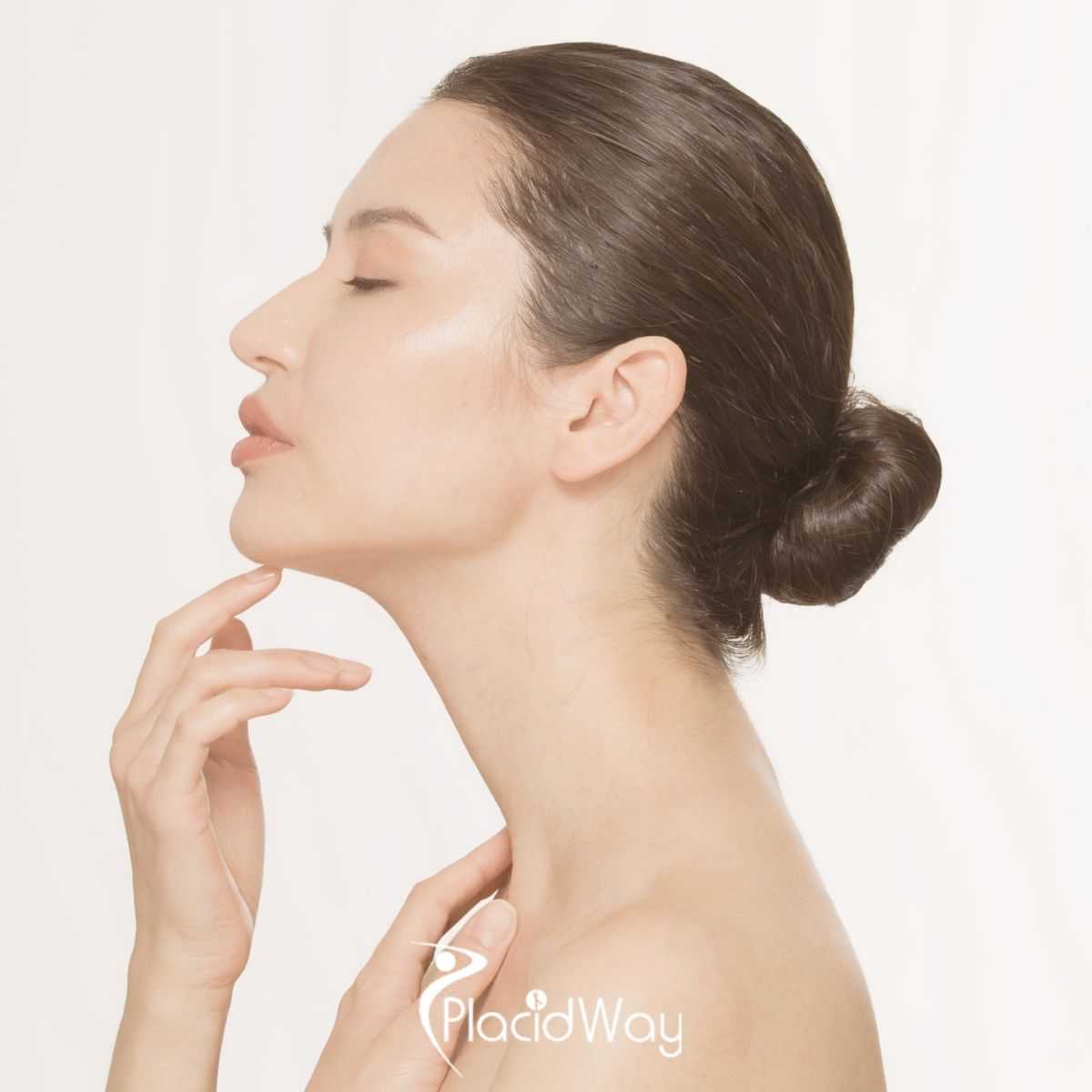
The aging process affects everyone differently, but the neck is often one of the first areas to show noticeable changes. A neck lift aims to restore a smoother, more defined contour to the area below the chin and along the jawline. Depending on an individual's anatomy, a surgeon may employ different techniques during the procedure.
One common technique is a platysmaplasty, which involves tightening the underlying platysma muscle that can weaken and separate over time, causing vertical bands. Another aspect is cervicoplasty, which focuses on removing excess, sagging skin. Sometimes, liposuction is also utilized to remove localized fat deposits beneath the chin.
Incisions are carefully planned to minimize their visibility. They often begin in the hairline at the level of the sideburn, continue down and around the ear, and end in the posterior hair. For some patients, a small secondary incision under the chin is necessary to access the neck muscle directly.
What influences the neck lift cost in Tijuana, Mexico?
When comparing prices, it is vital to understand what is included in a quoted estimate. A lower initial quote might not reflect the total financial commitment required for the surgery. Factors that commonly influence the total expenditure include:
- Surgeon’s Experience: Highly sought-after, board-certified surgeons often charge more for their specialized expertise.
- Anesthesia Fees: The type of anesthesia used (general anesthesia vs. intravenous sedation) and the anesthesiologist's fees affect the final bill.
- Facility Costs: Procedures performed in accredited hospitals or specialized surgical centers typically incur different fees than those done in smaller clinics.
- Medical Tests and Garments: Pre-operative blood work, cardiovascular evaluations, and post-operative compression garments may be billed separately.
Am I a suitable candidate for this surgery?
A neck lift is not a one-size-fits-all solution. Ideal candidates are individuals who are in relatively good physical health, do not have medical conditions that impair healing, and maintain realistic expectations regarding the outcome of the surgery.
Age is less of a factor than skin elasticity and overall health. However, patients with certain chronic conditions, such as uncontrolled high blood pressure, severe diabetes, or bleeding disorders, may be advised against the procedure due to heightened surgical risks.
Furthermore, smoking significantly impairs blood flow and wound healing. Surgeons typically require patients to cease smoking and all nicotine use several weeks before and after the surgery to minimize the risk of tissue necrosis and severe scarring.
How long is the recovery period after surgery?
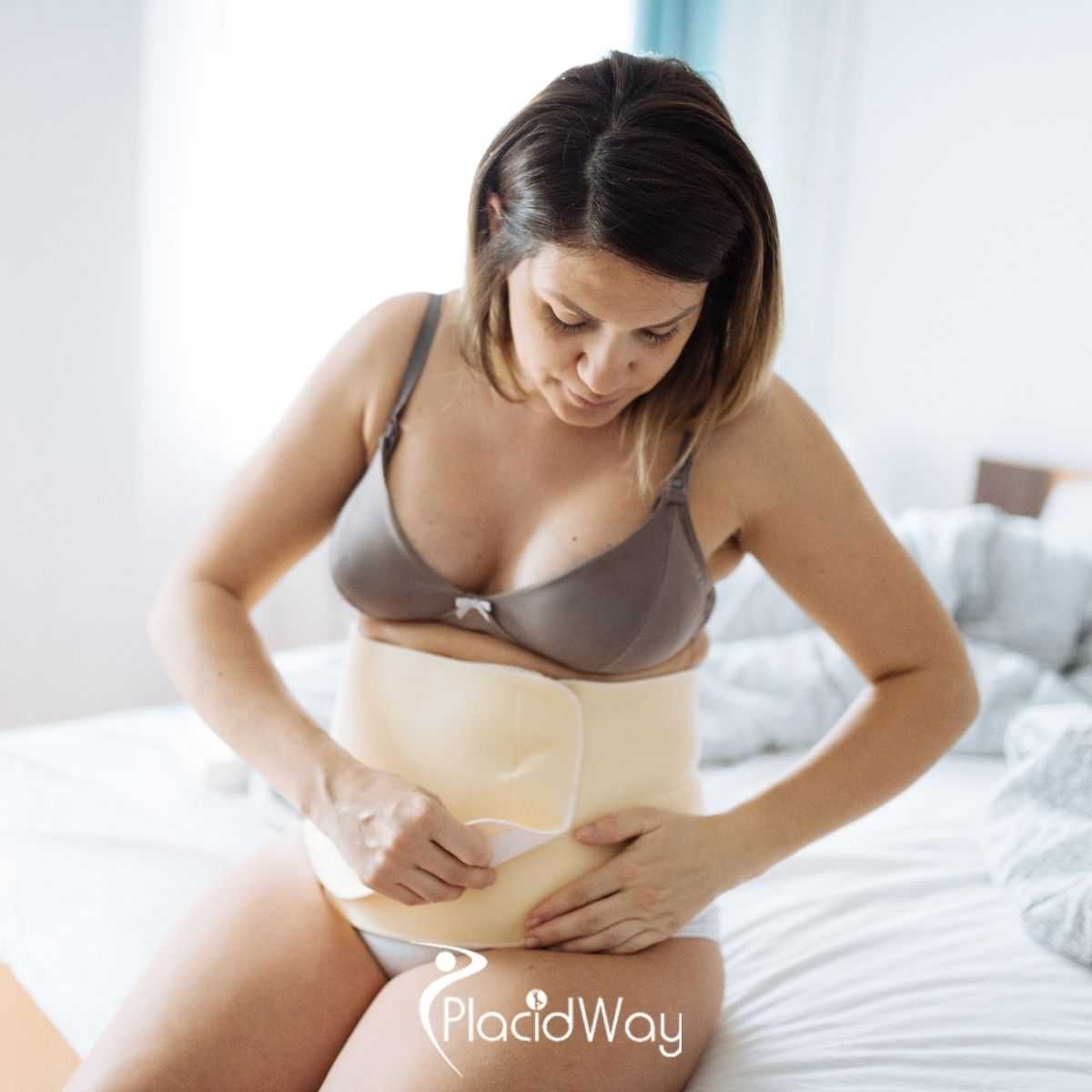
The immediate days following surgery involve resting with the head elevated to manage swelling. You will likely wear a compression garment around your neck and head to support the newly contoured tissues and reduce fluid buildup. Small, thin tubes (drains) may occasionally be placed under the skin to drain excess blood or fluid.
During the first week, patients often experience feelings of tightness, tingling, or mild discomfort, which can usually be managed with prescribed pain medication. It is essential to avoid strenuous activities, heavy lifting, and bending over during this initial phase.
While you may feel well enough to return to light, non-physical work within 10 to 14 days, you should expect to limit vigorous exercise for at least four to six weeks. Individual healing rates vary, and following your surgeon's specific aftercare instructions is paramount to achieving a smooth recovery.
What are the potential risks and complications?
Patient safety must always be the primary concern when considering elective surgery. While adverse events are relatively uncommon when performed by an experienced professional, it is important to be aware of what could go wrong. Common surgical risks include:
- Hematoma: A collection of blood beneath the skin that causes swelling and pressure. This is the most common complication following facial surgery and often requires prompt medical intervention to drain.
- Nerve Injury: Temporary or, rarely, permanent injury to the nerves controlling facial muscles can occur, leading to temporary weakness or an asymmetrical smile. Sensory nerves can also be affected, causing numbness.
- Infection and Poor Healing: While antibiotics are typically administered, infections can still happen. Poor wound healing or skin loss (necrosis) is a risk, particularly for smokers.
- Scarring: Although incisions are placed discretely, some individuals are genetically prone to developing thick, raised, or widened scars.
Discussing your comprehensive medical history with your chosen healthcare provider can help identify and mitigate these risks.
Will I have noticeable scarring?
A skilled plastic surgeon employs strategic techniques to conceal incisions. By placing cuts within the natural contours behind the ears, within the hairline, and sometimes naturally hidden in the crease under the chin, the resulting scars are often difficult for others to detect once fully healed.
Initially, scars will appear red or pink and may be slightly raised. The maturation process of a scar can take up to a full year. To promote optimal healing, patients are advised to protect the maturing scars from direct sunlight by using broad-spectrum sunscreen and wearing wide-brimmed hats. Your surgeon may also recommend specific silicone gels or sheets to assist in scar flattening and fading.
Can a neck lift be combined with other procedures?
Because the aging process rarely isolated to just the neck, many patients choose to address multiple areas simultaneously. Combining procedures can offer a more harmonious overall result and means you only have to undergo anesthesia and a major recovery period once.
| Complementary Procedure | Primary Purpose |
|---|---|
| Facelift (Rhytidectomy) | Addresses sagging skin and deep folds in the mid-to-lower face and cheeks. |
| Eyelid Surgery (Blepharoplasty) | Removes excess skin or fat from upper or lower eyelids to reduce a tired appearance. |
| Brow Lift | Elevates a drooping brow line and smooths deep forehead wrinkles. |
| Facial Fat Grafting | Restores lost volume to areas like the cheeks or lips using the patient's own fat. |
However, it is important to note that adding multiple surgeries increases the total operating time, which can inherently increase the risk of certain complications. A comprehensive consultation is required to determine if your body can safely handle combined procedures.
How do I prepare for medical tourism in Tijuana, Mexico?
Embarking on a medical trip requires more detailed preparation than a standard vacation. Tijuana's proximity to the US border (just south of San Diego, California) makes it highly accessible via car or short flights to San Diego International Airport. However, traveling across an international border post-surgery requires foresight.
You must ensure you have valid travel documentation, such as a passport. Additionally, you need to book accommodation that caters to recovering patients. Many clinics coordinate with nearby hotels that offer recovery suites, ground-floor access, and room service.
Bringing a trusted companion is highly recommended. You will need someone to assist you with daily tasks, manage your medication schedule, and provide emotional support during the first few days when mobility and energy levels are reduced.
What kind of aftercare is required once I return home?
Recovery does not end once you cross the border back home. You must be prepared to handle the later stages of the healing process independently. This includes managing residual swelling, continuing sun protection, and slowly reintroducing physical activities as cleared by your surgeon.
It is important to establish a contingency plan before you leave for Mexico. In the event of a delayed complication, such as a late-stage infection or delayed wound healing, you should know where to seek local medical attention. Some local general practitioners may be hesitant to manage complications from international surgeries, so finding a supportive local physician ahead of time is a wise strategy.
How long do the results of a neck lift last?
A successful surgery can provide long-lasting improvements, making the neck appear firmer and more youthful. However, the skin will continue to age, lose elasticity, and react to gravity over time.
To maximize the longevity of your surgical results, maintaining a stable weight is crucial. Significant weight fluctuations can stretch the skin and alter the contours achieved by the surgery. Additionally, a dedicated skincare regimen, protecting the neck and face from sun exposure, and maintaining a healthy lifestyle (including not smoking) will help preserve the outcome for as long as possible.
Why Choose PlacidWay for Medical Tourism?
Navigating international healthcare options can be complex. PlacidWay serves as an informational platform to assist patients in exploring medical destinations worldwide.
Global Network
Connects patients with an extensive directory of international healthcare providers, hospitals, and clinics across numerous specialties.
Cost Comparison
Allows users to research and compare estimated treatment costs across different geographical regions to aid in financial planning.
Facility Profiles
Provides access to clinic profiles, which often include details on available medical technologies and facility accreditations.
Direct Inquiries
Features integrated tools that enable patients to send direct information requests to international medical facilities for personalized quotes.
Educational Resources
Offers articles, guides, and patient resources to help individuals better understand the logistics of traveling abroad for medical care.
Frequently Asked Questions
Is it common to travel to Tijuana for a neck lift?
Yes, many international patients travel to Tijuana due to its proximity to the US border and the availability of cosmetic procedures at a lower estimated cost compared to the United States and Canada.
Do I need a passport to travel to Tijuana for surgery?
Yes. A valid passport is required for entry into Mexico and for re-entering your home country, especially if you are traveling from the United States or Canada.
How many days should I stay in Tijuana after a neck lift?
Surgeons typically recommend staying in the area for 5 to 7 days post-surgery. This allows the medical team to monitor your initial recovery, manage any surgical drains, and safely remove initial sutures before you travel.
What language is spoken in Tijuana medical clinics?
While Spanish is the national language, many clinics that cater to international medical tourists have bilingual staff and surgeons who speak English fluently.
Can I drive myself back across the border after surgery?
No, it is highly recommended not to drive yourself. Lingering effects of anesthesia, prescribed pain medications, and limited neck mobility make driving dangerous. You should arrange for a companion or a medical transport service to drive you.
How do I verify a surgeon's credentials in Mexico?
You can verify credentials by checking for certification from the Consejo Mexicano de Cirugía Plástica, Estética y Reconstructiva (CMCPER), which is the recognized board for plastic surgeons in Mexico.
Will my local insurance cover a neck lift in Tijuana?
Because a neck lift is generally considered an elective cosmetic procedure, it is typically not covered by health insurance, whether performed domestically or internationally.
Are the medical materials used in Tijuana the same as in the US?
Reputable, accredited clinics in Tijuana often use medical materials, sutures, and surgical equipment that meet international standards and are similar to those used in the United States.
Can I drink tap water while recovering in Tijuana?
It is generally advised that visitors to Mexico drink bottled or purified water rather than tap water to prevent gastrointestinal illness, which could complicate your surgical recovery.
What happens if I experience a complication after returning home?
If a complication arises after returning home, you should immediately seek care from a local healthcare provider or emergency room. It is vital to establish a plan with your Tijuana surgeon for communicating with your local doctor if issues occur.
Explore Your Aesthetic Options
If you are considering a medical journey and want to learn more about facility options, estimated costs, and what the process entails, take the next step in gathering information.
Request Treatment InformationReferences
- Neck Lift Guide – American Society of Plastic Surgeons (ASPS)
- Neck Lift Overview and Risks – Mayo Clinic
- Medical Tourism Safety Guidelines – Centers for Disease Control and Prevention (CDC)
- Global Aesthetic Procedure Guidelines – International Society of Aesthetic Plastic Surgery (ISAPS)
- Travel Information for Mexico – U.S. Department of State
- Cosmetic Surgery Patient Safety – American Board of Cosmetic Surgery
























Share this listing