
Stem Cell Therapy in Nuevo Progreso, Mexico
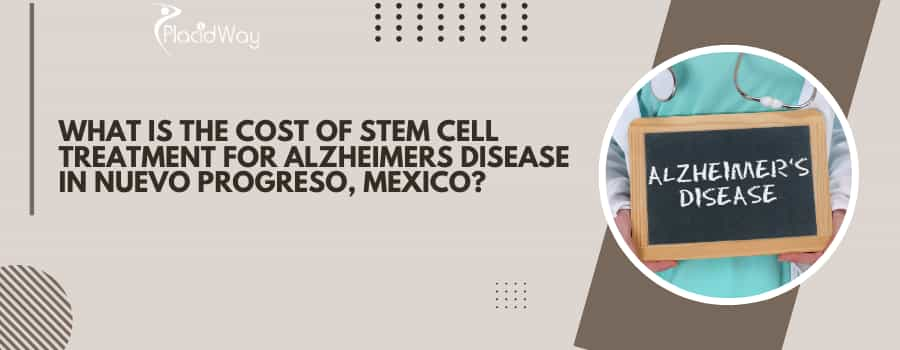
Navigating the complex landscape of neurological care often leads families to explore alternative options when standard treatments provide limited relief. Researching a Stem Cell Treatment for Alzheimer's Disease in Mexico requires careful consideration of both the potential medical implications and the financial investment. Nuevo Progreso, a border town highly accessible to North American patients, has become a notable destination for those seeking investigational therapies outside their home healthcare systems.
Key Takeaways
- The procedure typically costs between $5,000 and $12,000 in Nuevo Progreso, depending on the specific protocol.
- Therapies for Alzheimer's remain investigational and are not currently recognized as a cure by global health authorities.
- Treatments often utilize mesenchymal stem cells (MSCs) delivered via intravenous drip or lumbar puncture.
- Patients must carefully evaluate facility credentials, laboratory standards, and regulatory compliance.
- Ongoing local medical supervision in the patient's home country is essential after traveling abroad for care.
What exactly does stem cell therapy for Alzheimer's involve?
Alzheimer's disease is characterized by the progressive deterioration of brain tissue, often associated with the buildup of amyloid plaques and tau tangles. Traditional medicine focuses heavily on managing these symptoms. Experimental stem cell therapies attempt to take a different approach. Researchers hypothesize that introducing stem cells might help modulate the immune system, potentially decreasing the severe inflammation that accelerates neuronal damage.
The biological mechanisms are highly complex and still under intense clinical study. Proponents of this therapy suggest that stem cells may secrete neurotrophic factors—proteins that encourage the survival and growth of developing neurons. However, it is vital to understand that these cells do not simply replace dead brain cells. Instead, the focus is on creating an environment within the central nervous system that might slow the rate of cognitive decline.
Because the treatment aims to influence brain chemistry and immune response, it is generally considered a supportive, investigational measure rather than a standalone solution. Individual outcomes vary dramatically, and the medical community continues to investigate how effectively introduced cells can cross the blood-brain barrier or influence neurological pathways over time.
What factors influence the cost of treatment in Nuevo Progreso?
When analyzing the Stem Cell Treatment for Alzheimer's Disease cost in Mexico, several distinct variables come into play. The most significant cost driver is the biological material itself. Treatments requiring millions of rigorously screened, laboratory-expanded mesenchymal stem cells will naturally cost more than procedures utilizing a lower cell count or unexpanded tissue.
Furthermore, the source of the cells impacts the price. Harvesting autologous cells (from the patient's own body, usually adipose tissue or bone marrow) requires surgical extraction, processing, and re-administration. Conversely, allogeneic cells (such as those derived from donated umbilical cord tissue) require the clinic to purchase biological products from highly specialized, regulated laboratories. Both avenues carry unique expenses.
Finally, the administration technique influences the final bill. An intravenous (IV) infusion is relatively straightforward and less costly to perform. However, protocols that involve an intrathecal injection—where cells are introduced directly into the spinal fluid via a lumbar puncture—require specialized medical personnel, localized anesthesia, and stricter observation, which increases the overall cost.
Is stem cell therapy a recognized cure for Alzheimer's disease?
The global scientific consensus recognizes Alzheimer's as an irreversible, progressive brain disorder. While clinical trials exploring regenerative medicine are ongoing worldwide, the data is not yet robust enough to classify stem cell therapy as a standard-of-care treatment. Current approved medications primarily address cognitive symptoms temporarily without altering the underlying disease progression.
Patients exploring experimental therapies in foreign countries are often participating in protocols that lack the rigorous, multi-phase clinical trial oversight found in conventional medical establishments. The theoretical benefits—such as reduced inflammation and neuroprotection—have shown some promise in animal models and small-scale human safety trials, but long-term efficacy remains largely unproven.
Families must weigh the hope of slowing symptom progression against the reality of the medical evidence. A comprehensive discussion with the patient's primary neurologist is vital before pursuing investigational procedures, ensuring that the chosen path aligns with the patient's overall care plan and quality of life goals.
Why do patients choose Nuevo Progreso for medical treatments?
The growth of medical tourism in Mexico is largely driven by accessibility, varying regulatory environments, and the economic differences in healthcare pricing. Nuevo Progreso, situated directly across the Rio Grande from Weslaco, Texas, has built an entire economy around providing health and dental services to visiting Americans and Canadians. Its geographic location eliminates the need for extensive air travel, which can be highly disorienting for patients suffering from cognitive decline.
Many patients seek out a Stem Cell Treatment for Alzheimer's Disease clinic in Mexico because the country's regulatory framework allows for certain therapies that are restricted to strict clinical trial settings in the United States. While COFEPRIS (the Mexican health authority) regulates medical facilities, the broader allowances for regenerative medicine attract patients who have exhausted conventional options.
Despite the convenience, traveling to a border town requires careful logistical planning. Facilities range widely in quality. Identifying a provider that adheres to strict laboratory testing, employs appropriately licensed medical professionals, and maintains emergency protocols is the most critical step in the medical travel process.
What types of stem cells are utilized for neurological conditions?
Mesenchymal stem cells (MSCs) are the primary focus for neurodegenerative diseases due to their immunomodulatory properties. These multipotent cells can potentially secrete factors that reduce inflammation and promote tissue repair. In the context of Alzheimer's, many providers prefer allogeneic MSCs sourced from donated human umbilical cord tissue (Wharton's Jelly).
Umbilical cord-derived MSCs are often favored in foreign clinics because they are young, robust cells that theoretically possess high replicative capacity. Furthermore, using donor cells eliminates the need for a surgical extraction procedure on the patient, which can be physically taxing for elderly individuals already facing significant health challenges.
Alternatively, autologous treatments harvest cells directly from the patient's fat tissue or bone marrow. While this eliminates the risk of an immune reaction to donor tissue, the stem cells retrieved are older and may be less vigorous. The choice between autologous and allogeneic cells is a complex medical decision that a qualified physician must base on the patient's specific health profile.
How is the therapy administered to patients with cognitive decline?
The delivery mechanism is critical when attempting to treat conditions of the central nervous system. The most common and least invasive method is an intravenous (IV) infusion. During this procedure, the cells are introduced directly into the bloodstream over the course of a few hours. While systemic delivery can help reduce broad systemic inflammation, the blood-brain barrier presents a significant obstacle, potentially limiting how many cells actually reach the brain tissue.
To bypass the blood-brain barrier, some physicians recommend an intrathecal injection. This involves a lumbar puncture, similar to a spinal tap, where cells are injected directly into the cerebrospinal fluid. Because this fluid circulates around the brain and spinal cord, practitioners suggest this route offers a more direct path to the central nervous system.
Intrathecal administration is an invasive medical procedure carrying distinct risks, including spinal headaches, bleeding, and localized infection. Patients and their families must discuss the pros and cons of each administration method with the treating physician, ensuring the chosen route is medically appropriate for the patient's physical condition.
Who is evaluated as a candidate for investigational stem cell therapy?
Not every patient suffering from Alzheimer's disease is a suitable candidate for experimental treatments. Clinics usually conduct preliminary medical reviews based on recent neurological exams, blood work, and imaging (such as MRI or PET scans). Patients in the final, severe stages of the disease, where massive neuronal death has already occurred, are generally not considered candidates because the proposed mechanisms of the therapy require viable neural networks to support.
Furthermore, patients with certain underlying health conditions face contraindications. For instance, because stem cells promote cellular growth and modulate the immune system, individuals with a history of active malignancies (cancers) are usually disqualified to prevent the potential exacerbation of tumor growth.
A rigorous medical screening is a hallmark of a responsible healthcare provider. If a facility offers treatment without requesting extensive medical records or evaluating the patient's current list of medications, this is a significant safety red flag. Treatment should only proceed after an individualized assessment by a qualified medical professional.
What are the potential risks and complications of the procedure?
Any medical intervention carries inherent risks, and experimental therapies present unique uncertainties. When introducing biological materials into the body, the primary immediate concerns include allergic reactions, fever, and infection at the injection site. If a patient undergoes an intrathecal injection, complications such as severe spinal headaches, nerve irritation, or cerebrospinal fluid leaks are possible.
Regarding the use of allogeneic (donor) umbilical cord cells, there is a small theoretical risk of an adverse immune response or graft-versus-host disease, although MSCs are generally considered immunoprivileged (less likely to trigger an immune attack). To mitigate infection risks, the biological laboratory providing the cells must adhere to stringent communicable disease screening.
Perhaps the most significant risk is financial and emotional: the therapy may yield no discernible cognitive improvement. Patients and families must manage their expectations, recognizing that they are investing in an unproven medical intervention. Protecting patient safety requires thorough pre-treatment education and a clear understanding of these potential outcomes.
What follow-up care is required after returning home?
The journey does not end when the patient leaves the clinic in Nuevo Progreso. Medical tourism requires continuity of care. Because the therapy is investigational, local doctors must monitor the patient for delayed side effects or subtle changes in neurological status. Patients must be fully transparent with their domestic healthcare providers about the treatments they received abroad.
It is crucial that patients continue their standard Alzheimer's medications—such as cholinesterase inhibitors or NMDA receptor antagonists—unless explicitly directed otherwise by their home neurologist. Experimental therapies are intended to run alongside, not replace, traditional disease management.
If a patient develops a high fever, severe headaches, neurological deficits, or unusual lethargy upon returning home, they must seek emergency medical care immediately. A detailed medical report translated into English, outlining the type of cells used, the cell count, and the exact administration protocol, should be obtained from the Mexican facility before departure to assist local doctors in case of an emergency.
How do estimated costs in Mexico compare to alternative destinations?
| Region | Estimated Cost Range | Primary Driving Factors |
|---|---|---|
| Nuevo Progreso, Mexico | $5,000 - $12,000 | Lower operational costs, border accessibility, competitive local market. |
| Panama | $15,000 - $30,000+ | Extensive multi-day protocols, heavy focus on highly expanded cell counts. |
| United States | Varies widely (Often cash-pay) | Often restricted to strict clinical trials; off-label use is highly regulated and expensive. |
Comparing costs across different medical tourism destinations reveals significant variations. Mexico frequently offers more accessible pricing models. The cost difference is usually attributed to the lower cost of living, reduced administrative overhead, and the ability of biological laboratories to process materials more cost-effectively within the local economy.
However, lower prices should never serve as the sole deciding factor. A lower cost might indicate fewer cell counts, less rigorous laboratory screening, or the lack of specialized physicians on staff. When evaluating destinations, families must compare the specific details of the treatment protocol—including the source of the cells, the laboratory's certification, and the medical background of the administering doctors—rather than just looking at the final price tag.
Why Choose PlacidWay for Medical Tourism?
Researching cross-border medical treatments requires access to factual information and varied provider options. PlacidWay serves as a resource for patients navigating the complexities of seeking healthcare abroad.
- Global Provider Network: PlacidWay offers access to a broad directory of international medical facilities and specialized clinics.
- Cost Comparisons: The platform helps patients review and compare estimated pricing models across different countries and regions.
- Provider Communication: Patients can use the service to initiate contact with international clinics to ask specific questions about treatment protocols.
- Facility Information: PlacidWay provides details regarding clinic amenities, available services, and stated facility accreditations.
- Educational Resources: The platform supplies informative guides designed to help patients understand the logistics of medical travel.
Frequently Asked Questions
Does health insurance cover stem cell therapy in Nuevo Progreso?
Because stem cell therapy for Alzheimer's disease is classified as investigational, health insurance providers in the United States and Canada typically do not cover the procedure. Patients traveling to Mexico generally pay for these treatments entirely out-of-pocket.
How long does a patient need to stay in Mexico for this treatment?
The administration itself often takes only a few hours, but clinics typically require patients to stay in the area for one to three days. This allows time for pre-treatment evaluations, blood work, the procedure, and a brief period of post-treatment observation.
Can stem cell therapy reverse the damage caused by Alzheimer's?
No current medical evidence shows that stem cell therapy can reverse Alzheimer's disease or cure the condition. The investigational treatments offered aim to potentially slow cognitive decline or manage symptoms, but results vary widely and are not guaranteed.
Do patients need a passport to receive treatment in Nuevo Progreso?
Yes. While walking or driving across the international bridge into Nuevo Progreso is straightforward, United States and Canadian citizens are required to present a valid passport or passport card to re-enter the United States through border control.
How is the quality of stem cells regulated in Mexico?
Medical facilities and laboratories in Mexico are regulated by COFEPRIS (the Federal Commission for the Protection against Sanitary Risk). However, regulatory enforcement can vary, making it crucial for patients to verify a clinic's licensing and laboratory standards.
What should a patient do if they experience side effects back home?
If complications such as fever, infection, or severe headaches occur after returning home, the patient should immediately visit a local emergency room or their primary physician. Patients should always inform local doctors about the recent overseas treatment.
Can a patient stop taking their prescribed Alzheimer's medication after therapy?
No. Patients must never alter, reduce, or stop taking their prescribed neurological medications without explicit instructions from their primary neurologist in their home country, regardless of any perceived improvements following stem cell therapy.
Is it safe to travel to border towns for medical treatments?
Nuevo Progreso is highly frequented by international medical tourists and is generally considered manageable within the designated tourist and medical zones. However, travelers should always check current government travel advisories and practice standard safety precautions.
How do clinics source umbilical cord stem cells?
Reputable facilities utilize third-party, licensed biological laboratories that collect tissue from healthy, full-term, consensual cesarean births. These laboratories must perform strict screening protocols to test the tissue for infectious diseases before processing.
Will a patient need multiple treatment sessions to see potential benefits?
Because Alzheimer's is a progressive disease and this therapy is experimental, single treatments rarely yield lasting effects. Many clinic protocols suggest ongoing follow-up sessions, though the frequency depends entirely on the specific provider's guidelines and the patient's individual response.
Explore Your Medical Options Abroad
Gather the information you need to make educated decisions regarding medical tourism and alternative care.
Compare Treatment OptionsReferences
- FDA Warns About Stem Cell Therapies – U.S. Food and Drug Administration
- Alternative Treatments for Alzheimer's – Alzheimer's Association
- Patient Guide to Stem Cell Treatments – International Society for Stem Cell Research (ISSCR)
- Travelers' Health: Mexico – Centers for Disease Control and Prevention (CDC)
- Mesenchymal Stem Cell Therapy for Alzheimer's Disease – National Institutes of Health (PubMed)
- Dementia and Alzheimer's Disease Fact Sheet – World Health Organization (WHO)























Share this listing