


Shoulder Replacement in Mexico: A Complete Patient Guide
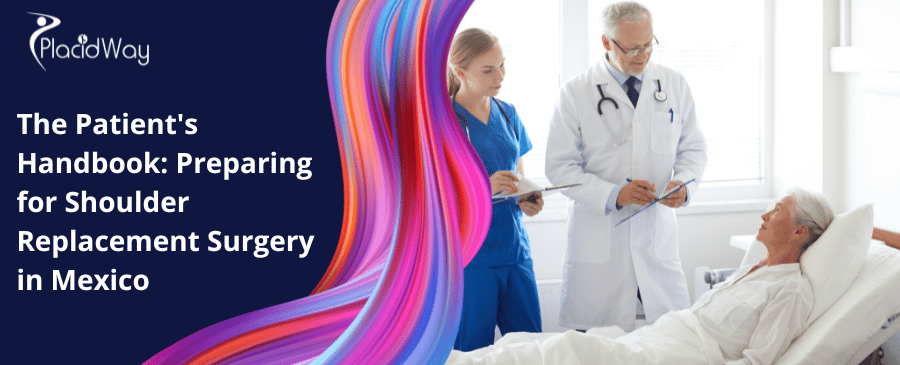
Shoulder replacement surgery in Mexico offers world-class orthopedic care for $7,000 to $12,000, saving patients up to 70 percent compared to North American prices. Top-tier facilities utilize advanced FDA-approved prosthetics and provide comprehensive inpatient rehabilitation packages.
Key Takeaways: Joint Restoration Abroad
- Exceptional Affordability: Gain access to premium joint reconstruction at a fraction of standard healthcare costs.
- Premium Materials: Specialists utilize globally recognized, biologically compatible titanium and polyethylene joints.
- Expert Specialists: Procedures are performed by highly trained, internationally board-certified orthopedic surgeons.
- All-Inclusive Care: Comprehensive treatment plans often bundle surgery, hospitalization, imaging, and physical therapy.
Why do patients choose to get Shoulder Replacement Surgery in Mexico?
Patients choose medical tourism in Mexico for orthopedic care because it combines exceptional affordability with rigorous medical standards. Board-certified surgeons utilize state-of-the-art technology to deliver excellent outcomes without long wait times.
The landscape of global healthcare has shifted dramatically, making international travel for complex joint operations a highly viable and attractive option. Patients struggling with chronic joint pain often face immense hurdles in their home countries, ranging from denial of coverage by insurance providers to agonizingly long waitlists in publicly funded healthcare systems. Crossing the border eliminates these barriers, providing immediate access to top-tier reconstructive procedures.
Furthermore, the destination boasts a robust infrastructure specifically designed for international patients. Facilities are frequently accredited by rigorous international health organizations, ensuring that every aspect of patient care from sterilization protocols to emergency preparedness mirrors the highest global standards. The clinical environments are modern, spacious, and equipped with the latest diagnostic imaging technologies, enabling precise surgical planning.
Beyond the technical excellence, the personalized approach to patient care sets this region apart. International travelers frequently report a warmer, more attentive bedside manner from nursing staff and attending physicians. Consultations are rarely rushed, allowing patients to thoroughly discuss their fears, expected outcomes, and rehabilitation goals, which significantly reduces the anxiety associated with undergoing major orthopedic reconstruction in a foreign setting.
Delaying a necessary joint replacement due to high local costs can lead to severe muscle atrophy and progressive bone loss. Seeking timely, high-quality care internationally prevents further deterioration, making the eventual surgery less complicated and significantly accelerating the postoperative recovery process.
What is the average Shoulder Replacement Surgery cost in Mexico compared to the US?
The shoulder replacement surgery cost in Mexico typically ranges between $7,000 and $12,000. This represents a substantial savings of 50 to 70 percent compared to the $25,000 to $40,000 frequently charged in United States hospitals.
- The total package price usually covers the primary surgeon fees, the anesthesiologist charges, and the use of the specialized operating theater.
- High-quality, biocompatible prosthetic joints from leading global manufacturers are included in the upfront pricing without extreme hospital markups.
- Pre-operative medical clearances, basic blood panels, and essential diagnostic imaging such as X-rays or CT scans are typically bundled together.
- Post-operative hospital stays spanning two to three nights in a private recovery suite are heavily factored into the comprehensive fee structure.
- Many international medical packages seamlessly incorporate the crucial initial physical therapy sessions required immediately following the operation.
- Standard post-surgical medications administered during the hospital stay, including intravenous pain management and antibiotics, are covered to prevent hidden billing surprises.
How do I select the best Shoulder Replacement Surgery clinic in Mexico?
Finding a reputable shoulder replacement surgery clinic in Mexico requires evaluating hospital accreditations, surgeon credentials, and transparent patient communication to ensure the facility meets strict international healthcare and safety standards.
When evaluating potential facilities for your orthopedic procedure, your primary focus should be on formal accreditations. Premium institutions catering to an international demographic undergo rigorous audits by independent healthcare commissions. These endorsements serve as a guarantee that the hospital maintains flawless sterilization protocols, utilizes modern intensive care units, and adheres to strict patient safety measures that match those found in top-tier global medical systems.
Equally critical is a deep dive into the specific credentials of the medical personnel. Joint reconstruction is an intricate art requiring vast experience. Patients must verify that the attending orthopedic specialist holds active board certifications and possesses dedicated fellowship training in upper extremity reconstruction. Reviewing the surgeons academic background, professional memberships, and total volume of similar procedures performed annually provides invaluable peace of mind.
Finally, gauge the level of clinical transparency during your initial outreach. A trustworthy institution will assign a dedicated medical coordinator to walk you through every phase of the journey. They will gladly supply detailed itineraries, itemized pricing structures without hidden clauses, and direct answers regarding the specific brands of prosthetics utilized. Transparent communication is the bedrock of a safe and successful medical journey abroad.
Many premium orthopedic centers feature completely dedicated international patient wings. These specialized departments employ fully bilingual nursing staff and offer amenities tailored to travelers, ensuring that language barriers never compromise the quality of your postoperative care or rehabilitation instructions.
What types of implants are used during Shoulder Replacement Surgery in Mexico?
Surgeons utilize premium, globally recognized prosthetic brands featuring high-grade titanium and cross-linked polyethylene components. These are the exact same durable implants utilized in top American and European orthopedic hospitals.
The success of joint reconstruction relies heavily on the quality of the materials implanted into the body. Leading medical centers prioritize longevity by sourcing their prosthetic devices exclusively from world-renowned orthopedic manufacturers. These components are subjected to exhaustive biomechanical testing to ensure they can withstand the repetitive stresses of daily activities, providing patients with a highly functional and pain-free range of motion for decades.
Depending on the specific degradation of your joint and the health of your surrounding muscles, the specialist will select either an anatomical or a reverse prosthetic model. An anatomical implant perfectly mimics the natural ball-and-socket structure of the human body, ideal for patients with intact rotator cuffs. Conversely, a reverse implant flips this orientation, allowing patients with severely torn rotator cuffs to use their stronger deltoid muscle to lift the arm effectively.
Modern surgical planning has also revolutionized how these implants are placed. Prior to entering the operating theater, the surgical team uses high-resolution CT scans to generate a three-dimensional model of your skeletal structure. This precision mapping allows them to select the exact size and angle for the titanium stem and socket base, ensuring an absolutely flawless fit that minimizes bone loss and maximizes structural stability.
Am I a good candidate for Shoulder Replacement Surgery in Mexico?
Ideal candidates are individuals suffering from severe osteoarthritis, rheumatoid arthritis, or complex fractures that heavily limit daily routines. All conservative, non-surgical treatments must have been fully exhausted before pursuing this major procedure.
- You experience persistent, debilitating joint pain that severely limits your ability to perform routine tasks like washing your hair or reaching into cupboards.
- The chronic discomfort frequently disrupts your sleep cycle, making it impossible to rest comfortably on the affected side of your body.
- You suffer from a profound loss of mobility, stiffness, or extreme weakness that prevents you from lifting moderate weights.
- Conservative therapies such as focused physical therapy, anti-inflammatory medications, and localized cortisone injections no longer provide meaningful relief.
- You maintain a relatively healthy cardiovascular system and do not have severe underlying medical conditions that would make general anesthesia prohibitively dangerous.
- You possess a strong personal commitment to adhering to a strict, months-long postoperative physical therapy regimen to ensure the new implant functions optimally.
What does the recovery timeline look like after Shoulder Replacement Surgery in Mexico?
Recovery requires dedication, with initial soft tissue healing taking about six weeks and full functional strength returning over six months. Consistent, guided physical therapy is the absolute most critical element of regaining your mobility.
The immediate postoperative phase focuses heavily on joint protection and inflammation control. Upon waking up, your arm will be securely immobilized in a specialized clinical sling. For the first two to three weeks, your movement is strictly limited to passive exercises. A licensed physiotherapist will gently move your arm to prevent scar tissue formation and joint stiffness, ensuring the healing muscles and tendons are not actively strained during this vulnerable period.
As you cross the four-week threshold, the clinical focus shifts toward active-assisted movement. You will gradually begin weaning off the protective sling and start utilizing your own muscle power to perform light exercises. This phase is designed to restore essential daily functions, allowing you to comfortably perform basic tasks like eating and dressing while continuing to build flexibility in the surrounding joint capsule.
The final and longest phase of recovery involves dedicated strength building. Starting around the two-month mark, resistance bands and light weights are introduced into your routine. By diligently following this progressive strengthening protocol, most patients achieve a pain-free range of motion and can confidently return to moderate recreational activities, such as swimming or swinging a golf club, within four to six months post-surgery.
How is pain managed after a Shoulder Replacement Surgery in Mexico?
Advanced pain management protocols ensure you remain comfortable throughout the critical early recovery phase. Medical teams utilize a highly effective multimodal approach combining regional nerve blocks, intravenous medications, and targeted oral analgesics.
Exceptional postoperative comfort begins before the surgeon even makes the first incision. The anesthesiology team typically administers a highly targeted interscalene nerve block. This regional anesthetic completely numbs the entire arm and upper chest area, providing profound pain relief that routinely lasts for twelve to twenty-four hours after the operation concludes, effectively bypassing the most intensely painful window of recovery.
Once the nerve block gradually wears off, the inpatient nursing staff closely monitors your comfort levels. They rely on a combination of intravenous pain relievers and powerful anti-inflammatory drugs to keep swelling thoroughly suppressed. This aggressive, preemptive approach to pain management ensures that you can rest peacefully and actively participate in those crucial first passive physiotherapy sessions without agonizing discomfort holding you back.
Upon your official hospital discharge, the medical team will equip you with a detailed, structured prescription plan. This take-home regimen usually includes oral pain medications, muscle relaxants to prevent nighttime spasms, and clinical-grade ice therapy instructions. Your physician will clearly outline how to safely taper off these potent medications as your natural biological healing progresses and the acute surgical inflammation fully subsides.
What are the risks associated with Shoulder Replacement Surgery in Mexico?
Like any major orthopedic reconstruction, the procedure carries standard clinical risks such as deep infection, vascular issues, or implant dislocation. Selecting a rigorously accredited surgical facility significantly minimizes these potential complications.
- Infection at the incision site or deep within the new joint capsule is a severe but rare complication, actively mitigated by strict sterile operating environments and prophylactic intravenous antibiotics.
- Nerve irritation or minor damage around the operative zone can occasionally occur, though it typically presents as temporary numbness that naturally resolves over several months of healing.
- Postoperative dislocation of the artificial ball and socket is possible, particularly if patients fail to strictly adhere to the movement restrictions outlined by their physiotherapist during the early weeks.
- Long-term wear and tear or gradual loosening of the prosthetic components over multiple decades may eventually necessitate a complex revision surgery to restore structural integrity.
- General anesthesia carries inherent cardiovascular and respiratory risks, which are carefully neutralized through comprehensive preoperative health screenings and vigilant intraoperative monitoring by senior anesthesiologists.
How long should I stay in Mexico after my Shoulder Replacement Surgery?
International patients should plan to remain in the country for a minimum of ten to fourteen days. This timeline provides ample opportunity for inpatient observation, early physical therapy engagement, and final medical clearance for air travel.
The initial portion of your medical trip will be spent under direct medical supervision. The first two to three nights following the reconstruction are strictly inpatient. During this critical window, a dedicated team of nurses and doctors will monitor your vital signs, administer intravenous medications to prevent infection, and assist you in safely navigating the early physical challenges of moving with a newly reconstructed upper extremity.
Following a successful hospital discharge, you will transition to a comfortable, recovery-friendly hotel located near the medical center. Remaining in close geographic proximity during this second phase is highly advantageous. It allows you to effortlessly attend your scheduled outpatient physiotherapy sessions, ensures immediate access to the clinical staff should any concerns arise, and facilitates routine checkups of your surgical dressings.
The final milestone of your journey occurs around the ten-to-twelve-day mark. You will attend a comprehensive discharge consultation with your lead orthopedic surgeon. They will perform a thorough physical assessment, remove any non-dissolvable skin sutures, and review your latest X-rays to confirm the implant is perfectly seated. Once satisfied with your clinical progress, they will issue the official medical clearance required for you to board your flight home.
Why choose PlacidWay for your Shoulder Replacement Surgery in Mexico?
Choosing PlacidWay ensures you receive comprehensive logistical support, transparent upfront pricing, and guaranteed access to top-tier medical expertise. We prioritize your health, safety, and peace of mind at every critical juncture of the process.
- Strict Provider Vetting: We connect you exclusively with fully accredited hospital networks and globally recognized, board-certified orthopedic specialists who boast proven track records in complex joint reconstruction.
- Absolute Price Transparency: Our specialized team guarantees complete clarity in clinical pricing, ensuring you receive detailed, itemized quotes that cover all medical necessities without the fear of hidden hospital fees.
- Dedicated Patient Advocacy: We assign you a personal medical coordinator who acts as your steadfast advocate, helping you seamlessly gather complex medical records and effortlessly schedule vital specialist consultations.
- Comprehensive Clinical Teams: Our extensive network provides access to multidisciplinary medical departments, ensuring you receive thorough preoperative cardiovascular evaluations and highly specialized postoperative rehabilitation guidance.
- Direct Surgical Communication: We facilitate secure, encrypted communication channels directly between you and your chosen orthopedic surgeon, allowing you to thoroughly discuss all clinical concerns before making a definitive decision.
Frequently Asked Questions About Shoulder Replacement Surgery in Mexico
Is it safe to travel for medical tourism to undergo shoulder surgery?
Traveling for orthopedic procedures is highly safe when coordinated properly. Major healthcare hubs in the country strictly follow international safety guidelines, utilizing the exact same sterilization and surgical protocols found in top North American hospitals to ensure patient wellbeing.
What is a reverse shoulder joint procedure and is it available?
A reverse procedure switches the natural position of the ball and socket, relying on the deltoid muscle rather than a damaged rotator cuff to lift the arm. This highly specialized technique is widely available and routinely performed by top orthopedic specialists at leading international clinics.
Are the orthopedic surgeons performing these procedures fully certified?
Yes, specialists handling these complex joint reconstructions undergo rigorous medical training. Many complete international fellowships in joint replacement and hold active board certifications from recognized global orthopedic associations, guaranteeing a high level of surgical proficiency.
How soon can I fly after having a joint replacement procedure?
Most international patients are medically cleared to fly back home ten to fourteen days post-surgery. Your surgeon will evaluate your healing progress, check the surgical incision, and ensure your pain is well-managed before authorizing air travel to prevent any risks of deep vein thrombosis.
Do international hospitals offer specialized physical therapy?
Comprehensive rehabilitation is a staple of these medical packages. Hospitals feature dedicated physiotherapy wings where licensed therapists guide you through early mobilization exercises, ensuring your new joint begins to heal correctly before you transition back to your home country.
Will my new prosthetic implant trigger airport metal detectors?
Modern titanium and cobalt-chromium implants can occasionally trigger sensitive airport security scanners. Your medical team will provide you with an official medical implant identification card indicating you have a prosthetic joint, allowing for a smooth and hassle-free screening process.
Can I get both of my shoulders replaced at the same time?
Bilateral joint replacements are extremely rare and generally not recommended due to the intense rehabilitation required. Surgeons strongly advise completing one side first, allowing it to fully heal and regain strength, before scheduling the second procedure a few months later.
What happens if I need a revision procedure in the future?
While modern prosthetics are designed to last two decades or more, wear and tear can occur. The advanced orthopedic centers catering to international patients are fully equipped to perform complex revision procedures if an older implant ever needs to be replaced or upgraded.
Are medical facilities in major metropolitan areas equipped for emergencies?
Premium hospitals catering to international travelers are massive, multi-specialty institutions. They feature 24-hour intensive care units, advanced cardiovascular monitoring, and fully staffed emergency departments to handle any unforeseen medical situations with immediate expertise.
How should I prepare my home for my return from a medical trip?
Before leaving for your trip, rearrange your home so daily items are at waist level to avoid reaching up. Purchase slip-on shoes, prepare easy-to-heat meals, and consider installing grab bars in the bathroom, as you will be wearing a protective sling and have limited arm mobility initially.
Start Your Journey to a Pain-Free Life Today
* Medical inquiries are highly confidential. Expect a response within 24 hours.



-Surgery-in-Mexico-for-US-Travelers-(2).png)





Share this listing