
Is Osteoarthritis Treatment Possible with Stem Cell Therapy in Thailand?
"While not a definitive 'cure,' stem cell therapy for osteoarthritis in Thailand offers significant potential for pain relief, improved function, and natural tissue regeneration."

Living with osteoarthritis can be an exhausting journey. As the protective cartilage that cushions the ends of your bones wears down over time, the resulting friction leads to chronic pain, swelling, and stiffness. Many individuals looking for alternatives to joint replacement surgery are turning their attention to regenerative medicine, specifically stem cell therapy in Thailand.
Thailand has established itself as a major hub for international healthcare, offering advanced medical technologies combined with renowned hospitality. However, when exploring treatments abroad, it is vital to separate medical reality from promotional claims. Regenerative medicine offers exciting possibilities for symptom management, but it is essential to understand what these treatments can and cannot achieve for degenerative joint diseases.
Key Takeaways
- Stem cell therapy is an investigational approach for symptom management, not a definitive cure for osteoarthritis.
- The treatment primarily aims to modulate joint inflammation and may help preserve existing cartilage in suitable patients.
- Thailand offers a regulated environment for regenerative medicine, attracting thousands of international patients annually.
- Outcomes vary widely depending on the patient's age, weight, and the severity of joint degeneration.
- It is crucial to be evaluated by a board-certified orthopedic specialist to determine if you are an appropriate candidate.
How Does Stem Cell Therapy for Osteoarthritis Work?
Osteoarthritis is characterized by a toxic, inflammatory environment inside the joint that breaks down cartilage faster than the body can repair it. The rationale behind introducing stem cells into this environment is not simply to "build new cartilage," but rather to act as cellular managers. Mesenchymal stem cells (MSCs) have potent immunomodulatory properties. When injected into a knee, hip, or shoulder, they communicate with the surrounding tissues.
These cells secrete specialized proteins called cytokines and growth factors. This process, known as the paracrine effect, is believed to help quiet the chronic inflammation that drives osteoarthritis pain. By changing the chemical makeup of the joint fluid, the therapy aims to slow down the progression of cartilage degradation and encourage the body's natural healing mechanisms.
While some preclinical studies have shown potential for modest tissue regeneration, clinical outcomes in human patients predominantly focus on pain reduction and functional improvement. It is important to view this mechanism as a biological intervention to manage the disease process, rather than a mechanical fix like a joint replacement.
What Types of Stem Cells are Used for Joint Treatments in Thailand?
When you seek treatment at a stem cell therapy clinic in Thailand, the medical team will usually recommend using your own body's cells. This is known as autologous therapy. Because the cells belong to you, the risk of immune rejection or disease transmission is virtually eliminated. There are two primary sources for these cells:
- Bone Marrow Aspirate Concentrate (BMAC): A doctor extracts bone marrow, usually from the back of the pelvis (iliac crest), using a specialized needle. The marrow is spun in a centrifuge to isolate the stem cells and growth factors before being injected into the joint.
- Adipose-Derived Stem Cells: Fat tissue is harvested, typically from the abdomen or thighs, via a mini-liposuction procedure. Fat contains a dense population of mesenchymal stem cells, which are then separated and processed for injection.
Some facilities may also discuss allogeneic (donor) cells, such as those derived from umbilical cord tissue. However, patients should approach donor cells with caution and ensure the clinic strictly adheres to the regulations set by the Thai Food and Drug Administration regarding biological products.
Am I a Good Candidate for Stem Cell Treatment?
Stem cell therapy is not a one-size-fits-all solution, and careful patient selection is a hallmark of a responsible medical provider. A thorough evaluation, including physical examinations and recent MRI or X-ray imaging, is required to determine candidacy.
Patients who often see the most benefit are those in the earlier stages of joint degeneration (Kellgren-Lawrence grades 2 or 3). At these stages, there is still a viable matrix of cartilage remaining for the stem cells to interact with. Conversely, individuals with severe, end-stage (grade 4) "bone-on-bone" osteoarthritis are rarely good candidates. When the joint space is completely gone and severe bone spurs have formed, biological injections cannot reverse the mechanical damage, and surgical options are usually necessary.
Other factors that can influence candidacy include body mass index (BMI), active infections, blood disorders, and a history of certain cancers. A responsible specialist will review your full medical history before recommending treatment.
What is the Typical Success Rate for Managing OA Symptoms?
Because stem cell therapy for osteoarthritis is still considered investigational by many major global health bodies, long-term, standardized success rates can be difficult to pinpoint. However, numerous clinical studies and patient registries indicate that a substantial percentage of properly selected patients experience meaningful relief.
Success in this context is usually defined by validated scoring systems measuring pain reduction (like the VAS score) and functional improvement (like the WOMAC score). Patients often find that they can return to low-impact activities—such as walking, swimming, or cycling—with much greater ease. The need for daily non-steroidal anti-inflammatory drugs (NSAIDs) frequently decreases as well.
It is crucial to maintain realistic expectations. The therapy does not provide a permanent fix. Because the underlying mechanics of your joint and your genetic predispositions remain unchanged, the osteoarthritis will eventually continue to progress over time, though perhaps at a slower rate.
How Much Does stem cell therapy cost in Thailand?
One of the primary reasons patients explore options abroad is the potential for cost savings without compromising on medical technology. In Western countries like the United States or the United Kingdom, complex regenerative treatments can easily exceed $15,000, and they are rarely covered by insurance. In contrast, Thailand offers more accessible pricing.
Several variables influence the final estimate you will receive from a facility:
- Cell Source and Processing: Bone marrow extraction may be priced differently than adipose tissue harvesting due to the different processing equipment required.
- Number of Injections: Treating a single knee will be less expensive than treating both knees, hips, or shoulders simultaneously.
- Facility Type: Premium international hospitals in central Bangkok may charge more than specialized standalone clinics in other regions.
- Adjunct Therapies: If the specialist recommends combining stem cells with Platelet-Rich Plasma (PRP) or hyaluronic acid, costs will increase.
When comparing prices, always ensure you understand what is included in the quote, such as pre-procedure imaging, blood tests, specialist consultation fees, and post-procedure follow-ups.
What Are the Risks and Side Effects of Joint Injections?
No medical procedure is entirely without risk. Because autologous stem cell therapy uses your own biological material, the risk of allergic reaction or systemic immune rejection is incredibly low. The primary risks are associated with the mechanical aspects of the extraction and injection procedures.
Common, mild side effects include bruising, soreness, and stiffness at the site where the cells were harvested (the hip or abdomen) and within the treated joint itself. This discomfort typically peaks within the first 48 hours and gradually subsides over the following week.
More severe, though rare, complications can include joint infections (septic arthritis), damage to surrounding blood vessels or nerves, or bleeding. Furthermore, a significant "risk" patients must consider is financial—investing in a procedure that ultimately does not provide the desired level of pain relief. Discussing your specific risk profile with a qualified physician is a mandatory step before proceeding.
How Long Does the Treatment and Recovery Take?
For patients engaging in medical tourism in Thailand, understanding the timeline is vital for travel planning. The entire process—from cell extraction to processing and the final joint injection—is usually completed within a single day. You will likely walk out of the clinic, though you may require crutches or a brace temporarily to minimize weight-bearing on the treated joint.
In the first 2 to 3 days, rest and ice are typically recommended to manage post-procedure inflammation. Physicians strongly advise against using NSAIDs (like ibuprofen) during this period, as they can interfere with the stem cells' desired inflammatory response pathways.
Patients are usually advised to avoid strenuous activities, heavy lifting, or high-impact sports for at least 4 to 6 weeks. A gentle, guided physical therapy program is often introduced after the first week to maintain joint mobility and strengthen the supporting muscles. Do not expect overnight miracles; the biological processes initiated by the stem cells take time, and patients typically start noticing gradual improvements between 4 and 12 weeks post-injection.
How is medical tourism in Thailand Regulated for Regenerative Medicine?
Thailand takes its reputation as a global medical destination seriously. To protect patients and maintain high standards of care, the country has implemented regulatory frameworks governing the use of cell therapies. The Thai Food and Drug Administration (FDA) monitors the processing and use of biological products, while the Medical Council of Thailand oversees physician licensing and ethical practices.
However, the global landscape of regenerative medicine is complex, and regulations can vary significantly. While autologous therapies (using your own cells) are widely practiced under established medical guidelines, treatments involving manipulated or donor cells face stricter scrutiny.
As an international patient, you bear a responsibility to perform due diligence. Do not rely solely on marketing materials. Verify that the medical facility is appropriately licensed by the Thai Ministry of Public Health and look for international accreditations, such as those from the Joint Commission International (JCI), which indicate a hospital meets rigorous global safety and quality standards.
Can I Combine Stem Cell Therapy with Other Osteoarthritis Treatments?
Regenerative injections should not be viewed in isolation. They are part of a broader strategy to manage joint health. Specialists frequently combine stem cells with Platelet-Rich Plasma (PRP). PRP is derived from your own blood and is rich in growth factors. When injected alongside stem cells, PRP acts as a biological catalyst, potentially enhancing the survival and activity of the stem cells within the joint space.
Beyond injections, the mechanical forces on your joint play a massive role in osteoarthritis progression. Physical therapy is almost always recommended to correct gait abnormalities, improve joint stability, and strengthen the muscles supporting the affected joint (such as the quadriceps for knee osteoarthritis).
Additionally, weight management is critical. For every pound of body weight lost, there is a significant reduction in the compressive load placed on the knees and hips during daily activities. Combining regenerative therapies with healthy lifestyle changes offers the best chance for sustained symptomatic relief.
How Should I Choose a stem cell therapy clinic in Thailand?
When searching for a provider, prioritize medical expertise over luxurious amenities. While Thailand is famous for excellent hospitality, your primary concern should be safety and clinical competence. Start by researching the specific physician who will perform the procedure. They should be a board-certified orthopedic surgeon, rheumatologist, or sports medicine specialist with documented training in regenerative therapies.
A reputable clinic will be transparent about their methods. Ask detailed questions during your initial consultation:
- What method is used to extract and process the cells?
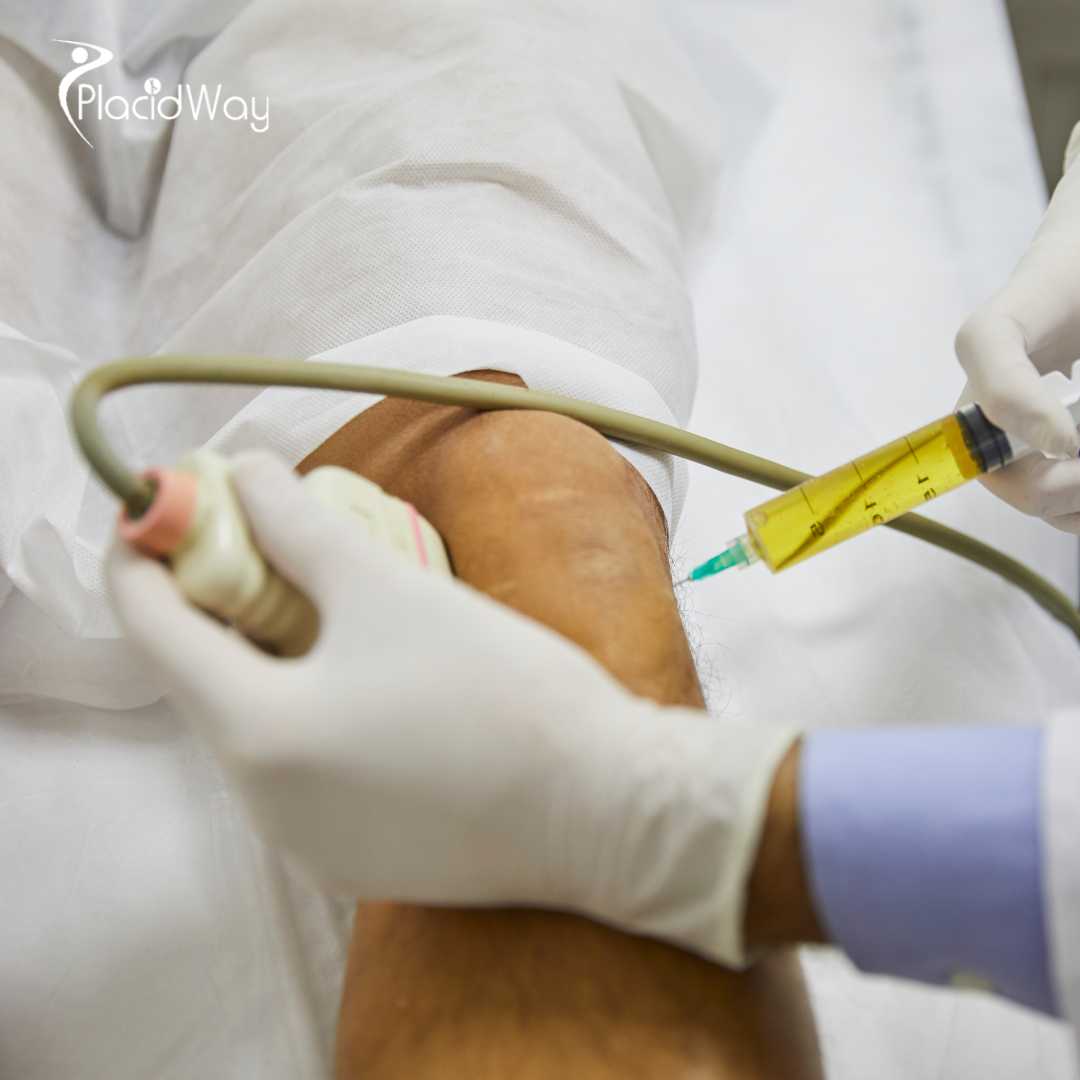
- Do they use image guidance (ultrasound) for the injection?
- Can they provide data or peer-reviewed literature supporting their specific protocol?
- What is their protocol if a complication arises?
Avoid any facility that promises a 100% cure, guarantees outcomes, or pressures you into making immediate financial commitments. Ethical medical providers will explain the limitations of the therapy as clearly as the potential benefits.
Why Choose PlacidWay for Medical Tourism in Thailand?
Navigating international healthcare can be complex. PlacidWay acts as an informational resource to help patients research their options globally. Here are a few factual ways PlacidWay can assist your journey:
- Global Network Access: PlacidWay provides directories of healthcare facilities and clinics across Thailand and worldwide.
- Provider Profiles: Patients can view the accreditations, specialties, and facility details of various international medical centers.
- Cost Comparisons: The platform allows you to compare estimated pricing structures for regenerative treatments across different regions.
- Educational Resources: PlacidWay publishes informative guides and articles to help patients understand complex medical tourism concepts.
- Direct Connections: The service facilitates initial communication, allowing you to ask questions directly to international medical teams before making any commitments.
Frequently Asked Questions (FAQs)
Will my home health insurance cover stem cell therapy in Thailand?
Most standard health insurance policies consider stem cell therapy for osteoarthritis to be investigational and typically do not cover the cost of the procedure, especially when performed abroad. Patients should expect to pay out-of-pocket and should contact their provider for specific policy details.
Do I need a special visa to travel to Thailand for this joint treatment?
Depending on your nationality and the length of your intended stay, you may be able to enter Thailand on a standard tourist visa or a visa exemption. For longer treatments, Thailand offers specific medical visas (such as the Non-Immigrant O-Medical visa). Always check current regulations with the Thai embassy in your home country.
Can both knees be treated during the same visit to Thailand?
Yes, bilateral treatments (treating both knees at the same time) are frequently performed if deemed medically appropriate by your orthopedic specialist. This can save on travel time and overall procedure costs, though it may make the initial few days of recovery slightly more challenging.
How soon after a stem cell joint injection can I fly back home?
Most physicians recommend waiting at least 3 to 7 days after the injection before taking a long-haul flight. This allows the medical team to monitor for any immediate adverse reactions or infections and gives the initial joint swelling time to subside.
Is the stem cell extraction and injection process painful?
The procedure is typically performed under local anesthesia, sometimes with mild sedation. While you should not feel sharp pain during the extraction (from bone marrow or fat) or the joint injection, patients often report a feeling of pressure, followed by soreness and stiffness for a few days post-procedure.
How many stem cell injections are typically required for osteoarthritis?
Many protocols involve a single, concentrated injection of stem cells into the affected joint. In some cases, a physician might recommend a follow-up injection or combine the treatment with Platelet-Rich Plasma (PRP) sessions. Treatment plans are highly individualized.
What happens if I experience a complication after returning home?
Before traveling, you should establish a relationship with a local healthcare provider or orthopedic specialist who knows you are undergoing this procedure. If you develop a fever, severe swelling, or intense pain back home, you must seek immediate medical attention locally.
Does stem cell therapy completely regrow lost cartilage in the knee?
No. While stem cell therapy aims to promote a healthier joint environment and may encourage modest tissue repair, there is currently no reliable evidence that it can completely regenerate or replace a heavily degraded cartilage pad back to its youthful state.
Can severe, bone-on-bone osteoarthritis be treated with stem cells?
Patients with severe, end-stage (bone-on-bone) osteoarthritis are generally not considered ideal candidates for stem cell therapy. In these advanced cases, the structural damage is usually too extensive, and joint replacement surgery is often the more appropriate and effective recommendation.
Are umbilical cord stem cells legally used for joint treatments in Thailand?
The regulatory landscape for allogeneic (donor) cells, such as umbilical cord-derived mesenchymal stem cells, is strict in Thailand. While some facilities may offer them, autologous treatments (using your own bone marrow or fat) are generally more established and standard. Patients must ensure any clinic they choose complies fully with the Thai Food and Drug Administration and Medical Council guidelines.
Compare Treatment Options for Osteoarthritis
Explore reputable clinics, review estimated costs, and gather the information you need to make an informed decision about your joint health.
Request Treatment InformationReferences
- Stem Cell Therapy for Arthritis – Arthritis Foundation
- FDA Warns About Stem Cell Therapies – U.S. Food and Drug Administration
- Osteoarthritis Diagnosis and Treatment – Mayo Clinic
- Efficacy of Mesenchymal Stem Cells in the Treatment of Knee Osteoarthritis – National Center for Biotechnology Information (NCBI)
- Patient Handbook on Stem Cell Therapies – International Society for Stem Cell Research (ISSCR)
- Guidelines for the Non-Surgical Management of Knee Osteoarthritis – Osteoarthritis Research Society International (OARSI)
- Orthobiologics and Stem Cells – American Academy of Orthopaedic Surgeons (AAOS)



























Share this listing