
Stem Cell Therapy for Cerebral Palsy Price in Costa Rica
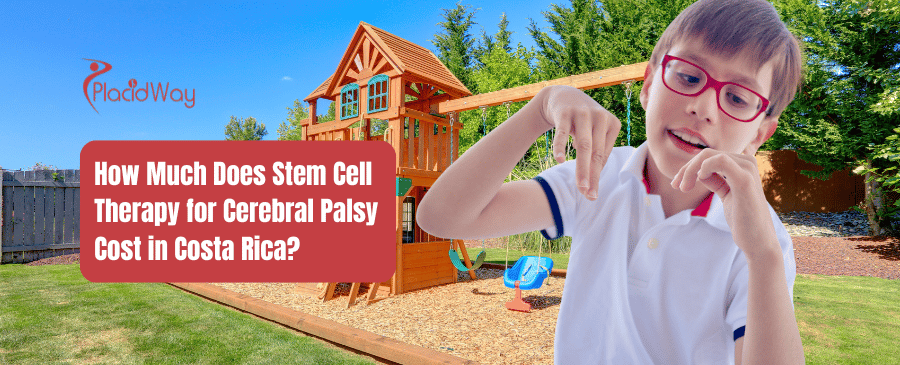
When a family receives a diagnosis of cerebral palsy, they naturally explore available medical avenues to help manage symptoms and support long-term development. While traditional therapies remain the cornerstone of care, some parents look into regenerative medicine. In recent years, stem cell therapy for cerebral palsy in Costa Rica has become a well-known option for international patients seeking regulated, alternative treatments outside their home countries.
Navigating the financial, medical, and logistical aspects of seeking care abroad can feel overwhelming. Understanding the expenses involved, what medical evaluations are necessary, and how the process works is essential for making informed healthcare decisions. Below, we provide a detailed look at costs, facility standards, and what you should consider before pursuing this experimental therapy.
Key Takeaways
- The average estimated price for a treatment cycle ranges between $15,000 and $25,000, not including travel.
- Stem cell treatments aim to manage symptoms and support neurodevelopment; they are not a cure for cerebral palsy.
- Costa Rica’s Ministry of Health actively regulates facilities performing cellular therapies.
- Patient eligibility relies on a strict medical evaluation to ensure physical stability and appropriate candidacy.
- Continuous traditional physical and occupational therapy is required at home following any stem cell procedure.
What is the average cost of stem cell therapy for cerebral palsy in Costa Rica?
This baseline estimate generally covers the core medical components of the trip. When assessing quotes from a stem cell therapy for cerebral palsy clinic in Costa Rica, the price usually includes the initial consultations, the laboratory preparation of the cells, medical staff fees, and the actual administration of the infusions. Because treatment plans are individualized, no two patients will receive the exact same quote.
It is important to understand that this price tag reflects only the medical procedure itself. When budgeting, families must also factor in the cost of round-trip airfare, specialized ground transportation for patients with mobility limitations, accommodations for a five-to-seven-day stay, and ongoing rehabilitation therapies once they return home.
What factors influence the total price of cerebral palsy stem cell treatment?
One of the primary drivers of cost is the dosage of stem cells prescribed. Medical professionals calculate the required amount of cells based largely on the patient’s body weight and their specific neurological condition. A larger or older patient will naturally require a higher volume of expanded cells, which increases laboratory processing time and materials.
Additionally, some treatment protocols incorporate adjunctive therapies designed to support the body's response to the stem cells. Clinics may recommend sessions of hyperbaric oxygen therapy (HBOT), specialized physical therapy during the stay, or nutritional consultations. Every added service or diagnostic test will alter the final estimated cost.
| Cost Factor | Description |
|---|---|
| Cell Volume | Determined by patient weight and condition severity. |
| Delivery Method | Intravenous (IV) vs. intrathecal delivery methods may have different physician fees. |
| Facility Type | Inpatient hospital stays cost more than specialized outpatient clinics. |
How does Costa Rica's pricing compare to the US and Europe for this therapy?
In countries like the United States, stem cell therapies for neurological conditions like cerebral palsy are largely restricted to clinical trials. When off-label or private treatments are available, the administrative, laboratory, and operational costs of healthcare facilities can drive prices up significantly. Because this is an experimental therapy, traditional health insurance does not cover the procedure, leaving families to bear the full financial weight.
Costa Rica offers a more accessible economic environment for medical services. Lower operational overhead for clinics and laboratories translates to lower prices for patients, without necessarily compromising on regulatory standards. This balance of cost and healthcare infrastructure is a main reason why the region has become a prominent destination for regenerative medicine.
What types of stem cells are typically used for cerebral palsy in Costa Rica?
Medical professionals focus on mesenchymal stem cells because they are known for their immunomodulatory and anti-inflammatory properties. After a healthy, full-term birth, mothers can consent to donate the umbilical cord tissue. In specialized laboratories, these cells are isolated, screened rigorously for infectious diseases, and cultured.
Researchers theorize that when these cells are introduced into a patient with cerebral palsy, they may help reduce neuroinflammation and release growth factors that support the brain's natural repair mechanisms (a process known as the paracrine effect). It is vital to note that these cells do not replace dead brain cells; rather, they may help protect existing neural pathways and encourage better cellular communication.
Is stem cell therapy a cure for cerebral palsy?
Cerebral palsy is caused by non-progressive damage to the developing brain, often occurring before, during, or shortly after birth. Because the initial brain injury is permanent, there is no medical intervention today that can completely reverse or "cure" the condition. Medical professionals emphasize that regenerative therapies are meant to be supportive.
When families pursue this route, the goal is often symptom management. Depending on the individual, families and doctors may look for reductions in muscle spasticity, minor improvements in fine or gross motor skills, better trunk control, or enhancements in speech and cognition. However, outcomes vary significantly from patient to patient, and some individuals may not show any noticeable clinical improvements following treatment.
How do I know if my child is a candidate for stem cell treatment?
Not every patient with cerebral palsy is suitable for stem cell therapy. Reputable clinics require families to submit detailed medical records, including recent MRI scans, EEG results, and reports from physical therapists and neurologists. The medical team reviews these documents to ensure the patient is physically stable enough to undergo the procedure.
Certain conditions may disqualify a patient from treatment. For instance, individuals with severe, uncontrolled seizure disorders, active infections, or other underlying genetic conditions might face higher risks or diminished potential benefits. A responsible medical provider will only approve patients who they believe can safely undergo the infusion process.
Are stem cell treatments for cerebral palsy regulated in Costa Rica?
Unlike some unregulated destinations, Costa Rica has established a legal framework for regenerative medicine. Facilities must comply with strict health and safety protocols to maintain their operational licenses. The laboratories where stem cells are cultured and stored are expected to follow Good Manufacturing Practice (GMP) standards, which mandate rigorous testing for sterility and cell viability.
Despite this regulatory oversight, patients must remember that stem cell therapy for CP is still broadly classified as an experimental procedure globally. Families should perform their due diligence by asking providers about their specific licensing, emergency protocols, and the credentials of the attending medical staff before booking a trip.
What should families expect during the treatment and recovery process?
A standard treatment timeline in Costa Rica spans about five to seven days. The first day usually involves an in-person consultation and physical examination. The subsequent days are dedicated to the stem cell administration. Depending on the specific medical protocol, cells may be delivered via standard intravenous (IV) drips or intrathecal injections (into the spinal fluid), the latter usually requiring mild sedation for pediatric patients.
Because the procedures are minimally invasive, most patients do not require a hospital stay and return to their hotel the same day. Following the final treatment, doctors observe the patient for immediate adverse reactions before clearing them to fly home. Once home, it is absolutely essential to continue with intensive physical and occupational rehabilitation therapies to help the brain adapt and potentially utilize any benefits gained from the procedure.
How do international patients plan their medical trip to Costa Rica?
Costa Rica is a well-established hub for health travelers. Most international patients fly into Juan Santamaría International Airport (SJO) near the capital city of San José, where the majority of specialized medical facilities are located.
When organizing the journey, families must prioritize accessibility. Navigating airports, ground transportation, and hotels with a child who may use a wheelchair or require special assistance requires meticulous planning. Many clinics assist by recommending local transport services and accessible hotels that frequently accommodate international patients recovering from medical procedures.
Why Choose PlacidWay for Medical Tourism Information?
Researching international healthcare options involves gathering vast amounts of data. PlacidWay serves as an informational platform to help individuals explore medical providers globally. Here is how the platform can assist your search:
- 1. Access to Provider Information: PlacidWay provides directories of clinics and hospitals offering various treatments across different countries, allowing users to review their options in one place.
- 2. Clinic Comparisons: The platform allows users to compare different medical centers based on their listed specialties, available technology, and patient reviews.
- 3. Direct Communication: Patients can use the platform to send inquiries directly to international healthcare facilities to request preliminary information and estimates.
- 4. Broad Geographic Scope: PlacidWay lists providers in numerous regions, helping patients look beyond their local borders for available alternative therapies.
- 5. Educational Resources: The site offers articles and guides detailing international healthcare trends, helping patients understand what to expect when seeking care abroad.
Frequently Asked Questions
How long does a stem cell therapy trip to Costa Rica usually last?
Most treatment protocols require a stay of five to seven days. This allows time for an initial medical evaluation, several days of outpatient infusions, and a final follow-up observation before you travel home.
Are the stem cells used in Costa Rica safe?
Regulated facilities in Costa Rica follow Good Manufacturing Practice (GMP) standards to screen, process, and expand stem cells. While any medical procedure carries some risk, these protocols aim to minimize infection or adverse immune reactions.
Do health insurance plans cover stem cell therapy in Costa Rica?
Because stem cell therapy for cerebral palsy is currently considered an experimental or investigational treatment, standard health insurance plans rarely cover the cost of the procedure or associated travel.
What age is best for a patient with CP to receive stem cells?
There is no universally established ideal age, but many providers evaluate patients starting around two to three years old. A specialist must determine if the patient is physically stable enough to undergo the procedure.
Will a patient need multiple stem cell treatments?
Some patients undergo a single cycle, while others may return for additional therapies after a year or more. The need for subsequent treatments depends entirely on how the individual responds to the initial procedure.
How are stem cells administered for cerebral palsy?
Depending on the medical protocol, cells are typically administered either intravenously (through an IV line) or intrathecally (into the spinal canal). The method is chosen based on the neurologist's recommendation.
Can we combine stem cell therapy with traditional physical therapy?
Yes, continuous physical, occupational, and speech therapies are vital. Stem cell therapy is not a replacement for traditional rehabilitation; it is often used alongside it to help maximize potential motor improvements.
What are the potential side effects of stem cell infusions?
Common short-term side effects include mild fatigue, low-grade fever, or headache following the infusion. Severe complications are less common but can include infection or allergic reactions, which is why close medical supervision is required.
Do doctors and nurses in Costa Rica speak English?
Many healthcare professionals working in facilities that cater to international patients are bilingual and fluent in English, helping to ensure clear communication regarding medical care.
How soon might we notice changes after treatment?
Outcomes vary widely. If improvements occur, they may be noticed anywhere from a few weeks to several months after the procedure. Some patients may experience no noticeable changes.
Compare Treatment Options Today
Gathering accurate information is the first step in your medical journey. Request detailed facility information and preliminary evaluations to help you make an informed decision for your family.
Request Treatment InformationReferences
- FDA Warns About Stem Cell Therapies – U.S. Food and Drug Administration
- Patient Handbook on Stem Cell Therapies – International Society for Stem Cell Research (ISSCR)
- Stem Cell Therapy and Cerebral Palsy – Cerebral Palsy Alliance
- Health Regulations and Facility Licensing – Costa Rica Ministry of Health
- Safety and Efficacy of Mesenchymal Stem Cells in Cerebral Palsy: A Systematic Review – National Institutes of Health / PubMed
- Clinical Guidelines and Neurological Treatment Standards – American Academy of Neurology























Share this listing