


The cost and benefits of getting a root canal in Mexico.

The average root canal cost in Mexico ranges from $200 to $300 per tooth, compared to $1,000 to $1,500 in the US. This saves patients up to 75% while receiving world-class care from highly trained endodontists using advanced dental technology.
Key Takeaways: Dental Savings & Quality Care
- Massive Financial Relief: Reduce your out-of-pocket dental expenses by 70 to 80 percent immediately.
- Expert Specialists: Care is provided by board-certified endodontists specializing in complex pulp therapies.
- Advanced Diagnostics: Facilities utilize state-of-the-art 3D CBCT scanners and specialized surgical microscopes.
- Convenient Destinations: Accessible care in border towns like Tijuana and Los Algodones, or resort cities like Cancun.
- Comprehensive Restorations: Easily combine your endodontic therapy with affordable custom crowns in a single trip.
Why is the root canal cost in Mexico so much lower than in the US or Canada?
Dental care is highly affordable due to a lower overall cost of living, reduced administrative overhead, affordable real estate for clinics, and significantly lower student debt burdens for graduating medical professionals.
The stark difference in pricing has nothing to do with a reduction in medical quality. Instead, the economic ecosystem surrounding healthcare creates a highly favorable environment for patients. The foundational reason is the cost of living. Because housing, daily goods, and utilities are substantially lower, the operational costs for running a top-tier medical facility are reduced. This allows specialized dentists to offer premium services without demanding exorbitant fees to keep their doors open.
Furthermore, medical education structure plays a massive role. In the United States and Canada, dental students often graduate with hundreds of thousands of dollars in student loan debt, forcing them to inflate their procedural fees immediately upon opening a practice. South of the border, medical education is heavily subsidized by the government. Talented professionals graduate with minimal debt, allowing them to pass those dramatic savings directly onto their patients.
Finally, the administrative burden is incredibly streamlined. Domestic healthcare involves navigating complex insurance bureaucracies, requiring dental offices to hire large teams just for billing and coding. Facilities catering to international patients operate primarily on a direct-pay model. By eliminating the middleman and the associated administrative bloat, a root canal clinic in Mexico can focus entirely on patient care while maintaining incredibly competitive pricing.
Many international patients combine their endodontic appointments with other major restorations like dental implants or full mouth reconstructions, saving enough money to completely cover the cost of their flights and premium hotel accommodations.
What is included in a standard package for a root canal in Mexico?
Standard packages provide complete transparency, typically covering the specialized consultation, digital diagnostic imaging, local anesthesia, the complete nerve removal process, and a temporary protective filling.
When you book your appointment, you want to ensure there are no hidden surprises on your final bill. Reputable facilities offer all-inclusive pricing structures designed specifically for international visitors. A standard endodontic package generally includes the following critical components:
- Specialized Consultation: A thorough examination by a dedicated endodontist who will evaluate your pain levels, check for active infections, and determine the exact health status of the affected tooth.
- Digital Diagnostics: High-resolution digital X-rays or advanced 3D CBCT scans are taken to map the exact length and shape of your nerve canals, ensuring absolute precision during the cleaning process.
- Local Anesthesia: Premium numbing agents are administered to guarantee you feel absolutely no pain while the specialist removes the infected pulp tissue from the inner chambers.
- Complete Canal Disinfection: The meticulous process of clearing out bacteria, shaping the delicate inner canals, and sealing them permanently with biocompatible materials to prevent any future decay.
- Temporary Restoration: A temporary filling is placed over the access hole to protect the sterile environment until you are ready to receive your permanent dental crown.
Are the materials used at a root canal clinic in Mexico of high quality?
Yes, premium dental facilities utilize globally recognized, FDA-approved materials identical to those found in high-end American or European offices, ensuring exceptional durability and complete biocompatibility.
A common misconception regarding affordable international healthcare is that lower prices equate to inferior materials. This could not be further from the truth. The global dental supply chain is highly centralized, meaning that top-tier specialists purchase their supplies from the exact same international manufacturers as their northern counterparts. You are receiving world-class materials without the extreme markups.
During the procedure, specialists use specialized rotary files made of highly flexible nickel-titanium to navigate the curved roots of your teeth safely without breaking. Once the infection is completely cleared, the empty chamber is filled with Gutta-Percha, a natural, rubber-like material that effectively seals the tooth against future bacterial invasion. Premium clinics also utilize advanced bioceramic sealers that actively promote tissue healing and integrate perfectly with your natural tooth structure.
Furthermore, sterilization protocols meet or exceed international standards. Instruments are rigorously cleaned using high-pressure hospital-grade autoclaves, and disposable materials are strictly single-use. The combination of elite materials and uncompromising hygiene standards ensures that your restored tooth will remain healthy and functional for decades.
How do I know if I need a crown after my endodontic treatment?
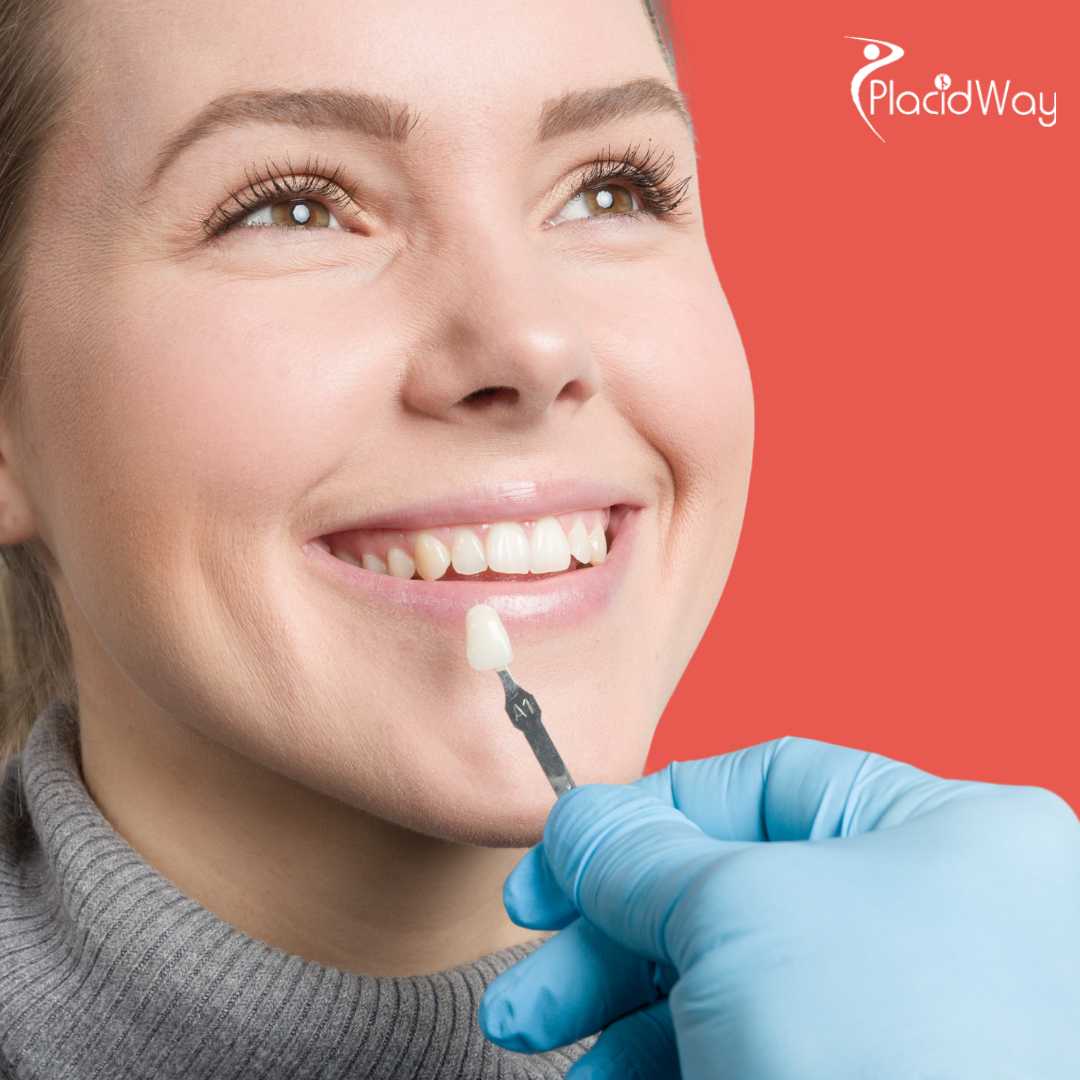
A permanent dental crown is almost always necessary following endodontic therapy on molars or premolars to protect the hollowed-out, weakened tooth structure from fracturing under the intense pressure of daily chewing.
Understanding the long-term protection of your tooth is critical. Once the living pulp and nerve tissue are removed, the tooth essentially loses its blood supply. While it remains firmly rooted in your jawbone, the enamel becomes dry, brittle, and highly susceptible to cracking over time. Here is why placing a crown is a vital final step in your treatment plan:
- Restoring Structural Integrity: The procedure requires creating an access hole through the top of the tooth. A custom crown acts like a protective helmet, binding the remaining fragile walls together and preventing catastrophic fractures.
- Withstanding Bite Force: Your back teeth endure massive amounts of pressure every time you chew food. Only a strong, permanent restoration like a zirconia or porcelain crown can safely handle this intense daily mechanical stress.
- Preventing Bacterial Leakage: A temporary filling is not designed to last forever. A perfectly sealed, custom-milled permanent crown completely blocks oral bacteria from re-entering the sterilized root canals.
- Aesthetic Perfection: Teeth that have undergone nerve removal can sometimes darken or become discolored over the years. A color-matched porcelain crown perfectly restores the natural, vibrant appearance of your smile.
- Front Teeth Exceptions: If the therapy was performed on a front incisor and the natural tooth structure is mostly intact, a simple composite filling might suffice, though your specialist will guide you based on your specific case.
What technology is utilized for endodontic procedures during medical tourism in Mexico?
Leading specialists utilize cutting-edge digital apex locators, sophisticated rotary instruments, high-powered surgical microscopes, and advanced 3D CBCT imaging to ensure absolutely precise and highly successful treatments.
The success of nerve therapy relies heavily on the ability of the dentist to see microscopic details and navigate complex anatomy. Facilities at the forefront of medical tourism in Mexico invest heavily in the latest dental technologies to guarantee superior outcomes. One of the most critical tools is the 3D CBCT scanner. Unlike traditional flat X-rays, this technology provides a complete three-dimensional model of your jaw, allowing the specialist to spot hidden accessory canals that might harbor dangerous bacteria.
During the actual procedure, top endodontists rely on high-magnification surgical microscopes. The interior of a tooth is incredibly dark and narrow. By using intense illumination and magnification up to twenty times normal vision, the doctor can meticulously clean every millimeter of the root system. This microscopic precision dramatically reduces the risk of post-operative complications or the need for future retreatments.
Additionally, modern rotary tools have revolutionized the patient experience. Older manual filing methods were time-consuming and sometimes uncomfortable. Today, highly specialized electronic apex locators determine the exact endpoint of the root automatically, while motorized nickel-titanium instruments shape the canals swiftly and smoothly. This advanced technology significantly reduces your time in the dental chair and ensures a vastly more comfortable recovery process.
Always ask your prospective clinic if they have an in-house endodontist rather than a general dentist. Specialists perform these complex procedures daily and have specialized training to handle curved roots or calcified canals with exceptional skill.
How long does it take to complete a root canal procedure across the border?
Uncomplicated cases are typically completed efficiently in a single visit lasting one to two hours, though highly infected complex molars might require two separate sessions spread over a few days for optimal healing.
Time is a critical factor for international patients planning their travel itineraries. The great news is that modern endodontic techniques allow for incredibly efficient care. If your tooth is simply inflamed or has mild decay, a specialized endodontist can perform the entire cleaning, shaping, and sealing process in one sitting. You will spend roughly 60 to 90 minutes in the chair and walk out totally free of the pain that brought you there.
However, if your tooth presents a severe, active abscess or widespread infection, your specialist might adopt a two-visit approach. During the initial appointment, the canals are cleaned and packed with a powerful antibacterial medication to aggressively fight the infection. You will return a few days later, once the area is perfectly sterile, for the final sealing. This cautious approach ensures the infection is completely eradicated before the tooth is permanently closed.
If you are also getting a customized permanent crown during your trip, you should plan to stay for approximately four to five days total. Clinics with advanced in-house CAD/CAM milling machines can sometimes create and place your permanent porcelain crown on the exact same day, making your medical journey remarkably brief and highly convenient.
Is it safe to undergo complex dental procedures south of the border?
Patient safety is exceptionally high when choosing board-certified specialists who operate within modern, internationally accredited facilities that strictly enforce rigorous global hygiene and sterilization protocols.
Safety is understandably the top priority for anyone seeking healthcare outside their home country. The landscape of international dental care has evolved tremendously over the past decade. By taking a proactive approach to selecting your healthcare provider, you can enjoy a medical experience that rivals or exceeds the safety standards found in your local neighborhood. Consider these vital safety factors:
- Uncompromising Sterilization: Premier facilities feature dedicated sterilization rooms visible to patients, using the same high-temperature hospital autoclaves and ultrasonic cleaners mandated by global health authorities.
- Verified Certifications: Top practitioners are actively licensed by the local health ministries and frequently hold esteemed memberships in groups like the American Association of Endodontists.
- Specialized Expertise: Rather than relying on a general practitioner to handle complex root structures, international clinics ensure that dedicated endodontists perform your surgery, drastically reducing complication risks.
- Transparent Track Records: High-quality clinics possess extensive portfolios of successful case studies, verified patient testimonials, and pristine malpractice records for complete peace of mind.
- Modern Infrastructure: Purpose-built medical buildings are equipped with reliable backup generators, advanced water filtration systems, and emergency medical equipment to handle any unlikely situation safely.
What are the most popular destinations for dental patients seeking endodontic care?
Patients frequently visit incredibly convenient border towns like Los Algodones and Tijuana, or combine their necessary treatments with relaxing vacations in beautiful resort cities such as Cancun and Puerto Vallarta.
The geography of international dental care offers distinct choices depending on your personal preferences and travel capabilities. Border towns are heavily favored by patients seeking maximum convenience. Tijuana is massively popular for residents of Southern California, allowing them to easily walk across the border and reach world-class specialists within minutes. Similarly, Los Algodones, affectionately known globally as Molar City, caters specifically to snowbirds and retirees, featuring hundreds of specialized clinics packed into a safe, easily walkable tourist zone.
For those looking to turn a medical necessity into a tropical retreat, resort destinations are the perfect choice. Cities like Cancun, Playa del Carmen, and Puerto Vallarta feature stunning coastal environments alongside premium dental care facilities. Patients can undergo their required endodontic procedures and spend their recovery days lounging by the Caribbean Sea or enjoying luxury all-inclusive resorts, all while still spending less than the cost of a domestic dental bill.
Additionally, cosmopolitan centers like Mexico City are rapidly growing as hubs for advanced medical interventions. These major metropolitan areas host massive, high-tech hospital networks and renowned university-trained specialists. Patients choosing these central urban locations benefit from cutting-edge medical infrastructure combined with rich cultural experiences, making it ideal for those seeking highly complex restorative work requiring extended stays.
How do I maintain my dental health after returning home from my treatment?
Long-term success requires practicing excellent daily oral hygiene, strictly avoiding extremely hard or sticky foods initially, and promptly scheduling the placement of your permanent crown to protect the fragile tooth.
The longevity of your dental investment relies heavily on proper aftercare once you return to your normal routine. A successfully treated tooth can easily last a lifetime if you follow basic maintenance guidelines. Keep these essential post-operative strategies in mind:
- Protect the Temporary Filling: If you traveled home before getting your permanent crown, chew exclusively on the opposite side of your mouth to prevent the temporary paste from cracking or dislodging prematurely.
- Prompt Restoration: Do not delay getting your final protective crown. Leaving a tooth with only a temporary filling for months invites dangerous bacteria back in, risking the complete failure of the procedure.
- Manage Mild Sensitivity: It is completely normal to experience mild soreness in the surrounding gums for a few days. Use over-the-counter anti-inflammatory medications as directed to keep yourself perfectly comfortable.
- Impeccable Daily Hygiene: Brush gently twice a day with a soft-bristled toothbrush and floss carefully around the treated area to keep the surrounding gum tissue exceptionally healthy and free of plaque.
- Routine Local Check-ups: Continue visiting your local hometown dentist for your biannual professional cleanings and routine X-rays to ensure the restored tooth remains structurally sound and entirely infection-free.
Why Choose PlacidWay for your dental health journey?
PlacidWay connects you exclusively with meticulously vetted dental specialists, ensuring you receive high-quality medical care, perfectly transparent pricing, and comprehensive patient support throughout your journey.
Navigating an unfamiliar international healthcare system can feel overwhelming without the right guidance. PlacidWay acts as your trusted advocate, bridging the gap between you and world-class dental professionals. Here is why thousands of patients trust us to coordinate their essential dental therapies:
- Rigorous Professional Vetting: We perform extensive background checks on every partner facility, rigorously verifying dentist credentials, board certifications, and historical patient outcomes to guarantee your absolute safety.
- 100% Transparent Pricing: We eliminate stressful financial surprises by providing clear, detailed, all-inclusive price quotes upfront, ensuring you know exactly what your specific procedure will cost before you commit.
- Dedicated Patient Coordination: Our specialized medical team assists you in safely transferring your current digital X-rays and medical histories directly to the international specialist for an accurate pre-evaluation.
- Access to Authentic Reviews: We provide you with completely unfiltered access to real patient testimonials, before-and-after portfolios, and comprehensive facility profiles so you can make a highly informed decision.
- Pre-Negotiated Treatment Packages: By leveraging our extensive network, we secure exclusive, highly competitive treatment bundles that maximize your financial savings while maintaining elite standards of medical quality.
Frequently Asked Questions About Endodontic Care
Does an endodontic procedure hurt when performed across the border?
Modern endodontic procedures are virtually painless regardless of where they are performed. Specialists utilize high-quality local anesthetics to completely numb the affected tooth and surrounding gums before beginning any work. Most patients report that the procedure feels similar to getting a standard filling, providing immediate relief from the severe pain caused by the underlying infection.
Can I drive back across the border immediately after my dental appointment?
Yes, you can safely drive home after your appointment. Because the procedure only requires local anesthesia rather than general sedation, your cognitive and motor skills remain entirely unaffected. The numbness in your mouth will gradually wear off over a few hours, so you simply need to be cautious about eating or drinking hot liquids while driving.
Are Mexican dentists qualified to perform complex endodontic therapies?
Absolutely. Dental professionals catering to international patients undergo rigorous education, often holding specialized degrees in endodontics. Many complete additional training or fellowships in the United States or Europe and maintain active memberships in prestigious international dental associations, ensuring they follow the exact same global standards of care.
Do I need a passport to visit a dental facility in Tijuana or Los Algodones?
Yes, a valid passport or a passport card is required for re-entry into the United States or Canada. While border officials might sometimes allow entry into border towns without strict checks, returning home mandates proper official documentation. It is highly recommended to have your documentation prepared well in advance of your scheduled appointment.
How much does a post and core buildup cost alongside the main procedure?
If a tooth has suffered extensive decay, a post and core buildup is necessary to provide structural support for the final crown. This additional restorative step typically adds between $80 and $150 to your total bill, which is still remarkably lower than the $300 to $600 usually charged by domestic dental providers for the exact same service.
Is it cheaper to get a tooth pulled rather than saving it with endodontic care?
While a simple tooth extraction costs less upfront, it is ultimately more expensive in the long run. Removing a tooth leads to bone loss and shifting of adjacent teeth, necessitating costly replacements like dental implants or bridges later. Preserving your natural tooth through endodontic therapy is always the most cost-effective and medically sound decision.
Can I use my domestic dental insurance south of the border?
Many premier dental facilities serving international patients readily accept major PPO dental insurance plans from the United States. You will typically pay out of pocket at the time of service and receive detailed, itemized billing codes. You can then submit this paperwork to your insurance provider for reimbursement based on your specific out-of-network coverage benefits.
What happens if an infection returns after I travel back home?
Reputable facilities stand behind their medical work by offering comprehensive warranties on their procedures. If a complication or reinfection occurs within the specified warranty period, the facility will usually perform the retreatment at no additional cost. It is crucial to discuss warranty terms during your initial consultation so you know exactly what protections are in place.
Are there English speaking staff at these dental facilities?
Yes, seamless communication is a cornerstone of international healthcare. Facilities specializing in international patients employ fully bilingual dentists, hygienists, and patient coordinators. From your very first inquiry to your post-operative instructions, you will be able to communicate clearly in English, ensuring you fully understand every aspect of your diagnosis and treatment plan.
Will I need to take antibiotics before my dental appointment?
Antibiotics are only prescribed if you have a severe, active infection accompanied by systemic symptoms like fever or significant facial swelling. For routine cases where the infection is localized within the tooth pulp, the physical removal of the infected tissue during the procedure is sufficient. Your specialist will evaluate your specific situation and prescribe medication only if medically necessary.
Restore Your Smile and Save Thousands Today
* Responses typically within 24 hours. Privacy guaranteed.





.png)

.png)

.png)
-(2).png)
.png)











Share this listing