
Liposuction in Thailand: Your Guide to Cost, Safety, and Top Clinics
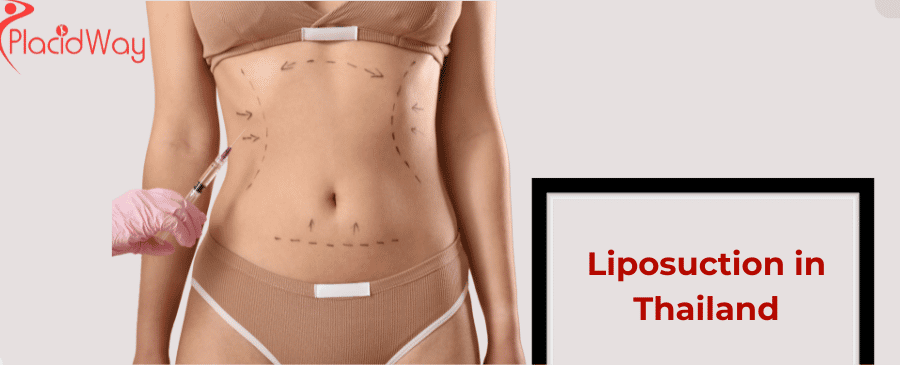
If you are exploring international options for body contouring, you may naturally wonder if traveling for liposuction in Thailand makes sense for your medical needs. The country has steadily developed a reputation as a global hub for cosmetic surgery, drawing patients from North America, Europe, and Australia.
Navigating healthcare abroad requires careful consideration. A successful experience in medical tourism in Thailand depends on understanding the procedure itself, knowing how to identify qualified providers, and strictly following medical advice regarding recovery and travel. This guide explores the essential factors you should consider before booking a flight.
Key Takeaways
- Liposuction is designed for localized fat removal and body contouring, not as a primary weight-loss strategy.
- Thailand offers numerous internationally accredited facilities and highly trained plastic surgeons.
- Thoroughly researching and choosing a qualified, board-certified provider is critical for your safety.
- Patients must plan for adequate local recovery time, as flying too soon after surgery significantly increases health risks.
- Consulting a medical professional to assess your individual health history is required before committing to any surgical procedure.
What exactly is liposuction and how does it work?
During the surgery, a medical professional makes small incisions in the targeted area. A thin hollow tube, known as a cannula, is inserted through these incisions to loosen excess fat. A specialized vacuum or syringe attached to the cannula then gently suctions the fat cells away. This process reshapes the targeted region, aiming for a smoother and more defined contour.
It is crucial to understand that this procedure is not a treatment for obesity. Surgeons typically target specific problem areas such as the abdomen, flanks, thighs, upper arms, or chin. The best aesthetic outcomes occur when a patient is already close to their ideal weight but struggles with stubborn, localized fat deposits.
Why do patients choose to travel to Thailand for this procedure?
Thailand's private healthcare sector has spent decades building infrastructure explicitly designed for international patients. Many of the prominent hospitals maintain Joint Commission International (JCI) accreditation, a recognized benchmark for healthcare quality and patient safety. Furthermore, many Thai plastic surgeons complete portions of their training or fellowships in the United States, Europe, or Australia, helping them stay updated on international surgical standards.
Additionally, the country offers a robust hospitality industry. Many healthcare facilities integrate recovery support with comfortable accommodations, making the postoperative phase less stressful. This combination of clinical quality and recovery environment makes it a prominent choice for those researching global medical options.
Is it safe to get liposuction done abroad in Thailand?
Safety depends heavily on the specific clinic and surgeon you select, as well as your own underlying health. When performed by a qualified, board-certified plastic surgeon in an accredited hospital, the safety profile is similar to what you would expect in North America or Europe. The best facilities adhere to strict sterilization, anesthesia, and emergency protocols.
However, traveling abroad for surgery introduces unique variables, primarily related to travel logistics and communication. Patients must ensure they can communicate clearly with their medical team and must follow all travel-related medical advice, particularly concerning rest and avoiding long flights immediately post-surgery to prevent complications.
Important Consideration
Language barriers can occasionally complicate medical care abroad. When evaluating facilities, confirm that your surgeon and the nursing staff are highly proficient in English, or that professional medical translators are provided at all times.
How much does a liposuction cost in Thailand compared to other countries?
Cost is a major factor driving individuals to seek care internationally. Due to a lower cost of living and favorable exchange rates, the baseline price for medical procedures in Southeast Asia is often more accessible. Patients can often receive care in high-end private hospitals for less than the cost of a standard clinic procedure in their home country.
However, prices fluctuate based on your individual needs. Treating a single, small area like the chin will cost significantly less than comprehensive contouring of the abdomen, flanks, and thighs. Additionally, advanced technologies such as ultrasound-assisted or laser-assisted devices may carry higher fees. Always request a detailed, itemized estimate during your consultation that includes anesthesia, facility fees, and post-operative garments.
What should I look for when choosing a liposuction clinic in Thailand?
Selecting the right liposuction clinic in Thailand is the most critical step in your journey. Start by verifying the credentials of the surgeon. Look for memberships in recognized professional bodies, such as the International Society of Aesthetic Plastic Surgery (ISAPS) or the Thai Society of Plastic and Reconstructive Surgeons.
- Verify facility accreditations (like JCI).
- Review the surgeon's specialized training and years of experience specifically in body contouring.
- Ask about the clinic's emergency transfer protocols in case complications arise during surgery.
- Ensure they offer comprehensive pre-op and post-op care, rather than treating the surgery as a quick, transactional event.
- Check for clear, transparent communication regarding both realistic outcomes and potential risks.
Who is generally considered a good candidate for fat removal surgery?
Suitability for surgery depends on several medical factors. First, patients should be non-smokers or willing to quit well in advance of the procedure, as nicotine severely impairs the body's healing process and increases the risk of complications. Having good skin elasticity is also vital; if the skin lacks elasticity, it may sag or appear uneven once the underlying fat is removed.
Individuals with certain underlying medical conditions—such as uncontrolled diabetes, severe cardiovascular disease, or weakened immune systems—may be advised against elective surgery. A thorough physical examination and blood tests are standard requirements to confirm your eligibility before any operation takes place.
What is the typical recovery process like before flying home?
Immediately following the procedure, you can expect swelling, bruising, and soreness in the treated areas. Your surgical team will provide a compression garment, which you must wear consistently to manage fluid retention and support your new body contours. Most patients require prescription pain medication for the first few days before transitioning to over-the-counter options.
Flying shortly after surgery presents serious risks. The combination of surgery, decreased mobility, and the pressurized cabin environment of an airplane drastically increases the risk of developing deep vein thrombosis (DVT), a potentially life-threatening blood clot. You must wait until your surgeon formally clears you for a long-haul flight.
| Post-Op Phase | Typical Expectations | Activity Level |
|---|---|---|
| Days 1-3 | Maximum swelling, bruising, and discomfort. Fluid drainage is common. | Strict rest, short walks around the room to promote circulation. |
| Days 4-7 | Pain decreases. First follow-up appointment usually occurs. | Light, gentle walking. No heavy lifting. |
| Weeks 2-4 | Swelling begins to subside. Bruising fades. Cleared to fly home. | Gradual return to normal daily tasks. Continue wearing compression gear. |
What are the potential risks and complications associated with liposuction?
It is vital to have realistic expectations and understand that no surgery is entirely risk-free. Common, localized issues can include temporary numbness, changes in skin sensation, or asymmetrical healing resulting in uneven contours. Fluid can also accumulate under the skin (seromas), which may require draining by a medical professional.
More severe, though rare, complications require immediate emergency intervention. These include fat embolisms (where pieces of fat break away and become trapped in blood vessels), severe infections, or adverse reactions to anesthesia. Discussing your complete medical history with your provider and closely following post-operative care instructions are the most effective ways to mitigate these risks.
What are the different types of liposuction techniques available?
Tumescent liposuction is the most common technique worldwide. It involves injecting a sterile solution containing salt water, a local anesthetic, and epinephrine into the targeted area to minimize bleeding and ease fat removal. This technique is well-regarded for its safety profile and effectiveness in traditional fat reduction.
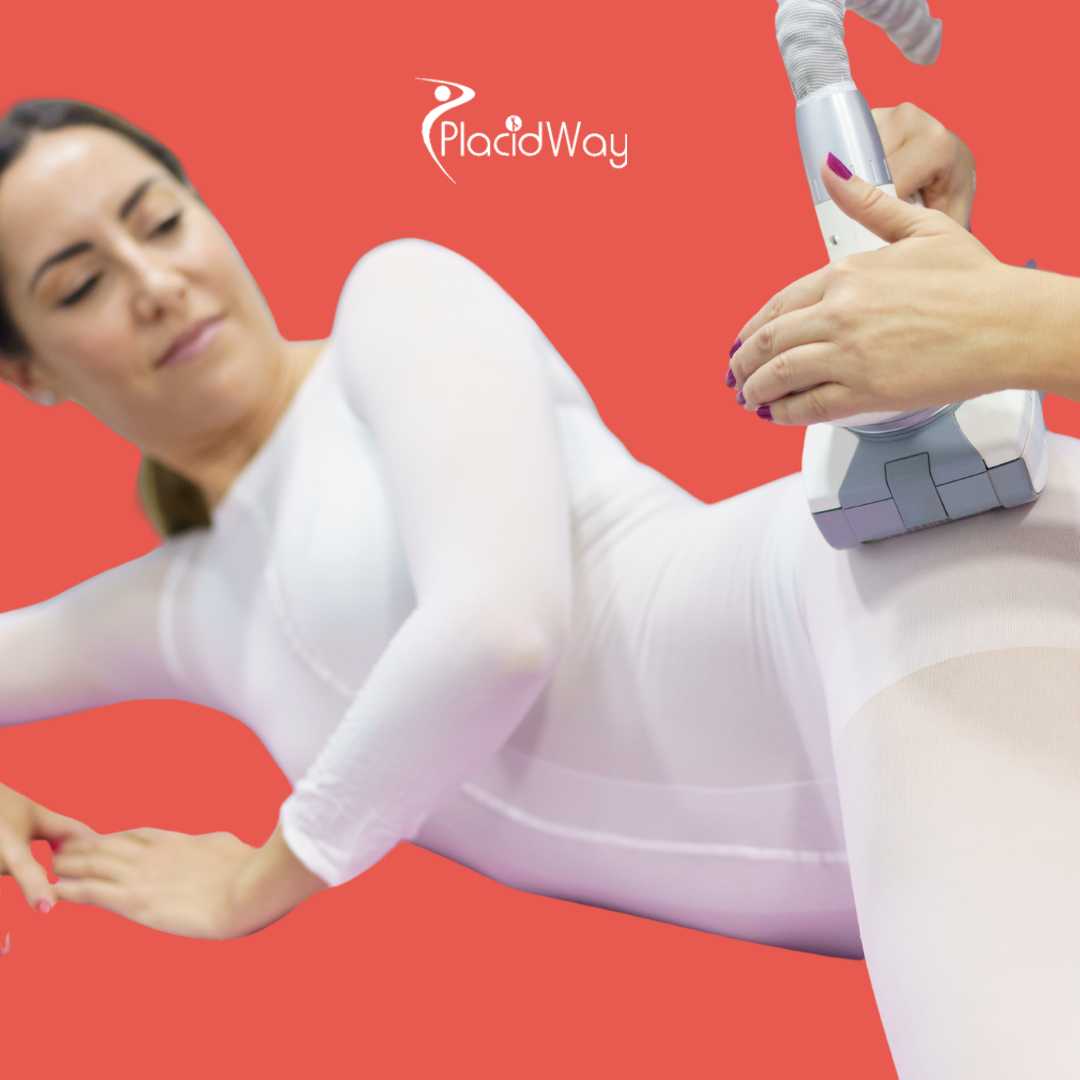
Newer technologies use specific energy sources to assist in breaking down fat cells before they are suctioned out. Ultrasound-assisted techniques use sound waves to liquefy fat, which can be particularly useful in areas with dense, fibrous tissue like the upper back. Laser-assisted methods use high-intensity laser light to melt fat. While these technologies offer certain advantages, a successful outcome relies far more on the skill and experience of the surgeon than on the specific equipment used.
Why Choose PlacidWay for Medical Tourism in Thailand?
Planning international healthcare can feel overwhelming, but utilizing resources designed for medical travelers can help you make informed, confident decisions.
- Extensive Directory: Provides access to a wide directory of internationally recognized medical centers and verified professionals in Thailand.
- Educational Resources: Offers transparent, educational materials to help patients evaluate and compare healthcare options abroad.
- Direct Communication: Helps facilitate communication directly with healthcare providers for pre-treatment consultations and inquiries.
- Comparative Tools: Supplies practical tools to assess estimated costs, facility accreditations, and procedural details across multiple clinics.
- Patient Empowerment: Focuses on providing objective information to empower patients without pressuring individuals into making immediate medical decisions.
Frequently Asked Questions
How long does a liposuction procedure typically take?
The duration of the surgery depends on the number of areas being treated and the volume of fat being removed. Most procedures take anywhere from one to three hours to complete.
Will liposuction get rid of cellulite on my thighs?
No, liposuction is designed to remove deep localized fat, not to correct skin texture irregularities. It will not eliminate cellulite and in some cases, might make it more noticeable if skin elasticity is poor.
Do I need general anesthesia for liposuction in Thailand?
Anesthesia requirements vary. Smaller, localized areas may only require local anesthesia with intravenous sedation, while more extensive fat removal typically requires general anesthesia for patient comfort and safety.
Will the fat come back after my procedure?
The specific fat cells removed during surgery are gone permanently. However, if you gain weight after the procedure, the remaining fat cells in your body can expand, potentially altering your new body contours.
When can I return to normal activities after my surgery?
Many patients can resume light office work and walking within a few days to a week. Strenuous physical activities and heavy lifting should usually be avoided for four to six weeks to ensure proper healing.
How soon will I see the final results of my liposuction?
While you may notice a difference soon after the procedure, swelling can persist for several weeks. Final results are typically visible after three to six months once all fluid retention and swelling have resolved.
Is there a BMI limit for getting liposuction abroad?
Many surgeons prefer patients to have a Body Mass Index (BMI) under 30 to minimize surgical risks and achieve the best aesthetic outcome. Patients with a higher BMI may be advised to pursue weight loss first.
Should I wear a compression garment after the procedure?
Yes, surgeons almost universally require patients to wear a medical-grade compression garment for several weeks post-surgery. This helps reduce swelling, prevents fluid buildup, and supports the newly contoured body shape.
Can I combine liposuction with other cosmetic procedures?
Liposuction is frequently performed alongside other surgeries, such as abdominoplasty (tummy tuck) or fat transfer. Keep in mind that combining procedures increases the overall surgical time and may elevate recovery risks.
What should I do if I experience complications after returning home?
If you experience signs of infection, excessive bleeding, or breathing difficulties after returning home, you must seek immediate care from a local medical professional or emergency room, and notify your operating surgeon when stable.
Explore Your Healthcare Options Abroad
Connect with certified medical centers in Thailand and access the information you need to make an informed decision about your body contouring journey.
Request Treatment InformationReferences
- Liposuction Overview – American Society of Plastic Surgeons (ASPS)
- Liposuction Procedure and Safety – International Society of Aesthetic Plastic Surgery (ISAPS)
- Medical Tourism Guidelines – Centers for Disease Control and Prevention (CDC)
- Liposuction: Risks and Results – Mayo Clinic
- Cosmetic Procedures: Liposuction – National Health Service (NHS)
- Safe Surgery Initiatives – World Health Organization (WHO)
- Patient Safety Benchmarks – Joint Commission International (JCI)
Disclaimer: The information provided in this article is for educational purposes only and does not constitute medical advice. Cosmetic surgery involves significant risks and recovery processes that vary by individual. Always consult with a qualified healthcare professional to determine if you are a suitable candidate for any surgical procedure.


























Share this listing