
Affordable Breast Reduction in Vietnam: A 2025 Guide

Navigating the decision to undergo reduction mammoplasty can be challenging, especially when considering treatment abroad. Breast Reduction in Vietnam has become increasingly popular as the country's private healthcare sector expands to accommodate international patients. Many individuals suffering from chronic neck pain, back strain, and skin irritation due to overly large breasts are looking toward Southeast Asia for accessible solutions.
Understanding how medical care functions overseas requires careful research into surgical techniques, facility standards, travel requirements, and potential risks. This guide explores the essential factors you should consider if you are exploring plastic surgery abroad, providing an objective look at the realities of treatment, recovery, and preparation.
Key Takeaways
- Private hospitals in major Vietnamese cities offer modern infrastructure designed for international patients.
- Patients must plan for a 10-to-14-day stay post-surgery before they are medically cleared to fly.
- Thorough pre-operative testing and a stable medical history are necessary for surgical eligibility.
- Establishing a relationship with a local doctor in your home country is vital for managing long-term aftercare.
- All surgeries carry inherent risks, including scarring, infection, and changes in breast sensation.
What does breast reduction surgery involve for international patients?
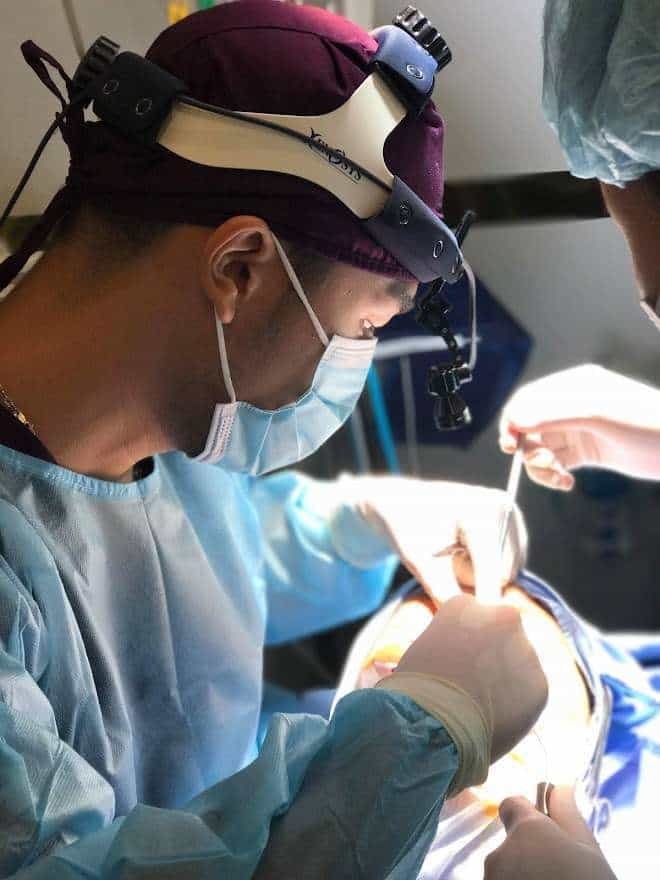
During the procedure, which is performed under general anesthesia, a surgeon removes the excess weight and reshapes the remaining breast tissue. The areola and nipple are often repositioned higher on the breast mound for a natural appearance. The surgical approach depends heavily on your specific anatomy and the amount of tissue being removed.
Surgeons typically use one of two primary techniques. The vertical or "lollipop" pattern includes an incision around the areola and straight down to the breast crease, suitable for moderate reductions. For larger reductions, an inverted-T or "anchor" pattern is often utilized, adding an incision along the natural crease beneath the breast. Your surgeon will discuss which method provides the safest and most effective outcome based on your body structure.
How much does a breast reduction cost in Vietnam compared to other countries?
This price difference is primarily due to lower costs of living, reduced administrative overhead, and favorable exchange rates, rather than a reduction in medical material quality. However, it is vital to remember that these figures are strictly estimates. The final price can vary depending on the complexity of the operation, the specific facility chosen, and the fees of the attending surgeon and anesthesiologist.
When budgeting for your trip, you must factor in additional expenses beyond the surgery itself. These include round-trip airfare, accommodation for two to three weeks, pre-operative testing fees, post-operative garments, medications, and potential medical travel insurance. Obtaining a detailed, itemized quote from your chosen provider is an essential step before committing to travel.
| Destination | Estimated Cost Range (USD) |
|---|---|
| Vietnam | $2,500 - $4,500 |
| Thailand | $3,500 - $5,500 |
| United States | $7,000 - $12,000+ |
| Australia | $8,000 - $14,000+ |
*Note: Prices are approximate estimates and vary by clinic, patient needs, and current exchange rates.
Who is considered a suitable candidate for reduction mammoplasty?
Medical professionals evaluate patients based on both physical symptoms and overall health. If overly large breasts restrict your ability to exercise, cause chronic pain, or lead to ongoing skin irritation, you may benefit from this procedure. Your surgeon will require a comprehensive medical history to ensure you do not have underlying conditions that could impair healing.
Certain factors can delay or contraindicate surgery. Patients who are significantly overweight may be advised to reach a stable weight before undergoing the procedure, as weight fluctuations can alter surgical results. Furthermore, active smokers are often required to quit entirely for several weeks before and after surgery to reduce the risk of severe tissue necrosis and delayed healing.
How can patients find a reputable breast reduction clinic in Vietnam?
Safety should remain your primary concern when researching options abroad. Look for facilities that adhere to international healthcare standards, such as those accredited by the Joint Commission International (JCI). These accreditations indicate that a facility meets rigorous safety, hygiene, and patient care benchmarks.
Equally important are the surgeon's qualifications. Verify whether your prospective surgeon has specialized training in plastic and reconstructive surgery and belongs to recognized bodies like the International Society of Aesthetic Plastic Surgery (ISAPS). During virtual consultations, ask detailed questions about their experience with reduction mammoplasty, their protocol for handling emergencies, and what post-operative care they provide during your stay in the country.
Important Consideration
Never base your healthcare decisions solely on pricing or social media marketing. Always prioritize clinical transparency, medical credentials, and verifiable patient safety records.
What are the potential risks and complications of breast reduction?
It is essential to understand that no surgery is entirely risk-free. While many patients experience smooth recoveries, potential medical complications must be weighed against the benefits. Discussing these openly with a qualified healthcare provider allows for informed consent.
- Scarring: Incision lines are permanent. While they typically fade over time, their final appearance varies significantly by individual.
- Sensation Changes: Temporary or permanent loss of sensation in the areola, nipple, or surrounding skin can occur.
- Asymmetry: Breasts may heal slightly unevenly in shape or size, occasionally requiring minor revision surgery.
- Wound Healing Issues: Poor healing or tissue necrosis (tissue death) can occur, particularly in smokers or those with compromised blood flow.
- Breastfeeding Limitations: The ability to breastfeed may be impacted, depending on the surgical technique utilized.
How long does recovery take before flying home from Vietnam?
The first few days following the operation involve significant rest. You will likely experience soreness, swelling, and bruising. Surgeons often require patients to wear a specialized surgical support bra around the clock to minimize swelling and support the healing tissues. During this initial phase, you will have several follow-up appointments to check incision healing and remove any surgical drains.
Flying too soon after major surgery poses a serious risk of blood clots. Your surgeon must explicitly clear you for air travel before you board a flight home. Once cleared, you will need to take precautions during the journey, such as staying hydrated, taking short walks down the airplane aisle, and wearing compression garments if advised by your medical team.
What preoperative tests and evaluations are typically required?
Comprehensive medical screening is a standard safety measure for any elective surgery. You may be asked to complete some of these tests in your home country before traveling, allowing the surgical team to review your results in advance. Upon arriving at the clinic, a secondary physical evaluation and consultation will confirm your surgical plan.
During these evaluations, your surgeon will review your current medications. You may be instructed to pause certain supplements and medications, such as aspirin, ibuprofen, or herbal blood thinners, several weeks prior to surgery to reduce the risk of excessive bleeding. Transparency regarding your medical history is critical to preventing intraoperative complications.
What follow-up care is necessary after returning home?
Full recovery from a breast reduction can take several months. While you may return to non-strenuous work within two to three weeks, heavy lifting, vigorous exercise, and high-impact activities must be avoided for at least four to six weeks. Adhering to your surgeon's specific timeline helps prevent stretching of the incisions and minimizes internal bleeding risks.
Before traveling abroad, it is highly advisable to establish a connection with a local healthcare provider who is willing to take over your post-operative monitoring. If you develop a fever, unusual swelling, excessive pain, or signs of infection after flying home, having immediate access to local medical support is critical.
How does medical tourism in Vietnam operate for plastic surgery?
The infrastructure supporting cross-border healthcare in Vietnam has developed significantly. Facilities targeting international patients recognize the unique challenges of traveling for medical care and often streamline the consultation, admission, and post-operative processes. They focus on maintaining clear communication channels from the initial inquiry through to remote follow-ups after you return home.
While the prospect of combining surgery with tourism is a common marketing angle, patients must separate the two. A breast reduction is a major medical intervention, not a spa treatment. Your time in Vietnam will be focused entirely on medical preparation, the procedure itself, and resting inside a hotel or recovery facility. Sightseeing should be done strictly before the operation, if at all.
Why Choose PlacidWay for Medical Tourism Research?
Navigating international healthcare options can be complex. PlacidWay serves as a global medical tourism platform to help patients gather information.
- Extensive Directories: Access comprehensive profiles of medical centers and specialists worldwide.
- Direct Communication: Facilitates initial contact between patients and international healthcare providers.
- Informational Resources: Offers educational guides regarding various medical procedures and popular destinations.
- Provider Transparency: Allows patients to view available accreditations and credentials listed by clinics.
- Cost Comparisons: Helps patients gather estimated pricing quotes from multiple global clinics to make informed budgeting decisions.
Frequently Asked Questions
Do doctors and medical staff in Vietnam speak English?
Many private hospitals and clinics catering to international patients employ English-speaking surgeons and staff. Some facilities also provide dedicated medical interpreters to ensure clear communication throughout your treatment.
Can I combine my breast reduction with a holiday in Vietnam?
While you can enjoy mild sightseeing before your surgery, post-operative recovery requires rest. Activities like swimming, sunbathing, or strenuous travel must be strictly avoided after surgery to prevent infection and complications.
Will a breast reduction affect my ability to breastfeed?
Breast reduction surgery can impact your ability to breastfeed, depending on the surgical technique used. Procedures that preserve the connection between the nipple and breast tissue offer a better chance, but breastfeeding cannot be guaranteed.
Is there a specific BMI requirement for breast reduction surgery?
Most surgeons prefer patients to have a stable Body Mass Index (BMI) below 30 to minimize anesthesia risks and wound healing complications. A significantly high BMI may lead a surgeon to delay the procedure.
How long will surgical drains stay in after the procedure?
If surgical drains are used, they are typically removed by the medical team within 2 to 5 days post-surgery, before you are cleared to travel back to your home country.
What type of anesthesia is used for breast reduction?
Breast reduction is almost always performed under general anesthesia. You will be completely asleep and monitored by an anesthesiologist throughout the entire operation.
Are the results of a breast reduction permanent?
The removal of tissue is permanent, but your breast size and shape can still change over time due to aging, significant weight fluctuations, or hormonal changes such as pregnancy.
Will I have visible scars after a breast reduction?
Yes, scarring is an unavoidable part of breast reduction. Scars typically fade over months or years, and experienced surgeons place incisions in areas easily hidden by bras or swimsuits.
Do I need a medical visa to travel to Vietnam for surgery?
Most international patients travel to Vietnam using a standard tourist visa, which generally covers the two-to-three-week stay required for surgery and initial recovery. Always check current visa regulations for your nationality.
What happens if I experience complications after flying home?
If complications arise after returning home, you should immediately consult a local doctor or visit an emergency room. It is highly recommended to arrange a local physician willing to handle your post-operative care before you travel abroad.
Compare Treatment Options Worldwide
Gather information, review clinic credentials, and request treatment estimates to help you make an informed decision regarding your medical care abroad.
Request Treatment InformationReferences
- Breast Reduction Surgery Overview – American Society of Plastic Surgeons (ASPS)
- Breast Reduction Patient Guide – International Society of Aesthetic Plastic Surgery (ISAPS)
- Breast Reduction: What to Expect – Mayo Clinic
- Reduction Mammoplasty Details and Recovery – Cleveland Clinic
- Breast Reduction Health Advice – National Health Service (NHS)
- Complications and Outcomes in Reduction Mammaplasty – PubMed (National Library of Medicine)


























Share this listing