
The Rise of Cosmetic Surgery in Vietnam
Patients choose cosmetic surgery in Vietnam due to highly skilled surgeons, modern medical facilities, and affordability. It offers quality aesthetic procedures at a fraction of Western prices, combining healthcare with a rich cultural experience.

Key Takeaways
- Patients can frequently find cost estimates up to 60 percent lower than in North America or Europe.
- Many professionals undergo advanced international training or fellowships.
- Major cities like Ho Chi Minh City and Hanoi host modern facilities catering specifically to international patients.
- Proper vetting of provider credentials and facility licensing is essential for safety.
- Post-operative recovery mandates staying locally for one to two weeks before flying.
What Is the Average Cosmetic Surgery Cost in Vietnam?
The cosmetic surgery cost in Vietnam is typically 40 to 60 percent lower than in Western nations. These estimates fluctuate based on the specific intervention, clinic location, and the surgeon expertise level.
When evaluating financial estimates, patients must consider that the baseline price often covers the surgical fee, but additional costs may apply. Comprehensive budgeting should account for facility fees, anesthesia, necessary medical imaging, pre-operative blood work, and post-operative medications. Always request a detailed, itemized quote during your initial consultation.
The affordability found in this region does not inherently indicate a reduction in medical quality. Instead, the lower costs are a direct reflection of regional economic factors, such as reduced operational overhead, lower malpractice insurance premiums, and a generally lower cost of living compared to major Western metropolitan areas.
Patients should also factor in non-medical expenses when planning their budget. Travel costs, temporary local accommodation, daily meals, and potential visa fees must be calculated alongside the medical quote to ensure a realistic understanding of the total financial commitment required.
| Procedure Type | Estimated Cost in US | Estimated Cost in Vietnam |
|---|---|---|
| Rhinoplasty | $6,000 - $9,000 | $1,500 - $3,500 |
| Breast Augmentation | $7,000 - $10,000 | $3,000 - $5,000 |
| Liposuction | $5,000 - $8,000 | $1,800 - $4,000 |
How Does Medical Tourism in Vietnam Compare to Other Asian Hubs?
Medical tourism in Vietnam has rapidly emerged as a competitive alternative to established hubs like Thailand or South Korea. It offers comparable modern technology and skilled practitioners but often at a more accessible price point.
While nations like South Korea have long dominated the aesthetic landscape in Asia, Vietnam has heavily invested in updating its private healthcare infrastructure. Private hospitals in major urban centers now frequently feature modern surgical suites, advanced diagnostic imaging, and luxurious recovery rooms designed specifically for international visitors.
The level of personalized care is another distinguishing factor. Many patients report that the lower volume of medical tourists compared to saturated markets allows for longer consultation times and more dedicated attention from surgical teams, fostering a supportive environment during the pre-operative planning phase.
Furthermore, the destination itself provides a distinct cultural appeal. For patients who wish to recover in a serene environment after their initial critical healing phase, the country offers tranquil coastal regions and rich culinary experiences, making the overall journey a holistic experience rather than just a clinical visit.
Did You Know?
Many private hospitals catering to international patients hold international accreditations or strictly adhere to global quality control standards, significantly elevating the baseline of care available to medical travelers.
How to Choose a Reliable Cosmetic Surgery Clinic in Vietnam?
Selecting a reputable cosmetic surgery clinic in Vietnam requires diligent research into the facility licensure, the specific qualifications of the operating surgeon, and a clear understanding of their safety protocols.
- Verify Ministry of Health Approval: Ensure the facility holds a valid operating license from the Vietnamese Ministry of Health, which indicates they meet the baseline national standards for medical care.
- Examine Surgeon Credentials: Request proof of the surgeon medical degree, specific residency training in plastic surgery, and any international fellowships or memberships in recognized aesthetic societies.
- Review Facility Standards: Prioritize centers that operate within full-scale hospitals or accredited ambulatory surgical centers that are equipped with intensive care units for emergency situations.
- Assess Communication Capabilities: Choose a facility where you can easily communicate with your primary provider in English, preventing critical misunderstandings regarding your goals or medical history.
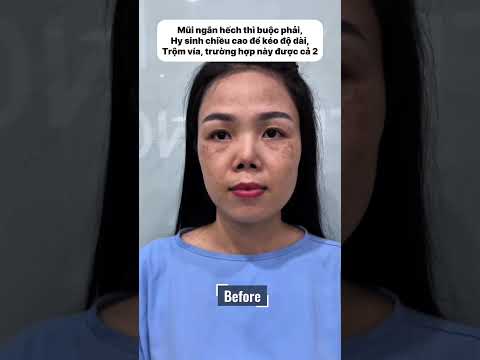
- Evaluate Before and After Portfolios: Ask to see comprehensive, unedited portfolios of previous patients who had similar body types and requested similar outcomes to assess the surgeon aesthetic style.
What Are the Most Popular Types of Cosmetic Surgery in Vietnam?
The most frequently requested types of cosmetic surgery in Vietnam include advanced rhinoplasty, breast augmentation using recognized implant systems, body contouring procedures, and intricate facial rejuvenation techniques.
Facial procedures, particularly rhinoplasty and blepharoplasty, are highly sought after. Surgeons in this region are especially adept at techniques suited for Asian anatomical features, often utilizing autologous cartilage grafts to build structure safely, though they are equally trained in providing customized outcomes for Western patients.
Breast augmentation and body contouring, including liposuction and abdominoplasty, also represent a large portion of medical tourism requests. Reputable centers emphasize the use of FDA-cleared or CE-marked medical devices and implants, ensuring that international patients receive materials that meet strict global safety regulations.
Non-surgical aesthetic enhancements such as dermal fillers, neurotoxins, and laser resurfacing are often combined with surgical interventions. These complementary treatments allow patients to achieve comprehensive rejuvenation while taking advantage of the cost efficiencies provided by the local healthcare market.
What Medical and Travel Documents Are Needed?
Patients traveling for medical interventions must prepare a valid passport with sufficient remaining validity, secure the correct entry visa, and organize comprehensive medical records for their overseas provider.
International travel requires a passport valid for at least six months beyond your planned date of departure. Depending on your citizenship, you may need to apply for an electronic visa (eVisa) prior to arrival. It is crucial to verify current entry requirements directly through official government consular websites to avoid border delays.
Medically, you must provide your chosen surgical center with comprehensive health records. This includes recent blood test results, electrocardiograms if requested, details of pre-existing conditions, and a complete list of daily medications or supplements, as some can interfere with anesthesia or blood clotting.
Additionally, obtaining specialized medical tourism insurance is highly recommended. Standard travel insurance rarely covers complications arising from elective aesthetic procedures. Specialized policies can help mitigate financial risks associated with unexpected medical emergencies, trip cancellations, or extended hotel stays due to prolonged recovery.
Important Consideration
Always disclose your full medical history truthfully. Omitting details about smoking habits, previous surgeries, or recreational drug use can severely compromise your safety during anesthesia and impede the healing process.
Is It Safe to Travel for Aesthetic Procedures in Vietnam?
Undergoing operations abroad carries inherent risks, but safety can be optimized by selecting licensed facilities, verifying specialist credentials, and strictly adhering to pre- and post-operative medical guidelines.
- Facility Standards: Safety begins with the environment. Opt for providers that maintain rigorous sterilization protocols, possess backup power systems, and have immediate access to emergency medical support.
- Deep Vein Thrombosis Risks: Long-haul flights increase the risk of blood clots. Patients must follow their doctor advice regarding mobility, hydration, and the timing of their flights relative to the surgery date.
- Infection Control: Tropical climates require diligent incision care. Patients must follow specific wound care instructions, avoid public swimming pools, and attend all scheduled follow-up appointments.
- Realistic Expectations: Mental and emotional safety is also vital. A thorough virtual consultation can ensure that the patient and surgeon are aligned on achievable outcomes, reducing post-operative dissatisfaction.
- Continuity of Care: Establish a clear protocol for post-operative communication before you leave. Knowing how to reach your medical team in an emergency provides peace of mind during recovery.
What Should I Expect During Recovery in Vietnam?
Recovery timelines vary significantly by procedure, typically requiring patients to stay locally for 7 to 14 days to allow for initial healing, mandatory follow-up appointments, and clearance to fly.
Immediately following the intervention, patients will experience varying degrees of swelling, bruising, and discomfort. Reputable facilities provide comprehensive pain management plans and may require an overnight stay in the clinic for close monitoring, especially after procedures involving general anesthesia.
During the initial week, patients must rest in their hotel or recovery retreat. While light walking is encouraged to promote circulation, rigorous activities, heavy lifting, and sun exposure to incision sites are strictly prohibited. You will need to attend scheduled check-ups where the surgeon will monitor healing and remove any drains or sutures.
It is vital to arrange comfortable accommodation prior to travel. Many patients opt for hotels that are in close proximity to their medical center and offer amenities such as room service and ground floor access, which can drastically improve comfort during the most challenging days of the healing process.
How Are Cosmetic Surgeons Trained in Vietnam?
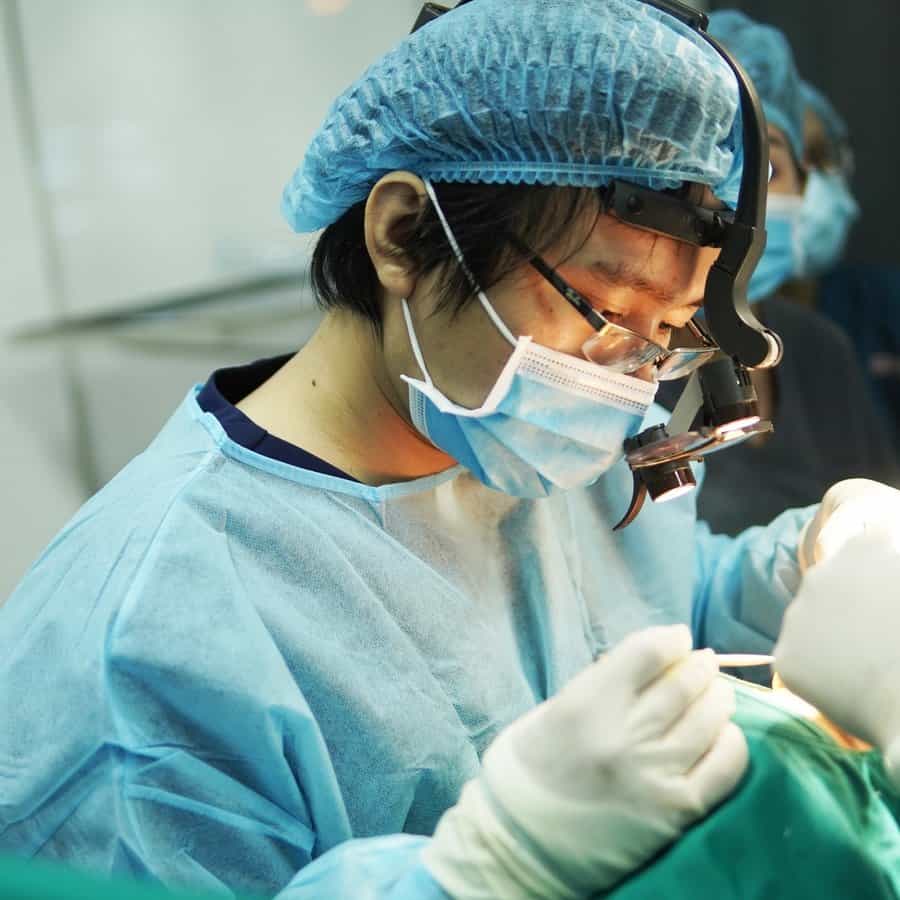
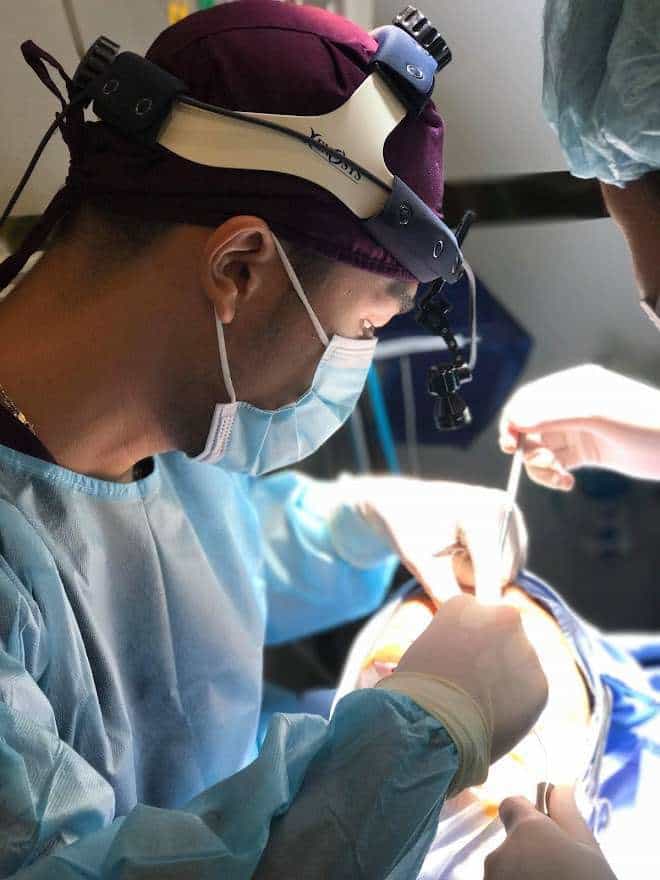
Reputable practitioners hold medical degrees from recognized universities, followed by specialized residency programs, with many leading surgeons actively pursuing additional fellowships or board certifications internationally.
The educational pathway involves rigorous undergraduate medical training, followed by specialized residency programs focused on plastic and reconstructive techniques. The Ministry of Health oversees medical licensing, ensuring practitioners meet specific national clinical requirements before operating independently.
To stay competitive in the global medical tourism market, many dedicated professionals seek continued education abroad. It is common to find practitioners who have completed specialized fellowships in the United States, South Korea, or Europe, bringing advanced techniques and global standards back to their local practices.
Patients are encouraged to independently verify a provider background. Asking for a curriculum vitae, checking affiliations with international organizations such as ISAPS (International Society of Aesthetic Plastic Surgery), and discussing their specific experience with your desired procedure are critical steps in the vetting process.
Why Choose PlacidWay to Compare Cosmetic Surgery Options?
PlacidWay provides an extensive educational platform allowing patients to compare international facilities, review physician profiles, and gather necessary information to make educated decisions about their healthcare journey.
- Comprehensive Directory: Access a curated list of medical centers and aesthetic specialists, making it easier to filter options based on the specific treatments you require.
- Detailed Provider Profiles: Review the educational background, professional credentials, and facility capabilities of prospective providers before making initial contact.
- Transparent Cost Estimates: Obtain preliminary pricing information and customized quotes to help you accurately plan your healthcare budget without hidden surprises.
- Direct Communication Channels: Utilize the platform to establish direct contact with medical teams, enabling you to ask clinical questions and request virtual consultations.
- Extensive Educational Resources: Access a wealth of informational articles, patient guides, and safety checklists designed to help you navigate international healthcare standards.
Frequently Asked Questions
How long do I need to stay in Vietnam for cosmetic surgery?
The required stay varies depending on the procedure. Minor surgeries might require 5 to 7 days, while more extensive surgeries often necessitate a 10 to 14 day stay to ensure proper healing and clearance for air travel.
Are internationally recognized implants used in Vietnam?
Yes, reputable facilities typically utilize FDA-cleared or CE-marked implants and medical materials, ensuring they meet global safety standards. Always verify the specific brands with your chosen provider.
Can I combine my cosmetic procedure with a vacation in Vietnam?
While you can enjoy the local culture, it is highly advised to schedule any rigorous tourist activities before your procedure. Post-operative time should be strictly dedicated to rest and recovery.
Do clinic staff and surgeons in Vietnam speak English?
Many major facilities catering to international patients employ bilingual staff and surgeons who communicate effectively in English. Some centers also provide translation services if needed.
What happens if there is a complication after I return home from Vietnam?
Patients should establish a relationship with a local primary care physician or specialist before traveling. In the event of late complications, local medical intervention is necessary, though your overseas surgeon may provide remote consultation.
How much can I save on cosmetic surgery in Vietnam?
Patients typically see estimated savings of 40 to 60 percent compared to prices in North America or Western Europe. These savings reflect regional economic differences rather than a compromise in medical standards.
Are cosmetic surgery results guaranteed in Vietnam?
No medical procedure carries a guarantee. Individual healing, adherence to aftercare, and anatomical differences mean that results vary from patient to patient, regardless of the location.
What is the best time of year to visit Vietnam for surgery?
Many patients prefer visiting during the dry seasons, which vary by region. The cooler, less humid months can make the post-operative recovery period more comfortable, especially when wearing compression garments.
Can I fly immediately after undergoing cosmetic surgery?
Flying immediately is generally restricted due to the increased risk of deep vein thrombosis and pressure changes affecting incisions. Surgeons typically require patients to wait at least a week before boarding a flight.
Are consultations available before traveling to Vietnam?
Yes, many modern healthcare facilities offer preliminary virtual consultations. This allows patients to discuss goals, share medical histories, and receive preliminary treatment plans before booking any international travel.
Compare Cosmetic Surgery Options Today
Explore detailed clinic profiles, check surgeon credentials, and request comprehensive treatment information to make an educated decision regarding your healthcare.
Request InformationReferences
- Patient Safety Guidelines – International Society of Aesthetic Plastic Surgery (ISAPS)
- Medical Tourism Travel Information – Centers for Disease Control and Prevention (CDC)
- Health and Travel – World Health Organization (WHO)
- Patient Safety Information – American Society of Plastic Surgeons (ASPS)
- Patient Resources for International Healthcare – Joint Commission International (JCI)
- Risks and Complications in Medical Tourism – PubMed (National Institutes of Health)
.jpg)





.png)
.png)



.png)
.png)
.png)










Share this listing