
Cost of Plastic Surgery in Vietnam
The plastic surgery cost in Vietnam typically ranges from $1,500 to $8,000 depending on the procedure's complexity. For instance, rhinoplasty often averages $1,500 to $3,000, while breast augmentation may range from $3,000 to $5,000. Prices vary based on surgeon expertise and clinic location.

Key Takeaways
- The plastic surgery cost in Vietnam is generally lower than in North America, largely due to differences in the cost of living and operational overhead.
- Popular procedures for medical tourism in Vietnam include rhinoplasty, eyelid surgery, and body contouring.
- Thoroughly researching a plastic surgery clinic in Vietnam and verifying surgeon credentials is essential for patient safety.
- Patients should anticipate staying in the country for 7 to 14 days post-surgery to ensure proper medical clearance before flying.
- Total budget planning must include travel, accommodations, pre-operative testing, and potential post-operative care upon returning home.
What is the average plastic surgery cost in Vietnam compared to the US?
Patients can often save between 40% to 60% on the plastic surgery cost in Vietnam compared to the US, though this depends heavily on the specific procedure and clinic.
In the United States and many Western countries, elective aesthetic procedures carry a significant financial burden. High facility fees, elevated costs for medical supplies, and substantial surgeon fees contribute to pricing that can put surgery out of reach for many individuals.
Conversely, the healthcare economic structure and lower general cost of living allow a plastic surgery clinic in Vietnam to offer services at a reduced rate. These savings are typically passed on to the patient without necessarily reflecting a reduction in the standard of care, provided the clinic is properly accredited.
However, prospective patients must evaluate the complete financial picture. The quoted plastic surgery cost in Vietnam rarely encompasses the entirety of the trip. Airfare, extended hotel stays for recovery, medical travel insurance, and potential expenses for managing delayed complications in the patient's home country must be factored into the overall budget.
Which procedures are most popular for plastic surgery in Vietnam?
The most frequently requested options for plastic surgery in Vietnam include rhinoplasty, blepharoplasty (eyelid surgery), breast augmentation, and various forms of body contouring.
A significant portion of patients traveling for medical tourism in Vietnam seek out facial procedures. Asian rhinoplasty and double eyelid surgery are particularly common, as many local specialists dedicate their practice to understanding and refining these specific anatomical structures.
Beyond facial aesthetics, body contouring procedures such as liposuction, tummy tucks (abdominoplasty), and breast augmentations draw considerable interest. Patients often seek these comprehensive procedures abroad to take advantage of the cost differences while recovering in a private setting away from home.
While these procedures are widely available, outcomes depend entirely on individual anatomy and health. Patients must undergo thorough virtual and in-person medical evaluations to determine if they are suitable candidates, as a responsible surgeon may refuse to perform surgery if the risks outweigh the potential aesthetic benefits.
Important Consideration
Surgical techniques and aesthetic standards can vary globally. Ensure that your expectations align with the surgeon's typical approach by thoroughly discussing your aesthetic goals and viewing a wide range of their previous cases before committing to a procedure.
How do I choose a safe plastic surgery clinic in Vietnam?
To find a reputable plastic surgery clinic in Vietnam, patients should verify the surgeon’s national licensing, check for international facility accreditations, and review emergency protocols.
Selecting a safe facility is the most critical step in planning medical travel. Patients should look for clinics that hold international accreditations, such as from the Joint Commission International (JCI), or those that can provide transparent proof of certification by the Vietnamese Ministry of Health.
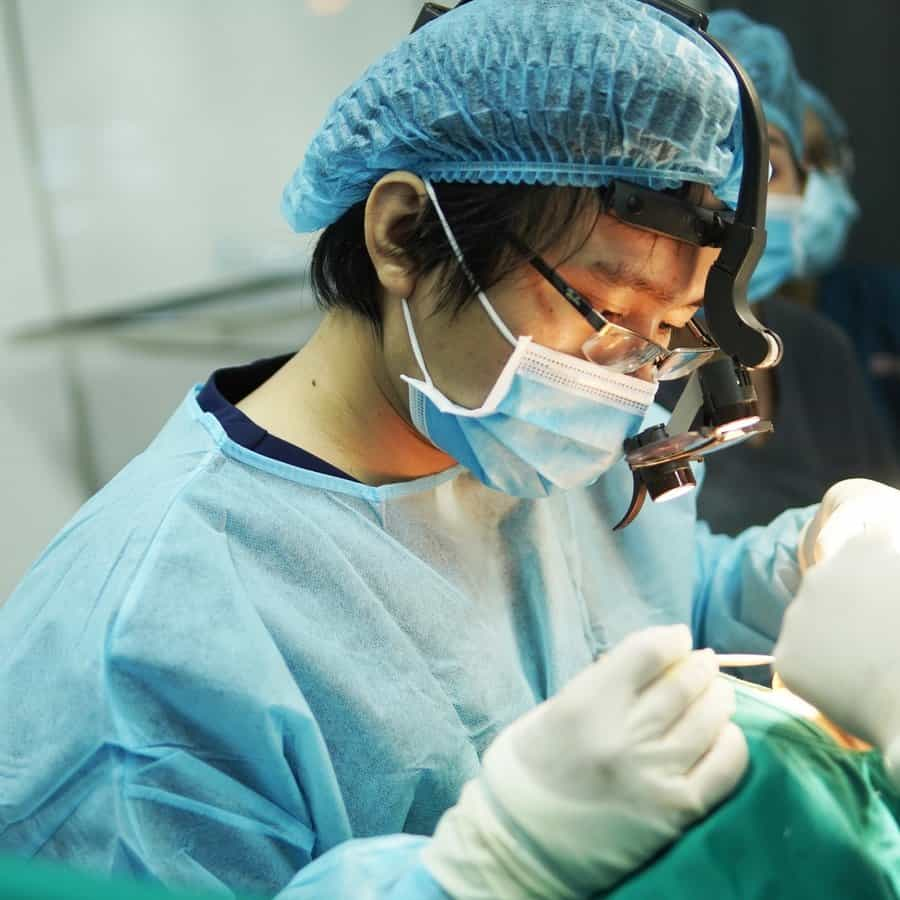
It is equally important to independently verify the surgeon's training. Confirm that they hold a valid license to practice in Vietnam and inquire about specialized training in plastic surgery. Memberships in recognized international organizations, such as the International Society of Aesthetic Plastic Surgery (ISAPS), can also be a helpful indicator of their commitment to global standards.
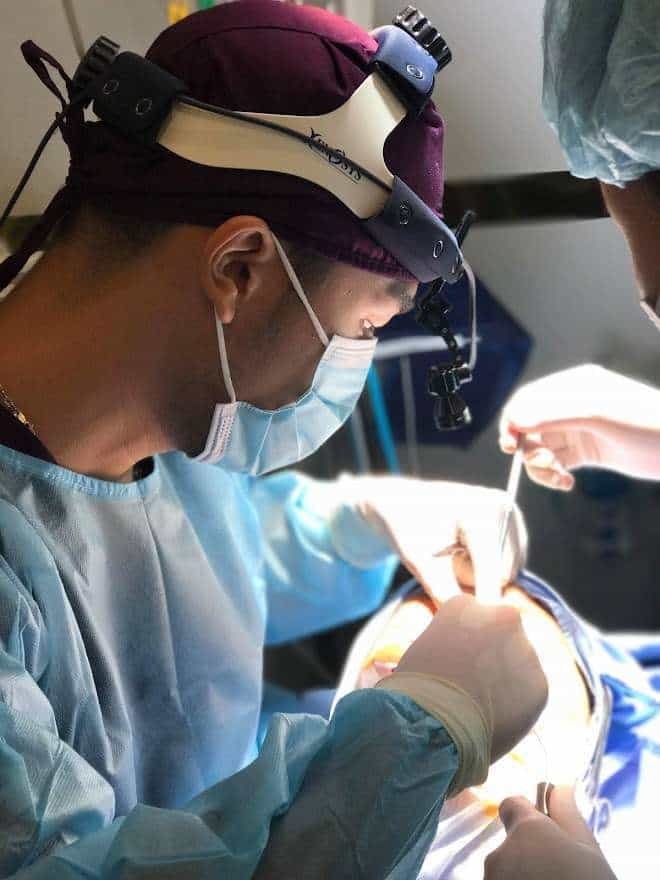
During consultations, patients must ask direct questions regarding patient safety. Inquire about the clinic's infection control measures, the type of anesthesia utilized, and whether the facility possesses an on-site intensive care unit (ICU) or a formal transfer agreement with a nearby major hospital in the event of a surgical emergency.
What factors influence the total plastic surgery cost in Vietnam?
The final plastic surgery cost in Vietnam fluctuates based on the surgeon’s experience, the clinic's geographic location, procedure complexity, and the quality of materials used.
When reviewing quotes from a plastic surgery clinic in Vietnam, it is helpful to understand the breakdown of the proposed fees. Estimates typically vary based on several key elements:
- Surgeon's Expertise: Highly experienced surgeons or those with extensive international training generally command higher professional fees.
- Facility Location and Type: Luxury clinics situated in the central districts of major cities like Ho Chi Minh City or Hanoi may charge more than smaller, regional facilities.
- Materials and Implants: The use of FDA-cleared or internationally recognized implant systems (for breast, chin, or facial augmentation) will significantly increase the overall price compared to generic alternatives.
- Anesthesia and Operating Fees: Complex surgeries requiring general anesthesia, longer operating room time, and overnight stays for medical observation contribute heavily to the final bill.
- Pre- and Post-Operative Care: Comprehensive blood tests, specialized compression garments, prescribed medications, and follow-up consultations should be itemized in the initial quote.
| Procedure Type | Estimated Cost in Vietnam (USD)* |
|---|---|
| Rhinoplasty (Standard to Complex) | $1,500 - $3,500 |
| Breast Augmentation (Implants) | $3,000 - $5,000 |
| Blepharoplasty (Upper/Lower Eyelid) | $800 - $1,500 |
| Liposuction (Per Area) | $1,500 - $3,000 |
*Disclaimer: These are estimated ranges only. Actual costs vary widely by clinic, patient complexity, and specific medical requirements.
What should I expect during recovery from plastic surgery in Vietnam?
Recovery from plastic surgery in Vietnam typically requires remaining in the country for 7 to 14 days for initial healing, suture removal, and medical clearance before flying.
The immediate post-operative period often involves swelling, bruising, fluid drainage, and varying degrees of physical discomfort. These symptoms are typically managed with prescribed medications and strict rest. A reputable clinic will provide comprehensive written instructions detailing how to care for surgical sites.
Patients are strongly advised against engaging in typical tourist activities during their recovery. Excessive sun exposure, strenuous walking, consuming unverified local street food, and swimming in pools or the ocean can jeopardize the healing process and significantly increase the risk of severe infections or complications.
A final local follow-up appointment is essential before traveling home. The surgeon needs to evaluate the healing trajectory, address any early signs of complications, remove drains or sutures, and provide clearance for air travel. Patients must secure a local physician back home who is willing to manage long-term follow-up care.
Did You Know?
Altitude changes and cabin pressure during long-haul flights can exacerbate post-operative swelling and increase the risk of blood clots. Always adhere strictly to your surgeon's timeline regarding when it is physically safe to board an airplane.
Is medical tourism in Vietnam safe for international patients?
While medical tourism in Vietnam can be safe, it requires rigorous planning, choosing certified medical facilities, and understanding the inherent risks of combining surgery with international travel.
The safety of traveling abroad for medical procedures depends largely on the patient's commitment to due diligence. Vietnam's private healthcare sector has grown considerably, and many facilities now cater specifically to international standards regarding hygiene, technology, and patient care protocols.
However, language barriers, differences in medical liability laws, and the physical stress of travel introduce risks that do not exist with domestic surgeries. If a complication arises after returning home, patients may face challenges in communicating with their original surgeon or holding the overseas facility legally accountable.
Before committing to medical tourism in Vietnam, patients should consult their local primary care physician. Full medical history disclosure to the overseas clinic is vital. Additionally, securing specialized medical travel insurance that explicitly covers potential surgical complications abroad is strongly recommended.
Do clinics offering plastic surgery in Vietnam include travel packages?
Many facilities specializing in medical tourism in Vietnam offer comprehensive packages that may bundle airport transfers, hotel accommodations, and translator services with the surgical fee.
To provide a smoother experience for international clients, numerous clinics partner with local hotels or recovery houses. These bundled services aim to reduce the logistical stress of navigating an unfamiliar city during the vulnerable post-operative recovery phase.
These packages can make the overall plastic surgery cost in Vietnam seem highly attractive and convenient. Having pre-arranged transportation for clinic follow-ups and a comfortable environment tailored for recuperating patients can be highly beneficial.
Despite the convenience, patients should always request a fully itemized breakdown of any package. It is critical to know exactly how much of your budget is being allocated to the actual medical care, surgeon fees, and facility costs versus the hospitality components, to accurately gauge the quality of the medical services provided.
What are the common risks associated with plastic surgery in Vietnam?
Risks associated with plastic surgery in Vietnam are similar to those worldwide and may include infection, scarring, anesthesia reactions, and unsatisfactory aesthetic outcomes.
Surgical complications can occur regardless of geographic location or the surgeon's skill level. Hematomas (blood pooling), seromas (fluid accumulation), poor wound healing, and noticeable scarring are potential issues that require prompt medical attention and careful management.
When engaging in medical tourism in Vietnam, the risk landscape is altered by the distance from the operating surgeon once the patient flies home. Managing delayed complications may require finding a local specialist willing to take over post-operative care, which can be both challenging and expensive, as domestic insurance often will not cover complications from elective overseas procedures.
Furthermore, Deep Vein Thrombosis (DVT) is a particular concern for medical tourists. The combination of major surgery, reduced mobility during recovery, and long-haul flights significantly increases the risk of blood clots. Adhering to strict medical guidelines for travel is mandatory.
Why Choose PlacidWay for planning your medical tourism in Vietnam?
PlacidWay assists patients in exploring options for medical tourism in Vietnam by providing access to clinic profiles, direct communication tools, and educational resources.
Navigating the global healthcare landscape can be overwhelming. PlacidWay offers a platform designed to help patients research and connect with international providers. Here is how the platform can assist in your planning:
- Comprehensive Provider Profiles: Access detailed information about various clinics, including their listed credentials, facility accreditations, and the specific procedures they offer.
- Direct Communication Channels: The platform facilitates direct inquiries, allowing you to ask specific questions about the plastic surgery cost in Vietnam and treatment plans straight from the clinics.
- Destination Comparison: PlacidWay allows you to compare multiple international destinations and healthcare facilities, helping you find an option that aligns with your specific needs.
- Educational Resources: Benefit from a library of patient guides, articles, and checklists designed to help you make informed decisions about your medical journey.
- Streamlined Research: By consolidating information into one accessible portal, PlacidWay reduces the time and effort required to begin your search for international medical care.
Frequently Asked Questions (FAQs)
Do plastic surgeons in Vietnam speak English?
Many surgeons working in facilities that cater to medical tourism in Vietnam speak English. However, clinics often provide or require medical translators to ensure clear communication regarding complex medical terms and patient expectations.
How long should I stay in Vietnam after plastic surgery?
Patients are typically advised to stay in Vietnam for 7 to 14 days post-surgery, depending on the complexity of the procedure. This allows time for suture removal, initial healing, and clearance from the surgeon before flying.
Can I combine multiple procedures during plastic surgery in Vietnam?
Combining procedures may be possible if deemed medically safe by the attending surgeon. However, this increases surgical time and potential risks, and not all patients are suitable candidates for multiple concurrent surgeries.
Are implants used in Vietnam FDA-cleared?
Many reputable clinics offer internationally recognized or FDA-cleared implant systems. Patients should actively request to see the packaging and verify the brand and certification of any materials used during their treatment.
What payment methods do clinics in Vietnam accept?
Most international clinics accept major credit cards, wire transfers, and cash. It is important to ask about currency conversion rates and potential hidden fees for card transactions before committing to a payment plan.
Is revision surgery included in the initial plastic surgery cost in Vietnam?
Revision surgeries are typically not included in the standard plastic surgery cost in Vietnam. Patients should thoroughly discuss revision policies and potential associated costs with the clinic prior to their initial procedure.
Do I need a visa for medical tourism in Vietnam?
Visa requirements for medical tourism in Vietnam depend on your citizenship. Many international travelers require a tourist or medical visa, which should be arranged well in advance of the planned travel dates.
How soon can I fly after having plastic surgery in Vietnam?
Flying too soon after surgery increases the risk of deep vein thrombosis (DVT). Most surgeons recommend waiting 1 to 2 weeks, but the exact timeline varies based on the specific procedure and the patient's individual healing progress.
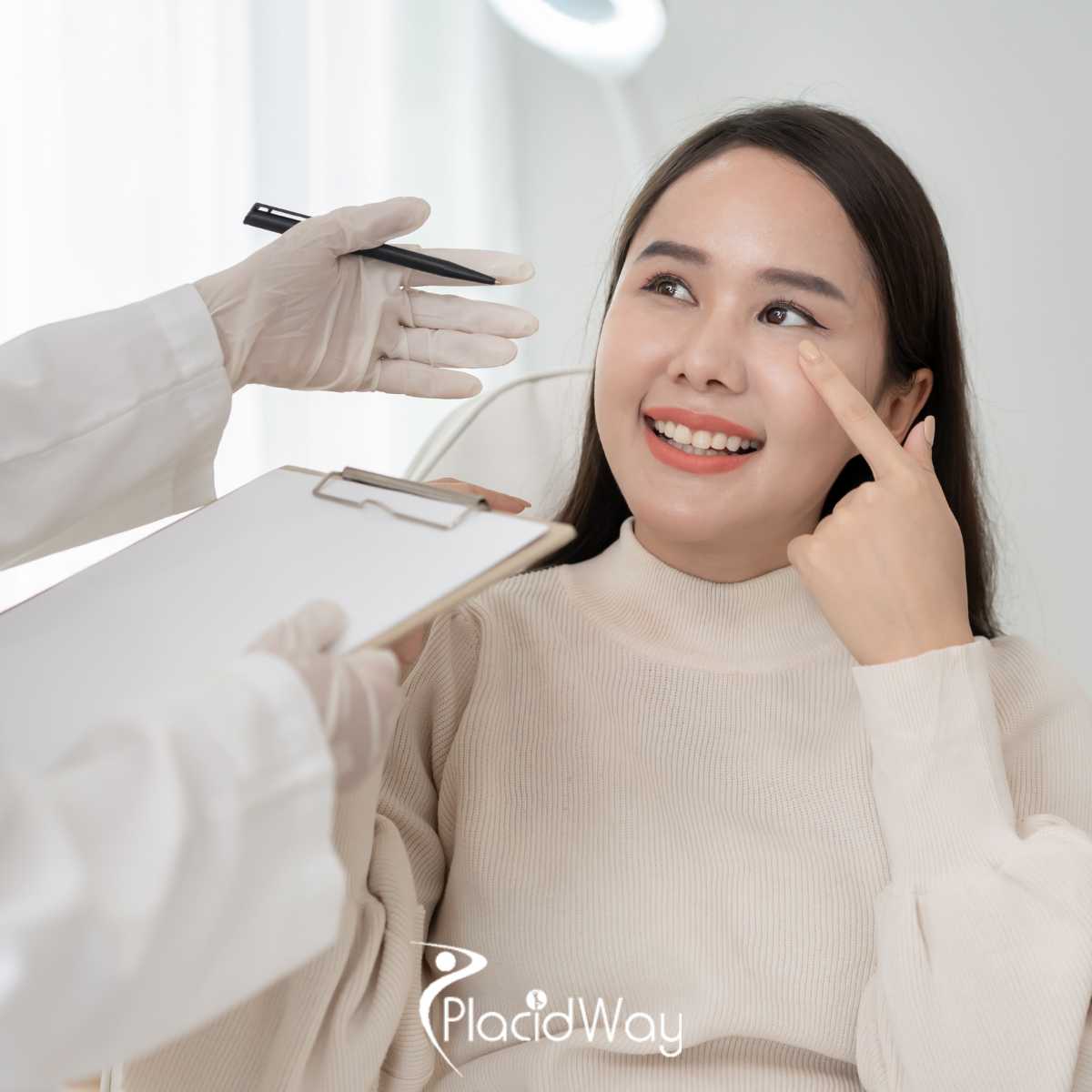
What is the consultation process like at a plastic surgery clinic in Vietnam?
The process often begins with a virtual consultation where patients share photos and medical history. This is followed by a comprehensive in-person examination, blood tests, and pre-operative assessments upon arrival at the clinic.
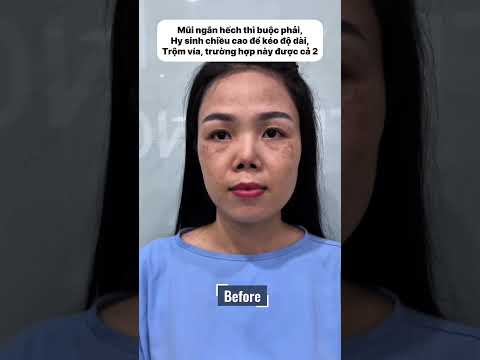
Are before and after photos reliable indicators of a surgeon's skill?
While before and after photos can showcase a surgeon's aesthetic style, they are not guarantees of your outcome. Lighting, camera angles, and individual anatomical differences mean that surgical results vary significantly from person to person.
Ready to Explore Your Options?
Connect with reputable clinics and receive estimated costs for your desired procedures. Start planning your medical journey with confidence today.
Request Treatment InformationReferences
- Medical Tourism: Travel to Another Country for Medical Care – Centers for Disease Control and Prevention (CDC)
- Patient Safety in Plastic Surgery – American Society of Plastic Surgeons (ASPS)
- International Patient Safety Guidelines – International Society of Aesthetic Plastic Surgery (ISAPS)
- Cosmetic Surgery: What to know beforehand – Mayo Clinic
- Plastic and Cosmetic Surgery Information – MedlinePlus (National Library of Medicine)
- Cosmetic Surgery Overview and Risks – Cleveland Clinic
























Share this listing