

Contents
Thailand has long been recognized as a global epicenter for plastic surgery, but recently it has emerged as a premier destination specifically for the Brazilian Butt Lift (BBL). Patients from Australia, Europe, and North America are flocking to "The Land of Smiles" not just for the tropical allure, but for a medical infrastructure that rivals the best in the West.
A BBL in Thailand offers a dual benefit: body contouring and volume enhancement. Thai surgeons are renowned for their meticulous liposuction techniques, sculpting the waist and abdomen to harvest fat before purifying it and strategically injecting it into the buttocks. This creates that coveted hourglass figure that looks natural and feels soft to the touch.
What sets Thailand apart is the exceptional standard of care combined with rigorous safety protocols. Leading Thai hospitals often employ ultrasound-guided injection techniques to ensure fat is placed safely above the muscle, mitigating risks significantly. Furthermore, the recovery experience here is unmatched—imagine healing in a luxury service apartment where 24/7 support is the standard, not an upgrade.
Whether you are looking for a subtle projection or a more dramatic curve, Thailand’s board-certified plastic surgeons combine artistry with medical precision to deliver life-changing results at a fraction of the cost found in Western countries.
Did You Know?
Thailand was the first country in Asia to achieve JCI (Joint Commission International) accreditation for a hospital. Today, it boasts over 60 JCI-accredited medical facilities, more than any other country in Southeast Asia, ensuring your BBL is performed in a facility meeting the highest global safety standards.
Key Insights at a Glance
Save up to 60% compared to Australia, the UK, or the USA, even when factoring in luxury accommodation.
Many Thai surgeons utilize VASER liposuction for smoother harvesting and higher fat survival rates.
Unlike Western outpatient centers, Thai packages often include 1-2 nights in the hospital for monitoring.
Nurses and medical staff are renowned for their gentle bedside manner and high English proficiency.
Seamless logistics from Bangkok’s Suvarnabhumi Airport to Phuket’s recovery resorts.
The "Medical Holiday" Concept
Thailand practically invented the "Medical Holiday." Many BBL patients spend their first week recovering in the hospital or a nearby hotel, and their second week relaxing at a beachside resort in Phuket or Pattaya. Just remember: no swimming allowed, but the sunset views are 100% compliant with your doctor's orders!
A stress-free journey begins with the right package. We have aggregated a selection of all-inclusive options from Thailand's top hospitals and clinics. These packages typically bundle the surgeon's fees, anesthesia, operating theater costs, and necessary post-op garments. Many premium options also include airport transfers, translation services, and hospital accommodation, ensuring you have no hidden costs upon arrival.
Note: Look for packages that include "compression garments" and at least one night of inpatient monitoring for the safest experience.

Price starting from $5,500
Brazilian Butt Lift Thailand Package at Asia Cosmetic Hospital Bangkok
Asia Cosmetic Hospital
- Cosmetic/Plastic Surgery
Bangkok, Thailand
While quality is paramount, affordability is a major draw. The table below outlines the estimated costs for BBL procedures in Thailand compared to Western prices. You will notice that even with travel expenses included, the total cost often remains significantly lower. These prices generally cover the liposuction of multiple areas (360 lipo) and the fat transfer itself.
Tip: Prices may vary depending on how many areas of liposuction are required to harvest enough fat for your desired result.
Brazilian Butt Lift Centers Cost Comparison in Thailand
| Provider | Procedure | Price |
|---|---|---|
| Asia Cosmetic Hospital | Brazilian Butt Lift, Cosmetic/Plastic Surgery | $5000 |
Brazilian Butt Lift Cost Comparison in Thailand
| Country | Procedure | Price |
|---|---|---|
| Canada | Brazilian Butt Lift, Cosmetic/Plastic Surgery | $10500 |
| United Kingdom | Brazilian Butt Lift, Cosmetic/Plastic Surgery | $8000 |
| United States | Brazilian Butt Lift, Cosmetic/Plastic Surgery | $12000 |
| Australia | Brazilian Butt Lift, Cosmetic/Plastic Surgery | $9000 |
We have curated a list of Thailand's most reputable medical centers that specialize in body contouring. These facilities range from massive, multi-specialty international hospitals in Bangkok to luxury boutique clinics in Phuket. All selected centers are vetted for their hygiene standards, modern technology (such as VASER or BodyTite), and international accreditation.
Safety First: The clinics listed prioritize sterile environments and have dedicated anesthesiologists for every procedure.
Bangkok Plastic Surgery Clinic
Bangkok, Thailand
DGB Plastic Surgery Clinic
Bangkok, Thailand
Asia Cosmetic Hospital
Bangkok, Thailand
SLC Clinics - Bangkok Best Plastic Surgery Hospital
Bangkok, Thailand
Capturing Beauty at The Klinique Surgery Center in Thailand
Bangkok, Thailand
Charismma Clinic - Plastic Surgery in Bangkok Thailand
Bangkok, Thailand
See the transformation for yourself. The video testimonials below feature real patients sharing their BBL journeys in Thailand. From the initial consultation to the "fluffing" stage of recovery, these honest accounts provide a visual and narrative understanding of what you can expect regarding the facility quality, pain management, and final aesthetic outcomes.
Insight: Watch for comments on the nursing staff—Thailand is famous for its attentive and compassionate post-op care.

There is no better endorsement than a happy patient. In this section, you can read verified reviews from individuals who traveled to Thailand for their BBL. Explore their feedback on surgeon communication, the comfort of the facilities, and their satisfaction with their new silhouette. These reviews are a critical tool in helping you select the right provider for your specific needs.
Review Tip: Look for reviews that mention long-term retention of fat, as this indicates the surgeon's technical skill.

What is the average Price of the Brazilian Butt Lift in Thailand?
The Brazilian Butt Lift (BBL) is a highly sought-after cosmetic procedure that enhances the size and shape of the buttocks using a patient's own body fat. This procedure involves liposuction to harvest fat from other areas of the body (like the abdomen, flanks, or thighs), followed by purification of the fat, and then strategic injection into the buttocks and hips to create a fuller, more contoured appearance. For many individuals seeking to achieve their aesthetic goals at a more accessible price point, Thailand has emerged as a premier destination for the Brazilian Butt Lift. How much does the Brazilian Butt Lift cost in Thailand? "The average cost of a Brazilian Butt Lift (BBL) in Thailand typically ranges from $4,000 to $8,000 USD. However, prices can start as low as $2,750 USD for a more basic BBL (potentially a mini BBL or lower volume transfer) and can go up to $12,000 USD or more for complex cases involving extensive liposuction from multiple areas or larger volume transfers." As of June 2025, this price range represents significant savings compared to Western countries. In the United States, a BBL can easily cost anywhere from $8,000 to $15,000 USD or more, excluding various associated fees that can drive the total significantly higher. The affordability in Thailand, combined with the presence of highly skilled plastic surgeons and modern facilities, makes it a very popular choice for international patients. What are the typical costs for a Brazilian Butt Lift (BBL) in Thailand? "The typical costs for a Brazilian Butt Lift (BBL) in Thailand fall within the range of $4,000 to $8,000 USD, with the price dependent on the amount of fat harvested and transferred, the number of liposuction areas, and the surgeon's expertise." The pricing for a BBL in Thailand is influenced by several factors related to the scope and complexity of the procedure. Here’s a general breakdown, accurate as of June 2025: Standard BBL (Moderate Volume Transfer): For a typical case involving fat harvesting from 1-3 areas (e.g., abdomen and flanks) and a moderate volume transfer to the buttocks, prices usually range from $4,000 to $6,500 USD. This is often the most common scenario for patients seeking noticeable contouring. High-Volume BBL / Complex Cases: If the procedure requires liposuction from many areas (e.g., abdomen, flanks, back, thighs, arms) to achieve a larger volume transfer or if the patient has significant pre-existing asymmetries, the cost can go up to $6,500 to $8,000 USD. These cases involve more extensive surgical time. Mini BBL / Lower Volume: For patients seeking a subtle enhancement or where less fat is available or needed, a "mini BBL" might be offered, potentially starting as low as $2,750 to $3,500 USD. This involves liposuction from fewer areas and a smaller fat transfer. Revision BBL: If a patient is seeking to correct issues from a previous BBL, a revision procedure can be more complex and may fall into the higher end of the range or above, depending on the specific corrective work needed. The final price will always be determined during a thorough consultation with a qualified plastic surgeon, who will assess your body, discuss your aesthetic goals, and determine the necessary liposuction areas and fat transfer volume. What is typically included in the cost of a Brazilian Butt Lift (BBL) in Thailand? "The cost of a Brazilian Butt Lift (BBL) in Thailand commonly includes the plastic surgeon's fee, anesthesiologist's fee, hospital or surgical center charges (including operating room use), and immediate post-operative care, with many reputable clinics offering comprehensive packages that may cover initial medications and compression garments." When receiving a quote for a BBL in Thailand, it's crucial to understand what specific services are covered to avoid unexpected expenses. Reputable clinics, particularly those catering to international patients, strive for transparency in their bundled pricing. Common inclusions are: Plastic Surgeon's Fee: This covers the expertise and time of the board-certified plastic surgeon performing your BBL, including both the liposuction and fat injection phases. Anesthesiologist's Fee: The cost of the anesthesia (typically general anesthesia for a BBL) and the professional services of the anesthesiologist who will monitor you throughout the surgery. Facility Fees: This includes the use of the operating room, recovery room, and any necessary medical supplies during the procedure. For a BBL, an overnight hospital stay (1-2 nights) is often included due to the extensiveness of the surgery. Pre-operative Consultations: Initial assessments with your surgeon, which may include physical exams, discussion of your aesthetic goals, and planning of liposuction areas and fat transfer volume. Basic Pre-operative Tests: Routine blood work, EKG, and sometimes other diagnostics needed for surgical clearance. Post-operative Garment(s): Compression garments for the liposuction areas and sometimes a specialized BBL pillow or garment to protect the fat transfer, are often provided. Initial Medications: Pain relief medication, antibiotics, and anti-swelling medication given during and immediately after the surgery and for your initial recovery. Follow-up Appointments: Immediate post-operative check-ups with your surgeon during your stay in Thailand, including drain removal (if applicable) and wound care. What is generally not included in the base price and should be budgeted separately: Travel and Accommodation: Flights, hotel stays (beyond the hospital stay), and local transportation (though some premium packages might include a recovery resort or airport transfers). Long-term Post-operative Care: Follow-up appointments once you return to your home country. Lymphatic Massages: While highly recommended after liposuction, these are often an extra cost. Revision Surgery: Costs for any potential future revision surgeries. Always request a detailed, itemized quote to ensure full transparency and avoid any unexpected expenses. Why is Brazilian Butt Lift surgery more affordable in Thailand than in Western countries? "Brazilian Butt Lift surgery in Thailand is more affordable due to lower operational costs for clinics and hospitals, reduced labor wages for highly skilled medical professionals, and a strong government focus on medical tourism, allowing for substantial savings to be passed on to patients without compromising quality." The significant difference in price, often 50% to 70% less than in the United States, Australia, or the UK, is a major reason why Thailand is a global leader in medical tourism for cosmetic procedures like the BBL. This affordability is rooted in Thailand's economic structure, accurate as of June 2025: Lower Overhead Costs: The cost of running a modern hospital or specialized aesthetic clinic in Thailand, including rent for state-of-the-art facilities, utilities, and general administrative expenses, is considerably lower than in Western nations. Reduced Labor Wages: While Thai plastic surgeons, anesthesiologists, nurses, and support staff are highly trained and experienced, their salaries are significantly lower than what their counterparts earn in North America, Europe, or Australia. This is a major factor in reducing the overall cost of the procedure. Favorable Exchange Rates: The strong purchasing power of currencies like the US dollar, Australian dollar, or British pound against the Thai Baht directly translates into savings for international patients. Government Support for Medical Tourism: The Thai government actively promotes medical tourism, viewing it as a key economic driver. This support can lead to favorable policies for medical facilities, further contributing to competitive pricing. Competitive Market: Bangkok and Phuket, in particular, have highly developed and competitive cosmetic surgery markets. Numerous world-class hospitals and clinics actively vie for international patients, encouraging them to offer attractive and transparent pricing packages for popular procedures like the BBL. These combined economic factors allow reputable Thai clinics to provide high-quality Brazilian Butt Lift surgery using international-standard equipment and techniques, but at a fraction of the cost found elsewhere. What factors influence the total cost of a Brazilian Butt Lift (BBL) in Thailand? "The total cost of a Brazilian Butt Lift (BBL) in Thailand is influenced by the number and extent of liposuction areas, the volume of fat to be transferred, the surgeon's experience and reputation, the specific clinic or hospital chosen, and any additional procedures combined with the BBL." Here's a breakdown of elements that can affect the final price: Number and Extent of Liposuction Areas: A BBL fundamentally involves liposuction. The more areas from which fat needs to be harvested (e.g., abdomen, flanks, back, thighs, arms), the longer and more complex the liposuction portion of the surgery, thus increasing the cost. Volume of Fat Transferred: While directly related to liposuction, very large volume transfers might require more intricate injection techniques and surgical time. Surgeon's Experience and Reputation: Highly skilled, board-certified plastic surgeons with extensive experience in body contouring and a strong portfolio of natural, aesthetic BBL results may command higher fees, reflecting their expertise and demand. Clinic or Hospital Choice: Internationally accredited hospitals (like those with JCI accreditation) with luxurious facilities, advanced technology, and comprehensive amenities often have higher facility fees compared to smaller, private aesthetic clinics. Anesthesia Type and Duration: A BBL is typically performed under general anesthesia. The longer the surgical time (due to extensive liposuction or complex fat transfer), the higher the anesthesiologist's fee. Additional Procedures: Combining a Brazilian Butt Lift with other body contouring surgeries (e.g., a tummy tuck, breast augmentation, or arm lift, often part of a "Mommy Makeover") will significantly increase the total cost, though clinics often offer package deals for multiple procedures. Post-Operative Care Inclusions: Whether lymphatic massages, specialized BBL pillows, or extended recovery stays are explicitly bundled into the quoted price. A thorough consultation with your chosen plastic surgeon in Thailand will help clarify these factors and provide an accurate, personalized cost estimate. Are Thai plastic surgeons qualified for Brazilian Butt Lift (BBL) procedures? "Yes, many Thai plastic surgeons are highly qualified and board-certified for Brazilian Butt Lift (BBL) procedures, having undergone rigorous training in Thailand and often pursuing additional fellowships or education internationally, ensuring a high level of expertise comparable to Western standards." Thailand boasts a well-established and respected medical education system, attracting dedicated individuals to the field of plastic surgery. Its leading plastic surgeons are highly skilled professionals: Rigorous Training: Thai plastic surgeons complete extensive medical degrees (typically 6 years), followed by specialized residency programs in general surgery (4 years), and then an additional fellowship specifically in plastic, aesthetic, and reconstructive surgery (3-4 years). This multi-stage training is comprehensive and demanding. Experience and Specialization: Many Thai surgeons specialize in body contouring procedures like liposuction and BBL, performing a high volume of these surgeries annually. This high volume contributes significantly to their refined techniques, expertise in fat harvesting and injection, and ability to achieve natural and aesthetically pleasing results. International Exposure: It's common for leading Thai plastic surgeons to have pursued advanced training or fellowships in prominent medical centers in the US, Europe, Australia, or other countries. This international exposure brings diverse and cutting-edge techniques to their practice. English Fluency: A significant number of surgeons and their medical teams in clinics catering to international patients are fluent in English, ensuring clear and comprehensive communication throughout your aesthetic journey. When choosing a surgeon for your BBL, always verify their credentials, look for their specific experience with the procedure, and review their extensive before-and-after photo galleries and patient testimonials. What is the typical recovery timeline after a Brazilian Butt Lift (BBL) in Thailand? "The typical recovery timeline after a Brazilian Butt Lift (BBL) in Thailand involves an initial period of significant swelling and discomfort for 2-4 weeks, strict avoidance of sitting directly on the buttocks for 2-4 weeks, and seeing final results develop over 3-6 months as swelling subsides and fat settles." Recovery after a BBL is a crucial phase, and individual experiences can vary based on the extent of liposuction, fat transfer volume, and personal healing rates: Immediate Post-Op (Hospital Stay): You will typically stay in the hospital for 1-2 nights for initial monitoring, pain management, and observation. You'll have compression garments on liposuction areas and possibly drains. First Week (In Thailand): The initial 3-5 days are usually the most uncomfortable, managed with prescribed pain medication. Swelling and bruising will be noticeable. Crucially, you must avoid sitting directly on your buttocks; specialized BBL pillows or donut cushions are used when sitting is unavoidable. Sleeping on your stomach or side is required. Weeks 2-4 (In Thailand/Travel Home): You can typically return home after 7-10 days, provided your surgeon clears you for travel. You must continue to avoid direct pressure on your buttocks. Light walking is encouraged, but strenuous activity is restricted. Swelling and bruising will gradually subside. Months 1-3: Most significant swelling will resolve, and the transferred fat cells will begin to establish a new blood supply. You can gradually resume more activities, but continued adherence to sitting restrictions (often for the full 4-6 weeks) and using your BBL pillow is vital for fat graft survival. Months 3-6 (and up to a year): Any remaining subtle swelling will disappear, and the final results of your BBL will become apparent. A small percentage of transferred fat cells may not survive (usually 20-40% is expected). The contour will become more defined. Your plastic surgeon in Thailand will provide detailed post-operative instructions tailored to your specific case, including wound care, compression garment use, medication schedules, and strict guidelines for sitting and sleeping. Adhering to these instructions meticulously is crucial for optimal fat graft survival and aesthetic results. How can I ensure safety and quality when getting a Brazilian Butt Lift (BBL) in Thailand? "To ensure safety and quality when getting a Brazilian Butt Lift (BBL) in Thailand, prioritize board-certified plastic surgeons experienced in BBL, internationally accredited hospitals (like JCI), transparent pricing, comprehensive pre- and post-operative care plans, and thorough patient reviews." Thorough due diligence is paramount for a safe and successful cosmetic surgery experience abroad, especially for a significant procedure like a BBL: Verify Surgeon Credentials: This is the most critical step. Confirm your plastic surgeon is board-certified by the Royal College of Surgeons of Thailand (specifically, the Thai Board of Plastic and Reconstructive Surgery) and has extensive, verifiable experience specifically in Brazilian Butt Lifts. Ask about their surgical volume and fat graft survival rates. Confirm Facility Licensing and Accreditation: Ensure the hospital or surgical center where your surgery will take place is fully licensed by the Thai Ministry of Public Health. Look for international accreditations such as Joint Commission International (JCI), which signifies adherence to rigorous global quality and patient safety standards. JCI-accredited hospitals are common in major cities like Bangkok. Ask About Anesthesia Protocol: Ensure the anesthesia will be administered and monitored by a board-certified anesthesiologist. Transparent Pricing: Demand a detailed, itemized quote that explicitly outlines all inclusions (surgeon, anesthesia, facility, basic pre-op tests, initial medications, compression garments, BBL pillow, hospital stay) and any potential additional costs. Avoid clinics with vague or "too good to be true" pricing. Review Before & After Photos: Request to see a wide range of the surgeon's own BBL work, focusing on cases similar to your desired outcome and demonstrating natural, consistent results. Patient Testimonials: Seek out consistent positive reviews and testimonials from previous international patients on independent medical tourism platforms (e.g., Google Reviews, medical tourism forums). Communication: Ensure the clinic has excellent, English-speaking staff who can clearly answer all your questions from initial inquiry through post-surgery. Post-Operative Plan: A reputable clinic will provide clear, written instructions for wound care, pain management, activity restrictions (especially sitting), compression garment use, and guidance for your long-term recovery once you return home. Discuss how follow-up questions or concerns will be handled remotely. Medical Travel Insurance: Strongly consider purchasing comprehensive medical travel insurance that specifically covers potential complications from elective surgery abroad, including emergency medical evacuation. By meticulously researching and vetting your options, you can significantly enhance the safety and quality of your Brazilian Butt Lift experience in Thailand. Ready to sculpt your ideal body with confidence? Visit PlacidWay to explore world-class medical tourism options and connect with trusted providers offering high-quality, affordable Brazilian Butt Lift surgery in Thailand.
What is the recovery like after a Brazilian Butt Lift in Thailand
Recovery after a Brazilian Butt Lift in Thailand involves 2 to 3 weeks of initial downtime. Patients must avoid sitting directly on their buttocks for at least 2 to 4 weeks, wear a compression garment constantly, and plan to stay in the country for 10 to 14 days before flying home. Choosing to travel for cosmetic surgery is a major decision, and understanding the post-operative journey is just as critical as preparing for the procedure itself. If you are considering a Brazilian Butt Lift in Thailand, knowing what to expect during the weeks following your surgery will help you plan your trip, set realistic expectations, and optimize your healing process. A Brazilian Butt Lift (BBL) is a complex procedure that involves liposuction to harvest fat from areas like the abdomen, flanks, or thighs, followed by purifying that fat and injecting it into the buttocks to enhance shape and volume. Because this surgery involves two distinct healing processes—recovering from liposuction and ensuring the survival of the transferred fat—the recovery protocol is highly specific. Key Takeaways for BBL Recovery Sitting restrictions: You must avoid putting direct pressure on your buttocks for 2 to 4 weeks to help the transferred fat survive. Travel timeline: Most surgeons require patients to stay locally for 10 to 14 days before taking a long international flight. Compression wear: Wearing a specialized garment (faja) is essential for controlling swelling and contouring the liposuction areas. Sleeping position: You will need to sleep on your stomach or sides during the initial weeks of healing. Climate management: Thailand's heat requires staying indoors in air conditioning to prevent sweating and potential infection under your compression garments. How long is the overall recovery timeline? The initial recovery takes about 2 to 3 weeks, while returning to normal activities requires 6 to 8 weeks, and seeing your final results can take up to 6 months. Healing from a BBL happens in stages. While you will feel significantly better after the first week, your body continues to heal internally for months. Setting up a realistic timeline helps you organize your time off work and arrange for necessary assistance. Recovery Stage Typical Milestones Days 1–3 Highest levels of swelling, bruising, and discomfort. Frequent rest is required. Fluid drainage from incisions is common. Days 4–14 Discomfort decreases. Post-operative check-ups take place. Most patients are cleared to fly home around day 10–14. Weeks 3–6 Gradual return to work and light activities. Sitting with a specialized pillow may begin. Moderate swelling persists. Months 3–6 Final results begin to show as residual swelling subsides and surviving fat settles. Routine exercises can usually resume. When can I safely sit or lie on my back? You will typically need to avoid sitting directly on your buttocks for at least 2 to 4 weeks to prevent compressing the newly transferred fat cells. This is often considered the most challenging aspect of BBL recovery. When fat is moved from one part of the body to another, it temporarily loses its blood supply. For the procedure to be successful, the fat cells must quickly establish a new network of blood vessels in the buttocks. Putting pressure on the area cuts off circulation, which can cause the fat cells to die, leading to volume loss or an uneven appearance. When sitting becomes absolutely necessary (such as for meals or using the restroom), you will use a specialized BBL pillow. This cushion supports your thighs, allowing your buttocks to hover without touching the chair. Even with a pillow, you should limit sitting to short periods. Lying on your back is also prohibited during the initial healing phase; you must sleep on your stomach or sides. How long do I need to stay in Thailand before traveling home? Surgeons generally recommend staying in Thailand for 10 to 14 days post-surgery to attend follow-up appointments and reduce the risks associated with long-haul flying. Flying too soon after major surgery carries significant risks, most notably Deep Vein Thrombosis (DVT). DVT occurs when a blood clot forms in a deep vein, usually in the legs. Surgery, combined with sitting still on a long flight, dramatically increases this risk. Staying in the destination country gives your body time to recover initial mobility and allows your medical team to clear you for travel safely. When planning your return flight, you will need to take extra precautions. Keep hydrated, wear compression socks as advised by your doctor, and make an effort to stand up and walk down the airplane aisle regularly. Many patients bring their BBL pillow on the flight, though you should check with your airline beforehand to ensure it meets carry-on restrictions. What level of pain and swelling should I expect? Most patients report that the primary discomfort comes from the liposuction sites (often feeling like intense muscle soreness) rather than the buttocks. Pain is highly subjective, but during the first few days, you can expect moderate to significant soreness, stiffness, and bruising. The areas where fat was harvested—such as your abdomen, waist, or back—tend to be the most sensitive. The buttocks themselves often feel tight or full but are usually less painful than the donor areas. Your surgical team will prescribe pain medications to help manage discomfort during the first week. By the end of the second week, most patients transition to over-the-counter pain relievers. Swelling is also a major factor. You will be swollen not just in the surgical areas, but sometimes in the lower legs and feet due to gravity and fluid shifts. This swelling peaks around day three and gradually subsides over the following weeks. Important Consideration: Never take aspirin or ibuprofen for pain relief during early recovery unless explicitly cleared by your surgeon, as these medications can thin the blood and increase the risk of bleeding. Why is wearing a compression garment so important? A compression garment, often called a faja, controls swelling, helps the skin contract smoothly over the newly contoured liposuction areas, and supports your overall recovery. After liposuction, empty spaces are left between the skin and muscle. A compression garment applies steady, even pressure to close these spaces, reducing the accumulation of fluids (which can form a seroma) and encouraging the skin to retract tightly to your new shape. For a BBL, the garment is specially designed. It applies firm compression to the areas where fat was removed, but it is typically made with stretchable, thinner fabric over the buttocks to avoid compressing the newly grafted fat. You will likely be instructed to wear this garment 24 hours a day for the first few weeks, removing it only to shower. How do post-op massages help with my results? Lymphatic drainage massages are highly recommended to accelerate the removal of excess fluids, reduce swelling, and prevent the formation of hard lumps under the skin. Surgery disrupts your body's lymphatic system, which is responsible for clearing out fluids and cellular waste. Lymphatic drainage massage uses gentle, rhythmic strokes to stimulate this system and help your body process the post-surgical swelling much faster. When recovering in Thailand, many clinics either have an in-house massage therapist or partner with local professionals who can visit your hotel room. These specialized massages usually begin a few days after surgery. They concentrate primarily on the liposuction areas and avoid direct manipulation of the buttocks to protect the new fat cells. When can I safely resume exercising and normal daily activities? Light walking is encouraged immediately to prevent blood clots, but strenuous exercise and heavy lifting must be avoided for at least 6 to 8 weeks. Your return to physical activity must be gradual and guided by your surgeon’s advice: Weeks 1-2: Focus on short, slow walks around your hotel room. Do not raise your heart rate or break a sweat. Weeks 3-4: You may begin slightly longer walks and resume non-strenuous work (provided you can accommodate sitting restrictions). Weeks 5-6: Light cardio may be permitted. Weeks 8+: You can typically ease back into weightlifting, squatting, and targeted glute exercises, provided your body has fully healed. What medical risks and complications do I need to monitor? You must closely monitor your healing for signs of infection, fluid buildup (seroma), blood clots, or the rare but severe risk of fat embolism. Like any major surgery, a BBL carries inherent risks. The most critical risk unique to gluteal fat grafting is a fat embolism. This occurs if fat is injected into deep muscle tissue, enters a large vein, and travels to the heart or lungs. To mitigate this risk, international guidelines dictate that fat should only be injected into the subcutaneous space (just beneath the skin), never into the muscle. Always ensure your surgeon utilizes ultrasound-guided techniques or strictly adheres to superficial grafting protocols. You should seek immediate medical attention if you experience: Shortness of breath or sudden chest pain (signs of pulmonary embolism or fat embolism). Fever, excessive redness, or pus at the incision sites (signs of infection). Sudden, asymmetrical swelling in one leg (sign of DVT). Will the Thai climate and humidity affect my recovery? Thailand’s tropical climate means you must stay in air-conditioned environments to avoid sweating heavily under your compression garments, which can increase infection risks. Because you will be wrapped tightly in compression garments, the heat and humidity of Thailand can be a challenge. Sweating heavily into incisions before they are fully healed can introduce bacteria and lead to complications. Furthermore, heat can exacerbate swelling and inflammation. Plan to spend the majority of your recovery time resting in an air-conditioned hotel room. Avoid outdoor markets, long walks in the sun, and unconditioned spaces during the initial two weeks. If you do go outside for follow-up appointments, arrange for air-conditioned transport door-to-door. How do I manage follow-up care once I return to my home country? Before leaving Thailand, obtain a comprehensive copy of your medical records and arrange for a primary care doctor or local plastic surgeon at home to handle any delayed complications. A key element of medical tourism in Thailand is bridging the gap between your care abroad and your life at home. Complications can arise weeks or even months after a procedure. If an issue occurs, you need a local healthcare professional who is willing and equipped to assess your healing. Make sure your chosen clinic in Thailand provides detailed operative notes outlining exactly what was done, including the volume of fat removed and injected. Find out how the international clinic handles post-operative communication—many offer virtual check-ins via video call to monitor your progress in the months following your return. Why Choose PlacidWay for Medical Tourism in Thailand? Navigating international healthcare options can be overwhelming. PlacidWay serves as a global medical tourism platform to help you explore your options. Here are five facts about using PlacidWay: Broad Directory: PlacidWay offers access to a large directory of medical facilities and providers across Thailand. Information Access: The platform allows you to review provider profiles, patient resources, and available treatment options in one place. Cost Comparisons: You can view estimated pricing provided by different clinics to help you budget for your medical journey. Direct Connection: PlacidWay facilitates initial contact, allowing you to ask questions directly to international medical teams. Procedure Filtering: You can filter searches based on specific aesthetic procedures, helping you find facilities that offer exactly what you are looking for. Frequently Asked Questions Can I go swimming in Thailand during my BBL recovery? No, you should avoid swimming in pools, oceans, or hot tubs for at least four to six weeks. Submerging your incisions in water before they are completely closed significantly increases the risk of infection. What does a Brazilian Butt Lift cost in Thailand generally include regarding aftercare? Estimates vary by clinic, but packages often include your post-operative garments, prescribed medications, follow-up consultations before you fly home, and sometimes a few sessions of lymphatic drainage massage. Is it safe to combine a BBL with other procedures? While some patients combine a BBL with breast surgery or a tummy tuck, this drastically changes your recovery. Because a tummy tuck requires sleeping on your back and a BBL requires sleeping on your stomach, combination surgeries require specialized recovery protocols and longer downtime. Always consult your surgeon to see if you are a safe candidate. How do I find a reputable Brazilian Butt Lift clinic in Thailand? Focus on facilities with internationally recognized accreditations, such as JCI. Look for board-certified plastic surgeons who have specific, specialized training in gluteal fat grafting and can clearly explain their safety protocols regarding fat injection. Can I sunbathe on the beach after my surgery? Direct sun exposure should be avoided during early recovery. UV rays can darken healing scars permanently, and the heat can increase swelling and inflammation in your healing tissues. What should I eat to help my fat grafts survive? Focus on a nutrient-dense diet rich in healthy fats (like avocados and salmon), lean proteins, and complex carbohydrates. You should also drink plenty of water and avoid extreme calorie deficits, as your body needs fuel to establish a blood supply to the newly transferred fat. Will I need help from a nurse or companion at my hotel? Yes, having a companion or hiring a post-operative care nurse for the first few days is highly recommended. Your mobility will be restricted, making basic tasks like getting out of bed, showering, and preparing meals difficult on your own. How does medical tourism in Thailand cater to post-op patients? Many facilities and recovery hotels provide tailored services for recovering patients, including specialized transportation, in-room nursing care, specialized menus, and assistance with arranging lymphatic massages. What happens if I experience excessive swelling during my flight home? Mild swelling is common, but sudden, painful, or asymmetrical swelling—especially in your legs—could indicate a blood clot. To minimize risks, wear compression socks, hydrate, and walk the airplane aisles frequently. If you experience sudden swelling, chest pain, or shortness of breath, seek emergency medical care. How long before I see the final shape of my buttocks? While you will notice an immediate difference, the initial volume includes a lot of swelling. It typically takes three to six months for all swelling to subside and for the surviving fat cells to settle into their permanent position. Ready to Explore Your Options? Compare treatment facilities, review estimated costs, and connect directly with healthcare providers in Thailand. Request Treatment Information References What to know about Brazilian butt lift recovery – American Society of Plastic Surgeons (ASPS) Brazilian Butt Lift Procedure Details – International Society of Aesthetic Plastic Surgery (ISAPS) Deep Vein Thrombosis and Pulmonary Embolism – CDC Yellow Book Liposuction: What you can expect – Mayo Clinic Gluteal Fat Grafting Patient Guide – British Association of Aesthetic Plastic Surgeons (BAAPS) Patient Safety and Post-Operative Care – World Health Organization (WHO) Medical Disclaimer: The information provided in this article is for educational purposes only and does not constitute medical advice, diagnosis, or treatment. Outcomes, risks, and recovery experiences vary by individual. Medical tourism carries inherent risks, including issues related to long-haul travel after surgery. Never disregard professional medical advice or delay seeking it because of something you have read here. Always consult with a qualified, board-certified healthcare provider regarding your eligibility and medical history before undergoing any surgical procedure.
Why Do People Travel to Thailand for Plastic Surgery
People travel to Thailand for plastic surgery primarily due to the combination of experienced board-certified surgeons, internationally accredited healthcare facilities, and potential cost savings compared to Western countries. If you are considering cosmetic enhancement, you might be wondering why so many individuals choose plastic surgery in Thailand. Over the last two decades, the country has developed into a major global destination for medical travelers. Patients often seek out a reputable plastic surgery clinic in Thailand to access experienced surgeons, modern technology, and comprehensive post-operative care. Whether motivated by the expertise of specialists or the broader appeal of medical tourism in Thailand, thousands of international patients arrive each year. From facial rejuvenation to body contouring, understanding the benefits, risks, and logistics of receiving medical care abroad can help you make a more informed decision. Key Takeaways Patients often seek treatment in Thailand for a balance of experienced surgical care and estimated cost savings. Joint Commission International (JCI) accredited hospitals operate in major cities like Bangkok and Phuket. Popular treatments include rhinoplasty, breast augmentation, body contouring, and gender-affirming surgeries. Traveling for surgery carries specific risks, such as the potential for deep vein thrombosis (DVT) during flights. Planning for local recovery time and arranging follow-up care in your home country is essential for safety. What are the main reasons patients choose Thailand for cosmetic procedures? Patients choose Thailand for cosmetic surgery due to accessible medical care, internationally accredited hospitals, highly trained surgeons, and lower treatment costs compared to the US or UK. Thailand has invested heavily in its healthcare infrastructure over the years, aiming to attract international patients by maintaining high clinical standards. Many of the larger hospitals in Bangkok feature dedicated international wings with specialized staff, translators, and concierge services tailored specifically to medical travelers. This level of organization helps reduce the stress of navigating a foreign healthcare system. Additionally, many Thai plastic surgeons have trained or completed fellowships internationally, bringing global best practices back to their home country. When you combine this level of medical expertise with a culture known for strong hospitality and patient care, it creates an environment where patients feel supported throughout their surgical journey. How much does plastic surgery cost in Thailand compared to other countries? The plastic surgery cost in Thailand is often 30% to 60% less than in Western nations, depending on the specific procedure, facility, and surgeon's expertise. Financial considerations are a significant factor for many medical tourists. Because the overall cost of living and operational overhead for hospitals are lower in Thailand than in North America or Western Europe, clinics can frequently offer procedures at a lower price point. However, these figures are only estimates, and the final price will vary based on your individual anatomy, the complexity of the surgery, and the specific materials used, such as the type of breast implants. When budgeting for your trip, you must look beyond the surgical quote. Remember to factor in round-trip airfare, hotel accommodations for your recovery period, local transportation, food, and potential costs for specialized medical travel insurance. Sometimes, once travel expenses are calculated, the financial gap narrows, making it vital to compare all comprehensive costs before making a decision. Is it safe to get plastic surgery in Thailand? Plastic surgery in Thailand can be safe when performed by verified, board-certified surgeons in internationally accredited facilities, though all surgical procedures carry inherent risks. No surgery is entirely risk-free, regardless of geographic location. Complications such as infection, adverse reactions to anesthesia, scarring, and prolonged swelling can occur anywhere. Safety in Thailand largely depends on your diligence in selecting a reputable facility. Hospitals accredited by the Joint Commission International (JCI) are held to stringent global standards for patient safety and quality of care. To maximize your safety, you should openly share your full medical history, including any medications or supplements you take, during your pre-operative consultations. Being an ideal candidate for surgery is a medical decision that a qualified doctor must make after evaluating your health. Prioritizing safety means being willing to walk away if a clinic feels unprofessional or if a doctor advises against the procedure. What are the most popular cosmetic procedures performed in Thailand? The most frequently sought procedures include breast augmentation, rhinoplasty, facelifts, liposuction, tummy tucks, and gender-affirming surgeries. Thailand’s medical community has developed vast experience across a wide spectrum of aesthetic and reconstructive procedures. Some of the most common treatments international patients seek include: Facial Contouring and Rhinoplasty: Surgeons often perform customized nasal reshaping and facial bone contouring. Breast Surgeries: Augmentations, lifts, and reductions using FDA-approved or equivalent high-quality implants. Body Contouring: Liposuction and abdominoplasty (tummy tucks) for patients looking to remove excess skin or stubborn fat. Gender-Affirming Surgery: Thailand is globally recognized for its pioneering expertise and comprehensive care in transgender healthcare. How do you find a reputable plastic surgery clinic in Thailand? Finding a reliable clinic requires verifying hospital accreditations, checking the surgeon's board certifications, reading patient reviews, and having thorough pre-consultations. Start your research by looking for hospitals and clinics that carry independent accreditations. The JCI gold seal is a strong indicator of a facility's commitment to safety, hygiene, and emergency preparedness. Avoid relying solely on social media influencers or heavily edited marketing photos when choosing a provider. Schedule virtual consultations with prospective surgeons before booking any travel. This allows you to ask detailed questions about their experience, request to see before-and-after photos of patients with similar body types, and discuss potential risks. A reputable surgeon will focus on realistic outcomes and patient safety rather than pressuring you to commit to a procedure immediately. What qualifications should you look for in a Thai plastic surgeon? You should look for surgeons who are recognized by the Society of Plastic and Reconstructive Surgeons of Thailand and ideally hold international affiliations or board certifications. Medical credentials provide an important layer of trust. Verify that your prospective doctor is fully licensed by the Thai Medical Council. Furthermore, membership in professional organizations, such as the Society of Plastic and Reconstructive Surgeons of Thailand or the International Society of Aesthetic Plastic Surgery (ISAPS), indicates that the surgeon adheres to continuous medical education and ethical standards. Do not hesitate to ask a surgeon directly about their specific training, the number of times they have performed the procedure you want, and their complication rates. Transparency regarding their background is a hallmark of a professional and trustworthy medical provider. How long should you plan to stay in Thailand for recovery? Patients typically need to stay in Thailand for 7 to 14 days after surgery to attend follow-up appointments, remove sutures, and ensure they are medically cleared to fly. Recovery time is highly dependent on the invasiveness of your surgery. While minor procedures might only require a few days of rest, major surgeries like a tummy tuck or a facelift usually require a two-week stay. During this period, you will need to rest in your hotel and attend scheduled follow-ups so your surgeon can monitor your healing and remove any drains or stitches. Flying too soon after surgery significantly increases the risk of deep vein thrombosis (DVT) and pulmonary embolism due to the combination of post-surgical immobility and cabin pressure changes. Always follow your surgeon’s strict guidelines regarding when it is safe to board a long-haul flight back home. What are the risks of traveling for cosmetic surgery? Medical tourism risks include deep vein thrombosis from flying post-surgery, communication challenges, differing standards of care, and difficulties managing long-term complications once home. While millions travel safely for medical care, you must account for the unique risks of medical tourism. Travel-related fatigue can weaken your immune system, and navigating an unfamiliar environment while recovering from surgery can be physically and emotionally taxing. Additionally, standards for medication, anesthesia, and postoperative care may differ slightly from what you are used to in your home country. The most significant challenge often arises after you return home. If you develop a delayed infection, delayed wound healing, or are unhappy with your aesthetic results, it is rarely practical to fly back to Thailand for a simple revision. You must have a plan in place for local follow-up care. How do language barriers affect medical care in Thailand? While major hospitals catering to international patients usually have fluent English-speaking staff and dedicated medical translators, communication can still sometimes be challenging. Effective communication is crucial in medicine, especially when discussing aesthetic goals and surgical risks. Fortunately, the top-tier international hospitals in Bangkok, Phuket, and Chiang Mai employ multilingual staff. Many surgeons who treat foreign patients speak excellent English, and hospitals often provide free translation services for various other languages. However, minor miscommunications can still occur with nursing staff or local pharmacists. To mitigate this, ensure all surgical plans, consent forms, and postoperative instructions are provided in your native language in writing before you proceed with any treatment. What happens if complications occur after returning home? If complications arise after returning home, you will need to seek care from a local healthcare provider, which may require out-of-pocket expenses if your insurance does not cover medical tourism complications. Before you travel, it is highly recommended to speak with a primary care physician in your home country. Ask if they are willing to assist with basic follow-up care, such as checking incisions or removing any remaining sutures. Should a serious complication occur, you may need to visit a local emergency room or seek out a local plastic surgeon for reconstructive work. Because domestic health insurance policies typically exclude elective cosmetic procedures and their subsequent complications, any medical care required at home could result in unexpected medical bills. Purchasing specialized medical tourism complication insurance prior to your trip can help protect you financially in these scenarios. Why Choose PlacidWay for Medical Tourism in Thailand? Navigating healthcare options abroad requires reliable information. PlacidWay offers resources to help you explore your choices. 1. Global Directory: Access an extensive database of international healthcare providers and clinics. 2. Educational Resources: Utilize tools and articles designed to help patients compare medical facilities. 3. Accreditation Info: Easily identify internationally accredited hospitals and board-certified professionals. 4. Cost Transparency: Review estimated procedure costs to help budget your medical journey. 5. Direct Connections: Request information directly from chosen clinics to begin your consultation process. Frequently Asked Questions Can I combine a holiday with plastic surgery in Thailand? While you can enjoy a relaxing holiday before your procedure, doctors typically advise against typical vacation activities after surgery. Post-surgery time should be strictly dedicated to rest, attending follow-up appointments, and avoiding sun exposure, swimming, or strenuous physical activity. Are Thai plastic surgeons board-certified? Many surgeons practicing in internationally recognized facilities in Thailand hold board certifications from the Thai Medical Council, and some also hold international credentials from organizations like the International Society of Aesthetic Plastic Surgery (ISAPS). Do I need a specific visa for medical treatment in Thailand? Visa requirements depend on your nationality and the length of your stay. Many patients use a standard tourist visa for short recovery periods, while others may apply for a specific Non-Immigrant Medical Visa if their treatment requires a longer stay. Will my home health insurance cover cosmetic surgery abroad? Standard health insurance policies rarely cover elective cosmetic procedures, whether performed at home or abroad. You will typically need to pay out-of-pocket for the surgery and may want to consider specialized medical tourism insurance to cover potential travel-related complications. How soon can I fly after breast augmentation in Thailand? Most surgeons recommend waiting at least 7 to 10 days before flying after a breast augmentation to minimize the risk of deep vein thrombosis (DVT) and ensure the initial healing phase is progressing normally. What should I pack for surgery recovery in Thailand? Pack loose, comfortable clothing that buttons or zips in the front, any required medical records, comfortable slip-on shoes, personal medications, and entertainment for your recovery period. Is the medical equipment used in Thailand modern? Facilities catering to international patients, especially those with Joint Commission International (JCI) accreditation, typically use modern medical equipment and maintain standards comparable to hospitals in Western nations. Can I get financing for plastic surgery in Thailand? Foreign clinics usually require upfront payment and rarely offer direct financing or payment plans to international patients. Patients often use personal savings, specialized medical loans from their home country, or credit cards. How do I transport my medical records to a Thai clinic? You can usually send your medical records digitally via secure patient portals or encrypted emails before your trip. It is also wise to bring physical copies of recent blood tests, doctor's notes, and imaging on your journey. What is the difference between a clinic and a hospital in Thailand? Hospitals are typically larger facilities equipped with Intensive Care Units (ICUs), emergency response teams, and overnight inpatient care. Clinics may be smaller, specialized for outpatient procedures, and might not have the same level of emergency infrastructure. Ready to Explore Your Options? Compare treatment options, check estimated costs, and request information securely to help you make an informed medical decision. Request Treatment Information References Medical Tourism - Centers for Disease Control and Prevention (CDC) Patient Safety Guidelines - International Society of Aesthetic Plastic Surgery (ISAPS) Accredited Organizations Directory - Joint Commission International (JCI) Medical Tourism and the Risks of Plastic Surgery Abroad - American Society of Plastic Surgeons (ASPS) Professional Licensing Standards - The Medical Council of Thailand Treatment Abroad - National Health Service (NHS UK) Medical Disclaimer: The information provided in this article is for educational and informational purposes only and does not constitute medical advice. Treatment outcomes, recovery times, and risks vary by individual. Always consult with a qualified, licensed healthcare professional for medical diagnosis and to determine if surgery is appropriate for your specific health profile.
Which clinics provide BBL procedures in Thailand?
BBL procedures in Thailand are provided by the plastic surgery centers within major, JCI-accredited international hospitals, primarily in Bangkok. The safest clinics are not standalone facilities but are part of full-service hospitals like Bumrungrad International or Samitivej. Thailand, particularly Bangkok, is a global hub for cosmetic surgery, known for its world-class hospitals and highly skilled surgeons. The Brazilian Butt Lift (BBL) is one of the most requested procedures by international patients. However, the BBL is also statistically the most dangerous of all cosmetic surgeries, making the choice of clinic and surgeon a matter of life and death. The question, "Which clinics for BBL procedures in Thailand?" must be answered with an unwavering focus on safety. The "best" clinic for a BBL is not a small, boutique office; it is a comprehensive plastic surgery center within a major, internationally accredited hospital. This guide, current for September 2025, is designed to help you understand this critical distinction. We will not provide a subjective "top 10" list, but something far more important: a framework for identifying a safe and reputable provider. We will cover the non-negotiable standards for hospitals and surgeons, explain the single most important safety technology you must ask about, and highlight the red flags to avoid, empowering you to make the safest possible choice. Why the Hospital Choice is Critical for BBL Safety A BBL is a major surgery with significant risks and must be performed in a full-service hospital. The gold standard is a JCI-accredited hospital, which guarantees U.S.-level standards for anesthesia care, emergency response, and infection control. A small clinic cannot provide this safety net. Unlike less invasive procedures, a BBL requires general anesthesia and involves major fluid shifts in the body. The primary risk is a fatal fat embolism. A full-service hospital is the only environment equipped to manage these risks. Choosing a surgeon who operates in a JCI (Joint Commission International) accredited hospital in Bangkok is the single most important decision you can make for your safety. It ensures: A Board-Certified Anesthesiologist: A dedicated specialist will be managing your anesthesia and monitoring your vital signs throughout the entire procedure. An Intensive Care Unit (ICU): In the rare event of a serious complication, the hospital has an ICU and a full team of critical care specialists ready to respond immediately. - Emergency Services: The facility has a 24/7 emergency room and a blood bank. - Strict Sterilization Protocols: JCI accreditation guarantees the highest standards for preventing surgical site infections. Reputable examples of this standard in Bangkok include world-renowned facilities like Bumrungrad International Hospital and the Samitivej Hospital network. How to Find a Qualified BBL Surgeon in Thailand A qualified BBL surgeon in Thailand must be board-certified by the Thai Board of Plastic and Reconstructive Surgery. The best are specialists in body contouring with a high volume of experience (hundreds or thousands of BBLs performed) and often have international training. The surgeon's skill is paramount for both your safety and your aesthetic result. When vetting a surgeon, you must verify their credentials. Thai Board Certification: This is the non-negotiable credential. It ensures the surgeon has completed the required, multi-year specialty training in plastic surgery. Body Contouring Specialization: A BBL is two procedures in one: liposuction and fat grafting. You want a surgeon whose practice is heavily focused on body contouring, not a generalist who primarily does faces or breasts. Review their before-and-after gallery to confirm their specialization. International Memberships & Training: Membership in global societies like ISAPS (International Society of Aesthetic Plastic Surgery) and fellowship training in the U.S., Australia, or Europe are strong indicators of a commitment to the highest standards. The #1 Safety Question You Must Ask: Ultrasound Guidance The most important question you must ask is: "Do you use ultrasound guidance during fat injection?" This technology is the modern gold standard for preventing a fatal fat embolism, the #1 risk of BBL surgery. A top, safety-focused surgeon will use it. The primary danger of a BBL is a fat embolism, which happens when fat is accidentally injected into the deep gluteal muscle and enters a large vein. To prevent this, elite surgeons now use an ultrasound device in the operating room. This allows them to see a live image of the patient's tissue layers on a screen. They can watch the tip of their injection cannula in real-time to ensure that 100% of the fat is placed in the safe subcutaneous fat layer, above the muscle. This technology has revolutionized BBL safety. Any surgeon you consider must be using it. If a surgeon or their coordinator dismisses the importance of ultrasound guidance or is vague about its use, you should consider it a major red flag and find another provider. What is a Realistic Price for a BBL in Thailand? The all-inclusive price for a safe BBL performed by a board-certified surgeon in a JCI-accredited hospital in Bangkok typically ranges from $6,000 to $10,000 USD. Prices far below this range are a serious safety concern. This price point represents excellent value, as the same procedure in the U.S. can cost $15,000 to $25,000+. The price in Thailand is high enough to cover the costs of a top surgeon, a world-class hospital, a board-certified anesthesiologist, and all necessary safety equipment. Be extremely wary of any offer significantly below this range. A "cheap BBL" is a dangerous BBL. It almost certainly means the provider is cutting corners on one or more of these critical safety components: the surgeon's qualification, the facility's accreditation, or the standard of anesthesia care. Your safety is the most important part of your surgical journey. Placidway is a global leader in medical tourism, connecting patients with a network of pre-vetted, JCI-accredited hospitals and board-certified plastic surgeons in Thailand. Explore safe options and plan your procedure with confidence.
Where Can I Get A Brazilian Butt Lift In Thailand?
You can get a Brazilian Butt Lift in Thailand at top-tier, internationally accredited medical facilities across major cities like Bangkok, Phuket, and Chiang Mai. The procedure combines expert fat transfer techniques with highly affordable pricing. Key Takeaways: Gluteal Enhancement Guide Top Locations: World-class cosmetic surgery infrastructure is readily available in Bangkok, Phuket, and Chiang Mai. Advanced Technology: Clinics utilize state-of-the-art VASER liposuction and pure fat grafting systems. Exceptional Value: Experience significant cost savings ranging from forty to sixty percent compared to Western healthcare prices. Optimal Recovery: Heal comfortably in luxurious tropical resort settings with dedicated postoperative nursing care. Patient Safety: Strict adherence to superficial injection techniques utilizing real-time ultrasound guidance. What are the best cities for a Brazilian Butt Lift in Thailand? Bangkok and Phuket are the premier destinations offering top-tier cosmetic facilities. These cities house internationally accredited hospitals equipped specifically for complex body contouring procedures. Bangkok serves as the primary hub for medical tourism in Thailand, featuring massive hospital complexes and specialized aesthetic centers. Patients choosing the capital benefit from a high concentration of board-certified plastic surgeons who handle thousands of international cases annually. The city offers state-of-the-art infrastructure designed specifically for foreign patients seeking comprehensive body transformations. With seamless airport connectivity and countless luxury recovery hotels, the capital ensures a highly convenient medical journey from arrival to departure. Phuket offers a different but equally compelling environment for your Brazilian Butt Lift in Thailand. It combines world-class medical facilities with serene tropical surroundings ideal for private recovery. Many international patients prefer this island destination because it allows them to heal in a relaxed resort atmosphere away from bustling city traffic. Postoperative care on the island is heavily tailored toward medical tourists, offering peaceful beachside recuperation paired with elite surgical expertise. Chiang Mai is rapidly emerging as a third excellent option for advanced cosmetic procedures. The northern capital provides a cooler climate and a highly peaceful environment which many patients find exceptionally comforting during the delicate postoperative phase. Clinics located here maintain the exact same stringent national safety standards found in the capital while often providing slightly more competitive pricing for extensive surgical packages. How much does a Brazilian Butt Lift cost in Thailand? The Brazilian Butt Lift cost in Thailand typically ranges between $3,500 and $6,500 USD depending on the extent of liposuction required. This represents a massive saving compared to domestic prices. Base Inclusions: The surgical package price generally covers the lead surgeon fees, use of state-of-the-art operating rooms, and standard anesthesia administration. Pre-Surgical Testing: Comprehensive packages integrate all mandatory pre-operative blood tests, electrocardiograms, and vital health screenings into the final quoted amount. Recovery Essentials: Reputable centers bundle the specialized postoperative compression garments and initial prescription medications so patients face no unexpected pharmacy bills. Harvesting Extent: Total pricing fluctuates primarily based on how many individual areas of the body require liposuction to harvest sufficient viable fat for the enhancement. Advanced Tech Fees: Opting for highly specialized fat purification technologies like PureGraft may slightly increase the investment but yields vastly superior fat retention rates. Overall Value: Even factoring in long-haul flights and luxurious recovery accommodations, the total financial outlay remains substantially lower than Western alternatives. How do surgeons perform a Brazilian Butt Lift in Thailand? Surgeons utilize advanced liposuction to harvest excess fat from areas like the abdomen or thighs before purifying and injecting it into the buttocks. This creates a refined waistline while enhancing gluteal volume. The procedure commences with the careful extraction of fat using minimally invasive liposuction techniques. Thai cosmetic specialists frequently utilize ultrasound-assisted technologies to gently break down fat deposits before removal. This highly precise extraction method preserves the cellular integrity of the fat, which is the most crucial factor for ensuring successful grafting and long-lasting posterior volume. Once harvested safely, the organic material undergoes a rigorous purification process within a highly sterile, closed-loop medical system. This essential step systematically removes excess bodily fluids, oil, and damaged cells, leaving only the most robust and healthiest fat tissue ready for transfer. Superior purification directly influences how much fat permanently survives the transfer process and dictates the smoothness of the final aesthetic outcome. The concluding stage involves the strategic, artistic injection of the purified fat into the subcutaneous layers of the gluteal region. Every premier Brazilian Butt Lift clinic in Thailand adheres strictly to updated international safety protocols by injecting fat exclusively above the muscle layer. This meticulous placement methodology prevents vascular complications and guarantees an incredibly smooth, natural-looking, and proportional enhancement. Did You Know? The technique of fat grafting requires the surgeon to act as both a physician and an artist. They must calculate the exact waist-to-hip ratio desired by the patient, sculpting the lower back just as carefully as they build volume in the buttocks to create the signature hourglass illusion. Is it safe to get a Brazilian Butt Lift in Thailand? Yes, undergoing a Brazilian Butt Lift in Thailand is remarkably safe when performed at accredited medical institutions. The country enforces rigorous healthcare regulations to protect incoming international patients. Global Standards: Top facilities maintain prestigious Joint Commission International accreditation, ensuring they meet or exceed the highest global benchmarks for patient safety. Elite Training: Leading plastic surgeons complete extensive fellowship training in North America or Europe before directing surgical teams in major Southeast Asian centers. Anatomy Protocols: Strict adherence to superficial fat injection techniques practically eliminates the risk of fat embolism, maximizing procedural safety. Visual Guidance: Modern operating theaters utilize advanced real-time ultrasound imaging during the injection phase to ensure exact anatomical placement of the grafted tissue. Clearance Rigor: Comprehensive pre-surgical cardiovascular evaluations are mandatory to verify that patients can safely handle extensive body contouring under anesthesia. Vigilant Monitoring: Continuous vital monitoring by dedicated, board-certified anesthesiologists remains a non-negotiable standard in all reputable surgical environments. What makes a top Brazilian Butt Lift clinic in Thailand stand out? A top Brazilian Butt Lift clinic in Thailand distinguishes itself through international accreditations, highly specialized medical teams, and fully transparent pricing structures dedicated to patient safety. The most reputable and sought-after clinics heavily invest in advanced medical infrastructure and maintain dedicated international patient coordination departments. They employ highly skilled, multilingual medical staff who guide foreign guests through every complex step of the clinical process. This seamless cross-cultural communication eliminates dangerous language barriers and ensures patients completely comprehend their individualized surgical plans. Furthermore, elite medical centers maintain uncompromising infection control protocols and utilize superior hospital-grade sterilization equipment. Rather than operating out of small commercial storefronts, the best aesthetic facilities are entirely integrated into massive private hospitals or function as dedicated, purpose-built standalone surgical institutes. They invariably feature fully equipped intensive care units on immediate standby to handle any highly unlikely medical anomalies. These specialized facilities also develop and implement comprehensive follow-up care programs specifically engineered for international travelers. They organize daily skilled nursing visits directly at affiliated recovery hotels, offer localized therapies to significantly speed up internal healing, and demand regular face-to-face consultations with the lead surgeon before safely clearing the patient to board a flight home. How long is the recovery for a Brazilian Butt Lift in Thailand? Initial recovery necessitates a mandatory stay of ten to fourteen days before international travel is safely permitted. Complete healing and final volume stabilization take approximately three to six months. During the critical first two weeks following surgery, patients must strictly avoid sitting directly on their buttocks to guarantee the newly transferred fat cells survive the integration phase. Clinics supply specialized off-loading support pillows and instruct patients to sleep exclusively on their stomachs or sides. This immediate postoperative period intensely involves managing fluid swelling, wearing specialized compression garments continually, and completing antibiotic courses to avert infection. The entire ecosystem of medical tourism in Thailand excels during this exact recovery phase by offering incredibly luxurious recuperation options. Many patients recover peacefully in partnered resort-style hotels that feature specialized adjustable bedding, customized dietary menus designed to reduce systemic inflammation, and convenient in-room nursing visits. The restorative climate and high-end hospitality allow bodies to heal wonderfully without the normal stresses of managing household chores. After safely returning to their home country, patients must diligently continue wearing their medical compression garments for several consecutive weeks. While light, comfortable walking is strongly encouraged immediately to promote vital blood circulation, strenuous physical exercise must be totally avoided for at least six weeks. The final, spectacular aesthetic results become truly apparent once all deep residual swelling subsides and the living fat integrates perfectly. Can I combine my Brazilian Butt Lift with other procedures while in Thailand? Yes, many international patients effectively combine gluteal enhancement with other cosmetic surgeries to maximize their trip. Breast augmentations and abdominoplasties are the most common synergistic procedures. Combining multiple aesthetic surgeries, often highly popularized as a full body makeover, is incredibly sought after among patients traveling long distances to Southeast Asia. Because a gluteal fat transfer inherently requires extensive liposuction of the abdomen, flanks, or mid-back, an experienced surgeon can seamlessly incorporate a tummy tuck to eradicate loose, excess skin simultaneously. This highly comprehensive approach radically transforms the entire bodily silhouette during a single operative session. While bundling procedures is undeniably cost-effective and prevents the patient from undergoing general anesthesia on multiple separate occasions, it substantially increases the overall physical trauma exacted upon the body. Specialized surgical teams meticulously evaluate a patient based on body mass index, cardiac health, and age to determine if executing multiple procedures remains clinically safe. Operative times are stringently monitored to prohibit dangerously prolonged anesthesia exposure. Electing to undergo combined, extensive surgeries will naturally and necessarily extend your mandatory recuperation stay within the host country. Patients opting for multiple concurrent procedures should solidly plan to remain near their chosen surgical facility for a minimum of three full weeks. This deliberately extended timeline permits the medical team to rigorously supervise the complex healing trajectory and issue medical clearance for a safe journey home. What impact does medical tourism in Thailand have on patient care quality? The booming sector of medical tourism in Thailand relentlessly forces hospitals to compete globally, systematically driving up clinical quality. This fierce competition guarantees exceptional treatment at highly competitive rates. Constant Upgrades: Hospitals continually modernize their operating theaters with the absolute latest FDA-approved aesthetic technologies to effortlessly attract a discerning international clientele. Language Proficiency: Frontline medical staff undergo rigorous English language immersion training to ensure flawless, empathetic communication with patients arriving from Western nations. Government Oversight: The national health ministry strictly audits clinics catering to foreigners to fiercely protect and maintain the countrys pristine reputation as a healthcare superpower. Concierge Integration: Premium facilities offer brilliant end-to-end concierge services that seamlessly manage every intricate aspect of the hospital experience from VIP admission to final discharge. Continuing Education: Elite surgeons frequently headline international aesthetic medicine conferences to master and import the absolute latest minimally invasive contouring techniques. Unmatched Experience: High daily patient volumes allow top surgeons to hyper-specialize strictly in complex body sculpting, yielding unparalleled technical mastery and artistic excellence. Why Choose PlacidWay for a Brazilian Butt Lift in Thailand? PlacidWay provides unparalleled access to heavily vetted, top-tier medical facilities and elite surgeons across Southeast Asia. We ensure your aesthetic journey remains clinically safe, financially transparent, and perfectly tailored. Exclusive Network Access: We exclusively partner with highly accredited regional hospitals that rigidly mandate the safest, ultrasound-guided superficial fat grafting methodologies. Financial Clarity: Our team secures absolute transparency regarding the Brazilian Butt Lift cost in Thailand so you encounter zero hidden medical fees or surprise hospital upcharges. Pre-Surgical Connection: We seamlessly facilitate direct online video consultations between you and lead plastic surgeons to intensely discuss your anatomical goals before you commit. Malpractice Screening: Our rigorous internal quality control system guarantees that every Brazilian Butt Lift clinic in Thailand we recommend holds zero malpractice history. Dedicated Advocacy: We assign a highly trained medical coordinator to act as your fierce patient advocate, managing all complex clinical appointments and vital hospital communications. Frequently Asked Questions About Gluteal Enhancement How many liters of fat can be safely transferred during a BBL in Thailand? Medical safety standards dictate that surgeons typically transfer between 500cc to 1000cc of purified fat per buttock. The exact amount depends entirely on your skin elasticity, existing anatomy, and the availability of donor fat. Overfilling the area drastically increases the risk of serious complications and fat necrosis, so top specialists heavily prioritize safe, sustainable volume over extreme sizes. Will I need to gain weight before getting a BBL in Thailand? It is generally not recommended to intentionally gain weight before your procedure. The fat you forcefully gain might be lost later through diet or exercise, which would subsequently shrink your newly enhanced buttocks. Surgeons highly prefer you to present at a stable, maintainable weight to ensure your final aesthetic results remain permanent and proportionate to your natural body frame. What type of anesthesia is used for gluteal fat grafting in Thai clinics? The sophisticated procedure is almost exclusively performed under deep general anesthesia. Because the surgery intimately involves extensive liposuction across multiple bodily areas followed by meticulous fat grafting, general anesthesia ensures you remain completely immobile and free from pain. A board-certified anesthesiologist will continuously monitor your critical vital signs throughout the entire operation. How long will the results of my Brazilian Butt Lift last? Once the delicately transferred fat cells successfully establish a robust blood supply in their new location, the volumetric results are essentially permanent. Typically, about sixty to seventy percent of the injected fat survives the complex transfer process. However, these living cells will naturally shrink or expand if you experience significant overall weight loss or weight gain in the distant future. Can I sit on a plane when flying home from Thailand after a BBL? You absolutely cannot sit directly on your buttocks for prolonged periods during your flight home. You must actively utilize a specialized support pillow that physically shifts your body weight forward to your lower thighs, keeping dangerous pressure completely off the newly grafted fat. Medical professionals also strongly advise getting up to walk the cabin aisles frequently to promote healthy blood circulation during long flights. Do Thai surgeons use ultrasound-guided BBL techniques? Yes, premier medical facilities heavily utilize real-time ultrasound imaging during the critical injection phase. This breakthrough technology allows the operating surgeon to see exactly where the metal cannula is positioned beneath the skin layer. It absolutely guarantees that the fat is placed strictly in the superficial subcutaneous zone and never deeply injected into or beneath the gluteal muscle, which remains the key to preventing severe complications. What happens if I do not have enough fat for a BBL? If your body mass index is notably low and you lack sufficient donor fat across your torso and legs, expert surgeons might strongly recommend alternative enhancement procedures. The most widely adopted alternative entails gluteal implants, which expertly use specialized silicone devices to create robust volume. In highly specific cases, an advanced hybrid approach is utilized, ingeniously combining a smaller silicone implant with whatever minimal fat can be harvested to beautifully soften the visual edges. Are lymphatic drainage massages required after a BBL in Thailand? Lymphatic drainage massages are highly recommended and frequently considered mandatory by leading surgical teams. Extensive body liposuction naturally causes significant interstitial fluid retention and localized swelling. These specialized, incredibly gentle massages actively help push accumulated stagnant fluids out of the healing body, visibly reduce painful inflammation, prevent the formation of hard internal scar tissue, and drastically speed up the overall healing timeline. What kind of compression garments do Thai clinics provide post-surgery? Renowned clinics automatically provide a specialized medical-grade recovery garment commonly called a faja. This engineered garment is uniquely designed to apply incredibly firm, even pressure strictly to the anatomical areas where liposuction was performed to reduce skin swelling. Simultaneously, it leaves the newly augmented buttock area completely open or covered only by very loose, sheer fabric so absolutely no compressive pressure destroys the newly grafted fat. How do I handle follow-up care once I return home from Thailand? Reputable international surgical centers proactively establish a robust, remote aftercare plan before you are cleared to depart. You will participate in meticulously scheduled video consultations with your core surgical team to continuously monitor your healing progress from afar. Furthermore, they will provide comprehensive translated medical reports and detailed operative notes that you can seamlessly share with your primary care physician locally in case you desire routine physical check-ups. Start Your Transformative Journey Today Do not leave your surgical safety or aesthetic dreams to chance. PlacidWay connects you directly with the absolute highest-rated, government-accredited aesthetic clinics across Southeast Asia. Get a completely free, zero-obligation quote, receive a highly personalized treatment plan from board-certified global surgeons, and effortlessly unlock exclusive medical packages designed strictly for your success. Get Your Free Quote Now
Butt Implants vs. BBL in Thailand: Which Is Safer?
Historically, butt implants were viewed as safer regarding fatal risks, as traditional BBL carried a high risk of fat embolism. However, modern ultrasound-guided BBL has greatly improved safety. Both procedures carry distinct, serious medical risks. When weighing the options of butt implants vs BBL in Thailand, patient safety must be the central focus of your decision. Gluteal augmentation has seen a massive surge in popularity worldwide, leading many patients to explore international destinations for their care. However, reshaping the buttocks is medically complex, and the two primary methods—silicone gluteal implants and the Brazilian Butt Lift (autologous fat transfer)—involve entirely different surgical techniques, recovery protocols, and risk profiles. Understanding which procedure is "safer" is rarely a simple matter of choosing one over the other. It heavily depends on your unique anatomy, the specific techniques your surgeon employs, and the safety protocols in place at the hospital or clinic. Because aesthetic procedures inherently carry medical risks, educating yourself on the complications associated with both methods is an important first step. Key Takeaways BBL involves transferring your own fat; historical techniques carried high mortality risks, but modern ultrasound guidance significantly improves safety. Gluteal implants avoid the risk of fat embolism but present higher rates of localized complications, such as infection, shifting, and capsular contracture. Your natural body composition, particularly the availability of donor fat, often dictates which procedure is medically appropriate. Traveling for surgery requires accounting for the risks of prolonged flights, such as deep vein thrombosis (DVT). Securing continuity of care with a local physician in your home country is necessary for safely managing any potential long-term complications. What makes a Brazilian Butt Lift (BBL) potentially dangerous? The primary danger of a BBL is a pulmonary fat embolism, which occurs if injected fat enters large blood vessels in the gluteal muscles and travels to the lungs. Historically, the Brazilian Butt Lift gained a troubling reputation in the medical community because it carried the highest mortality rate of any aesthetic surgical procedure. This danger stems from the anatomy of the gluteal region. Beneath the subcutaneous fat layer lies the gluteus maximus muscle, which contains a network of large, deep veins. If a surgeon injects fat directly into or deep to this muscle, the pressure can force fat particles into these veins. The fat can then travel through the bloodstream to the lungs, causing a potentially fatal pulmonary fat embolism. Because of these severe risks, international plastic surgery societies formed safety task forces to overhaul BBL protocols. The current medical consensus dictates that fat must only be injected into the subcutaneous space—the layer of fat between the skin and the muscle—and never into or beneath the muscle itself. When surgeons strictly adhere to this anatomical boundary, the risk of a fat embolism is drastically reduced, making the procedure much safer than it was in previous decades. What are the primary safety risks associated with butt implants? While butt implants lack the fatal embolism risk of a BBL, they carry a high rate of localized morbidity, including infection, implant displacement, wound separation, and seroma formation. Gluteal implants are solid silicone devices surgically placed either within or under the gluteal muscle. Because they do not involve injecting free fat, they eliminate the specific risk of a fat embolism. For this reason, some medical professionals historically considered implants to be the "safer" option regarding immediate, life-threatening operating room complications. However, implants have a notoriously high complication rate during the recovery phase. The incision for butt implants is typically placed in the natal cleft (the crease between the buttocks). This area is under constant tension when walking, sitting, or bending, making wound separation (dehiscence) a frequent complication. Furthermore, the proximity of the incision to the perianal area increases the risk of bacterial infection. If an implant becomes infected, it almost always requires surgical removal. Additional risks include capsular contracture (where scar tissue hardens around the implant), fluid accumulation (seroma), and the implant shifting out of place, which can compress the sciatic nerve and cause significant pain. Important Consideration: Revision Surgeries Patients considering gluteal implants should be aware that revision rates are notable. Whether due to complications during the initial healing phase or natural tissue changes over the years, many patients will require secondary surgeries to adjust, remove, or replace their implants. How does ultrasound technology improve BBL safety? Ultrasound-guided BBL allows the surgeon to see the exact location of the cannula beneath the skin in real-time, ensuring that fat is only deposited safely above the muscle layer. The introduction of ultrasound technology has been one of the most significant safety advancements in gluteal fat grafting. Traditionally, BBL was performed "blind," meaning surgeons relied entirely on their tactile feel and anatomical knowledge to know where the tip of the injection cannula was. Given the variations in human anatomy, this blind approach occasionally resulted in unintentional muscle penetration. Many modern clinics now utilize real-time wireless ultrasound during the fat injection phase. The surgeon holds an ultrasound probe on the skin while injecting, allowing them to see the muscle fascia (the protective layer over the muscle) and the cannula simultaneously on a monitor. This visual confirmation ensures the surgeon remains strictly within the safe subcutaneous space. When researching options, inquiring whether a clinic utilizes ultrasound guidance is a practical way to assess their commitment to modern safety standards. Which procedure offers a safer and more manageable recovery? Both procedures require intense, highly restrictive recoveries, but implant recovery is generally considered more physically demanding due to incision care and a higher risk of wound breakdown. Recovery from gluteal surgery is demanding regardless of the method chosen. Both BBL and butt implants require you to avoid sitting directly on your buttocks or lying on your back for several weeks. This is essential for a BBL to allow the newly transferred fat to establish a blood supply and survive. For implants, avoiding pressure is necessary to prevent the incision from stretching open and to keep the implants from shifting before scar tissue secures them. However, the recovery paths diverge in their specific risks. A BBL involves recovery from two procedures: the liposuction sites (which can be sore, bruised, and leak fluid) and the injection sites. Recovery is uncomfortable but typically features straightforward wound care. Implant recovery, by contrast, requires intense vigilance regarding hygiene after using the restroom to prevent wound contamination. The physical pain associated with stretching the gluteal muscle over an implant can also be more severe and longer-lasting than the soreness of a fat transfer. Can my body type determine which surgery is safer for me? Yes. Your natural BMI and body composition often dictate medical eligibility. Thin patients may lack the donor fat required for a BBL, making implants their only viable option. Safety and suitability are closely linked to your individual anatomy. A Brazilian Butt Lift requires a significant amount of excess autologous fat to be harvested from areas like the abdomen, flanks, or thighs. If your Body Mass Index (BMI) is low and you do not naturally carry enough excess fat, attempting a BBL could lead to aggressive over-liposuction, which poses risks of contour irregularities, skin damage, and fluid imbalance. For very lean individuals, butt implants are often the only medically sound approach to achieving noticeable volume. Conversely, for patients with sufficient fat reserves, a BBL is often favored by surgeons because it utilizes the patient's own tissue, negating the risk of foreign body rejection, device infection, or future device replacement. During your consultation, a qualified provider will assess your tissue elasticity, fat distribution, and bone structure to recommend the method that presents the lowest risk profile for your specific body. How do Thailand's medical standards impact gluteal surgery safety? Thailand is a mature medical tourism hub with numerous internationally accredited hospitals, but safety depends entirely on selecting a properly vetted, board-certified provider rather than a budget clinic. The safety of any procedure abroad relies heavily on the environment in which it is performed. Medical tourism in Thailand has grown over decades, resulting in a dual-tiered healthcare system. Many major private hospitals cater specifically to international patients and hold accreditations from organizations like the Joint Commission International (JCI). These facilities typically enforce strict safety protocols, utilize modern surgical equipment, and possess fully equipped intensive care units to handle emergencies. However, safety is not uniform across all facilities. Smaller, independent clinics may lack the resources to manage severe surgical complications. When evaluating a gluteal surgery clinic in Thailand, it is important to verify that the facility is equipped for major surgeries and that the performing surgeon holds recognized credentials, such as membership in the International Society of Aesthetic Plastic Surgery (ISAPS) or certification by the Society of Plastic and Reconstructive Surgeons of Thailand. Relying solely on a low buttock augmentation cost in Thailand can steer patients toward facilities that compromise on essential safety standards. What are the long-term safety concerns of implants vs BBL? Implants carry long-term risks associated with foreign bodies, including the eventual need for surgical replacement. BBL results fluctuate with weight, but the surviving fat becomes a permanent part of your body. When considering safety, patients must look beyond the immediate post-operative period. Silicone butt implants are foreign objects placed inside the body. While they are highly durable, they are not designed to last a lifetime. Over a period of 10 to 15 years, the risk of complications such as capsular contracture, late-onset seroma, or implant malposition increases. Patients should anticipate the possibility—and associated surgical risks—of future operations to remove or replace the devices. A Brazilian Butt Lift, on the other hand, does not introduce foreign materials into the body. Once the transferred fat has survived the initial healing phase (usually around 3 to 6 months), those fat cells establish a blood supply and act like native tissue. They will expand if you gain weight and shrink if you lose weight. While a BBL does not require routine device replacement, some patients may seek secondary fat grafting if they are dissatisfied with how much fat survived the initial transfer. How should I manage complications if I travel back home? Continuity of care is vital. Before traveling, you should secure a local healthcare professional willing to monitor your recovery and treat potential complications like infections or fluid buildup. One of the most significant safety risks associated with any form of medical tourism is the gap in post-operative care once the patient returns home. Complications from gluteal surgery—such as delayed wound healing, late-stage infections, or severe fluid accumulation—can occur weeks after the initial operation. If a complication arises after you have left Thailand, you cannot simply return to your operating surgeon for a quick follow-up. Many domestic plastic surgeons are hesitant to treat complications arising from surgeries performed by unknown international providers due to liability concerns. To protect your health, it is highly advisable to establish a relationship with a local primary care physician or specialist who is aware of your travel plans and agrees to assist with post-operative monitoring. Furthermore, flying long distances shortly after surgery increases the risk of Deep Vein Thrombosis (DVT), making strict adherence to your surgeon's travel clearance timelines an absolute medical necessity. What questions should I ask a surgeon in Thailand to assess safety? You should ask specific questions about their surgical techniques, daily patient volume, emergency protocols, and their protocol for preventing blood clots and managing infections. During your consultation, your priority should be understanding the surgeon's approach to risk management. If you are inquiring about a BBL, ask directly if they use real-time ultrasound guidance and confirm that they strictly inject fat only into the subcutaneous layer. If considering implants, ask about their infection control protocols, the specific placement method (intramuscular vs. subfascial), and their personal complication rates for wound dehiscence. Additionally, investigate the facility itself. Ask what kind of anesthesia is used and whether a board-certified anesthesiologist will be present throughout the entire procedure. Inquire about emergency transfer protocols if the surgery is taking place in an independent clinic rather than a full-scale hospital. A responsible, safety-focused surgeon will welcome these questions and provide transparent, medically sound answers rather than brushing off your concerns or promising perfect outcomes. Why Choose PlacidWay for Medical Tourism in Thailand? Navigating international healthcare options requires thorough research and access to accurate information. PlacidWay is a medical tourism platform designed to help patients explore healthcare options globally. When planning a procedure abroad, PlacidWay assists patients through several factual features: Access to Accredited Facilities: PlacidWay connects individuals with hospitals and clinics that hold recognized international and national accreditations. Provider Transparency: The platform offers detailed profiles of healthcare facilities, allowing patients to review available equipment and clinical specialties. Surgeon Credentials: Patients can access information regarding the educational background, board certifications, and professional memberships of medical professionals. Direct Communication: PlacidWay facilitates direct inquiries between the patient and the international medical centers, allowing for clear discussions about medical protocols. Educational Resources: The platform provides informative articles and guides regarding various medical procedures and destinations to help patients make informed decisions. Frequently Asked Questions How long should I stay in Thailand after a gluteal augmentation? Most surgeons recommend staying in Thailand for at least 10 to 14 days following gluteal surgery. This timeframe allows your medical team to monitor your initial healing, remove drains or sutures if necessary, and clear you for the physical stress of an international flight. Can I sit on the plane ride home after BBL or implants? Direct sitting is usually restricted for several weeks after either procedure. For your flight home, you will likely need to use a specialized pressure-relief pillow (often called a BBL pillow) that shifts your weight to your thighs, and you should take frequent walks to reduce the risk of blood clots. Is it safe to combine a BBL with other procedures in Thailand? While BBL inherently involves liposuction (often from the abdomen or flanks), combining it with additional major surgeries like breast augmentation or a tummy tuck increases the time under anesthesia and the risk of complications. Your surgeon will evaluate your health to determine if combined procedures are medically appropriate for you. What happens if I lose weight after a BBL? The fat cells transferred during a BBL behave like normal fat tissue. If you experience significant weight loss after your surgery, the volume in your buttocks will likely decrease. Maintaining a stable weight helps preserve your surgical results. Can butt implants rupture like breast implants? Gluteal implants are made of highly cohesive, solid silicone elastomers, making them much firmer and more durable than breast implants. While they can theoretically tear under extreme trauma, they do not leak or rupture in the same way liquid or gel breast implants can. How soon can I exercise after gluteal surgery? Light walking is encouraged immediately to promote circulation. However, strenuous exercise, heavy lifting, and activities that engage the gluteal muscles or put pressure on the area are typically restricted for six to eight weeks, depending on your surgeon's specific protocol. What are the signs of a fat embolism after BBL? Symptoms of a fat embolism can include sudden shortness of breath, rapid heart rate, chest pain, confusion, and a petechial rash. This is a severe medical emergency that usually occurs during or shortly after the operation, requiring immediate emergency intervention. Do I need to remove my butt implants eventually? Silicone butt implants are not considered lifetime devices. While they can last many years, patients may eventually need surgery to remove or replace them due to complications like capsular contracture, shifting, infection, or natural changes in body tissue over time. Will my medical insurance cover complications from surgery abroad? Standard domestic health insurance policies rarely cover complications arising from elective cosmetic procedures, especially those performed internationally. Patients traveling abroad should look into specialized medical complication insurance designed for medical tourism. How does smoking affect the safety of gluteal procedures? Smoking severely constricts blood vessels, reducing oxygen flow to healing tissues. This greatly increases the risk of infection, wound separation, implant extrusion, and fat necrosis (death of the transferred fat). Surgeons require patients to stop smoking weeks before and after surgery. Explore Gluteal Surgery Options Abroad safely Gather information, review clinic credentials, and compare treatment paths to make an informed medical decision. Request Treatment Information References Plastic Surgery Societies Issue Urgent Warning About the Risks Associated with Brazilian Butt Lifts – American Society of Plastic Surgeons (ASPS) Gluteal Augmentation Complications – Aesthetic Surgery Journal Ultrasound-Guided Gluteal Fat Grafting – Plastic and Reconstructive Surgery Global Open Medical Tourism Safety and Risks – Centers for Disease Control and Prevention (CDC) Safety for Medical Tourists – International Society of Aesthetic Plastic Surgery (ISAPS) Report on Mortality from Gluteal Fat Grafting – Aesthetic Surgery Education and Research Foundation (ASERF) Medical Disclaimer: The information provided in this article is for educational and informational purposes only and does not constitute medical advice, diagnosis, or treatment recommendations. All surgeries, including gluteal augmentation via fat transfer or implants, carry inherent medical risks, including but not limited to infection, adverse anesthesia reactions, fat embolism, and in rare cases, death. Outcomes and risks vary significantly based on individual medical history, anatomy, and adherence to post-operative care. Always consult with a qualified, board-certified healthcare professional for an individualized assessment before undergoing any medical procedure. This content does not replace professional medical consultation, nor does it guarantee the safety or success of treatments performed domestically or abroad.
ISAPS Member Surgeons
Globally Recognized Credentials
Many recommended specialists hold membership in the International Society of Aesthetic Plastic Surgery (ISAPS). This ensures they adhere to the strictest global safety protocols for BBL procedures and are updated on the latest techniques for fat survival and shaping.
Body Contouring Experts
Masters of Lipo-Sculpture
These surgeons don't just add volume; they are experts in 360-degree liposuction. They understand how to sculpt the waist and back to create the dramatic hip-to-waist ratio that defines a successful Brazilian Butt Lift, ensuring the result looks natural from every angle.
Safety-Centric Approach
Ultrasound-Guided Techniques
Top specialists in Thailand prioritize patient safety above all else. They utilize ultrasound technology to guide cannulas, ensuring fat is injected into the safe subcutaneous plane, drastically reducing risks while maximizing aesthetic outcomes.


Supeerat Ongkittikul
DCH Dr. CHEN Surgery Hospital International Center in Bangkok, Thailand
- Plastic Surgeon
Bangkok, Thailand
World-Class Medical Infrastructure
Thailand is arguably the most mature medical tourism market in the world. It is home to over 60 JCI-accredited hospitals—a gold standard in global healthcare. For BBL patients, this means access to state-of-the-art operating theaters, ICU backups, and sterilization protocols that meet or exceed those found in the US or Europe.
The private hospitals here feel more like 5-star hotels, reducing the "clinical" anxiety often associated with surgery.
Renowned Surgical Expertise
Thai plastic surgeons are considered artists in the field of body contouring. Because the country attracts patients from all over the world, these surgeons have vast experience working with diverse body types and aesthetic preferences.
Whether you desire a curvy "Instagram" look or a subtle enhancement, the breadth of experience found in Bangkok and Phuket is unmatched. Their expertise in VASER liposuction also allows for high-definition sculpting that complements the BBL.
Unrivaled Hospitality & Value
The "Thai Hospitality" is legendary. In a medical context, this translates to incredibly attentive nursing care, where staff anticipate your needs before you ask. This level of service aids in a faster, less stressful recovery.
Combined with costs that are 50-70% lower than Western countries, Thailand offers a value proposition that is hard to beat: superior care, luxury recovery options, and expert surgery for a fraction of the price at home.
Planning a major surgery overseas can feel daunting, but you don't have to do it alone. PlacidWay acts as your bridge to Thailand's medical excellence, ensuring your journey is safe, transparent, and tailored to your specific goals.
Verified Provider Network
We rigorously vet clinics and hospitals to ensure they meet international accreditation standards and have a track record of safety in BBL procedures.
Transparent Cost Comparisons
We obtain detailed quotes from multiple top-rated providers, allowing you to compare prices and inclusions side-by-side with no hidden fees.
Surgeon Consultations
We facilitate direct communication, setting up video calls with prospective surgeons so you can discuss your aesthetic goals and safety concerns before booking.
Medical Record Coordination
Our team helps organize and transfer your medical history and photos securely to the medical team in Thailand for an accurate assessment.
Patient Advocacy
We are by your side from the initial inquiry to your return home, answering questions and providing guidance to ensure you feel supported every step of the way.
Don't leave your transformation to chance. Let PlacidWay connect you with the best BBL specialists Thailand has to offer.
Get Your Free Personalized Quote
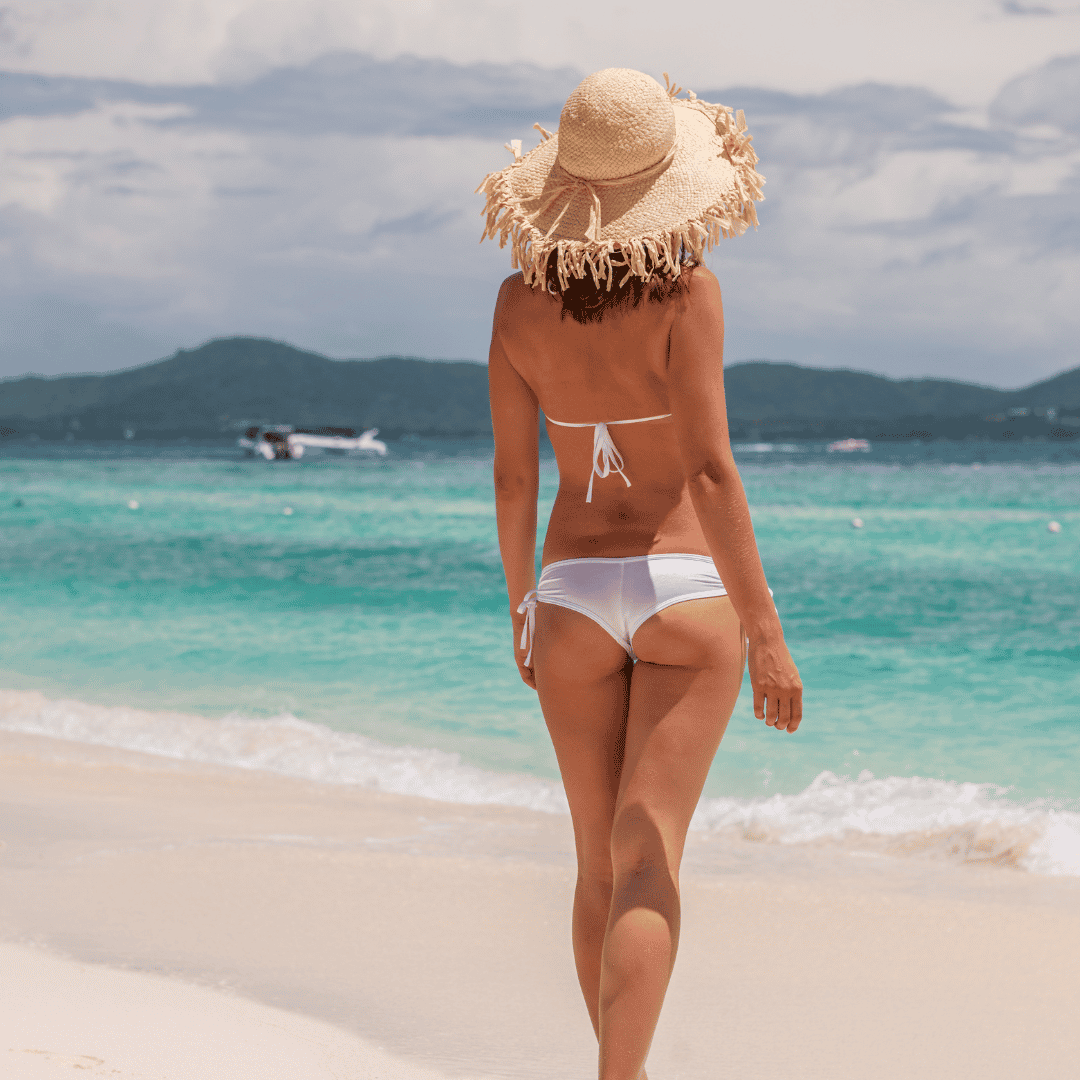





















Share this listing