

Contents
For decades, Thailand has stood as the global capital for gender-affirming surgery, offering a safe haven for transgender men and non-binary individuals seeking to align their physical appearance with their identity. Choosing Thailand for FTM (Female-to-Male) Top Surgery is not merely a financial decision; it is a choice to access some of the most experienced hands in the field of gender reassignment.
Thai surgeons are pioneers in masculine chest reconstruction. Unlike general plastic surgeons who may perform a few mastectomies a year, specialists in Bangkok and Phuket often perform these procedures daily. This high volume leads to refined techniques in Double Incision, Keyhole, and Peri-Areolar surgeries, focusing heavily on minimizing scarring and ensuring natural nipple placement and sensation preservation.
Beyond the operating room, Thailand offers a culturally accepting environment. The concept of gender fluidity is historically more visible here, meaning patients often experience a recovery period free from judgment. Coupled with luxury recovery facilities that function more like resorts than hospitals, the journey to your true self becomes a holistic experience of healing and affirmation.
Whether you are looking for a revision or your primary surgery, the combination of WPATH-adherent care, affordable pricing, and surgical artistry makes Thailand the premier destination for top surgery.
Did You Know?
Thailand was one of the first countries in Asia to develop specialized centers dedicated entirely to transgender health. Many surgeons here have over 20 years of experience specifically in gender-affirming procedures, contributing to international medical textbooks on surgical techniques for FTM patients.
Key Insights at a Glance
Save up to 60-70% compared to Western prices without compromising on safety or results.
Top clinics strictly follow the World Professional Association for Transgender Health guidelines.
Expertise in Double Incision, Keyhole, and Peri-Areolar techniques tailored to your anatomy.
A welcoming, non-discriminatory environment that respects your pronouns and identity.
Surgeons often work alongside endocrinologists and psychiatrists for holistic care.
High emphasis on masculine chest contouring and scar placement that hides well.
The "Land of Smiles" Recovery
Many patients report that the Buddhist philosophy prevalent in Thailand contributes to a calmer, lower-stress recovery. The concept of "Mai Pen Rai" (don't worry / it's okay) helps patients feel at ease, reducing cortisol levels which can actually aid in the physical healing process.
Navigating a foreign medical system is easier when everything is bundled together. We have curated a selection of providers that offer robust all-inclusive packages designed specifically for international trans patients. These packages typically cover the surgical fees, hospital stay, nursing care, post-op medications, and compression garments. Many also include airport transfers and stays at partner recovery hotels, ensuring you are supported from arrival to departure.
Note: Comprehensive packages allow you to budget effectively without worrying about hidden hospital fees or unexpected transportation costs.

Price starting from $13,000
Male to Female Thailand Gender Reassignment Surgery: Complete Package by BPS Clinic
Bangkok Plastic Surgery Clinic
- Cosmetic/Plastic Surgery
Bangkok, Thailand

Price starting from $5,500
Affordable Package for Sex Reassignment Surgery in Thailand
Asia Cosmetic Hospital
- Cosmetic/Plastic Surgery
Bangkok, Thailand
One of the primary drivers for choosing Thailand is the significant cost advantage. Below, we present a transparent cost table comparing average prices in Thailand against those in the U.S. and Europe. Prices can vary based on the specific technique required (e.g., Keyhole vs. Double Incision with nipple grafts), but generally, patients find that even with travel expenses included, the total cost remains substantially lower than paying out-of-pocket in their home country.
Tip: Ensure your quote includes pre-operative lab work and the requisite psychiatric clearance letters if you haven't obtained them at home.
Sex Change Operation Centers Cost Comparison in Thailand
| Provider | Procedure | Price |
|---|---|---|
| Bangkok Plastic Surgery Clinic | Sex Change Operation, Cosmetic/Plastic Surgery | $10000 |
| Asia Cosmetic Hospital | Sex Change Operation, Cosmetic/Plastic Surgery | $8500 |
Sex Change Operation Cost Comparison in Thailand
| Country | Procedure | Price |
|---|---|---|
| United Kingdom | Sex Change Operation, Cosmetic/Plastic Surgery | $25000 |
| Australia | Sex Change Operation, Cosmetic/Plastic Surgery | $22000 |
| Spain | Sex Change Operation, Cosmetic/Plastic Surgery | $21500 |
| United States | Sex Change Operation, Cosmetic/Plastic Surgery | $30000 |
We have selected the finest medical institutions in Thailand that are globally recognized for their gender-affirming programs. These are not just general hospitals; they are centers with dedicated gender identity clinics, staffed by multidisciplinary teams sensitive to LGBTQ+ needs. Browse the profiles below to see facilities that boast JCI accreditation, modern operating theaters, and private recovery suites designed to provide a safe, affirming space for your transformation.
Standard of Care: Look for centers that explicitly mention adherence to WPATH (World Professional Association for Transgender Health) standards.
Bangkok Plastic Surgery Clinic
Bangkok, Thailand
Asia Cosmetic Hospital
Bangkok, Thailand
SLC Clinics - Bangkok Best Plastic Surgery Hospital
Bangkok, Thailand
Capturing Beauty at The Klinique Surgery Center in Thailand
Bangkok, Thailand
Seeing is believing, especially when it comes to aesthetic results like scar placement and chest contouring. We have compiled video testimonials from trans men who have undergone their journey in Thailand. These videos offer a candid look at their pre-op feelings, the hospital experience, and their post-op joy. Watch their stories to gauge the quality of care and the life-changing confidence that comes with the procedure.
Insight: Videos are excellent for seeing the range of body types treated and how surgeons adapt techniques to different anatomies.


The transgender community relies heavily on shared experiences and word-of-mouth trust. In this section, you will find verified reviews from patients who have traveled to Thailand for top surgery. Read about their satisfaction with the surgical outcome, the bedside manner of the nursing staff, and their overall comfort in the country. These reviews help paint a realistic picture of what you can expect from your own medical journey.
Community Tip: Pay attention to reviews discussing the "bedside manner," as respectful communication is vital for gender-affirming care.

how much does gender reassignment surgery cost
The estimated gender reassignment surgery cost in Thailand typically ranges from $9,000 to $25,000. Prices vary significantly based on the specific procedure (MTF or FTM), the surgical technique chosen, hospital fees, and individual patient needs. Understanding the financial and medical aspects of gender-affirming care is a crucial step for many individuals in their transition journey. When researching options, a significant number of patients explore gender reassignment surgery in Thailand. Over the decades, the country has built an extensive infrastructure dedicated to this highly specialized field of medicine, drawing people from across the globe who are seeking experienced surgical teams. Navigating international healthcare requires careful planning. You need to consider not just the primary procedure costs, but also the strict medical prerequisites, potential surgical risks, and the logistical challenges of recovering far from home. This comprehensive guide breaks down the estimated expenses, procedural options, and vital safety considerations for those considering medical tourism in Thailand for gender-affirming surgeries. Key Takeaways Costs generally range from $9,000 to $25,000, heavily dependent on whether the surgery is feminizing or masculinizing. Reputable international providers require strict adherence to WPATH guidelines, including letters of recommendation from mental health professionals. Patients must plan for a 3- to 4-week stay in the destination country to allow for initial recovery and follow-up monitoring before flying. Establishing a relationship with a local primary care doctor or urologist before traveling is essential for managing long-term aftercare and potential complications. All surgeries carry inherent risks, including infection, bleeding, delayed wound healing, and sensory changes, which require careful consideration. What is included in the gender reassignment surgery cost in Thailand? The quoted cost typically covers the main surgeon's fee, operating room charges, general anesthesia, and a short inpatient hospital stay, though individual package inclusions vary by facility. When you receive an estimate for gender reassignment surgery cost in Thailand, it usually represents a bundled package designed for international patients. These packages frequently include pre-operative blood tests, standard post-operative medications (such as antibiotics and painkillers), nursing care during your hospital admittance, and scheduled follow-up consultations before you are cleared to travel home. Some providers may also include specialized post-operative supplies, like dilation kits for MTF patients. However, it is vital to read the fine print to understand what is not included. Out-of-pocket expenses usually involve your international airfare, accommodation for the required weeks of recovery after hospital discharge, daily meals, and local transportation. More importantly, standard surgical quotes do not cover the costs associated with managing unforeseen medical complications, extended intensive care stays, or future revision surgeries if aesthetic or functional issues arise. Why do patients choose medical tourism in Thailand for gender-affirming care? Patients often travel to this destination because of its long history of specialized training in gender-affirming procedures, multidisciplinary surgical teams, and comprehensive care that is often more accessible financially. The prominence of medical tourism in Thailand for these specific procedures is not a recent development. The region has spent decades fostering surgical expertise specifically focused on transgender healthcare. Many of the practicing surgeons have dedicated their entire careers to refining techniques in both feminizing and masculinizing genital surgeries, performing a high volume of these operations annually. Beyond surgical experience, the healthcare infrastructure in major cities is heavily tailored toward international patients. Facilities often feature dedicated international departments with translators and care coordinators who guide patients through pre-operative anxiety and post-operative recovery. While the financial aspect—often costing significantly less than uninsured procedures in North America or Europe—is a major draw, many patients cite the established, normalized environment for transgender care as an equally important factor in their decision-making process. What are the different types of male-to-female (MTF) procedures and their costs? MTF bottom surgeries, such as penile inversion vaginoplasty or colon vaginoplasty, generally range from $9,000 to $18,000, depending heavily on the complexity of the chosen surgical technique. Feminizing genital surgery aims to reconstruct the existing anatomy to create a functional and aesthetically affirmed vulva and vagina. The most common technique is the penile inversion vaginoplasty, which utilizes penile and scrotal tissue to line the newly created vaginal canal. This is often the most cost-effective option, typically falling on the lower end of the pricing spectrum. For patients who lack sufficient localized tissue, or those seeking specific functional outcomes regarding natural lubrication, a sigmoid colon vaginoplasty or peritoneal pull-through technique may be recommended. Because these procedures are significantly more complex—often requiring a general surgeon to assist in harvesting internal tissue—they sit at the higher end of the cost range. Patients should undergo thorough consultations to determine which technique safely aligns with their anatomical realities and personal transition goals. What female-to-male (FTM) surgical options are available and how much are they? FTM procedures are diverse; top surgery may cost around $4,000 to $6,000, while complex, multi-stage bottom surgeries like phalloplasty can easily exceed $25,000 overall. Masculinizing surgeries are generally more technically demanding and often require multiple stages spaced months apart. Metoidioplasty, which releases the testosterone-enlarged clitoris to create a small phallus, is a single-stage procedure (sometimes combined with urethral lengthening and scrotoplasty) that represents a moderate price point. It preserves local sensation but does not allow for standing urination without specialized extensions or penetrative intercourse. Phalloplasty is the creation of a larger phallus using tissue grafts, typically from the forearm (RFFF) or thigh (ALT). This is an intensive, multi-stage microsurgical process involving the creation of the phallus, nerve hookups for sensation, urethral lengthening, glansplasty, and eventually erectile implant surgery. Because it requires multiple trips, extended hospital stays, and highly specialized microsurgical teams, the total financial commitment for phalloplasty is substantial and carries a higher rate of surgical complications that may require costly revisions. How do I choose a safe gender reassignment surgery clinic in Thailand? Assessing a facility involves verifying international hospital accreditations, reviewing the surgeon’s specialized credentials in transgender healthcare, and evaluating their protocols for safety and follow-up care. Verify Accreditation: Look for facilities accredited by recognized international bodies, such as the Joint Commission International (JCI), which mandates strict global standards for patient safety and hygiene. Surgeon Specialization: Ensure the surgeon is board-certified in plastic or urological surgery and has a dedicated, high-volume focus on gender-affirming procedures rather than general cosmetic surgery. WPATH Adherence: A responsible gender reassignment surgery clinic in Thailand will explicitly follow the World Professional Association for Transgender Health (WPATH) Standards of Care. Transparency of Risks: Trustworthy medical teams will openly discuss potential complications, revision rates, and the limitations of surgery, rather than promising perfect, guaranteed results. Comprehensive Support: Evaluate whether the clinic offers robust pre-operative assessments and structured post-operative care plans, including clear instructions for your return home. What psychological and medical prerequisites are required before surgery? Ethical surgeons require patients to meet WPATH guidelines, which generally include documented persistent gender dysphoria, hormone therapy duration, and formal recommendation letters from qualified mental health professionals. Gender reassignment surgeries result in permanent, irreversible alterations to the body. Consequently, international medical standards are strictly enforced to ensure patients are fully prepared both physically and psychologically. According to the WPATH Standards of Care Version 8, patients seeking genital surgery must provide letters of readiness from mental health providers who have assessed their understanding of the surgery, recovery, and long-term implications. Medically, patients are usually required to have been on continuous hormone replacement therapy (HRT) for at least 12 months (unless medically contraindicated) and to have lived in their affirmed gender role. Pre-operative physical clearance is also mandatory; this includes blood panels, electrocardiograms (ECGs), and chest X-rays to ensure the patient can safely undergo prolonged general anesthesia. Certain health factors, such as high body mass index (BMI), active smoking, or uncontrolled diabetes, may disqualify a patient or require stabilization prior to surgery due to the severe impact on wound healing. Important Consideration: Smoking and nicotine use drastically constrict blood vessels, increasing the risk of tissue death (necrosis) during complex flap surgeries. Surgeons universally require patients to cease all nicotine products weeks before and after the operation. What are the potential risks and complications of gender-affirming surgery? Like any major operation, gender reassignment procedures carry risks such as infection, significant bleeding, poor wound healing, loss of tactile sensation, and the potential need for future revision surgeries. It is vital to approach surgery with realistic expectations regarding medical risks. General surgical risks include adverse reactions to anesthesia, hematomas (blood collection), and post-operative infections. Because gender-affirming surgeries involve delicate mucous membranes, nerve networks, and the urinary tract, there are procedure-specific risks that must be considered. For MTF vaginoplasty, complications can include vaginal stenosis (narrowing or loss of depth), fistulas (abnormal connections between the bowel and vagina), and issues with urination. For FTM procedures like phalloplasty or metoidioplasty, urethral strictures (narrowing) or fistulas are common, and there is a risk of partial or total flap failure if the blood supply is compromised. Loss of erotic sensation or chronic pain are also possibilities. Patients must understand that outcomes vary widely depending on individual anatomy and healing responses. How long is the typical recovery period before traveling home? Most patients are required to remain in the country for three to four weeks post-surgery to allow for initial healing, drain removal, and careful monitoring by the surgical team. Recovery from genital reconstruction is intensive. After being discharged from the hospital—typically after a stay of 4 to 7 days—you will transition to a local hotel or recovery center. During these initial weeks, your mobility will be highly restricted. You will need to attend multiple follow-up appointments for the removal of surgical packing, urinary catheters, and drains, as well as to receive instructions on wound care. Traveling too soon after major surgery poses a severe risk of Deep Vein Thrombosis (DVT), a condition where blood clots form in deep veins, often due to prolonged immobility during flights. Surgeons will not issue medical clearance to fly until they are confident that your initial healing is stable and your DVT risk has returned to baseline. You must factor this extended, mandatory stay into your overall budget and time off work. How should I plan for aftercare and local follow-up once I return home? Long-term success requires establishing a relationship with a local healthcare provider before you travel, ensuring you have immediate support for ongoing care or potential delayed complications upon your return. Medical care does not end once you board your flight home. The first year of recovery requires diligent self-care and medical oversight. For individuals who have undergone vaginoplasty, a strict, lifelong regimen of vaginal dilation is necessary to maintain depth and width, requiring significant time and psychological dedication, especially in the first year. Complications such as minor wound separations, urinary tract infections, or granulation tissue can develop weeks or months after you have left the clinic. Because your overseas surgeon cannot examine you physically, it is critical to have a primary care physician, gynecologist, or urologist in your home country who is informed about your procedure and willing to take over your post-operative monitoring. Never travel for surgery without a concrete plan for local medical support. Why Choose PlacidWay for Medical Tourism Information? Navigating international healthcare options can be complex. PlacidWay serves as a global medical tourism platform designed to help patients access information about medical care abroad. Here is how the platform can assist in your research: Aggregates Global Options: Provides access to a directory of international clinics and hospitals offering gender-affirming care. Facilitates Cost Comparison: Allows users to review estimated pricing structures and packages from different global providers in one place. Clinic Profiles: Hosts detailed profiles containing facility information, surgeon credentials, and available medical technologies. Destination Resources: Offers educational content regarding various medical tourism destinations to help you understand regional healthcare landscapes. Direct Connection: Enables you to request information and initiate direct contact with international healthcare providers to ask specific medical questions. Frequently Asked Questions (FAQs) Does insurance cover gender reassignment surgery abroad? Most domestic health insurance plans do not cover international medical tourism for gender-affirming surgery. Patients typically pay out-of-pocket, though you should always verify specific policy exclusions with your provider. Do I need to speak Thai to have surgery in Thailand? No. Facilities that frequently treat international patients usually employ English-speaking medical staff and offer dedicated translation services to ensure clear communication regarding medical consents and care. Can I combine MTF bottom surgery with facial feminization surgery (FFS)? While some patients wish to combine procedures to save on travel costs, surgeons often recommend staging major surgeries. Combining them can significantly increase anesthesia time, surgical risks, and physical strain during recovery. What is the World Professional Association for Transgender Health (WPATH)? WPATH is an international multidisciplinary professional association that promotes evidence-based care, education, and research in transgender health. They publish the Standards of Care that guide safe and ethical treatment. How long does a vaginoplasty surgery typically take? A standard penile inversion vaginoplasty often takes between four to six hours in the operating room, though complex cases or alternative techniques like colon vaginoplasty may take longer. Are the physical results of gender reassignment surgery permanent? Yes. Gender-affirming genital surgeries create irreversible anatomical changes. This is why thorough psychological evaluation and adherence to readiness guidelines are strictly required prior to the procedure. Can I travel alone for gender reassignment surgery? While some patients do travel alone, medical professionals highly recommend bringing a trusted support person. Post-operative mobility is often limited, and having help with daily tasks and emotional support is vital. What is the risk of deep vein thrombosis (DVT) when flying after surgery? Recent surgery combined with long-haul flights increases the risk of blood clots (DVT). Surgeons typically require patients to wait three to four weeks before flying and may recommend compression garments and in-flight walking. Will I need to continue hormone replacement therapy (HRT) after bottom surgery? Yes, most patients continue HRT to maintain their affirmed gender characteristics and protect bone health, though an endocrinologist usually adjusts the specific medications and dosages after the removal of native gonads. How soon can I resume strenuous exercise after the procedure? Patients are generally advised to avoid heavy lifting and strenuous exercise for at least 8 to 12 weeks. Clearance should always be provided by your surgeon based on your individual healing progress. Compare Treatment Options Explore international facilities, review estimated costs, and gather the information you need to make an informed decision about your medical journey. Request Treatment Information References Standards of Care for the Health of Transgender and Gender Diverse People, Version 8 – World Professional Association for Transgender Health (WPATH) Feminizing Surgery Overview – Mayo Clinic Masculinizing Surgery Overview – Mayo Clinic Gender Affirming Surgery: Risks, Preparation, and Recovery – Cleveland Clinic Gender Affirmation Surgeries Information – American Society of Plastic Surgeons Guidelines for the Primary and Gender-Affirming Care of Transgender and Gender Nonbinary People – UCSF Transgender Care Deep Vein Thrombosis & Pulmonary Embolism for Travelers – Centers for Disease Control and Prevention (CDC) Medical Disclaimer: The content provided in this article is for informational and educational purposes only and does not constitute medical advice, diagnosis, or treatment recommendations. Surgery carries inherent risks, and medical outcomes vary significantly by individual. Pricing information reflects general estimates and is subject to change. Always consult with a qualified healthcare professional or board-certified surgeon to discuss your specific medical history, eligibility, and the risks associated with gender-affirming treatments before making any healthcare decisions.
What Are the Requirements for FTM Top Surgery in Thailand?
To get FTM top surgery in Thailand, you typically need to be at least 18 years old and provide a psychiatric evaluation letter diagnosing gender dysphoria. You must also pass pre-operative health exams to ensure you are physically fit for surgery. Key Takeaways Patients generally must be 18 or older, though local Thai laws may require parental consent for those under 20. At least one referral letter from a mental health professional is routinely required to confirm readiness. Hormone replacement therapy (HRT) is usually not a strict prerequisite prior to chest masculinization. Comprehensive pre-operative blood work and physical exams are mandatory to clear you for general anesthesia. You should plan to remain in the country for 10 to 14 days to accommodate initial recovery and follow-up visits. Navigating the steps for gender-affirming care can feel overwhelming, especially when planning to travel abroad. FTM top surgery in Thailand is a widely sought-after procedure due to the country’s experienced medical professionals and established healthcare infrastructure. However, before you can book your flight and schedule your operation, there are specific medical, psychological, and legal requirements you must fulfill to ensure your safety and eligibility. What psychological evaluations are required for top surgery in Thailand? Most surgeons require at least one referral letter from a qualified mental health professional diagnosing gender dysphoria, aligning with internationally recognized standards of care. The psychological readiness of a patient is a standard focal point in gender-affirming healthcare. Most respected medical providers in Thailand follow the guidelines established by the World Professional Association for Transgender Health (WPATH). While the latest WPATH guidelines have evolved to be more flexible, Thai medical regulations and individual hospital policies almost universally still mandate a formal psychiatric or psychological evaluation. This letter typically needs to be written by a licensed psychiatrist, clinical psychologist, or specialized therapist. The documentation should confirm that you have persistent gender dysphoria, are fully capable of making an informed decision about surgery, and have a solid understanding of the procedure’s permanent nature. The letter must usually be in English, and you can normally obtain it from a provider in your home country before traveling. In some instances, clinics may require you to undergo a brief psychological evaluation with a local Thai psychiatrist upon arrival, even if you already have a letter from home. This is often just a secondary confirmation to satisfy hospital regulations. Being prepared with comprehensive documentation from your primary care team can help streamline this process. Are there specific age restrictions for the procedure? Patients generally must be at least 18 years old to undergo gender-affirming chest surgery, though local laws may require parental consent for those under 20. Age requirements are primarily dictated by a combination of international medical ethics and local Thai law. The standard baseline age for undergoing elective, irreversible gender-affirming surgery is 18. Medical facilities strictly adhere to this rule to ensure patients have reached legal adulthood and can provide informed consent independently. However, it is vital to understand that the age of legal majority in Thailand is 20. Because of this, some hospitals and surgical centers maintain a policy that any patient between the ages of 18 and 19 must provide documented, legally notarized consent from a parent or legal guardian. If you fall into this age bracket, you will need to coordinate closely with your chosen facility to understand their exact paperwork requirements. For minors under the age of 18, FTM top surgery is almost never performed in Thailand, barring highly exceptional circumstances evaluated by a multidisciplinary medical board. If you are a younger patient, it is often recommended to use the time leading up to your 18th birthday to secure your psychological evaluations and establish healthy habits for future surgery. Expert Insight: Always ask your prospective clinic about their specific age consent forms early in the planning process. Having the right notarized documents from your home country can prevent delays upon arrival. Do I need to be on testosterone before getting FTM top surgery? Hormone Replacement Therapy (HRT) is typically not a strict medical requirement for chest masculinization, though some surgeons may recommend it for optimal aesthetic results. A common misconception is that you must be taking testosterone for a set period before you are allowed to have top surgery. In reality, HRT is not a prerequisite for chest masculinization. Many non-binary individuals and trans men choose to undergo top surgery without ever starting testosterone, and medical guidelines fully support this individualized approach. That being said, testosterone does change the distribution of fat and muscle in the body, including the chest area. Some surgeons note that having a patient on testosterone for six months to a year can help build the pectoral muscles, which may provide a more defined contour for the surgeon to follow during the operation. However, an experienced surgeon can achieve excellent, masculine-contouring results regardless of whether you are on HRT. If you are already on testosterone, you should discuss your dosage with your surgeon. Some surgical teams ask patients to pause their hormone injections a few weeks prior to surgery to minimize the risk of blood clots during prolonged anesthesia, while others consider the risk negligible and allow you to continue. Always adhere strictly to your specific provider's instructions. What physical health assessments are mandatory before surgery? You will need to undergo routine pre-operative tests, including comprehensive blood work, chest X-rays, and an electrocardiogram (EKG), to confirm you are fit for general anesthesia. Because chest masculinization is a major surgical procedure performed under general anesthesia, ensuring your physical readiness is paramount. Your surgical team will require a thorough medical history assessment to identify any underlying conditions, such as diabetes, hypertension, or bleeding disorders, which could complicate the surgery or your recovery. Prior to the operation, you will undergo a series of mandatory health screenings. These typically include: Complete Blood Count (CBC): To check for anemia and ensure your immune system is functioning properly. Coagulation profile: To verify that your blood clots normally, reducing the risk of excessive bleeding. Chest X-ray: To assess your lung health and clear you for intubation during anesthesia. Electrocardiogram (EKG): To evaluate your heart rhythm, especially required for patients over a certain age or with a history of cardiac issues. Viral screenings: Standard tests for HIV, Hepatitis B, and Hepatitis C to ensure proper surgical protocols are followed. If any of your tests return abnormal results, your surgery may need to be postponed until the health issue is addressed. It is highly recommended to have a preliminary check-up with your primary care physician at home before making travel arrangements. How long must I stay in Thailand for the procedure and recovery? Patients are usually advised to plan a stay of 10 to 14 days in Thailand to allow for the initial surgery, hospital monitoring, and necessary follow-up appointments before flying. Traveling for surgery requires careful logistical planning, particularly regarding recovery time. When undergoing chest masculinization, you cannot simply have the surgery and fly home the next day. The initial healing phase requires close monitoring by your surgical team to ensure complications do not arise. Most patients spend one to two nights in the hospital immediately following the operation. During this time, nurses will manage your pain medication, monitor your vital signs, and check the blood flow to your nipple grafts (if applicable). After discharge, you will move to a local hotel or recovery facility. You will need to remain nearby for several follow-up appointments. Around the one-week mark, your surgeon will likely remove your surgical drains, check the initial healing of the incisions, and perhaps remove non-dissolvable sutures. Only after your surgical team clears you—typically around the 10 to 14-day mark—will it be safe for you to take a long-haul flight home. Flying too soon can dangerously elevate your risk for deep vein thrombosis (DVT). What should I know about FTM top surgery cost in Thailand? The cost of the procedure varies based on the surgical technique used, the facility, and the length of your hospital stay, generally remaining more accessible than in many Western nations. Financial planning is a significant aspect of fulfilling your surgical requirements. While specific prices change based on the provider and the complexity of your procedure, an FTM top surgery cost in Thailand is often viewed favorably when compared to uninsured out-of-pocket expenses in North America or Europe. However, it is essential to look at the complete financial picture rather than just the base surgical fee. When reviewing estimates from a facility, clarify what is included in the package. A comprehensive quote should cover the surgeon’s fee, operating room charges, general anesthesia, pre-operative lab tests, and overnight hospital stays. Be sure to ask if post-operative garments (compression binders) and take-home medications are included in the initial estimate. You must also budget for indirect requirements. These include your round-trip flights, 10 to 14 days of hotel accommodation, food, local transportation, and travel insurance. Planning for these ancillary costs ensures you will not experience undue financial stress during your crucial healing period. How do I prepare my body for a safe surgical experience? To optimize your safety and healing, you should stop smoking, avoid blood-thinning medications, and maintain a stable, healthy lifestyle in the weeks leading up to surgery. Your lifestyle habits in the months before surgery directly impact your eligibility and outcome. One of the most stringent medical requirements enforced by surgeons is the cessation of nicotine. Smoking or vaping constricts blood vessels, severely impeding blood flow to healing tissues. This greatly increases the risk of nipple graft necrosis (failure) and widened scars. You will be required to stop all nicotine consumption at least four to six weeks prior to surgery. Additionally, you must evaluate your current medications and supplements. Blood-thinning medications, including common over-the-counter drugs like aspirin, ibuprofen, and certain herbal supplements (like Vitamin E and Ginkgo Biloba), must typically be paused several weeks before surgery to reduce the risk of excessive bleeding or hematoma formation. Maintaining a balanced diet rich in protein and staying well-hydrated will fortify your immune system. While some surgeons have Body Mass Index (BMI) limits due to anesthesia safety protocols, extreme crash dieting right before surgery is not recommended, as your body needs ample nutrients to recover from the physical trauma of an operation. Important Consideration: Always disclose your full medical history, including any recreational drug use or mental health medications, to your surgical team. Withholding information can lead to severe anesthetic complications. What are the potential risks and complications of this procedure? Like any major operation, chest masculinization carries risks such as infection, bleeding, fluid buildup, changes in nipple sensation, and poor wound healing. A mandatory requirement before any surgery is providing informed consent, which means understanding the potential risks involved. While top surgery generally has high satisfaction rates, individual results and recovery experiences vary significantly from person to person. It is vital to have realistic expectations regarding scarring and symmetry. Common post-operative risks include hematoma (a collection of blood under the skin) or seroma (a collection of fluid). These issues may require additional drainage or a minor secondary procedure. Infection is another risk, which is why keeping incisions clean and taking prescribed antibiotics is crucial. For patients undergoing the double incision method with free nipple grafts, there is a risk of partial or total loss of the graft, as well as permanent loss of erogenous sensation in the nipples. Because you are traveling abroad, you must have a plan in place for aftercare once you return home. If a delayed complication arises weeks or months after your procedure, you will need access to a local healthcare professional who can assess and treat you. Discussing your overseas surgery plans with a trusted local doctor beforehand is highly advisable. How do I choose a qualified FTM top surgery clinic in Thailand? When researching facilities, look for board-certified plastic surgeons specializing in gender-affirming care, accredited hospital settings, and transparent communication protocols. Finding the right provider requires thorough research. An excellent FTM top surgery clinic in Thailand will prioritize patient safety over rushing you into the operating room. You should verify that the primary surgeon holds recognized board certifications in plastic and reconstructive surgery and has a dedicated focus on gender-affirming procedures. The facility itself should adhere to strict hygiene and emergency care standards. Many international patients seek out hospitals that have achieved Joint Commission International (JCI) accreditation, which serves as a global benchmark for quality patient care and organizational management. However, highly qualified surgeons also operate in specialized private clinics that maintain excellent local medical council standing. Communication is another critical factor. The clinical team should be able to communicate effectively in your native language, or provide competent medical translators. They should be willing to answer all your questions about techniques, risks, and post-operative care without making you feel pressured to commit. What role does medical tourism in Thailand play for transgender patients? Thailand has established itself as a central hub for gender-affirming care by offering experienced surgical teams, specialized healthcare infrastructure, and comprehensive support systems. For decades, medical tourism in Thailand has been a viable path for individuals seeking specialized care that might be inaccessible, overly expensive, or subject to long waiting lists in their home countries. The medical community in this region has a long, established history of pioneering and refining gender-affirming surgical techniques. Hospitals catering to international patients often provide holistic support systems. This can include assistance with pre-operative paperwork, guidance on visa requirements, and access to dedicated international patient departments that help bridge cultural and logistical gaps. This infrastructure helps ease the stress of navigating a complex medical procedure far from home. Moreover, recovering in a welcoming environment where medical staff are accustomed to treating transgender patients can positively impact your mental and physical recovery. While it is important to remember that surgery is a serious medical event and not a vacation, having access to specialized, compassionate care is a significant benefit for international patients. Why Choose PlacidWay for Medical Tourism? Navigating international healthcare options requires reliable information. Here is how PlacidWay can support your research: Access to Global Options: PlacidWay provides a comprehensive directory of internationally accredited medical centers and specialized clinics. Provider Transparency: You can review detailed profiles of healthcare providers, including their medical credentials and areas of expertise. Educational Resources: The platform offers articles and guides to help you understand various procedures, requirements, and what to expect abroad. Direct Communication: Patients can easily request information and connect directly with medical facilities to ask specific questions about their care. Multi-Lingual Support: PlacidWay facilitates communication across borders, helping patients overcome language barriers when gathering medical estimates. Frequently Asked Questions Is a gender dysphoria diagnosis absolutely mandatory? Yes, in almost all cases, surgeons in Thailand require a formal diagnosis of gender dysphoria or gender incongruence from a qualified mental health professional before proceeding with the operation. Can I get a referral letter from my home country? Yes, most Thai surgeons accept referral letters from licensed psychiatrists or psychologists in your home country, provided they are written in English and follow internationally recognized guidelines like WPATH. Will I need to stop testosterone before the surgery? Surgeon protocols vary. Some require you to pause testosterone therapy two to three weeks before surgery to reduce the risk of blood clots, while others allow you to continue. Always follow your specific surgeon's instructions. How long does the actual operation usually take? The procedure typically takes between two to four hours, depending on the surgical technique used, your anatomy, and whether free nipple grafting is involved. Are there BMI limits for top surgery in Thailand? Many surgeons have a Body Mass Index (BMI) limit, often around 30 to 35, because higher BMIs can increase the risks associated with general anesthesia and affect wound healing. What surgical techniques are commonly offered? Surgeons typically offer double incision with nipple grafts, peri-areolar, and keyhole techniques. The method chosen depends on your chest size, skin elasticity, and surgical goals. Can I travel alone for my surgery? While it is possible to travel alone, having a support person is highly recommended. Some hospitals offer nursing care packages for patients traveling solo who need assistance during the initial recovery days. How soon can I fly back home after the procedure? Most surgeons clear patients to fly home roughly 10 to 14 days post-surgery, after the surgical drains have been removed and the initial healing has been assessed. Will I need local aftercare once I return to my country? Yes, you should arrange for a local primary care doctor or specialist to monitor your long-term healing, check your incisions, and address any delayed complications if they arise. Are consultations available before traveling to Thailand? Many clinics offer online video consultations. This allows you to discuss your medical history, determine your eligibility, and receive a preliminary surgical plan before booking your trip. Compare Treatment Options Gather information, review clinic credentials, and request preliminary details about gender-affirming care abroad. Request Treatment Information References Standards of Care Version 8 – World Professional Association for Transgender Health (WPATH) Top Surgery for Transgender Men: What to Expect – Mayo Clinic Masculinizing Chest Surgery Overview – Cleveland Clinic Gender-Affirming Surgeries and Patient Requirements – American Society of Plastic Surgeons International Hospital Accreditation Standards – Joint Commission International (JCI) Medical Tourism Safety and Travel Guidelines – Centers for Disease Control and Prevention (CDC) Medical Disclaimer: The information provided in this article is for educational and informational purposes only and does not constitute medical advice. Treatment eligibility, risks, and recovery outcomes vary significantly from patient to patient. This content is not intended to be a substitute for professional medical assessment, diagnosis, or treatment. Always seek the advice of a qualified healthcare provider regarding a medical condition, surgical suitability, and required preparations. Do not disregard or delay seeking professional medical advice because of something you have read here.
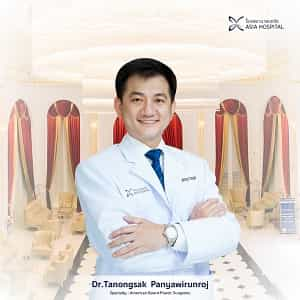
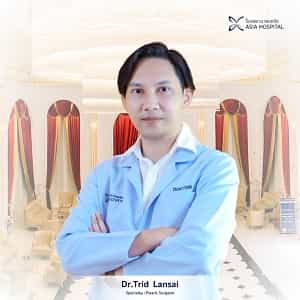
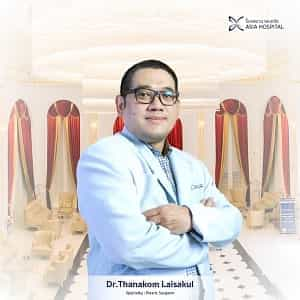
Your results are defined by your surgeon's understanding of masculine chest anatomy. We have partnered with board-certified plastic surgeons who specialize specifically in gender-affirming procedures. These specialists are not only skilled technically but are also deeply committed to the transgender community. Review their profiles to find a surgeon whose experience and aesthetic style align with your transition goals.
Gender-Affirming Specialists
Dedicated Expertise in Transgender Surgery
Our network includes surgeons who dedicate a significant portion of their practice exclusively to transgender patients. This specialization ensures they are experts in masculine chest contouring, nipple resizing, and scar placement, rather than just general breast reduction.
International Board Certification
Recognized Global Training
Many top surgeons in Thailand hold certifications from the Society of Plastic and Reconstructive Surgeons of Thailand and have completed fellowships in the USA, Europe, or Australia. They bring global best practices back to their local clinics.
Empathetic Approach
Understanding Dysphoria & Transition
Beyond technical skill, these specialists understand the emotional weight of gender dysphoria. They provide a supportive, affirming consultation process, ensuring you feel respected and understood as you take this major step in your transition.



Global Hub of Gender Affirmation
Thailand's popularity stems from its decades-long history as a global hub for gender-affirming surgeries. Surgeons here have pioneered many techniques now used worldwide. This deep institutional knowledge means that even complex cases or revisions are handled with routine expertise.
It is one of the few places in the world where transgender healthcare is not a niche service but a primary medical focus, offering a level of infrastructure and support that is hard to find elsewhere.
Exceptional Value & Quality
The cost-to-quality ratio in Thailand is unmatched. Patients can receive surgery in JCI-accredited hospitals that resemble 5-star hotels for a fraction of the cost of a clinic in the West.
This affordability extends to the recovery period; high-quality accommodation, healthy food, and transportation are accessible and cheap, allowing patients to extend their stay and fully heal before traveling home, rather than rushing back to work due to financial pressure.
Welcoming & Accepting Atmosphere
Recovery is as much mental as it is physical. Thailand is known for its tolerance and hospitality. The visibility of the transgender community in Thai society creates a less hostile environment for international trans patients.
Being in a place where diversity is more normalized allows patients to recover with dignity, free from the staring or judgment they might fear in other locations. This peace of mind is invaluable during the vulnerable post-operative period.
Your transition is a deeply personal journey, and PlacidWay is here to ensure it is safe, affordable, and seamless. We act as your advocate, connecting you with verified gender-affirming specialists and handling the complexities of international medical travel so you can focus on yourself.
Verified Specialist Access
We connect you only with board-certified surgeons who have a proven track record in FTM procedures and WPATH adherence.
Transparent Cost Comparisons
Receive detailed quotes from multiple top clinics to compare inclusions, ensuring no hidden fees surprise you later.
Consultation Coordination
We facilitate video consultations with surgeons before you fly, allowing you to discuss your goals and surgical technique options.
Psychological Support Guidance
We assist in understanding the requirements for psychiatric letters and can connect you with clinics that offer these evaluations on-site.
Safe Recovery Solutions
We help identify packages that include stays at specialized recovery hotels with nursing support for a stress-free healing process.
Ongoing Patient Advocacy
From your first inquiry until you are safely home, our team provides continuous support, answering questions and resolving any logistical issues.
Take the next step toward the body that aligns with who you are. Contact PlacidWay today for a free, confidential consultation and let us help you plan your top surgery journey in Thailand.
Get Your Free Personalized Quote
















Share this listing