

Gravity might be undefeated, but you do not have to let it win without a beautifully contoured fight. A facelift (rhytidectomy) package in Bangkok, Thailand, starts at an estimated $1,302 at Asia Cosmetic Hospital, offering international patients access to comprehensive facial rejuvenation. Suitable for individuals experiencing moderate to severe facial sagging, jowling, or deep creases, this aesthetic package typically involves a 7 to 10-day stay in the country. Please note that final patient eligibility, comprehensive treatment planning, and exact pricing are strictly determined after a thorough, personalized medical assessment by the surgical team.
Package Insights
- Estimated Starting Cost: Prices begin at approximately $1,302, pending individual surgical requirements and clinical evaluation.
- Medical Facility: Procedures are conducted at Asia Cosmetic Hospital, recognized for its dedicated cosmetic surgery infrastructure in Thailand.
- Ideal Candidate Profile: Healthy non-smokers seeking to correct lower facial skin laxity, mid-face drooping, and deep wrinkles.
- Anticipated Experience: A surgical intervention requiring general anesthesia, followed by a supervised 2 to 3-week initial healing phase.
- Pre-Travel Requirements: Mandatory preliminary virtual assessment, comprehensive blood panels, and cardiovascular clearance for safe air travel.
Global Cost Comparison for Facial Rejuvenation Surgery
Many international patients travel to Southeast Asia due to the high cost of cosmetic procedures in their home countries. The table below illustrates general market estimates for a facelift across popular medical hubs compared to the starting price offered in Bangkok.
| Country / Location | Estimated Average Cost (USD) |
|---|---|
| United States | $12,000 - $18,000+ |
| United Kingdom | $10,000 - $15,000+ |
| Australia | $11,500 - $16,000+ |
| Bangkok, Thailand (Asia Cosmetic Hospital) | Starting from $1,302 |
Detailed Breakdown of Your Facial Surgery Investment
Transparency in medical billing helps patients plan effectively. The following table provides a theoretical breakdown of how the starting cost is allocated. Please note: This is an estimated breakdown. Final costs are entirely dependent on surgical complexity and medical assessment.
| Procedure Component | Estimated Cost (USD) | Service Description |
|---|---|---|
| Surgeon's Professional Fee | $600 | Compensation for the primary plastic surgeon's expertise, planning, and execution. |
| Anesthesia Administration | $250 | Fees for the licensed anesthesiologist and the anesthetic medications used during surgery. |
| Facility and Operating Room | $302 | Usage of the sterilized surgical theater, state-of-the-art equipment, and nursing staff. |
| Basic Medical Supplies | $150 | Includes standard surgical materials, sutures, and immediate post-operative dressings. |
| Total Estimated Starting Price | $1,302 | Base total. Additional procedures (like neck lifts or eyelid surgery) will increase this cost. |
What is Included in Your Treatment?
- Primary surgeon’s operative fees.
- Anesthesiologist fees and anesthetic medications.
- Standard operating room and facility charges.
- Initial pre-surgical physical consultation.
- Basic surgical supplies and post-operative facial dressings.
- Routine follow-up appointments prior to departure.
What is Excluded from the Package?
- International flights and local ground transportation.
- Hotel accommodations and meals in Bangkok.
- Comprehensive pre-operative laboratory tests (blood work, EKG).
- Medical travel insurance or complication insurance.
- Take-home prescription medications (antibiotics, pain relief).
- Additional synergistic procedures (e.g., blepharoplasty, fat grafting).
Evaluating Your Suitability for Rhytidectomy
A facelift is a highly individualized procedure. Ideal surgical outcomes rely heavily on the patient's physiological health, skin quality, and psychological readiness. You may be deemed a suitable candidate if you meet the following criteria:
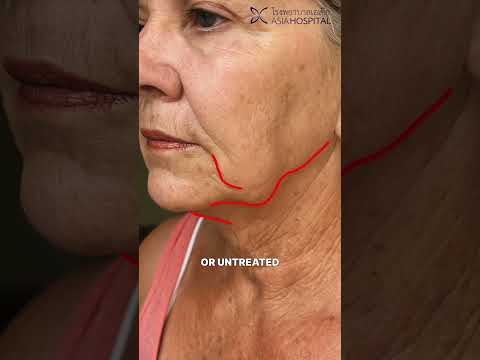
- Noticeable Skin Laxity: You experience significant sagging in the mid-face, deep creases below the lower eyelids, or pronounced nasolabial folds (lines from the nose to the corners of the mouth).
- Loss of Jawline Contour: You have developed jowls or excess fatty deposits under the chin and jaw, obscuring your natural facial structure.
- Overall Good Health: You do not suffer from severe medical conditions that impair healing, such as uncontrolled diabetes, severe hypertension, or cardiovascular disease.
- Non-Smoker Status: You are a non-smoker, or you are willing and able to completely cease all nicotine use for at least four to six weeks before and after surgery to prevent tissue necrosis.
- Realistic Expectations: You understand that surgery can rejuvenate your appearance but cannot stop the natural aging process entirely or fundamentally change your underlying bone structure.
Essential Medical Documents for Preliminary Assessment
Before traveling to Thailand, the medical team at Asia Cosmetic Hospital requires specific documentation to ensure the procedure is safe for you. Gathering these records promptly will expedite your surgical planning:
- High-Resolution Photographs: Clear, unedited, well-lit photos of your face from the front, both sides (profile), and a 45-degree angle. These allow the surgeon to map out potential incisions and tissue repositioning.
- Comprehensive Medical History: A detailed record of past surgeries, chronic illnesses, known allergies, and current medical conditions.
- Current Medication List: A complete inventory of all prescription medications, over-the-counter drugs, herbal supplements, and vitamins you currently take (especially blood thinners or NSAIDs).
- Recent Blood Work: Standard pre-operative labs (CBC, coagulation profile, viral markers) to confirm you are fit for general anesthesia.
- Cardiology Clearance (If Applicable): Patients over a certain age or with a history of heart conditions may require an ECG/EKG and clearance from a cardiologist.
Step-by-Step Guide to the Surgical Process
Understanding the clinical mechanics of a facelift can alleviate anxiety and help you prepare for the experience. The procedure is meticulously staged to ensure patient safety and aesthetic precision.
Anesthesia and Comfort Management
To ensure absolute comfort, medications are administered prior to any surgical intervention. Depending on the complexity of your specific case and the surgeon's recommendation, you will receive either intravenous sedation combined with local anesthesia or general anesthesia, putting you in a deep, painless sleep.
Strategic Incision Placement
The surgeon makes precise incisions designed to be easily concealed by your natural hairline and facial contours. A traditional facelift incision typically begins in the hairline at the temples, continues downward in front of the ear, wraps around the earlobe, and ends in the lower scalp behind the ear. If neck contouring is included, a small secondary incision may be made under the chin.
Deep Tissue Reshaping (SMAS Manipulation)
Modern facelifts do not simply pull the skin tight; they address the deeper structural layers. The surgeon carefully lifts and repositions the Superficial Musculoaponeurotic System (SMAS)—the layer of muscle and connective tissue beneath the skin. This restores youthful volume to the mid-face and creates a sustainable, natural-looking lift rather than a "windblown" appearance.
Skin Redraping and Trimming
Once the underlying muscles and tissues are secured in their new, elevated positions, the overlying skin is gently redraped over the uplifted contours. Any excess, overlapping skin is expertly trimmed away to eliminate severe wrinkling and laxity.
Meticulous Closure
The incisions are closed using fine sutures or skin adhesives. Surgeons employ advanced closure techniques to minimize tension on the skin edges, which is crucial for reducing visible scarring. Small drainage tubes may be temporarily placed under the skin to prevent fluid accumulation.
Your Medical Tourism Timeline for Facial Contouring
Proper planning is the cornerstone of a successful medical trip. Here is a standard chronological timeline for international patients traveling to Thailand for a facelift.
- Weeks 4-6 Prior to Travel: Engage in virtual consultations, submit medical records, receive initial clearance, and book flights and accommodation. Cease smoking and stop taking blood-thinning medications as directed.
- Day 1 (Arrival in Bangkok): Arrive, check into your hotel, and rest to recover from jet lag. Hydrate well.
- Day 2 (Pre-Operative Assessment): Attend your in-person consultation at Asia Cosmetic Hospital. Meet your surgeon, undergo final physical examinations, finalize the surgical plan, and sign consent forms.
- Day 3 (Surgery Day): Arrive at the clinic fasting. The procedure typically takes 3 to 5 hours. You will likely spend the first night recovering in the clinical facility under medical supervision.
- Days 4-6 (Initial Healing): Return to your hotel. Rest with your head elevated. Attend a scheduled follow-up for wound inspection, dressing changes, and potential drain removal.
- Days 7-10 (Suture Removal & Clearance): Final follow-up appointments. Sutures are typically removed. The surgeon will evaluate your healing progress and provide medical clearance for your return flight.
- Weeks 2-6 (At-Home Recovery): Continue healing at home. Swelling and bruising gradually subside. Virtual follow-ups are conducted as necessary.
Recommended Time in Thailand for Safe Healing
International patients must prioritize safety over speed when planning their return journey. Flying too soon after major surgery increases the risk of deep vein thrombosis (DVT) and swelling due to cabin pressure.
- Minimum Stay: A minimum of 7 to 10 days in Bangkok is strongly recommended.
- Post-Surgical Appointments: This timeframe ensures you are present for crucial post-operative milestones, including drain removal, dressing changes, and suture removal.
- Flight Clearance: Travel clearance is strictly dependent on the treating physician's assessment of your individual recovery. Do not book non-refundable, unchangeable return tickets immediately after the minimum window.
Navigating Your Facelift Recovery and Aftercare Stages
Recovery requires patience and strict adherence to your surgeon’s guidelines. Healing occurs in distinct stages:
- Phase 1: The First 48 Hours: This is the most intense period of recovery. Expect significant swelling, bruising, and mild to moderate discomfort, which is managed with prescribed oral pain medication. You must sleep on your back with your head elevated to minimize fluid retention.
- Phase 2: The First Week: Swelling typically peaks around day three and then slowly begins to subside. Bruising may migrate down the neck due to gravity. You will feel tightness in your face and neck. Rest is paramount; avoid bending over or lifting heavy objects.
- Phase 3: Weeks 2 and 3: You will likely feel well enough to return to light, non-strenuous work or social activities. Bruising usually fades enough to be concealed with specialized camouflage makeup. Sutures have been removed, but incisions will still appear pink and tender.
- Phase 4: Month 1 to Month 6: The majority of the swelling resolves, revealing your new facial contours. However, subtle internal healing continues. Numbness around the earlobes or incision sites is normal and usually resolves over several months. Scars will slowly fade from pink to a thin, less noticeable silver or white line.
Understanding the Risks Associated with Rhytidectomy
While generally safe when performed by qualified professionals, a facelift is major surgery and carries inherent risks. This list is not exhaustive, and your physician will discuss your individual risk profile during consultation.
- Hematoma: A collection of blood under the skin that causes swelling and pressure. It is the most common complication and usually occurs within 24 hours of surgery, requiring prompt surgical drainage.
- Infection: Rare, but possible. Preventative antibiotics are prescribed to minimize this risk. Signs include excessive redness, heat, or unusual discharge.
- Scarring: While incisions are placed discreetly, some individuals are prone to developing raised, red, or hypertrophic scars, regardless of surgical skill.
- Nerve Injury: Temporary numbness or, much more rarely, weakness in facial muscles due to irritation or injury to the facial nerve branches. Sensation and movement typically return within a few months, but permanent issues are a slight possibility.
- Skin Necrosis: Loss of skin tissue, most commonly occurring behind the ears. This risk is drastically higher in individuals who smoke or use nicotine products.
Realistic Outcomes of Your Facial Surgery
Entering surgery with realistic expectations is crucial for your long-term satisfaction. The goal of a facelift is aesthetic improvement, not perfection.
- Aesthetic Goals: You can typically expect a more defined jawline, the elimination of heavy jowls, and a smoother, tighter appearance in the lower face and neck area. The result often creates a rested and rejuvenated appearance.
- Longevity of Results: While a facelift "turns back the clock," it does not stop it. Results are often long-lasting (typically estimated at 7 to 15 years), but your face will continue to age naturally from its new starting point.
- What a Facelift Cannot Do: This surgery does not change the fundamental texture of your skin. It will not erase sun damage, age spots, fine superficial wrinkles around the lips, or deep hollows under the eyes. Complementary treatments like laser resurfacing or dermal fillers may be recommended to address these concerns.
Why Choose Asia Cosmetic Hospital for Your Care?
Choosing a reputable facility is paramount for safety when traveling abroad for surgery. Asia Cosmetic Hospital has established itself as a prominent destination for aesthetic procedures in Bangkok.
- Specialized Focus: The hospital operates primarily as a dedicated cosmetic and plastic surgery center, meaning their infrastructure, staff training, and protocols are highly specialized for aesthetic patient care.
- Modern Infrastructure: The facility is equipped with contemporary surgical theaters, advanced monitoring technology, and modern recovery suites designed to reduce cross-contamination and ensure patient safety.
- International Patient Support: Accustomed to medical tourists, the hospital often provides staff who are experienced in managing the unique logistical and communicative needs of international patients.
Frequently Asked Questions
Is the $1,302 price a final guarantee for my surgery?
No, $1,302 is an estimated starting price for a basic facelift package. Every patient's facial anatomy and aging concerns are different. Complex cases, or patients requiring additional procedures like neck lifting or eyelid surgery, will receive a higher customized quote after their formal medical evaluation.
How painful is the recovery process?
Most patients describe the recovery as uncomfortable rather than severely painful. You will experience tightness, swelling, and a sensation of pressure. Your surgeon will prescribe oral pain medications to manage discomfort during the first few days, after which most patients transition to over-the-counter pain relief.
Will my scars be visible after healing?
Skilled plastic surgeons place incisions strategically within the hairline and in the natural creases around the ear to camouflage them. While scars are permanent, they typically fade to thin, pale lines over 6 to 12 months, making them very difficult to notice under normal circumstances.
Why do I need to stop smoking before a facelift?
Nicotine constricts blood vessels, drastically reducing the oxygen-rich blood flow necessary for tissues to heal. Smoking before or immediately after surgery significantly increases the risk of skin necrosis (tissue death), severe infections, and prominent scarring. You must abstain completely as directed by your surgeon.
Is it safe to travel alone for this procedure?
While some patients do travel alone, it is highly recommended to bring a companion. You will be groggy after anesthesia and will need assistance with meals, medication schedules, and emotional support during the crucial first 48 to 72 hours of recovery.
Can I combine a facelift with other aesthetic treatments?
Yes, many patients choose to combine a facelift with complementary procedures to maximize their time abroad. Common additions include blepharoplasty (eyelid surgery), brow lifts, or fat grafting to restore volume. Combining procedures must be cleared by your surgeon based on safety limits for anesthesia duration.
What happens if I experience a complication after returning home?
Before leaving Bangkok, you will be cleared for travel, indicating you are past the most critical window for acute complications. However, you should secure a local primary care physician or plastic surgeon willing to monitor your long-term healing or handle rare delayed issues, as traveling back to Thailand may not be immediately feasible.
How soon can I wash my hair and shower?
You will generally receive clearance to take a brief, lukewarm shower and gently wash your hair with a mild, non-medicated shampoo within 48 to 72 hours after surgery, or once the surgical drains are removed. You must be extremely gentle around the incision sites.
At what age is a facelift usually performed?
There is no ideal age for a facelift; candidacy is based on physical aging signs and skin elasticity. Most patients fall between the ages of 45 and 70. Younger patients may opt for "mini" lifts, while older patients may require more comprehensive SMAS lifting.
Will a facelift change my facial expressions?
A properly performed modern facelift should not alter your fundamental expressions or make you look like a different person. By repositioning the deep tissues rather than just pulling the skin tight, the goal is to make you look like a refreshed, well-rested version of yourself.
Ready to Explore Your Options?
Every surgical journey begins with a conversation. If you are considering facial rejuvenation in Bangkok, the next step is a comprehensive preliminary assessment to determine your candidacy and receive a personalized treatment plan.
Request Free QuoteMedical Disclaimer: The information provided on this page is for general educational and informational purposes only and does not constitute professional medical advice, diagnosis, or treatment. Always consult with a qualified healthcare provider regarding any medical condition or before making decisions about surgical procedures.
Resources
- National Center for Biotechnology Information (NCBI) - StatPearls: Rhytidectomy (Facelift) Overview
- Mayo Clinic - Face-lift: About the Procedure, Risks, and Results
- MedlinePlus (National Library of Medicine) - Medical Encyclopedia: Facelift
- National Health Service (NHS UK) - Cosmetic Procedures: Facelift Guidance
- Stanford Medicine - Cosmetic Surgery: Facelift (Rhytidectomy) Information























Share this listing