

Contents
Nobody wakes up and spontaneously decides to fly across the world for a surgical procedure. If you are researching a facelift in Thailand, you are likely exhausted by the massive $15,000 to $30,000 price tags common in the US, UK, Canada, and Australia. You want to look refreshed—not pulled or artificial—without draining your savings. Thailand offers a practical alternative, combining strict medical standards with procedure costs ranging from $3,360 to $10,500. However, planning a medical trip requires looking past polished clinic marketing. The key to a safe, successful outcome is verifying facility credentials, specifically looking for Joint Commission International (JCI) accreditation, and confirming your surgeon's license with the Medical Council of Thailand. Understanding these safety benchmarks ensures your health remains the top priority while you save on surgical fees.
Booking a comprehensive package removes the logistical headache of recovering abroad. In Thailand, facelift packages typically bundle the surgeon’s fee, anesthesia, operating room charges, and critical post-operative care into one clear price. Look for transparent inclusions: pre-surgical consultations, one to two nights in a hospital bed for immediate monitoring, necessary medications, compression garments, and follow-up appointments. Some facilities also provide airport transfers and English-speaking patient coordinators. Compare the package options below to see which clinic provides the specific inclusions required for your safe recovery.

Price starting from $4,000
Safe & Effective Facelift Surgery in Bangkok – Package by BPS Clinic Thailand
Bangkok Plastic Surgery Clinic
- Cosmetic/Plastic Surgery
Bangkok, Thailand

Price starting from $4,900
Facelift Package in Bangkok, Thailand by Dr. Siripong Plastic Surgery
Dr. Siripong Plastic Surgery in Thailand
- Cosmetic/Plastic Surgery
Bangkok, Thailand

Price starting from $1,302
Affordable Facelift Bangkok Thailand with Experienced Surgeons at Asia Cosmetic Hospital
Asia Cosmetic Hospital
- Cosmetic/Plastic Surgery
Bangkok, Thailand
A facelift in Thailand directly costs between $3,360 and $10,500, with an average comprehensive procedure running about $6,680. A standard mini-facelift targeting the lower jawline falls on the lower end ($3,360 to $5,500). Complex procedures like a Deep Plane facelift or full face and neck lift, requiring advanced muscle manipulation, fall at the higher end ($7,000 to $10,500). Your final price depends on the specific surgical technique, anesthesia type, and facility accreditation level. Review the pricing details below to understand what your specific procedure might cost.
Face Lift Centers Cost Comparison in Thailand
| Provider | Procedure | Price |
|---|---|---|
| Dr. Siripong Plastic Surgery in Thailand | Face Lift, Cosmetic/Plastic Surgery | $7881 |
| Bangkok Plastic Surgery Clinic | Face Lift, Cosmetic/Plastic Surgery | $4900 |
| DGB Plastic Surgery Clinic | Face Lift, Cosmetic/Plastic Surgery | $7900 |
| Reals Aesthetic Center | Face Lift, Cosmetic/Plastic Surgery | $10000 |
| Asia Cosmetic Hospital | Face Lift, Cosmetic/Plastic Surgery | $4400 |
| DCH Dr. CHEN Surgery Hospital International Center in Bangkok, Thailand | Face Lift, Cosmetic/Plastic Surgery | $4600 |
Face Lift Cost Comparison in Thailand
| Country | Procedure | Price |
|---|---|---|
| Canada | Face Lift, Cosmetic/Plastic Surgery | $11000 |
Thailand has dozens of large-scale hospitals, but not every aesthetic center handles complex facial surgery. Your priority is clinical safety, not a luxurious lobby. When evaluating a clinic, verify its credentials. Check if they hold JCI accreditation and if the facility operates as a fully equipped hospital with intensive care units, rather than a standalone outpatient clinic. Verify emergency protocols and the licenses of both the surgeons and anesthesiologists. Reputable providers publish their infection rates openly. Take a close look at the clinics listed below, focusing entirely on their verified medical credentials to see which is the best option for you.
Bangkok Plastic Surgery Clinic
Bangkok, Thailand

Reals Aesthetic Center
Bangkok, Thailand
Asia Cosmetic Hospital
Bangkok, Thailand
The Image Aesthetic Centre
Bangkok, Thailand

SLC Clinics - Bangkok Best Plastic Surgery Hospital
Bangkok, Thailand

Charismma Clinic - Plastic Surgery in Bangkok Thailand
Bangkok, Thailand
Before-and-after photos often lack context, making patient video diaries essential research tools. Watching someone document their daily recovery in Thailand shows the reality of the healing process. Pay attention to the unglamorous first week: the expected swelling, bruising, and mobility limitations. Videos also reveal how patients communicate with nursing staff and navigate cultural differences during their hospital stay. Watch the patient experiences below to set realistic, practical expectations for your own surgical recovery before making a decision.




Authentic patient reviews help you look past a clinic’s marketing brochure. You need feedback from people who completed the exact same journey, from the initial consultation in Bangkok to their flight home. Look for clinical patterns rather than isolated praises. Do patients consistently mention clear communication regarding post-operative care? Are there mentions of hidden fees? Focus heavily on reviews from patients who underwent the specific facelift technique you are considering. Read through the verified patient feedback below to help inform your final decision.

Depending on the complexity of the procedure, a facelift in Thailand typically ranges from $3,360 for a lower mini-facelift to $10,500 for a comprehensive Deep Plane or SMAS facelift. The average procedure costs approximately $6,680. You can verify a facility's credentials directly through the Joint Commission International (JCI) official website. Searching their global directory ensures the Thai hospital meets rigorous international standards for patient safety and facility management. Surgeons require a mandatory stay of 10 to 14 days in Thailand post-surgery. This ensures sufficient time for initial swelling to subside, safe suture removal, and a final evaluation before granting medical clearance for your flight home. You can verify any doctor's active medical license and specialties by searching the Medical Council of Thailand's official online database. Additionally, look for surgeons registered with the Society of Plastic and Reconstructive Surgeons of Thailand (ThPRS). Yes, many board-certified specialists in Bangkok are trained in advanced Deep Plane techniques. Because this approach requires releasing facial ligaments rather than just pulling skin, it is critical to confirm the surgeon's specific expertise in this anatomical method during your consultation. It is safe to fly only after you have received official medical clearance from your surgeon, typically 10 to 14 days post-op. Flying too soon increases the risk of deep vein thrombosis (DVT) and extreme swelling due to cabin pressure changes. Before traveling to Thailand, you should establish a relationship with a local primary care physician who can assist with late-stage recovery. While Thai clinics offer virtual follow-ups, any physical complications, such as infection, will require immediate evaluation by a local doctor. In internationally accredited hospitals in Bangkok, English proficiency is a standard requirement. Surgeons, nursing staff, and patient coordinators speak fluent English to ensure complete comprehension of surgical risks, consent forms, and post-operative instructions. A mini facelift uses shorter incisions to address minor sagging in the lower face and jowls. A SMAS facelift involves lifting and repositioning the deeper muscle layer (the SMAS) across the mid and lower face, providing a more comprehensive and longer-lasting correction. No. A facelift requires strict avoidance of sun exposure, heat, and unsterile water (like oceans or pools) to prevent severe scarring and infection. Your recovery time must be spent indoors in a clean, climate-controlled environment.What is the standard cost of a facelift in Thailand?
How do I check if a Thai hospital is JCI accredited?
How long must I stay in Bangkok after facelift surgery?
How do I verify a Thai plastic surgeon's medical license?
Do Thai surgeons perform Deep Plane facelifts?
Is it safe to fly home after a facelift in Thailand?
What happens if I experience complications after returning home?
Are facelift consultations in Thailand conducted in English?
What is the difference between a mini facelift and a SMAS facelift in Thailand?
Can I spend time at the beach after my facelift in Thailand?
Your surgical outcome depends heavily on the operating doctor's understanding of facial anatomy. In Thailand, you should seek a board-certified plastic surgeon, ideally one who holds memberships with the Society of Plastic and Reconstructive Surgeons of Thailand (ThPRS) or the International Society of Aesthetic Plastic Surgery (ISAPS). During consultations, ask how frequently they perform your required technique. Verify their license directly through the Medical Council of Thailand database. Review the profiles of verified facial specialists below to find a surgeon aligned with your specific anatomical needs.

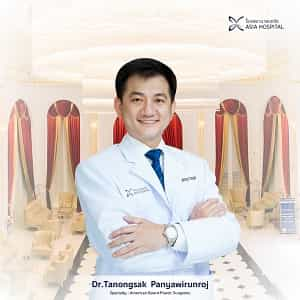
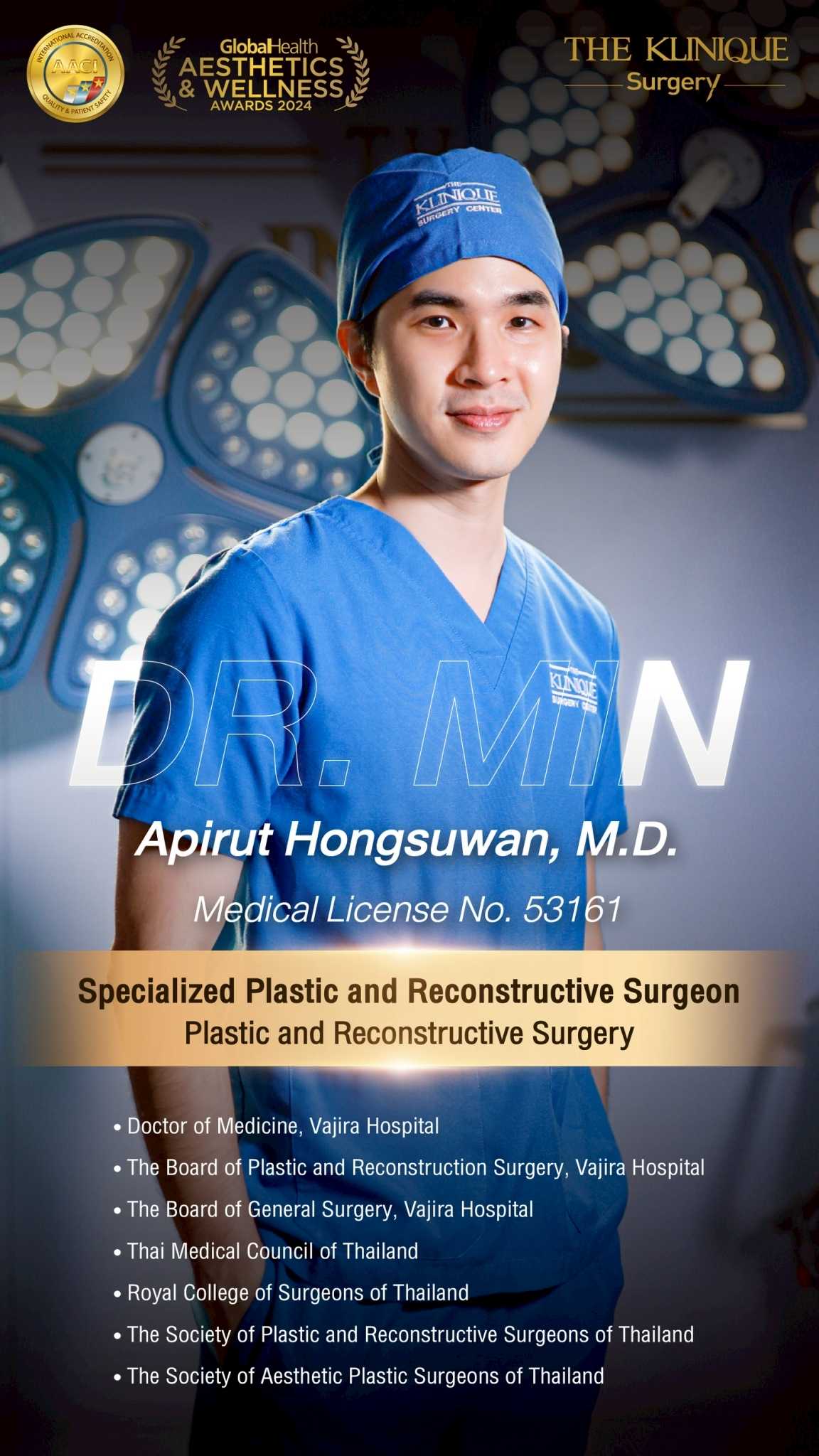
Apirut Hongsuwan., M.D.
Capturing Beauty at The Klinique Surgery Center in Thailand
- Plastic surgeon
Bangkok, Thailand

Supeerat Ongkittikul
DCH Dr. CHEN Surgery Hospital International Center in Bangkok, Thailand
- Plastic Surgeon
Bangkok, Thailand
Thailand receives over a million international patients annually, establishing it as a primary hub for medical travel. Most patients traveling for facial rejuvenation arrive from the United States, United Kingdom, Canada, and Australia, drawn by the stark difference in surgical costs and the availability of internationally trained specialists. Bangkok is the undisputed center for these procedures, hosting the highest concentration of JCI-accredited hospitals in the country. Traveling for surgery requires specific logistical planning:
Consideration
Logistical Details
Primary Hub
Bangkok (Highest density of accredited hospitals and specialists)
Flight Time (US/UK)
12 to 20+ hours (Requires strict medical clearance to fly home safely)
Required Stay
10 to 14 days minimum for monitoring and suture removal
Climate
Tropical (High heat and humidity; absolute sun avoidance is critical post-op)
Choosing to undergo surgery abroad is a significant medical and financial decision. If you are ready to compare factual pricing, verify facility credentials, and understand your surgical options in Thailand, take the next step. Connect with our team to receive transparent, individualized information based on your specific clinical needs.Ready to Explore Your Options?
References





















Share this listing