


Are you considering a transformative body contouring procedure but wondering if you truly qualify for the operating table? Pursuing a tummy tuck in Thailand has become an immensely popular choice for individuals wanting to dramatically restore their abdominal profile after pregnancy or weight loss. However, achieving your dream aesthetic is not a simple, one-size-fits-all journey.
As highly sought-after as this complex surgical operation is, certain underlying medical and lifestyle factors can permanently disqualify you from safely undergoing the knife. This comprehensive guide dives deep into the crucial contraindications for abdominal contouring. We will thoroughly explore why factors like a high body mass index, active smoking habits, and underlying health conditions dictate your surgical eligibility, ensuring your abdominoplasty surgery journey remains flawlessly safe.
Video Chapters & Quick Navigation
Understanding the Ideal Body Mass Index (BMI) for Abdominoplasty Surgery Candidates
When you begin your initial research into advanced body contouring, the medical term Body Mass Index (BMI) frequently appears in leading surgical literature. Board-certified plastic surgeons strictly monitor this physiological metric because a tummy tuck is fundamentally not a weight-loss solution. Rather, it is a highly specialized, restorative body contouring procedure explicitly designed to remove excess, sagging skin and tightly repair separated abdominal muscles.
If your current BMI sits significantly above the recommended safety range, as specifically noted at [00:04] in our reference video, the inherent surgery risks increase exponentially. Carrying a substantial amount of excess visceral fat—which is the dense fat stored deep within the abdominal cavity wrapping directly around your internal organs—physically prevents the operating surgeon from safely and effectively tightening the abdominal wall.
Furthermore, an excessively high BMI creates severe, potentially life-threatening challenges for the attending anesthesiologist. Heavier patients naturally face a dramatically higher risk of dangerous respiratory complications, delayed wake-up times, and intense cardiovascular stress while placed under general anesthesia for multiple hours. Post-operative mobility is also heavily compromised when dealing with obesity. When carrying excessive body weight, simply getting out of the recovery bed and walking around during those crucial early recovery days becomes intensely physically demanding.
Why High BMI Leads to Unpredictable Cosmetic Surgery Results
Achieving a beautifully contoured, perfectly flat midsection relies heavily on the natural elasticity of the remaining skin and the specific amount of subcutaneous fat present directly beneath the dermal layer. Patients presenting with an elevated Body Mass Index almost always experience highly unpredictable results following the extensive operation.
Moreover, placing excessive physical tension on the delicate horizontal incision line is a major clinical concern. When there is too much heavy abdominal mass constantly pressing outward against the internal and external sutures, the risk of the primary wound tearing open or healing poorly skyrockets. Surgeons meticulously strive to ensure that the final abdominal scar heals as thinly, smoothly, and inconspicuously as humanly possible.
The Severe Impact of Smoking and Nicotine on Tummy Tuck Wound Healing Processes
Active smoking is arguably the single most detrimental and destructive lifestyle habit for absolutely anyone considering major elective plastic surgery. Nicotine acts as an incredibly potent vasoconstrictor within the human body, meaning it physically shrinks and narrows the delicate blood vessels throughout your entire circulatory system.
As emphatically highlighted at [00:10], this toxic chemical severely reduces the critical blood supply traveling directly to the primary surgical site. A standard tummy tuck actively involves surgically lifting a massive flap of abdominal skin and subcutaneous fat, temporarily disconnecting it from its normal, primary blood supply sources. The remaining, highly fragile microcirculation network is then entirely responsible for keeping that extensive tissue flap alive and actively facilitating the complex wound healing process.
When circulating nicotine chemically compromises these tiny, vital blood vessels, the massive skin flap simply does not receive adequate, life-sustaining oxygen or essential cellular nutrients. This severe nutrient deprivation can rapidly lead to a devastating, irreversible complication known as tissue necrosis, where large sections of the abdominal skin literally die, turn black, and slough off.
The Strict Clinical Timeline for Quitting Smoking Before Major Body Contouring
Due to the truly catastrophic physiological risks directly associated with nicotine consumption, highly reputable plastic surgeons globally enforce extremely strict, non-negotiable non-smoking policies. Prospective patients must completely and entirely cease using all known forms of nicotine—explicitly including traditional combustible cigarettes, modern vaping devices, nicotine replacement patches, and chewing tobacco—for an absolute minimum of four to six uninterrupted weeks prior to the scheduled operation.
The immense physical commitment absolutely does not end on the morning of the procedure. Patients must diligently continue this strict nicotine-free lifestyle for at least another four to six weeks during the highly vulnerable initial recovery phase. Introducing toxic nicotine back into the circulatory system while the massive abdominal incision is actively trying to stitch itself closed will immediately halt the biological repair mechanisms.
Uncontrolled Diabetes and Its Effect on Cosmetic Surgery Recovery Times
Meticulously managing underlying chronic medical conditions is absolutely paramount when thoroughly preparing for invasive, elective cosmetic operations. Uncontrolled diabetes presents a massive, potentially insurmountable physiological hurdle for individuals actively seeking a dramatic abdominal profile transformation. Chronically elevated blood sugar levels wreak absolute havoc on the human body's natural, biological repair mechanisms.
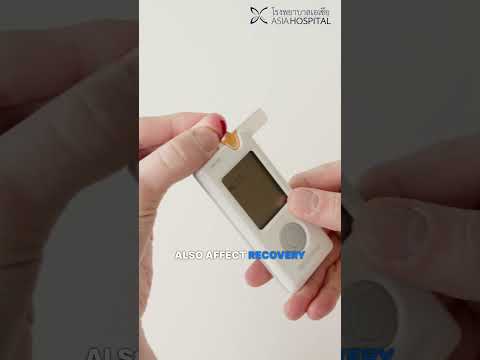
As clearly stated at [00:14], this complex systemic disease can severely and negatively affect recovery timelines while drastically increasing the statistical risk of major post-operative complications. Chronic, persistent high blood glucose physically impairs the critical function of white blood cells, which serve as the body's primary, frontline defense against invasive bacterial infections.
When specialized white blood cells cannot function efficiently or travel swiftly to the wound site, the massive surgical incision becomes highly susceptible to aggressive, severe localized infections. A rapidly spreading post-operative infection within a major abdominal wound is a terrifying medical emergency that can completely compromise the entire aesthetic surgical outcome.
Managing Blood Sugar Levels Before Your Abdominal Contouring Procedure
Responsible plastic surgeons unconditionally require diabetic patients to clearly demonstrate strict, highly consistent, long-term glycemic control before ever officially clearing them to enter the operating room. This stability is universally measured through an HbA1c blood laboratory test, which accurately provides a comprehensive average of your circulating blood sugar levels over the preceding three entire months.
Optimizing your daily nutritional diet, strictly and flawlessly adhering to prescribed insulin or oral medication regimens, and fiercely maintaining a regular cardiovascular exercise routine are absolutely non-negotiable preparatory steps. If a prospective patient simply cannot bring their volatile blood sugar steadily within the acceptable, safe medical range, highly responsible and ethical surgeons will outright refuse to perform the requested operation.
Why Patient Safety Comes First During an Abdominal Contouring Procedure in Thailand
Over the last decade, Thailand has rapidly emerged as a dominant, highly respected global powerhouse for international medical tourism, actively attracting hundreds of thousands of international patients annually. However, the undeniable allure of seamlessly combining a relaxing, luxurious tropical vacation with an extreme cosmetic enhancement should never, ever overshadow the harsh clinical realities of undergoing major abdominal surgery.
Ethical, world-class surgical clinics firmly and unwaveringly operate on the core philosophy that absolute patient safety must always come first, starting right from the very first virtual consultation. This intense, unyielding dedication to foundational safety is exactly why this specific procedure is emphatically not universally suitable for everyone who casually requests it, a vital medical fact firmly established at [00:00] in the provided educational video.
A truly comprehensive, world-class safety protocol actively involves extremely rigorous, exhaustive pre-operative medical screenings explicitly designed to carefully uncover any hidden, silent cardiac, pulmonary, or complex systemic issues. Attending surgeons must meticulously and thoroughly review a prospective patient's complete, unabridged medical history, meticulously examining past surgical complications.
The Crucial Role of Transparent Patient Communication Before Surgery
Surgical safety also heavily and intrinsically relies on absolute, unfiltered transparency between the traveling patient and the entire dedicated medical team. International patients must be incredibly, brutally forthcoming about their daily lifestyle habits, occasional recreational drug use, and routine usage of seemingly harmless herbal dietary supplements.
Intentionally failing to disclose critical medical information purely out of fear of being swiftly denied the aesthetic surgery is a remarkably reckless, highly dangerous gamble with one's own life. Top-tier, internationally accredited medical facilities heavily prioritize building authentic trust and maintaining open, honest dialogue regarding all potential surgery risks.
Identifying the Right Candidate Versus Choosing the Right Cosmetic Surgery
A remarkably frequent and pervasive misconception among eager, prospective patients is the flawed belief that a single, standardized surgical technique will miraculously solve absolutely all of their unique abdominal aesthetic concerns. The clinical reality of advanced body contouring is far more complex and highly nuanced.
As beautifully and succinctly summarized at [00:23], accurately determining the truly right, medically sound candidate is just as incredibly critical as expertly selecting the precise right surgical intervention. Countless individuals actively present to a high-end clinic fully believing they desperately need a traditional, full abdominoplasty, when in medical fact, their unique anatomical presentation might be vastly better suited for a targeted, far less invasive modern alternative.
For specific instance, a younger patient presenting with excellent, highly resilient skin elasticity but localized, frustrating pockets of stubborn abdominal fat might perfectly achieve their ultimate desired aesthetic look through advanced, high-definition liposuction alone. Conversely, someone who has recently undergone a massive, life-altering weight loss journey might desperately require a far more extensive lower body lift.
Psychological Readiness for Major Post-Bariatric Body Contouring Procedures
Moving far beyond mere physical attributes, robust psychological stability is an absolutely massive, frequently overlooked component of truly being the perfect ideal candidate. Actively recovering from an incredibly extensive abdominal tissue excision is a notoriously wild, heavily emotional rollercoaster.
Patients almost always experience severe, prolonged post-operative tissue swelling, deep painful bruising, and incredibly frustrating temporary physical limitations in their basic daily activities. Individuals must absolutely possess incredibly realistic, grounded expectations regarding the lengthy, painful recovery timeline and the realistic final visual outcome.
Navigating Potential Surgery Risks and Unpredictable Results in High-Risk Patients
When highly stubborn patients willfully ignore explicit medical advice and aggressively attempt to proceed with an elective aesthetic surgery despite actively having clear, documented clinical contraindications, they knowingly invite a terrifying cascade of massive potential surgical complications. Navigating these intense, highly complex surgery risks absolutely requires immediate, specialized emergency medical intervention.
High-risk, unoptimized patients—explicitly such as those struggling with an elevated BMI, silently uncontrolled diabetes, or highly active, hidden smoking habits—face a dramatically, statistically increased likelihood of quickly developing massive internal seromas and dangerous hematomas.
A surgical seroma is a large, uncomfortable accumulation of clear, inflammatory bodily fluid trapped deep beneath the healing skin flap, while a hematoma is a localized, pressurized collection of thick clotted blood. Both incredibly common high-risk complications actively create severely uncomfortable internal swelling and physically stretch the delicate healing incision.
| Critical Health Factor | The Ideal Surgical Candidate | The High-Risk Candidate |
|---|---|---|
| Body Mass Index (BMI) | Strictly below 30, holding a highly stable body weight for over 6 continuous months. | Significantly above 30, experiencing wild fluctuating weight, possessing high visceral fat. |
| Daily Smoking Habits | A lifelong non-smoker or completely quit all nicotine products 6 weeks prior. | An active, daily smoker, or secretly uses modern nicotine patches/vapes. |
| Systemic Blood Sugar Control | Absolutely no history of diabetes or maintaining an HbA1c strictly under 7.0%. | Suffering from wildly uncontrolled diabetes, displaying an HbA1c heavily above 7.0%. |
How Asia Cosmetic Hospital Ensures Top-Tier Medical Evaluations for International Patients
Operating highly successfully within a massively competitive, globally recognized medical tourism hub intrinsically demands an absolutely unwavering, ironclad commitment to pure clinical excellence. Premier, internationally accredited facilities exactly like Asia Cosmetic Hospital have carefully and meticulously built their sterling global reputations on actively implementing highly uncompromising pre-operative medical protocols.
As emphatically and proudly highlighted at [00:19], absolutely every single transformative tummy tuck journey explicitly begins with a highly detailed, incredibly exhaustive medical evaluation. This critical initial evaluation is decidedly not a simple, breezy administrative formality; rather, it is a truly rigorous, multi-disciplinary, intensive clinical assessment explicitly designed to fiercely protect the vulnerable traveling patient from entirely preventable intraoperative harm.
The Required Pre-Operative Testing Suite for Traveling Patients
- Comprehensive Metabolic Blood Panels: Accurately checking hemoglobin levels, vital clotting factors, and overall kidney function before surgery.
- Advanced Electrocardiogram (EKG): Strictly ensuring the heart muscle can safely withstand the intense physiological stress of prolonged general anesthesia.
- Detailed Chest X-Ray Imaging: Thoroughly evaluating total lung health and capacity, which is especially crucial for any former heavy smokers.
- Rigorous HbA1c Testing: Clinically verifying highly stable, long-term blood glucose management exclusively for diabetic patients.
The intense, hospital-wide dedication to absolute patient well-being seamlessly and effortlessly extends directly into the highly critical post-operative recovery phase. Top-tier international hospitals actively utilize a highly integrated, incredibly modern care model, brilliantly combining advanced, minimally invasive surgical techniques with highly specialized, deeply compassionate aftercare nursing.
Recovering patients are incredibly closely monitored around the clock in luxurious, ultra-modern private recovery suites, where their vital cardiovascular signs, exact fluid output, and subjective pain levels are constantly, obsessively assessed by highly trained medical staff. By actively providing truly comprehensive, highly responsive medical support, elite cosmetic surgical facilities flawlessly ensure that every single cleared patient safely returns home healthy and satisfied.
Ready to Discover If You Are the Ideal Candidate?
Don't leave your health and aesthetic goals to chance. Connect with top-tier board-certified plastic surgeons in Thailand for a comprehensive, personalized medical evaluation to ensure your complete safety and optimal surgical results.
Get Free QuoteClick Here to View the Full Video Transcript
00:00 A tummy tuck is not suitable for everyone.
00:02 Patient safety comes first.
00:04 If your BMI is significantly above the recommended range,
00:07 surgery risks increase and results become unpredictable.
00:10 Smoking is another major factor.
00:11 Nicotine reduces blood supply and can delay wound healing.
00:14 Uncontrolled diabetes can also affect recovery and increase the risk of complications.
00:18 That's why every tummy tuck at Asia Cosmetic Hospital
00:21 begins with a detailed medical evaluation.
00:23 Because the right candidate is just as important as the right surgery.







.jpg)









Share this listing