

Contents
A price table can make plastic surgery in Thailand look simple; the flight home, implant choice, hospital stay and follow-up plan usually make the decision more complicated. Patients may travel from Australia and New Zealand, East and Southeast Asia, the Middle East, Europe or North America when they are comparing procedure access, location and total cost across borders. Published package listings checked for this guide show a broad Thailand range of about US$1,500–US$8,500 across cosmetic procedures. Examples listed for Bangkok include rhinoplasty from US$3,500, breast implants at US$5,000, and a comprehensive facelift at approximately US$4,500–US$8,500. These figures are starting or indicative prices, not a personal quote, and they do not all include the same medical or travel services. Before comparing a low number with a higher one, confirm the exact operation, surgeon, implant or device, anesthesia, facility, hospital nights, tests, medicines and post-operative reviews. For facility checks, look for the legal operating name, a current Thai licence and applicable Thai Healthcare Accreditation status; JCI can be an additional facility-level check, but it does not automatically cover every clinic or procedure. A careful comparison leaves room for medical judgment, recovery time and unexpected care.
Published package listings show about US$1,500–US$8,500 across cosmetic procedures. Bangkok examples include rhinoplasty from US$3,500, breast implants at US$5,000 and a comprehensive facelift at approximately US$4,500–US$8,500. A package is useful only when its medical contents are clear. Ask whether the written quote covers the named surgeon, anesthesia, operating room, hospital stay, tests, medicines, garments, transfers and follow-up. Travel, accommodation, extra nights, complications and care at home may sit outside the price. Review the packages below and compare like with like.
Price starting from $2,000
All Inclusive Rhinoplasty Bangkok at Asia Cosmetic Hospital Thailand
Asia Cosmetic Hospital
- Cosmetic/Plastic Surgery
Bangkok, Thailand

Price starting from $4,500
Affordable Breast Implant Package in Bangkok, Thailand by Dr. Siripong
Dr. Siripong Plastic Surgery in Thailand
- Cosmetic/Plastic Surgery
Bangkok, Thailand
Price starting from $4,000
Safe & Effective Facelift Surgery in Bangkok – Package by BPS Clinic Thailand
Bangkok Plastic Surgery Clinic
- Cosmetic/Plastic Surgery
Bangkok, Thailand

Price starting from $3,500
Affordable Bangkok Rhinoplasty Package in Bangkok, Thailand by BPS Clinic
Bangkok Plastic Surgery Clinic
- Cosmetic/Plastic Surgery
Bangkok, Thailand

Price starting from $5,500
Affordable Package for Sex Reassignment Surgery in Thailand
Asia Cosmetic Hospital
- Cosmetic/Plastic Surgery
Bangkok, Thailand

Price starting from $1,302
Affordable Facelift Bangkok Thailand with Experienced Surgeons at Asia Cosmetic Hospital
Asia Cosmetic Hospital
- Cosmetic/Plastic Surgery
Bangkok, Thailand
One big reason people love getting plastic surgery in Thailand is because it costs less than in many other countries! Even though the prices are lower, the doctors are still super skilled, and the hospitals are safe and modern. Thailand can offer these lower prices because things like rent, food, and medical costs are not as expensive there.
When someone chooses Cheap Plastic Surgery Thailand, they usually know the total price upfront. The cost often includes everything—doctor visits before surgery, the operation itself, medicine to stay comfortable, and care afterward. Some even include a nice place to stay while recovering! Whether someone wants a new nose, a tummy fix, or a different look, Thailand gives them great care at a price that doesn’t break the bank. That’s why so many people choose Thailand for their beauty transformations!
Cosmetic/Plastic Surgery Centers Cost Comparison in Thailand
| Provider | Procedure | Price |
|---|---|---|
| Dr. Siripong Plastic Surgery in Thailand | Nose Surgery Rhinoplasty, Cosmetic/Plastic Surgery | $4400 |
| Bangkok Plastic Surgery Clinic | Nose Surgery Rhinoplasty, Cosmetic/Plastic Surgery | $3500 |
| Asia Cosmetic Hospital | Tummy Tuck Surgery, Cosmetic/Plastic Surgery | $4500 |
| Asia Cosmetic Hospital | Liposuction, Cosmetic/Plastic Surgery | $1800 |
| Asia Cosmetic Hospital | Breast Implants, Cosmetic/Plastic Surgery | $2700 |
| Bangkok Plastic Surgery Clinic | Breast Implants, Cosmetic/Plastic Surgery | $3200 |
Cosmetic/Plastic Surgery Cost Comparison in Thailand
| Country | Procedure | Price |
|---|---|---|
| Canada | Breast Augmentation, Cosmetic/Plastic Surgery | $9000 |
| United Kingdom | Abdominoplasty, Cosmetic/Plastic Surgery | $8992 |
| United States | Tummy Tuck Surgery, Cosmetic/Plastic Surgery | $11000 |
Start with the facility where surgery will actually take place, not only the company arranging your inquiry. Confirm its legal name, operating licence, Thai Healthcare Accreditation status where applicable, and any current JCI listing. Ask who provides anesthesia, what emergency transfer arrangements exist, whether overnight clinical staff are available, and where follow-up examinations occur. Also verify that the consultation clinic and operating facility are the same or clearly connected. Use the clinic listings below as a comparison set, then request documents directly before making a decision.
Bangkok Plastic Surgery Clinic
Bangkok, Thailand

Reals Aesthetic Center
Bangkok, Thailand
DGB Plastic Surgery Clinic
Bangkok, Thailand
Asia Cosmetic Hospital
Bangkok, Thailand
The Image Aesthetic Centre
Bangkok, Thailand
SLC Clinics - Bangkok Best Plastic Surgery Hospital
Bangkok, Thailand
A patient video can make the process easier to picture, but it cannot confirm operating-room safety or predict your result. Look for useful details about consultation, consent, anesthesia, recovery instructions, warning signs and communication after discharge. Treat before-and-after footage carefully because lighting, pose, swelling and editing can change how results appear. Check whether the video identifies the procedure, date and treating team. Watch the videos below for practical questions to take into a consultation, not as a substitute for one.



The most informative review usually contains details rather than a simple rating. Look for comments about the consultation, informed consent, pain control, translation, discharge instructions, follow-up access and how questions were handled. Separate hotel, driver and coordinator feedback from comments about clinical care. A review describes one person’s experience; it cannot establish that a procedure is safe for you or guarantee a similar result. Read the reviews below for recurring patterns and compare them with the facility’s written aftercare plan.

Published package listings show approximately US$1,500–US$8,500 across different cosmetic procedures. Bangkok examples include rhinoplasty from US$3,500, breast implants at US$5,000 and a comprehensive facelift at about US$4,500–US$8,500. These are indicative figures. The final quote depends on the procedure, surgeon, facility, anesthesia, tests, devices, hospital care and aftercare. No destination can remove the risks of surgery. Safety depends on your health, the procedure, anesthesia, surgeon, operating facility, infection-control systems, emergency access and follow-up. Verify the facility and surgeon independently, request a written risk discussion, and make a plan for care after you return home. Bangkok and Phuket are common starting points for comparison because they have international airports and facilities that treat overseas patients. City choice should follow the actual operating facility, specialist availability, required follow-up and your flight route. A coastal location should not be treated as evidence that a trip is suitable for a holiday during early recovery. Request the surgeon’s full name and registration details, then check active registration through the Medical Council of Thailand. Ask for evidence of specialist training in plastic and reconstructive surgery and experience with your exact operation. A Thai plastic-surgery society directory can provide an additional membership check, but it does not replace licensing, hospital privileges or personal consultation. Inclusions vary. A package may cover some combination of the surgeon, anesthesia, operating room, hospital stay, standard tests, medicines, garments, transfers and early follow-up. Flights, hotel nights, upgraded devices, additional procedures, treatment of complications and care after returning home may be excluded. Ask for an itemized quote and written exclusions. There is no single safe stay for every operation. The required time depends on the procedure, wound healing, drains or dressings, mobility, medical history and flight length. Build the schedule around an in-person post-operative assessment and written clearance to travel. Do not let a fixed return ticket determine when care ends. Only after the treating surgeon confirms that you are fit to fly. Recent surgery, reduced mobility and prolonged sitting can add travel-related risks, including blood clots. Ask about the timing of your review, airport assistance, luggage limits, movement during the flight and what symptoms require urgent medical care. No. JCI accreditation is a facility-level quality and safety assessment, not a guarantee of a particular surgeon, procedure or outcome. Confirm that the exact operating facility appears in the current JCI directory and still check the surgeon’s registration, specialty, procedure-specific experience, consent process and aftercare arrangements. Do not assume that a device available in Thailand has the same authorization in your home country. Request the manufacturer, model, size, surface, lot or serial details, warranty and patient information leaflet. CE marking relates to conformity with applicable European Economic Area product rules; it is not a universal substitute for checking the regulatory status in your own country. You can travel for care, but early recovery is not a normal holiday. Walking, sun exposure, swimming, alcohol, heat, heavy bags and long excursions may be restricted. Arrange a quiet recovery setting and follow the surgeon’s instructions. Add tourism only when your clinical team says it is appropriate for your procedure and healing. Before travel, ask for a written plan covering urgent symptoms, remote contact, medical records, responsibility for treatment and possible revision or return travel. Arrange a local doctor who is willing to assess you after surgery. Seek urgent local care for breathing difficulty, chest pain, heavy bleeding, fever, rapidly worsening pain, spreading redness or wound separation. Provide your age, medical history, previous operations, current medicines and supplements, allergies, smoking or vaping status, relevant diagnoses and clear photographs when requested. State the procedure you are considering and your travel window. A remote estimate cannot replace an in-person examination, so expect the plan or price to change if the surgeon finds a different medical need. No. A lower procedure quote may not remain a lower total cost after flights, accommodation, companions, medicines, extra nights, follow-up at home or treatment of a complication are included. Compare the full expected cost and the clinical plan. The cheapest quote is not automatically the most suitable option.How much does plastic surgery cost in Thailand?
Is plastic surgery in Thailand safe for international patients?
Which Thai cities are commonly considered for plastic surgery?
How can I verify a plastic surgeon in Thailand?
What is usually included in a plastic surgery package in Thailand?
How long should I stay in Thailand after plastic surgery?
Can I fly home soon after plastic surgery in Thailand?
Does JCI accreditation guarantee a good surgical result?
Are implants used in Thailand CE marked or approved in my country?
Can I combine a plastic surgery trip with a holiday in Thailand?
What happens if I develop a complication after returning home?
What should I send before requesting a Thailand plastic surgery quote?
Can a lower Thailand price guarantee savings after travel?
How Much Cost of Vaginoplasty in Thailand?
Imagine a special surgery that helps a woman's body feel better, especially after having a baby or going through some changes. This surgery is called Vaginoplasty. It's like a fix-up for a very important part of a woman's body. It helps things feel more comfortable and even look nicer. Why Thailand for Vaginoplasty? Thailand is a beautiful country known for its friendly people and yummy food. But did you know it's also a great place to have this special surgery? Here's why: Good doctors: Thailand has doctors who are really good at this surgery. They have lots of experience and use the latest tools. Nice hospitals: The hospitals are clean and modern, making you feel safe and comfy. Saving money: Getting this surgery in Thailand can cost less than in other countries. This means you can have extra money for a vacation or other things you need. How Much Does Vaginoplasty Cost in Thailand? The cost can be different for everyone. It depends on a few things: What kind of surgery: Some types of vaginoplasty are a bit more expensive than others. Where you go: Hospitals in big cities might cost a little more. What you need: If you need extra care, it might cost a bit more. But don't worry! Most of the time, it costs about $2,250 to $3,250 USD. That's a lot less than in many other places. Countries Prices Thailand $2,250 to $3,250 USD USA $7,990 to $9,650 USD What to Expect Beforeyou go to Vaginoplasty clinics in Thailand for the surgery, the doctors will talk to you about what you want and what to expect. They will make sure you feel okay about everything. After the surgery, you might need a little time to rest. But the doctors and nurses will help you feel better quickly. They are very kind and helpful. Good Things About Vaginoplasty This surgery can help with: Feeling more comfortable: It can help things feel better, especially when you go to the bathroom or do fun things. Feeling happier: When your body feels good, you feel happier too! Feeling more confident: You might feel better about yourself and your body. Who is Vaginoplasty for? This surgery is good for women who: Want to feel better after having a baby. Have some problems that make it hard to go to the bathroom. Want to feel good about their bodies. Saving Money in Thailand You can save a lot of money by having this surgery in Thailand. Sometimes, you can save more than half the price compared to other countries. That's like having extra money for a fun trip or something special for yourself! Other Things to Think About When you plan your trip to Thailand for this surgery, remember a few other things: Plane tickets and hotels: These cost extra, so plan. Check-ups with the doctor: You might need to see the doctor a few times, and that can cost a little more. Medicine: You might need some medicine after the surgery. It's important to talk to the doctors about all of this before you go. They can help you understand everything and make a good plan. Want to Feel Better? If you think this surgery might be right for you, PlacidWay can help! They can answer your questions and help you find the best doctors in Thailand. They are like your friends who want to help you feel your best. Questions You Might Have 1. Does it hurt? The doctors use special medicine so you don't feel anything during the surgery. After the surgery, you might feel a little sore, but the doctors will give you medicine to help with that. 2. How long do I have to stay in Thailand? You might need to stay in Thailand for a little while after the surgery, maybe a week or two. This is to make sure you are healing well and feeling good. 3. Will I have a scar? The doctors try to make the tiniest cut possible, so the scar is very small. Sometimes, you can hardly even see it! 4. Can I have this surgery if I haven't had a baby? Yes, you can! This surgery can help many women, even if they haven't had a baby. 5. Will I feel different afterwards? Many women say they feel much better after this surgery. They feel more comfortable and confident. 6. How do I find out more? That's easy! Just talk to PlacidWay. They are very friendly and can answer all your questions. They can even help you plan your trip to Thailand! Ready to Feel Your Best? Talk to PlacidWay Today! It's okay to ask for help if you want to feel better about your body. PlacidWay is here to listen and help you find the best way to take care of yourself. They are like your guides to a happier, healthier you!
What is the Cost of Rhinoplasty in Thailand
The estimated rhinoplasty cost in Thailand typically ranges from $1,500 to $4,500. This price usually includes the surgeon's fee, operating room costs, and basic anesthesia, though complex revisions or specialized techniques may increase the total. Many patients considering cosmetic enhancement explore rhinoplasty in Thailand due to the availability of modern facilities and experienced medical professionals. Whether you are looking to refine the shape of your nose for aesthetic reasons or need to correct a functional breathing issue, understanding the financial and medical aspects of the journey is an essential first step. Traveling abroad for surgery requires careful planning. You have to consider not only the surgical expenses but also the safety standards, the recovery timeline, and the logistics of seeking healthcare in another country. Below, we break down what you need to know about the procedure, the factors influencing the price, and how to approach this decision safely. Key Takeaways Prices for primary nose reshaping in Thailand typically range between $1,500 and $4,500, varying by technique and facility. The total cost depends heavily on whether you need a closed, open, or revision procedure, as well as the materials used. Patients should plan to stay in the country for at least 7 to 10 days post-surgery for safe monitoring and splint removal. While medical travel can offer financial flexibility, patients must prioritize board-certified providers and international safety standards. Individual results, risks, and recovery times vary, making a thorough medical consultation crucial before finalizing any travel plans. What factors influence the final price of nose reshaping in Thailand? The final price depends on the complexity of the surgery, the surgeon's experience, the type of anesthesia used, and the materials required for grafting or augmentation. When reviewing a quote for your procedure, you will find that several variables can shift the overall expense. Primary rhinoplasty—a first-time surgery—is usually less expensive than a revision surgery, which requires navigating scar tissue and correcting previous alterations. The technique also plays a role; procedures utilizing autologous grafts (cartilage taken from your own ear or rib) take more time in the operating room and often cost more than those using synthetic silicone implants. Other factors that impact the quote include: Facility Fees: Treatment at an internationally accredited hospital typically costs more than at a smaller, specialized private clinic. Anesthesia: General anesthesia requires a specialized anesthesiologist and incurs higher fees than local anesthesia with sedation. Pre-operative Testing: Blood tests, chest X-rays, and physical examinations are necessary for safety and add to the initial expenses. Post-operative Care: Medications, follow-up visits, and recovery garments are usually factored into comprehensive packages, but you should always verify what is included. How does an open rhinoplasty differ from a closed procedure? An open rhinoplasty involves a small external incision between the nostrils for better visibility, while a closed procedure keeps all incisions hidden inside the nasal cavity. The choice between an open and closed approach depends largely on your anatomy and the specific changes you hope to achieve. During an open rhinoplasty, the surgeon makes an incision across the columella (the narrow strip of tissue separating the nostrils). This allows the skin to be lifted, giving the surgeon an unobstructed view of the underlying bone and cartilage. This method is often preferred for complex reshaping, significant asymmetry corrections, or intricate tip work. Conversely, a closed rhinoplasty involves incisions made entirely within the nostrils. Because there is no external incision, there is no visible scarring on the outside of the nose. This approach typically results in less post-operative swelling and a slightly faster initial recovery. However, it restricts the surgeon's visibility and maneuvering space, making it better suited for more straightforward adjustments, such as removing a small dorsal hump. Your surgeon will recommend the best approach based on a physical examination. Is it safe to travel to Thailand for cosmetic surgery? Traveling for surgery can be safe if you choose appropriately accredited facilities and board-certified surgeons, though all surgery carries inherent risks that travel can complicate. The landscape of medical tourism in Thailand is well-established, with many hospitals catering specifically to international patients. Several facilities hold accreditation from organizations like the Joint Commission International (JCI), which indicates adherence to rigorous global safety and quality standards. Many surgeons practicing in these centers have undergone international training and are members of recognized professional organizations. However, traveling for surgery introduces unique considerations. Long-distance air travel shortly before or after a major procedure can increase the risk of deep vein thrombosis (DVT) and pulmonary embolism. You also have to consider the logistics of continuity of care. Once you return to your home country, managing unexpected complications requires access to local medical professionals who are familiar with post-operative care. It is highly advisable to discuss your travel plans with your primary care physician before booking a trip. Important Consideration: Always ensure you have a clear plan for post-operative follow-up care in your home country, as complications can occasionally arise weeks or months after you have left the surgical destination. What is the typical recovery timeline after nose surgery? Most patients can return to non-strenuous work within 10 to 14 days, but residual swelling can take up to a full year to completely subside. Recovery from rhinoplasty is a gradual process. Immediately following the procedure, you will have a splint taped to the outside of your nose to support its new shape, and possibly soft packing inside the nostrils. During the first few days, you can expect noticeable swelling, bruising around the eyes, and a feeling of congestion. Pain is generally manageable with prescribed medications, and sleeping with your head elevated helps minimize fluid accumulation. Around day seven, your surgeon will typically remove the external splint and any non-dissolvable sutures. At this point, you will get the first glimpse of your new nose, though it will still be quite swollen. By the end of the second week, most of the severe bruising usually fades, allowing many patients to feel comfortable returning to social settings. However, strenuous exercise, heavy lifting, and activities that pose a risk of impact to the face must be avoided for at least four to six weeks. The final, subtle refinement of the nasal tip can take 12 to 18 months to fully manifest. Who is a suitable candidate for rhinoplasty? Ideal candidates are healthy individuals whose facial growth is complete, who do not smoke, and who hold realistic expectations about the surgical outcomes. Suitability for surgery goes beyond just wanting a change in appearance. A qualified surgeon will evaluate your physical health to ensure you can safely undergo anesthesia and heal properly. Conditions such as uncontrolled high blood pressure, bleeding disorders, or severe cardiovascular issues may preclude you from safely having the operation. Additionally, patients who smoke are often required to quit several weeks before and after surgery, as nicotine constricts blood vessels and significantly impairs the healing process. Age is also a critical factor. Surgeons typically require patients to wait until their nasal bone growth is complete—usually around age 16 for females and slightly older for males. Psychological readiness is just as important as physical health. Good candidates seek improvement rather than absolute perfection and understand that while surgery can enhance facial harmony, it will not completely alter their underlying identity or solve personal issues. What should I expect during the initial consultation? A consultation involves a comprehensive review of your medical history, an examination of your nasal structure, and a discussion of your aesthetic goals and potential risks. If you are planning to travel, your first consultation may happen virtually. During a video call, the surgeon will ask about your medical background, previous surgeries, current medications, and any breathing difficulties. You will discuss what you dislike about your current nose and what changes you desire. It is helpful to provide clear, well-lit photographs from multiple angles beforehand. Once you arrive at the clinic for your in-person evaluation, the surgeon will perform a physical examination of your skin thickness, cartilage strength, and internal nasal structures. Many modern facilities utilize 3D imaging software to create a digital simulation of your potential results. This tool helps align your expectations with what is surgically possible. The surgeon will also explain the specific technique they recommend, detail the surgical plan, and review the potential complications. How do revision rhinoplasty costs compare to primary procedures? Revision surgeries are consistently more expensive than primary procedures due to the increased complexity, longer operating times, and frequent need for tissue grafting. If you have previously had nose surgery and are dissatisfied with the functional or aesthetic outcome, you may be considering a revision procedure. Patients often find that quotes for a secondary surgery are significantly higher. This price difference reflects the highly complex nature of operating on a nose that has already been structurally altered. Scar tissue from the previous surgery makes dissection more difficult and unpredictable, requiring a high level of surgical expertise. Furthermore, revision cases often suffer from a lack of structural support. Surgeons frequently have to rebuild the nasal framework, which usually involves harvesting cartilage from the patient's ear or rib. This adds another surgical site, prolongs the time spent under anesthesia, and necessitates advanced techniques, all of which contribute to the higher overall expense. Because outcomes are harder to predict in secondary surgeries, careful selection of a highly specialized surgeon is paramount. What are the potential risks and complications of nose reshaping? Risks can include bleeding, infection, adverse reactions to anesthesia, breathing difficulties, poor wound healing, and aesthetic dissatisfaction requiring further surgery. Like any major surgical procedure, rhinoplasty carries inherent risks that you must weigh against the potential benefits. General surgical risks include infection at the incision sites, excessive bleeding, and the potential for a negative reaction to anesthesia. Following your surgeon's pre-and post-operative care instructions meticulously can help mitigate, though not entirely eliminate, these risks. Specific to nasal surgery, patients may experience prolonged numbness in the skin, temporary or permanent changes in their sense of smell, or the development of a septal perforation (a hole in the nasal septum). There is also the possibility of functional issues, such as new or worsened breathing difficulties caused by structural shifts during healing. Aesthetically, healing is unpredictable; asymmetrical results, contour irregularities, or excessive scar tissue can occur, occasionally necessitating a subsequent revision surgery. How long should I stay in Thailand after the surgery? Patients are generally advised to stay in the destination country for at least 7 to 10 days post-surgery to allow for proper medical monitoring and the safe removal of splints and sutures. Planning your travel itinerary requires factoring in adequate recovery time before you can safely board an airplane. Most surgeons require you to remain nearby for immediate post-operative check-ups. During the first week, your medical team will monitor your healing progress, check for early signs of infection, and ensure that your breathing is not compromised by swelling or blood clots. Around the one-week mark, you will typically have an appointment to remove the cast, splints, and any non-dissolvable stitches. Flying before this appointment is strongly discouraged, as the pressurized cabin environment can exacerbate swelling, cause severe discomfort, and increase the risk of nosebleeds. Even after receiving medical clearance to fly, you should plan for a relaxed journey home and arrange for assistance with heavy luggage to avoid straining yourself. How do I evaluate a rhinoplasty clinic in Thailand? You should verify the surgeon's board certification, assess the facility's international accreditations, review past patient outcomes, and ensure they have robust emergency protocols. Choosing the right rhinoplasty clinic in Thailand requires thorough independent research. Start by verifying the credentials of the operating surgeon. Look for formal training in plastic and reconstructive surgery or otolaryngology (ENT), and check if they hold active memberships in respected national or international medical boards. A reputable surgeon will be transparent about their qualifications and the volume of nasal surgeries they perform annually. Next, evaluate the facility itself. Clinics and hospitals that carry international accreditations, such as JCI, undergo regular audits for patient safety, hygiene standards, and equipment quality. Ask the clinic about their emergency transfer protocols in case complications arise during surgery that require intensive care. Finally, carefully review before-and-after portfolios of patients with similar baseline anatomy to yours, but remember that these photos represent best-case scenarios and do not guarantee your individual outcome. Why Choose PlacidWay for Medical Tourism in Thailand? Navigating international healthcare options can feel overwhelming. PlacidWay serves as a global medical tourism platform designed to help patients make informed, educated decisions about their healthcare journey. Broad Information Access: Explore detailed profiles of internationally recognized medical centers and clinics located throughout Thailand. Easy Comparisons: Evaluate different facilities, compare estimated treatment costs, and review provider credentials all in one centralized place. Educational Resources: Access comprehensive guides, articles, and patient resources about medical procedures and healthcare destinations. Direct Connections: Utilize the platform to send inquiries and request preliminary consultations directly with healthcare providers abroad. Global Network: PlacidWay connects patients with a wide network of healthcare options, fostering transparency and expanding choices for elective procedures. Frequently Asked Questions (FAQs) How long does the actual rhinoplasty surgery take? A standard primary rhinoplasty typically takes between 1.5 to 3 hours to complete. More complex procedures, such as revision surgeries or those requiring extensive cartilage grafting, can take 4 hours or longer. What type of anesthesia is used for nose reshaping in Thailand? Surgeons typically use general anesthesia for rhinoplasty, meaning you will be completely asleep. In some minor reshaping cases, local anesthesia with intravenous sedation may be offered as an alternative. Is it safe to fly shortly after having nose surgery? Flying immediately after surgery is generally discouraged due to cabin pressure changes and the risk of bleeding. Most surgeons recommend waiting at least 7 to 10 days, typically after your splint and stitches are removed, before taking a flight. Will my health insurance cover cosmetic nose surgery abroad? Health insurance usually does not cover procedures performed strictly for cosmetic reasons, whether at home or abroad. If the surgery corrects a documented functional breathing issue, your provider might cover a portion, but international coverage varies heavily by policy. What is the difference between silicone implants and autologous grafts? Silicone implants are synthetic devices used to augment the nasal bridge, commonly used in Asian rhinoplasty. Autologous grafts use your body's own tissue, such as cartilage from the ear or ribs, which may reduce the risk of long-term rejection or infection. How long will the swelling last after my procedure? Noticeable swelling and bruising typically peak within the first 72 hours and mostly subside after two to three weeks. However, subtle swelling, especially around the nasal tip, can take up to a full year to completely resolve. Can I wear glasses after having a rhinoplasty? You should avoid resting glasses directly on the bridge of your nose for at least four to six weeks following surgery, as the bones and cartilage are still healing. You can use tape to suspend your glasses from your forehead or wear contact lenses during this time. Are the results of nose surgery permanent? While rhinoplasty permanently alters the bone and cartilage structure of your nose, natural aging and changes to your skin will continue to affect your facial appearance over time. What happens if I experience complications after returning home? If you experience urgent complications like severe bleeding or signs of infection after returning home, you should seek immediate care at a local emergency room or consult a local board-certified plastic surgeon or ENT specialist. Do surgeons in Thailand perform ethnic rhinoplasty? Yes, many cosmetic surgeons in Thailand have extensive experience performing rhinoplasty on diverse facial structures, balancing structural enhancement while respecting and preserving the patient's natural ethnic features. Ready to Explore Your Options? Compare medical centers, review provider credentials, and gather detailed information to help you make an informed decision about your healthcare journey. Request Treatment Information References Rhinoplasty Overview – American Society of Plastic Surgeons (ASPS) Facial Surgery: Rhinoplasty – International Society of Aesthetic Plastic Surgery (ISAPS) Rhinoplasty: Risks, Preparation, and Results – Mayo Clinic Traveler's Health: Thailand – Centers for Disease Control and Prevention (CDC) Medical Tourism Guidelines – Centers for Disease Control and Prevention (CDC) Complications in Rhinoplasty – National Institutes of Health (NIH) / PubMed Central Quality and Patient Safety Standards – Joint Commission International (JCI) Medical Disclaimer: The information provided in this article is for educational and informational purposes only and does not constitute medical advice, diagnosis, or treatment recommendations. Prices mentioned are estimates and can vary widely based on individual circumstances, chosen facilities, and medical needs. Outcomes, risks, and recovery times for rhinoplasty vary by patient. Always consult with a qualified, board-certified healthcare professional to determine if a specific medical procedure is appropriate for you. Do not disregard professional medical advice or delay seeking it because of something you have read here.
What is the Average Price of Brazilian Butt Lift in Bangkok, Thailand?
The average price of a Brazilian Butt Lift in Bangkok, Thailand ranges from $3,500 to $5,500. Costs vary based on the facility, surgical technique, and extent of liposuction required, offering immense savings compared to clinics in Western countries. Key Takeaways: Body Contouring in Bangkok Cost Efficiency: Save up to sixty percent compared to pricing in North America and Europe. World-Class Facilities: Procedures are performed in internationally accredited hospitals ensuring premium safety standards. Advanced Techniques: Access to VASER liposuction and advanced fat purification systems for higher graft survival. Complete Care: Medical tourism packages often bundle surgery, anesthesia, and extensive aftercare into one transparent price. What factors influence the Brazilian Butt Lift cost in Thailand? The Brazilian Butt Lift cost in Thailand is influenced by the number of liposuction areas, facility fees, surgeon expertise, and post-operative garments needed. When calculating your budget for this transformative procedure, the most significant variable is the amount of liposuction required. Extracting fat from only the abdomen and flanks will be considerably less expensive than a 360-degree liposuction approach that includes the back, thighs, and arms. The complexity of the extraction directly impacts the time spent in the operating room, which influences the anesthesia and facility fees. Another major factor is the reputation and experience level of the plastic surgeon. Highly sought-after board-certified specialists operating out of premium hospitals in the heart of the city will charge more than newer doctors. These elite professionals often utilize advanced technologies like VASER or laser-assisted lipolysis, which carry higher equipment costs but provide smoother contouring results. Finally, your chosen recovery package will alter the final price. Many international patients opt for all-inclusive packages that cover airport transfers, a multi-night stay in a luxury recovery hotel, lymphatic drainage massages, and all necessary prescription medications. While these additions increase the upfront cost, they provide invaluable peace of mind during your healing journey. Country Estimated Average Cost (USD) Bangkok, Thailand $3,500 - $5,500 United States $8,000 - $15,000 United Kingdom $9,000 - $12,000 Australia $10,000 - $14,000 How does a top Brazilian Butt Lift clinic in Thailand ensure patient safety? A premier Brazilian Butt Lift clinic in Thailand ensures safety by using board-certified plastic surgeons, advanced ultrasound imaging, and strict hygiene protocols. Patient safety is the absolute highest priority in recognized Thai medical facilities. To prevent severe complications, top clinics strictly adhere to international safety guidelines regarding fat injection depths. Surgeons are meticulously trained to inject purified fat exclusively into the subcutaneous tissue space above the gluteal muscle, actively avoiding deep muscle injections that carry the risk of fat embolisms. Many elite centers have integrated real-time ultrasound technology into their operating rooms. This allows the surgical team to visually track the cannula beneath the skin during the injection phase. By clearly seeing the muscle fascia and major blood vessels on a monitor, the surgeon eliminates the guesswork, drastically elevating the safety profile of the entire operation. Furthermore, these clinics require comprehensive preoperative medical clearances. Before any international patient is wheeled into the operating room, they must undergo extensive blood panels, electrocardiograms, and physical examinations. This rigorous screening ensures that only healthy candidates proceed with surgery, minimizing the risks associated with general anesthesia and extensive fluid shifts during liposuction. Who makes an ideal candidate for a Brazilian Butt Lift in Bangkok? The ideal candidate for a Brazilian Butt Lift in Bangkok has sufficient harvestable fat, good skin elasticity, and is in excellent overall health. Adequate Fat Reserves: You must have enough localized fat in donor areas like the abdomen, flanks, or back to extract, purify, and transfer effectively. Optimal BMI Range: Surgeons prefer patients to have a Body Mass Index generally between twenty-two and thirty to ensure surgical safety and ideal aesthetic proportions. Non-Smoker Status: Nicotine severely constricts blood vessels, so candidates must be completely nicotine-free for several weeks before and after surgery to ensure the newly transferred fat survives. Skin Elasticity: Good skin tone is necessary so that the donor areas retract smoothly over your new contours after the underlying fat has been removed. Realistic Expectations: Understanding that your final results depend on your natural anatomy and that a percentage of the transferred fat will naturally absorb during the healing process. What advanced techniques are used for a Brazilian Butt Lift in Thailand? Surgeons performing a Brazilian Butt Lift in Thailand utilize advanced techniques like VASER liposuction and closed-loop fat transfer systems for better graft survival. The success of body contouring relies heavily on how gently the fat is removed and processed. Thai surgeons frequently utilize VASER technology, which uses ultrasonic energy to gently loosen fat cells from the surrounding connective tissue. This method not only provides the surgeon with ultimate precision for high-definition body sculpting but also protects the viability of the fat cells, making them perfectly suited for reinjection. Once the fat is extracted, it must be purified before it can be transferred. Leading facilities employ closed-loop processing systems like PureGraft. These advanced filtration systems clean the fat by removing excess tumescent fluid, blood, and non-viable cells without exposing the harvest to the air. This rapid, sterile processing significantly reduces the risk of infection and ensures only the healthiest fat is prepared for your augmentation. During the reinjection phase, surgeons use a micro-droplet technique. Instead of injecting large clumps of fat, they meticulously distribute tiny droplets of fat in multiple layers throughout the subcutaneous tissue. This careful layering maximizes the surface area of the transferred fat, ensuring every single cell has immediate access to a rich blood supply, which is the key to long-lasting volume retention. Did You Know? Fat survival relies heavily on your post-operative nutrition. Consuming a diet rich in healthy fats like avocados, nuts, and salmon in the weeks following your procedure can actively help nourish the newly transferred fat cells and improve your final retention rate. How long is the recovery after a Brazilian Butt Lift in Thailand? Recovery after a Brazilian Butt Lift in Thailand requires about two weeks of downtime before returning to light activities, with complete healing taking several months. The initial recovery phase requires strict adherence to your surgeon’s guidelines to protect your investment. For the first two to three weeks, you will experience significant swelling, bruising, and soreness in both the liposuction donor areas and the augmented buttocks. During this time, you must sleep completely on your stomach or sides and absolutely avoid placing direct pressure on your backside. You will be required to wear a specialized compression garment, commonly known as a faja, around the clock for the first six to eight weeks. This garment serves a dual purpose. It compresses the liposuctioned areas to reduce swelling and help the skin retract tightly over your new muscle contours, while simultaneously leaving the buttock area uncompressed to allow the delicate new fat cells to expand and thrive. While you can usually return to desk work and gentle walking after fourteen days, strenuous exercise and heavy lifting must be avoided for at least six to eight weeks. The final results of your surgery will not be fully apparent until approximately three to six months post-operation, once all residual swelling has resolved and the fat grafts have fully stabilized in their new location. Can I combine other procedures with my Brazilian Butt Lift in Thailand? Yes, you can combine your Brazilian Butt Lift in Thailand with procedures like breast augmentation or tummy tucks for a complete mommy makeover experience. Combining cosmetic procedures during a single trip is highly popular among international patients due to the tremendous cost savings on facility fees and anesthesia. A very common combination is pairing body contouring with breast augmentation or a breast lift to completely transform the entire silhouette in one surgical session. This consolidated approach allows you to undergo a single recovery period rather than multiple downtimes. However, your plastic surgeon will prioritize your physiological safety over convenience. There are strict medical limits regarding how much trauma the body can safely handle at once. Surgeons generally cap the total operation time at around six hours and set strict limits on the maximum volume of fat and fluid that can be extracted during a single liposuction event to prevent hypovolemic shock and severe blood loss. If you plan to combine major surgeries like an abdominoplasty with your gluteal enhancement, you must plan for an extended stay in the country. A complex mommy makeover demands intense post-operative monitoring and a longer healing timeline before you are cleared to endure the physical stress of an international flight back home. Why is medical tourism in Thailand popular for body contouring? Medical tourism in Thailand is popular due to the combination of highly skilled surgeons, state-of-the-art medical facilities, and significantly lower costs than Western countries. Thailand has spent decades establishing itself as the premier global destination for health tourism. The country boasts dozens of Joint Commission International accredited hospitals that rival or exceed the standards found in the United States and Europe. These massive medical centers function like luxury hotels, offering translation services, dedicated international patient wings, and a level of personalized hospitality that is rarely seen in Western healthcare models. The surgeons operating in these top-tier facilities are largely internationally trained, holding certifications from prestigious medical boards in America, the UK, or Australia. They bring global expertise back to Southeast Asia, allowing patients to receive cutting-edge surgical techniques without the exorbitant price tags. This incredible cost-to-quality ratio makes the journey financially logical for thousands of patients every year. Furthermore, recovering in a tropical paradise adds a deeply appealing element to the process. While you cannot spend your immediate post-op days sunbathing or swimming due to infection risks, recovering in a comfortable, serviced apartment or luxury resort with access to excellent room service, affordable nursing care, and a serene environment makes the healing process significantly less stressful. What hidden costs should I expect for a Brazilian Butt Lift in Bangkok? When planning for a Brazilian Butt Lift in Bangkok, you should budget for pre-operative medical tests, prescription medications, specialized compression garments, and lymphatic massages. Pre-Operative Diagnostics: Blood work, chest X-rays, and EKGs required by the anesthesiologist are sometimes billed separately from the main surgical package. Pharmacy Prescriptions: You will need a full course of post-operative antibiotics, robust pain management medication, and anti-nausea pills for your recovery phase. Multiple Fajas: While one compression garment may be provided, you will need to purchase at least one extra so you can wash them, and possibly a smaller size as your swelling decreases. Lymphatic Drainage Therapy: Booking a course of five to ten specialized massages is highly recommended to expedite fluid clearance and achieve the smoothest contour possible. Recovery Tools: Purchasing an essential off-loading recovery pillow, absorbent pads for initial wound drainage, and mild antibacterial soaps for your hotel stay. How do I properly prepare for my Brazilian Butt Lift in Thailand? To prepare for your Brazilian Butt Lift in Thailand, you must stop smoking, pause blood-thinning medications, and maintain a stable weight prior to your surgery date. Preparation begins at least four weeks before your departure date. Your primary task is to optimize your vascular health. You must completely cease all nicotine consumption, including vaping and patches, as nicotine compromises blood flow and guarantees fat graft failure. Additionally, you must stop taking aspirin, ibuprofen, certain herbal supplements, and excessive vitamin E, as these act as blood thinners and can cause dangerous bleeding during surgery. Nutritional preparation is equally vital. Ensure your diet is rich in iron and protein in the weeks leading up to your trip to support red blood cell production, which will help you recover faster from the blood loss associated with high-volume liposuction. Do not attempt crash diets before surgery; you want your fat cells to be healthy, plump, and viable for the transfer process. Finally, organize your logistics well in advance. Set up a comfortable recovery nest in your hotel room before heading to the hospital. Have your loose, dark-colored clothing ready, purchase healthy snacks and large water bottles, and ensure your recovery pillow is unpacked. Having your environment fully prepared will make your return from the hospital much more manageable while you are dealing with post-anesthesia grogginess. Why Choose PlacidWay for your Brazilian Butt Lift in Thailand? PlacidWay connects you with verified clinics and top surgeons, ensuring a safe, transparent, and high-quality medical experience tailored to your specific body contouring goals. Strict Facility Vetting: We perform comprehensive background checks on all our partner hospitals, ensuring they hold current international accreditations and adhere strictly to global safety protocols. Access to Elite Surgeons: We connect you directly with heavily credentialed, board-certified plastic surgeons who specialize specifically in complex fat transfer and high-definition body sculpting techniques. Transparent Pricing Models: We provide detailed, all-inclusive medical quotes upfront, eliminating the stress of hidden fees or surprise medical bills once you arrive at the clinic. Comprehensive Pre-Consultation: We facilitate secure digital consultations between you and the surgical team, allowing you to discuss your medical history and aesthetic goals before committing to the procedure. Dedicated Patient Advocacy: Our support team acts as your personal liaison throughout the entire medical process, ensuring seamless communication between you and the foreign medical staff. Frequently Asked Questions About Body Contouring Is it safe to sit down after a Brazilian Butt Lift in Bangkok? You cannot sit directly on your buttocks for at least three to four weeks following your procedure. Surgeons in Bangkok will provide or recommend a specialized recovery pillow that supports your thighs, allowing your buttocks to hover without applying pressure to the newly transferred fat cells, which need time to establish a blood supply. How many days should I stay in Bangkok after my surgery? International patients should plan to stay in Bangkok for a minimum of ten to fourteen days post-surgery. This timeframe allows your medical team to monitor your initial healing, remove any surgical drains, conduct crucial follow-up appointments, and clear you safely for long-haul air travel without the high risk of blood clots. Will I have visible scars after the procedure in Thailand? The incisions made for liposuction and fat transfer are extremely small, typically measuring only three to five millimeters in length. Top surgeons strategically place these tiny incisions within the natural creases of your body, such as the bikini line or buttock fold, rendering the resulting scars practically invisible once fully healed. How much fat is needed for a successful outcome in Bangkok? A successful outcome generally requires harvesting a significant amount of fat, usually between eight hundred to one thousand cubic centimeters per buttock cheek. Your surgeon will evaluate your donor areas like the abdomen, flanks, and thighs to ensure you have adequate fat reserves to achieve your desired volume and contour. Are the results permanent if done in Thailand? Yes, the results are considered permanent for the fat cells that successfully survive the transfer process. Typically, sixty to eighty percent of the transferred fat will permanently graft to the new area. However, these living cells will continue to behave like normal fat, meaning they can expand or shrink if you experience significant weight fluctuations in the future. Do surgeons in Bangkok use ultrasound guided techniques? Many premier facilities in Bangkok now employ ultrasound-guided fat transfer techniques as a standard safety protocol. The ultrasound probe allows the surgeon to visualize the anatomy beneath the skin in real-time, ensuring that the fat is injected safely into the subcutaneous layer and completely avoiding the deep gluteal muscle and vital blood vessels. Can I get the procedure in Thailand if I am very thin? Patients with very low body fat may not be ideal candidates because they lack the necessary donor fat for a significant augmentation. In such cases, your Thai surgeon might recommend a small weight gain prior to the trip or suggest alternative procedures like gluteal implants or specialized dermal fillers to achieve the desired enhancement. How soon can I fly home from Bangkok after the surgery? Most surgeons clear patients for international flights about two weeks after the operation. During the flight, you must take special precautions such as wearing compression socks, walking the cabin aisles frequently to prevent deep vein thrombosis, and using your specialized support cushion to protect your surgical results during the long journey. What type of anesthesia is used for this procedure in Thailand? The procedure is almost universally performed under general anesthesia in accredited Thai hospitals. This ensures complete patient comfort and total immobility, which is crucial for the surgeon when performing precision liposuction and meticulously sculpting the buttocks over a surgery that can last several hours. Is lymphatic massage available in Bangkok after the surgery? Yes, manual lymphatic drainage massage is widely available and highly recommended in Bangkok. Many top-tier clinics include these specialized massages in their post-operative care packages, as they are essential for reducing fluid retention, minimizing swelling, preventing hard lumps, and accelerating your overall recovery process. Start Your Transformation Journey Today Take the first step toward achieving the body contours you have always desired. Connect with internationally accredited hospitals and board-certified experts through PlacidWay. Secure your personalized surgical plan and unlock exclusive medical pricing safely and confidently. Get Your Free Quote
A general medical licence and specialist training are not the same credential. Ask for the surgeon’s full name, active Medical Council of Thailand registration, specialist qualification in plastic and reconstructive surgery, hospital privileges and experience with the exact procedure being considered. The Thai plastic-surgery society directory can provide an additional membership check, but membership does not replace licensing or a consultation. Ask how the surgeon discusses alternatives, risks, revision surgery and expected recovery. Compare the surgeon profiles below by verifiable training and communication, not by follower counts or promises.

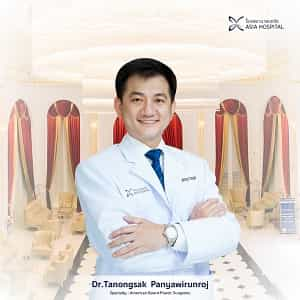
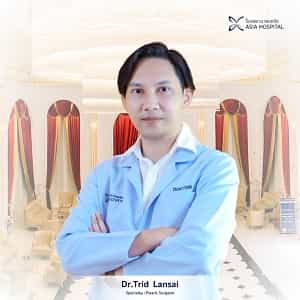
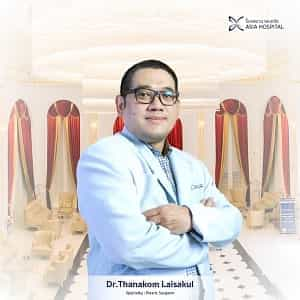
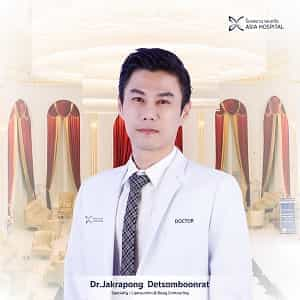

Bangkok and Phuket are the locations most often considered by international patients because they have major airports, private hospitals and established visitor infrastructure. The right choice depends on the facility, procedure, recovery plan and flight route—not simply the city name. Patients may travel from Australia and New Zealand, East and Southeast Asia, the Middle East, Europe and North America; journey length and connections can materially change the recovery plan. Recovery is not sightseeing time. Avoid swimming, heavy luggage, strenuous activity and direct sun on healing wounds until your treating team gives clear instructions. Compare the destination information below with the medical plan offered by each provider.
Location
Main air access
Planning point
Bangkok
Suvarnabhumi Airport (BKK) and Don Mueang Airport (DMK)
Confirm which airport, hospital and hotel are included in transfers; traffic can make cross-city journeys slow.
Phuket
Phuket International Airport (HKT)
Check the distance between the airport, accommodation, operating facility and follow-up location before booking.
A practical medical-travel checklist
If you are considering plastic surgery in Thailand, request a written comparison that identifies the procedure, surgeon, operating facility, price inclusions, recovery schedule and follow-up plan. Use the information to prepare questions for a qualified medical consultation and decide at your own pace. Medical disclaimer: This page is for general education and does not provide a diagnosis, treatment recommendation or medical clearance to travel. Prices, availability, accreditation status and entry requirements can change. A qualified, properly licensed healthcare professional must assess whether a procedure is appropriate for you.Compare the Medical Plan Before You Compare the Price
References





















Share this listing