
Rhinoplasty in Thailand: Cost, Savings, and Quality Care
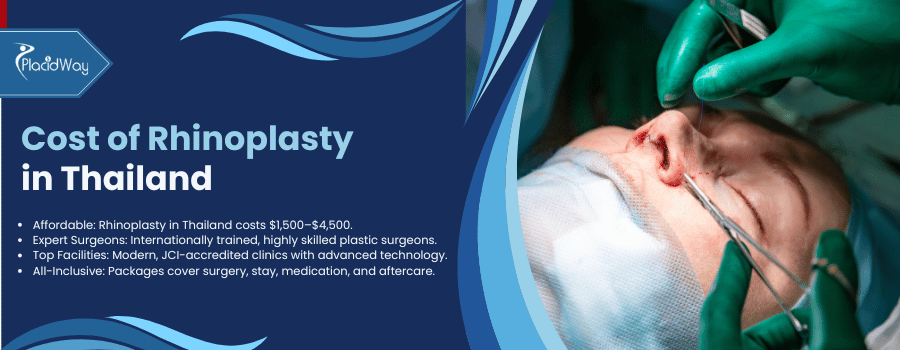
Many patients considering cosmetic enhancement explore rhinoplasty in Thailand due to the availability of modern facilities and experienced medical professionals. Whether you are looking to refine the shape of your nose for aesthetic reasons or need to correct a functional breathing issue, understanding the financial and medical aspects of the journey is an essential first step.
Traveling abroad for surgery requires careful planning. You have to consider not only the surgical expenses but also the safety standards, the recovery timeline, and the logistics of seeking healthcare in another country. Below, we break down what you need to know about the procedure, the factors influencing the price, and how to approach this decision safely.
Key Takeaways
- Prices for primary nose reshaping in Thailand typically range between $1,500 and $4,500, varying by technique and facility.
- The total cost depends heavily on whether you need a closed, open, or revision procedure, as well as the materials used.
- Patients should plan to stay in the country for at least 7 to 10 days post-surgery for safe monitoring and splint removal.
- While medical travel can offer financial flexibility, patients must prioritize board-certified providers and international safety standards.
- Individual results, risks, and recovery times vary, making a thorough medical consultation crucial before finalizing any travel plans.
What factors influence the final price of nose reshaping in Thailand?
When reviewing a quote for your procedure, you will find that several variables can shift the overall expense. Primary rhinoplasty—a first-time surgery—is usually less expensive than a revision surgery, which requires navigating scar tissue and correcting previous alterations. The technique also plays a role; procedures utilizing autologous grafts (cartilage taken from your own ear or rib) take more time in the operating room and often cost more than those using synthetic silicone implants.
Other factors that impact the quote include:
- Facility Fees: Treatment at an internationally accredited hospital typically costs more than at a smaller, specialized private clinic.
- Anesthesia: General anesthesia requires a specialized anesthesiologist and incurs higher fees than local anesthesia with sedation.
- Pre-operative Testing: Blood tests, chest X-rays, and physical examinations are necessary for safety and add to the initial expenses.
- Post-operative Care: Medications, follow-up visits, and recovery garments are usually factored into comprehensive packages, but you should always verify what is included.
How does an open rhinoplasty differ from a closed procedure?
The choice between an open and closed approach depends largely on your anatomy and the specific changes you hope to achieve. During an open rhinoplasty, the surgeon makes an incision across the columella (the narrow strip of tissue separating the nostrils). This allows the skin to be lifted, giving the surgeon an unobstructed view of the underlying bone and cartilage. This method is often preferred for complex reshaping, significant asymmetry corrections, or intricate tip work.
Conversely, a closed rhinoplasty involves incisions made entirely within the nostrils. Because there is no external incision, there is no visible scarring on the outside of the nose. This approach typically results in less post-operative swelling and a slightly faster initial recovery. However, it restricts the surgeon's visibility and maneuvering space, making it better suited for more straightforward adjustments, such as removing a small dorsal hump. Your surgeon will recommend the best approach based on a physical examination.
Is it safe to travel to Thailand for cosmetic surgery?
The landscape of medical tourism in Thailand is well-established, with many hospitals catering specifically to international patients. Several facilities hold accreditation from organizations like the Joint Commission International (JCI), which indicates adherence to rigorous global safety and quality standards. Many surgeons practicing in these centers have undergone international training and are members of recognized professional organizations.
However, traveling for surgery introduces unique considerations. Long-distance air travel shortly before or after a major procedure can increase the risk of deep vein thrombosis (DVT) and pulmonary embolism. You also have to consider the logistics of continuity of care. Once you return to your home country, managing unexpected complications requires access to local medical professionals who are familiar with post-operative care. It is highly advisable to discuss your travel plans with your primary care physician before booking a trip.
What is the typical recovery timeline after nose surgery?
Recovery from rhinoplasty is a gradual process. Immediately following the procedure, you will have a splint taped to the outside of your nose to support its new shape, and possibly soft packing inside the nostrils. During the first few days, you can expect noticeable swelling, bruising around the eyes, and a feeling of congestion. Pain is generally manageable with prescribed medications, and sleeping with your head elevated helps minimize fluid accumulation.
Around day seven, your surgeon will typically remove the external splint and any non-dissolvable sutures. At this point, you will get the first glimpse of your new nose, though it will still be quite swollen. By the end of the second week, most of the severe bruising usually fades, allowing many patients to feel comfortable returning to social settings. However, strenuous exercise, heavy lifting, and activities that pose a risk of impact to the face must be avoided for at least four to six weeks. The final, subtle refinement of the nasal tip can take 12 to 18 months to fully manifest.
Who is a suitable candidate for rhinoplasty?
Suitability for surgery goes beyond just wanting a change in appearance. A qualified surgeon will evaluate your physical health to ensure you can safely undergo anesthesia and heal properly. Conditions such as uncontrolled high blood pressure, bleeding disorders, or severe cardiovascular issues may preclude you from safely having the operation. Additionally, patients who smoke are often required to quit several weeks before and after surgery, as nicotine constricts blood vessels and significantly impairs the healing process.
Age is also a critical factor. Surgeons typically require patients to wait until their nasal bone growth is complete—usually around age 16 for females and slightly older for males. Psychological readiness is just as important as physical health. Good candidates seek improvement rather than absolute perfection and understand that while surgery can enhance facial harmony, it will not completely alter their underlying identity or solve personal issues.
What should I expect during the initial consultation?
If you are planning to travel, your first consultation may happen virtually. During a video call, the surgeon will ask about your medical background, previous surgeries, current medications, and any breathing difficulties. You will discuss what you dislike about your current nose and what changes you desire. It is helpful to provide clear, well-lit photographs from multiple angles beforehand.
Once you arrive at the clinic for your in-person evaluation, the surgeon will perform a physical examination of your skin thickness, cartilage strength, and internal nasal structures. Many modern facilities utilize 3D imaging software to create a digital simulation of your potential results. This tool helps align your expectations with what is surgically possible. The surgeon will also explain the specific technique they recommend, detail the surgical plan, and review the potential complications.
How do revision rhinoplasty costs compare to primary procedures?
If you have previously had nose surgery and are dissatisfied with the functional or aesthetic outcome, you may be considering a revision procedure. Patients often find that quotes for a secondary surgery are significantly higher. This price difference reflects the highly complex nature of operating on a nose that has already been structurally altered. Scar tissue from the previous surgery makes dissection more difficult and unpredictable, requiring a high level of surgical expertise.
Furthermore, revision cases often suffer from a lack of structural support. Surgeons frequently have to rebuild the nasal framework, which usually involves harvesting cartilage from the patient's ear or rib. This adds another surgical site, prolongs the time spent under anesthesia, and necessitates advanced techniques, all of which contribute to the higher overall expense. Because outcomes are harder to predict in secondary surgeries, careful selection of a highly specialized surgeon is paramount.
What are the potential risks and complications of nose reshaping?
Like any major surgical procedure, rhinoplasty carries inherent risks that you must weigh against the potential benefits. General surgical risks include infection at the incision sites, excessive bleeding, and the potential for a negative reaction to anesthesia. Following your surgeon's pre-and post-operative care instructions meticulously can help mitigate, though not entirely eliminate, these risks.
Specific to nasal surgery, patients may experience prolonged numbness in the skin, temporary or permanent changes in their sense of smell, or the development of a septal perforation (a hole in the nasal septum). There is also the possibility of functional issues, such as new or worsened breathing difficulties caused by structural shifts during healing. Aesthetically, healing is unpredictable; asymmetrical results, contour irregularities, or excessive scar tissue can occur, occasionally necessitating a subsequent revision surgery.
How long should I stay in Thailand after the surgery?
Planning your travel itinerary requires factoring in adequate recovery time before you can safely board an airplane. Most surgeons require you to remain nearby for immediate post-operative check-ups. During the first week, your medical team will monitor your healing progress, check for early signs of infection, and ensure that your breathing is not compromised by swelling or blood clots.
Around the one-week mark, you will typically have an appointment to remove the cast, splints, and any non-dissolvable stitches. Flying before this appointment is strongly discouraged, as the pressurized cabin environment can exacerbate swelling, cause severe discomfort, and increase the risk of nosebleeds. Even after receiving medical clearance to fly, you should plan for a relaxed journey home and arrange for assistance with heavy luggage to avoid straining yourself.
How do I evaluate a rhinoplasty clinic in Thailand?
Choosing the right rhinoplasty clinic in Thailand requires thorough independent research. Start by verifying the credentials of the operating surgeon. Look for formal training in plastic and reconstructive surgery or otolaryngology (ENT), and check if they hold active memberships in respected national or international medical boards. A reputable surgeon will be transparent about their qualifications and the volume of nasal surgeries they perform annually.
Next, evaluate the facility itself. Clinics and hospitals that carry international accreditations, such as JCI, undergo regular audits for patient safety, hygiene standards, and equipment quality. Ask the clinic about their emergency transfer protocols in case complications arise during surgery that require intensive care. Finally, carefully review before-and-after portfolios of patients with similar baseline anatomy to yours, but remember that these photos represent best-case scenarios and do not guarantee your individual outcome.
Why Choose PlacidWay for Medical Tourism in Thailand?
Navigating international healthcare options can feel overwhelming. PlacidWay serves as a global medical tourism platform designed to help patients make informed, educated decisions about their healthcare journey.
- Broad Information Access: Explore detailed profiles of internationally recognized medical centers and clinics located throughout Thailand.
- Easy Comparisons: Evaluate different facilities, compare estimated treatment costs, and review provider credentials all in one centralized place.
- Educational Resources: Access comprehensive guides, articles, and patient resources about medical procedures and healthcare destinations.
- Direct Connections: Utilize the platform to send inquiries and request preliminary consultations directly with healthcare providers abroad.
- Global Network: PlacidWay connects patients with a wide network of healthcare options, fostering transparency and expanding choices for elective procedures.
Frequently Asked Questions (FAQs)
How long does the actual rhinoplasty surgery take?
A standard primary rhinoplasty typically takes between 1.5 to 3 hours to complete. More complex procedures, such as revision surgeries or those requiring extensive cartilage grafting, can take 4 hours or longer.
What type of anesthesia is used for nose reshaping in Thailand?
Surgeons typically use general anesthesia for rhinoplasty, meaning you will be completely asleep. In some minor reshaping cases, local anesthesia with intravenous sedation may be offered as an alternative.
Is it safe to fly shortly after having nose surgery?
Flying immediately after surgery is generally discouraged due to cabin pressure changes and the risk of bleeding. Most surgeons recommend waiting at least 7 to 10 days, typically after your splint and stitches are removed, before taking a flight.
Will my health insurance cover cosmetic nose surgery abroad?
Health insurance usually does not cover procedures performed strictly for cosmetic reasons, whether at home or abroad. If the surgery corrects a documented functional breathing issue, your provider might cover a portion, but international coverage varies heavily by policy.
What is the difference between silicone implants and autologous grafts?
Silicone implants are synthetic devices used to augment the nasal bridge, commonly used in Asian rhinoplasty. Autologous grafts use your body's own tissue, such as cartilage from the ear or ribs, which may reduce the risk of long-term rejection or infection.
How long will the swelling last after my procedure?
Noticeable swelling and bruising typically peak within the first 72 hours and mostly subside after two to three weeks. However, subtle swelling, especially around the nasal tip, can take up to a full year to completely resolve.
Can I wear glasses after having a rhinoplasty?
You should avoid resting glasses directly on the bridge of your nose for at least four to six weeks following surgery, as the bones and cartilage are still healing. You can use tape to suspend your glasses from your forehead or wear contact lenses during this time.
Are the results of nose surgery permanent?
While rhinoplasty permanently alters the bone and cartilage structure of your nose, natural aging and changes to your skin will continue to affect your facial appearance over time.
What happens if I experience complications after returning home?
If you experience urgent complications like severe bleeding or signs of infection after returning home, you should seek immediate care at a local emergency room or consult a local board-certified plastic surgeon or ENT specialist.
Do surgeons in Thailand perform ethnic rhinoplasty?
Yes, many cosmetic surgeons in Thailand have extensive experience performing rhinoplasty on diverse facial structures, balancing structural enhancement while respecting and preserving the patient's natural ethnic features.
Ready to Explore Your Options?
Compare medical centers, review provider credentials, and gather detailed information to help you make an informed decision about your healthcare journey.
Request Treatment InformationReferences
- Rhinoplasty Overview – American Society of Plastic Surgeons (ASPS)
- Facial Surgery: Rhinoplasty – International Society of Aesthetic Plastic Surgery (ISAPS)
- Rhinoplasty: Risks, Preparation, and Results – Mayo Clinic
- Traveler's Health: Thailand – Centers for Disease Control and Prevention (CDC)
- Medical Tourism Guidelines – Centers for Disease Control and Prevention (CDC)
- Complications in Rhinoplasty – National Institutes of Health (NIH) / PubMed Central
- Quality and Patient Safety Standards – Joint Commission International (JCI)






















Share this listing