



Contents
Rhinoplasty in Thailand typically costs about US$1,500 to US$4,500 for many primary procedures. More complex or revision rhinoplasty may cost around US$3,000 to US$6,000 or more, depending on the technique, cartilage grafting, implants, anesthesia and facility fees. Before choosing a provider, verify the healthcare facility's Thai license, the surgeon's active medical license and relevant plastic surgery qualifications. A rhinoplasty quote can look surprisingly simple until you start asking what is actually included. Is anesthesia covered? What about cartilage grafting, follow-up visits or treatment if your surgical plan changes after an in-person examination? Those questions matter more than finding the smallest number on the screen. Thailand attracts international patients comparing cosmetic surgery options, particularly in Bangkok and other major medical hubs. Depending on the operation, rhinoplasty may involve subtle reshaping, augmentation, structural correction, breathing-related work or revision of previous surgery. Compare providers on more than price. Confirm that the facility is legally licensed in Thailand, check applicable Healthcare Accreditation Institute (HAI) accreditation for hospitals, and verify your surgeon through the Medical Council of Thailand. Relevant plastic surgery board qualifications and experience with cases similar to yours should also form part of the decision.Is Thailand a Good Destination for Rhinoplasty?
Two rhinoplasty packages can carry similar prices while covering very different care. Ask whether the quote includes the surgeon, operating room, anesthesia, pre-operative testing, implants or cartilage grafting, medicines, splint care and postoperative appointments. Hotel stays, airport transfers and additional hospital nights may be separate. You should also know what happens if your treatment plan changes after the surgeon examines you in person. Compare the packages below by procedure scope, medical inclusions and expected total cost rather than choosing automatically by the lowest advertised price.
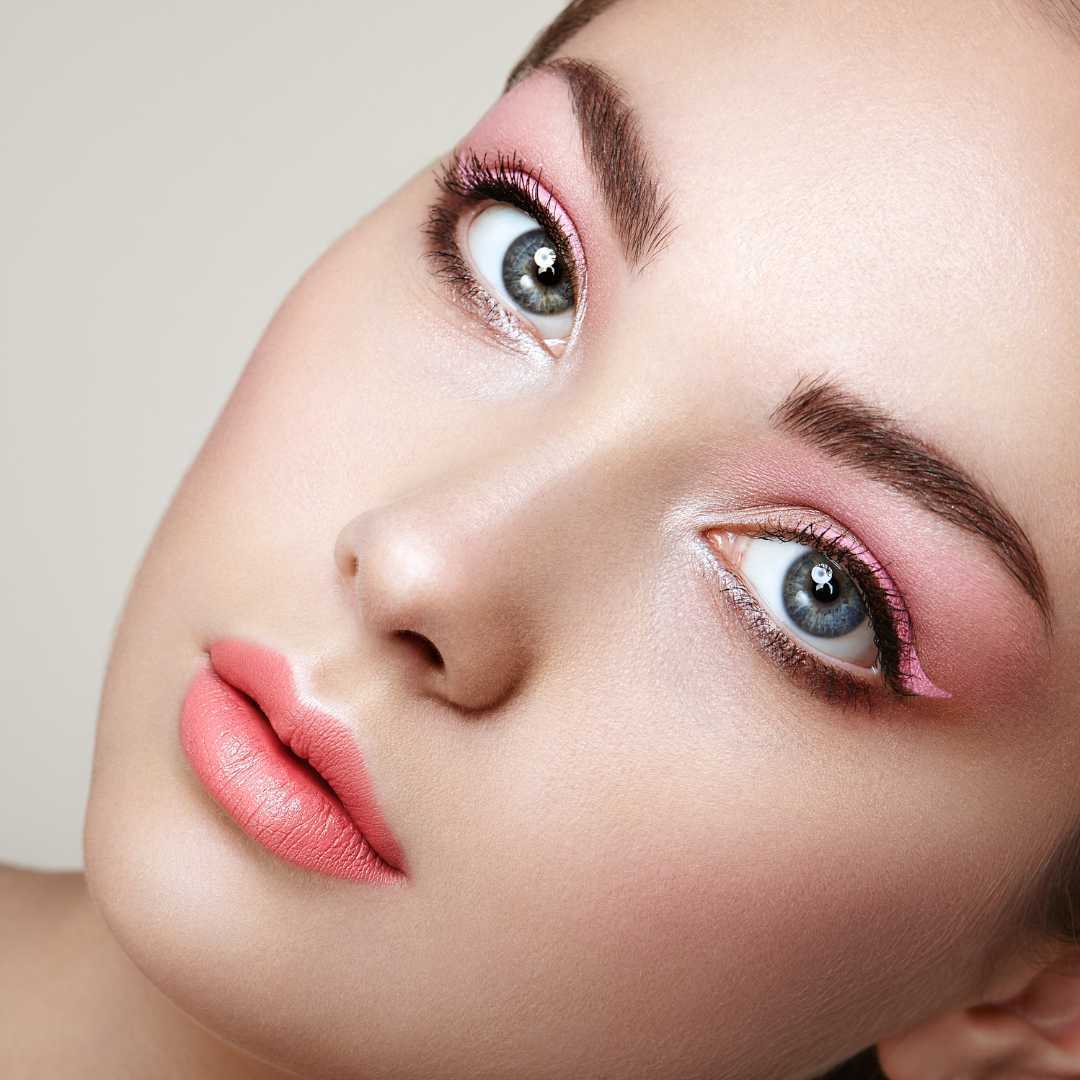
Price starting from $2,000
All Inclusive Rhinoplasty Bangkok at Asia Cosmetic Hospital Thailand
Asia Cosmetic Hospital
- Cosmetic/Plastic Surgery
Bangkok, Thailand

Price starting from $4,400
Rhinoplasty Package in Bangkok, Thailand by Dr. Siripong Clinic
Dr. Siripong Plastic Surgery in Thailand
- Cosmetic/Plastic Surgery
Bangkok, Thailand

Price starting from $3,500
Affordable Bangkok Rhinoplasty Package in Bangkok, Thailand by BPS Clinic
Bangkok Plastic Surgery Clinic
- Cosmetic/Plastic Surgery
Bangkok, Thailand
Many primary rhinoplasty procedures in Thailand cost approximately US$1,500–$4,500. More complex revision surgery may cost around US$3,000–$6,000 or more when extensive structural work is required.
Your final price depends on what your nose actually needs. Closed rhinoplasty may differ in cost from open structural surgery, while cartilage grafting, implants, revision work, septal correction, anesthesia and additional hospital care can increase the total. A very low advertised price may apply only to a limited augmentation or nostril procedure rather than complete rhinoplasty. Compare the cost options below by procedure type and request an itemized quote before deciding.
Nose Surgery Rhinoplasty Centers Cost Comparison in Thailand
| Provider | Procedure | Price |
|---|---|---|
| Dr. Siripong Plastic Surgery in Thailand | Nose Surgery Rhinoplasty, Cosmetic/Plastic Surgery | $4400 |
| Bangkok Plastic Surgery Clinic | Nose Surgery Rhinoplasty, Cosmetic/Plastic Surgery | $3500 |
| Reals Aesthetic Center | Nose Surgery Rhinoplasty, Cosmetic/Plastic Surgery | $1800 |
| Asia Cosmetic Hospital | Nose Surgery Rhinoplasty, Cosmetic/Plastic Surgery | $2000 |
| Capturing Beauty at The Klinique Surgery Center in Thailand | Nose Surgery Rhinoplasty, Cosmetic/Plastic Surgery | $5572 |
| DCH Dr. CHEN Surgery Hospital International Center in Bangkok, Thailand | Nose Surgery Rhinoplasty, Cosmetic/Plastic Surgery | $1384 |
Nose Surgery Rhinoplasty Cost Comparison in Thailand
| Country | Procedure | Price |
|---|---|---|
| United Kingdom | Nose Surgery Rhinoplasty, Cosmetic/Plastic Surgery | $7000 |
| United States | Nose Surgery Rhinoplasty, Cosmetic/Plastic Surgery | $9500 |
| Canada | Nose Surgery Rhinoplasty, Cosmetic/Plastic Surgery | $10000 |
| Australia | Nose Surgery Rhinoplasty, Cosmetic/Plastic Surgery | $9000 |
A modern clinic and impressive photographs are not enough to judge surgical safety. Start by confirming that the healthcare facility is legally licensed in Thailand. When treatment takes place in a hospital, check any claimed national accreditation with the Healthcare Accreditation Institute. Ask where the operation will take place, who provides anesthesia, how emergencies are managed and whether hospital observation is available when clinically necessary. Compare the clinics below using the same safety questions so you can judge each provider on licensing, facilities, surgical support and follow-up rather than presentation alone.

Dr. Siripong Plastic Surgery in Thailand
Bangkok, Thailand
Bangkok Plastic Surgery Clinic
Bangkok, Thailand

Asia Cosmetic Hospital
Bangkok, Thailand
SLC Clinics - Bangkok Best Plastic Surgery Hospital
Bangkok, Thailand
Charismma Clinic - Plastic Surgery in Bangkok Thailand
Bangkok, Thailand
DCH Dr. CHEN Surgery Hospital International Center in Bangkok, Thailand
Bangkok, Thailand
A dramatic before-and-after video can catch your attention, but it should not make the decision for you. Look for videos that explain consultation, surgical technique, recovery, limitations and possible risks. Before-and-after images are easier to compare when the lighting, angles and facial position remain consistent and the timing after surgery is clearly stated. Good educational content should discuss nasal structure and breathing as well as appearance. Use the videos below to understand different approaches, then ask the surgeon how those techniques relate to your own anatomy and goals.

A useful review tells you more than whether someone liked the result. Look for recent rhinoplasty reviews describing consultation quality, communication, pain management, postoperative care and what happened after the patient went home. Feedback about how a provider handled questions, swelling or unexpected concerns can be especially informative. Be cautious when reviews sound unusually similar or focus entirely on hospitality without mentioning treatment. Read the patient experiences below for recurring patterns across several reviews rather than allowing one exceptionally positive or negative story to determine your choice.

How much does rhinoplasty cost in Thailand?
Many primary rhinoplasty procedures in Thailand fall around US$1,500–$4,500. More complicated revision or structural procedures may cost about US$3,000–$6,000 or more. Your final quote can change with technique, cartilage grafting, implant use, anesthesia, facility fees and functional correction. Ask for an itemized quote rather than comparing starting prices alone.
Is rhinoplasty in Thailand safe?
Rhinoplasty can be performed safely in Thailand, but safety depends on the individual surgeon, healthcare facility, anesthesia arrangements, your health and the complexity of surgery. Verify the facility's Thai license and the surgeon's active Medical Council of Thailand registration. Rhinoplasty still carries risks such as infection, bleeding, anesthesia complications, breathing changes, asymmetry, prolonged swelling, scarring and the possibility of revision surgery.
How long should I stay in Thailand after rhinoplasty?
Your surgeon should determine the appropriate length of stay based on your procedure and recovery. A nasal splint may remain for approximately one week, and you may need postoperative checks before departure. Do not schedule your return flight immediately after surgery simply to reduce travel costs. Ask when your surgeon wants to review you and when flying would normally be considered medically appropriate.
Is Bangkok a good place for rhinoplasty in Thailand?
Bangkok has a large concentration of private hospitals, cosmetic surgery facilities and international patient services, which makes comparing providers relatively practical. However, the city itself does not guarantee quality. A properly licensed facility and appropriately qualified surgeon with experience relevant to your specific procedure are more important than choosing a provider simply because it is located in Bangkok.
How can I verify a rhinoplasty surgeon in Thailand?
Search the surgeon through the official Medical Council of Thailand physician-verification system. Ask for evidence of recognized specialist training in plastic surgery and confirm relevant professional qualifications. Do not rely only on the phrase “cosmetic surgeon.” Ask how often the doctor performs rhinoplasty, whether they manage revision cases and whether the surgeon you consult will personally perform your operation.
How do I check whether a clinic or hospital in Thailand is licensed?
Ask for the healthcare facility's official registered name and license details and verify them through Thailand's Department of Health Service Support. If treatment takes place in a hospital that claims national accreditation, check its status with the Healthcare Accreditation Institute. Licensing and accreditation are different checks, so one should not automatically be treated as proof of the other.
What should a rhinoplasty package in Thailand include?
Ask whether the package covers the surgeon, anesthesia, operating room or facility charges, pre-operative tests, medications, postoperative appointments, splint care and any implant or cartilage-graft expenses relevant to your procedure. Accommodation and transportation may or may not be included. Request all inclusions, exclusions and possible additional charges in writing before making a financial comparison.
Can rhinoplasty in Thailand improve breathing as well as appearance?
It can in appropriately selected cases. Rhinoplasty may address nasal appearance, function or both, while septoplasty specifically addresses problems involving the nasal septum. Tell your surgeon if you have nasal obstruction, previous trauma, snoring concerns or difficulty breathing. A functional assessment may be needed instead of treating the procedure as purely cosmetic.
Is open or closed rhinoplasty better in Thailand?
Neither technique is automatically better. Closed rhinoplasty uses incisions inside the nose, while open rhinoplasty includes a small external incision between the nostrils and provides broader surgical access. The appropriate technique depends on your anatomy, previous surgery, structural changes required and the surgeon's plan. Ask why a particular approach is being recommended for your case rather than choosing based on a marketing label.
Do surgeons in Thailand use implants or cartilage for rhinoplasty?
The material depends on the planned correction. Rhinoplasty may use existing nasal cartilage, cartilage taken from another part of the body such as the ear or rib, or an implant in selected patients. Each option has different benefits and risks. Ask what material is planned, why it is appropriate for your anatomy and whether its cost is included in the surgical quote.
When will I see the final result after rhinoplasty in Thailand?
You may notice a visible change when the splint is removed, but this is not the final result. Swelling improves gradually, and subtle nasal swelling can continue changing for many months. Final refinement may take up to a year in some patients. This is particularly important for medical travelers who may return home while their nose is still in the early stages of healing.
What happens if I need revision rhinoplasty after I return home?
Discuss this before your first operation. Ask the provider for a written policy covering complications, revision procedures, surgeon fees, hospital charges and remote follow-up after you leave Thailand. Keep your operative report and relevant medical records. Revision rhinoplasty is usually considered only after adequate healing because swelling and nasal shape can continue changing for months after the original surgery.
Rhinoplasty requires precise work because changes to nasal structure can affect both appearance and breathing. Verify the surgeon's active registration through the Medical Council of Thailand and ask about recognized training in plastic surgery. Relevant Thai plastic surgery board qualifications are another important credential to check. Experience should also match your case: primary rhinoplasty, revision surgery, cartilage grafting and functional nasal surgery are different challenges. Ask who will actually perform your operation and who manages follow-up. Compare the surgeons below by verified credentials, relevant experience and treatment approach—not social-media popularity alone.


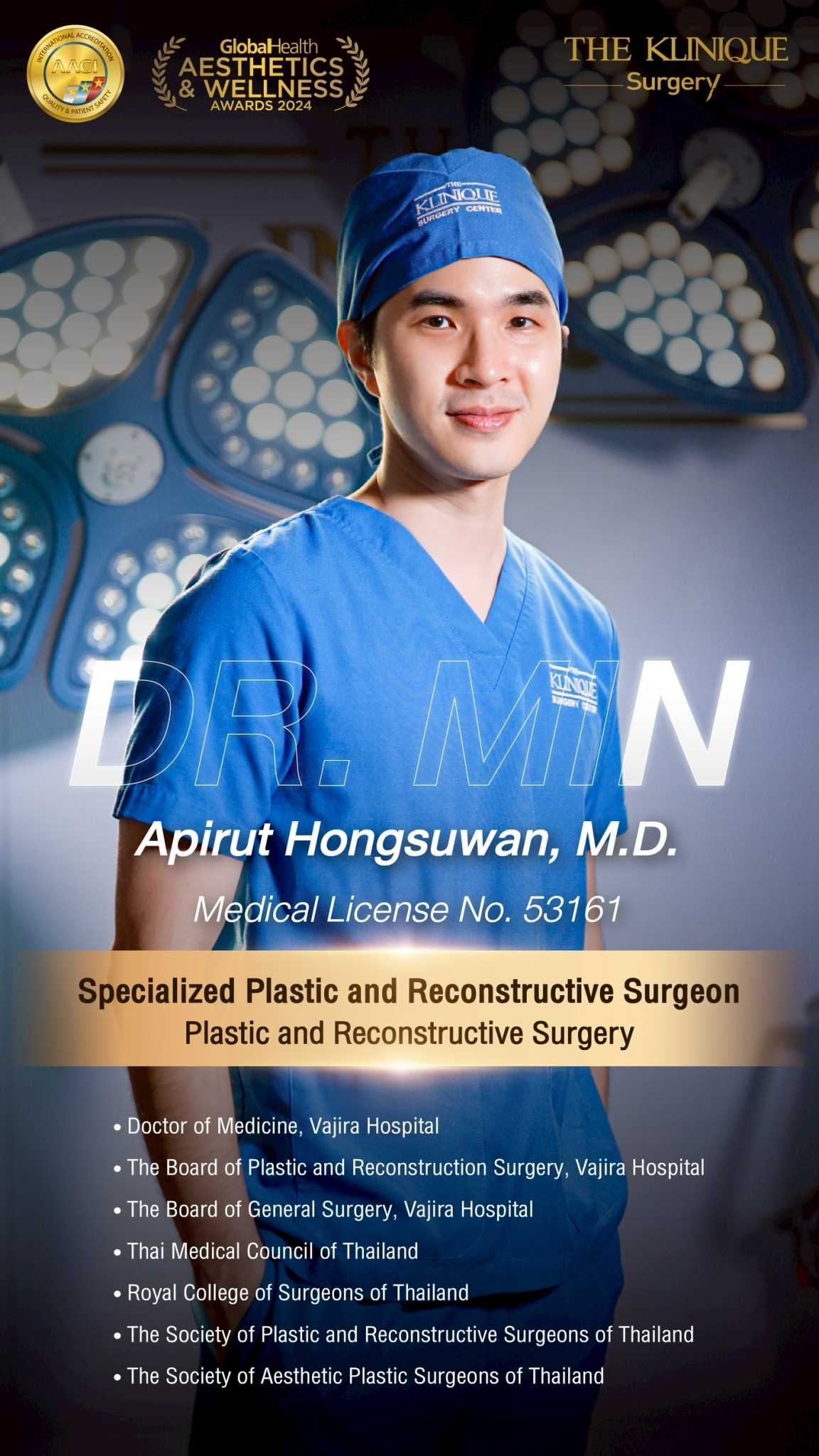
Apirut Hongsuwan., M.D.
Capturing Beauty at The Klinique Surgery Center in Thailand
- Plastic surgeon
Bangkok, Thailand

Chen Chaicharncheep
DCH Dr. CHEN Surgery Hospital International Center in Bangkok, Thailand
- Plastic Surgeon
Bangkok, Thailand

Supeerat Ongkittikul
DCH Dr. CHEN Surgery Hospital International Center in Bangkok, Thailand
- Plastic Surgeon
Bangkok, Thailand
Thailand is well connected to international markets, but a rhinoplasty trip should be planned around medical care rather than squeezed into an ordinary holiday. Bangkok is the country's main aviation and medical hub, primarily served by Suvarnabhumi Airport and Don Mueang International Airport. Phuket is another internationally accessible destination, although the best location for you depends on the surgeon and facility rather than the city alone. Thailand receives medical travelers from neighboring Asian countries as well as the Middle East, Europe, Australia and North America. Reliable nationwide statistics separating international rhinoplasty patients specifically by country are limited, so claims that one nationality dominates Thailand's rhinoplasty market should be treated carefully. Check current passport, visa and airline requirements for your nationality before purchasing non-refundable travel. Recovery days should not be treated as ordinary sightseeing days. Heat, sun exposure, swimming, alcohol and strenuous activity may conflict with postoperative instructions. Your surgeon's recovery advice should take priority over the travel itinerary.
Travel Stage
What to Plan
Before booking
Have your case reviewed and ask whether medical testing or an in-person examination could change the procedure or price.
Arrival
Allow time for consultation, examination, photographs and any required pre-operative tests before surgery.
Early recovery
Expect swelling and nasal congestion. A nasal splint may remain in place for around one week depending on the procedure.
Return flight
Plan departure around postoperative examinations and fly only when your treating surgeon considers travel appropriate.
After returning home
Keep your operative report, medication details, implant or graft information when relevant, and clear instructions for contacting the surgical team.
Which Regions Do Patients Travel From?
You do not need to choose a clinic simply because the first quote looks affordable. Compare surgeons, facilities, packages, procedure details and total expected costs side by side. Once you narrow your options, ask for a treatment plan based on your medical history, nasal anatomy and goals. Online information can help you compare, but the final recommendation should come from a qualified surgeon after an appropriate medical assessment. This information is intended for general patient education and comparison purposes and does not replace consultation, diagnosis or treatment advice from a qualified healthcare professional. Rhinoplasty suitability, technique, risks, recovery and cost vary by patient. International patients should obtain an individualized medical assessment and confirm current provider credentials, facility licensing and travel requirements before arranging treatment. These official regulatory and medical resources can help patients independently verify provider credentials and review rhinoplasty safety, recovery and international medical-travel considerations.Compare Rhinoplasty Options in Thailand Before You Decide
Medical Disclaimer
References


.jpg)
.jpg)
.jpg)
.png)
.png)




.jpg)

.jpg)









Share this listing