



Contents
Bangkok can make rhinoplasty look surprisingly affordable, but the smartest comparison starts after the price catches your eye. Current Bangkok provider examples show rhinoplasty starting at around US$2,000, while another Bangkok provider lists a starting price of about US$4,400. Your actual quote can change considerably if you need open rhinoplasty, revision surgery, cartilage grafting, major bridge or tip reconstruction, functional nasal surgery, anesthesia or hospital care. For patients traveling from Australia, New Zealand, India, the Middle East, Europe or elsewhere in Asia, cost is only one part of the decision. Verify the surgeon through the Medical Council of Thailand, check relevant plastic-surgery credentials, and confirm that the facility is licensed through Thailand's healthcare authorities. Hospital accreditation through Thailand's Healthcare Accreditation Institute can provide another useful quality check. Use the options below to compare the whole picture—not simply the smallest number.
An all-inclusive label can sound wonderfully simple until you discover what was not included. Ask for a written breakdown covering the surgeon, anesthesia, operating room, medical tests, medicines, hospital stay, splint care and postoperative appointments. If cartilage grafting or implants may be needed, confirm whether those are already included or priced separately. Also ask who pays if recovery requires an extra night in Bangkok or additional medical care. Compare the packages below by their medical inclusions, surgical technique and follow-up arrangements, not by hotel perks alone.
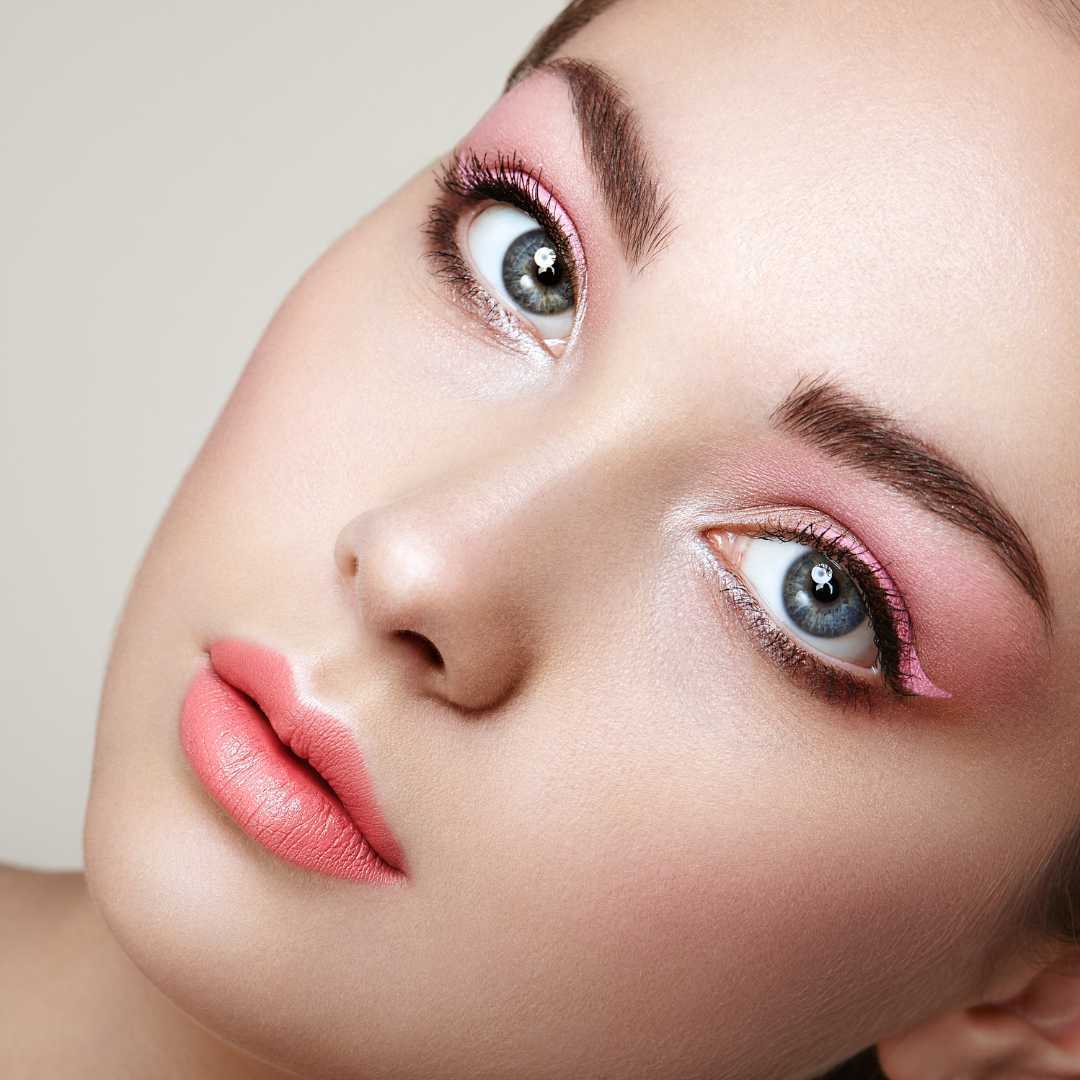
Price starting from $2,000
All Inclusive Rhinoplasty Bangkok at Asia Cosmetic Hospital Thailand
Asia Cosmetic Hospital
- Cosmetic/Plastic Surgery
Bangkok, Thailand

Price starting from $4,400
Rhinoplasty Package in Bangkok, Thailand by Dr. Siripong Clinic
Dr. Siripong Plastic Surgery in Thailand
- Cosmetic/Plastic Surgery
Bangkok, Thailand

Price starting from $3,500
Affordable Bangkok Rhinoplasty Package in Bangkok, Thailand by BPS Clinic
Bangkok Plastic Surgery Clinic
- Cosmetic/Plastic Surgery
Bangkok, Thailand
Current Bangkok provider examples start at approximately US$2,000 to US$4,400 for rhinoplasty. Some published Bangkok estimates place procedures within roughly US$2,000 to US$5,000, but this should be treated as a planning range rather than a guaranteed price.
The final amount depends on your anatomy, whether this is your first or revision rhinoplasty, the surgical approach, cartilage or implant requirements, anesthesia and hospital services. A lower quote may also include fewer services. Ask each provider for an itemized price after reviewing your medical information and photographs, then compare the cost options below on a like-for-like basis.
Nose Surgery Rhinoplasty Centers Cost Comparison in Bangkok, Thailand
| Provider | Procedure | Price |
|---|---|---|
| Dr. Siripong Plastic Surgery in Thailand | Nose Surgery Rhinoplasty, Cosmetic/Plastic Surgery | $4400 |
| Bangkok Plastic Surgery Clinic | Nose Surgery Rhinoplasty, Cosmetic/Plastic Surgery | $3500 |
| Reals Aesthetic Center | Nose Surgery Rhinoplasty, Cosmetic/Plastic Surgery | $1800 |
| Asia Cosmetic Hospital | Nose Surgery Rhinoplasty, Cosmetic/Plastic Surgery | $2000 |
| Asia Cosmetic Hospital | Nose Surgery Rhinoplasty, Cosmetic/Plastic Surgery | $2000 |
| DCH Dr. CHEN Surgery Hospital International Center in Bangkok, Thailand | Nose Surgery Rhinoplasty, Cosmetic/Plastic Surgery | $1384 |
Nose Surgery Rhinoplasty Cost Comparison in Thailand
| Country | Procedure | Price |
|---|---|---|
| United Kingdom | Nose Surgery Rhinoplasty, Cosmetic/Plastic Surgery | $7000 |
| United States | Nose Surgery Rhinoplasty, Cosmetic/Plastic Surgery | $9500 |
| Australia | Nose Surgery Rhinoplasty, Cosmetic/Plastic Surgery | $9000 |
| Germany | Nose Surgery Rhinoplasty, Cosmetic/Plastic Surgery | $9500 |
A beautiful waiting room is pleasant; it is not a medical credential. Confirm the legal name of the facility where your operation will actually take place and check whether it appears in Thailand's official system for licensed private healthcare facilities. For hospitals, you can also investigate current accreditation through Thailand's Healthcare Accreditation Institute. Ask who provides anesthesia, what monitoring is used after surgery, how emergencies are handled and where you would be transferred if higher-level care were needed. Compare the clinics below using verifiable licensing, surgical facilities and aftercare rather than presentation alone.
Bangkok Plastic Surgery Clinic
Bangkok, Thailand
Reals Aesthetic Center
Bangkok, Thailand
Asia Cosmetic Hospital
Bangkok, Thailand
The Image Aesthetic Centre
Bangkok, Thailand
Capturing Beauty at The Klinique Surgery Center in Thailand
Bangkok, Thailand
Charismma Clinic - Plastic Surgery in Bangkok Thailand
Bangkok, Thailand
Videos are useful when they show more than a dramatic before-and-after reveal. Look for surgeons explaining nasal anatomy, open versus closed rhinoplasty, graft choices, expected swelling and the limits of what surgery can achieve. Check whether the surgeon appearing in the video is actually the surgeon who would operate on you. Remember that results filmed shortly after surgery are not final because the nose continues changing as swelling settles. Watch the Bangkok rhinoplasty videos below as an educational tool, then discuss anything that interests you directly with the surgeon.



The most helpful review usually tells you what happened between “I booked” and “I love my result.” Look for comments about the surgical consultation, communication, pain control, splint removal, follow-up availability and how the clinic responded when questions or concerns appeared. Separate reviews about transportation and hotel service from evidence about medical care. Because nasal anatomy and healing vary from person to person, another patient's result cannot predict yours. Compare the reviews below for recurring patterns across several patients rather than relying on one glowing—or unhappy—story.

Current Bangkok provider examples start at around US$2,000 to US$4,400. Some published estimates place rhinoplasty within approximately US$2,000 to US$5,000. Your individual cost can be higher if you need revision surgery, extensive structural work, cartilage grafting or additional functional nasal surgery. No surgical destination can be described as automatically safe. Risk depends on your health, surgeon, anesthesia team, surgical facility, procedure and aftercare. Verify the doctor's registration, confirm the facility's license, discuss complications and make sure you have a clear follow-up plan before agreeing to surgery. Stay long enough for the surgeon to complete the important early postoperative checks and manage your splint or sutures if required. Some septorhinoplasty guidance recommends avoiding flying for about two weeks after surgery. Your surgeon should give you an individual travel date based on your procedure and healing. Start by searching the surgeon through the Medical Council of Thailand's official doctor-verification system. You can then investigate specialist plastic-surgery credentials and membership through professional organizations such as the Thai Plastic and Reconstructive Surgeons Association. Ask the clinic to provide the surgeon's full legal name rather than relying on a nickname. Thailand's Department of Health Service Support provides an online system for checking licensed private healthcare facilities. If a hospital claims national HA accreditation, you can also investigate its status through Thailand's Healthcare Accreditation Institute. Verify the actual operating facility rather than only the office where you attend your consultation. Neither technique is automatically better. Closed rhinoplasty uses incisions inside the nose, while open rhinoplasty gives the surgeon wider access through an additional incision across the columella. The right approach depends on your nasal anatomy, previous surgery and the amount of structural change required. Some patients need cosmetic reshaping together with functional nasal surgery, but cosmetic rhinoplasty alone should not be assumed to correct breathing problems. Tell the surgeon about nasal obstruction, previous injuries, allergies and earlier nasal surgery so your airway can be properly assessed. The material depends on your anatomy and surgical goal. Structural rhinoplasty may use cartilage from the septum, ear or rib, while some procedures may use a nasal implant. Ask what material your surgeon recommends, why it is being recommended, what alternatives exist and whether it changes the quoted price. Visible swelling and bruising usually improve during early recovery, but the nose keeps changing for months. The NHS notes that it can take several months to see the full effect of rhinoplasty and up to about six months for swelling to completely settle. Individual recovery varies, particularly after complex or revision surgery. Do not plan your return flight solely around the cheapest airfare. Postoperative guidance for septorhinoplasty can recommend avoiding flying for approximately two weeks. Your surgeon may recommend a different period depending on bleeding risk, swelling, grafting, complications and the length of your journey. Yes, some Bangkok surgeons perform revision rhinoplasty. Revision surgery can be more complex because scar tissue, altered cartilage and changes from the first operation must be considered. Ask specifically about the surgeon's experience with revision cases and whether additional cartilage grafting could be necessary. Ask whether your quote covers the surgeon, anesthesia, operating facility, pre-operative testing, medications, hospital stay when required, postoperative supplies and follow-up visits. Travel, accommodation, airport transfers, extra graft material and treatment for unexpected complications may be separate. Get inclusions and exclusions in writing. That depends on your nationality, passport, planned length of stay and travel circumstances. Thailand's official e-Visa system recognizes medical treatment as a travel purpose. Check the current requirements for your passport before booking non-refundable flights or accommodation.How much does rhinoplasty cost in Bangkok, Thailand?
Is rhinoplasty in Bangkok safe?
How long should I stay in Bangkok after rhinoplasty?
How do I check whether a Bangkok rhinoplasty surgeon is qualified?
How can I verify a rhinoplasty clinic or hospital in Bangkok?
Is open or closed rhinoplasty better in Bangkok?
Can rhinoplasty in Bangkok improve breathing as well as appearance?
Do Bangkok rhinoplasty surgeons use cartilage or nasal implants?
How long does swelling last after rhinoplasty in Bangkok?
Can I fly home a few days after rhinoplasty in Bangkok?
Is revision rhinoplasty available in Bangkok?
What should be included in a rhinoplasty package in Bangkok?
Do I need a visa to travel to Thailand for rhinoplasty?
Rhinoplasty involves tiny structural changes that can affect both appearance and breathing, so credentials matter more than social-media popularity. Search the surgeon's name through the Medical Council of Thailand to confirm medical registration. You can also investigate specialist membership through the Thai Plastic and Reconstructive Surgeons Association. Ask how frequently the surgeon performs rhinoplasty, whether they treat primary and revision cases, what graft materials they use and how breathing problems are assessed. Compare the surgeons below by verified credentials, relevant experience and treatment planning, not titles such as “best” or “top.”
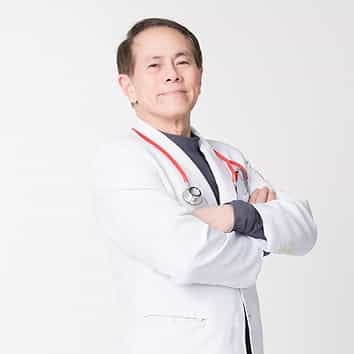
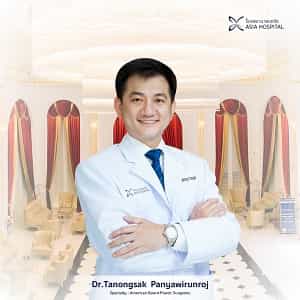
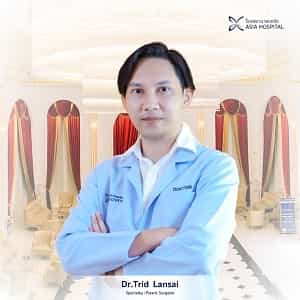
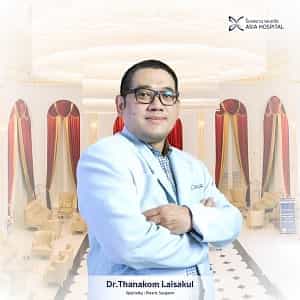
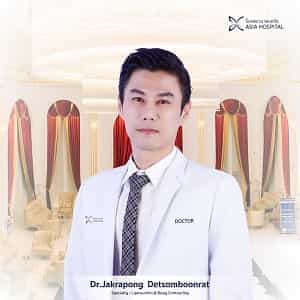

Chen Chaicharncheep
DCH Dr. CHEN Surgery Hospital International Center in Bangkok, Thailand
- Plastic Surgeon
Bangkok, Thailand
Bangkok is one of Southeast Asia's major international travel hubs, which makes it practical for patients arriving from other parts of Asia, Australia, the Middle East and long-haul destinations. Suvarnabhumi Airport handles extensive international traffic, while Don Mueang Airport serves many regional routes. The important part is not how quickly you can reach Bangkok—it is how carefully you plan the trip home. Rhinoplasty commonly involves a splint during early recovery, along with bruising and swelling. Follow-up may be required around the first week, and postoperative guidance for septorhinoplasty can recommend avoiding air travel for approximately two weeks. Your own surgeon should decide when you are medically ready to fly because the recommendation can change with the procedure performed and your recovery. Visa rules depend on your nationality, passport and intended length of stay. Thailand's official e-Visa system includes medical treatment among recognized travel purposes. Check the requirements that apply to your passport before purchasing non-refundable flights or accommodation.
Travel Stage
What to Plan?
Before booking
Complete a medical assessment, disclose medications and previous nasal surgery, and obtain a written surgical plan and quote.
Arrival
Allow time for an in-person consultation and any required testing rather than scheduling surgery immediately after a long flight.
Accommodation
Stay within reasonable reach of the operating facility and follow-up clinic during your early recovery.
Early recovery
Expect swelling and possible bruising. Follow your surgeon's instructions for sleeping position, wound care, medicines and activity.
Follow-up
Splint, dressing or suture management may be needed during the first postoperative period.
Flight home
Do not assume that splint removal automatically means you are fit to fly. Obtain clearance from your treating surgeon.
Long-term follow-up
Before leaving Thailand, know how remote follow-up works and who will help if a problem develops after you return home.
Where Do Patients Considering Bangkok Commonly Travel From?
Rhinoplasty abroad becomes easier to compare when every provider answers the same questions: Who will operate on me? Where will surgery happen? What exactly is included? What technique is recommended? How will follow-up work after I leave Thailand? Review several options before deciding, and request a personalized surgical assessment rather than choosing from a headline price alone.Compare Your Bangkok Rhinoplasty Options With the Same Questions
References


.jpg)
.png)
.jpg)
.png)
.png)




.jpg)
.png)








Share this listing