


Aging often manifests first in the delicate cervicomental region, prompting many discerning individuals to seek effective rejuvenation options globally. The neck lift surgery procedure in Thailand has become a premier choice for patients demanding world-class medical expertise combined with innovative aesthetic techniques. Understanding the clinical methodology behind this transformative operation is essential for anyone considering a comprehensive profile enhancement.
Top-tier medical facilities emphasize rigorous pre-operative evaluations to ensure highly personalized outcomes. From assessing dermal thickness to mapping underlying muscular structures, every phase of the consultation is designed to optimize patient safety and aesthetic longevity.
Video Chapters & Quick Navigation
Understanding How Surgeons Evaluate Skin Elasticity for Neck Lifts
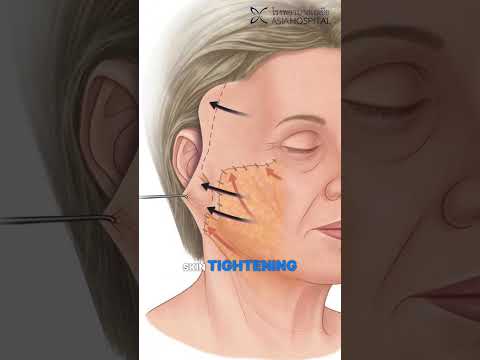
Before making any structural modifications, a meticulous clinical evaluation of the tissue is paramount. [00:00] Before planning a neck lift, specialized plastic surgeons prioritize understanding the intrinsic quality of the patient's dermal layers. [00:01] Surgeons first evaluate skin elasticity to accurately predict how the tissue will respond mechanically post-operation.
This critical physiological assessment determines whether the skin can naturally re-drape after surgery without additional tension. [00:03] [00:05] When a patient possesses optimal skin recoil, the tissue smoothly conforms to the newly sculpted underlying muscular structures. Conversely, lacking this crucial bounce-back quality means the surgical team must adjust their entire operative strategy to prevent postoperative laxity.
During a comprehensive physical consultation, the medical team typically conducts a targeted snap test along the jawline and cervical region. They carefully measure the resistance and the immediate retraction speed of the epidermis. This physical diagnostic provides immediate, tactile feedback regarding local hydration levels, accumulated sun damage, and genetic tissue strength.
The Role of Collagen Integrity in Neck Skin Tightening Techniques
Beyond simple flexibility, the deep structural composition of the dermis dictates long-term surgical success. [00:07] Clinically, surgeons assess skin thickness, recoil, and collagen integrity by gently lifting and releasing the neck skin. [00:09] [00:11] Collagen is the fundamental structural protein responsible for keeping our skin firm, youthful, and mechanically sound against the forces of gravity.
When evaluating collagen integrity and plastic surgery recovery potential, medical professionals look closely for signs of premature degradation. Environmental factors like chronic ultraviolet radiation and lifestyle choices heavily influence this delicate protein matrix. A robust, healthy collagen network ensures that surgical modifications hold their precise shape over decades rather than just a few short years.
If elasticity is good, the skin can reposition smoothly once deeper structures are corrected. [00:13] [00:16] This seamless repositioning is what creates a sharp, defined cervicomental angle without relying on excess tension along the closure lines. Tension-free suturing is vital for minimizing visible scarring around the ears and under the chin, resulting in an undetectable enhancement.
Advanced Surgical Planning for Deep Tissue Repositioning
Not all aesthetic candidates present with ideal tissue conditions during their initial clinical workup. [00:17] If elasticity is poor, surgical planning may require additional skin tightening techniques. [00:19] In these more complex anatomical cases, merely manipulating the underlying platysma muscle is insufficient for achieving a flawless outcome.
Surgeons must carefully calculate the exact amount of excess skin to surgically excise without creating an unnatural, overly tight appearance. This delicate balance requires immense spatial awareness, years of specialized experience, and a deep understanding of natural facial harmony. The goal is always to restore youthfulness without leaving telltale signs of surgical intervention.
- Platysmaplasty Integration: Suturing the separated muscle bands together like an internal corset to eliminate visible neck cords.
- SMAS Manipulation: Lifting the superficial musculoaponeurotic system to provide durable, weight-bearing support for the lower face.
- Energy-Based Adjuncts: Utilizing targeted radiofrequency or ultrasound devices intraoperatively to stimulate immediate dermal contraction.
Choosing the Best Cosmetic Hospital for Neck Lift in Thailand
The clinical destination chosen for an aesthetic procedure profoundly impacts both the overall experience and the physical safety of the patient. [00:21] At Asia Cosmetic Hospital, every neck lift begins with a detailed anatomical assessment. [00:23] Thailand has consistently ranked as a dominant global hub for medical travelers seeking exceptional surgical quality combined with luxurious care.
Identifying the best cosmetic hospital for neck lift in Thailand involves rigorously researching facility accreditation, surgeon board certifications, and verified international patient testimonials. Top-tier institutions strictly maintain international hygiene standards, utilize state-of-the-art operating theaters, and employ robust emergency protocols. This infrastructure ensures that complex aesthetic procedures are performed with the highest margin of safety.
Surgeons operating in these elite regional centers are renowned for their meticulous attention to detail and conservative, natural-looking aesthetic philosophies. They prioritize thorough, unhurried consultations, ensuring that international patients are fully educated about their customized surgical blueprints. Dedicated international patient departments seamlessly eliminate language barriers, providing native-speaking coordinators for every step of the journey.
Step-by-Step Anatomical Assessment for Optimal Healing
An accurate, customized pre-operative mapping serves as the mandatory blueprint for a successful aesthetic transformation. [00:26] Successful results depend not just on surgery, but on how the skin heals and adapts. [00:28] During this anatomical assessment, specialists physically mark the exact location of submandibular glands, fat deposits, and prominent muscle banding.
This strategic surgical mapping ensures that the operation remains highly targeted, carefully preserving vital motor nerves and major blood vessels. Extreme precision during this preparatory stage directly translates to reduced postoperative bruising, lower inflammatory swelling, and a significantly accelerated return to normal daily activities.
The biological process of cellular healing is closely monitored during the immediate post-operative phase in the clinic. Surgeons provide highly specific protocols for scar management, proper hydration, and localized nutritional support to optimize rapid cellular regeneration. Patients are comprehensively educated on recognizing normal inflammatory healing responses versus abnormal signs that require immediate medical intervention.
Exploring the Benefits of Medical Tourism Cosmetic Surgery in Thailand
Combining advanced medical treatments with international travel has completely revolutionized how individuals access premium elective healthcare. Medical tourism cosmetic surgery in Thailand offers an unparalleled blend of severe cost affordability and elite medical expertise. Discerning patients from North America, Europe, and Australia frequently travel to Bangkok to undergo procedures that would be prohibitively expensive in their domestic markets.
The overall cost of neck lift surgery abroad is often a fraction of standard Western prices, even when factoring in luxury hotel accommodations and first-class flights. Crucially, this economic efficiency does not equate to a compromise in patient safety or surgical precision. In fact, many premier Thai plastic surgeons hold dual international certifications and have completed extensive fellowship training in the United States or Western Europe.
Furthermore, choosing to recover in a serene, tropical environment provides immense psychological benefits that actively aid physical healing. Removing oneself from the daily, high-stress environments of work and home allows the nervous system to focus entirely on physical recovery. High-end cosmetic clinics routinely arrange comprehensive VIP packages that include private airport transfers, luxury recovery suites, and dedicated private nursing.
Comparing Natural Skin Re-draping vs. Additional Skin Tightening Strategies
Tailoring the operation to the exact physiological profile of the patient is what separates standard, cookie-cutter surgery from true anatomical artistry. A deep dive into the specific tensioning techniques reveals why highly individualized surgical plans are mandatory for optimal facial rejuvenation.
| Clinical Parameter | Natural Re-draping (High Elasticity) | Additional Tightening (Low Elasticity) |
|---|---|---|
| Primary Candidate | Younger patients (40s-50s) with minimal sun damage. | Older patients or massive weight loss individuals. |
| Surgical Approach | Submental liposuction and deep muscle repair only. | Direct skin excision, customized flap trimming. |
| Incision Length | Minimal, discretely hidden behind the earlobes. | Extended along the hairline to accommodate removal. |
| Tissue Memory | Acts like an internal compression garment naturally. | Requires physical anchoring via advanced suturing. |
Patients in their early forties often benefit immensely from natural re-draping following targeted submental liposuction or isolated platysmaplasty. Their robust elastin fibers actively shrink the skin envelope naturally over the refined muscle structure. This conservative approach typically involves smaller incisions hidden discretely within the natural creases behind the ears.
Conversely, older patients or those who have experienced massive weight loss face significantly different anatomical challenges. Their skin has permanently lost its mechanical memory and cannot retract independently after fat removal. Here, the surgeon must manually tailor the entire skin envelope, removing the redundant tissue and securing the newly tightened dermis with advanced deep-plane suturing techniques.
Comprehensive Post-Operative Recovery Timeline and Care Best Practices
Managing the intricate healing process is just as critical to the final result as the surgical execution itself. During the first twenty-four hours, patients typically wear a specialized supportive compression garment to minimize fluid accumulation and shape the new contour. Resting with the head securely elevated on multiple pillows is strictly advised to facilitate proper venous drainage and rapidly reduce hematoma risks.
By the conclusion of the first postoperative week, the majority of acute swelling and localized discoloration reliably begins to dissipate. Patients are generally scheduled for a comprehensive follow-up appointment where superficial, non-dissolvable sutures may be carefully removed by the clinical nursing team. During this fragile initial recovery phase, strenuous physical activities, bending, and heavy lifting must be completely avoided to protect the delicate internal SMAS repairs.
Weeks two through four mark a significant physiological transition as patients begin to feel comfortable returning to light social activities. The neck region may still feel unusually tight or slightly numb, which is a completely normal neurological response as tiny sensory nerves begin to regenerate. Applying gentle lymphatic massage and strictly following the surgeon's custom skincare protocols helps soften the healing tissues and optimize the final aesthetic outcome.
Ready to Transform Your Profile?
Take the first step towards your customized aesthetic journey. Connect with top board-certified specialists for your neck lift surgery procedure in Thailand and receive a personalized evaluation tailored to your unique anatomy.
Get Free QuoteView Full Video Transcript
00:00 Before planning a neck lift,
00:01 surgeons first evaluate skin elasticity.
00:03 This determines whether the skin can naturally
00:05 re-drape after surgery.
00:07 Clinically, surgeons assess skin thickness,
00:09 recoil, and collagen integrity by
00:11 gently lifting and releasing the neck skin.
00:13 If elasticity is good, the skin can reposition
00:16 smoothly once deeper structures are corrected.
00:17 If elasticity is poor, surgical planning may require
00:19 additional skin tightening techniques.
00:21 At Asia Cosmetic Hospital,
00:23 every neck lift begins with a detailed anatomical assessment,
00:26 because successful results depend not just on surgery,
00:28 but on how the skin heals and adapts.







.jpg)









Share this listing