
Key Factors in Choosing a Plastic Surgeon in Istanbul
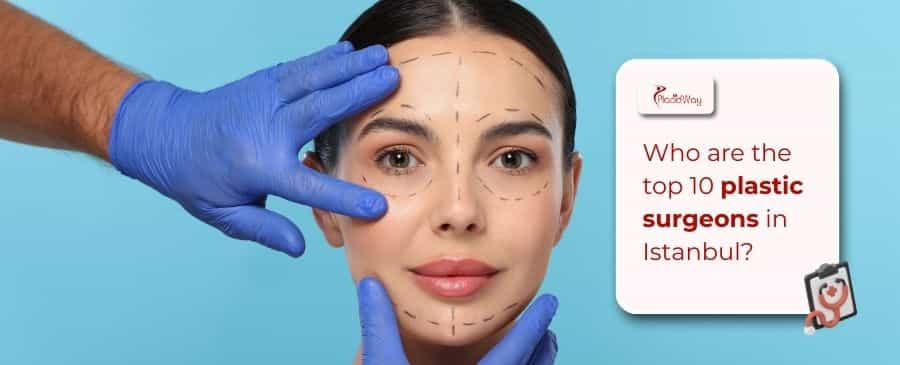
Navigating the vast landscape of aesthetic medicine in another country requires careful research, realistic expectations, and a firm commitment to safety. When researching plastic surgery in Istanbul, patients often look for a definitive ranking of the best doctors. However, selecting a medical professional is a highly personal decision that depends heavily on your unique anatomical needs, your medical history, and the specific procedure you require.
This comprehensive guide explains how to independently evaluate surgical credentials, understand the medical landscape in Turkey, and make informed decisions about your care without relying on subjective internet rankings.
Key Takeaways
- Subjective "top 10" lists cannot replace thorough, independent verification of a surgeon's board certifications and medical credentials.
- Safety should always be prioritized by choosing internationally accredited clinics and surgeons affiliated with recognized professional bodies.
- While treatment costs are generally lower in Turkey, final pricing depends on the complexity of the procedure and the facility chosen.
- Proper preparation includes securing local medical support in your home country to handle any potential long-term complications.
- Post-operative recovery requires a mandatory stay in Istanbul before it is medically safe to fly home.
Why Are "Top 10" Surgeon Rankings Subjective?
It is natural to want the absolute best care available, which leads many patients to search for ranked lists of surgeons. However, in the medical field, there is no international governing body that ranks doctors from one to ten. Rankings found online are often created by marketing agencies, bloggers, or booking platforms, and they rarely reflect objective clinical outcomes or safety records.
A surgeon who excels at intricate facial reconstruction may not be the most suitable choice for body contouring. Therefore, a doctor who is considered "the best" for one patient might not be the right fit for another. Furthermore, different patients have different anatomical starting points and healing capacities, meaning surgical outcomes vary significantly regardless of the surgeon's skill.
Instead of relying on arbitrary lists, patients should look for objective indicators of quality. This involves evaluating a surgeon's educational background, their years of specialized experience in a particular procedure, and their standing within recognized medical associations.
What Credentials Should You Look for in an Istanbul Surgeon?
When evaluating a medical professional in Turkey, proper credentialing is your most reliable metric for safety and competence. In Turkey, legitimate plastic surgeons undergo rigorous medical training, followed by a multi-year residency program focused exclusively on plastic, reconstructive, and aesthetic surgery.
To verify a surgeon's qualifications, patients should look for the following markers of professional standing:
- National Board Certification: Verify that the doctor is certified by the Turkish Ministry of Health as a specialist in Plastic, Reconstructive, and Aesthetic Surgery.
- Professional Memberships: Look for memberships in organizations such as the Turkish Society of Plastic Reconstructive and Aesthetic Surgeons (TSPRAS).
- International Affiliations: Many highly qualified surgeons also hold memberships with global bodies like the International Society of Aesthetic Plastic Surgery (ISAPS).
- Procedure-Specific Experience: Ensure the surgeon routinely performs the specific operation you are seeking, rather than treating it as an occasional add-on service.
Why Is Istanbul a Popular Destination for Plastic Surgery?
The rise of medical tourism in Turkey is not coincidental. Over the past two decades, both the private healthcare sector and the Turkish government have invested heavily in medical infrastructure, technology, and physician training. Istanbul, as the country's cultural and economic hub, hosts a large concentration of these advanced medical facilities.
Many hospitals and clinics in the city hold international accreditations, such as the Joint Commission International (JCI), which indicates adherence to strict global standards for patient safety and quality of care. Additionally, the geographic location of Istanbul makes it highly accessible via direct flights from Europe, the Middle East, and North America.
While the appeal of combining healthcare with travel is strong, patients must remember that surgery is a serious medical undertaking. The primary motivation for traveling should be accessing quality medical care at a reasonable price, not treating the trip as a traditional vacation.
Expert Insight
Any facility providing services to international patients must be registered with and authorized by the Turkish Ministry of Health for International Health Tourism. You can request to see this authorization certificate when evaluating a plastic surgery clinic in Istanbul.
What Are the Most Common Plastic Surgery Procedures in Istanbul?
The scope of plastic surgery in Istanbul is broad, encompassing both aesthetic enhancements and reconstructive procedures. Because of the high volume of international and domestic patients, surgeons in the city often perform hundreds of specific procedures annually, allowing them to refine their techniques.
Rhinoplasty (nose reshaping) is particularly prominent, with many surgeons specializing in advanced techniques such as ultrasonic (piezo) rhinoplasty. Body contouring procedures, including liposuction, tummy tucks (abdominoplasty), and breast surgeries (augmentation, lift, or reduction), are also highly sought after by international visitors.
It is important to note that suitability for any of these procedures varies by patient. A history of smoking, high body mass index (BMI), or underlying health conditions like diabetes can increase surgical risks and may result in a surgeon declining to operate. A thorough medical evaluation is required before any procedure can be confirmed.
How Much Does Plastic Surgery Cost in Istanbul?
Cost is a primary driver for medical travel. The economic variations between countries, alongside lower operational and administrative costs in Turkey, allow clinics to offer procedures at a reduced price without necessarily compromising on medical supplies or facility standards. However, pricing should never be the sole determining factor when choosing a surgeon.
To provide a general idea of the financial expectations, below are estimated price ranges for common procedures. These figures are estimates only; actual costs will vary based on the surgeon's experience, the complexity of your specific case, and the hospital fees.
| Procedure | Estimated Cost Range (USD) | Typical Stay Required |
|---|---|---|
| Rhinoplasty | $2,500 – $4,500 | 7 - 8 Days |
| Breast Augmentation | $3,000 – $5,500 | 7 - 9 Days |
| Liposuction (Multiple Areas) | $2,800 – $5,000 | 7 - 10 Days |
| Facelift (Full) | $4,500 – $7,500 | 10 - 14 Days |
| Tummy Tuck (Abdominoplasty) | $3,500 – $6,000 | 9 - 12 Days |
Note: The prices and recovery times listed above are approximate estimates. A personalized quote can only be provided after a medical consultation.
Is It Safe to Travel to Istanbul for Plastic Surgery?
Safety in medical travel depends heavily on the choices the patient makes before boarding a plane. While Istanbul has a robust private healthcare system with excellent facilities, no surgical procedure is entirely risk-free. Potential complications of any surgery include infection, adverse reactions to anesthesia, bleeding, and poor wound healing.
Furthermore, traveling itself introduces specific medical risks. Flying long distances shortly before or after surgery significantly increases the risk of deep vein thrombosis (DVT)—blood clots that can travel to the lungs and become life-threatening pulmonary embolisms. Patients must discuss travel timelines with their surgeon, adhere to mobility guidelines, and possibly use compression garments or prescribed blood thinners if deemed necessary by their doctor.
To maximize safety, avoid clinics that apply high-pressure sales tactics, refuse to answer detailed medical questions, or fail to request a comprehensive medical history prior to your arrival.
How Should You Prepare for Medical Tourism in Turkey?
Successful medical travel requires much more preparation than a standard holiday. Being far from home means you must be meticulously organized regarding your health and logistics.
- Disclose All Medical History: Be completely honest about past surgeries, chronic illnesses, allergies, and lifestyle habits (especially smoking and alcohol consumption, which impair healing).
- Review Medications: Provide your surgeon with a list of all prescription and over-the-counter medications, including herbal supplements, as some can increase bleeding risks.
- Plan for Support: Whenever possible, travel with a companion. Having someone to assist you with daily tasks, especially in the first few days post-operation, is invaluable.
- Organize Travel Documents: Ensure your passport is valid and check visa requirements for entering Turkey based on your nationality.
- Prepare Financially: Understand exactly what is and is not included in the quoted price to avoid unexpected out-of-pocket expenses for medications, garments, or extended hotel stays.
What Is the Typical Recovery Process Like in Istanbul?
After your surgery, you will likely spend one or two nights in the hospital for close monitoring by medical staff. Once discharged, you will return to your hotel to continue the recovery process. This period is critical for ensuring your incisions are healing properly and that there are no immediate signs of infection or complications.
During this time, you will have scheduled follow-up appointments at your chosen plastic surgery clinic in Istanbul. Your surgeon will check your progress, remove any surgical drains or sutures, and eventually provide medical clearance for you to fly home. It is imperative that you do not attempt to travel back before receiving this official clearance.
Patients should understand that full recovery and the final realization of aesthetic results can take several months to a year, as post-surgical swelling subsides gradually.
What Happens If Complications Arise After Returning Home?
One of the most significant challenges of medical tourism is managing long-term aftercare. Once you leave Turkey, you are separated from your primary surgical team. While most clinics offer ongoing virtual support via video calls or messaging apps, they cannot physically examine you or prescribe medications in your home country.
Before you travel, it is highly recommended to establish a relationship with a local primary care physician or specialist who is aware of your plans and willing to provide post-operative care or handle emergencies if they arise. In the event of a severe complication, such as a localized infection or hematoma, you will need immediate access to a local medical facility.
Always request a complete copy of your medical records, surgical notes, and details of any implants used (including serial numbers) before leaving Istanbul. These documents are essential for any doctor taking over your care back home.
How Can You Verify a Plastic Surgery Clinic in Istanbul?
Beyond evaluating the surgeon, assessing the facility where the surgery will take place is equally important. Procedures requiring general anesthesia should be performed in a fully equipped, accredited hospital or a highly specialized surgical center, not a standard office suite.
When researching facilities, look for evidence of robust emergency protocols and intensive care units (ICUs) on-site. The presence of international accreditations like Joint Commission International (JCI) provides an extra layer of reassurance, as these organizations regularly audit facilities for hygiene, equipment maintenance, and patient care standards.
During your initial consultations, do not hesitate to ask directly about the facility where the operation will occur. Transparency regarding the location, the type of anesthesia used, and the qualifications of the anesthesiologist is a hallmark of a professional and safe medical provider.
Why Choose PlacidWay for Medical Tourism in Turkey?
PlacidWay is a medical tourism platform designed to help patients research, compare, and connect with healthcare providers globally.
- Access to Provider Information: PlacidWay connects patients with healthcare facilities and clinics in Istanbul, allowing you to review their profiles and services.
- Surgeon Credentials: The platform provides information regarding the professional backgrounds, certifications, and specialties of various medical professionals.
- Direct Communication: PlacidWay facilitates initial contact between patients and international clinics to help set up virtual consultations.
- Transparent Estimates: Patients can request customized price estimates from multiple clinics to understand potential financial requirements before committing.
- Educational Resources: The platform offers articles and guides to help patients understand the logistics and considerations of traveling abroad for medical care.
Frequently Asked Questions
Do plastic surgeons in Istanbul speak English?
Many board-certified surgeons and medical staff in facilities catering to international patients speak English fluently. Clinics also frequently provide dedicated patient coordinators or translators to ensure clear communication regarding your medical history and treatment goals.
How long should I stay in Istanbul after plastic surgery?
The required length of stay depends on the specific procedure, but patients are typically advised to remain in Turkey for 7 to 14 days. This allows time for initial recovery, drain removal, and mandatory follow-up appointments before being cleared for air travel.
Can I combine multiple plastic surgery procedures in one trip?
While combining procedures is possible in suitable patients, it increases the duration of anesthesia, surgical risks, and recovery time. A qualified surgeon must evaluate your overall health to determine if combining treatments is a medically safe option for you.
Are consultations available before traveling to Turkey?
Yes, most established clinics offer preliminary virtual consultations. During these video calls, you can discuss your goals, share photographs, review your medical history, and receive an initial assessment before making any travel arrangements.
What is the difference between a cosmetic surgeon and a plastic surgeon in Turkey?
A plastic surgeon in Turkey undergoes rigorous, multi-year specialized residency training in plastic, reconstructive, and aesthetic surgery to become board-certified. A cosmetic surgeon may be a doctor from another specialty who has taken shorter courses in cosmetic procedures.
Will my health insurance cover plastic surgery in Istanbul?
Standard health insurance policies generally do not cover elective aesthetic procedures performed abroad. Coverage may only apply in rare cases of reconstructive surgery deemed medically necessary, but you must confirm this directly with your insurance provider.
How do I know if I am a good candidate for plastic surgery abroad?
Being a good candidate requires being in good overall physical and mental health, having realistic expectations, and having no underlying conditions that increase surgical risks. A comprehensive medical evaluation by a licensed professional is required to confirm your eligibility.
What are the risks of flying after plastic surgery?
Flying shortly after surgery increases the risk of deep vein thrombosis (DVT) and pulmonary embolism due to immobility and cabin pressure. It can also exacerbate swelling. You must receive explicit medical clearance from your surgeon before boarding a flight.
Do clinics in Istanbul offer revision surgeries?
Many highly experienced surgeons in Istanbul perform complex revision surgeries to correct unsatisfactory outcomes from previous procedures. However, revision surgeries are generally more complicated and carry higher risks than primary surgeries.
Can I enjoy tourist activities while recovering in Istanbul?
Your primary focus should be on rest and recovery. Strenuous activities, sun exposure, and excessive walking are typically contraindicated immediately following surgery. Any light sightseeing should only be done if approved by your medical team.
Compare Treatment Options in Istanbul
Take the next step in your medical journey by requesting information about facilities, surgeon credentials, and estimated treatment costs in Turkey.
Request Treatment InformationReferences
- Patient Safety – International Society of Aesthetic Plastic Surgery (ISAPS)
- Medical Tourism: Travel for Medical Care – Centers for Disease Control and Prevention (CDC)
- Questions to Ask Your Plastic Surgeon – American Society of Plastic Surgeons (ASPS)
- JCI-Accredited Organizations – Joint Commission International (JCI)
- Cosmetic Procedures Abroad – National Health Service (NHS)
- Health Tourism in Turkey – USHA? (Turkish Ministry of Health)
- Travel and Health: Deep Vein Thrombosis – World Health Organization (WHO)
Disclaimer: The information provided in this article is for educational purposes only and does not constitute medical advice, diagnosis, or treatment planning. Medical tourism carries inherent risks. Always consult with a qualified healthcare professional regarding your specific health condition, suitability for surgery, and post-operative care needs.

















Share this listing