
What treatment


20+ Key FAQs on Cosmetic/Plastic Surgery in Turkey
Questions About Cosmetic/Plastic Surgery in Turkey? Start Here
Trusted Medical Tourism Platform Since 2007

How much is a mommy makeover in Turkey
The average mommy makeover cost in Turkey typically ranges from $4,500 to $8,500. This estimate usually includes breast surgery, tummy tuck, and liposuction, but final prices depend on the chosen procedures and individual patient needs. Pregnancy, childbirth, and breastfeeding bring beautiful changes to a family, but they can also alter your body in ways that diet and exercise alone cannot always resolve. For many women, stretched abdominal muscles, stubborn fat deposits, and changes in breast volume can impact their physical comfort and self-confidence. If you are considering surgical options to restore your pre-pregnancy shape, you might be researching international destinations to find more accessible pricing. Understanding the intricacies of a mommy makeover in Turkey requires careful research. It is a major physical undertaking that combines multiple surgeries into one extended operation. While the financial savings can be significant, your primary focus should always be on safety, provider qualifications, and understanding exactly what the process entails before, during, and after your travel. Key Takeaways Cost Estimates: Treatment packages generally range between $4,500 and $8,500, offering substantial savings compared to North American or UK averages. Customized Procedures: The surgery is not a single operation; it usually involves a tailored combination of breast enhancement, a tummy tuck, and targeted liposuction. Extended Stay Required: Patients typically need to stay in the country for 10 to 14 days post-surgery to allow for initial healing and safe clearance for air travel. Intense Recovery: Combining multiple procedures increases physical stress on the body, making adherence to strict post-operative care crucial. Medical Evaluation: Suitability depends on good overall health, a stable BMI, and the completion of childbearing plans. What exactly is included in a mommy makeover? A mommy makeover is a customized combination of cosmetic surgeries designed to restore your pre-pregnancy body. It typically involves breast enhancement, abdominal contouring, and targeted fat removal. Because every woman’s body reacts differently to pregnancy, there is no standard, one-size-fits-all mommy makeover. The procedure is highly individualized based on your specific physical concerns and aesthetic goals. During an initial consultation, a plastic surgeon will assess your anatomy and recommend a combination of procedures that can be safely performed during a single session under general anesthesia. Most treatment plans focus on the breasts and the abdomen. Breast procedures may include a breast lift (mastopexy) to correct sagging, breast augmentation with implants to restore lost volume, or sometimes a breast reduction if pregnancy has left the breasts uncomfortably large. For the midsection, a tummy tuck (abdominoplasty) is frequently performed. This step removes excess, loose skin and can surgically repair diastasis recti, which is the separation of the abdominal muscles that often occurs during pregnancy. In addition to breast and abdominal work, liposuction is commonly integrated to remove stubborn pockets of fat around the flanks, lower back, or thighs. By combining these procedures, surgeons aim to provide a comprehensive contouring result. However, it is important to remember that adding more procedures increases the total time under anesthesia, which your medical team must carefully weigh against your personal health profile. Why do patients travel for a mommy makeover in Turkey? Patients often pursue a mommy makeover in Turkey due to the lower cost of care, access to experienced plastic surgeons, and modern medical facilities in cities like Istanbul and Antalya. The growth of medical tourism in Turkey has been driven by a combination of affordability, regulatory standards, and heavily invested healthcare infrastructure. Many private hospitals and specialized clinics are equipped with modern technology and maintain international accreditations, such as from the Joint Commission International (JCI). This gives international patients a level of comfort regarding the hygiene and operational standards of the facilities they are visiting. Furthermore, many Turkish plastic surgeons have completed part of their training or fellowships internationally and are members of recognized global organizations, such as the International Society of Aesthetic Plastic Surgery (ISAPS). This global integration means that patients can often find highly qualified professionals who speak multiple languages and are accustomed to treating international visitors. Another factor drawing patients is the comprehensive nature of the care offered. Many clinics provide all-inclusive packages that bundle the surgery, hospital fees, pre-operative tests, post-operative garments, and sometimes even local accommodation and airport transfers. While these packages are convenient, patients should always thoroughly review what is and isn't included to avoid unexpected out-of-pocket expenses. How does the cost compare to the US or UK? The mommy makeover cost in Turkey is usually 50% to 70% lower than in the United States or the United Kingdom. While US patients might pay $15,000 to $25,000, prices in Turkey generally range from $4,500 to $8,500. The stark difference in pricing is largely tied to macro-economic factors rather than a lack of quality. The lower cost of living, reduced administrative overhead, and different malpractice insurance structures in Turkey allow clinics to offer procedures at a fraction of Western prices. Additionally, favorable exchange rates for patients holding US Dollars, Euros, or British Pounds further increase their purchasing power. To provide a clearer perspective, here is a general comparison of estimated costs for a combined breast lift, tummy tuck, and liposuction across different regions. Please note that these are estimates and prices fluctuate based on individual provider fees and patient needs. Country Estimated Cost Range (USD) United States $15,000 – $25,000+ United Kingdom $12,000 – $20,000 Turkey $4,500 – $8,500 Mexico $6,000 – $10,000 When budgeting for your trip, it is critical to factor in additional expenses that are not always covered in medical packages. You will need to account for round-trip airfare, travel insurance with medical complication coverage, passport/visa fees, daily meals, and potential costs for a companion to travel with you to assist during your early recovery. What factors affect the final price of the surgery? The total price depends on the specific procedures you choose, the surgeon's experience, the facility's location, and the type of materials used, such as breast implants. While the advertised price might seem appealing, it is vital to understand how quotes are built. The most significant variable is the scope of the surgery. A patient requiring a full tummy tuck with muscle repair, a breast lift, and extensive liposuction will naturally pay more than a patient who only needs a mini tummy tuck and a simple breast augmentation. Several other variables will influence your personalized quote: Implant Type: If breast augmentation is included, the brand, shape (round vs. teardrop), and material (saline vs. silicone) of the implants will alter the price. Premium FDA-approved implants generally cost more. Surgeon's Expertise: Highly sought-after, board-certified surgeons with decades of experience usually charge higher fees for their time and skill. Facility Fees: Operating in a JCI-accredited private hospital typically incurs higher facility and overnight stay fees compared to a smaller outpatient clinic. Anesthesia Fees: Because a mommy makeover can take anywhere from four to six hours, the cost of a dedicated, experienced anesthesiologist monitoring you throughout is factored into the total. Post-Operative Needs: Specialized compression garments, prescription medications, and extended nursing care at your hotel can add to the final bill. Important Consideration: When requesting a quote, ask for an itemized breakdown. Ensure it covers pre-operative blood tests, anesthesia, the surgery itself, overnight hospital stays, follow-up appointments, and all necessary post-op garments. Am I a good candidate for this combination of procedures? Ideal candidates are typically in good general health, at a stable weight, and have finished having children. A thorough medical evaluation is required to confirm if you are physically ready for combined surgeries. A mommy makeover is an elective cosmetic procedure, meaning your baseline health must be strong to safely undergo prolonged anesthesia and the subsequent healing process. Surgeons typically require patients to be at or very close to their ideal body weight. The surgery is designed for contouring and tightening, not as a primary method for weight loss. Being significantly overweight increases surgical risks and can negatively impact the aesthetic outcome. Timing is another critical factor. Doctors generally recommend waiting at least six months after you have finished breastfeeding before undergoing breast surgery, allowing your breast tissue to settle into its final shape. Furthermore, it is highly advised that you wait until you are certain you do not want more children. While getting pregnant after a tummy tuck is possible, a subsequent pregnancy will stretch the abdominal muscles and skin again, often undoing the results of the surgery. Medical conditions such as uncontrolled diabetes, high blood pressure, or heart disease may disqualify you from having combined procedures. Smoking is a major contraindication; nicotine constricts blood vessels, drastically increasing the risk of tissue necrosis (death) and severe wound healing complications. You will be required to stop smoking and using all nicotine products well in advance of your operation. What is the typical recovery time after the operation? Initial recovery generally takes two to three weeks, during which you will need to rest and avoid heavy lifting. However, full internal healing and the final settling of results can take six months to a year. Recovering from a mommy makeover is demanding because your body is healing from multiple surgical sites simultaneously. For example, your chest and your core will both be tender, making simple movements like sitting up in bed or reaching for objects challenging in the first few days. You will likely have surgical drains in place to manage fluid buildup, and you will be required to wear medical-grade compression garments to reduce swelling and support your new contours. During the first week, discomfort, swelling, and bruising will be at their peak. Your medical team will provide pain management protocols. By the second and third weeks, you may feel well enough to return to light, desk-based work and short walks, though you must still avoid lifting anything over a few pounds—including picking up small children. Around the six-week mark, most patients are cleared to slowly reintroduce more strenuous activities and exercise, depending on their surgeon's assessment. It is vital to remember that while the visible incisions will close relatively quickly, internal tissues take much longer to heal. Swelling can ebb and flow for several months before your final results become fully apparent. What are the potential risks and complications? Like any major surgery, a mommy makeover carries risks such as infection, bleeding, poor scarring, and adverse reactions to anesthesia. Combining multiple procedures can increase the risk of complications. No surgical procedure is entirely risk-free, and patient safety must always be prioritized over cosmetic goals. Because a mommy makeover involves extensive tissue manipulation and longer operative times, the body is placed under significant stress. Potential general surgical risks include hematoma (blood pooling under the skin), seroma (fluid accumulation), infection at the incision sites, and delayed wound healing. One of the more serious risks associated with abdominoplasty and extended bed rest is the formation of deep vein thrombosis (DVT) or blood clots, which can be life-threatening if they travel to the lungs (pulmonary embolism). Surgeons mitigate this risk by encouraging early, light mobilization (like short walks down the hallway) shortly after surgery and sometimes prescribing blood thinners. There are also aesthetic risks to consider. These include asymmetrical results, changes in nipple or abdominal skin sensation, prominent scarring, or dissatisfaction with the final outcome. In cases where breast implants are used, there are specific risks such as capsular contracture (hardening of scar tissue around the implant) or implant rupture, which may require revision surgery in the future. Discussing these risks thoroughly with your chosen doctor is an essential part of the informed consent process. How long should I stay in Turkey after the procedure? Surgeons usually recommend staying in the country for at least 10 to 14 days after your operation. This allows your medical team to monitor your initial healing and safely clear you for air travel. Traveling for major surgery requires a realistic timeline. A quick weekend trip is not feasible or safe for a mommy makeover. After you are discharged from the hospital (usually after 1 to 3 nights), you will need to recover in a local hotel. During this period, you will attend several follow-up appointments at the clinic. These follow-up visits are crucial. Your surgeon will need to assess the incision sites for signs of infection, remove surgical drains once fluid output has decreased to safe levels, and change your dressings. Leaving the country before these early milestones are reached can put your health at serious risk. Furthermore, flying involves prolonged periods of sitting in cramped spaces, which drastically increases the risk of blood clots during the early post-operative phase. Your surgeon must evaluate your recovery progress and officially clear you for air travel. Even when cleared, it is highly recommended to wear compression socks during your flight, stay hydrated, and move your legs frequently to promote healthy circulation. How can I find a safe and reputable facility? Finding a safe mommy makeover clinic in Turkey requires researching the surgeon's credentials, verifying hospital accreditations, and reading independent patient reviews. When selecting a destination for medical care, rigorous independent research is your best defense against substandard practices. Begin by focusing on the qualifications of the specific surgeon who will perform the operation, rather than just the brand name of the clinic. Verify their board certifications, ask where they completed their training, and check if they hold memberships in respected international bodies like ISAPS or the American Society of Plastic Surgeons (ASPS) international equivalent. Next, evaluate the facility where the surgery will take place. Major combined surgeries should be performed in a fully equipped hospital setting, not a small cosmetic office. Look for hospitals that hold Joint Commission International (JCI) accreditation or similar strict regulatory oversight, ensuring they have functional intensive care units (ICUs) and emergency protocols in place should a complication arise. Finally, insist on a comprehensive video consultation before committing to any travel arrangements or paying non-refundable deposits. Use this time to ask detailed questions about their complication rates, how they handle post-operative emergencies once you return home, and to view unedited before-and-after photos of patients with similar body types. A reputable surgeon will prioritize your safety, openly discuss risks, and will not pressure you into booking immediately. Why Choose PlacidWay for Medical Tourism? PlacidWay is a global medical tourism platform designed to help patients research and connect with healthcare providers worldwide. Here is how the platform can assist your journey: Extensive Directory: Access a broad database of international clinics and hospitals offering cosmetic procedures. Direct Communication: Facilitates initial contact, allowing you to ask questions directly to international medical teams. Provider Profiles: View detailed information regarding clinic facilities, doctor qualifications, and available treatment options. Educational Resources: Provides access to articles, guides, and patient resources to help you understand the realities of seeking medical care abroad. Cost Comparison: Helps patients gather estimates from multiple facilities to make informed financial decisions. Frequently Asked Questions Can I get pregnant after a mommy makeover? Yes, it is physically possible to get pregnant after these procedures. However, surgeons generally recommend waiting until you are completely finished having children, as future pregnancies can stretch the abdominal muscles and skin, potentially altering the cosmetic results of the surgery. How long do the results usually last? The results can be long-lasting if you maintain a stable weight and adhere to a healthy lifestyle. While the removed skin and fat do not return, natural aging, hormonal changes, and weight fluctuations will continue to affect your body over time. Can I split the surgeries into different trips? Yes. If you or your surgeon feel that combining multiple procedures is too physically demanding or poses a higher risk, you can choose to have your breast surgery and abdominal surgery on separate trips. This approach requires more travel but can offer a gentler recovery. Will I have visible scars after the procedure? Yes, any surgical incision will leave a scar. Surgeons typically place incisions in discreet areas, such as along the lower bikini line for a tummy tuck or within the natural folds of the breast. Scars tend to fade over time but will never completely disappear. Are breast implants always included? No. Breast enhancement is customized to your needs. Some patients only require a breast lift to correct sagging, while others may opt for a breast reduction. Implants are only included if you wish to add volume to your breasts. How soon can I fly after the surgery? Most surgeons advise waiting at least 10 to 14 days before flying home. Flying too soon increases the risk of deep vein thrombosis (DVT) and blood clots. Your surgeon must evaluate your healing and officially clear you for air travel. Do Turkish clinics offer post-operative care packages? Many facilities that cater to international patients provide post-operative care packages. These often include nursing check-ins at your hotel, compression garments, necessary medications, and scheduled follow-up appointments before you travel back home. Is it safe to combine multiple surgeries at once? Combining surgeries can be safely performed on healthy candidates, but it does increase the duration you are under general anesthesia and prolongs the physical stress on your body. Your surgeon will evaluate your health history to determine if a combined approach is appropriate for you. How should I prepare for the consultation? Prepare by gathering your complete medical history, a list of all current medications and supplements, and clear questions about the surgeon's experience. It is also helpful to know your exact goals and to be open about your budget and travel timeline. What happens if I experience complications after going home? If you experience severe complications after returning home, you should immediately seek care from a local medical professional or emergency room. It is crucial to inform your local doctor about your recent surgery and to maintain open communication with your surgical team abroad. Explore Your Treatment Options Take the next step in your research journey. Connect with verified facilities and compare tailored information to make an empowered health decision. Request Treatment Information References Mommy Makeover Guide – American Society of Plastic Surgeons (ASPS) Procedures: Mommy Makeover – International Society of Aesthetic Plastic Surgery (ISAPS) Tummy Tuck: Risks and What to Expect – Mayo Clinic Medical Tourism: Travel Health Guidelines – Centers for Disease Control and Prevention (CDC) Breast Implants: Safety and Risks – U.S. Food and Drug Administration (FDA) Quality and Patient Safety Standards – Joint Commission International (JCI) Medical Disclaimer: The information provided in this article is for educational and informational purposes only and does not constitute professional medical advice, diagnosis, or treatment. Outcomes, risks, recovery times, and candidacy vary significantly by patient. Always seek the advice of your physician or other qualified health provider with any questions you may have regarding a medical condition or before deciding to undergo elective surgery. Pricing is estimated and subject to change based on individual requirements and provider fees....
Read more details

.jpg)
What Is Included In Turkey Rhinoplasty Packages?
Turkey rhinoplasty packages typically include the surgeon's fees, operating room costs, anesthesia, pre-operative medical tests, post-operative medications, airport transfers, and hotel accommodation for the duration of your required stay. When considering rhinoplasty in Turkey, many international patients find themselves looking at comprehensive bundles offered by various providers. Navigating healthcare in another country can feel overwhelming, which is why facilities often group necessary services into a single package. Understanding exactly what you are paying for—and what you are not—is a crucial first step in making an informed decision about your healthcare journey. A well-structured package aims to simplify the logistical elements of traveling abroad for surgery. However, patients must remember that an all-inclusive offer does not override the need for strict medical evaluation. You are primarily traveling for a surgical procedure, and your safety, suitability for surgery, and comprehensive care should remain the central focus of any arrangement. Key Takeaways Packages generally combine surgical fees, hospital costs, and logistical support into one estimated price. Standard inclusions often feature pre-operative tests, local VIP transfers, and hotel accommodation. International flights, travel insurance, and personal expenses are rarely included in standard quotes. The availability of a package does not guarantee surgery; patients must pass a thorough medical evaluation first. Carefully reviewing the inclusions regarding aftercare and complication management is essential before traveling. What medical services are strictly covered in the package? The medical portion of the package typically covers the primary surgeon’s fee, operating theater usage, anesthesia administration, necessary nursing care, and standard medical supplies used during the procedure. The core of any healthcare bundle is the surgery itself. When you review the medical inclusions, you are generally looking at the costs associated with the hospital or surgical facility on the day of your operation. This covers the overhead of using a sterile operating room, the expertise of the surgical team, and the anesthesiologist who monitors your vital signs while you are under general anesthesia. In addition to the immediate surgical environment, the package normally accounts for an overnight hospital stay if your surgical plan requires it. Following rhinoplasty, remaining in the facility for the first night allows medical staff to monitor your initial recovery, manage any immediate post-operative pain or nausea, and ensure there is no excessive bleeding. It is vital to recognize that these inclusions cover a routine, uncomplicated procedure. If you have underlying health conditions that require specialized monitoring, or if unforeseen medical complications occur during surgery that necessitate additional interventions, these may fall outside the standard package boundaries. Are pre-operative consultations and tests included? Yes, comprehensive packages usually include the initial face-to-face consultation with your surgeon and the mandatory blood tests and physical examinations required to clear you for general anesthesia. Before any surgery can take place, the medical team must confirm that you are a suitable candidate. Even if you have sent photographs and medical records ahead of time, a physical examination upon arrival is mandatory. During the included consultation, the surgeon will assess your nasal structure, discuss your aesthetic and functional goals, and finalize the surgical plan. Standard pre-operative testing is also bundled into the initial stages of the package. These tests typically involve a complete blood count (CBC), coagulation profiles to ensure your blood clots normally, and screening for infectious diseases. In some cases, depending on your age and medical history, an electrocardiogram (EKG) may be performed to check your heart health. Important Consideration: If your pre-operative tests reveal an underlying health issue (such as high blood pressure, an infection, or a clotting disorder), the surgeon may cancel or postpone the procedure for your safety. Travel expenses are generally non-refundable in these instances. What logistical and travel services do these packages provide? Logistical inclusions frequently consist of private airport transfers, transportation between your hotel and the medical facility, and a set number of nights in a partnered hotel. To ease the stress of navigating a foreign city immediately before and after surgery, packages heavily incorporate local transport. When you arrive at the airport, a designated driver usually greets you and takes you directly to your accommodation or the clinic. This service typically extends to all necessary trips between your hotel and the hospital for consultations, surgery, and follow-up appointments. Accommodation is another major component. Packages generally cover a stay ranging from six to ten nights in a pre-vetted hotel. These hotels are often chosen for their proximity to the medical facility and their ability to accommodate recovering patients. The rooms usually include a comfortable environment for rest and a daily breakfast. It is important to review the specifics of the hotel accommodation. While some packages offer luxury five-star stays, others might partner with standard business hotels. You should also verify if a companion can share your room at no extra cost, as many patients prefer to travel with a friend or family member for support. How is the post-operative recovery phase managed within the package? Packages typically cover the immediate aftercare, including prescription medications for your stay, follow-up consultations for cast removal, and final medical clearance before you travel home. Post-operative care is a critical part of the rhinoplasty process. Upon discharge from the hospital, you will usually be provided with a recovery kit. This kit often contains necessary short-term medications, such as prophylactic antibiotics to prevent infection, pain relievers, and saline sprays or ointments to keep the nasal passages moist. Your recovery time in the destination country is structured around necessary follow-up appointments. About a week after the surgery, the package includes a final consultation where the surgeon removes your external splint, internal silicone tubes (if used), and any non-dissolvable sutures. During this final visit, the medical team evaluates your initial healing to determine if you are fit to fly. Air travel too soon after surgery carries risks, including deep vein thrombosis (DVT) and discomfort from cabin pressure changes affecting the nasal cavities. The standard package timeline is designed to safely accommodate this initial healing window. What expenses are typically excluded from a rhinoplasty package? Standard packages rarely cover international airfare, travel insurance, visa fees, lunches and dinners, personal shopping, or medical care required once you return to your home country. Understanding exclusions is just as important as knowing the inclusions to avoid unexpected financial strain. Here are common expenses that patients must budget for separately: Flights and Visas: You are responsible for booking your own flights and securing any necessary tourist or medical visas to enter the country. Daily Meals: While hotel breakfasts are often included, you will need to pay for lunch, dinner, and room service. Medical Travel Insurance: Policies that cover complications from elective surgery abroad are highly recommended but rarely bundled in the baseline price. Long-term Aftercare: If you need follow-up checkups, steroid injections, or medical attention upon returning home, you must cover those costs locally. Revision Surgery: While some providers offer discounted rates for revisions, the cost of a secondary surgery, including return travel, is almost never entirely free or included in the initial package. How does the rhinoplasty cost in Turkey influence package offerings? The overall cost of living, lower operational overhead, and government incentives for healthcare providers allow facilities to bundle comprehensive services at a price that often remains lower than a standalone surgery in Western countries. Patients often wonder how providers can afford to include hotels and transfers while keeping the estimated rhinoplasty cost in Turkey competitive. The financial structure is influenced by the local economy. Operational costs, including facility maintenance, staffing, and administrative expenses, are generally lower than in North America or Western Europe. Furthermore, the medical travel sector is highly developed. Facilities often have established, high-volume partnerships with local hotels and private transport companies. These business-to-business agreements allow them to secure accommodations and transfers at significantly reduced rates, passing those savings on to the patient through the package format. However, patients should be cautious of prices that seem exceptionally lower than the regional average. Extremely low-cost packages might compromise on the quality of medical materials used, the accreditation level of the facility, or the experience of the surgical team. Pricing can vary widely based on the complexity of the procedure (e.g., primary vs. complex revision rhinoplasty) and the surgeon's expertise. How long do I need to stay for the package to be completed? Most standard packages require a mandatory stay of 7 to 9 days to ensure adequate time for pre-operative testing, the surgery, initial healing, and the removal of casts and sutures before flying. The duration of a package is carefully calculated based on medical recovery protocols rather than tourism convenience. Day one is typically dedicated to arrival and settling in, followed closely by the consultation and pre-op tests on day two. The surgery often takes place on day three, meaning the bulk of your stay is focused entirely on rest and recovery. During days four through seven, you will be recovering in your hotel. Rest is paramount during this time, as swelling and bruising will be at their peak. While you may feel well enough to walk around, strenuous activities and typical tourist excursions are strictly contraindicated because they can elevate blood pressure and increase the risk of bleeding. The final days of the package are reserved for your last clinical appointment. Once the surgeon removes the cast and clears you for travel, you can typically fly home the following day. Trying to shorten this timeframe is highly discouraged by medical professionals due to the safety risks associated with flying with surgical splints and fresh internal incisions. How can I verify the quality of a rhinoplasty clinic in Turkey before booking a package? You can evaluate a clinic by checking for international accreditations (like JCI), verifying the surgeon’s membership in recognized boards (such as ISAPS or local equivalents), and requesting comprehensive details about their medical protocols. When booking a package from afar, verifying the credentials of the facility and the surgical team is essential. Start by asking the provider for the exact name of the hospital or surgical center where the procedure will take place. Look for facilities that hold accreditations from international bodies, such as the Joint Commission International (JCI), which signify adherence to rigorous global safety and hygiene standards. Next, look closely at the surgeon leading your care. A reputable rhinoplasty clinic in Turkey will be transparent about their doctors' qualifications. Check if the surgeon is a certified plastic surgeon or an ENT (ear, nose, and throat) specialist with specific training in facial plastic surgery. Memberships in organizations like the International Society of Aesthetic Plastic Surgery (ISAPS) or the Turkish Society of Plastic Reconstructive and Aesthetic Surgeons indicate a commitment to ongoing education and ethical practice. Do not rely solely on social media marketing or before-and-after photos, as these represent best-case scenarios and can be easily curated. Ask the clinic directly about their complication rates, what emergency protocols they have in place, and how they handle situations where a patient requires unexpected medical interventions. Is a rhinoplasty package considered safe for international patients? The safety of the package depends entirely on the patient's underlying health, the qualifications of the chosen surgical team, and the clinical standards of the facility where the operation takes place. Rhinoplasty is a complex surgical procedure that carries inherent medical risks, regardless of where in the world it is performed. These risks include infection, adverse reactions to anesthesia, excessive bleeding, poor wound healing, asymmetry, and potential breathing difficulties. Traveling long distances shortly after surgery adds another layer of risk, particularly concerning blood clots (DVT). A well-organized package mitigates some stress by organizing logistics, but it does not remove surgical risk. Safety is optimized when patients provide a thoroughly honest medical history prior to travel, follow all pre-and post-operative instructions carefully, and ensure they are treated in appropriately equipped medical facilities rather than unaccredited day-clinics. Expert Insight: Continuity of care is a major challenge for international patients. Once you return home, your operating surgeon cannot easily examine you. You must have a plan in place for accessing local healthcare if you experience a complication, such as a sudden fever, increasing pain, or unexpected bleeding, after you leave the destination. How does medical tourism in Turkey handle language barriers during the process? Most comprehensive packages include the services of a dedicated, multilingual patient coordinator or translator who accompanies the patient to all medical consultations and tests. Clear communication is a fundamental pillar of medical safety and informed consent. You must be able to clearly express your medical history, understand the surgical risks, and articulate your aesthetic goals. Because many international patients do not speak the local language, the inclusion of translation services is a vital part of the package structure. The patient coordinator acts as a bridge between you and the medical team. They typically meet you upon arrival and are present during the pre-operative consultation, helping to translate complex medical terminology. They are also usually available via messaging apps throughout your hotel recovery phase to answer questions or convey concerns to the nursing staff. However, it is always beneficial if the surgeon themselves speaks a language you are fluent in, such as English. Direct communication with your doctor reduces the risk of misunderstandings regarding your expectations and the surgical plan. When inquiring about a package, you should ask about the surgeon’s language proficiency alongside the availability of translation services. Why Choose PlacidWay for Medical Tourism Information? Navigating global healthcare options requires access to organized, factual information. PlacidWay serves as an informational resource for patients exploring treatments abroad. Extensive Directory PlacidWay provides access to a large, centralized directory of international healthcare facilities and providers, allowing patients to review various regional options. Direct Connectivity The platform facilitates direct communication, allowing you to connect directly with clinics and hospitals for preliminary questions and consultations. Comparison Tools Patients can utilize the platform to compare different providers, estimated pricing structures, and facility profiles side-by-side. Educational Resources PlacidWay offers articles, destination guides, and procedural information designed to help patients understand the basics of global medical travel. Patient-Focused Research The service focuses on empowering patients to gather the necessary data to make their own informed decisions in consultation with their local doctors. Frequently Asked Questions Do rhinoplasty packages in Turkey include revision surgery? Standard packages rarely include revision surgery. If a secondary procedure is needed due to complications or unsatisfactory results, it typically incurs additional costs. You should discuss revision policies with your chosen provider before booking. Can I bring a companion with me on a rhinoplasty package? Many hotels accommodate a companion in the same room at no extra charge for lodging, but you should verify this directly with the coordinator. Your companion’s flights, meals, and personal expenses are not covered by the package. Are prescription medications included in the overall package price? Yes, standard post-operative medications such as painkillers, antibiotics, and saline nasal sprays needed for your initial recovery in Turkey are typically included. Ongoing medication needed after returning home is your responsibility. Do these packages cover complications if they arise after returning home? Packages generally do not cover medical care once you leave the destination. If complications arise back home, you will need to seek and pay for local medical care, which is why securing specialized medical travel insurance is highly recommended. Will I meet my surgeon before the day of the rhinoplasty? Yes, a comprehensive pre-operative consultation with your surgeon is standard practice. This usually takes place a day or two before the surgery to discuss goals, perform physical examinations, and finalize the surgical plan. What type of anesthesia is included in Turkish nose surgery packages? Rhinoplasty is typically performed under general anesthesia, and the cost of the anesthesiologist and the anesthesia medications are almost always included in the surgical portion of the package. Are meals included in the hotel accommodation part of the package? Most standard packages include breakfast at the hotel, but lunches and dinners are usually your own responsibility unless you are staying in an all-inclusive facility or are admitted to the hospital overnight. How do clinics handle post-op checkups before I fly home? You will typically have one or two follow-up visits before your departure. During the final checkup, the surgeon removes the cast or splints, checks the healing progress, and determines if you are medically cleared to fly. Do I need medical travel insurance when booking a package in Istanbul? While not always legally required by the clinic, purchasing specialized medical travel insurance is highly advisable. It can help protect you financially in case of unexpected medical complications, trip cancellations, or extended stay requirements. How soon after my consultation is the surgery scheduled within a package? In a streamlined medical travel itinerary, surgery is often scheduled for the day following your in-person consultation and pre-operative tests, assuming you pass all medical clearances and give informed consent. Explore Your Treatment Options Connect directly with international healthcare providers to gather information, compare package inclusions, and start making informed decisions about your care. Request Treatment Information References Rhinoplasty Procedure Information – International Society of Aesthetic Plastic Surgery (ISAPS) Medical Tourism: Travel for Medical Care – Centers for Disease Control and Prevention (CDC) Rhinoplasty Safety and Risks – American Society of Plastic Surgeons (ASPS) Treatment and Cosmetic Surgery Abroad – National Health Service (NHS) Rhinoplasty: What You Can Expect – Mayo Clinic JCI Accredited Organizations Directory – Joint Commission International (JCI) Medical Disclaimer The information provided in this article is for educational and informational purposes only and does not constitute medical advice, diagnosis, or treatment recommendations. Medical tourism involves unique health and safety risks. Suitability for rhinoplasty, expected outcomes, and recovery periods vary significantly by individual patient. Always seek the advice of your physician or a qualified healthcare provider in your home country before deciding to undergo medical procedures abroad. Pricing and package inclusions mentioned are estimates and subject to change; verify all details directly with the healthcare provider....
Read more details
How Much is Jaw Surgery in Turkey?
Direct Answer: The estimated jaw surgery cost in Turkey typically ranges from $3,000 to $7,000. Prices vary significantly based on whether you need single jaw (upper or lower) or double jaw surgery, the complexity of the correction, and the specific clinic's pricing structure. Deciding to undergo orthognathic (jaw) surgery is a major medical and personal milestone. For many patients facing severe bite issues, sleep apnea, or skeletal irregularities, this procedure can significantly improve daily function. However, the high costs associated with specialized oral and maxillofacial surgery often prompt individuals to look abroad. Understanding the nuances of jaw surgery in Turkey is essential for anyone considering this path. When looking into this complex procedure, it is crucial to remember that it involves altering your facial structure and airways. Finding a reputable jaw surgery clinic in Turkey requires careful research, an understanding of the medical process, and coordination with your dental team back home. This guide will walk you through the estimated expenses, procedural details, patient eligibility, and the realities of traveling for this level of care. Key Takeaways Estimates for orthognathic surgery in this region typically fall between $3,000 and $7,000. Total expenses depend heavily on whether you require a single or bimaxillary (double) procedure. Orthodontic preparation (braces or aligners) is almost always required before and after surgery. Patients must plan for an extended stay of 10 to 14 days for initial recovery and post-operative clearance before flying. Post-operative care requires coordination with a local orthodontist and surgeon upon returning home. 1. What is included in the average jaw surgery cost in Turkey? When facilities provide a financial estimate for this treatment, it typically covers the surgical fee, operating room charges, general anesthesia, and your immediate hospital stay. Understanding the breakdown of your medical quote is a vital step in planning your budget. Orthognathic surgery requires general anesthesia and a hospital stay, usually lasting one to three nights depending on how extensive the bone movement is and how well you manage initial swelling and pain. The estimate you receive from a clinic generally encompasses these inpatient clinical costs. Additionally, pre-operative diagnostics such as 3D CBCT scans, panoramic X-rays, and basic blood tests to ensure you are fit for surgery are often bundled into the surgical quote. Most estimates will also cover the titanium plates and screws used to secure the newly positioned jawbones, as well as immediate post-operative medications administered while you are admitted. However, you must ask for an itemized list to avoid surprises. Certain elements are frequently excluded from standard quotes. For example, your personal travel expenses, hotel accommodations for the days after discharge, pre-surgical orthodontic treatment in your home country, and specialized post-op care items (like specialized blenders or liquid nutritional supplements) will add to your overall financial commitment. 2. How does the price of orthognathic surgery compare to other countries? Orthognathic procedures abroad often present a lower out-of-pocket financial burden compared to healthcare systems in North America and Western Europe, largely due to differences in operational overhead and regional economics. For patients without comprehensive health insurance that covers major maxillofacial procedures, the domestic costs can be prohibitive. The comparison often drives interest in medical tourism in Turkey. Please note that the figures below are generalized estimates meant for informational comparison, as individual treatment needs will dictate the final price. Location Estimated Cost Range (USD) Primary Driving Factors United States $20,000 - $40,000+ High hospital fees, anesthesiology rates, overhead United Kingdom $12,000 - $25,000+ Private facility fees, extended consultation rates Turkey $3,000 - $7,000 Lower cost of living, reduced clinical overhead While the initial numbers appear attractive, you must calculate the total cost of care. When factoring in flights, two weeks of accommodation, travel insurance, and potential post-operative adjustments upon your return, the financial gap narrows. Evaluating these elements holistically ensures you make a responsible, informed decision. 3. Are there different types of jaw surgery, and how do they affect the price? Yes, the specific type of skeletal adjustment you need dictates the complexity, time in the operating room, and ultimately, the final estimate you receive. Not all orthognathic procedures are the same. Your oral and maxillofacial surgeon will determine which bones need repositioning based on your bite alignment, facial symmetry, and airway function. Maxillary Osteotomy (Upper Jaw): This addresses issues like crossbites, open bites, or a significantly receded upper jaw. Because it involves mobilizing the bone above your teeth and securing it with plates, it requires specific expertise and time, placing it in the mid-range of pricing. Mandibular Osteotomy (Lower Jaw): Used often to correct severe underbites or overbites. The surgeon makes cuts behind the molars and slides the lower jaw forward or backward. The cost is usually comparable to an upper jaw procedure. Bimaxillary Osteotomy (Double Jaw Surgery): When both the upper and lower jaws require repositioning simultaneously, the procedure takes significantly longer. Double jaw surgery is the most complex and naturally carries the highest financial estimate within any clinic. Genioplasty (Chin Surgery): Sometimes, moving the jaws does not fully correct facial balance, or a patient needs a chin advancement to aid in airway opening. Genioplasty can be performed alone or added to a jaw surgery, which will incrementally increase your total quote. Expert Insight During your initial virtual consultation, a surgeon can only provide a rough estimate. A precise quote requires comprehensive 3D imaging to understand the specific skeletal movements required for your anatomy. 4. What factors can increase the total cost of your treatment? Beyond the baseline surgical fee, additional procedures like bone grafting, specialized custom hardware, and extended hospital monitoring can raise your final bill. Medical treatments rarely have a one-size-fits-all price. One of the main factors that can increase costs is the need for supplementary procedures. For instance, if a patient has insufficient bone density or requires significant advancement, the surgeon might need to perform bone grafting (often taking bone from the hip or leg). This requires additional surgical time and sometimes a secondary surgical site. Another factor is the type of hardware used. While standard titanium plates and screws are routine, complex asymmetries might require custom-milled hardware or extensive computer-aided surgical splints designed specifically for your bite. These modern technologies improve precision but add to laboratory fees. Finally, individual recovery rates can influence costs. If a patient experiences severe nausea, requires extended pain management, or develops minor early complications, the hospital stay may need to be extended. When planning for a major operation abroad, always build a financial buffer into your budget for unexpected medical needs. 5. Am I a suitable candidate for corrective jaw surgery abroad? Suitable candidates are healthy adults whose jaw bones have stopped growing and who suffer from functional issues that orthodontics alone cannot correct. Orthognathic surgery is not a minor cosmetic adjustment; it is a profound functional reconstruction. You may be a candidate if you struggle with chewing or biting food, experience chronic temporomandibular joint (TMJ) pain, have a heavily receding lower jaw that contributes to sleep apnea, or have facial trauma requiring reconstruction. Your physical health plays a major role in eligibility. Candidates must be free of conditions that severely impair bone healing or immune response, such as uncontrolled diabetes or severe autoimmune disorders. Because this procedure involves general anesthesia and a demanding recovery period, overall cardiovascular and respiratory health will be closely evaluated. Age is also a critical factor. Surgeons generally wait until skeletal growth is complete, which typically occurs around ages 14 to 16 for females and 17 to 21 for males. Undergoing the procedure too early can result in the jaw growing out of alignment again, necessitating a second surgery. 6. What are the potential risks and complications of this procedure? Like all major surgeries, altering the jaw bones carries risks, including nerve damage, infection, bleeding, and the potential need for further bite adjustments. Patient safety must always be the top priority when considering any invasive procedure. One of the most common risks associated with lower jaw surgery is nerve alteration. The inferior alveolar nerve runs through the lower jawbone, and stretching or manipulating the bone can cause temporary numbness in the lower lip, chin, or tongue. While this usually resolves over several months, permanent altered sensation can occur in some cases. Other general surgical risks include post-operative bleeding, adverse reactions to anesthesia, and infection at the incision sites inside the mouth. Because the mouth harbors a lot of bacteria, maintaining rigorous oral hygiene post-surgery is essential to prevent infections around the titanium plates. Relapse is another consideration. Over time, the jaw can occasionally shift back slightly toward its original position, especially in patients with certain muscular tension or joint issues. Discussing these specific risks with an appropriately qualified healthcare professional will help you understand the realities of the healing process. 7. How long does recovery take, and how long should I stay in Turkey? Initial soft tissue healing and swelling reduction take several weeks, while complete bone fusion takes up to 12 weeks. Patients should plan to stay at the destination for a minimum of 10 to 14 days post-surgery. The first week following orthognathic surgery is notoriously challenging. Patients experience significant facial swelling, congestion, and difficulty communicating. Your jaw will likely be guided into its new position using tight elastic bands, restricting you to a strict liquid diet. During this early phase, resting and managing pain with prescribed medications is your primary focus. When traveling for care, you cannot fly home immediately. Changes in cabin air pressure, the physical strain of travel, and the risk of unexpected complications mean you must remain close to your surgical team. Most surgeons require patients to stay in the country for roughly two weeks. This allows them to monitor the initial healing, remove any early post-op splints, and provide medical clearance for a safe flight home. Once you return home, you will gradually transition from a liquid diet to very soft foods over the next month. You will need to take time off work or school—usually two to four weeks, depending on the physical demands of your job and the extent of your surgery. 8. Will I need braces before or after my surgery? Yes, orthodontic treatment is almost universally required both before and after the surgical procedure to align your teeth to the new jaw position. Many patients mistakenly believe that jaw surgery replaces the need for braces. In reality, they are two halves of the same treatment plan. Before surgery, an orthodontist typically places braces (or in some cases, clear aligners) to move your teeth into positions that will fit together properly *after* the surgeon moves your jaws. This pre-surgical orthodontic phase can last anywhere from 12 to 18 months. This requirement presents a specific logistical challenge for international patients. You must find a local orthodontist in your home country who is willing to collaborate with an overseas surgeon. Your local orthodontist will prepare your teeth, take the final pre-surgical molds or scans, and communicate with the surgical team to finalize the surgical movements. After you return home from your procedure and the initial healing phase is over (usually 4 to 8 weeks later), your orthodontist will resume treatment. This post-surgical phase fine-tunes your bite and brings the teeth into final alignment, a process that can take another 6 to 12 months. 9. How do I prepare for traveling abroad for this treatment? Preparation involves securing detailed dental records, arranging for a travel companion, and organizing your post-operative nutritional needs before you leave home. Proper preparation is crucial when combining major surgery with international travel. First, ensure clear lines of communication are established between your home orthodontist and the surgical facility. You will need to securely transfer your medical history, X-rays, and treatment plans well in advance of your arrival. It is highly recommended that you travel with a companion. Navigating a foreign city, managing luggage, and handling basic daily tasks will be exceedingly difficult when you are dealing with post-operative swelling, fatigue, and dietary restrictions. Having someone to support you can significantly ease the physical and emotional burden of recovery. Additionally, research your hotel accommodations carefully. Since you will be restricted to a liquid or pureed diet, having a hotel room with a basic kitchenette, a blender, and easy access to local grocery stores is incredibly helpful. Preparing these logistical details in advance allows you to focus entirely on healing once the operation is complete. 10. What kind of follow-up care is required once I return home? After traveling home, you must maintain regular appointments with your local dental team to monitor bone healing, adjust orthodontic hardware, and address any late-stage complications. Continuity of care is a major consideration for anyone having surgery abroad. Once you leave the destination country, you are physically separated from your operating surgeon. Therefore, you must have a local dentist or oral surgeon who is aware of your procedure and willing to step in if you develop an infection, hardware issue, or unexpected pain. Your primary follow-up will be driven by your local orthodontist. They will monitor the elastic bands that guide your bite during the bone fusion process and eventually begin the final phase of tooth alignment. Close collaboration is essential to ensure the surgical results are stable and secure. Important Consideration If you experience severe swelling, high fever, or difficulty breathing after returning home, do not wait to contact your international surgeon. Seek immediate evaluation at a local emergency department or with a local medical professional. Why Choose PlacidWay for Medical Tourism? Researching complex procedures like maxillofacial surgery in a foreign country can be overwhelming. PlacidWay helps patients gather information and connect with international medical providers. Here is what they offer: Provider Directory: Access a database of international clinics, hospitals, and oral surgeons in various regions. Facility Information: Review detailed profiles that outline clinic technologies, facility accreditations, and provider credentials. Direct Connection: Communicate directly with clinic representatives to ask specific questions about your treatment plan. Educational Resources: Utilize patient guides and articles to help you understand the logistical requirements of traveling for care. No Hidden Broker Fees: PlacidWay operates transparently, allowing patients to interact and coordinate with medical facilities directly. Frequently Asked Questions (FAQs) Does jaw surgery in Turkey include travel expenses? Most standard medical estimates cover the clinical aspects of the procedure, such as the surgeon's fees, anesthesia, and hospital stay. Flights, hotel accommodations, and daily meals are typically not included unless you purchase a specific package that clearly lists them. Can I eat normally immediately after orthognathic surgery? No. Patients are usually restricted to a strict liquid diet for the first few weeks, gradually progressing to very soft foods. Chewing solid foods can disrupt the healing bones and hardware. Your surgeon will provide a specific dietary timeline based on your procedure. Is it possible to get financing for jaw surgery abroad? Financing options depend on the individual clinic or third-party medical financing companies. Some facilities offer payment plans, but many require full payment upfront or before the procedure begins when dealing with international patients. What happens if I experience a complication after flying home? If complications such as infection, severe bleeding, or hardware issues occur after you return home, you will need to seek immediate care from a local oral and maxillofacial surgeon or an emergency department. It is vital to have local healthcare access established before you travel. Will I have visible scars after the procedure? In the majority of corrective jaw surgeries, the incisions are made entirely inside the mouth, meaning there are no visible facial scars. Occasionally, a small external incision under the chin or along the jawline is necessary, but surgeons attempt to make these as discreet as possible. How do I verify a surgeon's credentials in Turkey? You can verify credentials by checking if the surgeon is registered with the Turkish Medical Association and if they hold relevant board certifications in oral and maxillofacial surgery or plastic and reconstructive surgery. The clinic should also be registered with the Turkish Ministry of Health. Can I fly immediately after my jaw surgery? Flying immediately is generally contraindicated. Post-operative swelling and changes in cabin pressure can be dangerous and extremely uncomfortable. Most surgeons recommend waiting at least 10 to 14 days, and you must obtain medical clearance before boarding a flight. Does insurance cover corrective jaw surgery abroad? Most standard domestic health insurance plans do not cover scheduled medical procedures performed in another country. You should check with your provider regarding out-of-network or international coverage, but you will likely need to pay out of pocket. Do clinics in Turkey use 3D imaging for surgical planning? Many modern clinics utilize 3D CBCT (Cone Beam Computed Tomography) scanning and computer-aided surgical planning. This technology allows surgeons to map out the exact bone movements required before stepping into the operating room. What is the difference between single and double jaw surgery? Single jaw surgery involves repositioning only one jaw (either the upper maxilla or the lower mandible). Double jaw surgery, or bimaxillary osteotomy, involves cutting and repositioning both the upper and lower jaws simultaneously to correct more complex bite or skeletal issues. Compare Treatment Options Take the next step in understanding your options. Request detailed facility information and connect with international providers to see if treatment abroad aligns with your needs. Request Treatment Information References Jaw Surgery - Mayo Clinic Orthognathic Surgery - Cleveland Clinic Corrective Jaw Surgery Guidelines - American Association of Oral and Maxillofacial Surgeons Complications in Orthognathic Surgery - National Center for Biotechnology Information Air Travel and Post-Surgical Flying Risks - CDC Yellow Book Maxillofacial Surgery Postoperative Care - MedlinePlus Medical & Travel Disclaimer: The information provided in this article is for educational and informational purposes only and does not constitute medical advice, diagnosis, or endorsement of any specific treatment or medical facility. Orthognathic surgery is a major medical procedure that carries inherent risks, and outcomes vary by individual. Patients should consult with a qualified, board-certified oral and maxillofacial surgeon and their primary care provider to determine if surgery is appropriate for their specific condition. Pricing estimates are subject to change and do not guarantee final costs. If traveling abroad for medical care, ensure you research destination safety, healthcare regulations, and secure appropriate follow-up care in your home country....
Read more detailsDiscover your treatment options with a free, no-obligation quote!
Get your quote now!
Who are the top 10 plastic surgeons in Istanbul?
While many search for the top 10 plastic surgeons in Istanbul, medical rankings are highly subjective. There is no official list. Instead of arbitrary rankings, focus on finding board-certified surgeons with proven experience in your specific procedure. Navigating the vast landscape of aesthetic medicine in another country requires careful research, realistic expectations, and a firm commitment to safety. When researching plastic surgery in Istanbul, patients often look for a definitive ranking of the best doctors. However, selecting a medical professional is a highly personal decision that depends heavily on your unique anatomical needs, your medical history, and the specific procedure you require. This comprehensive guide explains how to independently evaluate surgical credentials, understand the medical landscape in Turkey, and make informed decisions about your care without relying on subjective internet rankings. Key Takeaways Subjective "top 10" lists cannot replace thorough, independent verification of a surgeon's board certifications and medical credentials. Safety should always be prioritized by choosing internationally accredited clinics and surgeons affiliated with recognized professional bodies. While treatment costs are generally lower in Turkey, final pricing depends on the complexity of the procedure and the facility chosen. Proper preparation includes securing local medical support in your home country to handle any potential long-term complications. Post-operative recovery requires a mandatory stay in Istanbul before it is medically safe to fly home. Why Are "Top 10" Surgeon Rankings Subjective? Medical rankings depend on individual patient needs, varied aesthetic goals, and subjective experiences, making a universal "top 10" list impossible to verify factually. It is natural to want the absolute best care available, which leads many patients to search for ranked lists of surgeons. However, in the medical field, there is no international governing body that ranks doctors from one to ten. Rankings found online are often created by marketing agencies, bloggers, or booking platforms, and they rarely reflect objective clinical outcomes or safety records. A surgeon who excels at intricate facial reconstruction may not be the most suitable choice for body contouring. Therefore, a doctor who is considered "the best" for one patient might not be the right fit for another. Furthermore, different patients have different anatomical starting points and healing capacities, meaning surgical outcomes vary significantly regardless of the surgeon's skill. Instead of relying on arbitrary lists, patients should look for objective indicators of quality. This involves evaluating a surgeon's educational background, their years of specialized experience in a particular procedure, and their standing within recognized medical associations. What Credentials Should You Look for in an Istanbul Surgeon? Prioritize surgeons who are board-certified, members of recognized national or international plastic surgery associations, and hold specific expertise in your desired procedure. When evaluating a medical professional in Turkey, proper credentialing is your most reliable metric for safety and competence. In Turkey, legitimate plastic surgeons undergo rigorous medical training, followed by a multi-year residency program focused exclusively on plastic, reconstructive, and aesthetic surgery. To verify a surgeon's qualifications, patients should look for the following markers of professional standing: National Board Certification: Verify that the doctor is certified by the Turkish Ministry of Health as a specialist in Plastic, Reconstructive, and Aesthetic Surgery. Professional Memberships: Look for memberships in organizations such as the Turkish Society of Plastic Reconstructive and Aesthetic Surgeons (TSPRAS). International Affiliations: Many highly qualified surgeons also hold memberships with global bodies like the International Society of Aesthetic Plastic Surgery (ISAPS). Procedure-Specific Experience: Ensure the surgeon routinely performs the specific operation you are seeking, rather than treating it as an occasional add-on service. Why Is Istanbul a Popular Destination for Plastic Surgery? Istanbul attracts patients globally due to its blend of experienced medical professionals, internationally accredited facilities, and comparatively lower treatment costs. The rise of medical tourism in Turkey is not coincidental. Over the past two decades, both the private healthcare sector and the Turkish government have invested heavily in medical infrastructure, technology, and physician training. Istanbul, as the country's cultural and economic hub, hosts a large concentration of these advanced medical facilities. Many hospitals and clinics in the city hold international accreditations, such as the Joint Commission International (JCI), which indicates adherence to strict global standards for patient safety and quality of care. Additionally, the geographic location of Istanbul makes it highly accessible via direct flights from Europe, the Middle East, and North America. While the appeal of combining healthcare with travel is strong, patients must remember that surgery is a serious medical undertaking. The primary motivation for traveling should be accessing quality medical care at a reasonable price, not treating the trip as a traditional vacation. Expert Insight Any facility providing services to international patients must be registered with and authorized by the Turkish Ministry of Health for International Health Tourism. You can request to see this authorization certificate when evaluating a plastic surgery clinic in Istanbul. What Are the Most Common Plastic Surgery Procedures in Istanbul? Patients frequently travel to Istanbul for a wide array of procedures, most notably rhinoplasty, breast augmentation, liposuction, facelifts, and hair transplantation. The scope of plastic surgery in Istanbul is broad, encompassing both aesthetic enhancements and reconstructive procedures. Because of the high volume of international and domestic patients, surgeons in the city often perform hundreds of specific procedures annually, allowing them to refine their techniques. Rhinoplasty (nose reshaping) is particularly prominent, with many surgeons specializing in advanced techniques such as ultrasonic (piezo) rhinoplasty. Body contouring procedures, including liposuction, tummy tucks (abdominoplasty), and breast surgeries (augmentation, lift, or reduction), are also highly sought after by international visitors. It is important to note that suitability for any of these procedures varies by patient. A history of smoking, high body mass index (BMI), or underlying health conditions like diabetes can increase surgical risks and may result in a surgeon declining to operate. A thorough medical evaluation is required before any procedure can be confirmed. How Much Does Plastic Surgery Cost in Istanbul? While prices vary widely based on the procedure and facility, the average plastic surgery cost in Istanbul is often significantly lower than in North America or Western Europe. Cost is a primary driver for medical travel. The economic variations between countries, alongside lower operational and administrative costs in Turkey, allow clinics to offer procedures at a reduced price without necessarily compromising on medical supplies or facility standards. However, pricing should never be the sole determining factor when choosing a surgeon. To provide a general idea of the financial expectations, below are estimated price ranges for common procedures. These figures are estimates only; actual costs will vary based on the surgeon's experience, the complexity of your specific case, and the hospital fees. Procedure Estimated Cost Range (USD) Typical Stay Required Rhinoplasty $2,500 – $4,500 7 - 8 Days Breast Augmentation $3,000 – $5,500 7 - 9 Days Liposuction (Multiple Areas) $2,800 – $5,000 7 - 10 Days Facelift (Full) $4,500 – $7,500 10 - 14 Days Tummy Tuck (Abdominoplasty) $3,500 – $6,000 9 - 12 Days Note: The prices and recovery times listed above are approximate estimates. A personalized quote can only be provided after a medical consultation. Is It Safe to Travel to Istanbul for Plastic Surgery? Traveling for surgery carries inherent risks, but choosing accredited facilities and strictly following medical advice can help mitigate potential complications. Safety in medical travel depends heavily on the choices the patient makes before boarding a plane. While Istanbul has a robust private healthcare system with excellent facilities, no surgical procedure is entirely risk-free. Potential complications of any surgery include infection, adverse reactions to anesthesia, bleeding, and poor wound healing. Furthermore, traveling itself introduces specific medical risks. Flying long distances shortly before or after surgery significantly increases the risk of deep vein thrombosis (DVT)—blood clots that can travel to the lungs and become life-threatening pulmonary embolisms. Patients must discuss travel timelines with their surgeon, adhere to mobility guidelines, and possibly use compression garments or prescribed blood thinners if deemed necessary by their doctor. To maximize safety, avoid clinics that apply high-pressure sales tactics, refuse to answer detailed medical questions, or fail to request a comprehensive medical history prior to your arrival. How Should You Prepare for Medical Tourism in Turkey? Proper preparation involves comprehensive virtual consultations, sharing complete medical records, and planning for an adequate stay to allow for initial recovery. Successful medical travel requires much more preparation than a standard holiday. Being far from home means you must be meticulously organized regarding your health and logistics. Disclose All Medical History: Be completely honest about past surgeries, chronic illnesses, allergies, and lifestyle habits (especially smoking and alcohol consumption, which impair healing). Review Medications: Provide your surgeon with a list of all prescription and over-the-counter medications, including herbal supplements, as some can increase bleeding risks. Plan for Support: Whenever possible, travel with a companion. Having someone to assist you with daily tasks, especially in the first few days post-operation, is invaluable. Organize Travel Documents: Ensure your passport is valid and check visa requirements for entering Turkey based on your nationality. Prepare Financially: Understand exactly what is and is not included in the quoted price to avoid unexpected out-of-pocket expenses for medications, garments, or extended hotel stays. What Is the Typical Recovery Process Like in Istanbul? Recovery times vary by procedure and patient, typically requiring a stay of seven to fourteen days in Turkey for initial healing and follow-up appointments. After your surgery, you will likely spend one or two nights in the hospital for close monitoring by medical staff. Once discharged, you will return to your hotel to continue the recovery process. This period is critical for ensuring your incisions are healing properly and that there are no immediate signs of infection or complications. During this time, you will have scheduled follow-up appointments at your chosen plastic surgery clinic in Istanbul. Your surgeon will check your progress, remove any surgical drains or sutures, and eventually provide medical clearance for you to fly home. It is imperative that you do not attempt to travel back before receiving this official clearance. Patients should understand that full recovery and the final realization of aesthetic results can take several months to a year, as post-surgical swelling subsides gradually. What Happens If Complications Arise After Returning Home? Patients must have a clear plan for local medical support in their home country, as complications can occur weeks or months after the initial surgery. One of the most significant challenges of medical tourism is managing long-term aftercare. Once you leave Turkey, you are separated from your primary surgical team. While most clinics offer ongoing virtual support via video calls or messaging apps, they cannot physically examine you or prescribe medications in your home country. Before you travel, it is highly recommended to establish a relationship with a local primary care physician or specialist who is aware of your plans and willing to provide post-operative care or handle emergencies if they arise. In the event of a severe complication, such as a localized infection or hematoma, you will need immediate access to a local medical facility. Always request a complete copy of your medical records, surgical notes, and details of any implants used (including serial numbers) before leaving Istanbul. These documents are essential for any doctor taking over your care back home. How Can You Verify a Plastic Surgery Clinic in Istanbul? You can verify a clinic by checking its accreditation status, such as JCI or ISO certifications, and confirming the facility's registration with the Turkish Ministry of Health. Beyond evaluating the surgeon, assessing the facility where the surgery will take place is equally important. Procedures requiring general anesthesia should be performed in a fully equipped, accredited hospital or a highly specialized surgical center, not a standard office suite. When researching facilities, look for evidence of robust emergency protocols and intensive care units (ICUs) on-site. The presence of international accreditations like Joint Commission International (JCI) provides an extra layer of reassurance, as these organizations regularly audit facilities for hygiene, equipment maintenance, and patient care standards. During your initial consultations, do not hesitate to ask directly about the facility where the operation will occur. Transparency regarding the location, the type of anesthesia used, and the qualifications of the anesthesiologist is a hallmark of a professional and safe medical provider. Why Choose PlacidWay for Medical Tourism in Turkey? PlacidWay is a medical tourism platform designed to help patients research, compare, and connect with healthcare providers globally. Access to Provider Information: PlacidWay connects patients with healthcare facilities and clinics in Istanbul, allowing you to review their profiles and services. Surgeon Credentials: The platform provides information regarding the professional backgrounds, certifications, and specialties of various medical professionals. Direct Communication: PlacidWay facilitates initial contact between patients and international clinics to help set up virtual consultations. Transparent Estimates: Patients can request customized price estimates from multiple clinics to understand potential financial requirements before committing. Educational Resources: The platform offers articles and guides to help patients understand the logistics and considerations of traveling abroad for medical care. Frequently Asked Questions Do plastic surgeons in Istanbul speak English? Many board-certified surgeons and medical staff in facilities catering to international patients speak English fluently. Clinics also frequently provide dedicated patient coordinators or translators to ensure clear communication regarding your medical history and treatment goals. How long should I stay in Istanbul after plastic surgery? The required length of stay depends on the specific procedure, but patients are typically advised to remain in Turkey for 7 to 14 days. This allows time for initial recovery, drain removal, and mandatory follow-up appointments before being cleared for air travel. Can I combine multiple plastic surgery procedures in one trip? While combining procedures is possible in suitable patients, it increases the duration of anesthesia, surgical risks, and recovery time. A qualified surgeon must evaluate your overall health to determine if combining treatments is a medically safe option for you. Are consultations available before traveling to Turkey? Yes, most established clinics offer preliminary virtual consultations. During these video calls, you can discuss your goals, share photographs, review your medical history, and receive an initial assessment before making any travel arrangements. What is the difference between a cosmetic surgeon and a plastic surgeon in Turkey? A plastic surgeon in Turkey undergoes rigorous, multi-year specialized residency training in plastic, reconstructive, and aesthetic surgery to become board-certified. A cosmetic surgeon may be a doctor from another specialty who has taken shorter courses in cosmetic procedures. Will my health insurance cover plastic surgery in Istanbul? Standard health insurance policies generally do not cover elective aesthetic procedures performed abroad. Coverage may only apply in rare cases of reconstructive surgery deemed medically necessary, but you must confirm this directly with your insurance provider. How do I know if I am a good candidate for plastic surgery abroad? Being a good candidate requires being in good overall physical and mental health, having realistic expectations, and having no underlying conditions that increase surgical risks. A comprehensive medical evaluation by a licensed professional is required to confirm your eligibility. What are the risks of flying after plastic surgery? Flying shortly after surgery increases the risk of deep vein thrombosis (DVT) and pulmonary embolism due to immobility and cabin pressure. It can also exacerbate swelling. You must receive explicit medical clearance from your surgeon before boarding a flight. Do clinics in Istanbul offer revision surgeries? Many highly experienced surgeons in Istanbul perform complex revision surgeries to correct unsatisfactory outcomes from previous procedures. However, revision surgeries are generally more complicated and carry higher risks than primary surgeries. Can I enjoy tourist activities while recovering in Istanbul? Your primary focus should be on rest and recovery. Strenuous activities, sun exposure, and excessive walking are typically contraindicated immediately following surgery. Any light sightseeing should only be done if approved by your medical team. Compare Treatment Options in Istanbul Take the next step in your medical journey by requesting information about facilities, surgeon credentials, and estimated treatment costs in Turkey. Request Treatment Information References Patient Safety – International Society of Aesthetic Plastic Surgery (ISAPS) Medical Tourism: Travel for Medical Care – Centers for Disease Control and Prevention (CDC) Questions to Ask Your Plastic Surgeon – American Society of Plastic Surgeons (ASPS) JCI-Accredited Organizations – Joint Commission International (JCI) Cosmetic Procedures Abroad – National Health Service (NHS) Health Tourism in Turkey – USHA? (Turkish Ministry of Health) Travel and Health: Deep Vein Thrombosis – World Health Organization (WHO) Disclaimer: The information provided in this article is for educational purposes only and does not constitute medical advice, diagnosis, or treatment planning. Medical tourism carries inherent risks. Always consult with a qualified healthcare professional regarding your specific health condition, suitability for surgery, and post-operative care needs....
Read more details
Who are the Top 5 Plastic Surgeons in Istanbul Turkey?
Ranking the top 5 plastic surgeons in Istanbul, Turkey, is subjective and depends on diverse perspectives, specific procedure needs, and individual anatomy. Instead of focusing on a ranked list, patients should seek board-certified specialists. When searching for highly qualified plastic surgeons in Istanbul Turkey, many patients look for definitive lists or rankings. However, assessing medical professionals is highly subjective. A surgeon who excels in facial reconstruction might not be the most suitable choice for body contouring. Because individual medical needs, aesthetic goals, and anatomical structures differ widely, there is no universal "top 5" that applies to everyone. Instead of relying on arbitrary rankings, your focus should be on verifying credentials, evaluating experience, and understanding how to navigate the healthcare system safely as an international patient. This guide will help you understand how to evaluate specialists and plan your healthcare journey responsibly. Key Takeaways Rankings of surgeons are subjective; prioritize board certification and specialized experience over internet lists. Look for memberships in recognized organizations like ISAPS, EBOPRAS, and the Turkish Medical Association. Thoroughly research your chosen plastic surgery clinic in Turkey for international accreditation and safety standards. Realistic expectations and careful medical screening are essential for patient safety. Plan for a sufficient recovery period in Istanbul before attempting to travel back home. 1. Why Is Istanbul a Leading Destination for Plastic Surgery? Istanbul has developed a robust medical infrastructure featuring experienced specialists, modern healthcare facilities, and a strategic geographic location bridging Europe and Asia. Over the last decade, Istanbul has positioned itself as a prominent hub for individuals seeking medical treatments abroad. The city hosts numerous private hospitals and specialized clinics that frequently cater to international patients. The combination of medical expertise, accessibility, and modern technology attracts thousands of people each year. Many surgeons practicing in Istanbul have pursued advanced training or fellowships internationally, bringing global standards back to their local practices. Furthermore, the high volume of procedures performed in the city allows specialists to gain extensive hands-on experience in their specific fields of aesthetic and reconstructive surgery. However, while the city offers numerous high-quality options, it is important to remember that not all facilities operate at the same level. Thorough independent research remains a critical step in ensuring your health and safety. 2. What Qualifications Should You Look for in a Plastic Surgeon in Istanbul? Patients should prioritize surgeons who hold specialized board certifications, maintain active memberships in recognized professional societies, and have extensive experience in the specific procedure desired. When evaluating plastic surgery in Turkey, credentials are your primary indicator of a surgeon's foundational competence. In Turkey, a qualified plastic surgeon completes medical school followed by a rigorous multi-year residency program specifically in plastic, reconstructive, and aesthetic surgery. Key qualifications to look for include: Turkish Board Certification: Ensure the doctor is a registered specialist with the Turkish Ministry of Health. Professional Memberships: Look for affiliations with the Turkish Society of Plastic Reconstructive and Aesthetic Surgeons (TPRCD). International Affiliations: Memberships in the International Society of Aesthetic Plastic Surgery (ISAPS) or certification by the European Board of Plastic Reconstructive and Aesthetic Surgery (EBOPRAS) suggest adherence to global medical standards. 3. How Can You Verify a Surgeon's Credentials in Turkey? You can verify a surgeon's credentials by cross-referencing their name with official databases, such as the Turkish Medical Association and international surgical societies. Taking the time to verify a doctor's background can help you make a more informed and safer decision. Start by asking the clinic directly for the surgeon's full name and medical license number. You can often check this information against the Turkish Medical Association's records to confirm they are licensed to practice. Additionally, if a surgeon claims membership in international bodies like ISAPS, you can usually visit the organization's official website and use their "Find a Surgeon" tool to verify the doctor's active status. Do not rely solely on badges or logos displayed on a clinic's marketing materials, as these are sometimes used improperly. Expert Insight: Asking a surgeon about their complication rates and how they manage post-operative emergencies is a vital part of the credentialing process. A responsible professional will discuss risks openly. 4. What Are the Most Popular Plastic Surgery Procedures in Turkey? Patients frequently travel to Istanbul for procedures such as rhinoplasty, breast augmentation, hair transplantation, and various body contouring surgeries. Different surgeons typically focus on specific areas of the body. For instance, some specialists dedicate their practice entirely to facial aesthetics, making them highly experienced in complex procedures like revision rhinoplasty or facelifts. Others may focus on body contouring, performing tummy tucks, liposuction, and breast surgeries. While these procedures are popular, suitability varies greatly from person to person. A procedure that yields excellent results for one patient may be contraindicated for another due to differing anatomy, skin elasticity, or underlying medical conditions. A comprehensive medical evaluation is always required to determine if a specific surgery is appropriate for you. 5. How Much Does Plastic Surgery Cost in Turkey Compared to Other Countries? While individual pricing varies widely, the estimated plastic surgery cost in Turkey is often lower than in the US or Western Europe, primarily due to differences in currency valuation and local operational costs. Financial considerations are a major driver for international patients. It is common to find that procedural estimates in Istanbul are more accessible than in many Western nations. However, it is vital to understand that lower costs do not automatically equate to lower quality, nor do they guarantee a successful outcome. The price difference is largely driven by local economic factors, lower labor costs, and government incentives for healthcare exports. When comparing estimates, be sure you understand exactly what is included. Ask whether the quoted price covers anesthesia, hospital fees, post-operative garments, medications, and follow-up consultations. Unanticipated expenses can quickly inflate the overall cost of your trip. Procedure Factor Impact on Final Cost Estimate Surgeon's Expertise Highly sought-after, board-certified specialists typically charge more. Facility Type JCI-accredited hospitals may have higher fees than private day clinics. Complexity Revision surgeries or combining multiple procedures increases the price. 6. Are Clinics and Facilities Safe and Regulated? Legitimate clinics and hospitals in Turkey are regulated by the Ministry of Health, and many reputable facilities voluntarily seek international accreditation to demonstrate high safety standards. Patient safety heavily depends on the facility where the surgery is performed. The Turkish Ministry of Health conducts regular inspections of registered healthcare providers. However, for an added layer of assurance, many international patients seek out hospitals that hold accreditation from the Joint Commission International (JCI) or similar global bodies. Before selecting a facility, ask about their emergency protocols, intensive care unit (ICU) availability, and infection control measures. Surgery inherently carries risks, and having access to comprehensive medical support is crucial if complications arise during or immediately after the procedure. 7. What Should You Expect During the Consultation Process? A thorough consultation will involve a review of your medical history, a physical assessment, a candid discussion of potential risks and alternatives, and the setting of realistic expectations. The consultation is an opportunity for both you and the surgeon to determine if proceeding is medically appropriate. A responsible doctor will review your current medications, past surgeries, and underlying health conditions to assess your surgical risk. During this time, the surgeon should outline the expected recovery timeline and discuss possible complications, such as infection, bleeding, scarring, or unfavorable aesthetic results. Be wary of any provider who minimizes risks or promises "perfect" results, as no medical procedure can be guaranteed. 8. How Long Should You Plan to Stay in Istanbul for Recovery? Patients are generally advised to stay in Istanbul for 7 to 14 days post-surgery to allow for initial healing, drain removal, and essential follow-up appointments before flying. Your length of stay depends heavily on the complexity of your surgery. Rushing home too soon can severely compromise your health. Air travel shortly after surgery increases the risk of deep vein thrombosis (DVT) and pulmonary embolism due to prolonged immobility and cabin pressure changes. During your post-operative stay, you will likely have one or more follow-up visits with your surgeon to monitor healing, remove stitches or drains, and ensure no early signs of infection are present. Always follow your surgeon's explicit clearance regarding when it is safe for you to board an airplane. 9. What Are the Risks Associated With Medical Tourism for Surgery? Participating in medical tourism in Turkey involves specific risks, including challenges with continuity of care, long-distance travel during recovery, and managing complications once back home. While traveling for healthcare can offer benefits, it introduces unique challenges. Language barriers, despite the availability of translators, can sometimes lead to miscommunications regarding aftercare instructions or symptoms. Furthermore, the physical stress of traveling can negatively impact your recovery process. The most significant risk is continuity of care. If you develop a late-stage complication—such as an infection or issues with wound healing—weeks after returning home, your operating surgeon will not be available to treat you in person. You must be prepared to seek care from a local healthcare provider, which may incur additional, sometimes substantial, out-of-pocket costs. Important Consideration: Before traveling, it is highly advisable to consult with a primary care doctor in your home country to discuss your plans and establish a safety net for local aftercare. 10. How Can You Prepare for a Successful Surgery and Trip? Preparation involves obtaining medical clearance, optimizing your health by quitting smoking or adjusting medications as advised, and organizing your travel logistics well in advance. Successful outcomes often begin weeks before you arrive in the operating room. Your surgeon will likely require you to stop smoking and cease taking certain medications or supplements (like aspirin or herbal blood thinners) that can increase bleeding risks. Strict adherence to these pre-operative instructions is critical for your safety. Logistically, plan your trip to minimize stress. Choose accommodation that is comfortable, easily accessible (avoiding steep stairs if you are having body surgery), and located near your clinic. Having a companion travel with you can significantly ease the burden of the initial recovery days. Why Choose PlacidWay for Medical Tourism in Turkey? Navigating the options for medical care abroad can be a complex process. PlacidWay acts as an informational platform designed to help patients connect with healthcare providers worldwide. Here are factual points about how the platform functions: Extensive Directory: PlacidWay offers an international directory of healthcare facilities and clinics, allowing patients to review diverse options in Turkey. Provider Information: The platform displays available profiles, facility details, and listed credentials to help patients in their research phase. Direct Communication: Users can request information directly from the listed clinics to ask specific questions about treatments and medical protocols. Procedure Education: PlacidWay provides articles and resources to help educate patients on various medical procedures and general medical tourism practices. Global Reach: The network covers multiple specialties, allowing patients to compare options across different cities and countries according to their preferences. Frequently Asked Questions Do plastic surgeons in Istanbul speak English? Many board-certified plastic surgeons who work frequently with international patients speak English fluently. Clinics often provide translation services for patients who speak other languages to ensure clear communication regarding medical history and treatment goals. How long after plastic surgery in Turkey can I fly home? The recommended time to wait before flying varies by procedure and individual recovery, but it typically ranges from 7 to 14 days. Flying too soon after major surgery can increase the risk of deep vein thrombosis (DVT) and other complications. Will I need to pay for a consultation with a surgeon in Istanbul? Consultation fees vary. Some clinics offer free initial online consultations to review photos and discuss preliminary goals, while others charge a fee that may be deducted from the final procedure cost if you proceed with surgery. Can I combine multiple plastic surgeries in one trip to Turkey? Combining procedures is sometimes possible and can reduce overall recovery time and travel costs. However, this depends heavily on your overall health, the length of time you will be under anesthesia, and the surgeon's medical assessment of your safety. What happens if I experience complications after returning home from Istanbul? If complications arise after returning home, you will need to seek care from a local healthcare provider. It is highly recommended to establish a relationship with a local doctor before traveling and to ensure you have comprehensive medical tourism insurance. How can I pay for plastic surgery in Istanbul? Most clinics in Istanbul accept major credit cards, cash in major currencies (such as Euros, US Dollars, or GBP), and direct bank transfers. Financing options are rarely offered directly to international patients, so securing funds prior to travel is necessary. Are the results of plastic surgery permanent? While plastic surgery can provide long-lasting changes, results are not strictly permanent. Aging, gravity, weight fluctuations, and lifestyle choices will continue to affect your body and skin over time. What is the European Board of Plastic Reconstructive and Aesthetic Surgery (EBOPRAS)? EBOPRAS is a professional organization that sets high standards for plastic surgery training and practice in Europe. Many top surgeons in Turkey hold EBOPRAS certification, indicating they meet rigorous international medical standards. Should I travel alone for plastic surgery in Turkey? While some patients do travel alone, having a companion can provide valuable emotional and physical support during the initial recovery days, especially when navigating a foreign city and managing post-operative discomfort. Do clinics in Turkey provide aftercare supplies? Many clinics include basic aftercare supplies, such as compression garments, prescribed medications, and specialized dressings, in their surgical packages. You should confirm exactly what is included during your consultation. Compare Treatment Options Ready to learn more? Connect with medical providers to ask questions and gather detailed information about your specific treatment needs. Request Treatment Information References Patient Safety and Medical Tourism – International Society of Aesthetic Plastic Surgery (ISAPS) Medical Tourism: Traveling Abroad for Plastic Surgery – American Society of Plastic Surgeons (ASPS) Medical Tourism Travel Information – Centers for Disease Control and Prevention (CDC) Health Care Quality and Patient Safety – World Health Organization (WHO) Find an Accredited Organization – Joint Commission International (JCI) Information for Patients – European Board of Plastic Reconstructive and Aesthetic Surgery (EBOPRAS) Disclaimer: The information provided in this article is for educational and informational purposes only and does not constitute medical advice. Treatment outcomes, recovery times, and risks vary by individual patient. Always consult with a qualified, board-certified healthcare professional for an individualized medical assessment before making any decisions regarding surgery or medical travel....
Read more details
Who is the most reputable plastic surgeon in turkey?
There is no single most reputable plastic surgeon in Turkey, as reputation is subjective and depends on your specific procedure. Instead, identify highly qualified specialists by checking for board certifications and ISAPS memberships. When considering plastic surgery in Turkey, one of the most common questions prospective patients ask is how to identify the best or most reliable provider. Because surgical needs, individual anatomy, and aesthetic goals vary significantly from person to person, identifying a single prominent doctor is impossible. Instead, patients must learn how to independently evaluate medical qualifications, facility standards, and safety protocols. The decision to travel for medical care involves significant physical and financial commitments. Knowing how to verify a provider's background can help you navigate the landscape of international healthcare safely and effectively. Key Takeaways Reputation is subjective; prioritize verifiable board certifications and international memberships. Thoroughly verify the accreditation of the medical facility where the surgery will take place. Understand that traveling for surgery introduces additional risks, such as travel-related blood clots. Always have a clear plan for post-operative follow-up care with a local physician in your home country. Do not let lower procedure costs be the primary factor in your medical decision-making process. How do you verify a plastic surgeon credentials in Turkey Verifying credentials involves confirming that the doctor has specialized training in plastic and reconstructive surgery and holds membership in recognized national medical associations. In any country, a medical degree alone does not qualify a doctor to perform complex aesthetic procedures. You should specifically look for a surgeon who has completed rigorous residency training in plastic, reconstructive, and aesthetic surgery. This training usually takes several years beyond standard medical school and general surgery requirements. A reputable practitioner will typically be a member of the national society governing their specialty. Membership in these organizations often requires passing stringent exams and adhering to specific ethical and medical standards. Always cross-reference a doctor's stated credentials with the official databases of these professional societies to ensure their active status. What international certifications should a reputable surgeon hold Look for affiliation with global bodies such as the International Society of Aesthetic Plastic Surgery to verify that the provider aligns with international standards of care. While national certifications are the baseline, international affiliations provide an additional layer of reassurance for patients traveling from abroad. Organizations that evaluate surgeons globally require their members to maintain active surgical practices, participate in ongoing medical education, and uphold strict patient safety protocols. Membership in recognized international boards often means the surgeon regularly engages with the global medical community, attending conferences and staying updated on the latest surgical techniques and safety guidelines. When a surgeon holds both national board certification and international society memberships, it demonstrates a strong commitment to their professional development and patient outcomes. Acronym Organization Name Significance ISAPS International Society of Aesthetic Plastic Surgery Requires board certification and sponsorship by existing members. TSPRAS Turkish Society of Plastic Reconstructive and Aesthetic Surgeons National governing body ensuring specialized surgical training. EBOPRAS European Board of Plastic Reconstructive and Aesthetic Surgery Indicates training standards align with European medical guidelines. Why is medical tourism in Turkey popular for cosmetic procedures Medical tourism in Turkey has grown rapidly due to a robust private healthcare infrastructure, highly trained medical professionals, and geographic accessibility for European and Middle Eastern patients. The country has heavily invested in its medical infrastructure over the last two decades, resulting in numerous modern facilities equipped with advanced medical technology. Many of the larger private hospitals cater specifically to international patients, providing dedicated international patient departments, medical translators, and streamlined administrative processes. Additionally, the high volume of procedures performed annually gives specialists extensive practical experience. While volume alone does not guarantee safety, surgeons who frequently perform specific operations often develop refined surgical skills. This combination of experience, infrastructure, and international accessibility drives the region's prominence in the global healthcare market. What does plastic surgery cost in Turkey compared to other countries While estimates fluctuate based on the specific intervention, plastic surgery cost in Turkey is often lower than in North America or Western Europe due to differences in living costs and operational overhead. Financial considerations are a major driver for patients seeking care abroad. The price disparity is largely influenced by lower local labor costs, varied real estate overhead for clinic spaces, and favorable currency exchange rates for international travelers. However, it is crucial to recognize that low prices should never compromise medical safety. When evaluating costs, patients must look beyond the base surgical fee. A comprehensive cost analysis should include travel expenses, accommodation for the full recovery period, post-operative garments, prescribed medications, and potential medical insurance for travel complications. Inadequate budgeting for extended stays or unexpected medical needs can quickly erase initial savings. Important Consideration Unusually low prices can sometimes indicate compromised safety standards, use of substandard surgical materials, or procedures performed by underqualified personnel. Always prioritize verifiable credentials over discount pricing. How do you choose the right plastic surgery clinic in Turkey Choosing the appropriate plastic surgery clinic in Turkey requires investigating the facility's formal accreditations, emergency response capabilities, and hygiene standards. Surgical outcomes depend as much on the facility as they do on the surgeon. You should prioritize clinics or hospitals that operate under the strict supervision of the national Ministry of Health. Beyond national regulations, international hospital accreditations provide an objective measure of a facility's commitment to patient safety and quality of care. A fully equipped hospital setting is generally preferred for procedures requiring general anesthesia, as they maintain intensive care units (ICUs) and specialized medical teams to handle any unexpected surgical emergencies. Standalone clinics may be suitable for minor, minimally invasive procedures under local anesthesia, provided they maintain rigorous sterilization and emergency transfer protocols. What are the potential risks of having plastic surgery abroad Undergoing surgery abroad introduces unique risks, including exposure to different antibiotic-resistant bacteria, communication barriers, and the heightened risk of deep vein thrombosis from post-operative flying. Surgical Risks: All operations carry baseline risks such as infection, adverse reactions to anesthesia, excessive bleeding, scarring, and hematoma formation. Travel-Related Clots: Long-distance air travel shortly after surgery significantly increases the risk of deep vein thrombosis (DVT) and pulmonary embolism. Continuity of Care: Physical distance makes it difficult for the original operating surgeon to monitor your long-term healing or address delayed complications. Communication Gaps: Even with translators, nuances regarding medical history, post-operative care instructions, and pain management can be misunderstood. Regulatory Differences: Legal recourse and medical malpractice frameworks differ widely between jurisdictions if severe negligence occurs. How long should you plan to stay in Turkey for recovery Recovery timelines vary by procedure complexity, but patients are generally advised to stay in the destination for at least seven to fourteen days before attempting air travel. Sufficient post-operative time in the country where the surgery was performed is critical for a safe recovery. During the first week, patients are closely monitored for acute complications such as severe infections or hematomas. This period also allows the surgical team to remove drains, take out non-dissolvable sutures, and assess the initial healing stages. Aviation medicine guidelines strongly caution against flying too soon after major surgery due to cabin pressure changes and immobility. Your surgeon must explicitly clear you for travel based on your individual recovery progress. Planning too short a stay to save on hotel costs can lead to severe health consequences if you fly while still medically vulnerable. What should you look for in patient reviews and before and after photos Evaluate independent patient reviews for consistent themes regarding safety and aftercare, and look for medical portfolio photos showing long-term, fully healed results rather than just immediate post-operative outcomes. While before-and-after portfolios can demonstrate a surgeon's aesthetic style, they must be viewed critically. Look for patients with similar preoperative body types or facial structures to yours. Furthermore, immediate post-surgery photos do not reflect the final result; swelling and tissue settling can dramatically alter the appearance over several months. Focus on finding examples of patients who are at least six to twelve months post-operation. When reading reviews, utilize independent, third-party platforms rather than relying solely on testimonials curated by the clinic. Pay close attention to how the clinic handles negative reviews or reported complications. A provider who dismisses patient concerns or lacks transparency regarding adverse outcomes should be approached with caution. What questions should you ask during your initial consultation During the consultation, ask direct questions about the provider's specific experience with your desired procedure, their complication rates, and the precise protocols for emergency medical care. Are you certified by the national medical board to perform plastic and reconstructive surgery? How frequently do you perform this exact procedure each month? What are the most common complications your patients experience with this surgery? If I experience a complication while still in the country, who covers the additional medical costs? What specific medical tests are required before I can be cleared for surgery? How will we handle medical follow-ups once I return to my home country? What happens if you need follow up care after returning home You must establish a comprehensive plan with a local primary care physician or specialist in your home country before you travel, as complications can arise weeks or months after surgery. One of the most significant challenges of medical tourism is the fragmentation of care. The surgeon who performs the operation is thousands of miles away during the bulk of your long-term healing phase. While tele-health consultations can help monitor superficial progress, they cannot replace physical examinations if an infection develops or if fluid needs to be drained. Before you depart for treatment, you should secure a commitment from a local doctor willing to oversee your routine post-operative care and handle minor issues. Be aware that some local specialists may be hesitant to manage complications resulting from surgeries performed abroad, making prior arrangements absolutely vital for your safety. Why Choose PlacidWay for Medical Tourism Research Navigating the complex landscape of global healthcare requires access to reliable, structured information. PlacidWay serves as a comprehensive educational resource for patients exploring international medical options. Provides a global directory detailing the specific accreditations of international medical centers. Allows patients to review educational backgrounds and board certifications of healthcare providers worldwide. Facilitates direct communication channels between prospective patients and medical facilities for personalized inquiries. Offers expansive educational resources regarding international healthcare standards and medical tourism practices. Maintains a secure, informative platform for requesting treatment details without pressure to commit. Frequently Asked Questions Is it safe to travel to Turkey for cosmetic procedures? Traveling for surgery carries inherent risks, including exposure to different bacterial environments and travel-related complications like blood clots. Safety depends heavily on choosing an accredited facility, a board-certified surgeon, and following all pre-travel medical advice. Do Turkish plastic surgeons typically speak English? Many surgeons who routinely treat international patients speak English. Clinics focused on international patients often provide dedicated medical translators to ensure clear communication regarding medical history, risks, and post-operative instructions. Can I combine multiple plastic surgeries in one trip? While combining procedures can reduce overall recovery time and costs, it also increases time under anesthesia and the risk of complications. Only a qualified surgeon can determine if combining procedures is medically appropriate for your specific health profile. What is the minimum age for plastic surgery in Turkey? The minimum age for elective cosmetic surgery is typically 18. Some reconstructive procedures may be performed on younger patients with parental consent and strict medical justification, depending on national health regulations. Do I need a visa to travel to Turkey for medical reasons? Visa requirements depend on your nationality. Many international visitors require an e-Visa to enter the country. Always check the official government electronic visa portal for the most current entry requirements before booking treatment. How are medical complications handled for international patients? If a complication occurs while you are still in the country, your surgeon and clinic typically manage the immediate medical response. If complications arise after returning home, you must seek care from your local healthcare providers. What happens if I am not satisfied with the aesthetic results? Aesthetic outcomes are never guaranteed and results vary by individual. Revision surgeries may be possible but usually require waiting several months to a year for tissues to heal. Revision policies vary widely among clinics. Are consultations done online before traveling? Many clinics offer preliminary virtual consultations to review photographs, discuss goals, and determine general eligibility. However, a final physical examination and formal consultation must occur in person before any surgical intervention. Who regulates aesthetic clinics in Turkey? Healthcare facilities and medical professionals are regulated by the national Ministry of Health, which sets standards for hygiene, emergency protocols, and professional licensing. What type of anesthesia is typically used? The type of anesthesia depends on the complexity of the procedure. Major surgeries require general anesthesia administered by a licensed anesthesiologist, while minor procedures may use local anesthesia with IV sedation. Compare Treatment Options Safely Take the next step in your healthcare research. Access detailed provider information, compare facility accreditations, and gather the facts you need to make an informed medical decision. Request Treatment Information References Patient Safety Guidelines – International Society of Aesthetic Plastic Surgery (ISAPS) Medical Tourism Guidelines and Risks – Centers for Disease Control and Prevention (CDC) Patient Safety in Plastic Surgery – American Society of Plastic Surgeons (ASPS) Patient Safety Frameworks – World Health Organization (WHO) International Hospital Accreditation Standards – Joint Commission International (JCI) Deep Vein Thrombosis Post-Surgery Risks – American College of Surgeons (ACS) Medical Disclaimer: The information provided in this article is for educational and informational purposes only and does not constitute professional medical advice, diagnosis, or treatment. Always seek the advice of a qualified healthcare provider regarding a medical condition, surgical eligibility, or treatment plan. Outcomes, risks, and recovery times vary significantly among individuals. Traveling for medical care carries unique risks that should be thoroughly evaluated with your local primary care physician before making any healthcare decisions....
Read more details
Which are the top 10 rhinoplasty surgeons in Turkey?
Identifying the "top 10" rhinoplasty surgeons in Turkey is subjective and depends on individual facial anatomy, goals, and specific medical needs. Rather than relying on rankings, patients should look for verified board certification and experience. Interest in cosmetic procedures abroad has grown significantly, leading many prospective patients to search for rhinoplasty in Turkey. With numerous highly trained specialists and modern facilities available, the country has become a prominent destination for facial plastic surgery. However, selecting a surgeon based on popular "top 10" lists found online can be misleading. Aesthetic outcomes, functional breathing requirements, and individual healing processes vary drastically from person to person. Finding a qualified professional requires careful research into their medical credentials, surgical approach, and commitment to patient safety. The focus should always be on identifying a board-certified professional whose expertise aligns with your specific structural needs and medical history. Key Takeaways Avoid relying solely on subjective online rankings; prioritize verifiable medical credentials and board certification. Rhinoplasty is highly individualized, addressing both aesthetic desires and functional breathing requirements. Safety should always precede cost considerations when planning any surgical procedure abroad. Thoroughly understand the potential risks, complications, and the lengthy, multi-stage healing process involved. Plan for local aftercare in your home country to manage any potential long-term complications. Why is choosing a rhinoplasty surgeon a highly subjective process? No single surgeon is the "best" for every patient, as rhinoplasty requires specialized techniques tailored to different skin types, ethnic backgrounds, and underlying structural issues. A surgeon who excels in creating subtle refinements on thin skin may use a completely different approach than one who specializes in structural grafting for thicker skin or ethnic rhinoplasty. Because facial harmony is deeply personal, a result that looks excellent on one person may not suit the facial proportions of another. This makes generalized rankings largely unhelpful for the individual patient. Furthermore, rhinoplasty is not purely cosmetic. The nose is a vital respiratory organ. Many patients require functional corrections, such as septoplasty to fix a deviated septum or turbinate reduction to improve airflow. A successful outcome requires a surgeon who can balance aesthetic improvements with the preservation or enhancement of breathing function. When searching for a specialist, you should review their specific body of work to see if they regularly perform the type of surgery you need. A patient seeking a complex revision surgery—correcting a previous procedure—will need a surgeon with advanced expertise in cartilage grafting, which requires a different skill set than a primary (first-time) rhinoplasty. What medical credentials should I verify before booking? You should look for formal board certification in plastic surgery or otolaryngology (ENT), alongside memberships in recognized national and international medical societies. Verifying a surgeon's qualifications is the most critical step in your research. In Turkey, legitimate plastic surgeons must hold specialized medical degrees and complete extensive residency training. You can verify their standing by checking if they are registered with the Turkish Medical Association (TTB) and hold specialist certification from the Ministry of Health. Additionally, many highly qualified professionals maintain active memberships in prominent organizations. While membership does not guarantee a specific surgical outcome, it typically indicates a commitment to continuing education and adherence to recognized ethical standards. Look for affiliations with: The Turkish Society of Plastic Reconstructive and Aesthetic Surgeons (TSPRAS) The International Society of Aesthetic Plastic Surgery (ISAPS) The European Board of Plastic Reconstructive and Aesthetic Surgery (EBOPRAS) How much does the procedure typically cost? The average rhinoplasty cost in Turkey generally ranges from $2,500 to $6,000, though prices fluctuate based on the surgical complexity, the surgeon's experience, and hospital fees. Many patients consider treatment abroad because the estimates are often lower than those found in North America or the UK, where the procedure can easily exceed $8,000 to $15,000. However, it is vital to remember that these are just estimates. The final price you are quoted will depend on multiple variables, including whether the surgery is primary or revision, and whether structural grafts (like rib cartilage) are needed. Important Consideration: Always request a fully itemized breakdown of what is included in a price quote. Clarify if the estimate covers anesthesia, operating room fees, pre-operative testing, post-operative medications, and necessary follow-up visits. Patients must also budget for indirect expenses. These include flights, accommodation for the duration of the required stay (usually 7 to 10 days), specialized travel insurance that covers medical complications, and potential out-of-pocket costs for follow-up care once they return home. What surgical techniques are commonly used? Surgeons primarily utilize open or closed techniques, and may employ specialized tools like ultrasonic (piezo) devices to reshape bone structure with precision. The choice of technique depends heavily on the complexity of your anatomy and the goals of the surgery. During a consultation, a qualified professional will evaluate your nasal structure and recommend the most appropriate approach. Open Rhinoplasty: This involves a small incision across the columella (the tissue between the nostrils). It allows the surgeon to lift the skin and gain complete visibility of the nasal framework. It is often preferred for complex cases, significant reshaping, or revision surgeries. Closed Rhinoplasty: All incisions are made inside the nasal passages, resulting in no visible external scarring. This technique may offer a slightly faster initial recovery and less swelling, but provides less visibility for the surgeon, making it suitable mostly for minor adjustments. Ultrasonic (Piezo) Rhinoplasty: Some surgeons use high-frequency ultrasonic tools rather than traditional rasps and chisels to sculpt the nasal bones. This technique aims to reduce trauma to the surrounding soft tissues, which can sometimes decrease postoperative bruising. How should I prepare for a virtual or in-person consultation? Preparation involves gathering your complete medical history, understanding your aesthetic and functional goals, and compiling a list of direct questions regarding the surgeon's complication rates and protocols. Whether you are speaking to a representative from a rhinoplasty clinic in Turkey via video call or sitting in their office, a consultation is a crucial evaluation period. You should disclose all current medications, supplements, previous surgeries, and any history of breathing problems or allergies. Honesty about your medical history is vital for your safety under anesthesia. Use the consultation to ask detailed questions. Good inquiries include: How many times a week do you perform this specific type of rhinoplasty? What are your personal rates of complication or revision? Where will the surgery be performed, and is the facility accredited for medical emergencies? What exactly happens if I am unsatisfied with the result or if a complication occurs while I am still in the country? What are the realistic risks and complications? Like all major surgical procedures, rhinoplasty carries inherent risks, including infection, adverse reactions to anesthesia, persistent swelling, asymmetry, and potential breathing difficulties. It is crucial to approach cosmetic surgery with a clear understanding of the risks. While many patients experience uncomplicated recoveries, complications can and do occur. Immediate post-operative risks include excessive bleeding, hematoma (blood pooling beneath the skin), and infection. Long-term aesthetic and functional risks are also possible. Some patients may experience poor wound healing, visible scarring (in open rhinoplasty), or structural irregularities as the nose heals over the first year. Cartilage can shift, and skin can contract unevenly, leading to asymmetry or a "pinched" appearance. Furthermore, alterations to the nasal structure can sometimes result in new breathing problems that were not present before surgery. In some cases, these complications require a secondary (revision) surgery to correct. What does the recovery and travel timeline look like? Initial recovery requires remaining near the surgical facility for 7 to 10 days for follow-up and splint removal, though full internal healing and the resolution of subtle swelling can take up to a year. Recovery requires patience. Patients must adhere strictly to the aftercare instructions provided by their surgical team to minimize the risk of complications. Healing Phase Typical Patient Experience Days 1 to 3 Maximum swelling, bruising around the eyes, nasal congestion, and mild to moderate discomfort managed with prescribed medication. Days 7 to 10 Removal of external splints and internal packing/stitches. Most patients are cleared to fly home at this stage, though bruising may still be visible. Weeks 3 to 6 Major swelling subsides. Patients can often resume light exercise, but must avoid contact sports or activities where the nose could be bumped. 6 Months to 1 Year Subtle swelling, particularly in the nasal tip, gradually resolves. The final structural outcome becomes fully visible as tissues settle. How should I manage local follow-up care? Before traveling abroad, patients should secure a relationship with a local general practitioner or ENT specialist who can assist with long-term follow-up or emergency care if needed. A significant challenge of cross-border healthcare is the lack of immediate, in-person access to your original surgeon once you return home. While your international clinic may offer virtual check-ins via video call, these cannot replace a physical examination if an infection develops or if breathing difficulties arise. It is your responsibility to plan for potential aftercare. Understand that some local healthcare systems or private physicians may be hesitant to manage complications arising from a surgery performed abroad. Having a clear plan and a local doctor who is aware of your surgical history is essential for your safety and peace of mind. How does the medical travel process generally work? Participating in medical tourism in Turkey usually involves coordinating with a clinic or agency that assists with scheduling consultations, hospital stays, and local transfers. The logistics of traveling for surgery require careful planning. Many clinics offer structured packages designed to simplify the process for international patients. These packages typically cover the surgery, hospital fees, pre-operative blood tests, and transportation between the airport, hotel, and medical facility. However, patients must maintain a critical eye. Do not allow the convenience of a travel package to overshadow the need for rigorous medical vetting. The quality of the hotel or the ease of the airport transfer has no bearing on surgical safety or clinical outcomes. Always separate the tourism aspects from the medical requirements in your decision-making process. Why Choose PlacidWay for Medical Tourism Information? PlacidWay serves as an informational platform designed to help patients explore healthcare options globally. By providing access to structured data and clinic profiles, patients can conduct thorough independent research. Global Directory Access a wide database of international medical centers and providers across various specialties. Educational Resources Read comprehensive guides on procedures, expected recovery timelines, and travel considerations. Provider Information Review listed credentials, facility accreditations, and available clinical information in one place. Cost Estimates Compare general pricing estimates for various treatments across different geographical regions. Direct Communication Utilize the platform to request information directly from clinics to facilitate your own independent vetting process. Frequently Asked Questions Am I a suitable candidate for rhinoplasty? Suitable candidates are typically healthy adults who have fully developed facial growth, do not smoke, and have realistic expectations about the functional and aesthetic outcomes of the procedure. What is the difference between open and closed rhinoplasty? Open rhinoplasty involves a small incision across the columella (the tissue between the nostrils), providing the surgeon better visibility for complex changes. Closed rhinoplasty uses incisions hidden inside the nostrils, which may result in less visible scarring and a slightly faster initial recovery for less complex cases. Can I wear glasses after nose surgery? Surgeons typically advise against resting glasses directly on the bridge of your nose for at least four to six weeks following surgery to avoid altering the healing bone structure. Tape or special splints can sometimes be used to suspend the glasses. How long will the swelling last? While major swelling and bruising usually subside within two to three weeks, subtle swelling can persist for up to a year or longer, especially in the tip of the nose or for patients with thicker skin. What is ultrasonic (piezo) rhinoplasty? Ultrasonic rhinoplasty utilizes specialized instruments that emit high-frequency ultrasonic waves to reshape the nasal bones. This technique aims to reduce trauma to surrounding soft tissue, which can potentially minimize postoperative bruising. Will rhinoplasty change my voice? In some cases, altering the internal nasal structures to improve airflow can slightly change the resonance of your voice. This is usually subtle and most often noticed by individuals who use their voice professionally, such as singers. Is a revision rhinoplasty more complicated? Yes, revision procedures are generally more complex because the surgeon must work with altered anatomy, scar tissue from previous surgeries, and potentially depleted cartilage reserves, which may require grafting. Does skin thickness affect rhinoplasty results? Yes, skin thickness plays a significant role. Thick skin can take longer to heal and may mask subtle changes to the underlying bone and cartilage, while very thin skin may reveal minor irregularities more easily. When can I fly home after surgery in Turkey? Most surgeons recommend waiting at least seven to ten days before flying. This allows time for the initial post-operative follow-up, splint removal, and reduces the risk of complications related to cabin pressure changes. What happens if I experience complications after I return home? If complications arise after returning home, you will need to seek care from a local medical professional. It is highly recommended to establish a relationship with a local physician or ENT specialist before traveling abroad for surgery. Compare Treatment Options Gather the information you need to make an informed decision about rhinoplasty options abroad. Request detailed clinic profiles and information to support your research. Request Treatment Information References Rhinoplasty (Nose Surgery) – American Society of Plastic Surgeons (ASPS) Facial Surgery: Rhinoplasty – International Society of Aesthetic Plastic Surgery (ISAPS) Rhinoplasty: About the Procedure – Mayo Clinic Nose Reshaping (Rhinoplasty) – National Health Service (NHS) Medical Tourism Guidelines – Centers for Disease Control and Prevention (CDC) Complications in Rhinoplasty: A Literature Review – National Library of Medicine (PubMed) Medical Disclaimer: The information provided in this article is for educational and informational purposes only and does not constitute medical advice, diagnosis, or treatment recommendations. Assessing the qualifications of medical professionals and the appropriateness of rhinoplasty is subjective and requires individualized evaluation by a qualified healthcare provider. Outcomes, recovery times, and risks vary significantly among individuals. Always consult directly with a board-certified physician to discuss your medical history, structural needs, and the potential risks before undergoing any surgical procedure....
Read more detailsDiscover your treatment options with a free, no-obligation quote!
Get your quote now!
Is it Safe to go to Turkey for Liposuction?
Getting liposuction in Turkey can be safe for suitable patients who choose accredited facilities and board-certified surgeons. However, traveling for surgery involves unique risks, like flying post-op and arranging follow-up care back home. Traveling abroad for cosmetic procedures has grown increasingly common, drawing patients who are looking for experienced surgical teams and modern medical facilities. When considering body contouring procedures overseas, safety should always be the primary focus rather than convenience or aesthetic goals alone. Key Takeaways Safety heavily depends on the credentials of the surgeon and the accreditation of the facility. Flying shortly after major surgery increases the risk of blood clots, requiring strict adherence to medical clearance guidelines. Patients must proactively arrange a local healthcare provider for long-term follow-up and potential complication management. Liposuction is a major surgical procedure intended for contouring, not a substitute for weight loss. Evaluating clinics based solely on pricing can compromise patient safety and surgical outcomes. What are the common medical risks of getting liposuction abroad? Liposuction carries standard surgical risks like infection, bleeding, and adverse reactions to anesthesia, which can be compounded by the physical stress of international travel and navigating a foreign healthcare system. Any invasive surgical procedure comes with inherent medical risks, regardless of where it is performed. Patients undergoing liposuction may face complications such as fluid accumulation (seromas), changes in skin sensation, irregular contours, or localized infections. In more severe cases, risks include fat embolisms—where a piece of fat enters the bloodstream and travels to the lungs—or lidocaine toxicity from the tumescent fluid used during the procedure. When you add travel to the equation, these risks require even closer management. Being away from home means you are separated from your regular primary care physician who knows your medical history. Additionally, the stress of travel, changes in diet, and differing time zones can impact your immune system and overall recovery energy. To mitigate these risks, thorough preoperative screening and honest disclosure of your entire medical history are vital before committing to surgery. How are plastic surgery clinics regulated in Turkey? The Turkish Ministry of Health regulates medical facilities, requiring them to hold operational licenses, adhere to national health standards, and undergo regular inspections to maintain patient safety. A safe experience begins with a thoroughly regulated environment. Healthcare facilities in the country must meet specific infrastructure, hygiene, and staffing requirements mandated by the government. Many facilities that cater to international patients go a step further by seeking voluntary international accreditation, such as from the Joint Commission International (JCI). This accreditation indicates that the hospital or clinic adheres to global patient safety and quality of care standards. However, the quality of care can still vary between providers. When researching a liposuction clinic in Turkey, look beyond marketing materials. Patients should request information about the facility's emergency protocols, intensive care availability, and infection rates. Standalone cosmetic clinics may be suitable for minor procedures, but larger volume fat removal is often safer in fully equipped hospital settings where comprehensive medical support is immediately accessible. Important Consideration Always ask if the facility where your surgery will take place has an Intensive Care Unit (ICU) on-site. While rarely needed for routine liposuction, immediate access to emergency support is a critical component of surgical safety. Who is an ideal candidate for liposuction? The safest candidates for liposuction are non-smokers in good overall health who are close to their ideal weight, possess good skin elasticity, and have localized fat deposits resistant to diet and exercise. Liposuction is a body contouring procedure, not a treatment for obesity. Surgeons typically evaluate a patient's Body Mass Index (BMI) to determine eligibility, often requiring a BMI under 30 or 32, depending on the specific surgical guidelines. Operating on patients with higher BMIs can significantly increase the risks associated with anesthesia and post-operative complications like deep vein thrombosis. Underlying medical conditions also play a massive role in patient safety. Conditions such as diabetes, heart disease, high blood pressure, or a history of blood-clotting disorders can make elective surgery highly dangerous. Furthermore, good skin elasticity is required so that the skin can contract smoothly over the new body contours. Patients with poor skin laxity may end up with dimpling or sagging skin, which could necessitate further excisional surgeries like a tummy tuck. What happens if I experience complications after returning home? If complications arise after you return home, you must seek immediate attention from a local healthcare provider, as your overseas surgeon cannot physically assess or treat sudden post-operative emergencies. One of the most complex aspects of traveling for surgery is managing long-term aftercare. While your surgical team abroad will typically offer remote consultations via video call to monitor your healing, they cannot intervene if you develop an infection, a hematoma, or severe pain weeks after the procedure. You must have a plan in place for local medical care before you board your flight. Patients should obtain a complete copy of their medical records, surgical notes, and details of any implanted materials or specific medications used during their stay. It is highly advisable to establish a relationship with a local general practitioner or a plastic surgeon who is willing to take on your post-operative monitoring. Keep in mind that treating surgical complications in your home country may result in out-of-pocket expenses, as local insurance might not cover complications arising from elective surgeries performed abroad. How long should I stay in Turkey after my procedure? Patients are typically advised to stay in the country for a minimum of 5 to 7 days following liposuction to allow the surgical team to monitor early healing and provide medical clearance for air travel. Days 1-2: This period involves the highest level of discomfort and fluid drainage. Patients rest extensively and begin gentle walking to promote circulation. Days 3-4: Swelling often peaks. Follow-up appointments usually occur during this window to check incisions and potentially remove drains. Days 5-7: Mobility improves. The surgeon conducts a final assessment to evaluate healing and determine if the patient is medically cleared to fly. Rushing your departure to save on accommodation costs is unsafe. The initial days following fat removal involve fluid shifts in the body and a heightened risk of infection. Remaining close to your surgical team ensures that any immediate, minor issues can be addressed before they escalate into serious complications mid-flight. How does the liposuction cost in Turkey impact safety? While the liposuction cost in Turkey is often more accessible due to local economic factors, choosing a clinic based solely on the lowest price can dangerously compromise the quality of care and patient safety. Cost differences across borders are largely driven by lower operational overhead, lower local living costs, and favorable exchange rates, rather than a lack of medical technology. However, surgical estimates must account for all necessary safety protocols. A safe surgical package should include fees for a board-certified anesthesiologist, a fully equipped operating theater, sterile surgical supplies, highly trained nursing staff, and necessary post-operative compression garments. When prices seem inexplicably low compared to average regional rates, it may indicate that corners are being cut. This could manifest as overlapping surgeries, inadequate sterilization, or unlicensed personnel performing medical duties. Patients must request fully transparent quotes that break down the exact inclusions. True value in surgery is found at the intersection of fair pricing, verifiable surgeon expertise, and uncompromising clinical safety. What are the medical guidelines for flying after liposuction? Flying too soon after surgery significantly increases the risk of Deep Vein Thrombosis (DVT) and pulmonary embolism due to the combination of post-surgical healing, immobility, and cabin pressure changes. DVT occurs when a blood clot forms in a deep vein, usually in the legs. If a clot breaks loose and travels to the lungs, it becomes a pulmonary embolism, which is a life-threatening medical emergency. Surgery naturally increases blood coagulability as the body tries to heal. When you combine this with hours of sitting in cramped airline seats, dehydration from cabin air, and lower oxygen levels, the risk profile elevates sharply. To fly safely after your clearance, patients are usually instructed to wear medical-grade compression stockings, stay heavily hydrated with water, and get up to walk the aisle every hour during the flight. Some surgeons may also prescribe a short course of blood thinners for patients with higher risk factors. Never board a plane without explicit written clearance from your attending surgeon. How do I verify a surgeon's credentials for medical tourism in Turkey? You can verify a surgeon's qualifications by checking their board certification status with the Turkish Society of Plastic Reconstructive and Aesthetic Surgeons (TSPRAS) or international organizations like ISAPS. The safety of your procedure relies almost entirely on the skill and training of the person performing it. Navigating medical tourism in Turkey requires diligent research to ensure your doctor is a recognized plastic surgeon, not a general practitioner or a dermatologist who has simply taken a short course in cosmetic procedures. Board certification means the surgeon has completed years of rigorous, specialized training in aesthetic and reconstructive surgery. Furthermore, look for surgeons who hold memberships with the International Society of Aesthetic Plastic Surgery (ISAPS) or the American Society of Plastic Surgeons (ASPS) international branch. These organizations require members to adhere to strict safety and ethical guidelines. During your remote consultation, ask direct questions about how frequently they perform liposuction, their complication rates, and their specific emergency response plans. What should I know about combining multiple procedures? Combining liposuction with other surgeries, such as a tummy tuck or breast augmentation, increases the time spent under anesthesia and significantly elevates the risk of severe post-operative complications. It is common for patients traveling abroad to want to maximize their trip by undergoing multiple procedures at once. While stacking surgeries might reduce overall travel costs and consolidate recovery time, it places immense physical strain on the body. Prolonged anesthesia time correlates directly with higher rates of blood clots, excessive blood loss, and difficult recoveries. A responsible, safety-oriented surgeon will evaluate your overall health and may advise against combining extensive procedures. They adhere to strict safety limits regarding the maximum volume of fat and fluid that can safely be removed in a single session (usually capped around 4 to 5 liters, depending on the patient's size and health). If your requested combination is deemed unsafe, a reputable surgeon will require you to stage the surgeries months apart. Why Choose PlacidWay for Medical Tourism? PlacidWay provides a comprehensive information platform to help patients explore healthcare options globally. Here is how our resources assist you in making informed medical decisions: Global Information Network Access a wide database of international medical centers, allowing you to thoroughly research facility credentials and available specialties before making contact. Transparent Clinic Details Review clinic profiles that highlight accreditations, medical team qualifications, and the specific healthcare services provided at each location. Cost Comparisons Examine estimated pricing structures from various international providers, helping you understand regional cost variations for specific treatments. Educational Resources Utilize our library of articles and patient guides to better understand procedures, risks, recovery timelines, and questions to ask your doctor. Direct Communication Use our platform to send direct inquiries to medical centers, enabling you to gather personalized information and treatment estimates straight from the providers. Frequently Asked Questions Is it safe to get pregnant after having liposuction in Turkey? Yes, it is generally safe to get pregnant after recovering from liposuction. However, weight gain associated with pregnancy can alter the contouring results achieved during your procedure. Will liposuction leave noticeable scars? Liposuction requires small incisions, usually less than a quarter-inch long. While these do leave scars, they are typically small and strategically placed in natural body folds to minimize visibility. Can I undergo liposuction if I am overweight? Liposuction is not a weight-loss method. Surgeons typically require patients to be within 30% of their ideal body weight with a stable Body Mass Index (BMI) to reduce surgical risks and improve aesthetic outcomes. How long does the swelling last after liposuction? While significant swelling usually subsides within the first month, residual swelling can persist for three to six months. Final body contouring results are typically visible once all inflammation has resolved. Are the results of liposuction permanent? Fat cells removed during liposuction are permanently eliminated. However, if you gain weight after the procedure, the remaining fat cells can expand, which may alter your results. Do medical teams in Turkish plastic surgery clinics speak English? Many clinics catering to international patients employ English-speaking surgeons and patient coordinators. However, proficiency varies, so it is helpful to confirm communication options during your initial consultation. What type of anesthesia is used for liposuction? The type of anesthesia depends on the volume of fat being removed. Minor procedures may use local anesthesia with sedation, while larger volume liposuction typically requires general anesthesia. Can liposuction safely treat cellulite or sagging skin? No, liposuction removes underlying fat but does not improve the appearance of cellulite or tighten loose skin. In patients with poor skin elasticity, liposuction may actually make skin irregularities more noticeable. Is it safe to travel alone for liposuction in Turkey? While some patients travel alone, having a companion is highly recommended. The immediate recovery period involves limited mobility, grogginess from anesthesia, and the need for assistance with basic tasks and managing compression garments. What is lymphatic drainage massage, and is it necessary? Lymphatic drainage is a specialized gentle massage that helps move fluid out of body tissues. Many surgeons recommend it post-liposuction to reduce swelling, prevent fluid buildup (seromas), and encourage healing. Compare Treatment Options Take the next step in researching your medical options. Request detailed treatment information and estimate comparisons to help you make an informed decision. Request Treatment Information Medical Disclaimer: The information provided in this article is for educational purposes only and does not constitute medical advice, diagnosis, or treatment planning. Surgical outcomes, recovery timelines, and eligibility vary by individual. Always consult with a qualified, board-certified healthcare provider before making decisions about elective surgery or medical travel. References Medical Tourism: Travel Health Guidelines – Centers for Disease Control and Prevention (CDC) Patient Safety in Plastic Surgery – American Society of Plastic Surgeons (ASPS) Liposuction Overview and Risks – National Health Service (NHS) International Patient Safety Guidelines – International Society of Aesthetic Plastic Surgery (ISAPS) Liposuction: What You Can Expect – Mayo Clinic Quality of Care and Patient Safety – World Health Organization (WHO)...
Read more details
How to choose the best Cosmetic Surgeon in Turkey?
Finding a qualified cosmetic surgeon in Turkey requires careful research, credential verification, and clear communication. With so many options available, knowing exactly what to look for will help you navigate your choices and prioritize your safety. To choose the best cosmetic surgeon in Turkey, verify their specialized board certification with the Turkish Medical Association, check for international memberships like ISAPS, evaluate clinic accreditations, and have a thorough virtual or in-person consultation. Key Takeaways Always verify that the doctor holds specialized training in plastic and reconstructive surgery, not just a general medical degree. Look for active memberships in recognized international societies such as ISAPS or ASPS. Ensure the procedure will take place in a fully accredited hospital or surgical center. Ask direct questions about surgical volume, complication rates, and local aftercare support. Avoid making decisions based solely on social media marketing or the lowest quoted price. What credentials should I look for in a Turkish plastic surgeon? You should look for a surgeon who is registered as a specialist in Plastic, Reconstructive, and Aesthetic Surgery with the Turkish Medical Association (TTB). In Turkey, the title of plastic surgeon is strictly regulated by the Ministry of Health. To earn this title, a doctor must complete a rigorous medical degree followed by a five-to-six-year specialized residency in plastic and reconstructive surgery. You want to ensure your chosen doctor has completed this specific pathway. Beyond domestic qualifications, international memberships serve as a strong indicator of a surgeon's commitment to global safety standards. Many highly qualified specialists hold memberships in the International Society of Aesthetic Plastic Surgery (ISAPS) or the American Society of Plastic Surgeons (ASPS) as international members. These organizations require applicants to prove their board certification and adhere to strict ethical codes. Be cautious of generic titles like "aesthetic doctor." While these professionals may be legally permitted to perform minor non-surgical treatments, they do not have the extensive surgical training required for invasive cosmetic procedures. How can I verify a surgeon's qualifications from abroad? You can verify credentials by cross-referencing the surgeon's name on international databases like the ISAPS directory or asking the clinic for their Turkish Medical Association registration number. Taking a proactive approach to verifying credentials is one of the most critical steps in planning your treatment. You do not have to rely solely on the clinic's marketing materials. Check professional society directories: Websites for ISAPS and the Turkish Society of Plastic Reconstructive and Aesthetic Surgery (TSPRAS) have searchable member directories. Request their diploma number: Legitimate clinics will readily provide their surgeon's medical license number, which you can use to verify their status. Look at their educational background: Review where they completed their medical degree and their specialized residency. Check for continuous education: Surgeons dedicated to their craft frequently attend or speak at international medical conferences to stay updated on modern techniques. Ask for patient references: While privacy laws apply, some clinics have former international patients who have agreed to speak with prospective patients about their experience. Why is hospital or clinic accreditation important in Turkey? Accreditation proves that the facility meets rigorous international standards for hygiene, patient safety, surgical equipment, and emergency medical protocols. Even the most skilled surgeon relies on the infrastructure of their medical facility. When choosing a cosmetic surgery clinic in Turkey, you need to ensure the surgery takes place in a highly regulated environment. Independent organizations like Joint Commission International (JCI) or the International Organization for Standardization (ISO) audit these hospitals regularly. A JCI-accredited hospital must pass hundreds of safety benchmarks, ranging from infection control and anesthesia safety to the maintenance of specialized surgical tools. If a medical emergency occurs during your procedure, an accredited hospital is fully equipped with an intensive care unit (ICU) and a multidisciplinary medical team to stabilize and treat you. Important Consideration: Always ask your provider exactly where the surgery will take place. Consultations often happen in private aesthetic offices, but the actual operation should occur in a fully equipped, accredited hospital or certified surgical center. What should I ask during my initial consultation? You should ask about the surgeon's specific experience with your desired procedure, the type of anesthesia used, potential risks, and their exact revision policy. The consultation—whether conducted via video call or in person—is your opportunity to interview the surgeon. A good provider will welcome your questions and provide transparent, realistic answers rather than guaranteeing perfect results. Consider asking how many times they have performed this specific procedure in the last year. A high volume of relevant experience often correlates with better problem-solving skills in the operating room. Ask about the location of the incisions, the expected recovery timeline, and what specific complications are associated with your unique medical history. You should also inquire about who will administer the anesthesia. Safe procedures involve a dedicated, certified anesthesiologist who monitors your vital signs throughout the entire operation, rather than the surgeon managing both the surgery and the sedation. How do I evaluate before-and-after photos effectively? Look for photos that feature consistent lighting, angles, and posture between the before and after shots, and ensure the patients share similar physical characteristics to you. While before-and-after galleries are helpful, they require a critical eye. Unscrupulous marketing can sometimes use differing lighting or flattering camera angles to exaggerate surgical results. Authentic medical photos should look clinical, with the patient standing or sitting in the exact same position with identical lighting. Try to find examples of patients who have a similar body type, age, or starting point as you. This gives you a much more realistic expectation of what the surgeon can achieve for your specific anatomy. Furthermore, ask the clinic to confirm that the photos you are viewing are the actual work of the specific surgeon you are consulting with, rather than stock images or general clinic portfolio photos. What affects the cosmetic surgeon cost in Turkey? Prices vary based on the surgeon's expertise, the complexity of your procedure, the quality of the surgical facility, and the type of materials or implants used. When evaluating a cosmetic surgeon cost in Turkey, you will likely notice a broad range of estimates. Highly sought-after, board-certified surgeons operating in premium, centrally located JCI-accredited hospitals typically charge more than lesser-known doctors. Their fees reflect their specialized training, lower complication rates, and investment in safe surgical environments. The materials used also play a significant role in the price. For instance, FDA-approved breast implants or high-quality surgical tools carry higher inherent costs. Additionally, comprehensive quotes often bundle hospital fees, anesthesiologist charges, post-operative garments, medications, and sometimes local transfers. You should request a fully itemized quote so you know exactly what is included. Proceed with caution if you encounter prices that are drastically lower than the average market rate in Turkey; this can sometimes indicate hidden fees, non-accredited facilities, or inexperienced practitioners. How do I plan for safety and aftercare when traveling? You must plan to stay in Turkey for the full recovery duration recommended by your surgeon to attend follow-up appointments and safely heal before flying. Aftercare is an integral part of your surgical journey. The days immediately following your procedure require rest, professional monitoring, and potentially the removal of drains or stitches. Rushing back home too soon can compromise your results and your health. Air travel shortly after surgery significantly increases the risk of deep vein thrombosis (DVT) and pulmonary embolism due to altitude changes and prolonged sitting. Your surgeon will provide a specific timeline for when it is safe for you to board a plane. During your recovery in Turkey, follow all guidelines regarding wound care, medication schedules, and restricted physical activity. What happens if complications occur after I return home? You need to establish a connection with a local healthcare provider before you travel, so you have support if you experience delayed complications upon returning home. While skilled surgeons and accredited facilities minimize risk, no surgical procedure is entirely free of potential complications. Issues like delayed healing, infections, or fluid buildup can sometimes arise weeks after you have returned to your home country. It is crucial to discuss your international surgery plans with your local primary care physician or a local specialist beforehand. Find out if they are willing to provide follow-up care or remove stitches if necessary. Before leaving Turkey, secure all your medical records, operative notes, and implant details in English so your local doctor understands exactly what was done. Additionally, clarify the Turkish clinic's policy on post-operative support. Many top providers offer long-term virtual follow-ups via video call to monitor your healing progress over the months following your procedure. Are there communication barriers with Turkish medical teams? Most reputable clinics catering to international patients employ bilingual staff, medical translators, and English-speaking surgeons to ensure clear communication. Clear communication is vital for giving informed consent and understanding pre- and post-operative instructions. You need to feel entirely comfortable discussing your medical history, allergies, and aesthetic goals. During your initial inquiries and virtual consultations, assess how well the clinic communicates with you. If you struggle to get clear, understandable answers to your questions, it may be best to look elsewhere. Many facilities dedicated to international patients will assign you a dedicated patient coordinator who speaks your native language and will accompany you to medical appointments. How does medical tourism in Turkey compare to other destinations? Turkey offers highly experienced surgeons, modern healthcare infrastructure, and competitive pricing, making it a popular alternative to destinations in Western Europe and North America. The growth of medical tourism in Turkey is largely driven by the country's significant investments in private healthcare infrastructure and medical education. Major cities like Istanbul, Ankara, and Izmir host numerous internationally accredited hospitals equipped with advanced medical technology. Because of the high volume of international and domestic patients, Turkish specialists often perform complex procedures at a much higher frequency than their counterparts in other countries. This repetition builds surgical expertise. Furthermore, the favorable exchange rate and lower local cost of living allow facilities to offer treatments at a lower cost than in the US or UK, without necessarily compromising on medical standards. Feature Verified Board-Certified Surgeon Unverified/General Practitioner Surgical Training 5-6 years specialized reconstructive/plastic residency Basic medical degree, short courses Operating Facility Accredited hospital (JCI/ISO) Office-based or unaccredited clinic Complication Management Trained to manage complex surgical emergencies May require external emergency transfer Why Choose PlacidWay for Medical Tourism in Turkey? Navigating international healthcare options can feel overwhelming. PlacidWay serves as an informational platform designed to help patients research and connect with medical providers globally. Extensive Provider Network: PlacidWay provides access to detailed profiles of clinics and specialists across Turkey, allowing you to browse credentials and facility details. Direct Communication: The platform facilitates initial inquiries, helping you request information and schedule consultations directly with international clinics. Global Comparisons: Patients can use the platform to compare procedure details, facility accreditations, and estimated costs across multiple destinations. Educational Resources: PlacidWay offers articles and guides on international healthcare standards to help patients make informed decisions. No Pressure Inquiries: You can gather preliminary quotes and treatment plans to evaluate your options without any obligation to proceed. Frequently Asked Questions Is it safe to travel to Turkey for cosmetic surgery? Traveling to Turkey for cosmetic surgery can be safe if you choose a board-certified surgeon and a fully accredited medical facility. However, all surgery carries risks, and flying soon after an operation can increase the risk of blood clots. You must follow your surgeon's specific travel and recovery guidelines. Do Turkish cosmetic surgeons speak English? Many board-certified surgeons who regularly treat international patients speak English fluently. Clinics focused on international patients also typically employ bilingual patient coordinators or medical translators to ensure clear communication. How long should I stay in Istanbul or Antalya after my procedure? Your required stay depends heavily on the procedure performed. Minor treatments might require a few days, while extensive surgeries often necessitate staying in the city for 7 to 14 days for follow-up appointments, drain removal, and medical clearance to fly. Can I combine multiple cosmetic procedures in one trip? Some patients choose to combine procedures to reduce overall recovery time and travel expenses. However, this increases the duration of anesthesia and potential risks. A qualified surgeon will evaluate your health to determine if combining procedures is safe for you. Are consultations with Turkish surgeons usually free? Initial online or video consultations are often complimentary, allowing you to discuss goals and receive a preliminary treatment plan. Some surgeons may charge a consultation fee that is later applied to the cost of your surgery. What is the difference between a cosmetic surgeon and a plastic surgeon in Turkey? In Turkey, a specialist recognized by the Ministry of Health completes rigorous surgical residency training in Plastic, Reconstructive, and Aesthetic Surgery. Some doctors may use the title "cosmetic surgeon" without completing this specific specialized residency, making credential verification essential. Can I bring a companion with me to the clinic? Yes, bringing a companion is highly recommended. Having someone to support you emotionally, help you navigate the city, and assist you during the initial days of your recovery can make the process much easier. How do I get my medical records sent to my local doctor? You should request copies of your operative reports, anesthesia records, and implant details (if applicable) before leaving Turkey. Reputable clinics will provide these documents in English so your local primary care provider can review them. Will I meet my surgeon before the day of the operation? Standard medical practice requires an in-person, pre-operative consultation before any surgery takes place. This meeting is crucial for physical examination, final planning, and confirming that you are comfortable proceeding. Are revision surgeries covered if I am unhappy with the result? Policies on revision surgeries vary widely by clinic. Some may cover the surgical fees for a revision but require you to pay for travel, anesthesia, or hospital fees. You should discuss and get the revision policy in writing before your initial surgery. Explore Your Treatment Options Connect with international medical providers to request information, compare credentials, and receive detailed estimates for your procedure. Request Treatment Information References Patient Safety and Guidelines – International Society of Aesthetic Plastic Surgery (ISAPS) Board Certification Standards – Turkish Society of Plastic Reconstructive and Aesthetic Surgery (TSPRAS) Medical Tourism Guidelines – Centers for Disease Control and Prevention (CDC) Cosmetic Procedures Abroad – National Health Service (NHS) Accredited Organizations Directory – Joint Commission International (JCI) Questions to Ask Your Surgeon – American Society of Plastic Surgeons (ASPS) Medical Disclaimer: The information provided in this article is for educational purposes only and does not constitute professional medical advice, diagnosis, or treatment. Outcomes, recovery times, and risks vary significantly depending on the individual patient and procedure complexity. Always seek the advice of a qualified healthcare provider regarding your medical history and suitability for surgery before making any travel or medical decisions....
Read more details
What should I budget for a mommy makeover in Turkey?
When budgeting for a mommy makeover in Turkey, expect estimated costs to range between $4,500 and $9,500. This typically covers a tummy tuck, breast surgery, and liposuction. Total expenses vary based on clinic, procedures, and individual needs. Key Takeaways Estimated medical costs range from $4,500 to $9,500, varying by the complexity and number of surgeries combined. A typical procedure includes some combination of abdominoplasty, breast enhancement, and liposuction. Patients should budget additional funds for round-trip flights, travel insurance, extended accommodations, and post-operative garments. Safe recovery usually requires a stay of 10 to 14 days in the destination country before flying is permitted. Safety protocols require thorough medical evaluation and choosing verified, accredited surgical facilities. What procedures are typically included in a mommy makeover? A mommy makeover is not a single surgery but a customized combination of procedures typically involving a tummy tuck, breast surgery, and liposuction. The exact mix depends on your physical changes after pregnancy. Because pregnancy and breastfeeding affect every body differently, surgeons tailor the treatment plan to address your specific concerns. The core focus usually revolves around restoring the abdominal area and reshaping the breasts. This individualized approach means there is no standard checklist; rather, it is a menu of options evaluated during your medical consultation. The most commonly requested procedures include: Abdominoplasty (Tummy Tuck): Addresses excess abdominal skin and may involve repairing separated abdominal muscles (diastasis recti). Breast Surgery: Depending on volume changes, this may involve a breast lift (mastopexy), breast augmentation with implants, or a reduction. Liposuction: Used to remove localized fat deposits around the flanks, abdomen, or thighs to improve body contouring. What factors influence the final mommy makeover cost in Turkey? The total price fluctuates based on the number of procedures performed, surgical complexity, facility fees, and the specific materials required. Prices are not universally fixed and require personalized medical quotes. When you look up the mommy makeover cost in Turkey, you are usually seeing a baseline estimate. The final price you pay depends heavily on what is structurally required to achieve your goals safely. A patient requiring an extended tummy tuck and a breast lift with implants will naturally face a different estimate than someone requiring a mini-abdominoplasty and minor liposuction. Important Consideration Implants significantly impact the budget. The brand, type (saline vs. silicone), and specific shape of breast implants can alter the final surgical cost by several hundred to over a thousand dollars. Other variables that impact the overall budget include the experience level of the surgeon, the type of anesthesia used, and the duration of the surgery. Facilities with prominent international accreditations often charge slightly higher fees to maintain strict safety and hygiene protocols. Always ask clinics for a detailed, itemized breakdown so you understand exactly what is included in their estimate. Why do patients choose medical tourism in Turkey for this surgery? Patients often select Turkey for elective body contouring due to its established private healthcare infrastructure, experienced plastic surgeons, and more accessible procedural pricing compared to North America. Participation in medical tourism in Turkey has grown as the country has heavily invested in its private medical sector. Many facilities in cities like Istanbul and Antalya are equipped with modern technology and cater specifically to international patients. Surgeons in these hubs frequently perform high volumes of complex reconstructive and cosmetic surgeries, bringing significant experience to combined procedures. Furthermore, the cost difference is largely driven by currency exchange rates and the lower local cost of living and administration, rather than a lack of medical regulation. However, while the cost is a major factor, patients are advised to prioritize safety, researching the credentials of the specific surgeon and verifying the hospital’s international standing before making any decisions. How do I choose a safe mommy makeover clinic in Turkey? Selecting a reliable facility requires verifying hospital accreditation, checking the surgeon's international board certifications, and ensuring the clinic follows strict surgical safety protocols. Identifying a safe mommy makeover clinic in Turkey requires diligent research. You should begin by looking for hospitals or surgical centers that hold accreditations from recognized international bodies, such as the Joint Commission International (JCI). These accreditations indicate that the facility is regularly audited for infection control, patient safety, and quality of care. Equally important is the surgeon’s background. Look for specialists who are board-certified in plastic and reconstructive surgery in their home country, and who hold memberships in globally recognized organizations like the International Society of Aesthetic Plastic Surgery (ISAPS). Ask detailed questions during your initial consultation about their experience with multiple-procedure surgeries, their complication rates, and their emergency protocols. Are there hidden costs I need to plan for when traveling? Beyond the surgical quote, you should budget for flights, specialized medical travel insurance, extended hotel stays, prescription medications, and required compression garments. A comprehensive budget for international surgery goes well beyond the invoice provided by the clinic. Patients often overlook logistical and aftercare expenses, which can quickly add up. When planning your finances, consider setting aside an additional 20% to 30% of your surgical cost to cover travel and recovery needs. Common additional expenses to budget for include: Medical Travel Insurance: Standard travel insurance does not cover complications from elective surgery. Specialized policies are highly recommended. Companion Expenses: Having a friend or family member accompany you is crucial for assistance after a combined surgery; their flights and meals must be factored in. Post-Op Supplies: Specialized compression garments, scar treatments, and prescription painkillers or antibiotics. Extended Stays: If recovery is slower than expected, you may need to extend your hotel reservation before being cleared to fly. How long should I plan to stay in Turkey for recovery? Most surgeons recommend staying in the country for at least 10 to 14 days after a combined procedure to allow for initial healing, drain removal, and follow-up clearance before flying. A mommy makeover involves significant tissue trauma and requires dedicated healing time. You will not be able to have surgery and jump on a plane a few days later. The first week is critical for monitoring your incisions, managing pain, and ensuring that no immediate complications, such as hematomas or infections, develop. Flying too soon after major surgery—especially combined surgeries involving the abdomen—drastically increases the risk of deep vein thrombosis (DVT), a potentially life-threatening blood clot. Your surgeon will need to assess your mobility and healing progress before officially clearing you for air travel. Plan your time off work and childcare accordingly, understanding that you will need extensive rest during these first two weeks. What are the potential risks and complications of combining surgeries? Combining multiple surgeries increases the duration under general anesthesia, which can elevate risks like infection, poor wound healing, blood clots, and fluid accumulation. Every surgical procedure carries inherent risks, and these risks compound when multiple operations are performed simultaneously. While combining procedures means a single recovery period, it also places greater physiological stress on your body. The longer you remain under general anesthesia, the higher the risk for anesthesia-related complications. Specific risks associated with a mommy makeover include: Infection at the incision sites. Seromas (fluid buildup) and hematomas (blood pooling). Delayed wound healing or necrosis, particularly for patients who smoke. Changes in skin or nipple sensation. Unfavorable scarring that may require revision. It is vital to disclose your complete medical history during consultations so the surgical team can accurately assess your individual risk profile. How do I determine if I am physically eligible for a mommy makeover? Candidacy requires you to be in good overall health, at a stable weight, finished with family planning, and cleared by a medical professional after a comprehensive health evaluation. A mommy makeover is an elective cosmetic procedure, not a weight-loss tool. Surgeons require patients to be close to their ideal, sustainable weight before undergoing surgery. Significant weight fluctuations after the procedure can alter the results, leading to renewed skin sagging or volume loss. Additionally, underlying health conditions—such as uncontrolled diabetes, high blood pressure, or cardiovascular disease—may disqualify you from safely undergoing prolonged combined surgery. Surgeons also require strict cessation of all nicotine products for several weeks before and after surgery, as nicotine severely constricts blood vessels and impairs wound healing. What is the typical recovery timeline after returning home? While initial recovery takes a few weeks, full tissue healing, scar maturation, and final body contouring can take six months to a full year. You will need local follow-up care. Returning home does not mean your recovery is complete. Most patients require at least four to six weeks of restricted activity, avoiding heavy lifting (including lifting small children) and strenuous exercise. Swelling can persist for several months, meaning you will not see the final results of your surgery immediately. It is crucial to have a post-operative plan in place in your home country. Because you will not be able to visit your primary surgeon in Turkey for routine check-ups over the following months, you should inform your local primary care provider about your surgery. Know where your nearest emergency room is located, and understand exactly what warning signs—such as unusual redness, sudden swelling, or a spike in fever—require immediate local medical attention. Why Choose PlacidWay for Medical Tourism? PlacidWay helps patients navigate the complexities of researching international healthcare options. Provides access to a large global network of verified healthcare providers and medical centers. Allows patients to easily compare estimated treatment costs and clinic profiles in one centralized place. Offers comprehensive informational resources regarding international healthcare accreditations and facility standards. Facilitates direct, initial communication between patients and international medical teams for preliminary evaluations. Highlights facilities that maintain recognized national and international medical accreditations. Frequently Asked Questions Can I break up a mommy makeover into multiple trips? Yes. For patients with certain medical histories or those undergoing extensive contouring, surgeons may recommend separating breast surgeries from abdominal surgeries. This reduces the time spent under general anesthesia and can lower the risk of complications. Is BMI a factor for mommy makeover eligibility in Turkey? Yes. Most board-certified plastic surgeons require patients to have a Body Mass Index (BMI) below 30 or 32 before undergoing elective body contouring. A higher BMI can increase the risk of surgical complications and affect healing. How long after childbirth should I wait before having surgery? Surgeons typically advise waiting at least six to twelve months after giving birth. If you are nursing, you should also wait at least six months after you have completely stopped breastfeeding to allow breast tissue to stabilize. Do I need clearance from my primary care doctor before traveling? It is highly recommended to undergo a full physical exam with your local primary care provider before traveling internationally for surgery. They can identify any underlying conditions that might make general anesthesia or prolonged flight risky. Can I get a mommy makeover if I plan to have more children? While it is medically possible, surgeons generally advise waiting until you are finished having children. Future pregnancies can stretch the abdominal muscles and skin again, potentially reversing the results of a tummy tuck or breast lift. What happens if I experience complications after flying home? If complications arise at home, you must seek immediate care from a local medical professional or emergency room. It is crucial to have a plan in place and consider purchasing specialized medical complication insurance before your trip. Will I have surgical drains after my procedure in Turkey? Surgical drains are very common after abdominoplasty to prevent fluid buildup. These are typically monitored by your clinic staff and removed before you are cleared to fly home. How soon can I fly after a mommy makeover? Due to the combined risks of surgery and prolonged air travel, most surgeons require patients to wait a minimum of 10 to 14 days before flying to reduce the risk of deep vein thrombosis (DVT). Do Turkish clinics offer post-op aftercare facilities? Many international patient programs in Turkey include access to dedicated recovery facilities or partnered hotels that offer basic nursing support, post-operative meals, and regular check-ins during your initial healing phase. Are breast implants always included in a mommy makeover? No. The breast portion of the procedure is tailored to your needs. If you have experienced volume loss, implants may be used. If you only experience sagging, a breast lift alone may be sufficient. Compare Treatment Options Safely Gather the information you need to make an educated, confident medical decision. Request detailed profiles and estimated costs from certified international facilities. Request Treatment Information References Mommy Makeover Procedures and Safety – American Society of Plastic Surgeons (ASPS) Patient Safety Guidelines for Medical Travelers – International Society of Aesthetic Plastic Surgery (ISAPS) Medical Tourism Safety and Travel Health – Centers for Disease Control and Prevention (CDC) Tummy Tuck (Abdominoplasty) Risks and Recovery – Mayo Clinic Risk of Venous Thromboembolism in Plastic Surgery and Air Travel – National Institutes of Health (NIH) Comprehensive Guide to Mommy Makeovers – American Board of Cosmetic Surgery Medical Disclaimer: The information provided in this article is for educational and informational purposes only and does not constitute medical advice. Treatment outcomes, recovery times, and candidacy vary by individual. Always consult with a qualified, board-certified healthcare provider for a proper medical evaluation before making any decisions regarding elective surgery or international medical travel....
Read more details
Why is Turkey Known for Rhinoplasty Medical Tourism?
Turkey is known for rhinoplasty medical tourism due to its combination of highly experienced surgeons, advanced surgical techniques like ultrasonic rhinoplasty, and accessible treatment costs compared to many Western nations. Every year, thousands of individuals look across international borders to find aesthetic and functional nasal surgery, making rhinoplasty in Turkey a widely discussed topic. The country has developed a highly organized healthcare infrastructure designed to accommodate international patients seeking various medical and cosmetic interventions. Understanding why this specific destination draws such a high volume of patients requires looking beyond just the price tag. The ecosystem of medical tourism in Turkey involves rigorous medical training, a high concentration of specialized reconstructive surgeons, and specialized clinics equipped to manage international care logistics. Key Takeaways Surgeons in this region often perform a high volume of rhinoplasties, contributing to specialized experience in complex and ethnic nasal surgeries. Cost differences are primarily driven by local economic factors and exchange rates rather than a lack of medical regulation or standard of care. Techniques such as piezo (ultrasonic) and preservation rhinoplasty are widely practiced by specialists focusing on facial aesthetics. Traveling for surgery requires a strict commitment to extended stays for initial recovery, usually 7 to 10 days before flying home. Post-operative care for international patients involves careful planning, as follow-up consultations often occur virtually once the patient returns home. What makes surgeons in Turkey so experienced in rhinoplasty? High patient volumes, combined with extensive specialized training in facial reconstructive surgery, allow many Turkish surgeons to encounter and manage a wide variety of complex anatomical structures daily. Medical professionals practicing in major aesthetic hubs often operate on hundreds of patients annually. This high concentration of cases provides them with extensive practical exposure. In many medical systems, a plastic surgeon performs a broad spectrum of body and facial surgeries. However, in major medical tourism hubs, surgeons often sub-specialize strictly in facial aesthetics or exclusively in rhinoplasty. Furthermore, medical training in this region is highly regulated. Specialists undergo rigorous academic and practical education, often participating in international fellowships or attending global aesthetic conferences. The Turkish Society of Plastic Reconstructive and Aesthetic Surgeons maintains strict membership criteria, ensuring that board-certified surgeons adhere to modern safety and efficacy standards. Because these surgeons see a global clientele, they regularly navigate diverse nasal anatomies, ranging from varying cartilage strengths to different skin thicknesses. This variety requires adaptable skill sets, enabling them to customize their surgical approach rather than relying on a single, standardized technique for every patient. How much does a rhinoplasty cost in Turkey compared to other countries? The estimated cost of rhinoplasty in Turkey typically ranges from $2,500 to $5,000, which is often significantly lower than the $7,000 to $15,000 estimates common in North America and Western Europe. When patients begin researching options, the rhinoplasty cost in Turkey is often a primary factor. It is helpful to understand that this price difference is rooted in macroeconomic factors rather than a compromise in medical quality. Lower operational costs, reduced labor expenses for medical staff, and favorable currency exchange rates make surgical procedures more financially accessible for foreign visitors. A standard treatment estimate often includes not just the surgeon's fee, but also anesthesia, facility usage, pre-operative testing, and post-operative medications. Some facilities even provide medical tourism packages that include local transportation and accommodation. However, exact pricing varies widely depending on several factors: Complexity of Surgery: Revision rhinoplasties or structural reconstructions take longer and require advanced skills, increasing the total fee. Surgeon Reputation: Highly sought-after specialists with international recognition often charge higher rates. Facility Type: Procedures performed in internationally accredited multi-specialty hospitals may cost more than those in smaller private clinics. Important Consideration: When budgeting for international surgery, patients must factor in the cost of flights, hotel stays, travel insurance, and potential expenses for managing unexpected complications once they return home. What advanced rhinoplasty techniques are commonly used? Many clinics utilize modern surgical approaches such as piezo (ultrasonic) technology and preservation rhinoplasty to minimize tissue trauma and promote more predictable healing. The field of nasal surgery has evolved significantly, moving away from aggressive tissue removal toward restructuring and preserving the natural anatomy. One widely adopted technique in the region is ultrasonic or Piezo rhinoplasty. Instead of using traditional rasps and hammers, surgeons use ultrasonic energy to reshape the nasal bones gently. This approach aims to reduce damage to surrounding soft tissues, which can result in less post-operative bruising and swelling. Another prevalent approach is preservation rhinoplasty. This philosophy focuses on modifying the nasal structures from beneath rather than removing the dorsal hump from the top. By preserving the natural nasal dorsum and adjusting the underlying cartilage and bone, surgeons aim to maintain natural breathing pathways and prevent structural collapse over time. The availability of these specialized techniques often draws patients who are seeking particular surgical philosophies that may not be widely available or may be prohibitively expensive in their home healthcare systems. What is the typical recovery timeline for international patients? Patients traveling internationally for a nose job are typically required to stay in the country for 7 to 10 days to allow for initial healing, cast removal, and medical clearance before flying. Recovery from nasal surgery involves distinct phases, and flying too soon after surgery poses significant risks due to cabin pressure changes and the potential for bleeding. The initial week of recovery involves resting with the head elevated, managing swelling, and attending follow-up appointments. During this time, patients usually wear a nasal splint and may have internal packing. Recovery Phase Typical Milestones Days 1-3 Maximum swelling and bruising; rest and hydration required. Days 6-8 Splint removal by the surgeon; clearance for air travel is usually granted. Weeks 2-4 Noticeable reduction in swelling; return to non-strenuous work and social activities. 6 to 12 Months Subtle swelling resolves entirely, revealing the final refined nasal contour. While the immediate recovery requires staying close to the surgical facility, the long-term healing process continues for up to a year. Patients must understand that the nose they see on the day their cast is removed will continue to refine and change over many months. Are there risks associated with traveling for a nose job? Like all surgeries, rhinoplasty carries inherent medical risks such as infection and bleeding, which can be complicated by the physical stress and potential complications of international air travel. Combining surgery with travel adds a layer of complexity. From a medical perspective, rhinoplasty risks include adverse reactions to anesthesia, excessive bleeding, infection, breathing difficulties, septal perforation, and aesthetic dissatisfaction. No surgical outcome can be entirely guaranteed, and results vary significantly depending on an individual’s anatomy and healing response. Travel introduces the risk of Deep Vein Thrombosis (DVT). Sitting for long periods on an airplane shortly after surgery can increase the likelihood of blood clots. Medical guidelines typically advise against flying immediately after surgery, which is why surgeons mandate the 7-to-10-day local recovery period. Patients with pre-existing conditions—such as bleeding disorders, uncontrolled high blood pressure, or severe allergies—must undergo careful pre-operative evaluation. An individualized assessment by an appropriately qualified healthcare professional is mandatory to determine if international surgery is a medically responsible choice. How do international patients handle consultations and follow-up care? Initial assessments are often conducted via video calls, while post-operative monitoring relies on remote communication and the support of the patient’s primary care physician back home. Distance creates logistical challenges for the doctor-patient relationship. A typical process begins with a patient sending photographs and medical history to the clinic. The surgeon reviews these details during a virtual consultation to discuss goals, assess preliminary eligibility, and explain potential outcomes. The most complex phase of medical travel is long-term follow-up care. After returning home, patients usually send monthly photo updates to their surgeon. However, if a complication arises—such as an infection or breathing issue—the patient cannot simply visit their surgeon for a physical exam. It is strongly recommended that patients establish a relationship with a local general practitioner or an Ear, Nose, and Throat (ENT) specialist before traveling. This ensures that they have immediate access to professional medical care in their home country if post-operative support is required. What should patients look for in a rhinoplasty clinic in Turkey? Identifying a safe and reputable facility requires verifying the surgeon’s board certifications, reviewing the clinic’s international accreditations, and ensuring clear communication protocols are in place. Selecting an appropriate rhinoplasty clinic in Turkey requires careful research. Patients should not base their decisions solely on social media popularity or aggressively low pricing. Proper vetting is critical to patient safety and a satisfactory outcome. A diligent selection process involves checking for the following: Board Certification: Ensure the doctor is a registered member of recognized bodies, such as the Turkish Medical Association and the Turkish Society of Plastic Reconstructive and Aesthetic Surgeons. Facility Accreditation: Look for clinics or hospitals accredited by national health ministries or international organizations like the Joint Commission International (JCI). Pre-Operative Transparency: A reputable clinic will thoroughly discuss potential risks, contraindications, and the limitations of surgery, rather than presenting the procedure as entirely risk-free. Language Support: Clear communication is vital for informed consent. Ensure the facility provides fluent translators or medical staff who speak the patient’s native language. Does ethnic rhinoplasty differ when performed internationally? Ethnic rhinoplasty requires specialized techniques to address distinct anatomical features such as thicker skin or softer cartilage, and the global patient base in this region provides surgeons with extensive experience in these variations. Nasal anatomy varies significantly among different ethnic backgrounds. Patients of African, Asian, Middle Eastern, or Hispanic descent often seek aesthetic refinement that preserves their ethnic identity while improving facial harmony or respiratory function. These procedures are frequently more complex than standard reduction rhinoplasty. For example, ethnic rhinoplasty often requires structural augmentation rather than reduction. Surgeons may need to harvest cartilage from the septum, ear, or rib to build up the nasal bridge or provide adequate support for the nasal tip. Furthermore, managing thick skin requires specific techniques to ensure the underlying surgical changes are visible and that scar tissue is minimized. Because these surgeons routinely treat individuals from all over the world, they often develop a deep understanding of varied structural needs. When consulting remotely, it is helpful for patients to ask for before-and-after case studies of individuals with similar ethnic backgrounds and skin types. How does the medical tourism infrastructure support international patients? The healthcare system provides extensive support networks, including dedicated international patient departments, regulatory oversight by the Ministry of Health, and integrated services to manage non-medical logistics. The growth of medical tourism in Turkey is not accidental; it is supported by a structured, state-regulated framework. The Turkish Ministry of Health heavily regulates hospitals and clinics that cater to foreign patients. Facilities must obtain specific health tourism authorization certificates, which require them to meet stringent hygiene, equipment, and staffing standards. Most major hospitals and established clinics feature specialized international patient departments. These teams act as a bridge between the clinical staff and the patient. They handle translation services, assist with pre-operative paperwork, organize local transportation between the hotel and clinic, and provide logistical support during the recovery period. This organized infrastructure reduces the stress of navigating a foreign healthcare system, allowing patients to focus on their surgical preparation and post-operative recovery. Why Choose PlacidWay for Medical Tourism? Researching international healthcare requires access to clear, factual, and organized information. PlacidWay serves as an educational platform and directory to help patients explore global medical options. Compare Global Options: PlacidWay allows individuals to research and compare facilities, procedures, and estimated costs across multiple countries. Educational Resources: The platform provides extensive articles and guides to help patients understand medical procedures and healthcare systems abroad. Facility Information: Patients can access detailed profiles of international hospitals and clinics, including lists of available specialties. Direct Communication: The service facilitates initial contact between the patient and the chosen healthcare provider for consultation purposes. Extensive Network: Users have access to a directory that includes a wide range of international medical centers specializing in aesthetic and functional procedures. Frequently Asked Questions How long does a rhinoplasty surgery usually take? A standard rhinoplasty typically takes between 1.5 to 3 hours to complete, depending on the complexity of the procedure and whether it is a primary or revision surgery. Is there an age limit for getting a nose job in Turkey? Surgeons typically require patients to be at least 18 years old, ensuring facial growth is complete. There is no strict upper age limit, provided the patient is in good overall health. Can I combine rhinoplasty with other procedures? Yes, suitable patients may combine rhinoplasty with procedures like chin augmentation or septoplasty. However, combining surgeries increases the duration of anesthesia and may extend recovery time. Will I have visible scars after the surgery? Closed rhinoplasty involves internal incisions with no visible scarring. Open rhinoplasty requires a small incision on the columella, which typically fades and becomes barely noticeable over time. What kind of anesthesia is used during the procedure? Most rhinoplasty procedures are performed under general anesthesia to ensure the patient is completely comfortable and still. In some minor tip-refinement cases, local anesthesia with IV sedation may be used. How soon can I wear glasses after rhinoplasty? Patients are generally advised to avoid resting glasses on the bridge of their nose for at least four to six weeks to prevent indentations and pressure on the healing nasal bones. Are revision rhinoplasties common in Turkey? Many patients travel to Turkey specifically for revision rhinoplasty due to the high level of specialist experience available. Revisions are more complex and require surgeons with advanced reconstructive skills. What is the difference between open and closed rhinoplasty? Open rhinoplasty involves an external incision between the nostrils for better visibility, while closed rhinoplasty is performed entirely through internal incisions, resulting in less swelling but offering slightly less structural visibility. Do medical teams in Turkey speak English? Facilities catering to international patients typically employ English-speaking surgeons and provide dedicated medical translators to ensure clear communication throughout consultations and recovery. How long will the final results take to show? While initial changes are visible once the splint is removed, swelling can take up to a year—and sometimes longer for thick-skinned patients—to fully resolve and reveal the final contour. Ready to Compare Treatment Options? Gather information, review clinic profiles, and request details for your potential treatment. Request Treatment Information References Rhinoplasty Overview – American Society of Plastic Surgeons (ASPS) Rhinoplasty Procedure Information – International Society of Aesthetic Plastic Surgery (ISAPS) Medical Tourism Guidelines – Centers for Disease Control and Prevention (CDC) Piezoelectric Surgery in Rhinoplasty – National Center for Biotechnology Information (NCBI) Preservation Rhinoplasty Principles – PubMed Central (PMC) Healthcare Regulations and Tourism Guidelines – Republic of Turkey Ministry of Health Medical Disclaimer: The information provided in this article is for educational and informational purposes only and does not constitute medical advice. Treatment outcomes, recovery times, and risks vary by individual. Always consult with a qualified, board-certified healthcare professional to discuss your medical history, eligibility, and personalized treatment plan before making any medical or surgical decisions....
Read more details
Which are the Best Liposuction Clinics in Turkey?
To find the best liposuction clinics in Turkey, patients should prioritize facilities with international accreditations like JCI, board-certified plastic surgeons, and comprehensive aftercare protocols tailored to patient safety. The right clinic depends on your specific medical needs rather than promotional claims. For patients exploring body contouring options, seeking out liposuction in Turkey has become an increasingly frequent consideration. The country has developed a vast medical infrastructure catering to international patients, offering modern surgical techniques and experienced healthcare professionals. However, navigating the sheer volume of available facilities can feel overwhelming. Choosing a medical provider abroad requires careful research, focusing primarily on medical credentials, facility safety standards, and transparent communication, rather than simply looking for the lowest price or the most aggressive marketing. Key Takeaways The most reliable clinics hold recognized international accreditations, such as Joint Commission International (JCI). Verify that your chosen plastic surgeon is board-certified and holds memberships in organizations like ISAPS or TSAPS. Liposuction is a body contouring procedure meant for stubborn fat deposits, not a substitute for weight loss. Patients traveling abroad typically need to remain in the destination for 7 to 10 days to allow for safe initial recovery and medical clearance before flying. All surgical procedures carry inherent risks; individualized medical assessment is essential before committing to treatment. How can I choose a safe and reputable liposuction clinic? Identifying a safe liposuction clinic in Turkey involves checking for facility accreditations, verifying surgeon board certifications, ensuring clear communication, and reviewing their emergency protocols. High-quality clinics are transparent about both the benefits and the potential risks of surgery. When evaluating potential facilities, the emphasis should always be on medical standards. Accreditations from independent organizations, such as the Joint Commission International (JCI) or the International Organization for Standardization (ISO), indicate that a hospital or clinic regularly undergoes rigorous audits for hygiene, patient safety, and quality of care. Equally important is the medical team. The surgeon performing your procedure should be fully qualified in plastic and reconstructive surgery. Look for specialists who are recognized by the Turkish Society of Plastic Reconstructive and Aesthetic Surgeons (TSAPS) or who hold international affiliations, such as with the International Society of Aesthetic Plastic Surgery (ISAPS). Additionally, pay attention to the consultation process. A reputable clinic will require a thorough review of your medical history, current medications, and pre-existing conditions before confirming your eligibility. They will encourage you to ask questions and will never pressure you into booking a surgery on the spot. What is liposuction and how is it performed? Liposuction is a surgical procedure that removes localized fat deposits to reshape specific areas of the body. It involves injecting a specialized fluid to minimize bleeding and using a hollow tube (cannula) attached to a vacuum to suction out the fat. The procedure is designed to address stubborn areas of fat that do not respond to diet and exercise, such as those on the abdomen, hips, thighs, arms, or under the chin. The modern standard of care usually involves the tumescent technique. Before any fat is removed, the surgeon injects a sterile solution containing saline, a local anesthetic (like lidocaine), and a drug to constrict blood vessels (epinephrine). This solution causes the targeted area to swell and stiffen, making fat removal easier while significantly reducing blood loss and post-operative bruising. Once the area is prepared, the surgeon makes small, inconspicuous incisions. A thin tube called a cannula is inserted through these incisions and moved back and forth to loosen the fat cells, which are then suctioned out of the body using a surgical vacuum or a syringe attached to the cannula. Important Consideration: Liposuction is not a treatment for obesity. Medical guidelines recommend that patients be at or near their ideal body weight before undergoing body contouring surgery to achieve safe and predictable outcomes. What advanced fat removal techniques are available? Surgeons may utilize various technologies to assist in fat removal, including VASER (ultrasound-assisted), Laser-assisted (SmartLipo), and Power-assisted liposuction. Each technique has specific applications depending on the patient's anatomy and the targeted areas. While traditional tumescent liposuction remains widely used, many highly rated clinics offer technology-assisted methods to refine the process: Ultrasound-Assisted Liposuction (UAL / VASER): This method uses a special cannula that emits ultrasound energy. The energy ruptures the walls of the fat cells, liquefying the fat for easier removal. It is often used for dense fat areas like the male chest or back. Laser-Assisted Liposuction (LAL): Utilizing high-intensity laser light, this technique breaks down fat for removal. The laser energy may also stimulate collagen production, which can sometimes aid in mild skin contraction. Power-Assisted Liposuction (PAL): A vibrating cannula is used to break up tough fat more quickly and with less manual effort from the surgeon. This can reduce tissue trauma and is particularly useful when large volumes of fat are being treated. The best technique for you depends on your unique physical characteristics, skin elasticity, and the surgeon's specialized expertise. Am I a good candidate for body contouring abroad? Ideal candidates are adults within 30% of their ideal body weight, have firm, elastic skin, and possess a healthy immune system. Patients with underlying medical conditions or those who smoke face higher surgical risks and may not be suitable candidates. Candidacy for surgery is primarily based on health and safety rather than aesthetics alone. Good skin tone and elasticity are crucial; if your skin is thin or lacks elasticity, it may not conform well to your new body shape, potentially resulting in a loose or dimpled appearance post-surgery. Certain medical conditions can disqualify individuals from safe surgery. Conditions that restrict blood flow, severe cardiovascular disease, diabetes, or a weakened immune system can complicate both the procedure and the healing process. Surgeons typically require a full panel of pre-operative blood tests and an ECG to confirm you are healthy enough to undergo anesthesia. Smoking severely inhibits blood flow and delays wound healing. You will likely be required to completely stop smoking, including the use of nicotine patches or e-cigarettes, for several weeks before and after the procedure. What is the average liposuction cost compared to other regions? The average liposuction cost in Turkey typically ranges from $2,000 to $4,500, though this is only an estimate. Final pricing depends heavily on the number of areas treated, the complexity of the surgery, the technology used, and the facility's credentials. When analyzing costs, it is essential to understand what is included in a preliminary quote. Many facilities bundle services together, combining the surgical fee, anesthesia, operating room facilities, pre-operative testing, post-operative garments, and occasionally local transport and accommodation. While prices are generally lower than in North America or Western Europe due to differences in the cost of living and operational overheads, patients should be wary of prices that seem unusually low. Deeply discounted surgeries may indicate compromises in facility standards, equipment quality, or the experience level of the surgical team. Never compromise patient safety for financial savings. Factor Affecting Cost Impact on Overall Estimate Number of Treatment Areas Treating multiple areas (e.g., abdomen, flanks, thighs) increases time and complexity, raising the cost. Surgical Technique Advanced modalities like VASER or Laser-assisted methods typically carry a premium over traditional tumescent liposuction. Surgeon Expertise Highly experienced, board-certified surgeons often charge more for their specialized skills. Facility Accreditation JCI-accredited hospitals maintain rigorous safety standards, which may reflect in slightly higher pricing. What are the potential risks and complications? Like all major surgeries, liposuction carries inherent medical risks. Potential complications include contour irregularities, infection, fluid accumulation (seromas), numbness, and rare but severe events like deep vein thrombosis (DVT) or fat embolisms. Safety must be the primary focus of any medical decision. While serious complications are relatively rare when the procedure is performed by a qualified plastic surgeon in an accredited facility, patients must be fully aware of what can go wrong. Aesthetic risks include uneven fat removal, poor skin elasticity resulting in a bumpy or wavy appearance, and changes in skin pigmentation. More severe medical risks include: Fluid accumulation: Temporary pockets of fluid (seromas) can form under the skin and may need to be drained with a needle. Infection: Though rare, skin infections can occur and sometimes require surgical treatment. Fat embolism: A medical emergency where loosened pieces of fat break away, enter a blood vessel, and travel to the lungs or brain. Lidocaine toxicity: If too much local anesthetic is used during the tumescent technique, it can cause central nervous system or heart toxicity. Discuss these risks openly with your surgeon during the consultation phase to understand how their facility prevents and manages emergencies. What should I expect during recovery after fat removal? Recovery involves initial pain, swelling, and bruising lasting one to two weeks. You will need to wear a compression garment for several weeks to minimize swelling and support the healing tissues as they conform to their new contours. Directly following the surgery, patients typically experience soreness that is manageable with prescribed pain medication. You may also notice fluid draining from the incision sites; some surgeons place temporary small drains to help remove excess blood and fluid. Movement is encouraged shortly after surgery to promote blood circulation and reduce the risk of blood clots, but strenuous exercise must be avoided for four to six weeks. Most patients can return to non-physical work within a few days to a week, depending on how many areas were treated. Patience is required when assessing the results. While the bulk of the swelling resolves within the first month, residual swelling can persist for up to six months before the final body shape becomes fully evident. How does medical tourism for body contouring work? Participating in medical tourism in Turkey requires careful logistical planning. Patients typically need to arrive a day before surgery for in-person consultations and blood tests, and stay 7 to 10 days post-surgery for recovery and medical clearance before flying. Combining surgery with travel adds a layer of complexity to your medical care. The process usually begins with remote consultations, where you share your medical history and photographs securely with the surgical team to determine preliminary candidacy. Once you arrive, the in-person consultation is vital. This is the moment to verify everything discussed online. If the surgeon notices an underlying health issue or poor skin elasticity that wasn't apparent in photos, the surgical plan may change, or the procedure might be canceled entirely for your safety. Flying shortly after surgery is a well-documented risk factor for Deep Vein Thrombosis (DVT). Reputable surgeons will mandate a strict waiting period before you are cleared to take a long flight home. During this time, you will attend follow-up appointments to monitor healing, remove drains, and check for signs of infection. What kind of aftercare is required when I return home? After returning home, you must arrange for a local healthcare provider to monitor your recovery. While your surgical team abroad will offer remote follow-ups, managing late-onset complications like delayed infections requires immediate local medical intervention. The continuity of care is one of the most critical aspects of receiving medical treatment abroad. Before you travel, it is highly recommended to speak with your primary care physician at home. Explain your plans and ensure they are willing to assist with standard post-operative monitoring or direct you to a local specialist if complications arise. When you leave your destination, ensure you carry all your medical records, surgical reports, details of the anesthesia used, and contact information for the clinic. If you experience symptoms such as a high fever, severe pain, sudden shortness of breath, or excessive redness around the incisions after returning home, you should seek emergency medical care immediately rather than waiting for a remote consultation. Why Choose PlacidWay for Medical Tourism in Turkey? Finding credible information when planning medical travel is essential. PlacidWay serves as a comprehensive resource for patients looking to understand their global healthcare options. Access to Information: PlacidWay provides a detailed directory of internationally accredited medical centers and hospitals. Comparative Tools: The platform allows patients to compare various treatment options, facility credentials, and professional profiles side-by-side. Educational Resources: Patients can access extensive, transparent information about medical procedures, typical timelines, and international healthcare standards. Direct Connections: PlacidWay facilitates direct communication between patients and healthcare providers for individualized, confidential consultations. No Pressure Environment: The platform focuses on enabling information gathering, allowing patients to research at their own pace without pressure to make immediate medical decisions. Frequently Asked Questions Does liposuction leave noticeable scars? Liposuction requires small incisions, typically a quarter-inch long or less, to insert the cannula. While these incisions do leave small scars, surgeons generally place them in natural body creases or hidden areas so they fade over time and become barely noticeable in suitable patients. Can liposuction treat cellulite or loose skin? No, liposuction is designed to remove localized fat deposits, not to treat cellulite, stretch marks, or loose skin. In fact, if you have poor skin elasticity, removing fat may make the skin appear looser. Alternative or combined procedures like a tummy tuck may be necessary for skin tightening. Will the removed fat return after the surgery? The fat cells removed during liposuction are permanently eliminated from the body. However, if you gain weight after the procedure, the remaining fat cells can still expand, potentially altering your new body contours. Maintaining a stable weight through diet and exercise is crucial. Is it safe to fly immediately after liposuction? Flying immediately after surgery is generally not recommended due to the increased risk of deep vein thrombosis (DVT) and severe swelling. Most surgeons advise waiting at least 7 to 10 days before flying home, depending on the extent of the procedure. Can multiple areas be treated in a single session? Yes, multiple areas such as the abdomen, flanks, and thighs can often be treated during one surgery. However, there is a strict medical limit to how much fat and fluid can be safely removed in a single day to minimize the risk of complications. How soon will I see the final results of my procedure? While you may notice a difference shortly after surgery, post-operative swelling can obscure the final results for several months. It typically takes three to six months for the swelling to completely subside and the final body contour to settle. Do Turkish clinics provide post-operative compression garments? Most reputable medical facilities include the necessary post-operative compression garments in your treatment plan. These garments are vital for reducing swelling and helping your skin conform to your new body shape during the first several weeks of recovery. What is the difference between VASER and traditional liposuction? Traditional liposuction uses manual movement of a cannula to break up fat, while VASER uses ultrasound energy to liquefy fat cells before they are suctioned out. VASER may offer easier removal of dense fat and potentially less bruising, though both techniques have their specific medical indications. Is general anesthesia required for fat removal? The type of anesthesia depends on the volume of fat being removed and the number of treatment areas. Minor liposuction on a single area might be performed under local anesthesia with sedation, whereas larger or multiple areas usually require general anesthesia for patient comfort and safety. How do I verify a Turkish plastic surgeon's qualifications? You can verify a surgeon's credentials by checking if they are board-certified by the Turkish Society of Plastic Reconstructive and Aesthetic Surgeons (TSAPS) and looking for international memberships, such as the International Society of Aesthetic Plastic Surgery (ISAPS). Explore Your Treatment Options safely Gather information, compare internationally accredited facilities, and request details from medical providers directly. Request Treatment Information References Liposuction Procedure Overview – American Society of Plastic Surgeons (ASPS) Patient Information: Liposuction – International Society of Aesthetic Plastic Surgery (ISAPS) Liposuction Risks and Results – Mayo Clinic Cosmetic Procedures: Liposuction – National Health Service (NHS) Medical Tourism Travel Health Guidelines – Centers for Disease Control and Prevention (CDC) Hospital Accreditation Standards – Joint Commission International (JCI) Medical Disclaimer: The information provided in this article is for educational and informational purposes only and does not constitute medical advice. Treatment outcomes, recovery times, and risks vary by individual. Always consult with a qualified, board-certified healthcare provider to evaluate your specific medical condition and determine if a procedure is appropriate for you. Mention of generalized costs or procedures does not guarantee eligibility or specific results....
Read more details
Is it safe to get a nose job in turkey?
Planning a nose job in Turkey (clinically referred to as rhinoplasty) is an increasingly common choice for patients seeking to combine specialized surgical care with international travel. As facial plastic surgery continues to advance, patients worldwide are evaluating cross-border options. However, deciding to undergo surgery abroad involves complex considerations regarding medical safety, facility standards, and long-term recovery. Getting a nose job in Turkey is generally safe when performed by a qualified surgeon in an accredited facility. However, all surgeries carry medical risks, and traveling abroad requires careful planning for proper recovery and follow-up care. Key Takeaways Safety heavily relies on your diligence in selecting a board-certified, experienced surgeon. Hospital accreditation, such as JCI, provides a framework for evaluating facility safety standards. Patients must plan for a minimum 7 to 10-day stay in the country for safe post-operative monitoring. Arranging a local primary care or specialist contact back home is essential for managing potential long-term complications. Cost savings should never be the primary motivating factor when choosing a medical provider. What makes a nose job in Turkey generally safe for international patients? Turkey has a well-established medical infrastructure with many internationally accredited hospitals and experienced surgeons. Safety largely depends on selecting a properly vetted, board-certified provider working in a regulated clinical environment. Over the past two decades, Turkey has heavily invested in its healthcare infrastructure, positioning itself as a major hub for cross-border medical care. Many private hospitals in major cities like Istanbul, Ankara, and Izmir maintain stringent international standards, including Joint Commission International (JCI) accreditation. This accreditation signifies that a hospital meets rigorous global standards for patient safety, infection control, and facility management. Furthermore, high patient volume plays a role in surgical competency. Surgeons specializing in facial aesthetics in these urban centers often perform a significant number of rhinoplasty procedures annually. This specialized repetition can contribute to refined surgical techniques. However, the presence of top-tier facilities does not mean every clinic is safe. The responsibility falls on the patient to bypass aggressive marketing campaigns and independently verify the medical credentials of their chosen provider. What are the medical risks and potential complications of rhinoplasty? Like any surgical procedure, rhinoplasty carries inherent risks such as infection, bleeding, adverse anesthesia reactions, and unsatisfactory aesthetic or functional outcomes. Patients must weigh these risks carefully before undergoing surgery. Rhinoplasty is widely considered one of the most complex cosmetic surgeries because it alters a highly visible, intricate three-dimensional structure that also serves a vital physiological function—breathing. Standard surgical risks include hematoma (blood collection under the skin), severe post-operative bleeding, and localized infections. Additionally, there are risks associated with general anesthesia, which require a comprehensive pre-operative health assessment to mitigate. Beyond general surgical risks, rhinoplasty carries specific complications. These may include an altered sense of smell, chronic nasal congestion, a perforated nasal septum, or lingering numbness in the nasal tip. Aesthetically, the nose may heal asymmetrically due to unpredictable scar tissue formation. Even in the hands of the world's most skilled surgeons, a percentage of rhinoplasty patients eventually require revision surgery to correct minor functional or aesthetic issues after the initial healing process is complete. How much does a nose job cost in Turkey compared to other countries? The nose job cost in Turkey typically ranges from $2,500 to $5,000, which is often significantly lower than prices in North America or Western Europe. These are estimates, and final costs depend on surgical complexity. Cost is undeniably a primary driver for many patients considering surgery abroad. In the United States or the United Kingdom, a primary rhinoplasty can cost anywhere from $8,000 to $15,000, largely due to high operating room fees, anesthesia costs, and domestic living wages. In contrast, the lower pricing in Turkey is primarily a reflection of differences in the local economy, exchange rates, and lower operational costs for medical facilities. When evaluating quotes, it is vital to understand what the price includes. A comprehensive fee should cover the surgeon's fee, the anesthesiologist, facility usage, pre-operative testing, and immediate post-operative medications. Patients are strongly cautioned against choosing a provider based solely on the lowest advertised price. Unusually low fees may indicate corners being cut in patient safety protocols, the use of unaccredited surgical suites, or care provided by less experienced practitioners. How do I choose a safe and qualified nose job clinic in Turkey? Finding a reputable nose job clinic in Turkey requires verifying the surgeon's board certifications, checking hospital accreditations, and ensuring clear communication. Thorough research is your best defense against substandard care. Verify Professional Memberships: Look for surgeons who are members of recognized organizations like the International Society of Aesthetic Plastic Surgery (ISAPS) or the Turkish Society of Plastic Reconstructive and Aesthetic Surgeons. Check Facility Accreditation: Ask exactly where the surgery will take place. Operations should occur in fully equipped hospitals with intensive care units, rather than private office suites. Look for JCI or similar international accreditations. Review Before-and-After Portfolios: Examine a wide range of case studies from the surgeon, specifically looking for patients with nasal structures similar to your own. Assess Communication: Ensure you can communicate effectively with the medical team. If a language barrier exists, professional medical translation services must be readily available throughout your entire journey. Avoid High-Pressure Sales: Reputable medical professionals will never pressure you into booking a surgery or demand immediate deposits without a thorough medical consultation. What happens during the rhinoplasty recovery process abroad? Initial recovery in Turkey typically requires staying for 7 to 10 days to allow for the removal of splints and initial follow-up exams before flying. Swelling, bruising, and mild discomfort are normal in the early stages. The immediate post-operative period is crucial for patient safety. After waking up from anesthesia, patients typically spend one night in the hospital for observation. During the first week, you will likely wear a protective nasal splint and may have internal packing to support the new nasal structure. Bruising around the eyes and significant facial swelling are standard and will slowly begin to resolve after the first few days. You must not board a plane immediately after surgery. Changes in cabin air pressure can cause severe discomfort, increase the risk of nasal bleeding, and contribute to the risk of deep vein thrombosis (DVT) after general anesthesia. Your operating surgeon will evaluate your healing progress approximately one week post-op. Only after removing the cast and conducting a final medical clearance check should you consider flying home. Am I a suitable candidate for a nose job in Turkey? A good candidate is in strong general health, is a non-smoker, and has realistic expectations about the outcomes of the procedure. A thorough medical evaluation is necessary to determine your specific eligibility for international surgery. Eligibility for surgery involves both physical and psychological assessments. Physically, candidates should not have underlying health conditions that impair healing, such as severe cardiovascular disease, uncontrolled diabetes, or bleeding disorders. Nicotine restricts blood flow, significantly increasing the risk of tissue necrosis and poor wound healing; therefore, patients are generally required to stop smoking completely well before and after the surgery. Psychological readiness is equally vital. The goal of rhinoplasty is improvement, not perfection. Patients seeking to look exactly like a specific celebrity or those struggling with body dysmorphic disorder are generally contraindicated for cosmetic surgery. A reputable surgeon will conduct a detailed consultation to ensure your anatomical framework (like skin thickness and cartilage strength) can realistically achieve the functional and aesthetic goals you desire. How is medical tourism regulated in Turkey to protect patients? Medical tourism in Turkey is overseen by the Turkish Ministry of Health, which requires clinics treating international patients to hold specific Health Tourism Authorization Certificates. To maintain the country's reputation as a reliable healthcare destination, the Turkish government has implemented regulatory frameworks specifically aimed at the medical tourism sector. Facilities that wish to treat foreign patients must undergo inspections to obtain a Health Tourism Authorization. This certification ensures that the clinic meets baseline criteria for emergency protocols, hygiene standards, and professional patient communication. While these governmental regulations exist, enforcement and standards can vary widely between a premier hospital and a smaller independent clinic. Government oversight provides a safety net, but it does not replace the need for rigorous independent research. Patients must still verify individual doctor credentials and rely on independent international accrediting bodies to confirm the quality of care. What should I do if complications occur after returning home? If complications arise after you return home, immediately seek care from a local medical professional or emergency department. It is critical to establish a local follow-up plan before you travel for surgery. One of the most significant risks of traveling for surgery is the discontinuity of care. If you develop a post-operative infection, experience breathing difficulties, or notice unusual bleeding weeks after returning home, your operating surgeon is thousands of miles away. You cannot rely on a WhatsApp message for acute medical treatment. You must visit a local urgent care clinic, emergency room, or your primary care physician. Keep in mind that local public health systems (like the NHS in the UK) or private insurance networks may be reluctant to provide free or covered corrective care for complications stemming from elective cosmetic surgery performed abroad, unless it is a life-threatening emergency. Therefore, securing specialized medical travel insurance that covers international complications and finding a local physician willing to provide routine post-operative checks is a crucial part of your preparation. What are the hidden costs of medical tourism in Turkey? Beyond the surgical fees, patients must budget for flights, accommodation for an extended stay, local transportation, specialized medications, and potential future costs if revision surgery is required. When calculating the total financial impact of your procedure, the clinic's surgical quote is only the baseline. You must also factor in round-trip airfare, which can fluctuate based on season, and the cost of hotel accommodations for at least 7 to 10 days. If you bring a companion to assist you during the vulnerable first few days of recovery—which is highly recommended—their travel and food expenses will also add to your budget. Furthermore, consider the indirect costs. You will need to take significant time off work, which may result in lost income depending on your employment benefits. Lastly, patients should always have a financial contingency plan. If a revision surgery is needed a year later, you will likely need to pay for flights and accommodation again, even if the surgeon waives their secondary operative fee. Why Choose PlacidWay for Medical Tourism Research? Navigating international healthcare options can be overwhelming. PlacidWay serves as a comprehensive educational resource for patients exploring cross-border treatments. Global Directory Access an extensive database of internationally accredited medical centers and certified healthcare providers. Patient Education Utilize free articles, guides, and checklists to help you understand medical procedures and ask the right questions. Direct Comparisons Easily compare facility credentials, estimated treatment costs, and physician profiles across different countries. Transparent Information Gather objective information to help you make informed decisions in consultation with your local doctor. Established Platform Rely on a platform with years of experience connecting patients to global healthcare resources without pressure. Frequently Asked Questions How long do I need to stay in Turkey for a nose job? Most surgeons recommend staying in Turkey for at least 7 to 10 days following rhinoplasty. This timeframe allows the medical team to safely remove nasal packing and splints, and ensures you are medically cleared before enduring the cabin pressure changes of a flight home. Is it safe to fly after having rhinoplasty? Flying immediately after surgery is generally unsafe due to the risk of deep vein thrombosis (DVT) and changes in cabin pressure, which can increase bleeding and swelling. You should only fly once your operating surgeon has provided explicit medical clearance, typically a week after the procedure. Will my health insurance cover rhinoplasty in Turkey? Standard health insurance rarely covers cosmetic rhinoplasty, whether performed domestically or abroad. If the surgery has a functional component, such as correcting a deviated septum for breathing issues, some insurers might offer partial coverage, but this is extremely rare for out-of-network international providers. Can I combine a nose job with other procedures in Turkey? While it is possible to combine rhinoplasty with other cosmetic procedures, doing so increases the time you spend under anesthesia and complicates the recovery process. Your surgeon will evaluate your health profile to determine if combining surgeries is medically appropriate for you. What kind of anesthesia is used during a nose job? Rhinoplasty is typically performed under general anesthesia, meaning you will be completely asleep during the operation. In some minor revision cases, local anesthesia with intravenous sedation may be used, depending on the surgeon's recommendation and facility protocols. When will I see the final results of my nose job? While the initial changes are visible once the splint is removed after a week, minor swelling can persist for a long time. It typically takes up to a full year—and sometimes longer for patients with thick skin—for all residual swelling to resolve and the final contour of the nose to settle. Are the results of rhinoplasty permanent? The structural changes made during rhinoplasty are generally permanent. However, your nose will still be subject to the natural aging process over decades, which can cause slight changes to the cartilage and skin elasticity over time. What is the minimum age to get a nose job in Turkey? Surgeons typically require patients to wait until their facial growth is complete before performing elective rhinoplasty. This usually occurs around age 15 to 16 for females and 17 to 18 for males, though exact age requirements depend on physical maturity and parental consent. Does rhinoplasty leave visible scars? In a closed rhinoplasty, incisions are hidden entirely inside the nostrils. In an open rhinoplasty, a small incision is made across the columella (the tissue between the nostrils). When properly cared for, this small scar usually fades significantly and becomes barely noticeable over time. How can I verify a Turkish plastic surgeon's credentials? You can verify a surgeon's qualifications by checking their membership with the International Society of Aesthetic Plastic Surgery (ISAPS) or the Turkish Society of Plastic Reconstructive and Aesthetic Surgeons. Additionally, ensure the facility they operate in holds recognized accreditations, such as JCI. Ready to Explore Your Options? Compare medical facilities, learn more about procedures, and request educational materials from internationally recognized clinics. Request Treatment Information References Rhinoplasty Safety and Risks – American Society of Plastic Surgeons (ASPS) Patient Safety and Traveling for Surgery – International Society of Aesthetic Plastic Surgery (ISAPS) Medical Tourism Travel Health Information – Centers for Disease Control and Prevention (CDC) Cosmetic Procedures Abroad Guidance – National Health Service (NHS) Rhinoplasty Overview and Risks – Mayo Clinic International Healthcare Accreditation Standards – Joint Commission International (JCI) General Directorate of Health Services, Health Tourism Department – Republic of Turkey Ministry of Health Medical Disclaimer: The information provided in this article is for educational and informational purposes only and does not constitute medical advice, diagnosis, or treatment recommendations. All medical procedures, including rhinoplasty and international travel for surgery, carry inherent risks. Individual patient results, recovery times, and suitability for surgery vary significantly. Always consult with a qualified, board-certified healthcare professional before making any medical decisions. Pricing information is provided as an estimate and is subject to change. PlacidWay does not endorse specific medical facilities or guarantee treatment outcomes....
Read more details
How to Get a Nose Job in Turkey
To get a nose job in Turkey, you need to research board-certified plastic surgeons, verify clinic credentials, schedule virtual consultations, arrange medical travel, and plan for a 7 to 10-day stay in the country for surgery and initial recovery. Rhinoplasty, commonly referred to as a nose job, is a surgical procedure designed to alter the shape, size, or structural function of the nose. Over the last decade, patients from around the world have increasingly looked abroad for treatment, leading to a rise in international medical travel. Navigating medical tourism in Turkey requires careful planning, medical vetting, and an understanding of the risks associated with traveling for surgery. This comprehensive guide explains the steps involved in planning a rhinoplasty procedure abroad. We will explore eligibility, safety protocols, estimated expenses, and how to approach your recovery responsibly. Key Takeaways Thoroughly research board-certified surgeons and internationally accredited facilities before committing to treatment. Understand both the physical requirements and psychological readiness necessary for facial plastic surgery. Be aware of potential surgical risks, including infection, excessive bleeding, or breathing difficulties. Plan to stay in the destination country for at least 7 to 10 days to allow for safe initial recovery and medical clearance to fly. Establish a relationship with a local doctor in your home country for long-term post-operative care and follow-up. What is a nose job (rhinoplasty), and why do patients travel to Turkey? Rhinoplasty is a surgical procedure to change the shape or function of the nose, and many patients choose to travel internationally due to the availability of experienced plastic surgeons and comprehensive medical travel options. Rhinoplasty can be performed for cosmetic reasons, to improve nasal symmetry, remove bumps, or refine the nasal tip. It can also be performed for functional reasons, such as correcting a deviated septum to improve breathing. In many cases, a single procedure addresses both aesthetic and functional concerns simultaneously. The rise of medical tourism in Turkey is largely driven by a combination of healthcare infrastructure, highly trained medical professionals, and geographic accessibility for European, Middle Eastern, and North American patients. Many Turkish surgeons see a high volume of complex rhinoplasty cases, allowing them to gain extensive experience in various nasal anatomies. However, traveling abroad for surgery introduces unique challenges. Patients must balance the appeal of potential cost savings with the logistical complexities of long-distance travel, postoperative comfort, and finding adequate follow-up care upon returning home. Am I a suitable candidate for a nose job in Turkey? A suitable candidate for rhinoplasty is typically in good overall physical health, has fully developed facial growth, and holds realistic expectations about the potential outcomes and limitations of the surgery. Facial growth is a critical factor; surgeons generally require patients to wait until their nasal bone and cartilage have stopped growing, which is usually around age 16 for females and slightly older for males. Furthermore, a thorough evaluation of your medical history is required to determine eligibility. You may be considered a suitable candidate if you: Do not suffer from underlying medical conditions that impair healing, such as severe uncontrolled diabetes or bleeding disorders. Are a non-smoker, or are willing to quit smoking well in advance of the surgery, as nicotine constricts blood vessels and severely increases the risk of tissue necrosis. Understand that rhinoplasty aims for improvement, not perfection, and recognize that facial asymmetry is naturally present in everyone. Are psychologically prepared to cope with the stress of international travel and a potentially uncomfortable recovery period. Important Consideration: "Thick" or "thin" nasal skin can heavily influence surgical outcomes. Patients with very thick skin may not achieve sharply refined nasal tips, while thin skin may make underlying structural changes or minor irregularities more visible. Your surgeon should evaluate your skin type during the consultation. What is the estimated nose job cost in Turkey? The estimated nose job cost in Turkey typically ranges from $2,500 to $5,000, depending on the surgeon's expertise, the complexity of the procedure, and whether it is a primary or revision surgery. Costs for cosmetic surgery vary widely around the globe. Many international patients find that procedural costs in Turkish cities are lower than those in the United States, the United Kingdom, or Western Europe. These variations are primarily due to differences in the local cost of living, labor costs, and operational expenses, rather than a direct reflection of surgical quality. When evaluating pricing, it is crucial to understand what is included in a clinic's estimate. Often, clinics provide packages that may cover the surgery, anesthesia, pre-operative testing, and sometimes hotel stays, but patients must always verify these inclusions directly. Procedure Type Estimated Cost Range (USD) Notes Primary Rhinoplasty $2,500 – $4,000 First-time surgery on unoperated nasal tissue. Revision Rhinoplasty $3,500 – $5,500+ More complex due to scar tissue; may require rib/ear cartilage grafts. Septorhinoplasty $3,000 – $4,500 Combines aesthetic shaping with breathing correction (septum repair). *Note: The prices above are generalized estimates and can fluctuate based on specific clinic fees, exchange rates, and individual medical needs. Always seek a personalized quote. How do I choose a safe and qualified nose job clinic in Turkey? To find a reputable nose job clinic in Turkey, you should verify the surgeon's national and international board certifications, check facility accreditations, and review their documented experience with your specific surgical goals. Safety must be the primary concern when organizing medical travel. A polished website or a large social media following is not a reliable indicator of medical expertise. Patients must take active steps to verify credentials before making financial commitments. When evaluating a surgeon and facility, consider the following criteria: Surgeon Qualifications: Check if the surgeon is certified by the Turkish Society of Plastic Reconstructive and Aesthetic Surgeons. Membership in global organizations, such as the International Society of Aesthetic Plastic Surgery (ISAPS), can also demonstrate a commitment to recognized safety standards. Facility Accreditation: Surgery should be performed in a fully equipped, modern hospital or accredited surgical center. Look for facilities accredited by international bodies, such as the Joint Commission International (JCI). Transparency: A reputable doctor will clearly explain potential risks, avoid guaranteeing "perfect" results, and refuse to operate on patients who are medically unsuitable. Before and After Photos: Request to see portfolios of patients with similar initial nasal structures to yours to gauge the surgeon's aesthetic style, keeping in mind that results vary from person to person. What are the potential risks and complications of rhinoplasty? While often performed safely, rhinoplasty carries inherent risks such as excessive bleeding, infection, adverse anesthesia reactions, difficulty breathing, or unsatisfactory cosmetic results that may require revision surgery. All surgical procedures, regardless of where they are performed or the skill level of the surgeon, carry risks. It is vital to make an informed decision by weighing these risks against the anticipated benefits. The complexity of nasal anatomy makes rhinoplasty one of the most challenging cosmetic procedures to perform. Complications may include, but are not limited to: Breathing Issues: Altering the structure of the nose can sometimes lead to functional problems, such as nasal airway obstruction. Nerve Damage: Temporary or, rarely, permanent numbness in and around the nose or upper lip. Aesthetic Dissatisfaction: Asymmetry, visible scarring (in open rhinoplasty), or contour irregularities that may prompt the need for a secondary (revision) surgery. Septal Perforation: A rare condition where a hole develops in the septum (the wall separating the nostrils), which can cause crusting, bleeding, and whistling during breathing. How long does it take to recover from a nose job? Initial recovery typically takes about 1 to 2 weeks for the bruising and visible swelling to subside, though the nose may take up to a full year, or longer, to completely settle into its final shape. The immediate post-operative period is characterized by swelling, congestion, and often bruising around the eyes. Most patients describe the sensation as being akin to having a severe head cold, rather than experiencing sharp pain. Your surgeon will typically place a splint on the outside of your nose, and possibly soft splints inside, to support the new structure during initial healing. The general recovery timeline often unfolds as follows: 1 Week: Nasal splints and external sutures (if applicable) are usually removed. Bruising normally peaks and begins to fade. 2 to 3 Weeks: The majority of the visible swelling decreases, and most patients feel comfortable returning to non-strenuous work and social activities. 4 to 6 Weeks: You can often resume more vigorous physical exercises, depending on your doctor's clearance. The nasal bones become stable. 12 Months: Subtle swelling, especially around the nasal tip, gradually resolves. The final refined result becomes fully visible. What should I expect during the consultation process in Turkey? Consultations involve discussing your complete medical history, examining your internal and external nasal structure, sharing your aesthetic goals, and learning about the specific surgical approach the doctor recommends. For international patients, the consultation process usually happens in two stages. First, a virtual consultation allows you to send photographs and medical records to the clinic for a preliminary assessment. During this video call, the surgeon will discuss whether your goals are realistically achievable and provide a generalized surgical plan. The second stage is a mandatory in-person consultation once you arrive in Turkey. The surgeon will perform a physical examination of your nose, check your skin thickness, and assess your nasal airway. Many modern clinics utilize 3D imaging software to create a digital simulation of the anticipated outcome. This visual tool helps align your expectations with the surgeon's capabilities, though it is important to remember that a simulation is not a guaranteed result. What preparations are necessary before traveling for surgery? Preparation involves undergoing pre-operative tests, adjusting medications like blood thinners, ceasing smoking, and organizing your travel itinerary to allow plenty of rest without heavy lifting. Proper preparation is crucial to minimize surgical risks and ensure a smoother recovery. Surgeons routinely require patients to pause certain medications, such as aspirin, ibuprofen, and specific herbal supplements (like ginkgo biloba or vitamin E), for at least two weeks prior to surgery due to their blood-thinning properties, which can increase bleeding risk. Additionally, you may be asked to obtain medical clearance from your local primary care physician, which can involve blood tests and an electrocardiogram (EKG). When packing for your trip, bring clothing that buttons or zips in the front, so you do not have to pull tight shirts over your head and risk bumping your nose after surgery. How does medical tourism in Turkey work for rhinoplasty patients? Getting a nose job in Turkey involves booking flights, securing accommodation near the hospital, and ensuring you have a minimum of 7 to 10 days in the country for pre-op testing and post-op medical clearance. Because you are traveling across borders for a medical procedure, logistics must be meticulously planned. Upon arrival, patients usually spend the first day attending their in-person consultation and undergoing pre-operative blood tests. Surgery typically occurs on the second day, followed by a brief hospital stay—often one night—for monitoring. The remainder of your time in Turkey is dedicated to resting in your hotel. You will return to the clinic roughly a week after surgery to have the cast and splints removed. Only after the surgeon assesses your healing progress and provides official medical clearance should you attempt to fly back home, as cabin pressure changes can cause discomfort and bleeding in an unhealed nose. What happens if I experience complications after returning home? If complications arise after you return home, you must seek immediate care from a local healthcare professional and notify your Turkish surgeon to maintain continuity of care. One of the most significant considerations of international medical travel is the distance from your operating surgeon during the months of recovery. While severe late-stage complications are uncommon, issues such as post-operative infection, excessive bleeding, or breathing difficulties require prompt local medical attention. Before traveling, it is highly recommended to speak with a local physician or an ear, nose, and throat (ENT) specialist in your home country who is willing to provide post-operative follow-up care if necessary. Do not ignore warning signs such as a high fever, sudden sharp pain, or heavy bleeding, and always prioritize immediate medical intervention over waiting for a remote consultation. Why Choose PlacidWay for Medical Tourism? PlacidWay is a comprehensive medical tourism platform designed to help patients research their healthcare options abroad. When exploring international treatments, PlacidWay offers several informational resources: Global Connections: Facilitates connections between patients and international medical providers, clinics, and hospitals. Informational Profiles: Provides access to detailed profiles of doctors and healthcare facilities to aid in your independent research. Cost Comparisons: Offers a platform for patients to compare estimated procedure costs across different geographic regions. Direct Communication: Allows patients to request information directly from providers to ask questions regarding procedures and eligibility. Educational Focus: Focuses on educating patients about their medical tourism options without pressuring them into immediate medical decisions. Frequently Asked Questions (FAQs) Can I fly immediately after getting a nose job in Turkey? No, you typically cannot fly immediately. Surgeons usually recommend waiting 7 to 10 days until your nasal splint is removed and you receive medical clearance, as cabin pressure changes can increase swelling and bleeding risks. Is a revision rhinoplasty more complicated than a primary one? Yes. Revision rhinoplasty is generally more complex due to existing scar tissue, altered nasal anatomy, and a potential need for cartilage grafts, which often makes the procedure longer and more costly. What kind of anesthesia is used for rhinoplasty in Turkey? Rhinoplasty is most commonly performed under general anesthesia, ensuring you are completely asleep and pain-free during the surgery. In some minor cases, local anesthesia with intravenous sedation may be used. Will my health insurance cover a nose job in Turkey? Cosmetic rhinoplasty is almost never covered by insurance. If the procedure is strictly for medical reasons, such as correcting a breathing obstruction (septoplasty), your local provider might offer partial coverage, but applying international claims can be very difficult. How do surgeons in Turkey address different ethnic nose shapes? Qualified surgeons analyze your specific nasal anatomy, cartilage strength, and skin thickness. They often use specialized techniques to refine the nose while aiming to respect and maintain the patient's natural ethnic features. Do I need a companion to travel with me to Turkey for surgery? While not strictly mandatory, having a companion is highly recommended. You will need someone to assist you in the first 24 to 48 hours after surgery when you may be groggy from anesthesia and dealing with initial swelling. Are language barriers an issue at Turkish medical clinics? Many clinics catering to international patients employ multi-lingual staff and dedicated patient coordinators or translators to help ensure clear communication between you and your medical team. How long do the final results of a nose job last? The structural changes made during rhinoplasty are generally permanent. However, your nose will still be subject to natural aging processes and minor changes in facial tissue over your lifetime. Can I combine a nose job with other facial procedures in Turkey? Yes, suitable candidates sometimes combine rhinoplasty with other procedures, such as chin augmentation or eyelid surgery, to achieve overall facial balance. This depends entirely on your health and the surgeon's assessment of safety. What if I do not like the final result of my rhinoplasty? If you are unsatisfied, you must wait at least a full year for all swelling to resolve before considering revision surgery. Revision procedures carry additional risks and are generally more complex than the primary surgery. Compare Treatment Options Abroad Connect with accredited medical providers, review patient information, and request estimated treatment costs to help you make an informed decision. Request Treatment Information References Rhinoplasty (Nose Job) Overview – Mayo Clinic Rhinoplasty Safety and Risks – American Society of Plastic Surgeons (ASPS) Nose Reshaping (Rhinoplasty) – National Health Service (NHS) Rhinoplasty Procedure Information – International Society of Aesthetic Plastic Surgery (ISAPS) Rhinoplasty Medical Encyclopedia – MedlinePlus (U.S. National Library of Medicine) Medical Tourism Travel Information – Centers for Disease Control and Prevention (CDC) Rhinoplasty Patient Information – American Academy of Otolaryngology–Head and Neck Surgery Medical Disclaimer: The content in this article is for informational and educational purposes only and should not be construed as professional medical advice, diagnosis, or treatment. Medical tourism involves distinct risks. Outcomes, recovery times, and eligibility vary widely among individuals. Always consult directly with a board-certified physician or qualified healthcare provider regarding your specific medical condition and before undergoing any surgical procedure abroad. Never disregard professional medical advice or delay in seeking it because of something you have read in this article....
Read more details
Is it safe to get Plastic Surgery in Turkey
Direct Answer: Plastic surgery in Turkey can be safe if performed by board-certified surgeons in accredited facilities. All surgeries carry inherent medical risks. Your safety depends on thorough research, verifying provider credentials, and planning for proper aftercare. Traveling abroad for cosmetic procedures has become increasingly common. If you are researching plastic surgery in Turkey, your primary concern should always be your health and safety. While the country features modern medical infrastructure and skilled specialists, combining major medical procedures with international travel introduces unique variables that require careful planning. Understanding how the industry operates, knowing what to look for in a facility, and acknowledging the real risks involved are the first steps to making an informed, medically responsible decision. Key Takeaways for Patient Safety Not all medical facilities maintain the same safety standards; look for clinics with international accreditations such as JCI. Always verify that your surgeon is officially certified by recognized Turkish or international medical boards. Flying too soon after surgery significantly increases the risk of deep vein thrombosis (DVT) and pulmonary embolism. Thoroughly plan your post-operative care, as you will likely need a local doctor to manage your follow-up once you return home. Avoid treatment packages that pressure you into combining multiple complex surgeries in a single, short timeframe. How is the plastic surgery industry regulated in Turkey? The Turkish Ministry of Health regulates medical facilities and requires specific licenses for clinics treating international patients. However, the enforcement of these standards can vary between individual facilities. To legally treat foreign patients, Turkish clinics and hospitals must obtain a Health Tourism Authorization Certificate. This certificate indicates that the facility has met baseline requirements for hygiene, emergency protocols, and patient care set by the government. Despite these regulations, the rapid growth of the medical sector means that not every facility operates at the highest global standard. To ensure a higher level of safety, many international patients look for hospitals that go beyond local regulations by securing international accreditations. The Joint Commission International (JCI) is one of the most recognized bodies, auditing hospitals for strict adherence to patient safety and quality of care. Relying solely on government regulation may not be enough. Patients are encouraged to take personal responsibility by requesting proof of a clinic’s licenses and looking for active memberships in respected international surgical societies. What are the main risks of traveling abroad for cosmetic procedures? Combining surgery with international travel introduces distinct risks, including an increased chance of deep vein thrombosis (DVT) from flying, exposure to different bacterial environments, and potential communication breakdowns. Any surgery involves inherent risks such as infection, adverse reactions to anesthesia, excessive bleeding, and unsatisfactory aesthetic results. However, medical travel adds a layer of complexity. The Centers for Disease Control and Prevention (CDC) warns that long flights before and after surgery significantly elevate the risk of developing blood clots in the legs, which can travel to the lungs and cause a life-threatening pulmonary embolism. Infections are another serious concern. Different regions of the world have varying rates of antibiotic-resistant bacteria. If an infection occurs after returning home, local doctors may face challenges determining which antibiotics will be effective. Finally, continuity of care is often disrupted. Unlike having a procedure in your home city where your surgeon is a short drive away, experiencing a complication thousands of miles from your operating doctor can lead to delayed treatment and increased anxiety. How can I verify a surgeon's credentials before traveling? You can verify a Turkish surgeon’s credentials by checking their registration with the Turkish Medical Association and looking for active memberships in recognized international aesthetic societies. National Certification: Ensure the doctor is a registered specialist with the Turkish Medical Association (TTB) and the Turkish Society of Aesthetic Plastic Surgery (TSAPS). International Memberships: Look for membership in the International Society of Aesthetic Plastic Surgery (ISAPS) or the American Society of Plastic Surgeons (ASPS) International network. Look Beyond Social Media: Do not base your decision solely on Instagram photos or social media follower counts, as these can be misleading and do not represent medical competence. Ask for Implant Details: If you are getting implants, ask which brands the surgeon uses and verify that they are approved by major international regulatory bodies (like the FDA or CE mark). Verify Direct Employment: Confirm whether the surgeon operates out of a fully equipped hospital or if they are renting space, which can affect the availability of emergency medical equipment. Does the lower plastic surgery cost in Turkey mean lower quality care? Lower costs do not automatically indicate poor quality; they are largely driven by a lower cost of living, favorable exchange rates, and government subsidies for medical tourism. Many prospective patients wonder how it is possible to pay significantly less for a procedure abroad. The plastic surgery cost in Turkey is typically lower due to macroeconomic factors. Real estate, medical staff salaries, administrative overhead, and general living expenses are notably lower than in North America or Western Europe. Additionally, the Turkish government has heavily invested in health infrastructure, offering tax incentives and subsidies to facilities that bring in international patients. This allows accredited hospitals to maintain modern equipment and highly trained staff without passing massive costs onto the patient. However, cost should never be the only factor in your decision. Extremely cheap "budget packages" that significantly undercut average market rates can be a red flag. These ultra-low prices may indicate compromises in facility hygiene, the use of uncertified medical devices, or procedures performed by inexperienced practitioners rather than board-certified specialists. What should I look for in a plastic surgery clinic in Turkey? A safe clinic should operate within or have immediate access to a fully equipped hospital with an Intensive Care Unit (ICU), transparent pricing, and clear protocols for emergencies. When evaluating a plastic surgery clinic in Turkey, the physical setting of the procedure is vital. While minor, non-invasive treatments can be performed safely in an outpatient clinic, invasive surgeries requiring general anesthesia should ideally take place in a fully equipped hospital. You must ensure that the facility has a dedicated Intensive Care Unit (ICU) and emergency resuscitation equipment on-site. Even in routine cosmetic procedures, unexpected cardiovascular or respiratory events can occur. Immediate access to emergency specialists and blood banks can be life-saving. Furthermore, safe clinics offer transparent communication. They should require comprehensive pre-operative blood work, a detailed medical history review, and an in-person consultation before you ever enter the operating room. Be wary of facilities that try to rush you into surgery the moment you step off the plane. What happens if I experience complications after returning home? If complications arise once you are home, you must seek immediate care from a local medical provider. Understand that your national health system or private insurance may not cover complications from elective surgery performed abroad. Post-operative care is one of the most significant challenges of medical travel. Complications such as delayed healing, seromas (fluid buildup), or infections can develop weeks after you have returned home. Local doctors are often hesitant to treat complications resulting from cosmetic procedures performed by other surgeons, especially those overseas, due to liability concerns and a lack of operative notes. It is crucial to identify a local primary care physician or specialist willing to assist you with follow-up care before you ever leave for your trip. Important Consideration: Many national healthcare systems (like the NHS in the UK) or private insurance providers in the US explicitly exclude coverage for complications stemming from elective cosmetic tourism. You may be personally responsible for hefty out-of-pocket medical bills if emergency treatment is required at home. Is it safe to combine multiple surgeries into one trip? Combining multiple major procedures simultaneously increases the time under general anesthesia, elevates the risk of severe complications, and places immense stress on your body during recovery. "Mommy makeovers" and full-body contouring packages are heavily marketed to medical tourists because combining procedures seems cost-effective and saves travel time. However, from a medical standpoint, extended surgical times exponentially increase patient risk. Prolonged general anesthesia carries higher risks of cardiovascular strain and severe temperature drops in the body. Large-scale tissue trauma from multiple surgical sites increases blood loss, heightens the risk of infection, and limits your mobility during recovery—which in turn drastically raises the likelihood of blood clots. Ethical, safety-focused surgeons often refuse to perform multiple complex procedures at once. Staging surgeries—allowing your body to fully heal from one procedure before undertaking another—is generally recognized as a much safer approach. How soon is it medically safe to fly after a procedure? You must wait for clearance from your surgeon before flying. Depending on the complexity of the procedure, this wait time typically ranges from 7 to 14 days to mitigate the risk of blood clots. Deep Vein Thrombosis (DVT): Cabin pressure, dry air, and sitting still for hours create the perfect environment for blood clots. Surgery exacerbates this risk significantly. Swelling and Pressure: Changes in cabin altitude can cause painful expansion of gases in the body and increase postoperative swelling, straining fresh incisions. Follow-up Checks: The first week after surgery is critical for monitoring early signs of infection or necrosis. You need to be close to your operating surgeon during this window. Minor Procedures: Less invasive procedures like facial injectables may only require a 48-hour wait, but this must be confirmed by a medical professional. Major Procedures: Tummy tucks, body lifts, or complex facial surgeries often require a minimum of 10 to 14 days in the destination country before flying is deemed safe. How does medical tourism in Turkey address language barriers? To ensure patient safety and informed consent, established clinics employ dedicated international departments providing multi-lingual coordinators and medical translators. Clear communication is not just about convenience; it is a critical safety requirement. You must be able to express your medical history, allergies, and aesthetic goals clearly. More importantly, you must thoroughly understand the surgical risks, alternative options, and post-operative instructions. Medical tourism in Turkey has adapted to this by creating specialized international patient centers within major hospitals. Reputable clinics will pair you with a translator who will accompany you during consultations, pre-op assessments, and discharge briefings. If a clinic cannot provide a native or highly fluent speaker in your language, you should strongly reconsider using their services. Misunderstanding medical consent forms or recovery instructions can lead to devastating health consequences. Who is not a good candidate for overseas cosmetic surgery? Patients with complex pre-existing health conditions, a high Body Mass Index (BMI), bleeding disorders, or those who smoke heavily are typically advised against traveling abroad for elective surgery. Your physical readiness for surgery is the ultimate determining factor in safety. Even the most highly accredited hospital cannot eliminate risks if the patient is medically unfit for an operation. Conditions such as uncontrolled diabetes, hypertension, cardiovascular disease, and autoimmune disorders drastically increase the likelihood of surgical complications and poor wound healing. Patients with a high BMI are at a particularly elevated risk for anesthesia complications and post-operative blood clots. Responsible medical providers will require a thorough assessment of your medical records before accepting you as a patient. It is highly recommended that you consult with your primary care physician at home to get medical clearance before you book any flights or procedures overseas. Why Choose PlacidWay for Medical Tourism? Navigating international medical options can be overwhelming. PlacidWay offers an informational platform to help patients research and compare healthcare providers globally. Extensive Provider Network: PlacidWay connects patients with a wide database of clinics, hospitals, and specialists across multiple countries. Educational Resources: The platform provides detailed articles, cost estimates, and procedure guides to help patients make informed decisions. Facility Information: Patients can review clinic profiles, including their listed international accreditations and facility amenities. Direct Communication: The service allows patients to send inquiries directly to medical centers to ask specific questions about treatments and safety protocols. Patient Reviews: PlacidWay hosts testimonials and reviews, offering insights into the experiences of previous international patients. Frequently Asked Questions Are hospitals in Turkey safe for international patients? Hospitals in Turkey can be very safe for international patients, particularly those that hold international accreditations such as Joint Commission International (JCI). These facilities are audited for patient safety, hygiene, and emergency response protocols. Do doctors in Turkey speak English? Many board-certified surgeons who cater to international patients speak English. Additionally, reputable medical facilities typically employ dedicated translators and have international patient coordinators to ensure clear communication. What is the role of the Turkish Ministry of Health in medical tourism? The Turkish Ministry of Health oversees and licenses medical facilities. They issue specific Health Tourism Authorization Certificates to clinics and hospitals that meet their regulatory standards for treating international patients. Can I drink tap water in Turkey during my recovery? It is generally recommended that international visitors drink bottled water in Turkey. While tap water is treated, the mineral content and local flora might upset a foreigner's stomach, which you want to avoid during surgical recovery. Should I buy medical tourism insurance before traveling? Yes, standard travel insurance rarely covers complications arising from elective cosmetic surgery. Specialized medical tourism insurance can provide coverage for emergency medical evacuation or unexpected post-operative complications. How do I manage pain during my flight home? Your surgeon will provide guidance on pain management. You should keep prescribed, travel-approved medications in your carry-on bag, stay hydrated, wear loose clothing, and move your legs frequently to maintain circulation. Are medical records provided in English after my surgery? Accredited clinics and hospitals focusing on international patients usually provide translated medical records, operative notes, and implant logs (if applicable) before you return home. Always request these documents before departure. What is the most commonly performed plastic surgery in Turkey? While data fluctuates, some of the most frequently performed procedures for international patients include hair transplants, rhinoplasty, liposuction, and breast augmentations. Do I need a visa to travel to Turkey for medical treatment? Visa requirements depend on your nationality. Many tourists can obtain an e-Visa online before arriving. You should check the official Republic of Turkey Electronic Visa Application System for the specific rules applying to your passport. What happens if I am not satisfied with my surgical results? Aesthetic results can never be guaranteed. If you are dissatisfied, revision surgery may be necessary. Returning abroad for revisions involves additional travel costs and medical fees, which should be discussed with the clinic beforehand. Compare Treatment Options Gather information, compare internationally accredited facilities, and learn more about your choices before making a medical decision. Request Treatment Information References Medical Tourism Guidelines – Centers for Disease Control and Prevention (CDC) Patient Safety in Aesthetic Surgery – International Society of Aesthetic Plastic Surgery (ISAPS) Cosmetic Surgery Abroad – National Health Service (NHS) Travel and Plastic Surgery Safety – American Society of Plastic Surgeons (ASPS) JCI-Accredited Organizations Directory – Joint Commission International Health Tourism Department – Republic of Turkey Ministry of Health Medical Disclaimer: The content provided in this article is for informational and educational purposes only and does not constitute professional medical advice, diagnosis, or treatment. Outcomes, risks, and recovery times for plastic surgery vary significantly by individual patient. We strongly recommend consulting with a qualified, board-certified healthcare professional in your home country to evaluate your personal health status, medical history, and suitability for any surgical procedure before making international travel or treatment arrangements....
Read more details
How much does Laser Skin Resurfacing cost in Istanbul, Turkey?
The estimated cost of laser skin resurfacing in Istanbul, Turkey typically ranges from $300 to $1,200 per session. Prices vary depending on the laser technology used, the size of the treatment area, and individual patient requirements. Exploring the Laser Skin Resurfacing cost in Istanbul, Turkey requires understanding both the medical procedure and the logistics of traveling for care. Many patients seek this treatment to address wrinkles, acne scars, uneven pigmentation, and sun damage. By removing damaged outer skin layers or stimulating deeper collagen production, laser therapies can often improve skin texture and tone. As medical tourism in Turkey continues to grow, Istanbul has become a frequent destination for individuals seeking dermatological and cosmetic care. While financial estimates are an important factor for prospective patients, understanding the types of lasers available, the necessary recovery periods, and the inherent medical risks should always remain the primary focus when considering Laser Skin Resurfacing in Istanbul, Turkey. Key Takeaways Estimated prices in Istanbul range from $300 for minor spot treatments to $1,200+ for full-face ablative sessions. Ablative lasers provide more dramatic changes but require significant downtime; non-ablative lasers offer subtler results with faster recovery. Your skin type and tone (Fitzpatrick scale) strongly dictate which laser technology is safest and most effective for you. Strict sun avoidance and specialized aftercare are mandatory following any laser resurfacing procedure to prevent complications. International patients must plan for adequate local recovery time before flying to avoid post-treatment complications. What factors influence the total price of laser skin resurfacing? The total cost is largely influenced by the type of laser used, the size of the targeted area, the number of required sessions, and the medical facility's pricing structure. When calculating the anticipated Laser Skin Resurfacing cost in Istanbul, Turkey, patients should recognize that price estimates are rarely uniform. The most significant variable is the technology deployed. Advanced fractional CO2 or Erbium lasers—which require specific maintenance and specialized training to operate safely—typically cost more per session than older or non-ablative devices. Additionally, the extent of the treatment area plays a critical role. A patient receiving treatment only around the periorbital area (eyes) or perioral area (mouth) will receive a lower estimate than someone undergoing full-face and neck resurfacing. Clinic location, the qualifications of the treating dermatologist or plastic surgeon, and the inclusion of post-treatment care products in the initial quote also affect the final bill. If you are traveling from abroad, the medical procedure is only one part of the financial equation. It is necessary to budget for airfare, hotel accommodations during the recovery phase, local transportation, and potential follow-up visits either in Istanbul or with a local dermatologist once you return home. What types of laser resurfacing are commonly available in Istanbul? Clinics typically offer ablative lasers for deep tissue remodeling, non-ablative lasers for subtle collagen stimulation, and fractional lasers that treat targeted micro-zones of the skin. Finding a Laser Skin Resurfacing clinic in Istanbul, Turkey usually means gaining access to a variety of laser technologies. The primary distinction lies between ablative and non-ablative lasers. Ablative lasers, such as Carbon Dioxide (CO2) and Erbium YAG, remove the outer layer of the skin (epidermis) while heating the underlying skin (dermis). This intensive process encourages the growth of new collagen fibers, leading to smoother skin, but it requires substantial recovery time. Non-ablative lasers, including pulsed-dye lasers and Nd:YAG lasers, are less invasive. They bypass the epidermis to deliver heat directly to the dermis, stimulating collagen without creating open wounds on the skin's surface. While the recovery is much faster, the results are more gradual and typically require a series of treatments over several months. Fractional technology can be applied to both ablative and non-ablative lasers. Rather than treating the entire skin surface uniformly, fractional lasers deliver thousands of microscopic laser columns to the skin. This leaves surrounding tissue intact, which helps speed up the natural healing process and reduces the risk of serious complications compared to traditional, fully ablative resurfacing. Am I a suitable candidate for this cosmetic procedure? Ideal candidates are individuals in good general health with realistic expectations, and those whose skin tone is medically compatible with the specific laser device being considered. Skin Tone: Patients with lighter skin (lower on the Fitzpatrick scale) are typically better candidates for deep ablative resurfacing. Darker skin tones face a significantly higher risk of hyperpigmentation (dark spots) or hypopigmentation (light spots) and usually require specialized non-ablative or low-intensity fractional treatments. Medical History: A history of keloid scarring, bleeding disorders, or poor wound healing may disqualify you from certain laser treatments. Active Conditions: Active acne breakouts, active cold sores (herpes simplex virus), or current skin infections must be fully resolved before undergoing resurfacing. Medications: The use of certain medications, such as oral isotretinoin for severe acne, requires a waiting period (often 6 to 12 months) before laser therapy can be safely performed to prevent severe scarring. Sun Exposure: Patients who cannot commit to strict sun avoidance before and after the procedure are not suitable candidates. What should I expect during the recovery process? Recovery timelines vary heavily by treatment depth, ranging from a few days of mild redness for non-ablative lasers to 2-3 weeks of crusting, peeling, and swelling for deep ablative lasers. The healing process following laser skin resurfacing requires patience and strict adherence to medical aftercare instructions. Immediately after an ablative procedure, the treated skin will likely be raw, swollen, and itchy. A doctor will typically apply a thick ointment and may cover the area with an airtight dressing. Over the first week, the skin will begin to crust and peel. It is crucial never to pick at or prematurely remove flaking skin, as this can lead to permanent scarring and bacterial infections. For non-ablative treatments, the recovery is much milder. Patients often experience what feels like a mild sunburn, with redness and slight swelling that usually resolves within a few days. Peeling is minimal or absent, allowing individuals to return to their normal daily activities much sooner. Regardless of the laser type, the newly healed skin will be extremely sensitive to ultraviolet (UV) light. Strict sun protection, including the regular use of broad-spectrum SPF and wearing wide-brimmed hats, is mandatory for several months. Failure to protect the skin from the sun can result in severe hyperpigmentation, reversing the benefits of the procedure. How many treatment sessions will I typically need? Ablative laser resurfacing often requires only a single session to achieve significant results, while non-ablative treatments generally require a series of 3 to 6 sessions spaced several weeks apart. The number of necessary sessions depends on the severity of the skin concern and the aggressiveness of the chosen laser. Because fully ablative CO2 or Erbium lasers remove entire layers of tissue, one treatment is often sufficient to drastically reduce the appearance of deep wrinkles or moderate acne scars. However, the trade-off is a much longer and more uncomfortable recovery period. Non-ablative lasers require a cumulative approach. Because they deliver lower levels of heat to stimulate gradual collagen remodeling without breaking the skin's surface, one session will produce only minimal changes. Most dermatologists recommend a customized treatment plan consisting of three to six sessions, usually spaced four to six weeks apart. When traveling for medical tourism in Turkey, the required number of sessions is a vital logistical consideration. If your treatment plan requires multiple visits, you must calculate the travel and accommodation costs for each trip, which may ultimately equal or exceed the cost of having a single ablative treatment (if medically appropriate) or undergoing a multi-session treatment closer to home. Are there risks or side effects associated with laser skin treatments? Yes, potential risks include bacterial or viral infections, changes in skin pigmentation, prolonged redness, and in severe cases, permanent scarring. Infection: Laser resurfacing can lead to bacterial, viral, or fungal infections. The most common viral risk is the reactivation of the herpes simplex virus (which causes cold sores), particularly if the laser is applied around the mouth. Pigmentation Changes: The treated skin may become darker (hyperpigmentation) or lighter (hypopigmentation) than the surrounding skin. Hypopigmentation can be permanent and is a particular risk with deep ablative treatments on darker skin tones. Scarring: Although rare when performed by a qualified medical professional, excessive heat or improper aftercare can cause burns and subsequent scarring. Prolonged Erythema: Erythema (redness) is a normal part of healing, but in some individuals, it can persist for several months after an ablative procedure. Milia: Small, white bumps called milia may appear during the healing process as the skin regenerates, usually resulting from thick post-care ointments clogging pores. How should I prepare for my procedure in Turkey? Preparation involves strict sun avoidance, stopping certain skin care products, managing underlying medical conditions, and arranging adequate time in Istanbul for initial recovery. Proper preparation begins weeks before you travel. Dermatologists universally advise strict sun avoidance for at least four weeks prior to treatment. Sun-tanned or sunburned skin is highly reactive to laser energy and poses a major risk for severe burns and pigmentation disorders. Patients are also typically instructed to stop using topical retinoids, glycolic acids, and other exfoliating skin care products several days to a week before the procedure. Medical preparation is equally important. If you have a history of cold sores, your doctor will likely prescribe an antiviral medication to take before and after the procedure to prevent a widespread viral outbreak on the compromised skin. Smokers are strongly advised to stop smoking at least two weeks prior, as nicotine restricts blood flow and significantly impairs the body’s ability to heal wounds. Logistically, you must plan your itinerary to accommodate recovery. Do not plan to fly immediately after ablative laser resurfacing. The dry air in an airplane cabin, the risk of infection in crowded airports, and the physical stress of travel can severely complicate early healing. Most doctors recommend staying in the destination city for at least 5 to 7 days for post-operative monitoring. Important Consideration: Post-Care Supplies Ensure you have access to clean water, recommended gentle cleansers, and the specific barrier ointments prescribed by your doctor at your hotel. Do not substitute these with over-the-counter beauty products during the healing phase. Why is Istanbul a popular destination for dermatological treatments? Istanbul combines modern medical infrastructure, access to international standard technology, and generally lower overhead costs compared to Western Europe and North America. Istanbul has developed a robust medical infrastructure that caters heavily to international patients seeking elective and cosmetic procedures. Many private hospitals and specialized dermatological clinics in the city are equipped with the same advanced laser platforms (such as those manufactured by major global medical device companies) found in London, New York, or Berlin. The primary driver for patients seeking care here is often economic. The general cost of living, clinical overhead, and administrative expenses in Turkey are lower than in many Western nations. This economic reality is reflected in the overall Laser Skin Resurfacing cost in Istanbul, Turkey, which can sometimes be significantly lower than equivalent treatments abroad, even when factoring in travel expenses. However, it is crucial to balance cost estimates with medical safety. The popularity of the destination means there is a wide variance in the quality of care. Choosing a provider based solely on the lowest price can lead to substandard treatment environments, poorly maintained medical equipment, and practitioners lacking appropriate board certification in dermatology or plastic surgery. What questions should I ask when choosing a clinic abroad? Patients should ask direct questions about the practitioner’s specific medical credentials, the exact brand and maintenance record of the laser device, and the emergency complication protocols. When evaluating a Laser Skin Resurfacing clinic in Istanbul, Turkey, clear communication and thorough vetting are essential to protect your health. Language barriers can complicate medical consent and post-care instructions, so ensure that the clinic provides a fluent translator or that the medical staff speaks your language proficiently. Consider asking the following during your consultation: Who exactly will be performing the procedure? (It should be a licensed physician, not an unlicensed technician). Is the clinic registered with the Turkish Ministry of Health, and does the doctor hold recognized board certification in dermatology or plastic surgery? What specific laser device will be used, and how often is it calibrated and maintained? What happens if I experience an infection or complication after I return to my home country? Can I see before-and-after photos of patients with my exact skin type and tone? Why Choose PlacidWay for Medical Tourism in Turkey? PlacidWay provides a platform to help individuals research and compare international healthcare options, focusing on education and accessibility. Global Network Access Connects patients with an extensive directory of international healthcare facilities and practitioners. Direct Communication Facilitates initial contact between prospective patients and clinics abroad to allow for direct questioning. Cost Comparison Tools Provides transparent pricing estimates to help patients compare treatment costs across different regions. Educational Resources Offers articles and guides detailing various medical procedures and what international patients should expect. Provider Profiles Lists information regarding clinic credentials, available technologies, and medical staff backgrounds for patient review. Frequently Asked Questions Is it safe to travel home immediately after laser resurfacing in Istanbul? Travel recommendations depend on the depth of the treatment. For non-ablative lasers, patients can often travel within a day or two. For deep ablative resurfacing, doctors typically advise waiting 7 to 10 days before flying, as changes in cabin pressure, dry air, and sun exposure during transit can irritate healing skin and increase the risk of complications. Can laser skin resurfacing treat severe acne scars? Laser resurfacing, particularly fractional ablative lasers, can significantly improve the appearance of acne scars by stimulating collagen production and smoothing skin texture. However, deep ice-pick scars often require a combination of treatments, such as punch excision or microneedling, alongside laser therapy for optimal improvement. Do I need general anesthesia for this procedure? Most laser skin resurfacing procedures do not require general anesthesia. Non-ablative and mild fractional treatments usually only require a topical numbing cream. Deep ablative treatments covering the entire face may require local anesthesia combined with intravenous sedation to ensure patient comfort. Will the results of the treatment be permanent? While laser resurfacing can provide long-lasting improvements, it does not stop the natural aging process. Results for scar revision can be virtually permanent, but treatments for wrinkles and sun damage will eventually require maintenance as new skin aging occurs over the years. How long does a typical laser session take? The duration of a session varies based on the size of the treatment area and the specific technology used. Spot treatments around the eyes or mouth may take 30 to 45 minutes, whereas a full-face ablative laser resurfacing treatment can take up to two hours. Can laser resurfacing be combined with other facial treatments? Yes, dermatologists sometimes combine laser resurfacing with other cosmetic procedures, such as dermal fillers, botulinum toxin, or surgical facelifts, to achieve comprehensive facial rejuvenation. However, combining treatments must be carefully evaluated by a medical professional to ensure safety and prevent excessive trauma to the skin. What happens if I experience complications after returning home? If you experience complications such as severe pain, signs of infection, or unusual scarring after returning home, you should immediately consult a local board-certified dermatologist or healthcare provider. It is important to obtain a copy of your medical records and treatment parameters before leaving Turkey to share with your local doctor. Does laser resurfacing work on all skin types and tones? Certain types of lasers pose a higher risk of hyperpigmentation or hypopigmentation in individuals with darker skin tones (higher Fitzpatrick skin types). Non-ablative fractional lasers are generally safer for darker skin, while deep ablative lasers are often avoided. A thorough consultation is required to determine the safest device for your specific skin tone. Will my insurance cover laser skin treatments in Turkey? Because laser skin resurfacing is primarily considered an elective cosmetic procedure, health insurance typically does not cover it. In rare cases where it is deemed medically necessary (e.g., removing precancerous growths), specific policies might offer partial coverage, but this rarely applies to international medical care. When can I safely wear makeup after the procedure? After non-ablative treatments, patients can usually wear makeup within a day or two. For ablative resurfacing, makeup must be avoided until the skin has completely re-epithelialized (healed over), which typically takes 7 to 14 days. Applying makeup too soon can cause serious infections and disrupt the healing process. Explore Your Treatment Options Take the next step in understanding your medical options. Request factual information and compare clinics to make an informed healthcare decision. Request Treatment Information References Laser Resurfacing Overview – American Academy of Dermatology (AAD) Laser Skin Resurfacing Safety and Risks – American Society of Plastic Surgeons (ASPS) Laser Resurfacing Details and Preparation – Mayo Clinic Global Statistics on Aesthetic Procedures – International Society of Aesthetic Plastic Surgery (ISAPS) Lasers in Dermatology – DermNet NZ Travelers' Health: Turkey – US Centers for Disease Control and Prevention (CDC) Patient Safety Guidelines – World Health Organization (WHO) Medical Disclaimer: The information provided in this article is for educational and informational purposes only and does not constitute medical advice, diagnosis, or treatment planning. Laser skin resurfacing carries inherent medical risks, and outcomes vary based on individual health, skin type, and post-operative care. Always consult with a qualified, board-certified dermatologist or plastic surgeon to determine if a procedure is medically appropriate for you before making any health or travel decisions....
Read more details
The Safety of Male Enlargement Surgery: Standards and Practices in Turkey
The safety of male enlargement surgery in Turkey relies on choosing strictly regulated facilities and experienced urologists. While modern clinics offer these procedures, patients must carefully weigh the notable inherent risks against realistic expectations. Seeking cosmetic or reconstructive urological care abroad requires extensive research and careful consideration. In recent years, an increasing number of international patients have explored medical tourism in Turkey for various procedures, driven by access to modern healthcare infrastructure and experienced surgical teams. However, any procedure involving sensitive anatomy carries distinct clinical risks that should never be minimized. Understanding the medical standards, varying techniques, and potential complications is essential for anyone evaluating this option. Key Takeaways The procedure involves significant inherent risks, including infection, asymmetry, and altered sensation, which must be discussed with a qualified professional. Turkish facilities catering to international patients operate under Ministry of Health regulations, but individual clinic standards can vary. Techniques typically include suspensory ligament release for length or autologous fat transfer for girth, neither of which is without potential complications. Patients must plan for a minimum of 7 to 10 days of local recovery before flying, alongside a strict long-term aftercare protocol. Outcomes vary significantly by patient, and major urological associations caution against unrealistic expectations for purely cosmetic interventions. What does male enlargement surgery in Turkey actually involve? The surgery typically involves two distinct techniques: releasing the suspensory ligament to create the appearance of increased length, and transferring the patient's own body fat to enhance girth. When patients research a male enlargement surgery clinic in Turkey, they often find two primary surgical approaches offered. Penile lengthening is most commonly attempted via a suspensory ligament release. This ligament anchors the penis to the pubic bone; by severing it, a portion of the internal shaft drops lower, making it appear longer externally. Girth enhancement, on the other hand, usually involves autologous fat transfer. A surgeon performs minor liposuction on the patient's abdomen or thighs, purifies the extracted fat, and injects it beneath the skin of the penile shaft. Some clinics may also offer dermal fat grafts or medical-grade silicone sleeves, though these are more complex. It is crucial to understand that these procedures manipulate existing tissues rather than creating new anatomical growth. Is male enlargement surgery in Turkey safe? While Turkish hospitals maintain robust healthcare standards, the surgery itself inherently carries substantial risks, and safety largely depends on patient suitability and surgeon expertise. Safety in any surgical setting involves two factors: the environment where the procedure takes place and the medical risks of the procedure itself. Many private hospitals in Turkey hold international accreditations and feature highly sterile, modern operating theaters. When performed by a specialized, board-certified urologist, the environmental risks of infection or anesthesia complications are carefully managed. However, the procedure itself is rarely considered completely safe or straightforward by major urological societies. The anatomy is highly vascular and nerve-dense. Unfavorable outcomes are well-documented globally, including scar tissue formation, skin irregularities, and dissatisfaction with aesthetic results. Safety, therefore, requires a frank consultation about your medical history and an acceptance that cosmetic genital surgery has a high complication rate compared to other elective surgeries. What are the recognized medical standards for clinics in Turkey? Clinics treating international patients must be certified by the Turkish Ministry of Health, and many voluntarily seek Joint Commission International (JCI) accreditation to demonstrate global clinical standards. Ministry of Health Regulation: Any facility providing care to international tourists must possess a specific Health Tourism Authorization Certificate, which mandates routine safety and hygiene audits. JCI Accreditation: Turkey is home to dozens of JCI-accredited hospitals. This gold-standard credential indicates that a facility meets rigorous global criteria for patient safety and care quality. Surgeon Credentialing: Legitimate providers are licensed by the Turkish Medical Association, and specialists typically complete extensive residencies in urology or plastic surgery. Language and Consent: Standard protocols require detailed informed consent forms available in the patient’s native language, facilitated by professional medical interpreters. Emergency Protocols: Approved clinics must have defined, documented procedures for handling surgical emergencies and transferring patients to intensive care units if necessary. What is the average male enlargement surgery cost in Turkey? The estimated male enlargement surgery cost in Turkey typically ranges from $3,000 to $6,500 USD, depending on the specific surgical techniques used and the complexity of the patient's anatomy. Pricing varies significantly based on what the surgery entails. A procedure that only involves autologous fat transfer for girth will generally fall on the lower end of the spectrum. If a patient requires a combination approach—such as both ligament release for length and fat transfer or dermal grafts for girth—the estimate will likely be higher. Procedure Type Estimated Cost Range (USD) Fat Transfer (Girth Only) $3,000 - $4,500 Ligament Release (Length Only) $3,000 - $4,500 Combination (Length + Girth) $4,500 - $6,500+ Note: These are only estimates. Final pricing may be influenced by clinic location, surgeon expertise, necessary pre-operative testing, and anesthesia fees. Always request a detailed, itemized breakdown before committing. Who is considered a suitable candidate for this procedure? Suitable candidates are healthy adult men with realistic expectations who do not suffer from underlying healing disorders, uncontrolled chronic illnesses, or severe body dysmorphia. Eligibility is determined through a comprehensive medical evaluation. Providers will review your medical history to ensure you do not have conditions that impair blood flow or wound healing, such as uncontrolled diabetes or severe cardiovascular disease. Smoking is a major contraindication, as nicotine significantly restricts blood flow and increases the risk of tissue necrosis and graft failure. Mental health is an equally important factor. Reputable clinics screen for penile dysmorphic disorder (PDD), a condition where men have severe anxiety about their size despite falling within anatomical norms. Surgery rarely resolves the psychological distress associated with PDD. A qualified healthcare professional should conduct an individualized assessment to ensure the motivations are healthy and expectations align with achievable medical realities. What are the potential risks and complications of male enlargement? Complications can be significant and include infection, fat reabsorption, scarring, visible asymmetry, changes in the angle of erection, and in some cases, altered sensation or erectile dysfunction. Fat Reabsorption and Nodules: When fat is transferred, the body naturally absorbs a portion of it. This process can be uneven, leading to an irregular, lumpy, or asymmetrical appearance that may require corrective surgery. Erection Angle Changes: Releasing the suspensory ligament destabilizes the base. Consequently, erections may point lower or feel less stable than before the procedure. Infection and Wound Breakdown: The genital region is highly susceptible to bacterial infection. Severe infections can lead to extensive scarring or tissue loss. Scarring and Retraction: Sometimes the severed ligament heals with thick scar tissue, drawing the tissues backward and resulting in a loss of length—the exact opposite of the intended goal. Sensory Loss: Damage to the intricate nerve pathways during surgery can cause temporary or permanent numbness in the region. How long is the typical recovery period after surgery? Initial recovery requires 1 to 2 weeks of restricted activity, but complete tissue healing and the resumption of sexual activity typically takes 6 to 8 weeks, depending on individual progress. During the first few days post-operation, swelling, bruising, and discomfort are highly prevalent. Patients are usually instructed to wear supportive dressings and avoid any strenuous physical exertion. Most surgeons in Turkey require international patients to remain in the country for approximately 7 to 10 days for follow-up appointments and to ensure no early complications develop before boarding a flight. Long-term recovery often involves rigorous aftercare protocols. For lengthening procedures, patients may be required to use specialized penile traction devices for several months to prevent the ligament from reattaching tightly. Strict abstinence from sexual activity and masturbation is mandatory for at least 6 weeks to allow grafts to stabilize and incisions to close completely. What should I look for in a male enlargement surgery clinic in Turkey? Patients should prioritize clinics that offer board-certified urologists, transparent risk disclosures, clear communication, and internationally recognized safety accreditations over marketing claims. When evaluating options, the credentials of the operating surgeon are paramount. Ensure the doctor is a certified urologist or reconstructive plastic surgeon with specific, demonstrable experience in genital surgery. A reliable clinic will encourage a thorough remote consultation where they review your medical history before you travel. Watch out for red flags. Avoid clinics that promise "guaranteed" results, present the surgery as entirely risk-free, or try to pressure you into booking with limited-time discounts. A responsible medical provider will spend as much time discussing potential complications and alternative options as they do discussing potential benefits. How does medical tourism in Turkey support international patients? Turkey’s medical infrastructure includes dedicated international patient departments that manage pre-operative consultations, multi-language translation, and local logistical support. Because medical tourism in Turkey is a regulated and organized sector, many hospitals have specialized teams to assist foreign visitors. These departments coordinate medical records transfers, schedule complex diagnostics upon arrival, and assign patient care coordinators who fluently speak English or other major languages. This structured approach is designed to minimize the stress of undergoing surgery in a foreign country. By having dedicated interpreters present during consultations and in the recovery room, patients can ensure they clearly understand surgical risks, anesthesia protocols, and complex aftercare instructions. What type of aftercare and follow-up is required back home? Patients must arrange for local medical follow-up in their home country, as complications can arise weeks or months after returning from overseas treatment. The surgical journey does not end when you board the plane home. While your surgical team in Turkey may offer remote check-ins via video calls, they cannot physically examine healing tissues or treat sudden infections. It is a critical component of medical travel to secure a relationship with a local primary care doctor or urologist before you leave. If you develop a fever, excessive swelling, severe pain, or signs of skin necrosis after returning home, you will need immediate, hands-on medical intervention. Having a local professional aware of your procedure ensures you can receive prompt care if a delayed complication occurs. Why Choose PlacidWay for Medical Tourism Research? PlacidWay serves as an educational resource and directory for patients evaluating healthcare options abroad. Here is how the platform can assist in your research: Access to Directories PlacidWay provides extensive listings of international clinics and hospitals, allowing you to review facility credentials and available specialties. Cost Comparisons The platform allows patients to view generalized cost estimates from various global providers, aiding in financial planning and budget evaluations. Direct Communication Users can use the portal to request information or initiate initial contact with overseas medical teams to ask specific clinical questions. Educational Resources PlacidWay offers articles and guides detailing international medical standards, helping patients understand the realities of cross-border care. Global Reach The directory includes providers from numerous countries, enabling patients to compare regional healthcare landscapes and regulatory environments. Frequently Asked Questions Can male enlargement surgery improve erectile function? No, these procedures are typically cosmetic and do not treat erectile dysfunction. In fact, altering the suspensory ligament can sometimes change the angle of an erection or affect function. Patients with erectile dysfunction should consult a urologist about specialized treatments rather than cosmetic enlargement. Are the results of fat transfer for girth enhancement permanent? The results of autologous fat transfer vary. The body naturally reabsorbs a portion of the transferred fat over time. While some volume increase may remain long-term, many patients experience asymmetrical reabsorption, requiring follow-up adjustments or a second procedure. Do I need to stay in Istanbul or Antalya for my entire recovery? You do not need to stay for the entire recovery, which can take several weeks. However, most surgeons require patients to remain in Turkey for at least 7 to 10 days for initial post-operative monitoring, wound checks, and clearance before flying. What happens if I experience a complication after returning home? If a complication arises after returning home, you must seek immediate care from a local urologist or emergency department. It is highly recommended to establish a relationship with a local healthcare provider before traveling abroad for surgery so you have a support plan in place. Will the surgery negatively affect penile sensation? Altered sensation, including temporary or sometimes permanent numbness, is a documented risk of penile surgery. Because the area contains a complex network of sensitive nerves, any surgical intervention carries the risk of damaging these pathways. How is penile lengthening actually performed? Penile lengthening usually involves surgically releasing the suspensory ligament, which attaches the penis to the pubic bone. This allows more of the shaft to hang outside the body. It does not actually stretch or grow the tissues, and it often requires wearing traction devices during recovery. Are silicone implants an option in Turkish clinics? Some specialized clinics in Turkey do offer medical-grade silicone sleeves or implants for girth enhancement. However, these carry distinct risks, such as infection, implant shifting, or extrusion. They should only be placed by highly experienced urologists. Can I travel alone for this type of procedure? While some patients travel alone, having a companion is strongly advised. After surgery, mobility may be uncomfortable, and you may need assistance with daily tasks, managing medications, and attending follow-up appointments during your first few days of recovery. Is a psychological evaluation required before the procedure? Reputable urologists often recommend or require a psychological screening. Conditions like penile dysmorphic disorder can cause severe dissatisfaction even after a successful surgery, making it crucial to ensure patients have realistic expectations and healthy motivations. How soon can I fly after male enlargement surgery? Most surgeons advise against flying for at least one week following the procedure. Changes in cabin pressure and prolonged sitting can increase swelling and the risk of deep vein thrombosis (DVT) or surgical site bleeding. Compare Treatment Options Researching medical procedures abroad requires reliable information. Connect with certified providers and request detailed treatment information to make an informed, careful decision regarding your healthcare. Request Treatment Information References What You Need to Know About Penile Augmentation – Urology Care Foundation Penis Enlargement: Risks and Realities – National Health Service (NHS) UK What is Penile Enlargement Surgery? – International Society for Sexual Medicine (ISSM) Guidelines on Sexual and Reproductive Health – European Association of Urology (EAU) Travelers' Health: Turkey – Centers for Disease Control and Prevention (CDC) Complications of Penile Augmentation Surgery – PubMed (National Institutes of Health) Directory of Accredited Organizations – Joint Commission International (JCI) Medical Disclaimer: The information provided in this article is for educational and informational purposes only and does not constitute professional medical advice, diagnosis, or treatment. Outcomes, risks, and recovery periods vary significantly by patient. Always seek the advice of a board-certified physician or qualified healthcare provider with any questions you may have regarding a medical condition or before undergoing any elective surgical procedure. Never disregard professional medical advice or delay in seeking it because of something you have read in this article....
Read more details.jpg)
Which doctors are the top BBL surgeons in Turkey?
Because medical needs vary, there is no single top BBL surgeon in Turkey. Instead of seeking specific names, patients should focus on finding board-certified plastic surgeons who follow strict international fat grafting safety protocols. Deciding to undergo a Brazilian Butt Lift (BBL) is a significant medical choice that requires careful research and planning. When looking into a BBL in Turkey, many prospective patients immediately search for the "best" or "top" doctor. However, medical ethics and international healthcare standards emphasize that promoting specific named doctors or facilities can be misleading. What makes a surgeon the right choice for one person may not make them the right choice for another, as every patient has unique anatomy, medical history, and aesthetic goals. Instead of relying on marketing lists or social media influencers to find a doctor, your focus should be on evaluating objective credentials, strict adherence to safety guidelines, and the quality of the medical facility. This guide will help you understand what qualifications to look for, the right questions to ask during a consultation, and how to safely navigate the process of finding a qualified provider for your procedure. Key Takeaways Prioritize surgeons with verified board certification in plastic and reconstructive surgery. Look for international affiliations, such as membership in ISAPS (International Society of Aesthetic Plastic Surgery). Ensure the surgeon strictly follows updated safety guidelines, including subcutaneous-only fat grafting. Verify that the clinic or hospital holds appropriate national and international accreditations. Remember that individual suitability, careful preparation, and diligent aftercare are just as important as the surgeon you choose. What qualifications should a BBL surgeon in Turkey have? A qualified surgeon should hold full board certification from the Turkish Society of Plastic Reconstructive and Aesthetic Surgeons (TSPRAS) and ideally have international recognition. The foundation of a safe surgical experience is the doctor’s training. In Turkey, a medical degree must be followed by a rigorous residency program in plastic, reconstructive, and aesthetic surgery. This specialty takes several years to complete and requires passing comprehensive national exams. When reviewing a doctor’s background, you want to confirm they are a specialist in plastic surgery, not a general practitioner or a doctor from another specialty offering cosmetic procedures. Many of the most dedicated professionals also seek out international credentials, such as the European Board of Plastic Reconstructive and Aesthetic Surgery (EBOPRAS). Membership in global organizations like ISAPS indicates that the surgeon stays updated on international safety standards and surgical advancements. How can I verify a plastic surgeon's credentials in Turkey? You can verify credentials by checking the surgeon’s registration with the Turkish Medical Association and asking for their official specialty diploma during your consultation. Taking the time to verify credentials protects you from unqualified practitioners. First, check if the surgeon is an active member of the Turkish Medical Association (TTB). You can often search their databases or contact them directly. Additionally, a legitimate provider will be transparent about their training and happy to show you their board certifications. Another helpful step is to look at the affiliations of the clinic or hospital where the surgeon operates. High-standard facilities vet their medical staff thoroughly. If a surgeon operates in a Joint Commission International (JCI) accredited hospital, they have likely passed strict internal reviews regarding their qualifications, complication rates, and ongoing education. What safety questions should I ask during a BBL consultation? During your consultation, ask specifically how the surgeon prevents fat embolism, whether they use ultrasound guidance, and what emergency protocols are in place. The Brazilian Butt Lift has gained attention in recent years not just for its popularity, but for its unique safety profile. The most severe risk associated with this procedure is a pulmonary fat embolism, which occurs when injected fat enters a deep blood vessel and travels to the lungs. Asking direct questions about this helps you gauge the surgeon's commitment to safety. Consider using this checklist during your consultation: Question to Ask Why It Matters Do you inject fat only in the subcutaneous space? Injecting into or below the muscle dramatically increases the risk of fatal fat embolism. Safe guidelines mandate subcutaneous (under the skin) injection only. Do you use ultrasound guidance? Ultrasound allows the surgeon to see exactly where the cannula is placed, preventing accidental injection into deep tissue. What are the limits on fat volume? Over-injecting can compromise blood supply and increase complication risks. A responsible surgeon prioritizes safety over extreme volume. Where is the surgery performed? Surgery should occur in a fully equipped, accredited hospital with an ICU, not a minor clinic room. Why do patients travel for a BBL in Turkey? Patients often choose to travel due to the high volume of experienced aesthetic surgeons, modern healthcare infrastructure, and the comprehensive care packages offered. The rise of medical tourism in Turkey is largely driven by a combination of rigorous medical training and significant investment in healthcare infrastructure. Major cities have developed specialized hospitals equipped with advanced technology designed specifically to cater to international patients. Furthermore, because of the high volume of aesthetic procedures performed in the country, many board-certified surgeons have developed extensive experience specifically in body contouring and fat grafting. While travel adds logistical elements to your surgery, many internationally focused clinics provide structured patient support, including pre-operative medical clearances, local nursing care, and dedicated recovery periods before allowing patients to fly home. How much does a BBL cost in Turkey compared to other countries? While pricing varies by clinic and patient needs, the estimated cost in Turkey is often more accessible than in North America or Western Europe due to differing regional economic factors. When researching the BBL cost in Turkey, you will find that it is generally lower than the prices quoted in countries like the United States or the United Kingdom. This difference is primarily tied to lower operational costs, local currency dynamics, and government incentives for healthcare facilities, rather than a lack of quality. It is helpful to understand that quotes usually encompass more than just the surgeon's fee. An estimate often includes hospital facility fees, anesthesia, the required liposuction (to harvest the fat), and post-operative garments. However, patients should be cautious of prices that seem unusually low. Quality anesthesia, a board-certified surgeon, and an accredited hospital setting require appropriate funding. Always ask for a transparent breakdown of what an estimate includes and remember that revision surgeries due to choosing a substandard provider will ultimately cost much more physically and financially. What surgical techniques do experienced BBL doctors use? Experienced surgeons prioritize safety by utilizing careful liposuction methods, processing the fat gently, and injecting it exclusively into the superficial subcutaneous layer. The technical approach to a Brazilian Butt Lift involves three main stages: fat extraction (liposuction), processing, and reinjection. Experienced surgeons use specialized cannulas to harvest fat carefully from areas like the abdomen, flanks, or thighs. The goal is to preserve the viability of the fat cells so they can establish a blood supply once transferred. For the injection phase, the global standard for safety is subcutaneous fat grafting. This means the fat is placed only in the tissue layer directly under the skin and strictly kept out of the gluteal muscle. To ensure accuracy, many surgeons now incorporate real-time ultrasound imaging during the injection phase. This technology allows them to visually confirm the cannula’s exact location in relation to the muscle and blood vessels, significantly reducing the risk of severe complications. Expert Insight: The survival rate of transferred fat typically ranges between 50% and 70%. Your surgeon will likely inject slightly more fat than your desired final volume to account for this natural absorption process during recovery. Who is a suitable candidate for a Brazilian Butt Lift? A suitable candidate is an adult in good general health, with a stable weight, who possesses enough excess body fat to be safely harvested for transfer. Not everyone who desires a BBL is medically suitable for the procedure. Because the surgery relies entirely on your own biological material, you must have adequate donor fat available. Patients with very low body fat percentages may not have enough harvestable fat to achieve their aesthetic goals and might be advised to explore other options or focus on strength training. Furthermore, your medical history plays a critical role. A responsible surgeon will evaluate you for conditions that could impair healing or increase surgical risks, such as cardiovascular disease, poorly managed diabetes, or bleeding disorders. Smoking significantly impairs blood flow and increases the risk of tissue necrosis; therefore, candidates are typically required to stop smoking completely for a specified period before and after surgery. A comprehensive in-person or detailed virtual assessment is necessary to determine true eligibility. What does the recovery process look like after a BBL? Recovery involves wearing compression garments, avoiding direct pressure on the buttocks for several weeks, and carefully managing swelling and minor discomfort. The success of a BBL relies just as much on post-operative care as it does on the surgery itself. When you wake up, you will be wearing a specialized compression garment around the liposuction areas to help reduce swelling and support your new contours. The most challenging aspect of recovery for many patients is the strict limitation on sitting. Applying pressure to the newly transferred fat can cut off the developing blood supply, causing the fat cells to die. Patients are usually instructed to sleep on their stomach or sides and to use a specialized BBL pillow when sitting is absolutely unavoidable. Expect swelling, bruising, and soreness in both the donor and injection sites for the first few weeks. If you are traveling abroad, you will need to plan for a sufficient stay in your destination to ensure you are medically cleared before enduring a long flight home. How do I choose the right BBL clinic in Turkey? Choose a clinic that is authorized by the Ministry of Health for international health tourism, operates out of fully accredited hospitals, and prioritizes clear medical communication. When selecting a BBL clinic in Turkey, look beyond glossy marketing materials. The facility should hold official authorization from the Turkish Ministry of Health to treat international patients. This certification means the clinic meets specific standards for patient care, translation services, and legal compliance. Additionally, ask about the clinic's aftercare policies. A reputable facility will have a structured plan for your post-operative monitoring before you leave the country and will provide clear instructions on what to do if you experience complications once you return home. Avoid clinics that pressure you into booking with limited-time discounts or those that downplay the serious nature of surgical recovery. Why Choose PlacidWay for Medical Tourism in Turkey? Navigating international healthcare options can feel overwhelming. PlacidWay is a medical tourism platform designed to help patients research and connect with healthcare providers globally. Here is how the platform can assist you in your planning: Extensive Provider Network: Access profiles of numerous clinics and hospitals to compare their services and facilities. Educational Resources: Read comprehensive guides on procedures, expected recovery times, and what to ask during consultations. Information Transparency: Review clinic profiles that list their accreditations, spoken languages, and areas of specialization. Direct Communication: Use the platform to send inquiries directly to medical teams to ask detailed clinical questions. Comparative Planning: Evaluate different international destinations and cost estimates side-by-side to make an informed, pressure-free decision. Frequently Asked Questions Are Brazilian Butt Lifts safe in Turkey? All surgical procedures carry risks, and a BBL has specific serious risks, such as fat embolism, if performed incorrectly. Safety depends heavily on choosing a qualified, board-certified surgeon who uses ultrasound-guided subcutaneous fat grafting and operates in an accredited facility. How long should I stay in Turkey after a BBL? Most surgeons recommend staying in Turkey for at least 7 to 10 days after your procedure. This allows your medical team to monitor your initial recovery, manage any early complications, and clear you for air travel. Can I combine a BBL with other procedures in Turkey? A BBL naturally includes liposuction to harvest fat. While some patients ask about adding breast surgery or a tummy tuck, many surgeons caution against combining too many procedures at once due to prolonged anesthesia times and more complicated recovery positioning. What happens if I need medical attention after returning home? Before traveling, you should establish a plan for aftercare in your home country. If complications arise after you return, you will need to seek care from a local healthcare provider or emergency facility, as your overseas surgeon will not be able to treat you in person. Do Turkish surgeons speak English? Many board-certified plastic surgeons in Turkey who frequently treat international patients speak English. Additionally, clinics authorized for health tourism typically provide dedicated patient coordinators and translators to ensure clear communication. How do I sleep or sit after a BBL? You will typically need to sleep on your stomach or sides for several weeks. When sitting is necessary, you will use a specialized BBL pillow that places your weight on your thighs, keeping pressure off the newly grafted fat to help it survive. Is ultrasound technology used for BBLs in Turkey? Many well-trained surgeons in Turkey have adopted ultrasound-guided fat grafting. This technology helps the surgeon visualize the cannula beneath the skin, ensuring fat is injected only into the safe subcutaneous layer and not into or below the muscle. How long do BBL results typically last? The fat cells that successfully establish a blood supply typically remain permanently. However, results can change over time due to significant weight fluctuations, aging, and gravity. Maintaining a stable weight helps preserve the outcome. What is the difference between a BBL and butt implants? A BBL uses your own harvested body fat to reshape and add volume to the buttocks, whereas implants involve inserting silicone devices. A BBL provides a more natural feel but requires you to have enough donor fat, while implants are an option for patients with very low body fat. Will I need to gain weight before my procedure? Surgeons typically advise against intentionally gaining weight before a BBL. Weight gained rapidly is often lost after surgery, which can shrink the newly transferred fat cells. It is usually best to be at a stable, healthy weight. Compare Treatment Options Gather the information you need to make an informed decision about your health. Connect with accredited international clinics to review their credentials, protocols, and estimates. Request Treatment Information References Patient Safety Guidelines – International Society of Aesthetic Plastic Surgery (ISAPS) BBL Safety and Fat Embolism Risks – American Society of Plastic Surgeons (ASPS) Health Tourism Authorization – Republic of Turkey Ministry of Health Ultrasound-Guided Gluteal Fat Grafting – Aesthetic Surgery Journal Report on Mortality from Gluteal Fat Grafting – Plastic and Reconstructive Surgery Travel and Health Guidelines – World Health Organization (WHO) Medical Disclaimer: The content provided in this article is for informational and educational purposes only and should not be construed as medical advice, diagnosis, or treatment planning. Always consult a qualified, board-certified healthcare provider regarding any medical condition or proposed surgical procedure. Treatment outcomes, recovery times, and risks vary significantly among individuals....
Read more details
What is The Cheapest Country to Get a Facelift?
Turkey and India are often the cheapest countries to get a facelift, with estimated costs from $3,000 to $5,000. Mexico and Thailand also provide affordable options, generally costing between $4,500 and $7,000 depending on the surgical technique. Many patients seeking facial rejuvenation find themselves priced out of local healthcare markets, prompting them to research the cheapest country to get a facelift. In countries like the United States, the United Kingdom, and Australia, cosmetic surgery expenses can be significant. By contrast, pursuing a facelift in Turkey, Mexico, or Thailand can offer a more affordable path for suitable candidates. Finding a lower price tag requires careful consideration of medical safety, surgeon credentials, and travel logistics. Cosmetic surgery abroad is a major medical decision. Understanding global pricing variations, identifying potential risks, and planning for post-operative care are all critical steps before booking a consultation. Key Takeaways Estimated facelift costs in international destinations range from $3,000 to $7,000, significantly lower than North American averages. Turkey, Mexico, India, and Thailand are among the most popular and affordable medical tourism destinations for cosmetic surgery. Lower prices reflect local economic factors and living costs, not necessarily inferior medical techniques. Patients must budget for hidden costs, including flights, lodging, companion travel, and post-operative medications. Thoroughly verifying surgeon credentials and facility accreditations is essential for patient safety. Why is a facelift cheaper in certain countries? Facelifts are often less expensive abroad due to lower costs of living, reduced overhead expenses, and different healthcare pricing structures, not necessarily lower quality of care. The vast differences in international healthcare pricing often surprise prospective patients. The primary driver of these cost differences is the local economy. In countries where the general cost of living is lower, medical facilities pay less for rent, utilities, and administrative staff. These savings are frequently passed on to the patient. Additionally, medical professionals in these regions often face lower malpractice insurance premiums compared to their counterparts in North America. Medical education subsidies and different governmental healthcare structures also play a role in keeping the baseline costs of running a medical facility manageable. Favorable currency exchange rates can further amplify these savings for international travelers. While the price may be cheaper, patients should never assume that a low cost automatically equals a bargain. Researching the specific credentials of the medical team is always necessary to ensure standards are met. How much does a facelift cost in popular medical tourism destinations? The estimated facelift cost in Turkey typically runs between $3,000 and $5,000, while clinics in Mexico often charge between $4,500 and $6,500 depending on the procedure extent. When comparing estimates, you will find distinct variations across regions. In the United States, a traditional facelift might cost anywhere from $10,000 to over $20,000 when factoring in the surgeon's fee, anesthesia, and operating room costs. By comparison, international destinations offer competitive pricing structures. In Southeast Asia, Thailand presents estimated costs ranging from $4,000 to $6,000. India frequently offers some of the lowest baseline prices, often starting around $3,000. These quotes usually cover the surgical procedure itself, though exactly what is included in a package quote varies widely by clinic. Patients must ask for itemized estimates. A quoted price should clearly state whether it covers anesthesiologist fees, overnight hospital stays, surgical garments, and follow-up appointments. Assuming all expenses are included in a baseline quote can lead to unexpected financial strain. Important Consideration: Surgical Variables The exact cost of a facelift varies heavily based on the surgical technique required. A mini facelift targeting early signs of aging will cost less than a complex deep plane facelift designed to address severe skin laxity and underlying muscle repositioning. Is it safe to get a facelift abroad? While getting a facelift in another country can be safe for suitable candidates, all surgery carries risks, and safety largely depends on the surgeon's qualifications and the facility's clinical standards. Every surgical procedure involves inherent risks, including infection, adverse reactions to anesthesia, excessive bleeding, and poor wound healing. A facelift also carries specific risks, such as facial nerve injury resulting in temporary or permanent weakness, hematoma, and unfavorable scarring. Engaging in medical tourism in Turkey, Mexico, or elsewhere introduces additional travel-related health variables. Flying shortly before or after surgery increases the risk of deep vein thrombosis (DVT) and pulmonary embolism. Consequently, patients must adhere strictly to recommended wait times before flying home. The safety of your procedure heavily relies on selecting an appropriately certified provider. Operating rooms should be equipped to handle emergencies, and hygiene protocols must align with international best practices. Patients should have an honest discussion with their surgeon regarding their individual risk profile. How do I choose a reliable facelift clinic in another country? To find a qualified facelift clinic in Turkey or another destination, you should verify the surgeon's board certifications, check facility accreditations, and review objective patient outcomes. Evaluating international medical providers requires diligence. You cannot rely solely on marketing materials or aesthetically pleasing websites. Begin by verifying the surgeon's credentials. Look for memberships in recognized professional organizations, such as the International Society of Aesthetic Plastic Surgery (ISAPS) or equivalent national medical boards. Next, evaluate the clinical facility. Hospitals and clinics accredited by the Joint Commission International (JCI) adhere to rigorous safety and quality standards recognized globally. Accreditation provides an extra layer of assurance regarding infection control and emergency preparedness. During the consultation phase, ask detailed questions about the surgeon's specific experience with facelifts. Request to see before-and-after photos of previous patients with similar facial structures and aging concerns. A reputable surgeon will openly discuss both successful outcomes and the potential for complications. What is the typical recovery time for a facelift when traveling? Most patients need to stay in their destination country for 7 to 14 days after a facelift to allow for initial healing, suture removal, and a follow-up medical clearance before flying. Recovery from a facelift (rhytidectomy) is a gradual process. Immediately following surgery, you will likely experience significant swelling, bruising, and a feeling of tightness across your face and neck. Surgeons usually place bandages and sometimes drainage tubes to prevent fluid accumulation, which are typically removed within the first few days. Remaining in the destination country for at least one to two weeks is crucial. This allows your surgical team to monitor your healing progress, remove non-dissolvable stitches, and identify early signs of potential complications like hematoma or infection. Once you are cleared to fly home, you must still limit physical exertion. Strenuous exercise, heavy lifting, and extensive sun exposure must be avoided for several weeks to months. Final results may not be fully visible for up to six months as residual swelling slowly subsides. Are there hidden costs when planning medical tourism for a facelift? When planning medical tourism, patients must budget for travel, accommodation, visas, post-operative medications, and potential extended stays if complications occur. The surgical estimate is only one component of the total financial commitment. When traveling abroad for cosmetic surgery, logistical expenses can add up quickly. International flights, particularly if you require a more comfortable seat for the journey home, represent a significant cost. Accommodations for the duration of your mandatory recovery period must also be factored into the budget. Some clinics offer packages that include hotel stays and airport transfers, while others leave these arrangements entirely up to the patient. You must also account for meals, local transportation, and the travel expenses of a companion. Crucially, patients must have a financial contingency plan. If a complication arises, such as an infection that requires additional treatment or a delayed return flight, you will incur extra costs. Medical complications abroad can be stressful; lacking the funds to manage them exacerbates the situation. What types of facelifts are available in affordable destinations? Affordable destinations generally offer a wide range of techniques, including SMAS facelifts, deep plane facelifts, mini facelifts, and mid-face lifts, tailored to individual patient needs. Surgeons worldwide utilize varied techniques based on the patient's anatomy and aesthetic goals. A traditional SMAS (Superficial Musculoaponeurotic System) facelift targets the deeper tissues of the face and neck, repositioning underlying muscle and removing excess skin to address moderate to severe aging. A deep plane facelift is a more advanced technique that repositions entire structural units of the face. This method often provides highly natural-looking results but requires a surgeon with specific, extensive training in facial anatomy. Mini facelifts, conversely, involve shorter incisions and focus primarily on the lower third of the face and jawline. Not every patient is a suitable candidate for every technique. A reputable surgeon will conduct a thorough physical evaluation to determine which approach will safely achieve the most effective results based on skin elasticity and bone structure. How does my medical history affect eligibility for a facelift abroad? Your medical history, including pre-existing conditions, smoking habits, and current medications, significantly impacts whether a surgeon will clear you for an elective facelift abroad. Because a facelift is an elective cosmetic procedure, patient safety is the highest priority. Surgeons will evaluate your cardiovascular health, blood pressure, and any history of diabetes or bleeding disorders. Uncontrolled chronic conditions may disqualify you from surgery. Smoking is a major contraindication for facelift surgery. Nicotine constricts blood vessels, drastically reducing blood flow to the skin. This can lead to severe complications, including tissue death (necrosis) and poor wound healing. Most surgeons require patients to cease smoking completely for several weeks before and after surgery. Before committing to international travel, it is highly advisable to undergo a comprehensive physical examination with your local primary care physician. Obtaining preliminary medical clearance at home can prevent the costly scenario of arriving abroad only to be denied surgery due to an unforeseen health issue. What should I do if I experience complications after returning home? If complications arise after returning home, you should immediately consult a local healthcare professional or emergency department, as delaying care can lead to serious health issues. Post-operative care does not end when you board the plane. While most patients heal smoothly, late-onset complications such as localized infections, delayed wound healing, or unexpected swelling can occur weeks after the initial surgery. It is crucial to establish a plan for local follow-up care before you travel. Some primary care physicians or local plastic surgeons may be hesitant to take over the care of a patient operated on by an international provider. Navigating this reality requires proactive communication with healthcare providers in your home country. Keep detailed records of your surgery, including the operative notes, the specific techniques used, and any medications prescribed abroad. In the event of a medical emergency, having these documents readily available will help local doctors provide appropriate and swift treatment. Why Choose PlacidWay for Medical Tourism Research? Navigating the global healthcare landscape can be complex. PlacidWay serves as an educational resource to help patients gather information about international treatment options. Here is how the platform assists prospective patients: Global Provider Network: Offers access to a diverse directory of healthcare facilities and clinics worldwide. Cost Comparisons: Allows users to review and compare estimated procedural costs across multiple medical tourism destinations. Accreditation Information: Provides details regarding the international accreditations and certifications held by various medical centers. Direct Communication: Facilitates initial contact and consultation requests between patients and international medical teams. Educational Resources: Supplies comprehensive guides on different medical procedures, recovery expectations, and destination profiles. Frequently Asked Questions (FAQs) How long do facelift results typically last? Facelift results typically last between 7 and 10 years. While the procedure turns back the clock on facial aging, it does not stop the natural aging process. Factors like sun exposure, genetics, skincare routines, and lifestyle choices all influence how long the results remain noticeable. Can I combine a facelift with other procedures like a neck lift abroad? Yes, many surgeons combine a facelift with a neck lift, eyelid surgery (blepharoplasty), or brow lift to achieve more comprehensive facial rejuvenation. Combining procedures may increase surgical time and risks, so your surgeon must carefully evaluate your health and suitability. Are facelift consultations available before traveling? Many international clinics offer preliminary virtual consultations via video call. During these sessions, you can discuss your goals, share medical history, and receive initial estimates. However, a final in-person evaluation is always required before surgery proceeds. What age is considered appropriate for a facelift? There is no universally correct age for a facelift, as facial aging varies by individual. Most patients consider the procedure between their late 40s and early 60s when signs of sagging and volume loss become pronounced, provided they are in good overall health. Does insurance cover the cost of a facelift in another country? No, health insurance policies typically do not cover elective cosmetic procedures like a facelift, regardless of whether the surgery is performed domestically or internationally. Patients must pay for these procedures out-of-pocket. How soon can I wear makeup after a facelift? Surgeons generally advise waiting at least 10 to 14 days before applying makeup, allowing the incisions enough time to close and heal. Applying cosmetics too early can introduce bacteria into healing wounds and increase the risk of infection. Is a mini facelift cheaper than a full facelift abroad? Yes, a mini facelift is typically less expensive than a traditional full facelift. Because it involves shorter incisions, less operating time, and sometimes only local anesthesia with sedation, the overall facility and surgical fees are generally lower. Can I travel alone for a facelift procedure? While some patients do travel alone, medical professionals strongly recommend having an adult companion. You will need assistance during the first 24 to 48 hours post-surgery when you may be groggy from anesthesia and dealing with restricted mobility and vision due to swelling. Will I have visible scars after a facelift? All surgery results in some scarring, but plastic surgeons strategically place facelift incisions within the hairline and in the natural contours around the ears to minimize visibility. Over time, these scars usually fade, though individual healing variations occur. What kind of anesthesia is used for a facelift? Depending on the complexity of the facelift and patient preference, surgeons may use general anesthesia or intravenous sedation combined with local anesthesia. Your medical history and the specific surgical plan dictate the safest option. Explore Your Facial Rejuvenation Options Compare estimated treatment costs, review clinic profiles, and gather the information you need to make an informed decision about medical travel. Request Treatment Information References Facelift Guide – American Society of Plastic Surgeons (ASPS) Medical Tourism Guidelines – Centers for Disease Control and Prevention (CDC) Rhytidectomy Procedure Overview – International Society of Aesthetic Plastic Surgery (ISAPS) Face-lift: Risks, Preparation, and Results – Mayo Clinic Face-lift (Rhytidectomy) Information – National Health Service (NHS) Accredited Organizations Search – Joint Commission International (JCI) Medical Disclaimer: The information provided in this article is for educational and informational purposes only and does not constitute medical advice. Treatment outcomes, recovery times, and costs vary significantly based on individual health conditions and clinical specifics. Do not use this information to self-diagnose or determine treatment eligibility. Always consult with a qualified, board-certified healthcare professional before making decisions regarding surgery or medical travel....
Read more details
How Much Does Liposuction Cost in Antalya, Turkey?
The estimated cost of liposuction in Antalya, Turkey, typically ranges between $2,000 and $4,500. Prices vary based on the number of areas treated, the technique used (such as VASER or laser), and the specific clinic's inclusions. If you are researching ways to address stubborn fat deposits that do not respond to diet and exercise, you might be considering liposuction in Antalya, Turkey. As an internationally recognized destination for healthcare, Turkey attracts thousands of patients annually seeking cosmetic body contouring. However, planning a medical trip abroad requires careful consideration of costs, safety protocols, and realistic outcomes. Understanding the liposuction cost in Antalya, Turkey involves looking beyond the base price. From the techniques utilized to the necessary recovery time, evaluating the entire scope of the procedure helps you make informed choices about your health. Below, we explore the variables that affect pricing, patient suitability, safety measures, and what to expect when navigating medical tourism in Turkey. Key Takeaways The estimated price for liposuction in Antalya generally falls between $2,000 and $4,500, though complex cases can cost more. Liposuction is a body contouring procedure, not a weight-loss solution; ideal candidates are close to their target weight. Costs fluctuate depending on the number of areas being treated, the surgical method, and facility fees. Patients typically need to remain in Antalya for 7 to 10 days post-surgery to attend follow-up appointments and clear flight safety protocols. Like any surgery, liposuction carries risks such as infection or fluid accumulation, making thorough medical consultation essential. What factors influence the cost of liposuction in Antalya? Pricing varies primarily based on the number of body areas treated, the specific surgical technique utilized, and the facility's overall fees. Your individual anatomical needs and the complexity of the fat removal directly shape the final estimate. The volume of fat to be removed and the number of targeted zones—such as the abdomen, thighs, flanks, arms, or chin—play the largest role in determining your final price. Treating a single, small area requires less surgical time and anesthesia than a comprehensive procedure involving multiple zones. Consequently, a multi-area treatment will sit at the higher end of the estimated cost range. Additionally, the technology used by your liposuction clinic in Antalya, Turkey influences the price. Advanced methods like VASER (ultrasound-assisted) or laser-assisted liposuction often carry higher fees due to the specialized equipment and training required to perform them. Finally, factors such as the surgeon's expertise, the type of anesthesia administered, and the facility’s accreditation status also contribute to the overall total. What is usually included in an Antalya liposuction package? Medical packages frequently combine the surgery fee with anesthesia, pre-operative testing, a standard hospital stay, and necessary post-operative items like compression garments. It is important to request a detailed, itemized list from the provider. Many international patients choose to travel because facilities often bundle essential medical services into a single package. A standard offering typically covers the surgeon’s fees, the operating room costs, and the administration of anesthesia. It usually includes routine pre-operative blood tests to ensure you are fit for surgery. Post-operative care elements are also frequently included. This often means your prescribed medications (such as antibiotics and painkillers) for the initial recovery phase, a specialized compression garment required for healing, and scheduled follow-up consultations before you travel home. However, you should never assume an item is included; always verify whether provisions for potential complications or extended hospital stays are covered. Important Consideration Always account for hidden or out-of-pocket expenses when budgeting for your trip. These may include travel insurance, meals, local transportation, and unexpected medical needs if a complication arises after returning to your home country. Am I a good candidate for liposuction? Ideal candidates are adults in good overall health who are within 30% of their ideal body weight and have firm, elastic skin. Liposuction is a contouring procedure meant to target localized fat deposits, not a treatment for obesity. Stable Weight: You should have a relatively stable weight. Significant weight fluctuations after surgery can alter or diminish your results. Skin Elasticity: Good skin tone helps your skin retract smoothly over your new contours. Poor elasticity may result in loose, sagging skin post-surgery. General Health: Conditions that impair healing or blood flow, such as diabetes, severe cardiovascular disease, or a compromised immune system, may disqualify you from surgery. Non-Smoker: Smoking drastically reduces blood flow, increasing the risk of severe complications and poor wound healing. You will be required to quit smoking weeks before and after the procedure. Realistic Expectations: Understanding that outcomes vary and perfection is not guaranteed is vital for a healthy psychological recovery. Which liposuction techniques are available in Turkey? Clinics typically offer several methods, including Traditional Tumescent, Ultrasound-Assisted (VASER), and Laser-Assisted liposuction. The appropriate method depends on the amount of fat, the treatment area, and your skin quality. Technique How It Works Best Suited For Tumescent Liposuction Injects a sterile solution containing saline, local anesthetic, and epinephrine to swell the fat, making it easier to extract via a cannula. Standard fat removal across most body areas; the most common foundational technique. VASER (Ultrasound) Uses ultrasound energy to liquefy fat cells before removal, which can be gentler on surrounding tissues. Fibrous areas (like the male chest or back) and high-definition body sculpting. Laser-Assisted (e.g., SmartLipo) Utilizes laser energy delivered through a thin fiber to melt fat and potentially encourage slight skin tightening. Smaller areas where mild skin tightening is desired, such as the neck or arms. Your doctor will review your medical history and examine the target areas to recommend the safest and most effective technique for your specific body type. Is it safe to get liposuction abroad in Antalya? While thousands travel safely for medical care each year, seeking surgery abroad requires rigorous personal research. Patient safety depends heavily on selecting accredited facilities, qualified medical professionals, and adhering strictly to travel health guidelines. Safety should always be your main priority when participating in medical tourism in Turkey. Any surgical procedure carries inherent risks, and being far from home can complicate how post-operative issues are managed. It is vital to look for facilities that hold recognized accreditations, such as from the Joint Commission International (JCI), which indicates adherence to rigorous hygiene and safety standards. Furthermore, ensure you have a clear plan for continuity of care once you return to your home country. Complications can sometimes arise weeks after a procedure. Before traveling, discuss your plans with your primary care physician at home, and establish a local contact who can assist you if you experience unexpected symptoms, such as delayed healing or infection, after leaving Antalya. How long should I stay in Antalya after my procedure? Medical professionals typically advise staying in the local area for a minimum of 7 to 10 days post-surgery. This window allows for crucial follow-up examinations and reduces the risk of travel-related vascular complications. Although you may feel eager to return home shortly after your surgery, rushing your departure poses significant health risks. The first few days following liposuction involve managing acute swelling, potential fluid drainage, and navigating restricted mobility. During this time, your surgical team needs to monitor your healing progress, change dressings if necessary, and ensure no early signs of infection are present. More importantly, sitting in a cramped airplane seat for hours shortly after surgery dramatically elevates the risk of deep vein thrombosis (DVT)—a potentially life-threatening condition where blood clots form in the legs. Your doctor must clear you for air travel, confirming that you are stable enough to handle cabin pressure changes and prolonged immobility safely. What is the typical recovery timeline for liposuction? Recovery happens in stages. While most patients can return to non-strenuous work within 1 to 2 weeks, swelling can persist for months, and it may take up to 6 months to see the final body contours. Days 1-3: Expect significant bruising, swelling, and soreness. You will wear a compression garment around the clock. Fluid may drain from the incision sites, which is a normal part of the tumescent healing process. Weeks 1-2: Pain generally subsides into a manageable ache. Many patients feel well enough to return to desk jobs, provided they avoid lifting or heavy exertion. Weeks 4-6: Swelling begins to noticeably decrease. With your doctor's approval, you may gradually resume light exercise. The compression garment is usually discontinued around this time, depending on specific medical advice. Months 3-6: Deep tissue swelling continues to resolve. Skin begins to tighten and settle over the new contours. The final, stabilized results of the procedure are typically visible within this timeframe. Are there potential risks or complications I should know about? Yes. Liposuction is a major invasive surgery and involves risks such as bleeding, infection, adverse reactions to anesthesia, fluid accumulation, and contour irregularities. It is essential to approach cosmetic surgery with a realistic understanding of the medical risks. Common, less severe issues include temporary numbness, visible bruising, and localized pain. Sometimes, patients experience contour irregularities, where the skin appears bumpy, wavy, or withered due to uneven fat removal or poor skin elasticity. More severe, though less frequent, complications require immediate medical intervention. These include deep vein thrombosis (blood clots), fat embolism (where loosened fat fragments enter blood vessels and travel to the lungs), severe infections, and fluid pockets under the skin (seromas) that may need to be drained with a needle. A thorough pre-operative assessment with a qualified healthcare professional is mandatory to minimize these risks based on your specific medical history. Can I combine liposuction with other cosmetic procedures? It is common for suitable patients to combine liposuction with other surgeries, such as tummy tucks or fat grafting. However, combining procedures increases your total time under anesthesia and may lengthen your recovery period. Many patients choose to undergo multiple procedures simultaneously to achieve comprehensive contouring in a single operation. For instance, liposuction is frequently performed alongside an abdominoplasty (tummy tuck) to remove fat while simultaneously addressing loose abdominal skin. Another common pairing is fat transfer, where the fat removed via liposuction is purified and injected into other areas, such as the buttocks or breasts. While combining surgeries can be cost-effective and consolidate recovery time, it places a higher physical strain on your body. Longer operative times correlate with increased risks for complications like bleeding and blood clots. Your surgical team must carefully evaluate your cardiovascular health, age, and general fitness to determine if combining procedures is a medically sound decision for you. Why Choose PlacidWay for Medical Tourism in Antalya, Turkey? Navigating healthcare options abroad can feel overwhelming. PlacidWay provides informational resources to help patients better understand their choices. Here is what PlacidWay offers: Global Network Access a wide registry of medical centers and clinics located not only in Turkey but across the globe. Procedure Education Provides articles and resources to help you learn about various treatment options and general timelines. Provider Comparisons Allows patients to review facility profiles side-by-side to compare available technologies and medical services. Direct Clinic Contact Facilitates initial communication, enabling you to ask clinical teams directly about their qualifications and pricing. Patient Reviews Hosts patient testimonials and experiences to offer varied perspectives on treatments received abroad. Frequently Asked Questions Is liposuction painful? During the procedure, you will not feel pain because you will be under anesthesia. After the surgery, it is normal to experience soreness, bruising, and discomfort, which is typically managed with oral pain medications prescribed by your medical team. Will I have noticeable scars after liposuction? Liposuction requires small incisions, usually about a quarter of an inch long, to insert the cannula. While these incisions do leave scars, they are small and typically fade over time. Surgeons usually try to place them in natural body creases to make them less visible. Can liposuction remove cellulite? No, liposuction is not an effective treatment for cellulite. It removes deep fat beneath the skin, but cellulite is caused by fibrous bands in the superficial tissues. In some cases, removing fat can actually make cellulite appear slightly more noticeable. How much fat can safely be removed in one session? Most medical guidelines suggest that removing more than 5 liters of fat and fluid in a single session increases the risk of complications. Your surgeon will determine a safe limit based on your body weight, overall health, and specific anatomical needs. Will the fat come back after my surgery? The fat cells removed during liposuction are permanently gone. However, if you gain weight after the procedure, the remaining fat cells in your body can expand. Maintaining a stable weight through diet and exercise is necessary to preserve your results. When can I fly back home after the procedure? Most surgeons recommend waiting at least 7 to 10 days before flying after liposuction. Flying too soon increases the risk of deep vein thrombosis (DVT) and blood clots due to prolonged sitting and cabin pressure changes. Do I need a companion to travel with me to Turkey? While it is not strictly mandatory, having a friend or family member travel with you is highly recommended. You will need assistance during the first few days of recovery for basic tasks, mobility, and emotional support. What kind of anesthesia is used for liposuction? The type of anesthesia depends on the extent of the procedure. Small, localized areas may be treated with local anesthesia and sedation, while larger or multiple areas usually require general anesthesia. Can I go to the beach in Antalya after surgery? You must avoid sun exposure, swimming pools, the ocean, and hot tubs for several weeks after surgery. Exposing healing incisions to water or sun increases the risk of severe infections and can darken your scars. Are English-speaking medical teams common in Antalya clinics? Yes, facilities that regularly cater to international patients usually employ English-speaking medical staff or provide dedicated medical translators to ensure clear communication regarding your treatment and care. Compare Treatment Options Gather more information about facilities, treatments, and estimated pricing in Antalya. Request details to help you make an informed health decision. Request Treatment Information References Liposuction Safety & Risks – American Society of Plastic Surgeons Liposuction Overview and What to Expect – Mayo Clinic Cosmetic Procedures: Liposuction – National Health Service (NHS) Liposuction Procedure Information – International Society of Aesthetic Plastic Surgery (ISAPS) Medical Tourism Travel Health Guidelines – Centers for Disease Control and Prevention (CDC) Liposuction: Purpose, Procedure & Recovery – Cleveland Clinic Medical Disclaimer: The content provided in this article is for informational and educational purposes only and does not constitute professional medical advice, diagnosis, or treatment. Always seek the advice of a qualified healthcare provider regarding any medical condition or before undergoing any medical procedure. Treatment outcomes, recovery timelines, and risks vary by individual. Pricing information is estimated and subject to change based on specific patient needs and facility pricing policies....
Read more detailsUnlock the Best Cosmetic Plastic Surgery Packages Just for You
Discover the ultimate Cosmetic Plastic Surgery packages designed to meet your health and wellness goals. Choose the perfect fit for your journey.

Price starting from $5,000
Facelift Package in Turkey by Dr. Ercan Cihandide International Aesthetic Clinic
Dr. Ercan Cihandide International Aesthetic Clinic in Istanbul Turkey
- Cosmetic/Plastic Surgery
Istanbul, Turkey

Price starting from $4,500
Nose Surgery Package in Istanbul, Turkey by Bayindir Healthcare Group
ACIBADEM Bayındır Hospital
- Cosmetic/Plastic Surgery
Istanbul,Ankara, Turkey

Price starting from $7,800
Penis Enlargement with Ligamentotomy & Fat Transfer in Istanbul, Turkey by Assoc. Prof. Dr. Zulfu Sertkaya
Assoc. Prof. Dr. Zülfü Sertkaya - Dr Hardrock Men's Health Excellence Center Urology in Istanbul, Turkey
- Cosmetic/Plastic Surgery
Istanbul, Turkey
Price starting from $4,150
Abdominoplasty with complimentary liposcution to the sides Package in Ankara, Turkey by Prof. Dr. Furkan Karabekmez Clinic
Prof. Dr. Furkan Karabekmez Clinic | Best Plastic Surgery Ankara
- Cosmetic/Plastic Surgery
Ankara, Turkey
Cosmetic Plastic Surgery Solutions Near You: Explore Top Medical Centers
Discover how Cosmetic Plastic Surgery is transforming lives at leading medical centers in , Turkey. Dive into center profile, specialties, doctors, reviews, etc. and explore the best options tailored to your needs in this region.

Hospital XP - Plastic Surgery in Istanbul Turkey
Istanbul, Turkey
Wolistic Center - Aesthetic & Wellness Clinic in Istanbul Turkey
Istanbul, Turkey
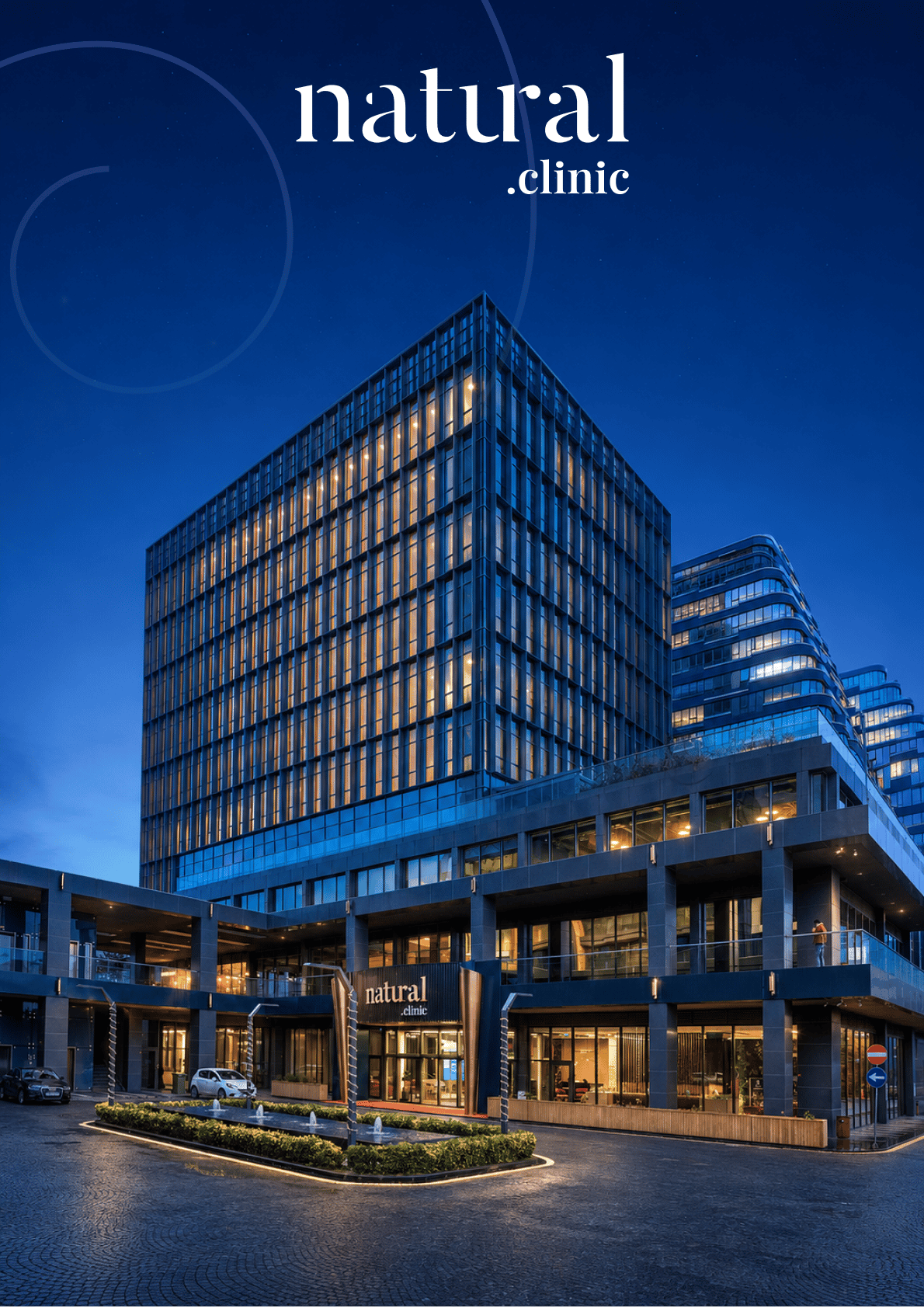
Natural Clinic - Aesthetics, Dental & Hair Clinic in Istanbul
Istanbul, Turkey
ClinicExpert - Multispecialty Hospital in Istanbul
Istanbul, Turkey
Transformative Cosmetic Plastic Surgery Experiences: Dive into Procedure Insights
Discover the power of Cosmetic Plastic Surgery through compelling patient experiences. Uncover detailed insights into procedures, recovery journeys, and life-changing results.
.png)
Price starting from $1,565
Plastic Surgery in Istanbul, Turkey
- Cosmetic/Plastic Surgery
Istanbul, Turkey

Price starting from $11,868
Facial Feminization in Turkey
- Facial Feminization, Cosmetic/Plastic Surgery
Turkey
.png)
.png)
Price starting from $3,500
Breast lift in Istanbul Turkey
- Breast Lift, Cosmetic/Plastic Surgery
Turkey
Explore Cosmetic Plastic Surgery: Stories, Testimonials, and Procedures
Watch in-depth videos covering everything from Cosmetic Plastic Surgery success stories to detailed procedure explanations. Learn what to expect and hear from real patients.
Essential Insights on Lipedema Treatment in Bursa, Turkey
Cosmetic Plastic Surgery
Romatem - Cyprus Physical Therapy and Rehabilitation
Turkey
Effective Manual Lymphatic Drainage for Lymphedema Treatment in Bursa, Turkey
Cosmetic Plastic Surgery
Romatem - Cyprus Physical Therapy and Rehabilitation
Turkey
Achieve a Youthful Look with Facelift Surgery in Istanbul, Turkey at Wolistic Center
Cosmetic Plastic Surgery
Wolistic Center - Aesthetic & Wellness Clinic in Istanbul Turkey
Turkey
Comprehensive Guide to a Painless Hair Transplant in Istanbul, Turkey
Cosmetic Plastic Surgery
ClinicExpert - Multispecialty Hospital in Istanbul
Turkey
Learn More with These Cosmetic Plastic Surgery Articles
Take a look at these interesting articles, stories and research that will help you learn more about Cosmetic Plastic Surgery.
.jpg)
Is a Brazilian Butt Lift in Istanbul Safe? A Complete Patient Guide to Costs, Surgeons, and Recovery
PlacidWay Medical Tourism
- Cosmetic/Plastic Surgery
Turkey
.jpg)
What to Know Before Choosing Breast Augmentation in Turkey
PlacidWay Europe Medical Tourism
- Cosmetic/Plastic Surgery
Turkey
.jpg)
Evaluating Eyelid Surgery in Istanbul, Turkey: A Patient Guide to Safety, Costs, and Surgeon Credentials
PlacidWay Medical Tourism
- Cosmetic/Plastic Surgery
Turkey
.jpg)
Choosing Breast Augmentation in Izmir, Turkey: What to Evaluate Before Treatment
PlacidWay Turkey Medical Tourism
- Cosmetic/Plastic Surgery
Turkey