
Is It Safe to Get Plastic Surgery in Turkey? A Comprehensive Guide
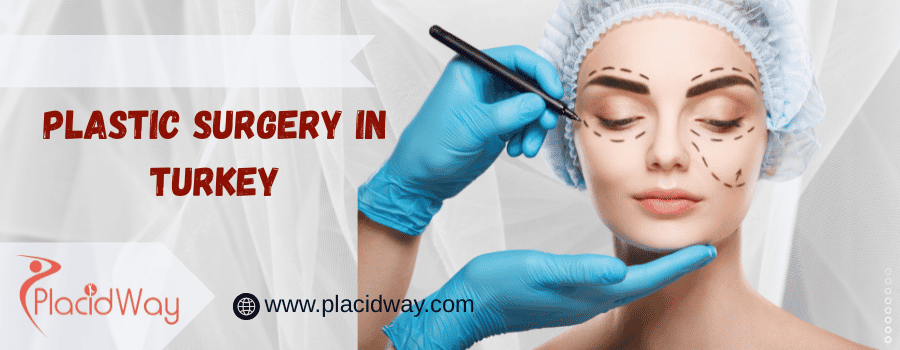
Traveling abroad for cosmetic procedures has become increasingly common. If you are researching plastic surgery in Turkey, your primary concern should always be your health and safety. While the country features modern medical infrastructure and skilled specialists, combining major medical procedures with international travel introduces unique variables that require careful planning.
Understanding how the industry operates, knowing what to look for in a facility, and acknowledging the real risks involved are the first steps to making an informed, medically responsible decision.
Key Takeaways for Patient Safety
- Not all medical facilities maintain the same safety standards; look for clinics with international accreditations such as JCI.
- Always verify that your surgeon is officially certified by recognized Turkish or international medical boards.
- Flying too soon after surgery significantly increases the risk of deep vein thrombosis (DVT) and pulmonary embolism.
- Thoroughly plan your post-operative care, as you will likely need a local doctor to manage your follow-up once you return home.
- Avoid treatment packages that pressure you into combining multiple complex surgeries in a single, short timeframe.
How is the plastic surgery industry regulated in Turkey?
To legally treat foreign patients, Turkish clinics and hospitals must obtain a Health Tourism Authorization Certificate. This certificate indicates that the facility has met baseline requirements for hygiene, emergency protocols, and patient care set by the government.
Despite these regulations, the rapid growth of the medical sector means that not every facility operates at the highest global standard. To ensure a higher level of safety, many international patients look for hospitals that go beyond local regulations by securing international accreditations. The Joint Commission International (JCI) is one of the most recognized bodies, auditing hospitals for strict adherence to patient safety and quality of care.
Relying solely on government regulation may not be enough. Patients are encouraged to take personal responsibility by requesting proof of a clinic’s licenses and looking for active memberships in respected international surgical societies.
What are the main risks of traveling abroad for cosmetic procedures?
Any surgery involves inherent risks such as infection, adverse reactions to anesthesia, excessive bleeding, and unsatisfactory aesthetic results. However, medical travel adds a layer of complexity. The Centers for Disease Control and Prevention (CDC) warns that long flights before and after surgery significantly elevate the risk of developing blood clots in the legs, which can travel to the lungs and cause a life-threatening pulmonary embolism.
Infections are another serious concern. Different regions of the world have varying rates of antibiotic-resistant bacteria. If an infection occurs after returning home, local doctors may face challenges determining which antibiotics will be effective.
Finally, continuity of care is often disrupted. Unlike having a procedure in your home city where your surgeon is a short drive away, experiencing a complication thousands of miles from your operating doctor can lead to delayed treatment and increased anxiety.
How can I verify a surgeon's credentials before traveling?
- National Certification: Ensure the doctor is a registered specialist with the Turkish Medical Association (TTB) and the Turkish Society of Aesthetic Plastic Surgery (TSAPS).
- International Memberships: Look for membership in the International Society of Aesthetic Plastic Surgery (ISAPS) or the American Society of Plastic Surgeons (ASPS) International network.
- Look Beyond Social Media: Do not base your decision solely on Instagram photos or social media follower counts, as these can be misleading and do not represent medical competence.
- Ask for Implant Details: If you are getting implants, ask which brands the surgeon uses and verify that they are approved by major international regulatory bodies (like the FDA or CE mark).
- Verify Direct Employment: Confirm whether the surgeon operates out of a fully equipped hospital or if they are renting space, which can affect the availability of emergency medical equipment.
Does the lower plastic surgery cost in Turkey mean lower quality care?
Many prospective patients wonder how it is possible to pay significantly less for a procedure abroad. The plastic surgery cost in Turkey is typically lower due to macroeconomic factors. Real estate, medical staff salaries, administrative overhead, and general living expenses are notably lower than in North America or Western Europe.
Additionally, the Turkish government has heavily invested in health infrastructure, offering tax incentives and subsidies to facilities that bring in international patients. This allows accredited hospitals to maintain modern equipment and highly trained staff without passing massive costs onto the patient.
However, cost should never be the only factor in your decision. Extremely cheap "budget packages" that significantly undercut average market rates can be a red flag. These ultra-low prices may indicate compromises in facility hygiene, the use of uncertified medical devices, or procedures performed by inexperienced practitioners rather than board-certified specialists.
What should I look for in a plastic surgery clinic in Turkey?
When evaluating a plastic surgery clinic in Turkey, the physical setting of the procedure is vital. While minor, non-invasive treatments can be performed safely in an outpatient clinic, invasive surgeries requiring general anesthesia should ideally take place in a fully equipped hospital.
You must ensure that the facility has a dedicated Intensive Care Unit (ICU) and emergency resuscitation equipment on-site. Even in routine cosmetic procedures, unexpected cardiovascular or respiratory events can occur. Immediate access to emergency specialists and blood banks can be life-saving.
Furthermore, safe clinics offer transparent communication. They should require comprehensive pre-operative blood work, a detailed medical history review, and an in-person consultation before you ever enter the operating room. Be wary of facilities that try to rush you into surgery the moment you step off the plane.
What happens if I experience complications after returning home?
Post-operative care is one of the most significant challenges of medical travel. Complications such as delayed healing, seromas (fluid buildup), or infections can develop weeks after you have returned home.
Local doctors are often hesitant to treat complications resulting from cosmetic procedures performed by other surgeons, especially those overseas, due to liability concerns and a lack of operative notes. It is crucial to identify a local primary care physician or specialist willing to assist you with follow-up care before you ever leave for your trip.
Is it safe to combine multiple surgeries into one trip?
"Mommy makeovers" and full-body contouring packages are heavily marketed to medical tourists because combining procedures seems cost-effective and saves travel time. However, from a medical standpoint, extended surgical times exponentially increase patient risk.
Prolonged general anesthesia carries higher risks of cardiovascular strain and severe temperature drops in the body. Large-scale tissue trauma from multiple surgical sites increases blood loss, heightens the risk of infection, and limits your mobility during recovery—which in turn drastically raises the likelihood of blood clots.
Ethical, safety-focused surgeons often refuse to perform multiple complex procedures at once. Staging surgeries—allowing your body to fully heal from one procedure before undertaking another—is generally recognized as a much safer approach.
How soon is it medically safe to fly after a procedure?
- Deep Vein Thrombosis (DVT): Cabin pressure, dry air, and sitting still for hours create the perfect environment for blood clots. Surgery exacerbates this risk significantly.
- Swelling and Pressure: Changes in cabin altitude can cause painful expansion of gases in the body and increase postoperative swelling, straining fresh incisions.
- Follow-up Checks: The first week after surgery is critical for monitoring early signs of infection or necrosis. You need to be close to your operating surgeon during this window.
- Minor Procedures: Less invasive procedures like facial injectables may only require a 48-hour wait, but this must be confirmed by a medical professional.
- Major Procedures: Tummy tucks, body lifts, or complex facial surgeries often require a minimum of 10 to 14 days in the destination country before flying is deemed safe.
How does medical tourism in Turkey address language barriers?
Clear communication is not just about convenience; it is a critical safety requirement. You must be able to express your medical history, allergies, and aesthetic goals clearly. More importantly, you must thoroughly understand the surgical risks, alternative options, and post-operative instructions.
Medical tourism in Turkey has adapted to this by creating specialized international patient centers within major hospitals. Reputable clinics will pair you with a translator who will accompany you during consultations, pre-op assessments, and discharge briefings.
If a clinic cannot provide a native or highly fluent speaker in your language, you should strongly reconsider using their services. Misunderstanding medical consent forms or recovery instructions can lead to devastating health consequences.
Who is not a good candidate for overseas cosmetic surgery?
Your physical readiness for surgery is the ultimate determining factor in safety. Even the most highly accredited hospital cannot eliminate risks if the patient is medically unfit for an operation.
Conditions such as uncontrolled diabetes, hypertension, cardiovascular disease, and autoimmune disorders drastically increase the likelihood of surgical complications and poor wound healing. Patients with a high BMI are at a particularly elevated risk for anesthesia complications and post-operative blood clots.
Responsible medical providers will require a thorough assessment of your medical records before accepting you as a patient. It is highly recommended that you consult with your primary care physician at home to get medical clearance before you book any flights or procedures overseas.
Why Choose PlacidWay for Medical Tourism?
Navigating international medical options can be overwhelming. PlacidWay offers an informational platform to help patients research and compare healthcare providers globally.
- Extensive Provider Network: PlacidWay connects patients with a wide database of clinics, hospitals, and specialists across multiple countries.
- Educational Resources: The platform provides detailed articles, cost estimates, and procedure guides to help patients make informed decisions.
- Facility Information: Patients can review clinic profiles, including their listed international accreditations and facility amenities.
- Direct Communication: The service allows patients to send inquiries directly to medical centers to ask specific questions about treatments and safety protocols.
- Patient Reviews: PlacidWay hosts testimonials and reviews, offering insights into the experiences of previous international patients.
Frequently Asked Questions
Are hospitals in Turkey safe for international patients?
Hospitals in Turkey can be very safe for international patients, particularly those that hold international accreditations such as Joint Commission International (JCI). These facilities are audited for patient safety, hygiene, and emergency response protocols.
Do doctors in Turkey speak English?
Many board-certified surgeons who cater to international patients speak English. Additionally, reputable medical facilities typically employ dedicated translators and have international patient coordinators to ensure clear communication.
What is the role of the Turkish Ministry of Health in medical tourism?
The Turkish Ministry of Health oversees and licenses medical facilities. They issue specific Health Tourism Authorization Certificates to clinics and hospitals that meet their regulatory standards for treating international patients.
Can I drink tap water in Turkey during my recovery?
It is generally recommended that international visitors drink bottled water in Turkey. While tap water is treated, the mineral content and local flora might upset a foreigner's stomach, which you want to avoid during surgical recovery.
Should I buy medical tourism insurance before traveling?
Yes, standard travel insurance rarely covers complications arising from elective cosmetic surgery. Specialized medical tourism insurance can provide coverage for emergency medical evacuation or unexpected post-operative complications.
How do I manage pain during my flight home?
Your surgeon will provide guidance on pain management. You should keep prescribed, travel-approved medications in your carry-on bag, stay hydrated, wear loose clothing, and move your legs frequently to maintain circulation.
Are medical records provided in English after my surgery?
Accredited clinics and hospitals focusing on international patients usually provide translated medical records, operative notes, and implant logs (if applicable) before you return home. Always request these documents before departure.
What is the most commonly performed plastic surgery in Turkey?
While data fluctuates, some of the most frequently performed procedures for international patients include hair transplants, rhinoplasty, liposuction, and breast augmentations.
Do I need a visa to travel to Turkey for medical treatment?
Visa requirements depend on your nationality. Many tourists can obtain an e-Visa online before arriving. You should check the official Republic of Turkey Electronic Visa Application System for the specific rules applying to your passport.
What happens if I am not satisfied with my surgical results?
Aesthetic results can never be guaranteed. If you are dissatisfied, revision surgery may be necessary. Returning abroad for revisions involves additional travel costs and medical fees, which should be discussed with the clinic beforehand.
Compare Treatment Options
Gather information, compare internationally accredited facilities, and learn more about your choices before making a medical decision.
Request Treatment InformationReferences
- Medical Tourism Guidelines – Centers for Disease Control and Prevention (CDC)
- Patient Safety in Aesthetic Surgery – International Society of Aesthetic Plastic Surgery (ISAPS)
- Cosmetic Surgery Abroad – National Health Service (NHS)
- Travel and Plastic Surgery Safety – American Society of Plastic Surgeons (ASPS)
- JCI-Accredited Organizations Directory – Joint Commission International
- Health Tourism Department – Republic of Turkey Ministry of Health
























Share this listing