
Top Clinics Offering Rhinoplasty Packages
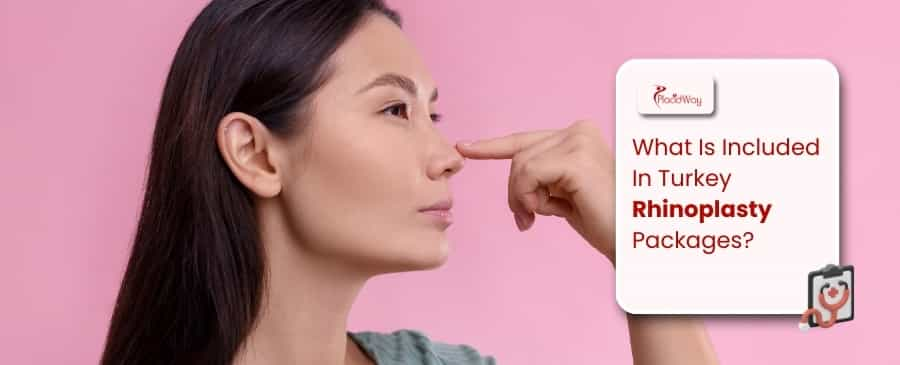
When considering rhinoplasty in Turkey, many international patients find themselves looking at comprehensive bundles offered by various providers. Navigating healthcare in another country can feel overwhelming, which is why facilities often group necessary services into a single package. Understanding exactly what you are paying for—and what you are not—is a crucial first step in making an informed decision about your healthcare journey.
A well-structured package aims to simplify the logistical elements of traveling abroad for surgery. However, patients must remember that an all-inclusive offer does not override the need for strict medical evaluation. You are primarily traveling for a surgical procedure, and your safety, suitability for surgery, and comprehensive care should remain the central focus of any arrangement.
Key Takeaways
- Packages generally combine surgical fees, hospital costs, and logistical support into one estimated price.
- Standard inclusions often feature pre-operative tests, local VIP transfers, and hotel accommodation.
- International flights, travel insurance, and personal expenses are rarely included in standard quotes.
- The availability of a package does not guarantee surgery; patients must pass a thorough medical evaluation first.
- Carefully reviewing the inclusions regarding aftercare and complication management is essential before traveling.
What medical services are strictly covered in the package?
The core of any healthcare bundle is the surgery itself. When you review the medical inclusions, you are generally looking at the costs associated with the hospital or surgical facility on the day of your operation. This covers the overhead of using a sterile operating room, the expertise of the surgical team, and the anesthesiologist who monitors your vital signs while you are under general anesthesia.
In addition to the immediate surgical environment, the package normally accounts for an overnight hospital stay if your surgical plan requires it. Following rhinoplasty, remaining in the facility for the first night allows medical staff to monitor your initial recovery, manage any immediate post-operative pain or nausea, and ensure there is no excessive bleeding.
It is vital to recognize that these inclusions cover a routine, uncomplicated procedure. If you have underlying health conditions that require specialized monitoring, or if unforeseen medical complications occur during surgery that necessitate additional interventions, these may fall outside the standard package boundaries.
Are pre-operative consultations and tests included?
Before any surgery can take place, the medical team must confirm that you are a suitable candidate. Even if you have sent photographs and medical records ahead of time, a physical examination upon arrival is mandatory. During the included consultation, the surgeon will assess your nasal structure, discuss your aesthetic and functional goals, and finalize the surgical plan.
Standard pre-operative testing is also bundled into the initial stages of the package. These tests typically involve a complete blood count (CBC), coagulation profiles to ensure your blood clots normally, and screening for infectious diseases. In some cases, depending on your age and medical history, an electrocardiogram (EKG) may be performed to check your heart health.
What logistical and travel services do these packages provide?
To ease the stress of navigating a foreign city immediately before and after surgery, packages heavily incorporate local transport. When you arrive at the airport, a designated driver usually greets you and takes you directly to your accommodation or the clinic. This service typically extends to all necessary trips between your hotel and the hospital for consultations, surgery, and follow-up appointments.
Accommodation is another major component. Packages generally cover a stay ranging from six to ten nights in a pre-vetted hotel. These hotels are often chosen for their proximity to the medical facility and their ability to accommodate recovering patients. The rooms usually include a comfortable environment for rest and a daily breakfast.
It is important to review the specifics of the hotel accommodation. While some packages offer luxury five-star stays, others might partner with standard business hotels. You should also verify if a companion can share your room at no extra cost, as many patients prefer to travel with a friend or family member for support.
How is the post-operative recovery phase managed within the package?
Post-operative care is a critical part of the rhinoplasty process. Upon discharge from the hospital, you will usually be provided with a recovery kit. This kit often contains necessary short-term medications, such as prophylactic antibiotics to prevent infection, pain relievers, and saline sprays or ointments to keep the nasal passages moist.
Your recovery time in the destination country is structured around necessary follow-up appointments. About a week after the surgery, the package includes a final consultation where the surgeon removes your external splint, internal silicone tubes (if used), and any non-dissolvable sutures.
During this final visit, the medical team evaluates your initial healing to determine if you are fit to fly. Air travel too soon after surgery carries risks, including deep vein thrombosis (DVT) and discomfort from cabin pressure changes affecting the nasal cavities. The standard package timeline is designed to safely accommodate this initial healing window.
What expenses are typically excluded from a rhinoplasty package?
Understanding exclusions is just as important as knowing the inclusions to avoid unexpected financial strain. Here are common expenses that patients must budget for separately:
- Flights and Visas: You are responsible for booking your own flights and securing any necessary tourist or medical visas to enter the country.
- Daily Meals: While hotel breakfasts are often included, you will need to pay for lunch, dinner, and room service.
- Medical Travel Insurance: Policies that cover complications from elective surgery abroad are highly recommended but rarely bundled in the baseline price.
- Long-term Aftercare: If you need follow-up checkups, steroid injections, or medical attention upon returning home, you must cover those costs locally.
- Revision Surgery: While some providers offer discounted rates for revisions, the cost of a secondary surgery, including return travel, is almost never entirely free or included in the initial package.
How does the rhinoplasty cost in Turkey influence package offerings?
Patients often wonder how providers can afford to include hotels and transfers while keeping the estimated rhinoplasty cost in Turkey competitive. The financial structure is influenced by the local economy. Operational costs, including facility maintenance, staffing, and administrative expenses, are generally lower than in North America or Western Europe.
Furthermore, the medical travel sector is highly developed. Facilities often have established, high-volume partnerships with local hotels and private transport companies. These business-to-business agreements allow them to secure accommodations and transfers at significantly reduced rates, passing those savings on to the patient through the package format.
However, patients should be cautious of prices that seem exceptionally lower than the regional average. Extremely low-cost packages might compromise on the quality of medical materials used, the accreditation level of the facility, or the experience of the surgical team. Pricing can vary widely based on the complexity of the procedure (e.g., primary vs. complex revision rhinoplasty) and the surgeon's expertise.
How long do I need to stay for the package to be completed?
The duration of a package is carefully calculated based on medical recovery protocols rather than tourism convenience. Day one is typically dedicated to arrival and settling in, followed closely by the consultation and pre-op tests on day two. The surgery often takes place on day three, meaning the bulk of your stay is focused entirely on rest and recovery.
During days four through seven, you will be recovering in your hotel. Rest is paramount during this time, as swelling and bruising will be at their peak. While you may feel well enough to walk around, strenuous activities and typical tourist excursions are strictly contraindicated because they can elevate blood pressure and increase the risk of bleeding.
The final days of the package are reserved for your last clinical appointment. Once the surgeon removes the cast and clears you for travel, you can typically fly home the following day. Trying to shorten this timeframe is highly discouraged by medical professionals due to the safety risks associated with flying with surgical splints and fresh internal incisions.
How can I verify the quality of a rhinoplasty clinic in Turkey before booking a package?
When booking a package from afar, verifying the credentials of the facility and the surgical team is essential. Start by asking the provider for the exact name of the hospital or surgical center where the procedure will take place. Look for facilities that hold accreditations from international bodies, such as the Joint Commission International (JCI), which signify adherence to rigorous global safety and hygiene standards.
Next, look closely at the surgeon leading your care. A reputable rhinoplasty clinic in Turkey will be transparent about their doctors' qualifications. Check if the surgeon is a certified plastic surgeon or an ENT (ear, nose, and throat) specialist with specific training in facial plastic surgery. Memberships in organizations like the International Society of Aesthetic Plastic Surgery (ISAPS) or the Turkish Society of Plastic Reconstructive and Aesthetic Surgeons indicate a commitment to ongoing education and ethical practice.
Do not rely solely on social media marketing or before-and-after photos, as these represent best-case scenarios and can be easily curated. Ask the clinic directly about their complication rates, what emergency protocols they have in place, and how they handle situations where a patient requires unexpected medical interventions.
Is a rhinoplasty package considered safe for international patients?
Rhinoplasty is a complex surgical procedure that carries inherent medical risks, regardless of where in the world it is performed. These risks include infection, adverse reactions to anesthesia, excessive bleeding, poor wound healing, asymmetry, and potential breathing difficulties. Traveling long distances shortly after surgery adds another layer of risk, particularly concerning blood clots (DVT).
A well-organized package mitigates some stress by organizing logistics, but it does not remove surgical risk. Safety is optimized when patients provide a thoroughly honest medical history prior to travel, follow all pre-and post-operative instructions carefully, and ensure they are treated in appropriately equipped medical facilities rather than unaccredited day-clinics.
How does medical tourism in Turkey handle language barriers during the process?
Clear communication is a fundamental pillar of medical safety and informed consent. You must be able to clearly express your medical history, understand the surgical risks, and articulate your aesthetic goals. Because many international patients do not speak the local language, the inclusion of translation services is a vital part of the package structure.
The patient coordinator acts as a bridge between you and the medical team. They typically meet you upon arrival and are present during the pre-operative consultation, helping to translate complex medical terminology. They are also usually available via messaging apps throughout your hotel recovery phase to answer questions or convey concerns to the nursing staff.
However, it is always beneficial if the surgeon themselves speaks a language you are fluent in, such as English. Direct communication with your doctor reduces the risk of misunderstandings regarding your expectations and the surgical plan. When inquiring about a package, you should ask about the surgeon’s language proficiency alongside the availability of translation services.
Why Choose PlacidWay for Medical Tourism Information?
Navigating global healthcare options requires access to organized, factual information. PlacidWay serves as an informational resource for patients exploring treatments abroad.
Frequently Asked Questions
Do rhinoplasty packages in Turkey include revision surgery?
Standard packages rarely include revision surgery. If a secondary procedure is needed due to complications or unsatisfactory results, it typically incurs additional costs. You should discuss revision policies with your chosen provider before booking.
Can I bring a companion with me on a rhinoplasty package?
Many hotels accommodate a companion in the same room at no extra charge for lodging, but you should verify this directly with the coordinator. Your companion’s flights, meals, and personal expenses are not covered by the package.
Are prescription medications included in the overall package price?
Yes, standard post-operative medications such as painkillers, antibiotics, and saline nasal sprays needed for your initial recovery in Turkey are typically included. Ongoing medication needed after returning home is your responsibility.
Do these packages cover complications if they arise after returning home?
Packages generally do not cover medical care once you leave the destination. If complications arise back home, you will need to seek and pay for local medical care, which is why securing specialized medical travel insurance is highly recommended.
Will I meet my surgeon before the day of the rhinoplasty?
Yes, a comprehensive pre-operative consultation with your surgeon is standard practice. This usually takes place a day or two before the surgery to discuss goals, perform physical examinations, and finalize the surgical plan.
What type of anesthesia is included in Turkish nose surgery packages?
Rhinoplasty is typically performed under general anesthesia, and the cost of the anesthesiologist and the anesthesia medications are almost always included in the surgical portion of the package.
Are meals included in the hotel accommodation part of the package?
Most standard packages include breakfast at the hotel, but lunches and dinners are usually your own responsibility unless you are staying in an all-inclusive facility or are admitted to the hospital overnight.
How do clinics handle post-op checkups before I fly home?
You will typically have one or two follow-up visits before your departure. During the final checkup, the surgeon removes the cast or splints, checks the healing progress, and determines if you are medically cleared to fly.
Do I need medical travel insurance when booking a package in Istanbul?
While not always legally required by the clinic, purchasing specialized medical travel insurance is highly advisable. It can help protect you financially in case of unexpected medical complications, trip cancellations, or extended stay requirements.
How soon after my consultation is the surgery scheduled within a package?
In a streamlined medical travel itinerary, surgery is often scheduled for the day following your in-person consultation and pre-operative tests, assuming you pass all medical clearances and give informed consent.
Explore Your Treatment Options
Connect directly with international healthcare providers to gather information, compare package inclusions, and start making informed decisions about your care.
Request Treatment InformationReferences
- Rhinoplasty Procedure Information – International Society of Aesthetic Plastic Surgery (ISAPS)
- Medical Tourism: Travel for Medical Care – Centers for Disease Control and Prevention (CDC)
- Rhinoplasty Safety and Risks – American Society of Plastic Surgeons (ASPS)
- Treatment and Cosmetic Surgery Abroad – National Health Service (NHS)
- Rhinoplasty: What You Can Expect – Mayo Clinic
- JCI Accredited Organizations Directory – Joint Commission International (JCI)
Medical Disclaimer
The information provided in this article is for educational and informational purposes only and does not constitute medical advice, diagnosis, or treatment recommendations. Medical tourism involves unique health and safety risks. Suitability for rhinoplasty, expected outcomes, and recovery periods vary significantly by individual patient. Always seek the advice of your physician or a qualified healthcare provider in your home country before deciding to undergo medical procedures abroad. Pricing and package inclusions mentioned are estimates and subject to change; verify all details directly with the healthcare provider.






















Share this listing