
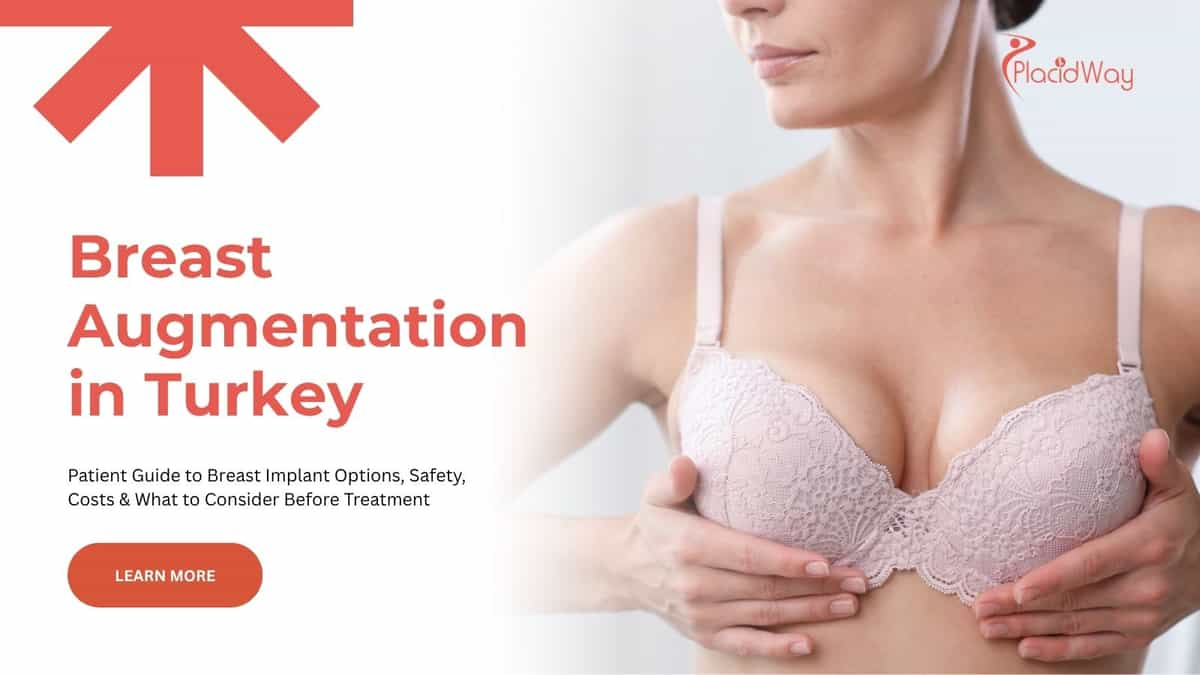
Many women traveling for cosmetic enhancement feel uncertain about navigating international medical systems and finding a trustworthy specialist. This patient focused guide helps you understand the specific Turkish Ministry of Health certifications to look for while comparing average procedure expenses and evaluating clinic safety protocols. By knowing exactly what questions to ask and which credentials matter most you can make a secure and confident decision about your breast augmentation journey.
- Estimated Cost: Typically ranges from $3,000 to $5,500 USD depending on the implant brand and surgeon expertise.
- Safety Overview: High safety standards are achievable when choosing hospitals licensed by the Turkish Ministry of Health and surgeons board certified by TSAPS.
- Ideal Candidate: Healthy non smoking individuals looking to enhance breast volume or restore lost volume after pregnancy or weight loss.
- Recovery Time: Most patients need 7 to 10 days in Turkey before flying home with full physical activity resuming after 6 weeks.
- Why Patients Choose Turkey: Access to highly experienced aesthetic surgeons comprehensive care packages and modern medical facilities at competitive prices.
- Important Caution: Always verify that your chosen surgeon holds European or Turkish board certification in plastic and reconstructive surgery rather than just a general medical degree.
Why International Patients Choose Breast Augmentation in Turkey
Every year thousands of patients travel abroad to undergo aesthetic breast procedures. Making this decision requires careful consideration of healthcare quality surgeon expertise and overall value. Turkey has developed a robust medical infrastructure specifically designed to accommodate international patients seeking cosmetic surgery.
Patients typically travel from the United Kingdom the United States and various European nations to access specialized care. The primary motivations extend beyond simple cost differences focusing heavily on the high volume of aesthetic procedures performed by local specialists. Surgeons who perform a procedure frequently often develop highly refined surgical techniques.
- Access to internationally trained plastic surgeons with high annual case volumes.
- Comprehensive treatment packages that include clinic transfers and accommodation.
- Availability of premium FDA approved and CE marked implant brands.
- Strict oversight by the national health authorities regulating medical tourism.
- Shorter wait times for elective cosmetic procedures compared to public health systems.
Recent Patient Demographics and Medical Travel Trends
Understanding who travels for this procedure can provide valuable context for your own journey. Recent demographic data from 2024 highlights specific patterns in cross border aesthetic surgery. The majority of patients seeking breast enhancement fall within specific age brackets usually driven by life events such as pregnancy weight loss or personal aesthetic goals.
Clinical motivations also vary widely among international travelers. While many seek primary breast augmentation others travel for revision surgeries to correct previous procedures or exchange older implants. The graphs below illustrate verified 2024 patient age distributions and the projected cross border patient volume trends for aesthetic surgeries in Turkey through 2026.
Evaluating Surgeon Credentials and Clinic Safety in Turkey
Your safety and surgical outcome depend entirely on the qualifications of your chosen healthcare provider. In Turkey aesthetic procedures must be performed by doctors holding specific board certifications. You should never proceed with a clinic that cannot provide transparent documentation of their surgical team.
The primary credential to verify is membership in the Turkish Society of Plastic Reconstructive and Aesthetic Surgeons commonly known as TSAPS. Additionally the facility itself must hold a valid operating license from the Turkish Ministry of Health. Many leading surgeons also hold European board certifications demonstrating adherence to international medical standards.
| Credential Type | What to Look For | Why It Matters for Patient Safety |
|---|---|---|
| National Licensing | Ministry of Health Certification | Ensures the facility meets government emergency and hygiene standards. |
| Surgeon Certification | TSAPS Membership | Verifies the doctor is a specialized plastic surgeon not a general practitioner. |
| International Recognition | EBOPRAS Certification | Shows the surgeon has passed rigorous European surgical board exams. |
| Facility Accreditation | On site Intensive Care Unit | Crucial for immediate emergency response in case of surgical complications. |
Understanding Breast Implant Types and Surgical Techniques
During your initial research you will discover various implant options and surgical approaches. The two primary categories of breast implants are silicone gel and saline. Silicone implants are filled with a cohesive gel that closely mimics the feel of natural breast tissue. Saline implants are filled with sterile salt water after being placed inside the breast pocket.
Your surgeon will also discuss implant profiles and placement options. Implants can be placed either under the chest muscle which is known as submuscular placement or over the muscle which is known as subglandular placement. The best approach depends on your natural breast tissue skin elasticity and desired outcome.
Silicone Gel Implants
- Feel more like natural breast tissue.
- Require a slightly longer incision for placement.
- Available in round and anatomical teardrop shapes.
- Require regular MRI monitoring to check for silent ruptures.
Saline Implants
- Filled during surgery allowing for smaller incisions.
- Ruptures are immediately noticeable as the breast deflates.
- Can sometimes feel firmer or ripple under thin skin.
- Generally more cost effective than silicone options.
Assessing Your Eligibility for Breast Enhancement Surgery
Not every patient is an ideal candidate for breast augmentation. A thorough medical evaluation is necessary to determine if the surgery is safe for you. Ideal candidates are generally in good physical health maintain a stable weight and have realistic expectations about the surgical outcomes.
Certain medical conditions may increase surgical risks or act as absolute contraindications. Patients who are pregnant breastfeeding or actively fighting breast cancer cannot undergo this procedure. Additionally individuals with autoimmune diseases or severe bleeding disorders require special medical clearance before planning any elective surgery.
If you have a family history of breast disease you must disclose this to your surgeon. Your doctor may require a mammogram or breast ultrasound before approving you for medical travel and surgery. Never withhold your medical history to secure a surgery date.
What to Expect During the Breast Augmentation Consultation
The consultation phase is your opportunity to evaluate the surgeon and discuss your aesthetic goals. Because you are traveling internationally your initial consultation will likely happen via video call. During this online meeting the medical coordinator will ask for your medical history and current photographs to assess your anatomy.
Once you arrive at the clinic you will have a comprehensive in person consultation. The surgeon will take exact chest measurements discuss the precise implant size in cubic centimeters and explain the surgical incision locations. This is the time to ask detailed questions about the surgical plan and post operative care.
| Phase | Typical Activities | Patient Action Required |
|---|---|---|
| Virtual Assessment | Reviewing medical history and aesthetic goals online. | Submit clear photographs and full medical records. |
| In Person Consultation | Physical examination and sizing evaluation. | Discuss implant size shape and placement options. |
| Pre Op Testing | Blood tests and anesthesia clearance. | Follow all fasting instructions before surgery. |
Breakdown of Breast Augmentation Costs in Turkey
Understanding the financial aspect of medical travel is crucial for proper planning. Turkey is highly regarded for offering competitive pricing without compromising on medical standards. The total cost of your procedure will depend on several variables including the implant brand the surgical technique and the reputation of the clinic.
Most reputable clinics offer all inclusive medical packages. These packages typically cover the surgical fee anesthesia hospital stay overnight clinic transfers and post operative garments. However you must always clarify exactly what is included in your written quote to avoid unexpected expenses upon arrival.
| Cost Component | Estimated Range in USD | What Influences the Price |
|---|---|---|
| Surgical Procedure | $2,500 to $4,500 | Surgeon experience and hospital facility fees. |
| Implant Devices | $500 to $1,500 | Premium brands like Motiva or Mentor cost more. |
| Anesthesia and Tests | Included in most packages | Type of anesthesia required and pre op blood work. |
| Accommodation | $300 to $800 | Hotel star rating and length of recovery stay. |
Comparing Breast Augmentation Costs Between Turkey and Other Countries
When researching elective healthcare options patients often compare prices across different global destinations. The cost difference is primarily due to lower operational costs favorable exchange rates and government support for the medical tourism sector in Turkey.
It is important to remember that lower costs do not automatically mean lower quality when you choose a strictly regulated healthcare provider. However you should always factor in the additional costs of flights travel insurance and meals when calculating your total medical travel budget.
| Country | Estimated Procedure Cost in USD | Primary Patient Considerations |
|---|---|---|
| United States | $6,500 to $12,000 | High local healthcare costs and separate facility fees. |
| United Kingdom | $6,000 to $9,000 | Strict local regulations but longer waiting periods. |
| Turkey | $3,000 to $5,500 | Includes accommodation and transfers in medical packages. |
| Mexico | $3,500 to $5,000 | Convenient travel distance for North American patients. |
Step by Step Breast Augmentation Procedure and Timeline
Knowing what happens on the day of surgery can significantly reduce pre operative anxiety. The procedure is performed under general anesthesia meaning you will be completely asleep and pain free. The actual surgery typically takes between one and two hours depending on the complexity of your specific case.
After the surgeon makes the agreed upon incisions they create a pocket either behind the breast tissue or beneath the chest muscle. The sterile implants are carefully inserted and positioned for optimal symmetry. Finally the incisions are closed using layered sutures and covered with sterile dressings.
| Surgery Stage | Clinical Process | Patient Experience |
|---|---|---|
| Anesthesia Induction | Administration of general anesthesia by a specialist. | You will fall asleep quickly and feel no pain. |
| Incision and Placement | Creating the pocket and inserting the sterile implant. | You remain unconscious during the surgical work. |
| Closure and Dressing | Suturing the incisions and applying a surgical bra. | Transitioning to the recovery room as you wake up. |
| Immediate Recovery | Monitoring vital signs in the post anesthesia care unit. | Feeling groggy tight across the chest and resting. |
Choosing the Right Hospital Facility for Your Procedure
The facility where your surgery takes place is just as important as the surgeon performing it. You should prioritize hospitals or specialized surgery centers that are fully equipped to handle medical emergencies. Independent clinics that perform surgeries in office without proper emergency protocols pose a significant safety risk.
Look for facilities that emphasize patient safety through stringent sterilization protocols and continuous staff training. An in house interpreter or international patient coordination department is also essential to ensure clear communication throughout your hospital stay and recovery process.
- Confirm the facility has a licensed intensive care unit on site.
- Ensure the clinic uses certified anesthesiologists for all procedures.
- Verify the hospital holds current Ministry of Health accreditation.
- Ask about the clinic revision policy and complication management protocol.
Managing Your Breast Augmentation Recovery While Traveling
Recovering from surgery while in a foreign country requires careful planning and adherence to your doctors instructions. You will typically spend one night in the hospital for observation before being discharged to your hotel. The first few days will involve manageable discomfort swelling and a sensation of tightness across your chest.
Your surgeon will provide specific pain medication and antibiotics to prevent infection. You must wear a specialized surgical compression bra around the clock to support the healing tissues and help the implants settle into their proper position. Do not lift heavy luggage or engage in strenuous activities before flying home.
| Recovery Timeframe | Biological Healing Process | Required Patient Action |
|---|---|---|
| Days 1 to 3 | Acute inflammatory phase with peak swelling. | Rest entirely take prescribed medications and sleep elevated. |
| Days 4 to 7 | Initial tissue healing and reduction of fluid retention. | Attend follow up appointments and engage in light walking. |
| Weeks 2 to 4 | Implants begin to drop and settle into the pocket. | Avoid heavy lifting and continue wearing the surgical bra. |
| Weeks 6 to 8 | Capsule formation around the implant stabilizes. | Clearance for normal exercise usually granted by your doctor. |
Understanding the Potential Risks of Breast Surgery Abroad
All surgical procedures carry inherent risks and breast augmentation is no exception. While severe complications are uncommon it is vital to understand what can happen so you can seek immediate medical attention if necessary. Standard surgical risks include infection excessive bleeding adverse reactions to anesthesia and poor wound healing.
Specific risks related to breast implants include capsular contracture where the scar tissue around the implant hardens and squeezes the device. There is also a risk of implant displacement asymmetry or changes in nipple sensation. Traveling soon after surgery can also slightly increase the risk of deep vein thrombosis so you must follow all flight safety guidelines provided by your medical team.
| Potential Risk | Warning Signs to Watch For | Prevention and Management |
|---|---|---|
| Infection | Fever excessive redness or pus at the incision site. | Take all prescribed antibiotics and keep incisions clean. |
| Capsular Contracture | Unusual breast firmness pain or visible distortion. | Follow massage protocols if explicitly instructed by your surgeon. |
| Implant Rupture | Changes in breast shape size or sudden persistent pain. | Requires clinical diagnosis and surgical replacement. |
| Hematoma | Severe rapid swelling and deep bruising on one side. | Requires prompt medical evaluation and possible surgical drainage. |
How Long Breast Implants Last and Long Term Care
A common misconception is that breast implants are lifetime devices. While modern implants are highly durable they are not designed to last forever. The average lifespan of a breast implant is typically between ten and fifteen years though many patients keep them longer without issues.
Long term maintenance involves regular checkups and self examinations. If you have silicone implants health authorities often recommend routine MRI screenings every few years to check for silent ruptures since a silicone leak may not cause immediate physical symptoms. Saline ruptures are instantly visible and harmlessly absorbed by the body.
Keep your implant warranty card and surgical records safe. These documents contain the exact manufacturer model number and volume of your implants which will be essential information if you ever need a revision surgery or an MRI assessment in your home country.
Preparing for Your Medical Travel to Turkey
Thorough preparation ensures a smoother medical journey and reduces travel related stress. Before booking your flights ensure your passport is valid for at least six months from your date of entry. Depending on your nationality you may need to apply for an electronic visa online before arriving at the Turkish border.
Pack comfortable loose fitting clothing that zips or buttons in the front. After breast surgery you will not be able to raise your arms above your head to pull shirts over your shoulders. Additionally arrange for a travel companion to accompany you if possible as having support during the early days of recovery is highly beneficial.
| Preparation Step | Timeline | Action Required |
|---|---|---|
| Medical Clearance | 4 to 6 weeks before | Complete all required blood tests and send results to the clinic. |
| Travel Documents | 3 to 4 weeks before | Secure your visa confirm passport validity and buy travel insurance. |
| Medication Review | 2 weeks before | Stop taking blood thinners aspirin and herbal supplements as directed. |
| Packing Essentials | 1 week before | Pack front closing shirts slip on shoes and any regular prescriptions. |
Common Questions About Breast Augmentation in Turkey
Is it safe to fly after having breast augmentation in Turkey?
Flying after breast surgery is generally safe once you receive clearance from your surgeon. Most doctors require you to stay in Turkey for 7 to 10 days post surgery to monitor your initial healing and remove any surgical drains. During the flight you must stay hydrated walk around the cabin periodically to prevent blood clots and avoid lifting your own luggage.
Will I lose nipple sensation after the procedure?
Temporary changes in nipple sensation are very common after surgery. You may experience hypersensitivity or numbness for several weeks to months as the nerves heal. In many cases normal sensation returns entirely. However there is a small risk of permanent sensory changes depending on the incision type and implant size.
Can I still breastfeed with implants?
Many women successfully breastfeed after augmentation. The ability to breastfeed largely depends on the surgical technique used. Incisions made in the crease under the breast generally preserve the milk ducts and nerves better than incisions made around the areola. You should discuss your future nursing plans with your surgeon during the consultation.
What happens if I experience a complication after returning home?
Reputable clinics offer robust aftercare support via telemedicine. Before leaving you should understand the clinics revision policy. If a minor issue arises they can advise you remotely. In the event of a severe medical emergency you must seek immediate care at a local hospital. Purchasing specialized medical complications travel insurance before your trip is highly recommended.
Do clinics in Turkey use FDA approved implants?
Yes highly rated clinics and board certified surgeons in Turkey exclusively use premium implant brands that carry FDA approval or strict CE marking. Commonly used brands include Mentor Motiva and Polytech. You will receive an official product warranty card containing the serial numbers of your implants after the surgery.
Are the quoted package prices final or are there hidden fees?
Transparent clinics provide an itemized written quote detailing exactly what is included. Typically packages cover the surgery anesthesia hospital stay and transfers. However preoperative tests special compression garments or unexpected extended hospital stays may incur extra charges. Always ask for a definitive list of inclusions and exclusions before paying a deposit.
How do I verify a surgeons credentials in Turkey?
You can verify a surgeons qualifications by checking their registration with the Turkish Medical Association and their membership in the Turkish Society of Plastic Reconstructive and Aesthetic Surgeons. Many elite surgeons also list their credentials on the European Board of Plastic Reconstructive and Aesthetic Surgery registry.
When can I resume normal exercise after surgery?
Recovery timelines vary but most patients can resume light walking immediately to promote circulation. Cardiovascular exercises can typically be reintroduced after 3 to 4 weeks. Heavy lifting upper body workouts and high impact activities must be avoided for at least 6 to 8 weeks to prevent implant displacement and wound separation.
What is the difference between smooth and textured implants?
Smooth implants move more freely within the breast pocket and generally feel softer. Textured implants have a slightly rough surface designed to adhere to the surrounding tissue reducing the risk of rotation or displacement. Your surgeon will recommend the best surface type based on your chosen implant shape and anatomical needs.
Will I have visible scars after the procedure?
All surgical incisions leave scars but plastic surgeons are trained to place them in inconspicuous areas such as the natural crease beneath the breast or along the edge of the areola. Over time and with proper scar care management these lines typically fade significantly though they will never disappear entirely.
Need Help Planning Your Treatment?
PlacidWay can help you compare board certified providers understand all inclusive treatment costs and request detailed information directly from top clinics.
Request Free InformationDisclaimer: This information is for educational purposes only and does not replace professional medical advice. Always consult a qualified healthcare provider before making medical decisions.
References
- ISAPS Global Statistics on Aesthetic Procedures – International Society of Aesthetic Plastic Surgery
- Breast Augmentation Safety and Risks – American Society of Plastic Surgeons
- Healthcare Regulations and Facility Licensing – Republic of Turkey Ministry of Health
- Surgeon Board Certification and Patient Safety – Turkish Society of Plastic Reconstructive and Aesthetic Surgeons
- Risks and Complications of Breast Implants – U.S. Food and Drug Administration
- European Board Standards for Plastic Surgery – European Board of Plastic Reconstructive and Aesthetic Surgery
- Medical Tourism Safety Guidelines – Centers for Disease Control and Prevention


















Share this listing