
A Step-by-Step Guide to Nose Job in Turkey
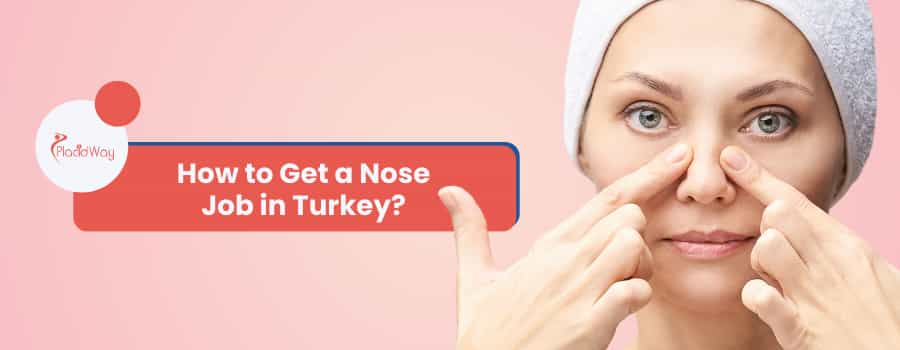
Rhinoplasty, commonly referred to as a nose job, is a surgical procedure designed to alter the shape, size, or structural function of the nose. Over the last decade, patients from around the world have increasingly looked abroad for treatment, leading to a rise in international medical travel. Navigating medical tourism in Turkey requires careful planning, medical vetting, and an understanding of the risks associated with traveling for surgery.
This comprehensive guide explains the steps involved in planning a rhinoplasty procedure abroad. We will explore eligibility, safety protocols, estimated expenses, and how to approach your recovery responsibly.
Key Takeaways
- Thoroughly research board-certified surgeons and internationally accredited facilities before committing to treatment.
- Understand both the physical requirements and psychological readiness necessary for facial plastic surgery.
- Be aware of potential surgical risks, including infection, excessive bleeding, or breathing difficulties.
- Plan to stay in the destination country for at least 7 to 10 days to allow for safe initial recovery and medical clearance to fly.
- Establish a relationship with a local doctor in your home country for long-term post-operative care and follow-up.
What is a nose job (rhinoplasty), and why do patients travel to Turkey?
Rhinoplasty can be performed for cosmetic reasons, to improve nasal symmetry, remove bumps, or refine the nasal tip. It can also be performed for functional reasons, such as correcting a deviated septum to improve breathing. In many cases, a single procedure addresses both aesthetic and functional concerns simultaneously.
The rise of medical tourism in Turkey is largely driven by a combination of healthcare infrastructure, highly trained medical professionals, and geographic accessibility for European, Middle Eastern, and North American patients. Many Turkish surgeons see a high volume of complex rhinoplasty cases, allowing them to gain extensive experience in various nasal anatomies.
However, traveling abroad for surgery introduces unique challenges. Patients must balance the appeal of potential cost savings with the logistical complexities of long-distance travel, postoperative comfort, and finding adequate follow-up care upon returning home.
Am I a suitable candidate for a nose job in Turkey?
Facial growth is a critical factor; surgeons generally require patients to wait until their nasal bone and cartilage have stopped growing, which is usually around age 16 for females and slightly older for males. Furthermore, a thorough evaluation of your medical history is required to determine eligibility.
You may be considered a suitable candidate if you:
- Do not suffer from underlying medical conditions that impair healing, such as severe uncontrolled diabetes or bleeding disorders.
- Are a non-smoker, or are willing to quit smoking well in advance of the surgery, as nicotine constricts blood vessels and severely increases the risk of tissue necrosis.
- Understand that rhinoplasty aims for improvement, not perfection, and recognize that facial asymmetry is naturally present in everyone.
- Are psychologically prepared to cope with the stress of international travel and a potentially uncomfortable recovery period.
What is the estimated nose job cost in Turkey?
Costs for cosmetic surgery vary widely around the globe. Many international patients find that procedural costs in Turkish cities are lower than those in the United States, the United Kingdom, or Western Europe. These variations are primarily due to differences in the local cost of living, labor costs, and operational expenses, rather than a direct reflection of surgical quality.
When evaluating pricing, it is crucial to understand what is included in a clinic's estimate. Often, clinics provide packages that may cover the surgery, anesthesia, pre-operative testing, and sometimes hotel stays, but patients must always verify these inclusions directly.
| Procedure Type | Estimated Cost Range (USD) | Notes |
|---|---|---|
| Primary Rhinoplasty | $2,500 – $4,000 | First-time surgery on unoperated nasal tissue. |
| Revision Rhinoplasty | $3,500 – $5,500+ | More complex due to scar tissue; may require rib/ear cartilage grafts. |
| Septorhinoplasty | $3,000 – $4,500 | Combines aesthetic shaping with breathing correction (septum repair). |
*Note: The prices above are generalized estimates and can fluctuate based on specific clinic fees, exchange rates, and individual medical needs. Always seek a personalized quote.
How do I choose a safe and qualified nose job clinic in Turkey?
Safety must be the primary concern when organizing medical travel. A polished website or a large social media following is not a reliable indicator of medical expertise. Patients must take active steps to verify credentials before making financial commitments.
When evaluating a surgeon and facility, consider the following criteria:
- Surgeon Qualifications: Check if the surgeon is certified by the Turkish Society of Plastic Reconstructive and Aesthetic Surgeons. Membership in global organizations, such as the International Society of Aesthetic Plastic Surgery (ISAPS), can also demonstrate a commitment to recognized safety standards.
- Facility Accreditation: Surgery should be performed in a fully equipped, modern hospital or accredited surgical center. Look for facilities accredited by international bodies, such as the Joint Commission International (JCI).
- Transparency: A reputable doctor will clearly explain potential risks, avoid guaranteeing "perfect" results, and refuse to operate on patients who are medically unsuitable.
- Before and After Photos: Request to see portfolios of patients with similar initial nasal structures to yours to gauge the surgeon's aesthetic style, keeping in mind that results vary from person to person.
What are the potential risks and complications of rhinoplasty?
All surgical procedures, regardless of where they are performed or the skill level of the surgeon, carry risks. It is vital to make an informed decision by weighing these risks against the anticipated benefits. The complexity of nasal anatomy makes rhinoplasty one of the most challenging cosmetic procedures to perform.
Complications may include, but are not limited to:
- Breathing Issues: Altering the structure of the nose can sometimes lead to functional problems, such as nasal airway obstruction.
- Nerve Damage: Temporary or, rarely, permanent numbness in and around the nose or upper lip.
- Aesthetic Dissatisfaction: Asymmetry, visible scarring (in open rhinoplasty), or contour irregularities that may prompt the need for a secondary (revision) surgery.
- Septal Perforation: A rare condition where a hole develops in the septum (the wall separating the nostrils), which can cause crusting, bleeding, and whistling during breathing.
How long does it take to recover from a nose job?
The immediate post-operative period is characterized by swelling, congestion, and often bruising around the eyes. Most patients describe the sensation as being akin to having a severe head cold, rather than experiencing sharp pain. Your surgeon will typically place a splint on the outside of your nose, and possibly soft splints inside, to support the new structure during initial healing.
The general recovery timeline often unfolds as follows:
- 1 Week: Nasal splints and external sutures (if applicable) are usually removed. Bruising normally peaks and begins to fade.
- 2 to 3 Weeks: The majority of the visible swelling decreases, and most patients feel comfortable returning to non-strenuous work and social activities.
- 4 to 6 Weeks: You can often resume more vigorous physical exercises, depending on your doctor's clearance. The nasal bones become stable.
- 12 Months: Subtle swelling, especially around the nasal tip, gradually resolves. The final refined result becomes fully visible.
What should I expect during the consultation process in Turkey?
For international patients, the consultation process usually happens in two stages. First, a virtual consultation allows you to send photographs and medical records to the clinic for a preliminary assessment. During this video call, the surgeon will discuss whether your goals are realistically achievable and provide a generalized surgical plan.
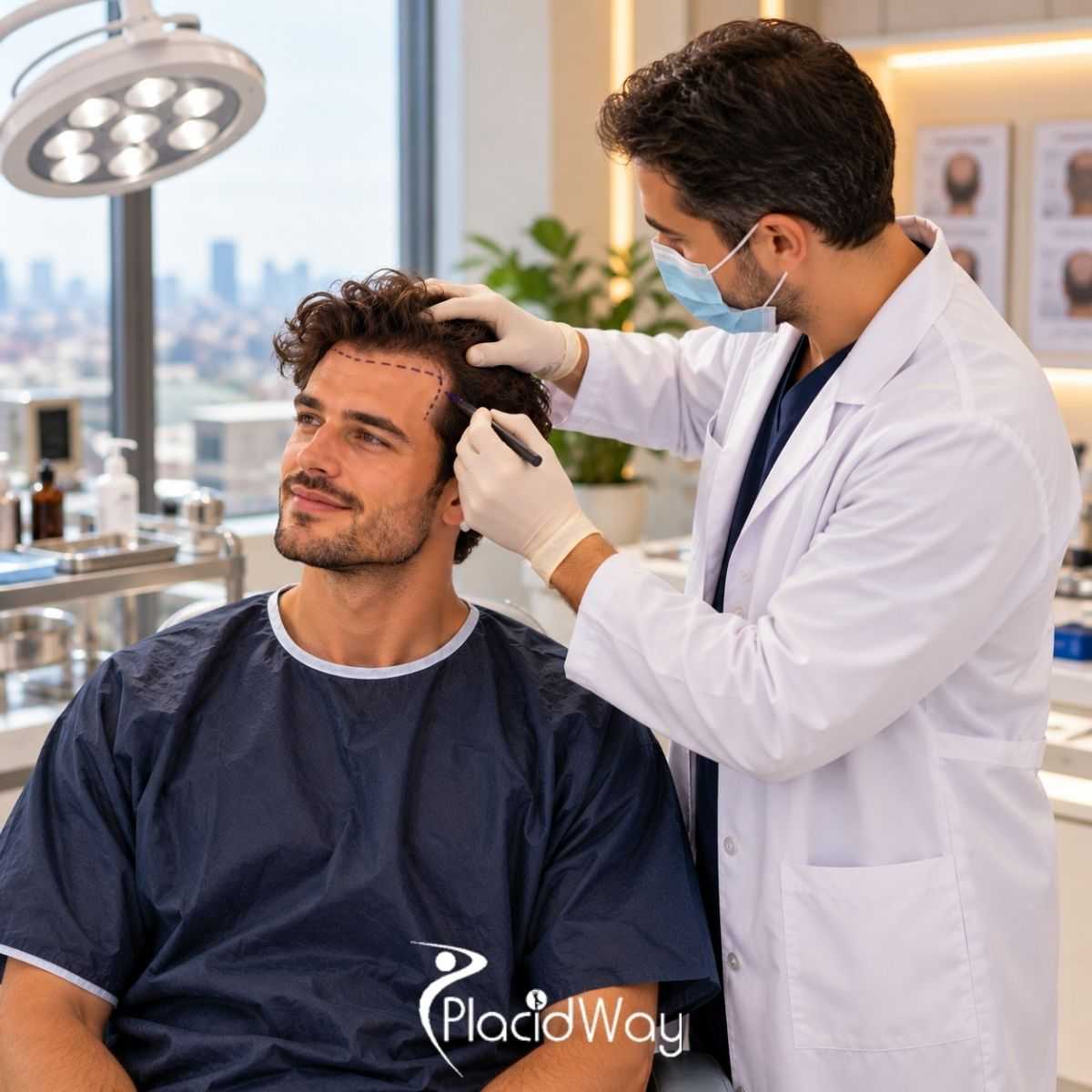
The second stage is a mandatory in-person consultation once you arrive in Turkey. The surgeon will perform a physical examination of your nose, check your skin thickness, and assess your nasal airway. Many modern clinics utilize 3D imaging software to create a digital simulation of the anticipated outcome. This visual tool helps align your expectations with the surgeon's capabilities, though it is important to remember that a simulation is not a guaranteed result.
What preparations are necessary before traveling for surgery?
Proper preparation is crucial to minimize surgical risks and ensure a smoother recovery. Surgeons routinely require patients to pause certain medications, such as aspirin, ibuprofen, and specific herbal supplements (like ginkgo biloba or vitamin E), for at least two weeks prior to surgery due to their blood-thinning properties, which can increase bleeding risk.
Additionally, you may be asked to obtain medical clearance from your local primary care physician, which can involve blood tests and an electrocardiogram (EKG). When packing for your trip, bring clothing that buttons or zips in the front, so you do not have to pull tight shirts over your head and risk bumping your nose after surgery.
How does medical tourism in Turkey work for rhinoplasty patients?
Because you are traveling across borders for a medical procedure, logistics must be meticulously planned. Upon arrival, patients usually spend the first day attending their in-person consultation and undergoing pre-operative blood tests. Surgery typically occurs on the second day, followed by a brief hospital stay—often one night—for monitoring.
The remainder of your time in Turkey is dedicated to resting in your hotel. You will return to the clinic roughly a week after surgery to have the cast and splints removed. Only after the surgeon assesses your healing progress and provides official medical clearance should you attempt to fly back home, as cabin pressure changes can cause discomfort and bleeding in an unhealed nose.
What happens if I experience complications after returning home?
One of the most significant considerations of international medical travel is the distance from your operating surgeon during the months of recovery. While severe late-stage complications are uncommon, issues such as post-operative infection, excessive bleeding, or breathing difficulties require prompt local medical attention.
Before traveling, it is highly recommended to speak with a local physician or an ear, nose, and throat (ENT) specialist in your home country who is willing to provide post-operative follow-up care if necessary. Do not ignore warning signs such as a high fever, sudden sharp pain, or heavy bleeding, and always prioritize immediate medical intervention over waiting for a remote consultation.
Why Choose PlacidWay for Medical Tourism?
PlacidWay is a comprehensive medical tourism platform designed to help patients research their healthcare options abroad. When exploring international treatments, PlacidWay offers several informational resources:
- Global Connections: Facilitates connections between patients and international medical providers, clinics, and hospitals.
- Informational Profiles: Provides access to detailed profiles of doctors and healthcare facilities to aid in your independent research.
- Cost Comparisons: Offers a platform for patients to compare estimated procedure costs across different geographic regions.
- Direct Communication: Allows patients to request information directly from providers to ask questions regarding procedures and eligibility.
- Educational Focus: Focuses on educating patients about their medical tourism options without pressuring them into immediate medical decisions.
Frequently Asked Questions (FAQs)
Can I fly immediately after getting a nose job in Turkey?
No, you typically cannot fly immediately. Surgeons usually recommend waiting 7 to 10 days until your nasal splint is removed and you receive medical clearance, as cabin pressure changes can increase swelling and bleeding risks.
Is a revision rhinoplasty more complicated than a primary one?
Yes. Revision rhinoplasty is generally more complex due to existing scar tissue, altered nasal anatomy, and a potential need for cartilage grafts, which often makes the procedure longer and more costly.
What kind of anesthesia is used for rhinoplasty in Turkey?
Rhinoplasty is most commonly performed under general anesthesia, ensuring you are completely asleep and pain-free during the surgery. In some minor cases, local anesthesia with intravenous sedation may be used.
Will my health insurance cover a nose job in Turkey?
Cosmetic rhinoplasty is almost never covered by insurance. If the procedure is strictly for medical reasons, such as correcting a breathing obstruction (septoplasty), your local provider might offer partial coverage, but applying international claims can be very difficult.
How do surgeons in Turkey address different ethnic nose shapes?
Qualified surgeons analyze your specific nasal anatomy, cartilage strength, and skin thickness. They often use specialized techniques to refine the nose while aiming to respect and maintain the patient's natural ethnic features.
Do I need a companion to travel with me to Turkey for surgery?
While not strictly mandatory, having a companion is highly recommended. You will need someone to assist you in the first 24 to 48 hours after surgery when you may be groggy from anesthesia and dealing with initial swelling.
Are language barriers an issue at Turkish medical clinics?
Many clinics catering to international patients employ multi-lingual staff and dedicated patient coordinators or translators to help ensure clear communication between you and your medical team.
How long do the final results of a nose job last?
The structural changes made during rhinoplasty are generally permanent. However, your nose will still be subject to natural aging processes and minor changes in facial tissue over your lifetime.
Can I combine a nose job with other facial procedures in Turkey?
Yes, suitable candidates sometimes combine rhinoplasty with other procedures, such as chin augmentation or eyelid surgery, to achieve overall facial balance. This depends entirely on your health and the surgeon's assessment of safety.
What if I do not like the final result of my rhinoplasty?
If you are unsatisfied, you must wait at least a full year for all swelling to resolve before considering revision surgery. Revision procedures carry additional risks and are generally more complex than the primary surgery.
Compare Treatment Options Abroad
Connect with accredited medical providers, review patient information, and request estimated treatment costs to help you make an informed decision.
Request Treatment InformationReferences
- Rhinoplasty (Nose Job) Overview – Mayo Clinic
- Rhinoplasty Safety and Risks – American Society of Plastic Surgeons (ASPS)
- Nose Reshaping (Rhinoplasty) – National Health Service (NHS)
- Rhinoplasty Procedure Information – International Society of Aesthetic Plastic Surgery (ISAPS)
- Rhinoplasty Medical Encyclopedia – MedlinePlus (U.S. National Library of Medicine)
- Medical Tourism Travel Information – Centers for Disease Control and Prevention (CDC)
- Rhinoplasty Patient Information – American Academy of Otolaryngology–Head and Neck Surgery
























Share this listing