


Liposuction Price in Antalya Turkey

If you are researching ways to address stubborn fat deposits that do not respond to diet and exercise, you might be considering liposuction in Antalya, Turkey. As an internationally recognized destination for healthcare, Turkey attracts thousands of patients annually seeking cosmetic body contouring. However, planning a medical trip abroad requires careful consideration of costs, safety protocols, and realistic outcomes.
Understanding the liposuction cost in Antalya, Turkey involves looking beyond the base price. From the techniques utilized to the necessary recovery time, evaluating the entire scope of the procedure helps you make informed choices about your health. Below, we explore the variables that affect pricing, patient suitability, safety measures, and what to expect when navigating medical tourism in Turkey.
Key Takeaways
- The estimated price for liposuction in Antalya generally falls between $2,000 and $4,500, though complex cases can cost more.
- Liposuction is a body contouring procedure, not a weight-loss solution; ideal candidates are close to their target weight.
- Costs fluctuate depending on the number of areas being treated, the surgical method, and facility fees.
- Patients typically need to remain in Antalya for 7 to 10 days post-surgery to attend follow-up appointments and clear flight safety protocols.
- Like any surgery, liposuction carries risks such as infection or fluid accumulation, making thorough medical consultation essential.
What factors influence the cost of liposuction in Antalya?
The volume of fat to be removed and the number of targeted zones—such as the abdomen, thighs, flanks, arms, or chin—play the largest role in determining your final price. Treating a single, small area requires less surgical time and anesthesia than a comprehensive procedure involving multiple zones. Consequently, a multi-area treatment will sit at the higher end of the estimated cost range.
Additionally, the technology used by your liposuction clinic in Antalya, Turkey influences the price. Advanced methods like VASER (ultrasound-assisted) or laser-assisted liposuction often carry higher fees due to the specialized equipment and training required to perform them. Finally, factors such as the surgeon's expertise, the type of anesthesia administered, and the facility’s accreditation status also contribute to the overall total.
What is usually included in an Antalya liposuction package?
Many international patients choose to travel because facilities often bundle essential medical services into a single package. A standard offering typically covers the surgeon’s fees, the operating room costs, and the administration of anesthesia. It usually includes routine pre-operative blood tests to ensure you are fit for surgery.
Post-operative care elements are also frequently included. This often means your prescribed medications (such as antibiotics and painkillers) for the initial recovery phase, a specialized compression garment required for healing, and scheduled follow-up consultations before you travel home. However, you should never assume an item is included; always verify whether provisions for potential complications or extended hospital stays are covered.
Always account for hidden or out-of-pocket expenses when budgeting for your trip. These may include travel insurance, meals, local transportation, and unexpected medical needs if a complication arises after returning to your home country.
Am I a good candidate for liposuction?
- Stable Weight: You should have a relatively stable weight. Significant weight fluctuations after surgery can alter or diminish your results.
- Skin Elasticity: Good skin tone helps your skin retract smoothly over your new contours. Poor elasticity may result in loose, sagging skin post-surgery.
- General Health: Conditions that impair healing or blood flow, such as diabetes, severe cardiovascular disease, or a compromised immune system, may disqualify you from surgery.
- Non-Smoker: Smoking drastically reduces blood flow, increasing the risk of severe complications and poor wound healing. You will be required to quit smoking weeks before and after the procedure.
- Realistic Expectations: Understanding that outcomes vary and perfection is not guaranteed is vital for a healthy psychological recovery.
Which liposuction techniques are available in Turkey?
| Technique | How It Works | Best Suited For |
|---|---|---|
| Tumescent Liposuction | Injects a sterile solution containing saline, local anesthetic, and epinephrine to swell the fat, making it easier to extract via a cannula. | Standard fat removal across most body areas; the most common foundational technique. |
| VASER (Ultrasound) | Uses ultrasound energy to liquefy fat cells before removal, which can be gentler on surrounding tissues. | Fibrous areas (like the male chest or back) and high-definition body sculpting. |
| Laser-Assisted (e.g., SmartLipo) | Utilizes laser energy delivered through a thin fiber to melt fat and potentially encourage slight skin tightening. | Smaller areas where mild skin tightening is desired, such as the neck or arms. |
Your doctor will review your medical history and examine the target areas to recommend the safest and most effective technique for your specific body type.
Is it safe to get liposuction abroad in Antalya?
Safety should always be your main priority when participating in medical tourism in Turkey. Any surgical procedure carries inherent risks, and being far from home can complicate how post-operative issues are managed. It is vital to look for facilities that hold recognized accreditations, such as from the Joint Commission International (JCI), which indicates adherence to rigorous hygiene and safety standards.
Furthermore, ensure you have a clear plan for continuity of care once you return to your home country. Complications can sometimes arise weeks after a procedure. Before traveling, discuss your plans with your primary care physician at home, and establish a local contact who can assist you if you experience unexpected symptoms, such as delayed healing or infection, after leaving Antalya.
How long should I stay in Antalya after my procedure?
Although you may feel eager to return home shortly after your surgery, rushing your departure poses significant health risks. The first few days following liposuction involve managing acute swelling, potential fluid drainage, and navigating restricted mobility. During this time, your surgical team needs to monitor your healing progress, change dressings if necessary, and ensure no early signs of infection are present.
More importantly, sitting in a cramped airplane seat for hours shortly after surgery dramatically elevates the risk of deep vein thrombosis (DVT)—a potentially life-threatening condition where blood clots form in the legs. Your doctor must clear you for air travel, confirming that you are stable enough to handle cabin pressure changes and prolonged immobility safely.
What is the typical recovery timeline for liposuction?
- Days 1-3: Expect significant bruising, swelling, and soreness. You will wear a compression garment around the clock. Fluid may drain from the incision sites, which is a normal part of the tumescent healing process.
- Weeks 1-2: Pain generally subsides into a manageable ache. Many patients feel well enough to return to desk jobs, provided they avoid lifting or heavy exertion.
- Weeks 4-6: Swelling begins to noticeably decrease. With your doctor's approval, you may gradually resume light exercise. The compression garment is usually discontinued around this time, depending on specific medical advice.
- Months 3-6: Deep tissue swelling continues to resolve. Skin begins to tighten and settle over the new contours. The final, stabilized results of the procedure are typically visible within this timeframe.
Are there potential risks or complications I should know about?
It is essential to approach cosmetic surgery with a realistic understanding of the medical risks. Common, less severe issues include temporary numbness, visible bruising, and localized pain. Sometimes, patients experience contour irregularities, where the skin appears bumpy, wavy, or withered due to uneven fat removal or poor skin elasticity.
More severe, though less frequent, complications require immediate medical intervention. These include deep vein thrombosis (blood clots), fat embolism (where loosened fat fragments enter blood vessels and travel to the lungs), severe infections, and fluid pockets under the skin (seromas) that may need to be drained with a needle. A thorough pre-operative assessment with a qualified healthcare professional is mandatory to minimize these risks based on your specific medical history.
Can I combine liposuction with other cosmetic procedures?
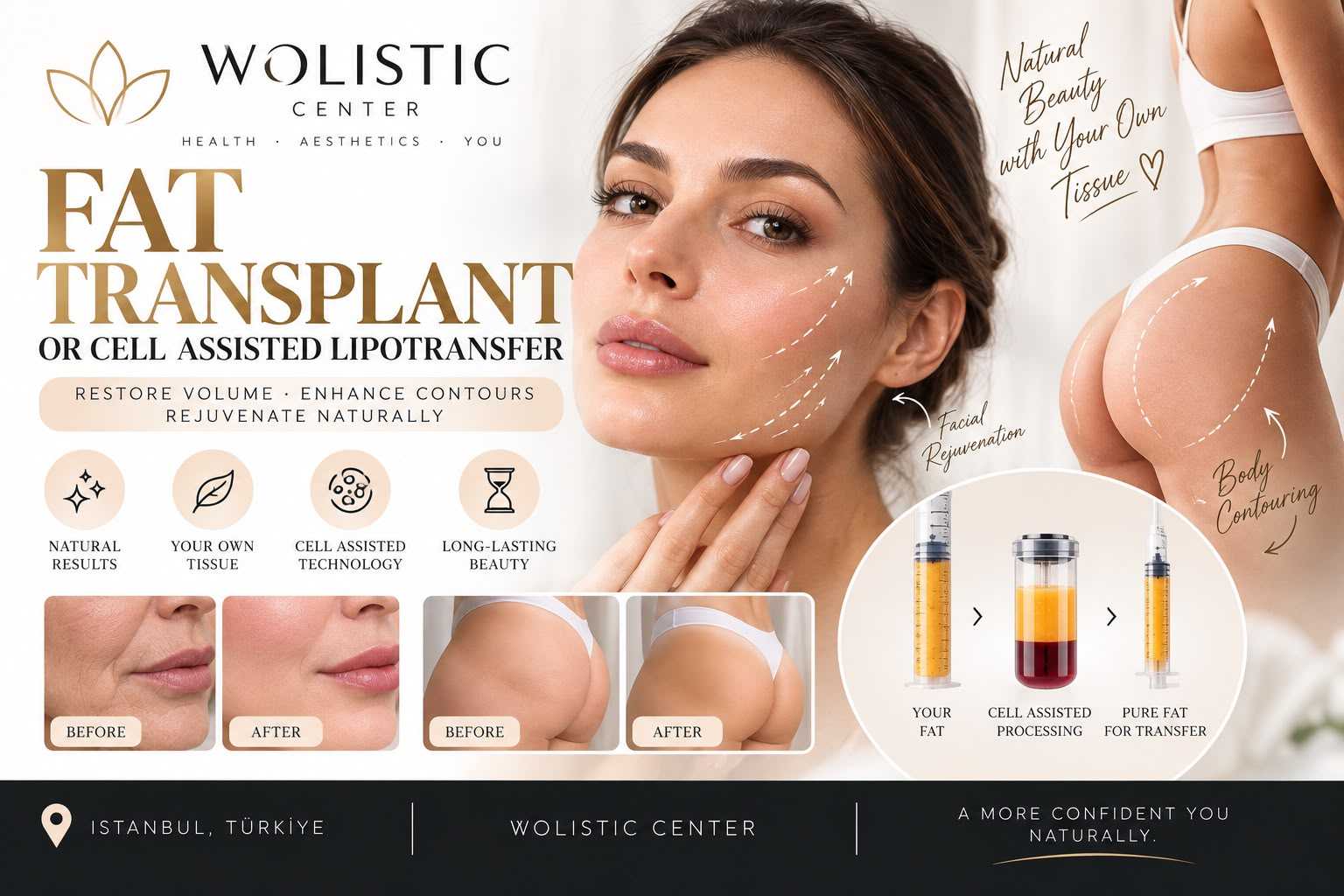
Many patients choose to undergo multiple procedures simultaneously to achieve comprehensive contouring in a single operation. For instance, liposuction is frequently performed alongside an abdominoplasty (tummy tuck) to remove fat while simultaneously addressing loose abdominal skin. Another common pairing is fat transfer, where the fat removed via liposuction is purified and injected into other areas, such as the buttocks or breasts.
While combining surgeries can be cost-effective and consolidate recovery time, it places a higher physical strain on your body. Longer operative times correlate with increased risks for complications like bleeding and blood clots. Your surgical team must carefully evaluate your cardiovascular health, age, and general fitness to determine if combining procedures is a medically sound decision for you.
Why Choose PlacidWay for Medical Tourism in Antalya, Turkey?
Navigating healthcare options abroad can feel overwhelming. PlacidWay provides informational resources to help patients better understand their choices. Here is what PlacidWay offers:
Access a wide registry of medical centers and clinics located not only in Turkey but across the globe.
Provides articles and resources to help you learn about various treatment options and general timelines.
Allows patients to review facility profiles side-by-side to compare available technologies and medical services.
Facilitates initial communication, enabling you to ask clinical teams directly about their qualifications and pricing.
Hosts patient testimonials and experiences to offer varied perspectives on treatments received abroad.
Frequently Asked Questions
Is liposuction painful?
During the procedure, you will not feel pain because you will be under anesthesia. After the surgery, it is normal to experience soreness, bruising, and discomfort, which is typically managed with oral pain medications prescribed by your medical team.
Will I have noticeable scars after liposuction?
Liposuction requires small incisions, usually about a quarter of an inch long, to insert the cannula. While these incisions do leave scars, they are small and typically fade over time. Surgeons usually try to place them in natural body creases to make them less visible.
Can liposuction remove cellulite?
No, liposuction is not an effective treatment for cellulite. It removes deep fat beneath the skin, but cellulite is caused by fibrous bands in the superficial tissues. In some cases, removing fat can actually make cellulite appear slightly more noticeable.
How much fat can safely be removed in one session?
Most medical guidelines suggest that removing more than 5 liters of fat and fluid in a single session increases the risk of complications. Your surgeon will determine a safe limit based on your body weight, overall health, and specific anatomical needs.
Will the fat come back after my surgery?
The fat cells removed during liposuction are permanently gone. However, if you gain weight after the procedure, the remaining fat cells in your body can expand. Maintaining a stable weight through diet and exercise is necessary to preserve your results.
When can I fly back home after the procedure?
Most surgeons recommend waiting at least 7 to 10 days before flying after liposuction. Flying too soon increases the risk of deep vein thrombosis (DVT) and blood clots due to prolonged sitting and cabin pressure changes.
Do I need a companion to travel with me to Turkey?
While it is not strictly mandatory, having a friend or family member travel with you is highly recommended. You will need assistance during the first few days of recovery for basic tasks, mobility, and emotional support.
What kind of anesthesia is used for liposuction?
The type of anesthesia depends on the extent of the procedure. Small, localized areas may be treated with local anesthesia and sedation, while larger or multiple areas usually require general anesthesia.
Can I go to the beach in Antalya after surgery?
You must avoid sun exposure, swimming pools, the ocean, and hot tubs for several weeks after surgery. Exposing healing incisions to water or sun increases the risk of severe infections and can darken your scars.
Are English-speaking medical teams common in Antalya clinics?
Yes, facilities that regularly cater to international patients usually employ English-speaking medical staff or provide dedicated medical translators to ensure clear communication regarding your treatment and care.
Compare Treatment Options
Gather more information about facilities, treatments, and estimated pricing in Antalya. Request details to help you make an informed health decision.
Request Treatment InformationReferences
- Liposuction Safety & Risks – American Society of Plastic Surgeons
- Liposuction Overview and What to Expect – Mayo Clinic
- Cosmetic Procedures: Liposuction – National Health Service (NHS)
- Liposuction Procedure Information – International Society of Aesthetic Plastic Surgery (ISAPS)
- Medical Tourism Travel Health Guidelines – Centers for Disease Control and Prevention (CDC)
- Liposuction: Purpose, Procedure & Recovery – Cleveland Clinic






















Share this listing