


Complete Guide to the Denture Fitting Process in Mexico
The process for getting fitted for dentures in Mexico involves an initial consultation, taking oral impressions, performing extractions if necessary, completing a wax try-in, and final placement. This generally requires two to three clinic visits over a span of one to three weeks.
Key Takeaways
- The fitting timeline typically spans one to three weeks, depending on the need for extractions and the clinic's laboratory capabilities.
- Patients can generally save between 50% and 70% on standard and implant-supported dentures compared to North American pricing.
- A wax try-in phase is crucial for ensuring proper bite alignment, aesthetic appeal, and overall comfort before the final appliance is created.
- It is essential to verify the dentist's credentials, specifically the SEP cédula profesional, before committing to treatment.
- Post-fitting adjustments are normal, and patients should plan for adequate time in the country for follow-up visits.
What are the initial steps for getting fitted for dentures in Mexico?
The initial steps include a comprehensive dental examination, X-rays or 3D imaging, and the creation of accurate primary impressions of your upper and lower jaw.
The journey toward a new smile begins with a detailed consultation. During this first visit, the dentist will evaluate the health of your gums and any remaining natural teeth. Panoramic X-rays or CBCT (Cone Beam Computed Tomography) scans are often utilized to assess bone density, which is particularly important if you are considering implant-supported appliances rather than conventional removable ones.
Once your oral health is evaluated, the dentist takes primary impressions. These initial molds act as the foundation for the entire process. The impression material captures the unique contours of your gums and jaw ridges. From these impressions, the dental laboratory creates customized preliminary models of your mouth.
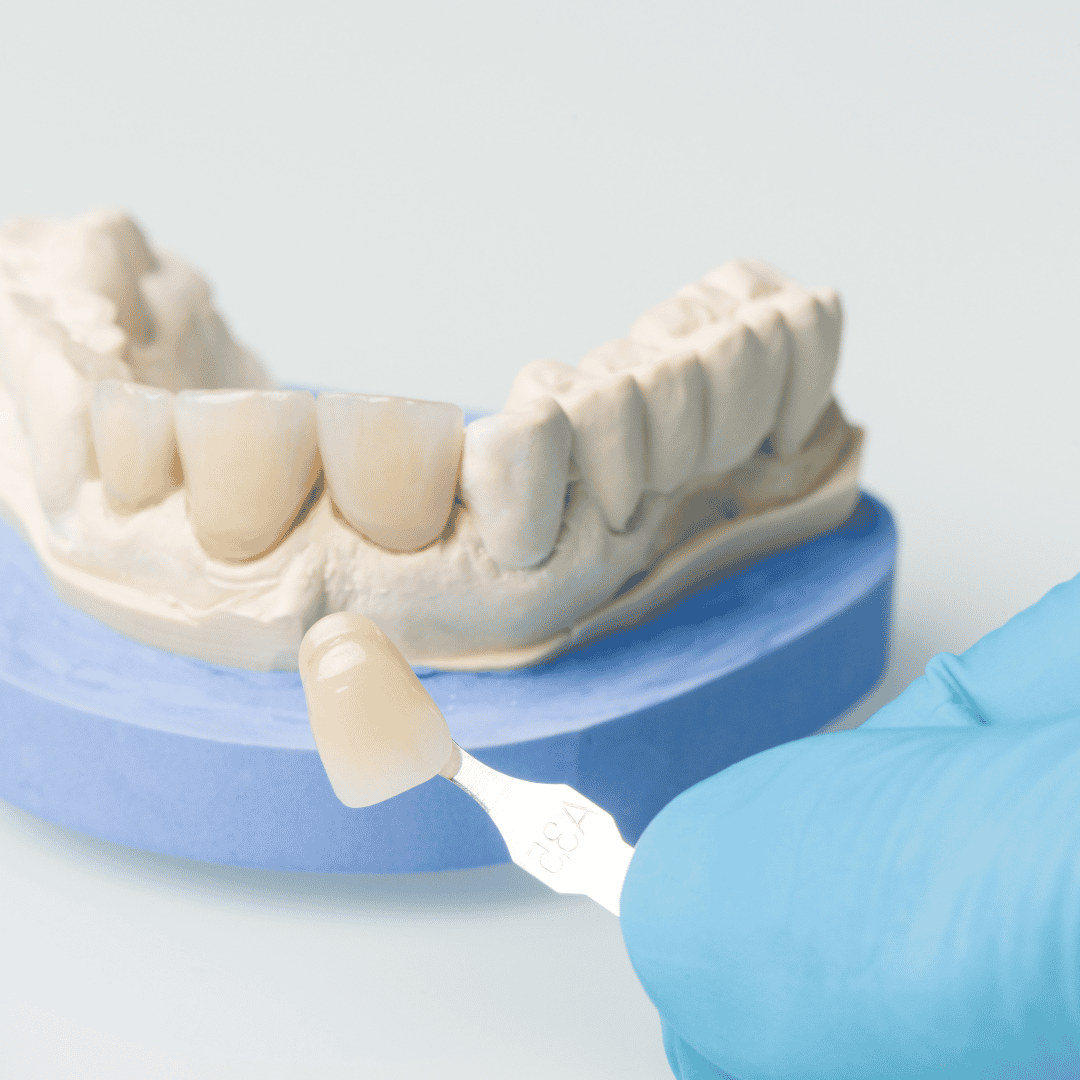
Following the impressions, your dentist will discuss the various material options available, such as acrylic or porcelain teeth, and the base materials. Together, you will select the shade and shape of the teeth to ensure the final result looks as natural as possible, matching your facial structure and complexion.
Important Consideration
Not all patients are immediate candidates for standard impressions. If severe gum disease or significant decay is present, preparatory treatments may be necessary before the denture process can officially begin.
How much does the dentures cost in Mexico compared to the US?
Patients often find that the dentures cost in Mexico is roughly 50% to 70% lower than prices in the United States and Canada, though estimates vary by materials and complexity.
Cost is one of the primary drivers for cross-border dental care. In the United States, a high-quality full set of conventional dentures can cost anywhere from $3,000 to $8,000 or more, depending on the materials and the region. In contrast, patients visiting Mexican clinics can typically expect estimates ranging from $600 to $1,500 for a comparable full set of standard acrylic dentures.
It is crucial to understand that the base price for the denture appliance does not always include preliminary procedures. If you require tooth extractions, bone grafting, or IV sedation, these will add to the overall total. Furthermore, upgrading to premium materials like porcelain teeth or a flexible partial denture base (such as Valplast) will influence the final cost.
Below is a comparative estimate table to provide a general idea of pricing differences. These are average estimates and will vary based on the clinic, the city, and the specific patient requirements.
| Denture Type / Procedure | Estimated Cost (USA) | Estimated Cost (Mexico) |
|---|---|---|
| Full Acrylic Dentures (Upper & Lower) | $3,000 - $6,000 | $600 - $1,200 |
| Partial Dentures (Metal Frame) | $1,500 - $3,000 | $400 - $800 |
| Simple Tooth Extraction (Per Tooth) | $150 - $300 | $50 - $100 |
How long does it take to get dentures made in a dentures clinic in Mexico?
Receiving a final set of dentures from a dentures clinic in Mexico typically takes between one to three weeks, largely depending on whether the clinic has an in-house laboratory.
The timeframe for standard removable dentures usually requires multiple appointments. Clinics that utilize external dental laboratories generally need 10 to 14 days to complete the fabrication process. This time allows the lab to process the impressions, create the wax rims, set the teeth for a try-in, and cure the final acrylic base.
However, many clinics catering to international patients feature in-house dental laboratories. This capability can significantly reduce turnaround times. In these facilities, patients may complete the entire process—from initial impression to final delivery—in as few as 3 to 7 days, making it more convenient for brief travel itineraries.
Patients should also factor in the time needed for adjustments. Even with precise impressions, new dentures almost always require minor modifications to eliminate sore spots and optimize the bite. It is advisable to remain in the area for an additional two to three days after receiving the final appliance to attend these crucial follow-up visits.
What types of dentures are available when getting fitted for dentures in Mexico?
Patients can choose from conventional full dentures, partial dentures, immediate dentures, and implant-supported overdentures, depending on their clinical needs and budget.
When exploring restorative options, patients will find that Mexican clinics typically offer the same variety of prosthetics as those in North America. The primary options include:
- Conventional Full Dentures: Designed for patients who have lost all teeth in one or both arches. They rest directly on the gums and are fabricated after tissues have fully healed.
- Partial Dentures: Ideal for patients retaining some healthy natural teeth. They often use metal clasps or flexible, tissue-colored bases to anchor to existing teeth.
- Immediate Dentures: Placed on the same day that failing teeth are extracted. While they restore aesthetics instantly, they require frequent relining as the jawbone heals and shrinks.
- Implant-Supported Dentures: These appliances snap onto dental implants surgically placed in the jawbone. They offer significantly higher stability and biting force but involve a longer, more complex treatment timeline.
Do I need extractions before getting dentures?
Extractions are only necessary if you have severely decayed, mobile, or infected teeth that cannot be salvaged to support a partial denture.
If tooth removal is required, your dentist will plan the extractions carefully. Patients have the option to receive immediate dentures right after the extraction procedure. This approach prevents you from having to be without teeth during the healing process, which is highly beneficial for patients traveling from abroad.
However, after extractions, the gum and bone tissues will undergo a natural remodeling process, shrinking as they heal over several months. Because of this physiological change, an immediate denture will eventually become loose. You will need to have a hard reline procedure or a completely new denture made down the road to ensure a snug fit.
If you choose conventional dentures instead, you must wait for the extraction sites to heal completely—usually 6 to 8 weeks—before the final impressions can be taken. This pathway often requires making two separate trips to Mexico or planning an extended stay.
Did You Know?
To manage comfort during multiple extractions, many clinics offer varying levels of sedation, ranging from local anesthesia and nitrous oxide to IV sedation administered by a licensed anesthesiologist.
How do dentists in Mexico ensure a proper denture fit?
Dentists ensure a correct fit through secondary precision impressions, bite registration records, and a critical wax try-in phase before processing the final acrylic.
After the preliminary molds are made, the dentist fabricates a custom impression tray. This custom tray is used with a more precise impression material to capture the exact muscle attachments and borders of your mouth. This step is vital for achieving the natural suction needed for upper dentures.
Next comes the bite registration using "wax rims." The dentist places wax blocks in your mouth to determine the Vertical Dimension of Occlusion (VDO). This measures the proper distance between your nose and chin when your jaws are resting, ensuring your facial muscles are properly supported and you do not look "sunken in."
The most important step for the patient is the "wax try-in." At this stage, the actual denture teeth are temporarily set in pink wax. You can evaluate the color, shape, and bite alignment in a mirror. If adjustments to the appearance or bite are needed, they can easily be made in the wax before the lab finalizes the appliance.
What should I expect during the final denture delivery and adjustment?
During the final delivery, the dentist will place the processed denture, evaluate the bite using articulating paper, and smooth out any areas causing excessive pressure on the gums.
When the final processed denture arrives from the lab, the dentist will insert it to assess the initial fit. They will check the retention and stability, ensuring that the appliance seats properly over the gum ridges. You may feel that the denture is somewhat bulky or awkward at first, which is a normal sensation for new wearers.
The dentist will use special articulating paper to map out how your upper and lower teeth meet. If certain teeth are hitting prematurely, the dentist will make precise occlusal adjustments to balance the bite. An unbalanced bite can lead to instability and localized gum pain over time.
Even with meticulous planning, sore spots typically develop within the first 24 to 48 hours of wearing a new denture. This is why you must remain near the clinic for a few days. The dentist will evaluate your tissues and make small relief adjustments to the acrylic base to alleviate friction and enhance comfort.
What is the recovery and aftercare process for new dentures?
Recovery involves an adaptation period for speech and chewing. Proper aftercare includes daily brushing with non-abrasive cleaners, overnight soaking, and maintaining good oral hygiene.
Adapting to new dentures takes patience. Increased saliva flow, mild soreness, and the sensation that the tongue does not have enough room are typical experiences during the first few weeks. Patients are advised to start eating soft foods, chew slowly on both sides of the mouth simultaneously, and practice speaking by reading aloud.
Proper maintenance is critical to prolong the lifespan of the appliance. Dentures must be removed and rinsed after meals. They should be brushed daily using a soft denture brush and a mild soap or specialized denture paste. Regular toothpaste is often too abrasive and can create microscopic scratches where bacteria can harbor.
When not being worn—such as overnight—dentures should be placed in a glass of water or a specialized soaking solution to prevent the acrylic from drying out and warping. Additionally, even if you have no natural teeth remaining, you must continue to brush your gums, tongue, and the roof of your mouth with a soft toothbrush to stimulate circulation and remove plaque.
How can I verify the credentials of a dentist in Mexico?
You can verify a Mexican dentist's credentials by checking their cédula profesional (professional license number) through the official database maintained by the Secretariat of Public Education (SEP).
Patient safety and quality of care rely heavily on choosing a properly credentialed provider. In Mexico, all legitimate medical and dental professionals are issued a cédula profesional upon graduating from an accredited university. This unique license number proves they are legally authorized to practice dentistry.
Patients can independently verify this number using the Mexican government's online SEP registry. If you are seeking advanced implant-supported dentures, you should also look for dentists who have a specialized cédula for oral surgery or prosthodontics, indicating advanced training beyond general dentistry.
Furthermore, you may want to inquire about the clinic's sterilization protocols, laboratory standards, and the specific brands of materials they use. Reliable clinics are transparent about their processes, eager to share their credentials, and can provide documentation regarding the internationally recognized implant systems and dental materials they utilize.
Why is medical tourism in Mexico a popular choice for dental care?
Medical tourism in Mexico is popular primarily due to significant cost savings, geographic proximity to North America, and the availability of modern dental technology.
The rising cost of domestic healthcare has positioned Mexico as a leading destination for dental treatments. The ability to save thousands of dollars on comprehensive restorations like full dentures or All-on-4 implants allows many patients to access treatments they would otherwise be unable to afford.
Location plays a significant role in this popularity. Border cities such as Tijuana, Los Algodones, and Ciudad Juárez offer convenient access for US and Canadian patients, often allowing them to drive across the border or take short flights. Inland destinations like Cancun or Mexico City combine dental care with vacation opportunities.
Lastly, many clinics focused on international patients invest heavily in modern technology, such as 3D scanners, CAD/CAM milling machines, and modern sterilization equipment. Bilingual staff and dentists trained at international institutions further enhance the patient experience, making the cross-border journey more comfortable and accessible.
Why Choose PlacidWay?
PlacidWay assists patients in researching and comparing international healthcare options. Here is how we can support your dental journey:
- Compare Clinic Options: Access a database of dental clinics across Mexico to evaluate facilities that meet your specific needs.
- Access Transparent Estimates: Review estimated pricing for dentures and related procedures before making any commitments.
- Review Provider Profiles: Explore detailed profiles that list a dentist's educational background, specialties, and professional history.
- Read Patient Experiences: View authentic reviews and testimonials from other international patients who have undergone similar treatments.
- Request Information Freely: Utilize our platform to request free, no-obligation treatment information and initial consultations with clinics.
Frequently Asked Questions
Is it painful to get fitted for dentures?
The fitting process itself is generally not painful, as it mostly involves taking impressions and adjusting wax models. However, if tooth extractions are required beforehand, patients may experience typical post-surgical discomfort and swelling during the healing phase.
Can I eat normally with new dentures?
Eating with new dentures requires a learning curve. Initially, patients are advised to start with soft foods cut into small pieces and chew evenly on both sides. As the mouth adapts to the appliance, a more varied diet can usually be reintroduced gradually.
How often will I need to replace my dentures?
Most conventional dentures need to be replaced or significantly relined every five to seven years. The jawbone naturally changes shape over time, which can alter the fit of the dentures, requiring professional adjustments to maintain function and comfort.
What happens if my dentures break while I am back home?
If a denture breaks, you should see a local dentist or prosthodontist immediately. Do not attempt to repair it yourself with household glues. A local dental professional can typically repair minor fractures or send the appliance to a lab for proper restoration.
Will my speech be affected by new dentures?
Temporary speech changes, such as a slight lisp or difficulty pronouncing certain syllables, are common when first wearing new dentures. Reading aloud and practicing speech can help the tongue and facial muscles adapt more quickly to the new appliance.
Do I need adhesive for my new dentures?
A well-fitting denture relies on natural suction, especially on the upper arch, and should not typically require adhesive. However, lower dentures can be less stable, and some patients choose to use a small amount of adhesive for added security and confidence.
Can I sleep with my dentures in?
Dentists generally recommend removing dentures at night to give the gum tissues a chance to rest and to prevent potential fungal or bacterial infections. Dentures should be soaked in a proper cleaning solution overnight to keep them moist and hygienic.
How do I clean my dentures properly?
Dentures should be brushed daily with a soft-bristled denture brush and a non-abrasive cleaner. Avoid regular toothpaste, which can scratch the acrylic. They should also be soaked in a specialized denture-cleaning solution to remove plaque and odor-causing bacteria.
Are dental materials used in Mexico safe?
Many established dental clinics in Mexico use materials that are FDA-cleared or internationally recognized. Patients should verify that their chosen clinic utilizes high-quality acrylics, porcelains, or alloys imported from reputable global dental manufacturers.
What is the difference between acrylic and porcelain dentures?
Acrylic dentures are lighter, less expensive, and easier to adjust, but they may wear down faster. Porcelain dentures offer a highly natural appearance and durability but are heavier and can potentially wear down opposing natural teeth.
Explore Your Denture Options Today
If you are considering dental treatment abroad, compare clinics, review materials, and gather transparent cost estimates to make an informed decision about your oral health.
Compare Dental Options & Request InformationReferences
- Dentures - American Dental Association (ADA) MouthHealthy
- Denture Care: How do I clean dentures? - Mayo Clinic
- Tooth Loss - National Institute of Dental and Craniofacial Research (NIDCR)
- Dentures: Types, Care and Adjustment - Cleveland Clinic
- Dentures: Types, Care, and Complications - WebMD
- Your Health Abroad / Medical Tourism - U.S. Department of State



.png)

.png)
.png)



-1.png)
.png)
.png)











Share this listing