


Risks & Safety for EndoBarrier in Mexico
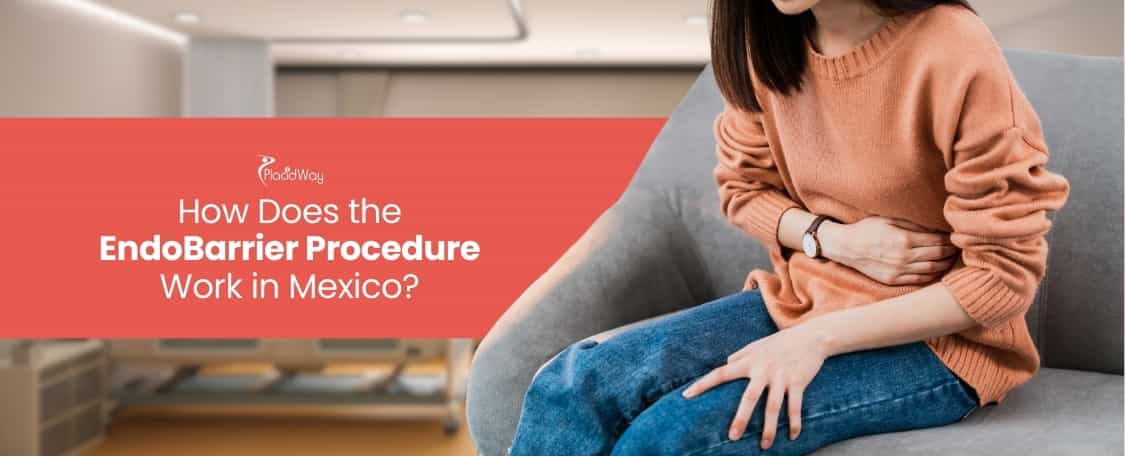
Thinking about solutions for weight management or managing type 2 diabetes? You might have heard about the EndoBarrier procedure, especially its growing popularity in Mexico. It’s a fascinating, non-surgical option that's helping many people improve their health and quality of life. Unlike traditional surgeries, it offers a less invasive approach with significant potential benefits.
The EndoBarrier is an exciting innovation, particularly for those who haven't found success with diet and exercise alone or are not candidates for more invasive bariatric surgeries. Mexico has emerged as a leading destination for this procedure, drawing international patients with its combination of advanced medical facilities, experienced specialists, and often more affordable costs. Let's dive into how this procedure works and what you can expect.
What is the EndoBarrier procedure?
The EndoBarrier, also known as the duodenal-jejunal bypass liner (DJBL), is a device designed to create a physical barrier between partially digested food and the first part of the small intestine (the duodenum). This innovative approach mimics some of the metabolic effects of a gastric bypass without requiring any surgical incisions or permanent alterations to your anatomy. It's a temporary device, typically remaining in place for about 6 to 12 months, after which it is removed.
The procedure itself is performed endoscopically, meaning a doctor uses a thin, flexible tube with a camera (an endoscope) inserted through your mouth, esophagus, and stomach to place the device. This avoids the need for external cuts, leading to a quicker recovery time compared to traditional bariatric surgeries. The EndoBarrier device looks like a sleeve or a long tube and is made from a thin, impermeable material.
How exactly does the EndoBarrier device work once implanted?
The magic of the EndoBarrier lies in its unique mechanism of action. By preventing food from coming into direct contact with the duodenal lining, it essentially creates a bypass effect without the surgical rearrangement of the intestines. This "exclusion" of the duodenum from nutrient absorption has profound metabolic consequences.
Specifically, when food bypasses the duodenum, it reaches the lower part of the small intestine (the jejunum) more rapidly. This triggers a different pattern of hormone release from the gut. Hormones like GLP-1 (glucagon-like peptide-1) are released earlier and in higher concentrations. GLP-1 is crucial for improving insulin sensitivity and promoting a feeling of fullness, which in turn helps regulate blood sugar levels and reduces appetite. This hormonal shift contributes significantly to both weight loss and the improvement, or even remission, of type 2 diabetes.
Who is an ideal candidate for the EndoBarrier procedure in Mexico?
Determining if you're a suitable candidate for the EndoBarrier procedure involves a thorough medical evaluation by a specialist. Generally, this treatment is considered for individuals who are obese and/or have poorly controlled type 2 diabetes despite conventional treatments like diet, exercise, and medication. The typical BMI range for candidates is often between 30 and 45, although specific criteria can vary slightly between clinics and countries.
It's also important that candidates are committed to making significant lifestyle changes, including dietary modifications and increased physical activity, as the EndoBarrier is a tool to support these efforts, not a standalone cure. People with certain medical conditions, such as inflammatory bowel disease, active ulcers, or a history of major gastrointestinal surgery, may not be suitable candidates. A comprehensive assessment, including blood tests and imaging, will be conducted to ensure your safety and the potential effectiveness of the procedure.
What are the key benefits of the EndoBarrier for weight loss and type 2 diabetes?
The EndoBarrier procedure offers a range of compelling benefits for individuals struggling with both obesity and type 2 diabetes. These advantages make it an attractive option for many patients looking for effective solutions without the permanence and invasiveness of traditional bariatric surgery.
- Significant Weight Loss: Patients often experience substantial weight loss, typically ranging from 15-20% of their total body weight over the implantation period. This can lead to improvements in mobility, energy levels, and overall quality of life.
- Improved Blood Sugar Control: For those with type 2 diabetes, the EndoBarrier can dramatically improve glycemic control, often within days or weeks of implantation. Many patients see a significant reduction in their HbA1c levels, which is a key indicator of long-term blood sugar management.
- Reduced Medication Dependency: A major benefit for diabetic patients is the potential to reduce or even eliminate the need for insulin or other diabetes medications. This not only lowers healthcare costs but also reduces the burden of managing daily medication routines.
- Non-Surgical and Reversible: As an endoscopic procedure, there are no incisions, scars, or permanent changes to your anatomy. The device is temporary and can be removed, making it a reversible option.
- Lower Risk Profile: Compared to major bariatric surgeries, the EndoBarrier typically carries a lower risk of serious complications and a faster recovery.
What should I expect during the EndoBarrier implantation procedure in Mexico?
The implantation of the EndoBarrier is a relatively straightforward procedure, usually taking less than an hour. It's performed in a hospital or specialized endoscopy center, and you'll typically be under general anesthesia or conscious sedation, so you won't feel any discomfort during the process. The medical team in Mexico will ensure you are comfortable and well-monitored throughout.
Once sedated, the gastroenterologist or bariatric surgeon will insert an endoscope through your mouth, down your esophagus, and into your stomach and duodenum. The EndoBarrier device, which is compressed and loaded into a delivery system, is then guided through the endoscope and deployed into the duodenum. It's anchored in place just below the pylorus (the opening from the stomach to the small intestine). After successful placement, the endoscope is removed, and you’ll be moved to a recovery area. Most patients can return home the same day or stay overnight for observation.
What is the typical recovery time and post-procedure care for EndoBarrier?
One of the appealing aspects of the EndoBarrier is its relatively swift recovery. Most patients can expect to feel some mild discomfort in the days immediately following the procedure, such as nausea, abdominal cramping, or a feeling of fullness. These symptoms are usually managed with medication and typically subside within a few days to a week as your body adjusts to the presence of the device.
Post-procedure care is crucial for success and involves a structured dietary progression, starting with liquids, then pureed foods, and gradually advancing to a solid, healthy diet over several weeks. You will receive detailed instructions from your medical team in Mexico, which will include advice on hydration, specific food choices, and portion control. Regular follow-up appointments with your doctor and a dietitian are essential to monitor your progress, address any issues, and provide ongoing support for sustainable lifestyle changes.
What are the potential risks and side effects associated with EndoBarrier?
While the EndoBarrier is considered a safer alternative to traditional surgery, like any medical procedure, it does carry potential risks and side effects. It's important to be fully informed and discuss these with your healthcare provider before deciding on the procedure. The medical teams in Mexico are experienced in managing these potential complications.
Common, usually temporary, side effects include:
- Nausea and Vomiting: Often experienced in the first few days after implantation as the body adjusts.
- Abdominal Pain or Cramping: Mild to moderate discomfort is common.
- Diarrhea or Constipation: Changes in bowel habits can occur.
More serious, though rare, complications can include:
- Gastrointestinal Bleeding: Usually mild and manageable.
- Device Migration: The liner moving from its intended position.
- Ulceration or Perforation: Rarely, the device can cause irritation or damage to the intestinal wall.
- Liver Abscess: An extremely rare but serious infection that needs immediate attention.
Your medical team will closely monitor you for any signs of these complications and provide guidance on when to seek immediate medical attention.
How long does the EndoBarrier device remain in place, and how is it removed?
The EndoBarrier is designed for temporary use, providing a window of opportunity for significant health improvements. It is typically implanted for a period ranging from 6 to 12 months, depending on your individual treatment plan and medical recommendations. This duration allows sufficient time for substantial weight loss and metabolic changes, enabling patients to establish new, healthier habits.
The removal process is very similar to the implantation – it’s a quick, non-surgical endoscopic procedure performed under sedation. The doctor will use an endoscope to access the device, gently grasp it, deflate any anchoring mechanisms if present, and then carefully pull it out through your mouth. This procedure is generally well-tolerated, and patients can usually return home the same day. It's a key advantage of the EndoBarrier that it's fully reversible, offering flexibility in your long-term health management strategy.
Why is Mexico a popular destination for the EndoBarrier procedure?
Mexico has firmly established itself as a global leader in medical tourism, and the EndoBarrier procedure is no exception. Several factors contribute to its popularity among international patients, particularly those from the United States and Canada. The combination of high-quality medical care and cost-effectiveness makes it an attractive option for many.
Key reasons for choosing Mexico for the EndoBarrier procedure include:
- Cost-Effectiveness: The procedure can be considerably more affordable in Mexico, often representing a fraction of the cost in Western countries, even when factoring in travel expenses.
- Expert Medical Professionals: Many Mexican bariatric and gastroenterology specialists are U.S.-board certified or have received extensive international training, ensuring a high standard of care.
- State-of-the-Art Facilities: Mexican hospitals and clinics catering to medical tourists are often equipped with modern technology and adhere to international safety and quality standards.
- Accessibility and Convenience: Proximity to the U.S. and Canada, along with direct flights and dedicated medical tourism facilitators, makes travel and logistics straightforward.
- Comprehensive Care Packages: Many clinics offer all-inclusive packages that cover the procedure, hospital stay, medications, and sometimes even local transportation and accommodation.
This environment allows patients to receive cutting-edge treatment without the financial burden often associated with such procedures in their home countries.
What is the cost of the EndoBarrier procedure in Mexico compared to the US or Canada?
The financial aspect is often a primary driver for patients choosing to undergo medical procedures abroad, and the EndoBarrier is a clear example of where Mexico offers substantial savings. The cost difference can be quite significant, making the procedure accessible to a wider range of individuals who might otherwise be unable to afford it.
Here's a general comparison of costs (these are estimates and can vary based on clinic, location, and specific services included):
| Country | Estimated Cost Range (USD) | Notes |
|---|---|---|
| Mexico | $8,000 - $15,000 | Often includes pre-op tests, procedure, hospital stay, and follow-up. |
| United States | $20,000 - $30,000+ | May not be covered by insurance; high facility fees. |
| Canada | $20,000 - $25,000+ | Generally private pay, as it's not covered by provincial health plans. |
This substantial difference in price often allows patients to afford the procedure and even cover travel and accommodation, making the total cost still significantly less than in their home countries. Many Mexican clinics for EndoBarrier offer transparent pricing and package deals that simplify the financial planning for international patients.
Ready to explore your options for the EndoBarrier procedure or other healthcare solutions? Visit PlacidWay to connect with top-rated clinics and specialists in Mexico and around the world, and find the perfect path to better health.

.jpg)




.jpg)



Share this listing