


Overview of Butt Implant Surgery in Mexico
Considering butt implants is a significant decision, and for many, the allure of more affordable procedures abroad, particularly in Mexico, can be strong. While medical tourism offers accessible options, it's crucial to understand that undergoing any elective surgery, especially in a foreign country, comes with its own set of potential risks and challenges.
Many individuals seek cosmetic enhancements like buttock augmentation to achieve their desired aesthetic goals, but it's essential to prioritize safety and long-term health outcomes over cost savings alone. This guide aims to provide a clear, comprehensive overview of the specific risks associated with getting butt implants in Mexico.
We will delve into common surgical complications, discuss the impact of differing medical regulations, explore potential post-operative challenges, and offer insights into how these factors might affect your overall experience and results. By understanding these potential risks, you can make a more informed decision and take necessary precautions to safeguard your health and well-being.
What are the primary medical risks of butt implants?
Butt implants, formally known as gluteal augmentation with implants, involve placing silicone prosthetics into the buttocks to enhance their size and shape. Like any major surgical procedure, it carries inherent medical risks.
One of the most common and serious is infection, which can lead to severe complications requiring implant removal and further treatment. Another significant risk is implant displacement or rotation, where the implant shifts from its intended position, leading to asymmetry and the need for corrective surgery.
Capsular contracture is another potential issue, occurring when scar tissue forms tightly around the implant, causing pain, hardening, and distortion of the buttock shape. Seroma formation, the accumulation of fluid near the surgical site, can also occur and may require drainage.
Less common but serious risks include nerve damage, leading to numbness or chronic pain, and in rare cases, implant rupture or leakage, which necessitates removal and potentially replacement. Thorough surgeon selection and adherence to post-operative instructions are vital for minimizing these risks.
Are butt implants in Mexico safe compared to other countries?
The safety of cosmetic procedures, including butt implants, in Mexico is not uniform. There are highly reputable, internationally accredited hospitals and clinics in Mexico that employ board-certified plastic surgeons and adhere to strict safety standards, offering care comparable to that found in the United States or Canada.
These facilities often cater specifically to medical tourists and prioritize patient safety. However, there is also a risk of encountering uncertified practitioners or clinics that do not meet rigorous health and safety standards. These less regulated environments can increase the likelihood of complications due to inadequate sterilization, outdated equipment, or inexperienced surgical teams.
Patients considering surgery in Mexico must conduct extensive research to distinguish between legitimate, high-quality providers and those that may pose a greater risk to their health and safety. The reputation, credentials, and accreditation of the chosen facility and surgeon are paramount in assessing safety.
What specific complications are associated with butt implant surgery in Mexico?
Beyond the general surgical risks, specific challenges can arise when undergoing butt implant surgery in Mexico. Infection rates can be a notable concern if the chosen clinic does not maintain stringent hygiene and sterilization protocols.
Differences in antibiotic prescribing practices or the availability of certain medications can also play a role. Another common complication reported by patients who undergo procedures abroad is implant malposition or asymmetry, sometimes resulting from less experienced surgeons or inadequate post-operative binding instructions.
Furthermore, complications can be exacerbated by the logistical difficulties of returning to the surgeon for immediate follow-up if an issue arises after the patient has traveled back home. This often means seeking emergency care from a local doctor who may not be familiar with the specifics of the procedure or the type of implants used. This disconnect in care can lead to delayed diagnosis and treatment, potentially worsening the outcome of any complication.
How do medical regulations and surgeon qualifications in Mexico impact butt implant safety?
One of the most critical aspects influencing the safety of butt implants in Mexico is the regulatory environment and surgeon qualifications. While Mexico has its own governing bodies for medical professionals, the enforcement and standards can differ from countries like the U.S. or Canada.
It is crucial for patients to understand that not all doctors performing cosmetic surgery in Mexico are board-certified plastic surgeons. Some may be general practitioners or have limited specialized training in cosmetic procedures. A truly qualified plastic surgeon in Mexico should be certified by the Mexican Council of Plastic, Aesthetic and Reconstructive Surgery (CMCPER).
This certification indicates they have met rigorous training, examination, and ethical standards. Operating in a facility accredited by recognized international bodies or Mexico's Federal Commission for the Protection against Sanitary Risk (COFEPRIS) further ensures adherence to safety protocols, proper equipment, and emergency preparedness. Without these assurances, the risk of substandard care and complications significantly increases.
What are the risks of infection and anesthesia complications during plastic surgery in Mexico?
Infection is a pervasive risk in any surgical procedure, and in a medical tourism context, it can be a particular concern. The standards of cleanliness, surgical asepsis, and post-operative wound care can vary widely across different facilities in Mexico.
If a clinic lacks proper sterilization protocols for instruments or maintains an unsanitary environment, the risk of bacterial infection at the surgical site increases substantially. These infections can range from mild to severe, sometimes requiring further surgery or even leading to life-threatening conditions.
Anesthesia complications are another serious consideration. While rare, adverse reactions to anesthesia can occur regardless of location. However, in some less regulated facilities, the anesthesiologist might have less extensive training, or the clinic might lack the advanced monitoring equipment and emergency protocols found in top-tier hospitals.
Ensuring that an experienced, board-certified anesthesiologist administers the anesthesia and that the facility is equipped for emergencies is a non-negotiable step to mitigate these potentially fatal risks.
What are the challenges with post-operative care and follow-up after returning home from Mexico?
One of the most significant challenges for medical tourists undergoing butt implant surgery in Mexico is managing post-operative care and follow-up once they return to their home country. The initial recovery period requires careful monitoring, and issues like swelling, bruising, or mild pain are common.
However, if more serious complications such as infection, hematoma, or implant shift arise, accessing prompt and appropriate care can be difficult. Your operating surgeon will be thousands of miles away, and local doctors in your home country might be hesitant to take on the responsibility of managing complications from a procedure performed elsewhere, particularly if they are unfamiliar with the specific surgical techniques or implant types.
This can lead to delays in treatment, increased anxiety, and potentially higher medical costs for corrective care. Planning for potential follow-up care locally and understanding its limitations before traveling is crucial.
What are the financial and legal risks of getting butt implants in Mexico?
While the lower cost is often a primary motivator for medical tourism, it's essential to consider the financial and legal risks. If complications arise and require additional treatment, revision surgery, or extended stays, the initial savings can quickly be negated by unexpected expenses.
Travel insurance policies often have exclusions for elective cosmetic surgery or complications arising from procedures performed outside your home country, leaving you personally responsible for all costs. Legally, seeking redress for medical malpractice or negligence in a foreign country can be extremely complex and costly.
Different legal systems, language barriers, and jurisdictional challenges make it incredibly difficult to pursue a successful claim against a foreign surgeon or clinic. Patients might find themselves with little to no legal recourse if something goes wrong, highlighting the importance of thorough due diligence and selecting highly reputable providers to minimize these risks.
How can language barriers affect the safety of medical procedures in Mexico?
Effective communication is paramount in any medical setting, and a language barrier can introduce significant risks. If you do not speak Spanish fluently and your surgeon or medical team does not speak English, crucial information can be lost in translation.
This might include details about your medical history, allergies, current medications, or pre-existing conditions that are vital for safe surgery. Misunderstandings about pre-operative instructions can also lead to complications. During the consultation, a language barrier can prevent you from fully understanding the procedure, its risks, or the expected outcomes.
Post-operatively, it can hinder your ability to communicate symptoms of complications or understand complex aftercare instructions. While many medical tourism facilities employ English-speaking staff or interpreters, relying solely on these can still introduce misinterpretations. Ensuring clear, direct communication with your surgical team is essential for a safe and successful outcome.
What are the general considerations for patients with chronic conditions seeking medical treatment in Mexico, beyond cosmetic surgery?
Beyond cosmetic surgery, individuals with chronic conditions who consider medical treatment in Mexico, whether for cancer treatment, diabetes management, or other complex health issues, face unique considerations. Managing pre-existing conditions requires a comprehensive understanding of a patient's medical history and an established relationship with healthcare providers.
Traveling for treatment can disrupt this continuity of care. It is crucial to ensure that any facility in Mexico is fully equipped and experienced in managing your specific chronic condition, not just the primary procedure you are seeking. This includes access to necessary medications, specialized equipment, and staff trained in the nuances of your condition.
For instance, a diabetic patient undergoing surgery requires careful blood sugar management before, during, and after the procedure to prevent complications. Any lapse in this specialized care could have severe consequences, making thorough verification of the facility's expertise and resources critical.
How can I ensure I choose a reputable clinic and surgeon for butt implants in Mexico?
Choosing a reputable clinic and surgeon is the most critical step in mitigating the risks of getting butt implants in Mexico. Start by verifying the surgeon's credentials; they should be board-certified by the Mexican Council of Plastic, Aesthetic and Reconstructive Surgery (CMCPER).
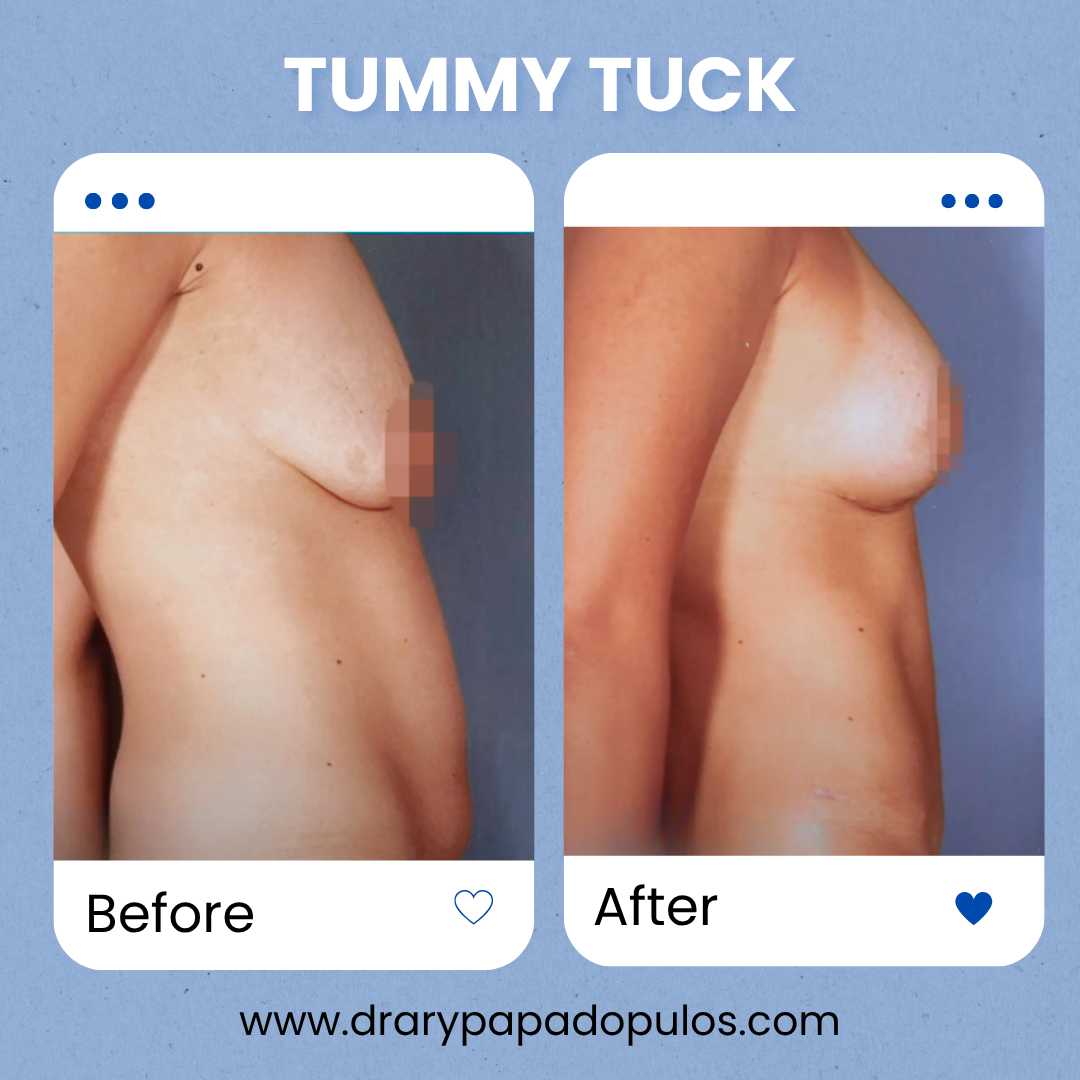
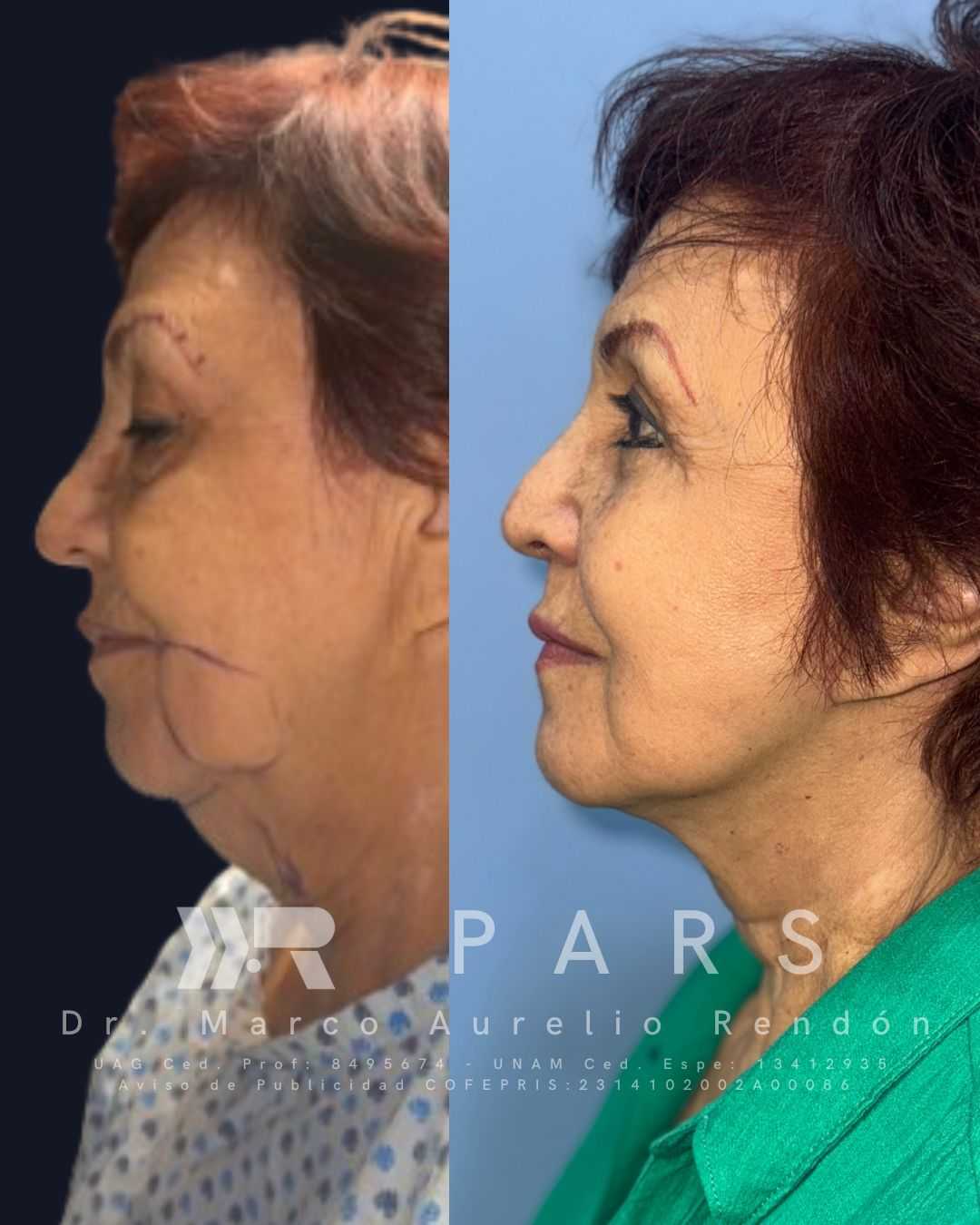
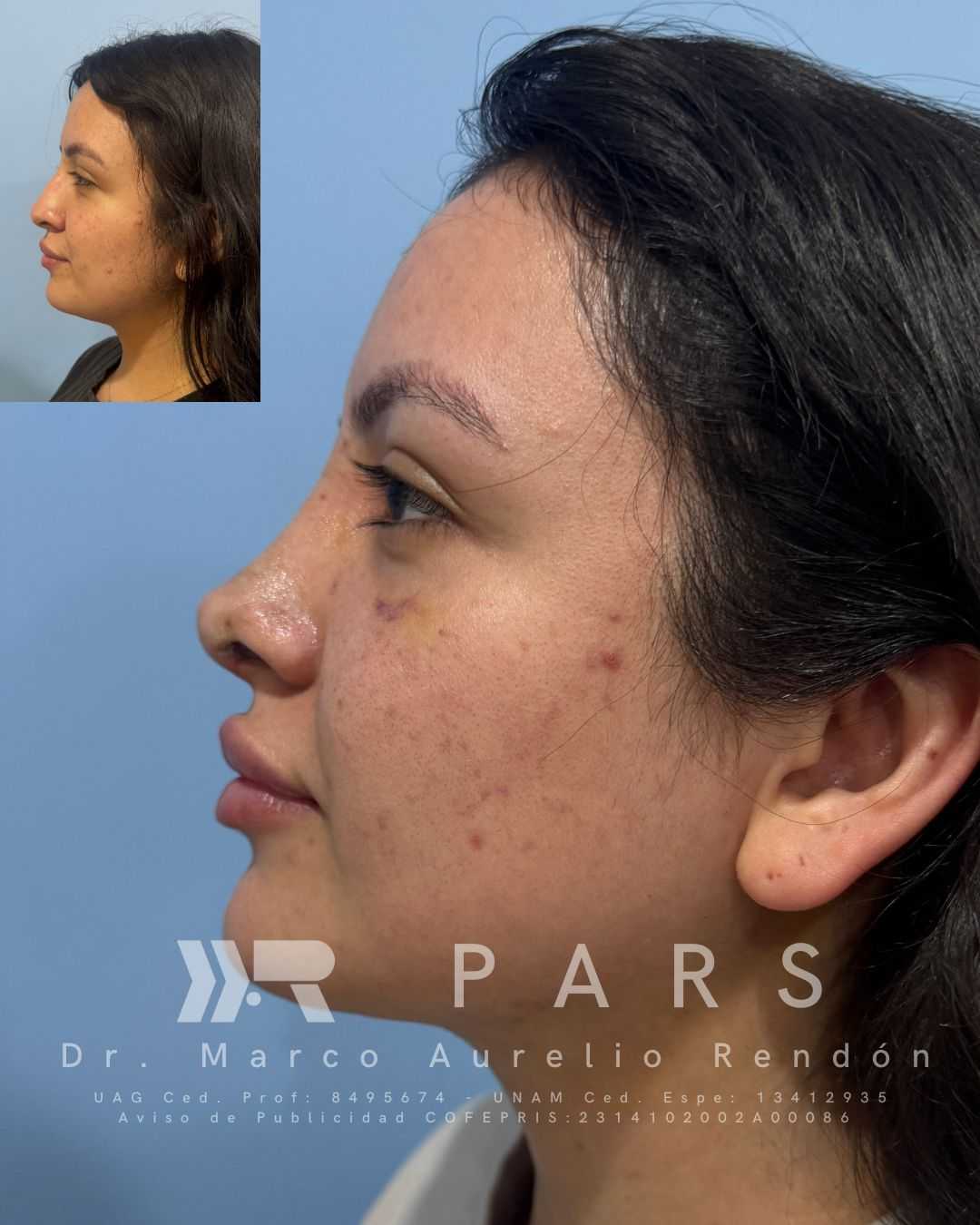
Look for clinics that are accredited by recognized international organizations or COFEPRIS, which signifies adherence to high safety and quality standards. Request to see extensive before-and-after photos of previous butt implant patients to assess their aesthetic results and consistency.
Read independent patient reviews and testimonials on various platforms. During your consultation, which ideally should be video or in-person, ensure clear communication and ask detailed questions about the surgeon's experience, the procedure, potential risks, and post-operative care.
Inquire about the type of implants used, their safety records, and the clinic's emergency protocols. A reputable provider will be transparent and willing to provide all necessary information, allowing you to make an informed and confident decision.
Considering medical care or cosmetic procedures abroad requires careful planning and a trusted resource.
For solutions related to medical tourism, healthcare services, or finding reputable providers worldwide, explore PlacidWay today. We connect you with top-tier clinics and specialists, helping you navigate your healthcare journey with confidence and safety.



.png)
.png)
.png)
.png)



Share this listing