


How Safe Is PRP for Ovaries in Mexico?
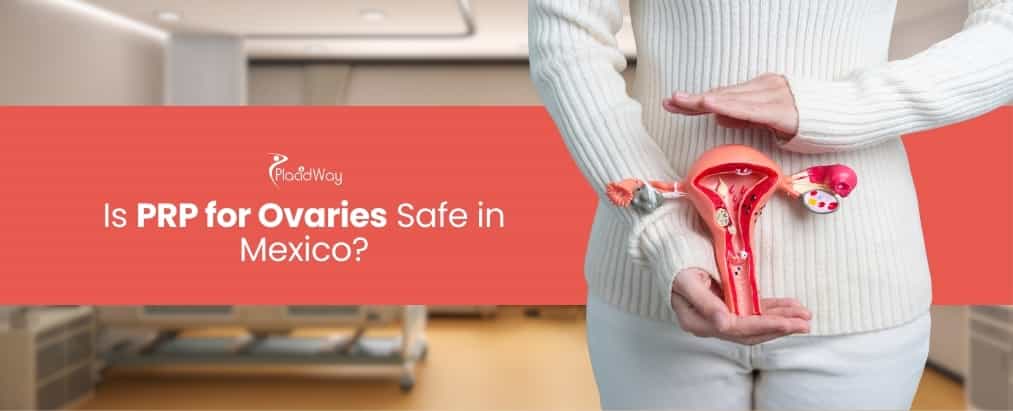
Thinking about platelet-rich plasma (PRP) for ovarian rejuvenation to boost your fertility? It's a topic that's gaining a lot of attention, especially as more people explore medical tourism options. If you're wondering if PRP for ovaries is safe in Mexico, you're asking a very important question, and it's one we hear often.
The short answer is, like many medical procedures, the safety and efficacy of ovarian PRP in Mexico largely depend on where you go and who performs the procedure. Mexico has emerged as a popular destination for medical treatments due to its advanced facilities, skilled medical professionals, and often more affordable costs compared to countries like the United States or Canada. However, it's crucial to understand the specifics of this treatment and how to choose a reliable clinic to ensure your safety and the best possible outcome for your fertility journey.
Is Ovarian PRP Treatment in Mexico Safe?
Ovarian PRP, like any medical procedure, carries inherent considerations, but its safety profile in Mexico is largely tied to the clinic and medical team chosen. Many clinics in Mexico offering advanced fertility treatments like ovarian PRP maintain high standards, employ U.S. or European-trained doctors, and utilize state-of-the-art equipment.
These facilities often seek international accreditations, demonstrating their commitment to patient safety and quality care. However, the medical landscape in any country can be diverse.
It is paramount for individuals considering ovarian PRP in Mexico to diligently research and select clinics with a proven track record, transparent practices, and doctors specialized in reproductive medicine. Verifying medical licenses, reviewing patient testimonials, and understanding the clinic's specific protocols for PRP preparation and administration are critical steps to ensuring a safe experience.
What is Platelet-Rich Plasma (PRP) for Ovaries?
Platelet-rich plasma (PRP) therapy involves drawing a small amount of a patient's own blood, processing it to concentrate the platelets, and then injecting this platelet-rich solution into a specific area. In the context of ovarian rejuvenation, this PRP solution is injected into the ovaries.
Platelets are known for their high concentration of growth factors, which are proteins that play a crucial role in cell regeneration and tissue repair. The theoretical basis for using PRP in ovaries is to leverage these growth factors to potentially stimulate dormant ovarian follicles, improve the ovarian environment, and enhance the quality and quantity of eggs in women with diminished ovarian reserve (DOR) or premature ovarian insufficiency (POI).
It's considered an innovative approach in reproductive medicine, often sought by women who have faced challenges with traditional fertility treatments.
How Does Ovarian PRP Rejuvenation Work?
The process of ovarian PRP rejuvenation typically begins with a blood draw from the patient. This blood is then processed in a centrifuge, which separates the blood components. The goal is to isolate the platelet-rich plasma layer, which contains a high concentration of growth factors, cytokines, and other bioactive proteins.
This concentrated PRP solution is then carefully injected directly into the ovaries. The injection is usually performed transvaginally under ultrasound guidance, similar to an egg retrieval procedure during IVF, often requiring light sedation. Once injected, the growth factors in the PRP are hypothesized to:
- Stimulate the activation of quiescent (dormant) ovarian follicles.
- Improve blood supply to the ovaries.
- Promote the regeneration and repair of ovarian tissue.
- Enhance the microenvironment for egg development.
This cellular stimulation aims to potentially increase the number of viable eggs available for fertilization, improve hormonal balance, and ultimately enhance a woman's chances of conception, particularly for those with low ovarian reserve.
What are the Potential Benefits of Ovarian PRP for Fertility?
For women struggling with fertility due to diminished ovarian reserve or premature ovarian insufficiency, ovarian PRP offers several potential benefits, although it's important to remember that it is still considered an experimental treatment with varying results. Some of the reported benefits include:
- Improved Ovarian Function: Some studies and anecdotal reports suggest that PRP can lead to an increase in anti-Müllerian hormone (AMH) levels, an indicator of ovarian reserve, and a decrease in FSH levels, suggesting improved ovarian function.
- Increased Egg Quality and Quantity: By stimulating dormant follicles and improving the ovarian environment, PRP may lead to the development of more and higher-quality eggs, which can increase the chances of successful conception, either naturally or through assisted reproductive technologies like IVF.
- Restoration of Menstrual Cycles: For some women with premature ovarian insufficiency who have ceased menstruating, PRP has been reported to help reactivate ovarian function and restart menstrual cycles.
- Enhanced IVF Success Rates: Women who previously had poor responses to IVF may find that ovarian PRP helps them produce more eggs during stimulation cycles, potentially leading to a better IVF outcome.
These potential benefits offer hope for individuals who have limited options, making it an attractive consideration for those exploring advanced fertility solutions.
Are There Any Risks or Side Effects Associated with Ovarian PRP?
Since PRP uses a patient's own blood, the risk of allergic reactions or transmission of diseases is virtually eliminated. However, as with any invasive medical procedure, there are some potential risks and side effects associated with the ovarian PRP injection itself. These can include:
- Pain or Discomfort: Patients may experience mild pelvic pain, cramping, or discomfort during and immediately after the injection, which is typically managed with pain medication.
- Infection: Although rare, there is a small risk of infection at the injection site or within the pelvic cavity. Reputable clinics follow strict sterile protocols to minimize this risk.
- Bleeding or Bruising: Minor bleeding or bruising can occur at the injection site.
- Injury to Surrounding Organs: While uncommon, there's a theoretical risk of injury to nearby structures such as the bowel or blood vessels during the transvaginal injection. This risk is greatly reduced when the procedure is performed by an experienced specialist using ultrasound guidance.
- No Efficacy: The primary "risk" for many patients is that the treatment may not yield the desired results, as its efficacy is still being researched and can vary significantly among individuals.
Discussing these potential risks thoroughly with your fertility specialist before undergoing the procedure is crucial to make an informed decision.
How Does Mexico Compare to Other Countries for Ovarian PRP?
Mexico has become a prominent destination for medical tourism, particularly for fertility treatments like ovarian PRP, due to several compelling factors that set it apart from other countries, especially those with high healthcare costs. One of the most significant differences is cost.
Ovarian PRP treatment in Mexico can be considerably more affordable than in the United States, Canada, or Western Europe, often ranging from 50% to 70% less. This cost-effectiveness doesn't necessarily mean a compromise in quality.
Many Mexican clinics offering advanced reproductive technologies boast state-of-the-art facilities, adhere to international medical standards, and employ highly skilled fertility specialists, many of whom have received training in the U.S. or Europe. Additionally, the ease of travel and cultural proximity for North American patients further enhances Mexico's appeal as a medical tourism hub for fertility solutions.
How Can I Verify the Quality and Safety of a Clinic in Mexico for Ovarian PRP?
Ensuring the quality and safety of a clinic for ovarian PRP in Mexico requires careful due diligence. It's a critical step that should not be overlooked. Here's a comprehensive approach:
- Accreditation: Look for clinics with international accreditations such as JCI (Joint Commission International) or those affiliated with reputable Mexican medical associations. These accreditations indicate adherence to stringent international standards of care and patient safety.
- Physician Credentials: Verify the doctor's qualifications, including their medical license, specialization in reproductive endocrinology or fertility, and experience with ovarian PRP procedures. Many reputable doctors will have biographies and credentials available on their clinic's website.
- Transparency: A trustworthy clinic will be transparent about their procedures, success rates, pricing, and potential risks. They should provide detailed information about their PRP preparation methods and injection protocols.
- Patient Reviews and Testimonials: Search for independent patient reviews on platforms like Google, specialized medical tourism forums, or fertility community websites. While not definitive, these can offer insights into other patients' experiences.
- Consultation: Request a virtual consultation before traveling. This allows you to speak directly with the medical team, ask questions, assess their communication style, and get a feel for their professionalism.
Taking these steps will significantly help in selecting a safe and reputable clinic for your ovarian PRP treatment.
What is the Cost of Ovarian PRP in Mexico?
One of the primary reasons individuals consider Mexico for ovarian PRP is the significant cost savings compared to other countries. The exact price can vary based on several factors, including the specific clinic, the doctor's experience, the city, and whether the treatment is part of a larger fertility package. Here's a general comparison:
| Country | Estimated Cost (Single Cycle) |
|---|---|
| Mexico | $2,000 - $4,000 USD |
| United States | $5,000 - $10,000+ USD |
| Canada | $4,000 - $8,000+ CAD (approx. $3,000 - $6,000 USD) |
| Europe (Western) | $3,000 - $7,000+ EUR (approx. $3,200 - $7,500+ USD) |
It's important to request a detailed breakdown of all costs from the clinic, including consultation fees, laboratory work, the PRP preparation, the injection procedure, anesthesia, and any follow-up care. Some clinics may offer package deals that can further reduce the overall expense.
Who is a Suitable Candidate for Ovarian PRP?
Ovarian PRP is not suitable for everyone, and a thorough medical evaluation is necessary to determine if you are an appropriate candidate. The treatment is primarily aimed at women who have exhausted other conventional fertility options or are looking for alternative ways to improve their ovarian function. Ideal candidates typically include:
- Women with Diminished Ovarian Reserve (DOR): Those with low AMH levels or a low count of antral follicles, indicating fewer eggs remaining.
- Women with Premature Ovarian Insufficiency (POI) or Early Menopause: Individuals whose ovaries have stopped functioning normally before the age of 40.
- Poor Responders to IVF: Women who have undergone IVF cycles but produced a low number of eggs despite high doses of ovarian stimulation medications.
- Women Under a Certain Age: While specific age cut-offs vary, the treatment is generally considered more effective for women under 40-45, as ovarian follicles and the ovarian environment are more likely to respond to stimulation.
- Women Seeking to Avoid Donor Eggs: For those who wish to conceive using their own eggs and have been advised that donor eggs might be their only option.
A comprehensive consultation with a fertility specialist, including a review of your medical history, hormonal levels, and ultrasound scans, is essential to determine if ovarian PRP is a viable option for your specific situation.
What Should I Expect During and After an Ovarian PRP Procedure?
Understanding what to expect before, during, and after your ovarian PRP procedure can help you feel more prepared and reduce anxiety. The procedure itself typically involves three main steps:
- Blood Draw: A small amount of blood (usually 60-120 ml) is drawn from your arm, similar to a routine blood test.
- PRP Preparation: The blood is then processed in a specialized centrifuge in the clinic's lab. This process separates the red blood cells and plasma, concentrating the platelets and growth factors into the PRP solution. This takes about 30-60 minutes.
- Ovarian Injection: Once the PRP is ready, you will be taken to a procedure room. The injection is performed transvaginally, guided by ultrasound, directly into the ovarian cortex. This is usually done under light sedation or local anesthesia to ensure comfort. The procedure itself is relatively quick, lasting about 20-30 minutes.
After the procedure, you'll typically spend an hour or two in a recovery area while the sedation wears off. You might experience mild cramping or spotting for a day or two, which is usually manageable with over-the-counter pain relievers.
Most women can resume normal, light activities the following day, though strenuous activity might be advised against for a few days. Following the injection, your fertility specialist will monitor your hormonal levels (like AMH, FSH, Estradiol) and perform ultrasound scans to assess ovarian response over the next few weeks and months.
It can take 2-3 months to see potential changes in ovarian function or follicle development. Thinking about medical tourism for your fertility journey? PlacidWay can help you explore reputable clinics and highly experienced specialists offering advanced healthcare services like ovarian PRP in Mexico and around the world. Visit PlacidWay to learn more about your options and connect with trusted providers.

.jpg)



.png)
.png)
.png)

















Share this listing