
.png)
Contents
For many women facing Premature Ovarian Failure (POF), early menopause, or diminished ovarian reserve, the diagnosis can feel final. However, Mexico has become a beacon of hope, offering cutting-edge Ovarian Rejuvenation therapies that are often unavailable or prohibitively expensive in the US and Canada. This innovative treatment aims to "wake up" dormant eggs within the ovaries, offering a chance at biological motherhood when traditional options have been exhausted.
Clinics in hubs like Cancun, Mexico City, and Guadalajara utilize two primary methods: Platelet-Rich Plasma (PRP) injection and Stem Cell Therapy. These procedures involve injecting the patient’s own growth factors directly into the ovaries to stimulate tissue regeneration and follicle growth. It is a minimally invasive procedure, often performed under light sedation, allowing patients to return to their hotel the same day.
Choosing Mexico for this delicate procedure connects you with highly skilled reproductive endocrinologists who are pioneers in regenerative medicine. They operate in modern fertility centers equipped with advanced embryology labs, providing a safe, regulated, and compassionate environment.
Whether you are seeking to lower your FSH levels, resume menstruation, or prepare for an IVF cycle with your own eggs, Mexico offers a scientifically backed path to potentially extending your fertility window.
Did You Know?
Scientific studies suggest that even after menopause, the ovaries still contain approximately 1,000 dormant follicles. Ovarian Rejuvenation attempts to activate these "sleeping" follicles using the body's own healing mechanisms found in blood platelets or mesenchymal stem cells.
Key Insights at a Glance
Treatments typically use Intra-Ovarian PRP (your blood) or Stem Cells (usually from fat tissue or bone marrow).
Expect to pay 50% to 70% less in Mexico compared to experimental clinics in the US or Europe.
The injection is non-surgical, performed vaginally under ultrasound guidance (similar to egg retrieval).
Most patients combine this therapy with an IVF cycle in Mexico to maximize the chances of collecting viable eggs.
Ideal for women with low AMH, high FSH, perimenopause symptoms, or a history of failed IVF cycles.
The "Mexican Miracle"
Mexico has become a research hub for fertility innovation. Some clinics here report spontaneous pregnancies in women who had not menstruated in months, attributing the success to the high concentration of growth factors used in their specific PRP preparation protocols.
Fertility travel requires seamless logistics to reduce stress, which is a known enemy of conception. The section below details top Mexican fertility centers offering comprehensive packages. These typically include the initial consultation (often virtual), airport pick-up, the rejuvenation procedure (anesthesia, PRP preparation, injection), and post-op monitoring. Some premium packages may also bundle a subsequent IVF cycle or egg freezing services at a discounted rate.
Note: Ask about "Fertility Vacation" packages that include relaxing accommodation in beach destinations like Cancun or Puerto Vallarta.

Price starting from $4,700
Ovarian Rejuvenation in Queretaro, Mexico by Medica Fertil
Medica Fertil
- Fertility Treatment
Queretaro, Mexico
Price starting from $2,000
PRP Ovarian Rejuvenation Package in Tijuana, Mexico by Dr. Javier Piri Sarmiento
Dr. Javier Piri Sarmiento - IVF Specialist in Tijuana Mexico
- Fertility Treatment
Tijuana, Mexico
Cost is often the deciding factor for fertility patients who have already exhausted their savings on IVF. In the US, ovarian PRP can cost upwards of $3,500 to $6,000 per session. In Mexico, the average price for Ovarian PRP ranges from $1,200 to $2,500. Stem Cell Therapy, being more complex, typically ranges from $3,000 to $5,500. The table below outlines these costs, showing the clear financial advantage of crossing the border for this advanced therapy.
Tip: Prices often include the necessary blood work and ultrasound monitoring required before the procedure.
Ovarian Rejuvenation Centers Cost Comparison in Mexico
| Provider | Procedure | Price |
|---|---|---|
| Medica Fertil | Ovarian Rejuvenation, Fertility Treatment | $2500 |
| Nucleo V | Ovarian Rejuvenation, Fertility Treatment | $5000 |
| Dr. Javier Piri Sarmiento - IVF Specialist in Tijuana Mexico | Ovarian Rejuvenation, Fertility Treatment | $2000 |
Ovarian Rejuvenation Cost Comparison in Mexico
| Country | Procedure | Price |
|---|---|---|
| United States | Ovarian Rejuvenation, Fertility Treatment | $8000 |
| Canada | Ovarian Rejuvenation, Fertility Treatment | $7000 |
Not every fertility clinic offers regenerative services. We have curated a list of Mexico's leading reproductive medicine institutes that specialize in ovarian rejuvenation. These clinics are certified by the Mexican Council of Gynecology and Obstetrics and often have partnerships with US labs. They feature on-site operating rooms and recovery suites designed for international patient comfort. Explore the profiles below to find a clinic with the specific expertise you need.
Safety First: Ensure the clinic uses a "closed system" for cell processing to guarantee sterility and maximum viability.
Advanced Fertility Center Cancun
Cancun, Mexico

Medica Fertil
Queretaro, Mexico
Nucleo V
Ciudad Juarez, Mexico
Fertility Beyond Borders - Dr. Felix Atondo
Tijuana,Guadalajara,Cancun, Mexico
Dr. Javier Piri Sarmiento - IVF Specialist in Tijuana Mexico
Tijuana, Mexico
IVF Clinic in Mexico ViaFERT Culiacan
Culiacan, Mexico
Hope is best shared through stories. The video testimonials below feature women who traveled to Mexico after being told their only option was egg donation. Listen to their experiences regarding the clinic environment, the care of the medical team, and their results—ranging from improved hormonal panels to successful pregnancies. These authentic accounts provide a window into the possibilities of regenerative fertility treatment.
Insight: Many patients note the emotional support provided by Mexican doctors, who often spend more time explaining the process than their US counterparts.

In the fertility world, trust is everything. In this section, you will find verified reviews and star ratings from patients who have undergone Ovarian PRP or Stem Cell therapy in Mexico. Read their feedback on communication, price transparency, and clinical outcomes. Positive reviews often highlight the professionalism of the staff and the seamless nature of the travel experience.
Review Tip: Look for reviews that mention "FSH reduction" or "AMH increase" as key indicators of biological success.

Budget-Friendly Pathways to Parenthood: Unveiling the Cost of In Vitro Fertilization in Mexico
Having a baby is a wonderful dream for many people. It's like a magical adventure where you get to welcome a new little person into your family. But sometimes, having a baby isn't easy. It's like trying to build a tower with blocks that keep falling down. If you're feeling frustrated because having a baby is hard, there's something called IVF that might be able to help! IVF is like having a special helper who knows how to put those blocks together in just the right way. Why Go to Mexico to Have a Baby? Mexico is like a friendly neighbor who wants to help you have a baby. Here's why it's a great place to go for IVF: Good Doctors and Hospitals: Imagine a doctor who is like a superhero with a magic stethoscope! Mexico has many amazing doctors who are experts at helping people have babies. They work in hospitals that are like shiny castles filled with special tools and equipment. Not Too Much Money: Remember that secret toy store we talked about? IVF in Mexico is like shopping there! It costs less than in many other places, so you can save money to buy all those diapers and baby clothes your little one will need. Easy to Go: Going to Mexico is like taking a trip to the zoo! It's easy to get there, and you can have a fun adventure while you're at it. Fun Place: Mexico is like a giant playground with beaches, yummy food, and exciting things to see. You can have a vacation while you're getting help to have a baby. It's like a two-for-one deal! What is IVF? IVF is like a science project, but instead of making a volcano, you're making a baby! It's a little bit complicated, but here's the simple version: Egg from Mommy: The doctors carefully take an egg from the mommy's tummy. It's like finding a tiny pearl inside a seashell. Special Stuff from Daddy: They also need some special stuff from the daddy. It's like a secret ingredient that helps make the baby. Mixing Time: They mix the egg and the special stuff together in a special laboratory. It's like a magical kitchen where babies are made! Growing a Baby: If everything goes well, the egg and the special stuff will join together and start growing into a tiny baby. It's like planting a seed and watching it sprout! Back to Mommy's Tummy: After a few days, the doctors carefully put the tiny baby back into the mommy's tummy. It's like giving the baby a cozy new home to grow in. Waiting for the Baby: Now it's time to wait and see if the baby grows big and strong inside the mommy's tummy. It's like waiting for Christmas morning! Who Can IVF Help? IVF can help lots of different people who have trouble having a baby the regular way. It's like having a special key that can unlock the door to parenthood. Here are some reasons why people might need IVF: Tubes are blocked: Imagine a slide with a blockage in the middle. The egg can't slide down to meet the special stuff from the daddy. IVF is like building a new slide that goes around the blockage! Not enough strong swimmers: Sometimes, the special stuff from the daddy isn't strong enough to swim to the egg. IVF is like giving those swimmers a little boost to help them reach their goal! Mommy doesn't have eggs every month: Some mommies don't have eggs every month, which makes it hard to have a baby. IVF is like a special recipe that helps the mommy make more eggs. Something else is wrong: Sometimes, even the doctors don't know exactly why it's hard to have a baby. It's like a puzzle with a missing piece. But IVF can still be like a magic wand that helps make a baby, even if we don't have all the answers. What Happens When You Go to Mexico for IVF? Going to Mexico for IVF is like going on a special adventure! Here's what you can expect: Talk to the Doctor: First, you'll meet with a doctor who knows a lot about babies. They're like a wise owl who can answer all your questions and help you make a plan. Make More Eggs: The doctor will give you some medicine to help you make more eggs. It's like giving your body a little extra help to grow those tiny pearls. Take Out the Eggs: The doctor will carefully take the eggs out of your tummy. It's a quick procedure, like getting a little boo-boo covered with a band-aid. Mix the Eggs: They will mix the eggs with the special stuff from the daddy in a special laboratory. It's like a science experiment where they create the magic of life! Wait and See: The doctors will keep a close eye on the eggs to see if they start to grow into a baby. It's like watching a caterpillar turn into a beautiful butterfly. Put the Eggs Back: The doctor will gently put the growing baby back into your tummy. It's like tucking the baby into a warm, cozy bed. See if it Worked: After a little while, the doctor will check to see if you have a baby growing in your tummy. It's like finding a hidden treasure! Why is IVF Cheaper in Mexico? Mexico is like a friend who wants to help you have a baby without spending too much money. Here's why IVF is more affordable there: Things cost less in Mexico: It's like buying ice cream from an ice cream truck instead of a fancy restaurant. Things in Mexico generally cost less, so having a hospital and all the special equipment doesn't cost as much. Mexico helps pay: The government in Mexico wants to help people have babies, so they help pay for some of the costs of IVF. It's like getting a gift from a kind stranger! Lots of doctors: There are many doctors in Mexico who can do IVF. It's like having a whole team of superheroes ready to help you! Because there are so many doctors, they try to have the best prices to encourage people to come to them. How Much Does IVF Cost in Mexico? The cost of IVF in Mexico is like the price of different toys. Some toys cost more than others, and it depends on what you need. Here's an idea of how much it might cost: What You Need How Much it Might Cost Regular IVF $4,000 - $8,000 Extra Help with the Eggs $1,000 - $2,000 Putting Eggs Back in Tummy $2,000 - $4,000 Egg from Another Mommy $5,000 - $10,000 Special Stuff from Someone Else $500 - $1,500 Important Note: These are just guesses, like trying to guess how many candies are in a jar. The doctor will tell you exactly how much it will cost after they make a special plan just for you. Will IVF Work in Mexico? The doctors in Mexico are like expert puzzle solvers. They are very good at helping people have babies with IVF. They help many people just like they do in other places. It's like having a whole team of cheerleaders cheering you on! How to Find a Good Doctor in Mexico? Finding a good doctor is like finding the perfect book to read. You want someone who is interesting, helpful, and knows what they're talking about. Here's how to find a good IVF doctor in Mexico: Look Online: You can look online to see what other people say about different doctors. It's like asking your friends for recommendations on the best books to read. Ask if They Are Special: Make sure the doctor knows a lot about IVF. It's like making sure the author of your book knows how to write a good story. Talk to Them: Talk to the doctor to see if you like them. It's like reading the first chapter of a book to see if you want to keep reading. Is Mexico a Good Place to Go for IVF? Yes, Mexico is a great place to go for IVF! It's like finding a magical land where dreams come true. If you want to have a baby with IVF and don't want to spend too much money, Mexico is an excellent choice. The doctors are good, the hospitals are nice, and it's a fun place to visit. It's like having a vacation and making your dreams come true all at the same time! Questions About IVF in Mexico 1. How old can I be to do IVF in Mexico? You can be many different ages to do IVF in Mexico. It's like being able to ride many different rides at an amusement park. But just like some rides are better for bigger kids, IVF works better when you're younger. 2. Do I need special papers to go to Mexico? You might need special papers to go to Mexico, like a passport. It's like having a special ticket that lets you enter a secret club. Ask a grown-up to help you find out if you need these special papers. 3. How long do I have to stay in Mexico? You have to stay in Mexico for a few weeks while the doctors help you with IVF. But that's okay because Mexico is a fun place to be! You can go to the beach, build sandcastles, and eat yummy tacos while you're waiting. 4. What if it doesn't work the first time? Sometimes IVF doesn't work the first time. It's like trying to build a tower and it falls down. But don't worry! You can try again. Sometimes the doctors can even give you a discount if you need to try more than once. 5. How do I find a really good doctor in Mexico? Finding a good doctor is like finding a friendly guide who can help you on your journey. Ask a grown-up to help you look online and find a doctor who knows a lot about IVF and has helped many people have babies. It's like finding a superhero who can make your dreams come true! Want to Know More? Ask PlacidWay! PlacidWay is like a helpful friend who can answer all your questions about IVF in Mexico. They can help you find a good doctor, plan your trip, and make sure everything goes smoothly. Talk to PlacidWay today! They want to help you have a baby and make your dreams come true.
What is the success rate of ovarian rejuvenation in Mexico?
As an experimental procedure, ovarian rejuvenation success rates are not guaranteed. Early data suggests 30% to 40% of candidates may see temporary improvements in hormone levels or follicle stimulation. Individual patient outcomes will always vary. When exploring international fertility options, many patients ask about the success rate of ovarian rejuvenation in Mexico. Navigating the world of reproductive medicine can be complex, especially when considering newer therapies. Ovarian rejuvenation, primarily utilizing Platelet-Rich Plasma (PRP), aims to stimulate dormant follicles in the ovaries to potentially improve hormone levels and support conception efforts. However, because this is an emerging therapy rather than a standard clinical treatment, gathering clear, realistic data is crucial. Success is rarely defined as an immediate pregnancy; instead, it often means a temporary improvement in biomarkers that might make a subsequent In Vitro Fertilization (IVF) cycle possible. Let's break down what current medical understanding tells us about this procedure, who might be a candidate, and what you should consider before traveling abroad for care. Key Takeaways Ovarian rejuvenation is considered an experimental treatment by major medical societies worldwide. Success is typically measured by a temporary increase in Anti-Müllerian Hormone (AMH) or active follicles, not a guaranteed pregnancy. Outcomes depend heavily on a patient’s age, baseline fertility health, and individual biological response. The procedure relies on PRP derived from your own blood, minimizing the risk of allergic reactions, though surgical risks still apply. Thorough follow-up monitoring by a local reproductive endocrinologist is essential after returning home. How is ovarian rejuvenation usually performed? The most common method involves injecting Platelet-Rich Plasma (PRP), created from your own blood, directly into the ovaries using ultrasound guidance, much like an egg retrieval procedure. The process begins with a standard blood draw at the clinic. The medical team places this blood into a centrifuge, a machine that spins rapidly to separate the platelet-rich plasma from the red blood cells. Platelets are known for containing growth factors that play a role in tissue healing and cellular regeneration across various medical fields. Once the PRP is prepared, a fertility specialist uses a transvaginal ultrasound to guide a thin needle through the vaginal wall and into the ovaries. They then carefully inject the concentrated plasma into the ovarian tissue. Because the needle puncture can cause discomfort, clinics usually administer a local anesthetic, conscious sedation, or mild pain relief to keep you comfortable during the procedure. The entire visit, including preparation, the injections, and a short recovery observation period, typically takes a few hours. The physical intervention itself is brief, but the biological response you hope to achieve takes much longer to materialize. Who is typically a candidate for ovarian rejuvenation in Mexico? Candidates often include women experiencing Premature Ovarian Insufficiency (POI), diminished ovarian reserve, or those who have had poor responses to previous IVF cycles. Because ovarian rejuvenation is not a first-line treatment, specialists usually evaluate patients who have exhausted conventional fertility medications or who show clinical signs that standard IVF might not yield enough eggs. Your doctor will look at your medical history, age, and recent hormone panels to determine if the potential benefits outweigh the risks. You might be considered for this procedure if you fall into one of the following categories: You have low levels of Anti-Müllerian Hormone (AMH) and high levels of Follicle Stimulating Hormone (FSH). You are in the early stages of perimenopause or have been diagnosed with early menopause. You have previously attempted IVF but your ovaries did not respond well to stimulation medications. It is crucial to understand that not everyone is a suitable candidate. Women with certain underlying medical conditions, such as a history of ovarian cancer, severe pelvic adhesions, or active pelvic infections, are usually advised against undergoing this treatment. A thorough consultation with a board-certified reproductive endocrinologist is necessary to assess your specific situation. What factors influence the potential success rate of this procedure? Success depends heavily on a patient's age at the time of treatment, their baseline ovarian reserve, overall physical health, and the underlying cause of their fertility challenges. Age remains the most critical factor in any fertility treatment. While ovarian rejuvenation attempts to coax dormant eggs into maturing, it cannot create new eggs or repair chromosomal abnormalities that naturally occur as a woman gets older. Therefore, younger patients dealing with premature ovarian insufficiency often see a higher rate of response compared to women in their late 40s seeking to reverse natural menopause. The severity of your diminished ovarian reserve also plays a role. If the ovaries have been dormant for an extended period, the chances of the tissue responding to PRP are lower. Conversely, patients who still have occasional natural menstrual cycles or slightly active follicles tend to show more measurable improvements in hormone panels post-procedure. Lastly, lifestyle and overall health can influence outcomes. Factors such as smoking, severe stress, poor nutrition, and untreated autoimmune conditions can negatively impact ovarian function, potentially limiting the effectiveness of the injected growth factors. Does ovarian rejuvenation guarantee a successful pregnancy? No. Ovarian rejuvenation does not guarantee pregnancy. The procedure is intended to potentially stimulate follicle growth, but many other factors are required to conceive and carry a baby to term. When discussing success rates, it is vital to distinguish between a biological response and a live birth. A "successful" procedure in clinical terms often means the patient experienced a temporary increase in AMH levels or an ultrasound revealed the presence of new antral follicles. While this is a positive step, it is only the beginning of the fertility journey. Once a follicle develops, a healthy egg must still be retrieved (or naturally ovulated), successfully fertilized by sperm, develop into a viable embryo, and implant into a receptive uterine lining. Because PRP cannot fix the genetic quality of the eggs, the risk of chromosomal abnormalities or miscarriage remains tied to the patient’s age. Important Consideration: View this procedure as a potential tool to help make IVF possible, rather than a standalone cure for infertility. Always maintain realistic expectations and discuss backup plans, such as donor eggs, with your medical team. Are the potential results of the treatment permanent? The effects of ovarian PRP are generally temporary. Any potential improvements in hormone levels or follicle stimulation typically last only a few months before fading. Because the aging of the ovaries is a continuous biological process, no current medical intervention can permanently stop or reverse it. The growth factors introduced by the PRP are thought to "wake up" dormant follicles temporarily. Clinical observations suggest that if a patient is going to respond to the treatment, hormone changes usually peak between one to three months after the injections. Because this window of opportunity is narrow, fertility specialists often recommend closely monitoring the patient through frequent blood tests and ultrasounds. If a response is detected, the medical team will usually move quickly to begin an IVF stimulation cycle or plan for egg freezing before the effects wear off. If the temporary effects fade without a successful pregnancy, some patients ask about repeating the procedure. While repeat treatments are sometimes performed, there is limited clinical data on whether multiple rounds of PRP offer cumulative benefits or increased risks. What are the potential risks and complications? While considered minimally invasive, risks include pelvic infection, internal bleeding, potential damage to surrounding organs, and the emotional toll if the treatment yields no response. Patient safety must always be the priority when considering any medical intervention. Although PRP uses your own blood, eliminating the risk of an allergic reaction or disease transmission, the delivery method carries inherent surgical risks. Passing a needle through the vaginal wall into the ovaries can introduce bacteria, leading to a pelvic infection. Doctors typically administer prophylactic antibiotics to minimize this risk, but it remains a possibility. Additionally, there is a small risk of bleeding from the puncture site or accidental injury to nearby structures like the bowel or bladder during the ultrasound-guided injection. You should be aware of the signs of complications, such as severe abdominal pain, fever, or heavy bleeding, and know where to seek emergency medical care both while in Mexico and after returning home. Beyond the physical risks, the psychological and financial impact of an experimental procedure should not be underestimated. Patients often invest significant hope and resources into these treatments. Preparing yourself emotionally for the possibility that the procedure may have no clinical effect is a crucial part of the planning process. How much does ovarian rejuvenation cost in Mexico? The estimated cost for this procedure in Mexican clinics typically ranges from $1,500 to $3,500, which is often significantly lower than prices found in the United States or Canada. When researching the ovarian rejuvenation cost in Mexico, you will find that pricing varies based on the clinic's location, the complexity of your specific case, and what is included in the package. These estimates usually cover the initial consultation, blood work for PRP preparation, the ultrasound-guided injection, and the medical fees for the day of the procedure. However, it is important to budget for additional expenses that are not always listed in the base price. These can include: Pre-procedure diagnostic testing and hormone panels. Travel expenses, including flights, lodging, and local transportation. Subsequent IVF cycles or egg freezing procedures if the rejuvenation is successful. Long-term follow-up monitoring with your local doctor back home. Always ask clinics for a detailed, itemized breakdown of costs before committing. Because this is an elective, experimental treatment, medical insurance rarely covers the procedure, meaning it will likely be an out-of-pocket expense. How do I choose a safe ovarian rejuvenation clinic in Mexico? Identify a reputable facility by verifying local and international accreditations, checking the fertility specialists' board certifications, and ensuring they openly discuss the experimental nature of the treatment. Choosing an ovarian rejuvenation clinic in Mexico requires diligent research. You are looking for a facility that prioritizes patient safety and ethical medical practices over aggressive sales tactics. Start by checking if the clinic is registered with the Mexican health authority (COFEPRIS) and if they hold memberships in recognized reproductive medicine societies, such as the Latin American Network of Assisted Reproduction (REDLARA). Evaluate the doctors' credentials. The procedure should be performed by a gynecologist who is board-certified in reproductive endocrinology and infertility. Do not hesitate to ask where they trained, how many of these specific procedures they have performed, and how they handle potential complications. A trustworthy clinic will provide a balanced view of the treatment. If a facility promises a 100% success rate, guarantees pregnancy, or pressures you to book immediately, consider these major red flags. Ethical providers will clearly explain that outcomes vary and will help you weigh the risks and benefits objectively. What should I expect during recovery and follow-up? Physical recovery is usually quick, requiring a day or two of rest. However, the medical follow-up requires regular blood tests and ultrasounds over several months to monitor for hormone changes. Immediately after the injections, you may experience mild pelvic cramping, spotting, or a sensation of fullness in your lower abdomen. Clinics usually advise resting for the remainder of the day and avoiding strenuous activity or heavy lifting for at least 48 hours. Most patients feel well enough to travel back home within a few days, provided their doctor clears them. The true work begins once you return home. Because the goal of the procedure is to stimulate follicle growth over the coming weeks, you must have a local healthcare provider ready to collaborate with your clinic in Mexico. You will likely need to schedule blood tests to check your AMH and FSH levels, along with pelvic ultrasounds to count antral follicles, typically at the one-month, two-month, and three-month marks. If you experience severe pain, heavy bleeding, or fever upon returning home, you must seek immediate care at a local emergency room and inform them of your recent pelvic procedure. Why is medical tourism in Mexico an option for fertility care? Many patients travel to Mexico for fertility care due to more accessible pricing, geographic proximity to the US and Canada, and the presence of specialized reproductive endocrinology centers. Medical tourism in Mexico has grown significantly as patients look for alternative options when priced out of treatments in their home countries. Cities like Cancun, Tijuana, Mexico City, and Guadalajara have developed medical infrastructures catering specifically to international patients, often featuring English-speaking staff and modern medical equipment. While the cost savings are a primary motivator, patients also appreciate the reduced wait times for consultations and treatments. However, traveling for medical care requires extra logistical planning. You must account for the stress of travel, the need for a calm environment post-procedure, and the complexities of coordinating care across borders. It is crucial to approach medical tourism with a clear plan. Ensure your passport is valid, understand the local healthcare landscape, and establish a strong communication channel with your chosen clinic before you book your flights. Why Choose PlacidWay for Medical Tourism Research? Planning international healthcare requires access to clear, organized information. PlacidWay serves as a global medical tourism platform helping patients explore their options. Here is what PlacidWay provides: Global Network: Access a directory of healthcare facilities and fertility clinics across Mexico and around the world. Provider Profiles: Review clinic accreditations, doctor credentials, and facility capabilities in one place. Cost Comparisons: Request customized price estimates from multiple international clinics to help you budget effectively. Educational Resources: Read guides, articles, and patient resources about various elective and specialized medical procedures. Direct Connection: Communicate directly with international healthcare providers to ask specific questions about your fertility journey. Frequently Asked Questions Is ovarian rejuvenation FDA-approved? Currently, ovarian rejuvenation using Platelet-Rich Plasma (PRP) is not FDA-approved in the United States and is considered an experimental procedure globally by major reproductive medical societies. Can this procedure reverse menopause? No, ovarian rejuvenation cannot permanently reverse menopause or stop the natural aging process. It may temporarily stimulate dormant follicles in some women, but it does not restore long-term fertility. How long does the ovarian PRP procedure take? The actual procedure typically takes about 30 to 45 minutes, though you should expect to spend a few hours at the clinic for preparation, blood drawing, and initial recovery. Do I need general anesthesia for the injections? Most clinics use conscious sedation or a local anesthetic block rather than general anesthesia. You will likely be relaxed and comfortable, but not completely put under, minimizing anesthesia-related risks. When is it safe to travel home after treatment? Many patients feel well enough to travel within 24 to 48 hours after the procedure, provided there are no complications. However, you should always get clearance from your treating physician before flying. Is there a strict age limit for ovarian rejuvenation? While there is no universally strict age limit, the potential for success drops significantly in women over 45. Clinics usually evaluate patients on a case-by-case basis based on overall health and hormone profiles. How long does it take to see potential hormone changes? If the treatment elicits a response, changes in hormone levels (like AMH or FSH) and follicle development are typically observed between one to three months after the injections. Can I combine ovarian rejuvenation with an IVF cycle? Yes, many patients use this procedure specifically in preparation for an In Vitro Fertilization (IVF) cycle. The goal is often to encourage enough follicle growth to allow for a successful egg retrieval a few months later. Does the procedure use my own blood? Yes, standard ovarian PRP therapy uses your own blood. It is drawn at the clinic, spun in a centrifuge to isolate the platelets, and then injected back into your ovaries, reducing the risk of allergic reactions. Will my local doctor need to monitor my progress? Absolutely. Because you will likely return home shortly after the procedure, you need a local reproductive endocrinologist or gynecologist willing to monitor your hormone levels and perform ultrasounds. Compare Treatment Options Gather information, review clinic credentials, and request cost estimates to help you make an informed decision about your fertility care. Request Treatment Information References American Society for Reproductive Medicine (ASRM) – Guidelines on Experimental Fertility Procedures American College of Obstetricians and Gynecologists (ACOG) – Management of Primary Ovarian Insufficiency National Institutes of Health (PubMed) – Platelet-rich plasma as a potential treatment for poor ovarian response Centers for Disease Control and Prevention (CDC) – Medical Tourism Guidelines World Health Organization (WHO) – Infertility Fact Sheet Mayo Clinic – Premature Ovarian Failure Overview Medical Disclaimer: The information provided in this article is for educational purposes only and does not constitute medical advice, diagnosis, or treatment planning. Ovarian rejuvenation is an experimental procedure, and individual outcomes, risks, and suitability vary. Never disregard professional medical advice or delay seeking it because of something you have read here. Always consult with a board-certified reproductive endocrinologist or qualified healthcare provider regarding your specific fertility status before making any medical travel decisions.
Is PRP for Ovaries Safe in Mexico?
Ovarian PRP treatment in Mexico can be safe when performed in reputable, accredited clinics by experienced fertility specialists who adhere to international medical standards. Patients should conduct thorough research and verify credentials. Thinking about platelet-rich plasma (PRP) for ovarian rejuvenation to boost your fertility? It's a topic that's gaining a lot of attention, especially as more people explore medical tourism options. If you're wondering if PRP for ovaries is safe in Mexico, you're asking a very important question, and it's one we hear often. The short answer is, like many medical procedures, the safety and efficacy of ovarian PRP in Mexico largely depend on where you go and who performs the procedure. Mexico has emerged as a popular destination for medical treatments due to its advanced facilities, skilled medical professionals, and often more affordable costs compared to countries like the United States or Canada. However, it's crucial to understand the specifics of this treatment and how to choose a reliable clinic to ensure your safety and the best possible outcome for your fertility journey. Is Ovarian PRP Treatment in Mexico Safe? Ovarian PRP treatment in Mexico can be safe when performed by qualified fertility specialists in internationally accredited clinics that follow strict safety protocols and hygiene standards. Thorough research and verification of credentials are essential. Ovarian PRP, like any medical procedure, carries inherent considerations, but its safety profile in Mexico is largely tied to the clinic and medical team chosen. Many clinics in Mexico offering advanced fertility treatments like ovarian PRP maintain high standards, employ U.S. or European-trained doctors, and utilize state-of-the-art equipment. These facilities often seek international accreditations, demonstrating their commitment to patient safety and quality care. However, the medical landscape in any country can be diverse. It is paramount for individuals considering ovarian PRP in Mexico to diligently research and select clinics with a proven track record, transparent practices, and doctors specialized in reproductive medicine. Verifying medical licenses, reviewing patient testimonials, and understanding the clinic's specific protocols for PRP preparation and administration are critical steps to ensuring a safe experience. What is Platelet-Rich Plasma (PRP) for Ovaries? Platelet-Rich Plasma (PRP) for ovaries is an experimental fertility treatment using a patient's own concentrated platelets to stimulate ovarian function, potentially improving egg quality and quantity. Platelet-rich plasma (PRP) therapy involves drawing a small amount of a patient's own blood, processing it to concentrate the platelets, and then injecting this platelet-rich solution into a specific area. In the context of ovarian rejuvenation, this PRP solution is injected into the ovaries. Platelets are known for their high concentration of growth factors, which are proteins that play a crucial role in cell regeneration and tissue repair. The theoretical basis for using PRP in ovaries is to leverage these growth factors to potentially stimulate dormant ovarian follicles, improve the ovarian environment, and enhance the quality and quantity of eggs in women with diminished ovarian reserve (DOR) or premature ovarian insufficiency (POI). It's considered an innovative approach in reproductive medicine, often sought by women who have faced challenges with traditional fertility treatments. How Does Ovarian PRP Rejuvenation Work? Ovarian PRP rejuvenation works by injecting concentrated growth factors from a patient's blood into their ovaries to potentially activate dormant follicles and improve cellular health. The process of ovarian PRP rejuvenation typically begins with a blood draw from the patient. This blood is then processed in a centrifuge, which separates the blood components. The goal is to isolate the platelet-rich plasma layer, which contains a high concentration of growth factors, cytokines, and other bioactive proteins. This concentrated PRP solution is then carefully injected directly into the ovaries. The injection is usually performed transvaginally under ultrasound guidance, similar to an egg retrieval procedure during IVF, often requiring light sedation. Once injected, the growth factors in the PRP are hypothesized to: Stimulate the activation of quiescent (dormant) ovarian follicles. Improve blood supply to the ovaries. Promote the regeneration and repair of ovarian tissue. Enhance the microenvironment for egg development. This cellular stimulation aims to potentially increase the number of viable eggs available for fertilization, improve hormonal balance, and ultimately enhance a woman's chances of conception, particularly for those with low ovarian reserve. What are the Potential Benefits of Ovarian PRP for Fertility? Potential benefits of ovarian PRP include improved ovarian function, increased egg quality and quantity, better response to IVF, and potential restoration of menstrual cycles in some women with premature ovarian insufficiency. For women struggling with fertility due to diminished ovarian reserve or premature ovarian insufficiency, ovarian PRP offers several potential benefits, although it's important to remember that it is still considered an experimental treatment with varying results. Some of the reported benefits include: Improved Ovarian Function: Some studies and anecdotal reports suggest that PRP can lead to an increase in anti-Müllerian hormone (AMH) levels, an indicator of ovarian reserve, and a decrease in FSH levels, suggesting improved ovarian function. Increased Egg Quality and Quantity: By stimulating dormant follicles and improving the ovarian environment, PRP may lead to the development of more and higher-quality eggs, which can increase the chances of successful conception, either naturally or through assisted reproductive technologies like IVF. Restoration of Menstrual Cycles: For some women with premature ovarian insufficiency who have ceased menstruating, PRP has been reported to help reactivate ovarian function and restart menstrual cycles. Enhanced IVF Success Rates: Women who previously had poor responses to IVF may find that ovarian PRP helps them produce more eggs during stimulation cycles, potentially leading to a better IVF outcome. These potential benefits offer hope for individuals who have limited options, making it an attractive consideration for those exploring advanced fertility solutions. Are There Any Risks or Side Effects Associated with Ovarian PRP? Risks of ovarian PRP are generally low due to using the patient's own blood, but may include mild pain or discomfort at the injection site, pelvic infection, bleeding, or injury to surrounding organs, though these are rare. Since PRP uses a patient's own blood, the risk of allergic reactions or transmission of diseases is virtually eliminated. However, as with any invasive medical procedure, there are some potential risks and side effects associated with the ovarian PRP injection itself. These can include: Pain or Discomfort: Patients may experience mild pelvic pain, cramping, or discomfort during and immediately after the injection, which is typically managed with pain medication. Infection: Although rare, there is a small risk of infection at the injection site or within the pelvic cavity. Reputable clinics follow strict sterile protocols to minimize this risk. Bleeding or Bruising: Minor bleeding or bruising can occur at the injection site. Injury to Surrounding Organs: While uncommon, there's a theoretical risk of injury to nearby structures such as the bowel or blood vessels during the transvaginal injection. This risk is greatly reduced when the procedure is performed by an experienced specialist using ultrasound guidance. No Efficacy: The primary "risk" for many patients is that the treatment may not yield the desired results, as its efficacy is still being researched and can vary significantly among individuals. Discussing these potential risks thoroughly with your fertility specialist before undergoing the procedure is crucial to make an informed decision. How Does Mexico Compare to Other Countries for Ovarian PRP? Mexico offers ovarian PRP at significantly lower costs than countries like the US or Canada, often with comparable quality of care in accredited clinics. It attracts international patients seeking advanced fertility treatments. Mexico has become a prominent destination for medical tourism, particularly for fertility treatments like ovarian PRP, due to several compelling factors that set it apart from other countries, especially those with high healthcare costs. One of the most significant differences is cost. Ovarian PRP treatment in Mexico can be considerably more affordable than in the United States, Canada, or Western Europe, often ranging from 50% to 70% less. This cost-effectiveness doesn't necessarily mean a compromise in quality. Many Mexican clinics offering advanced reproductive technologies boast state-of-the-art facilities, adhere to international medical standards, and employ highly skilled fertility specialists, many of whom have received training in the U.S. or Europe. Additionally, the ease of travel and cultural proximity for North American patients further enhances Mexico's appeal as a medical tourism hub for fertility solutions. How Can I Verify the Quality and Safety of a Clinic in Mexico for Ovarian PRP? To verify a clinic's quality in Mexico for ovarian PRP, check for international accreditations, confirm physician licenses and specialization, read patient reviews, and ensure transparent communication regarding protocols and success rates. Ensuring the quality and safety of a clinic for ovarian PRP in Mexico requires careful due diligence. It's a critical step that should not be overlooked. Here's a comprehensive approach: Accreditation: Look for clinics with international accreditations such as JCI (Joint Commission International) or those affiliated with reputable Mexican medical associations. These accreditations indicate adherence to stringent international standards of care and patient safety. Physician Credentials: Verify the doctor's qualifications, including their medical license, specialization in reproductive endocrinology or fertility, and experience with ovarian PRP procedures. Many reputable doctors will have biographies and credentials available on their clinic's website. Transparency: A trustworthy clinic will be transparent about their procedures, success rates, pricing, and potential risks. They should provide detailed information about their PRP preparation methods and injection protocols. Patient Reviews and Testimonials: Search for independent patient reviews on platforms like Google, specialized medical tourism forums, or fertility community websites. While not definitive, these can offer insights into other patients' experiences. Consultation: Request a virtual consultation before traveling. This allows you to speak directly with the medical team, ask questions, assess their communication style, and get a feel for their professionalism. Taking these steps will significantly help in selecting a safe and reputable clinic for your ovarian PRP treatment. What is the Cost of Ovarian PRP in Mexico? The cost of ovarian PRP in Mexico typically ranges from $2,000 to $4,000 per cycle, which is significantly more affordable than in countries like the US or Canada where it can cost upwards of $5,000 to $10,000. One of the primary reasons individuals consider Mexico for ovarian PRP is the significant cost savings compared to other countries. The exact price can vary based on several factors, including the specific clinic, the doctor's experience, the city, and whether the treatment is part of a larger fertility package. Here's a general comparison: Country Estimated Cost (Single Cycle) Mexico $2,000 - $4,000 USD United States $5,000 - $10,000+ USD Canada $4,000 - $8,000+ CAD (approx. $3,000 - $6,000 USD) Europe (Western) $3,000 - $7,000+ EUR (approx. $3,200 - $7,500+ USD) It's important to request a detailed breakdown of all costs from the clinic, including consultation fees, laboratory work, the PRP preparation, the injection procedure, anesthesia, and any follow-up care. Some clinics may offer package deals that can further reduce the overall expense. Who is a Suitable Candidate for Ovarian PRP? Suitable candidates for ovarian PRP typically include women under 40 with diminished ovarian reserve or premature ovarian insufficiency, who have previously struggled with IVF or have low AMH/high FSH levels. Ovarian PRP is not suitable for everyone, and a thorough medical evaluation is necessary to determine if you are an appropriate candidate. The treatment is primarily aimed at women who have exhausted other conventional fertility options or are looking for alternative ways to improve their ovarian function. Ideal candidates typically include: Women with Diminished Ovarian Reserve (DOR): Those with low AMH levels or a low count of antral follicles, indicating fewer eggs remaining. Women with Premature Ovarian Insufficiency (POI) or Early Menopause: Individuals whose ovaries have stopped functioning normally before the age of 40. Poor Responders to IVF: Women who have undergone IVF cycles but produced a low number of eggs despite high doses of ovarian stimulation medications. Women Under a Certain Age: While specific age cut-offs vary, the treatment is generally considered more effective for women under 40-45, as ovarian follicles and the ovarian environment are more likely to respond to stimulation. Women Seeking to Avoid Donor Eggs: For those who wish to conceive using their own eggs and have been advised that donor eggs might be their only option. A comprehensive consultation with a fertility specialist, including a review of your medical history, hormonal levels, and ultrasound scans, is essential to determine if ovarian PRP is a viable option for your specific situation. What Should I Expect During and After an Ovarian PRP Procedure? During ovarian PRP, expect blood draw, PRP preparation, and a transvaginal injection under sedation. Post-procedure, expect mild discomfort, a short recovery, and monitoring of hormonal levels and ovarian response over several months. Understanding what to expect before, during, and after your ovarian PRP procedure can help you feel more prepared and reduce anxiety. The procedure itself typically involves three main steps: Blood Draw: A small amount of blood (usually 60-120 ml) is drawn from your arm, similar to a routine blood test. PRP Preparation: The blood is then processed in a specialized centrifuge in the clinic's lab. This process separates the red blood cells and plasma, concentrating the platelets and growth factors into the PRP solution. This takes about 30-60 minutes. Ovarian Injection: Once the PRP is ready, you will be taken to a procedure room. The injection is performed transvaginally, guided by ultrasound, directly into the ovarian cortex. This is usually done under light sedation or local anesthesia to ensure comfort. The procedure itself is relatively quick, lasting about 20-30 minutes. After the procedure, you'll typically spend an hour or two in a recovery area while the sedation wears off. You might experience mild cramping or spotting for a day or two, which is usually manageable with over-the-counter pain relievers. Most women can resume normal, light activities the following day, though strenuous activity might be advised against for a few days. Following the injection, your fertility specialist will monitor your hormonal levels (like AMH, FSH, Estradiol) and perform ultrasound scans to assess ovarian response over the next few weeks and months. It can take 2-3 months to see potential changes in ovarian function or follicle development. Thinking about medical tourism for your fertility journey? PlacidWay can help you explore reputable clinics and highly experienced specialists offering advanced healthcare services like ovarian PRP in Mexico and around the world. Visit PlacidWay to learn more about your options and connect with trusted providers.
Can stem cell therapy for ovarian rejuvenation in Mexico improve fertility?
Stem cell therapy for ovarian rejuvenation is an experimental procedure that may help improve fertility in some women by potentially stimulating ovarian tissue regeneration. While research is ongoing, individual results vary and are not guaranteed. Navigating infertility can be an emotional and complex journey. For women facing premature ovarian insufficiency (POI) or a diminished ovarian reserve, traditional fertility treatments may sometimes yield limited results. This has led many to explore regenerative medicine options, specifically stem cell therapy for ovarian rejuvenation in Mexico. While still strictly classified as an investigational and experimental treatment, regenerative cellular therapies aim to improve the microenvironment of the ovaries. By understanding how these procedures work, who they might help, and the realities of seeking care abroad, you can have more informed discussions with your primary fertility specialist. Key Takeaways The procedure aims to support women with premature ovarian insufficiency or low egg reserves. It remains an experimental treatment; it cannot create new eggs but may help revive dormant follicles. Most protocols involve ultrasound-guided injections of mesenchymal stem cells (MSCs) directly into the ovaries. Consulting with your local reproductive endocrinologist before traveling abroad is essential for your safety. Medical tourism allows access to these alternative therapies, but thorough research and screening are vital. How does stem cell therapy aim to rejuvenate ovaries? The therapy uses the regenerative properties of stem cells to attempt to repair damaged ovarian tissue, reduce local inflammation, and potentially improve the environment for existing follicles. It is a common misconception that stem cells transform into new human eggs. Biologically, women are born with a finite number of eggs. However, as women age or experience certain medical conditions, many follicles become dormant or the ovarian tissue becomes less capable of supporting egg maturation due to poor blood flow and inflammation. Mesenchymal stem cells (MSCs) are thought to work through a "paracrine effect." When introduced to the ovaries, they secrete various growth factors and cytokines. These signaling molecules may encourage new blood vessel formation (angiogenesis), reduce oxidative stress, and stimulate dormant follicles to develop. Research is still investigating exactly how effective this process is, and it currently serves as an adjunctive, experimental approach rather than a standard cure. Who might be a suitable candidate for this treatment? Candidates generally include women diagnosed with premature ovarian insufficiency, early menopause, or diminished ovarian reserve who have struggled with conventional in vitro fertilization (IVF). Not every woman experiencing infertility will benefit from regenerative therapies. A suitable candidate typically has specific hormonal profiles indicating a declining ovarian reserve, such as low Anti-Mullerian Hormone (AMH) and high Follicle-Stimulating Hormone (FSH). Women seeking to optimize their ovarian function prior to undergoing an IVF cycle frequently consider this route to potentially improve their egg yield. Your medical history plays a critical role in eligibility. Patients with active pelvic infections, a history of certain gynecological cancers, or severe underlying health conditions are generally contraindicated for this procedure. A thorough evaluation by a qualified medical professional is required to assess individual risks and realistic potential benefits. What types of stem cells are used for fertility treatments? Treatment usually utilizes mesenchymal stem cells (MSCs) extracted from the patient's own bone marrow or fat tissue, or allogeneic cells sourced from ethically donated umbilical cord tissue. Autologous stem cells are harvested directly from your own body, often through a mini-liposuction procedure (adipose-derived) or a bone marrow aspiration. Because they are your own cells, there is virtually no risk of immune rejection. However, the harvesting process adds a surgical step, and the vitality of your own cells can be influenced by your age and health. Alternatively, many international facilities use allogeneic umbilical cord-derived MSCs. These cells are highly robust, readily available, and bypass the need for a harvesting procedure on the patient. Regardless of the cell source, reputable facilities must follow strict processing, screening, and sterilization guidelines to minimize the risk of disease transmission or infection. Is stem cell therapy for ovarian rejuvenation scientifically proven? While early clinical trials and animal studies show promise in restoring ovarian function in some cases, the treatment remains experimental and is not yet a standardized medical protocol. The medical community approaches ovarian rejuvenation with cautious optimism. Preliminary studies published in reproductive medicine journals have documented instances where patients with POI experienced a resumption of their menstrual cycles or an improvement in hormone levels following MSC injections. However, the data is currently limited to small sample sizes. Major reproductive health organizations emphasize that patients should understand the investigational nature of these treatments. Because outcomes vary widely, regenerative therapies should not replace established, evidence-based fertility interventions without careful consideration and professional medical guidance. What is the estimated stem cell therapy for ovarian rejuvenation cost in Mexico? The estimated stem cell therapy for ovarian rejuvenation cost in Mexico ranges from $4,000 to $8,000, depending on the cell source and the specific protocols utilized by the facility. Pricing can fluctuate based on geographic location within the country, the complexity of the cell preparation, and whether the treatment is combined with other modalities like Platelet-Rich Plasma (PRP). These estimates typically cover the medical consultation, the stem cell harvesting or acquisition, the injection procedure, and basic post-procedure monitoring. Because it is an elective, experimental procedure, health insurance does not cover the costs. Patients must factor in additional travel expenses, accommodations, and the cost of necessary follow-up diagnostics (such as hormone panels and ultrasounds) once they return home. Even with travel costs included, many patients find the financial aspect more accessible abroad compared to North American or European pricing for similar regenerative therapies. What happens at a stem cell therapy for ovarian rejuvenation clinic in Mexico? At a stem cell therapy for ovarian rejuvenation clinic in Mexico, the procedure involves a minimally invasive transvaginal injection of cells into the ovaries under ultrasound guidance. Upon arrival, patients undergo a thorough physical evaluation and review of their latest hormone labs to confirm they are safe to proceed. If autologous cells are used, the initial step involves harvesting fat or bone marrow, followed by a laboratory processing phase to isolate and concentrate the stem cells. The actual ovarian injection is very similar to an egg retrieval process during IVF. The patient is given mild sedation or local anesthesia. The specialist uses an ultrasound probe to visualize the ovaries and carefully guides a fine needle through the vaginal wall to deliver the stem cells directly into the ovarian tissue. The procedure itself is brief, and patients typically rest at the facility for a few hours before returning to their hotel. Are there risks or side effects associated with this treatment? Potential risks include infection, bleeding at the injection site, pelvic pain, adverse reactions to anesthesia, and the inherent uncertainties of experimental cellular therapies. Any procedure that involves puncturing the vaginal wall and entering the pelvic cavity carries a risk of infection or internal bleeding. While severe complications are rare when performed by experienced medical professionals under sterile conditions, patients may experience mild cramping, spotting, or localized discomfort for a few days following the injection. From a cellular perspective, while MSCs have a generally favorable safety profile, long-term data on injecting them directly into human ovaries is still being collected. It is vital to seek treatment only from facilities that adhere to rigorous safety and sterility standards and to have a clear emergency plan in place should complications arise after returning to your home country. How long does it take to see potential results? If the treatment yields positive physiological changes, patients might notice improvements in hormone levels or menstrual regularity between three to six months post-procedure. The timeline for results aligns closely with the biological process of folliculogenesis—the time it takes for a dormant ovarian follicle to mature. Because this maturation cycle takes approximately 90 to 120 days, immediate changes in fertility markers are not expected. During this waiting period, ongoing communication with your local reproductive endocrinologist is critical. They will need to perform periodic blood draws to measure AMH, FSH, and estradiol, alongside transvaginal ultrasounds to count antral follicles. It is crucial to remember that improved hormone markers do not guarantee a successful natural pregnancy or IVF cycle. Why do patients choose medical tourism in Mexico for this procedure? Patients often turn to medical tourism in Mexico because it provides access to innovative regenerative therapies that may be highly restricted or cost-prohibitive in their home countries. Mexico has become a prominent destination for regenerative medicine due to a regulatory framework that allows for the clinical application of stem cell therapies under specific medical oversight. This allows patients from the United States, Canada, and Europe to access alternative options when they have exhausted standard fertility protocols at home. Additionally, the geographic proximity for North American patients makes travel logistics relatively straightforward. Many major medical hubs in the country feature modern facilities and bilingual healthcare teams experienced in managing international patients. However, navigating cross-border healthcare requires diligent research to ensure the chosen facility meets adequate safety and ethical standards. How should you prepare for fertility-focused treatments abroad? Preparation involves consulting your primary fertility specialist, gathering up-to-date reproductive health records, undergoing baseline hormone testing, and carefully planning your travel logistics. Transparency with your home medical team is paramount. Discuss your intentions to travel for experimental therapies so your doctor can help you understand how it fits into your broader fertility plan. You will need to provide the international facility with recent pelvic ultrasounds, comprehensive hormone panels, and detailed medical history notes to determine your eligibility before you book your travel. Additionally, plan for a localized support system upon your return. Experimental therapies require strict monitoring to track progress and manage any potential delayed side effects. Ensure your local gynecologist or reproductive endocrinologist is willing to order the necessary follow-up labs and interpret the results in the months following your procedure. Why Choose PlacidWay for Medical Tourism in Mexico? Planning medical travel requires organization, access to information, and careful consideration. PlacidWay serves as a global medical tourism platform to assist patients during this process. Here are five factual points about utilizing PlacidWay: Extensive Directory: PlacidWay offers a comprehensive global directory of international healthcare facilities and providers. Educational Resources: The platform provides access to articles, patient guides, and informational materials regarding various international procedures. Direct Communication: PlacidWay facilitates direct contact between patients and international medical teams to foster clear discussions about treatment options. Free Information Requests: Patients can request basic treatment information and cost estimates through the platform at no charge. Global Access: The network encompasses numerous medical destinations, allowing patients to compare different locations and approaches to care. Frequently Asked Questions Does ovarian rejuvenation guarantee a successful pregnancy? No. Ovarian rejuvenation is an experimental procedure designed to potentially improve the ovarian environment. It does not guarantee pregnancy, and results vary significantly depending on age, underlying conditions, and overall reproductive health. Can women in menopause benefit from this therapy? Some studies suggest that stem cell therapy may temporarily improve hormone profiles or restore menstruation in select patients with premature ovarian insufficiency. However, achieving natural pregnancy after the onset of full menopause remains highly unlikely. Is the injection process painful? The procedure is typically performed under mild sedation or local anesthesia, meaning patients generally feel little to no pain during the injection. Mild cramping or discomfort may occur for a few days following the procedure. How long do I need to stay in Mexico for treatment? Most patients stay in Mexico for three to five days. This allows sufficient time for the initial consultation, cell preparation, the injection procedure, and a brief follow-up observation before traveling home. Will my health insurance cover this procedure? No. Stem cell therapy for fertility is currently classified as an experimental and investigational treatment. Therefore, standard medical insurance policies do not cover the costs. How are the stem cells administered into the ovaries? Specialists typically administer the stem cells through a transvaginal ultrasound-guided injection. This minimally invasive technique is very similar to the process used for egg retrieval during in vitro fertilization (IVF). Can this treatment replace IVF? No. Stem cell therapy is not a standalone substitute for IVF. Instead, it is sometimes used as a precursor treatment with the goal of improving egg quality or quantity before undergoing standard IVF cycles. What is the difference between PRP and stem cell therapy for ovaries? Platelet-Rich Plasma (PRP) uses concentrated growth factors from your own blood to stimulate tissue repair. Stem cell therapy uses mesenchymal stem cells (MSCs) which have broader regenerative properties and can actively modulate inflammation and promote cell signaling. Are umbilical cord stem cells safe to use? When sourced from regulated, certified laboratories that follow rigorous screening protocols, allogeneic (donor) umbilical cord stem cells are generally considered safe and carry a low risk of immune rejection. What follow-up care is required after returning home? Patients must coordinate with their local gynecologist or fertility specialist for ongoing blood tests to monitor Anti-Mullerian Hormone (AMH) and Follicle-Stimulating Hormone (FSH) levels, as well as regular ultrasounds to track follicle development. Explore Your Fertility Treatment Options Gather the information you need to make an informed decision about your reproductive health. Request Treatment Information References American Society for Reproductive Medicine (ASRM) – Experimental and Investigational ART National Center for Biotechnology Information (NCBI) – Stem Cell Therapy in Premature Ovarian Insufficiency ClinicalTrials.gov – Ongoing Clinical Trials in Ovarian Rejuvenation World Health Organization (WHO) – Infertility Fact Sheet American College of Obstetricians and Gynecologists (ACOG) – Evaluating Infertility National Institutes of Health (NIH) – Stem Cell Basics Medical Disclaimer: The information provided in this article is for educational and informational purposes only and does not constitute medical advice, diagnosis, or treatment. Stem cell therapy for ovarian rejuvenation is an experimental and investigational procedure with varying results and potential risks. Always seek the advice of a qualified healthcare provider or reproductive endocrinologist with any questions you may have regarding a medical condition or treatment plan. Outcomes are not guaranteed.
This procedure requires precise knowledge of ovarian anatomy and regenerative biology. We have identified the top fertility specialists in Mexico who are leaders in this niche field. They are Board Certified in Reproductive Endocrinology and often collaborate with international research teams to refine their protocols.
Reproductive Biologists
Cellular Experts
Some of the best outcomes come from clinics led by Reproductive Biologists who understand the exact concentration of platelets required for ovarian activation. They oversee the lab preparation of your PRP to ensure it meets the highest therapeutic standards before it is handed to the physician for injection.
Certified Fertility Specialists
AMMR Members
Our recommended doctors are members of the Mexican Association of Reproductive Medicine (AMMR) and frequently attend ASRM (American Society for Reproductive Medicine) conferences. This ensures they are using the latest, evidence-based techniques for ultrasound-guided injections.
Regenerative Medicine Pioneers
Stem Cell Innovators
For stem cell therapy, you need a specialist trained in both fertility and regenerative medicine. These doctors are skilled in harvesting autologous stem cells (from fat or bone marrow) and reintroducing them safely into the ovarian cortex to maximize regenerative potential.

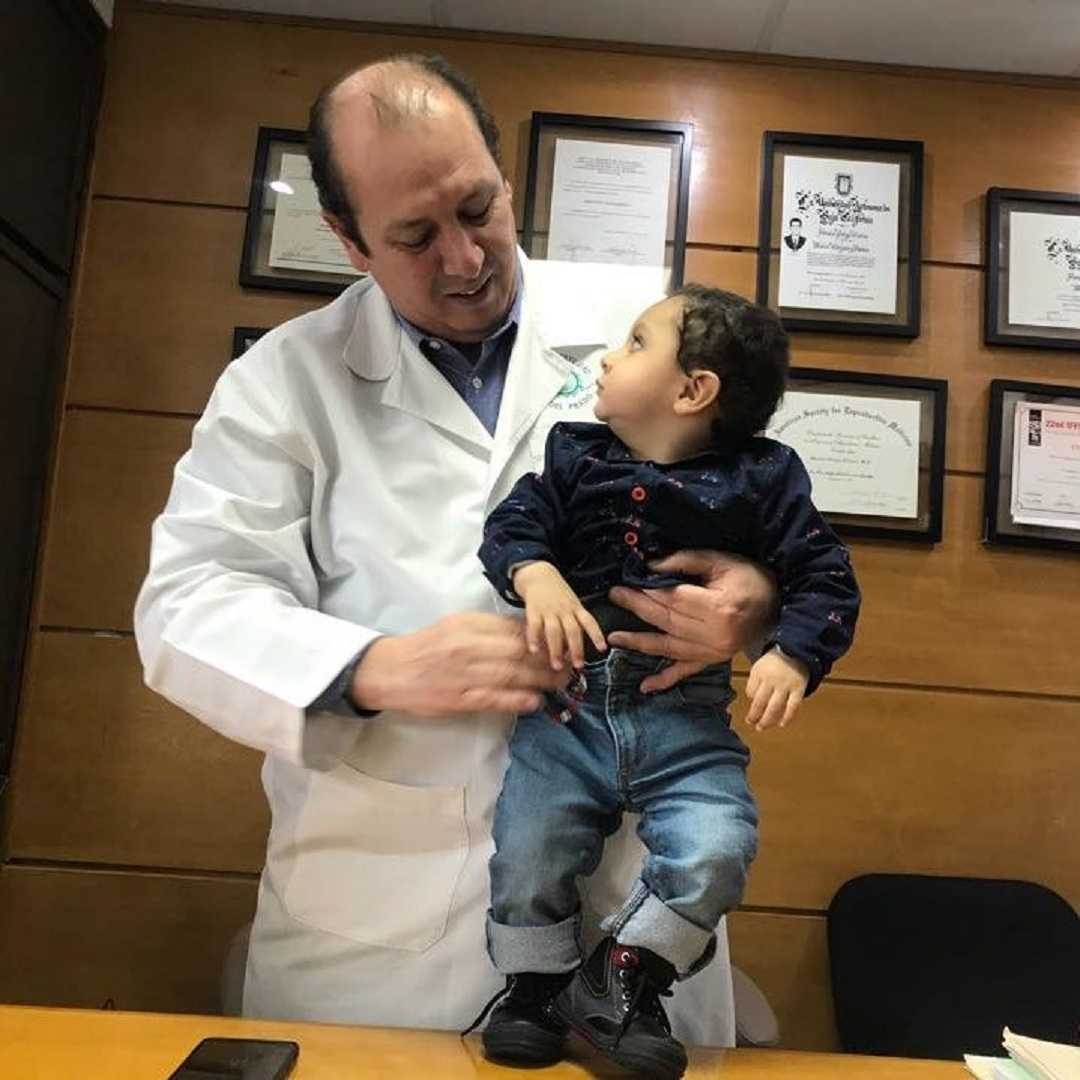


Dr. Francisco Javier Piri Sarmiento
Dr. Javier Piri Sarmiento - IVF Specialist in Tijuana Mexico
- IVF Specialist
Tijuana, Mexico
Advanced Innovation
Mexico's regulatory environment allows for the faster adoption of proven regenerative techniques compared to the stricter, slower processes in the US. This means Mexican clinics are often years ahead in offering stem cell protocols for fertility, giving patients access to the latest science today.
It puts the future of fertility within reach.
Cost Accessibility
Fertility treatments are rarely covered by insurance, making the out-of-pocket cost a major barrier. Mexico offers these advanced therapies at 60% less than US prices. This affordability allows patients to try the procedure without depleting their savings, preserving funds for potential future IVF rounds.
It makes hope affordable.
Ease of Travel
For North Americans, Mexico is a short flight away. Cities like Cancun and Mexico City are well-connected hubs. The ability to fly down, have the procedure, and fly back within a few days makes it a convenient option for busy professionals or those who want to keep their treatment private.
It is a low-stress logistical journey.
Do not give up on your dream of motherhood. PlacidWay connects you with Mexico's most advanced fertility centers, offering you a trusted path to Ovarian Rejuvenation.
Clinic Vetting
We rigorously screen clinics for safety standards, lab quality, and physician credentials to ensure you receive world-class care.
Direct Access
Speak directly with fertility specialists to discuss your hormone levels and medical history before you even book a flight.
Transparent Pricing
Get clear, itemized quotes for PRP or Stem Cell protocols, helping you compare costs and plan your budget effectively.
Travel Logistics
Our partners assist with airport transfers and recommend fertility-friendly hotels, ensuring your trip is smooth and relaxing.
Patient Advocacy
We support you from the first inquiry through to your follow-up hormone tests, ensuring you never feel alone on this journey.
Proven Success
Access verified testimonials and case studies to see how other women have successfully revitalized their fertility in Mexico.
Take the first step towards renewed possibility. Contact PlacidWay today for a free, personalized consultation and learn more about Ovarian Rejuvenation in Mexico.
Get Your Free Personalized Quote.png)
-Package-at-Advanced-Fertility-Center-Cancun,-Cancun,-Mexico.png)

.png)
.png)
.png)
.png)




.jpg)
.jpg)
.jpg)
.jpg)








Share this listing