


Understanding Stem Cell Therapy for SCI in Mexico
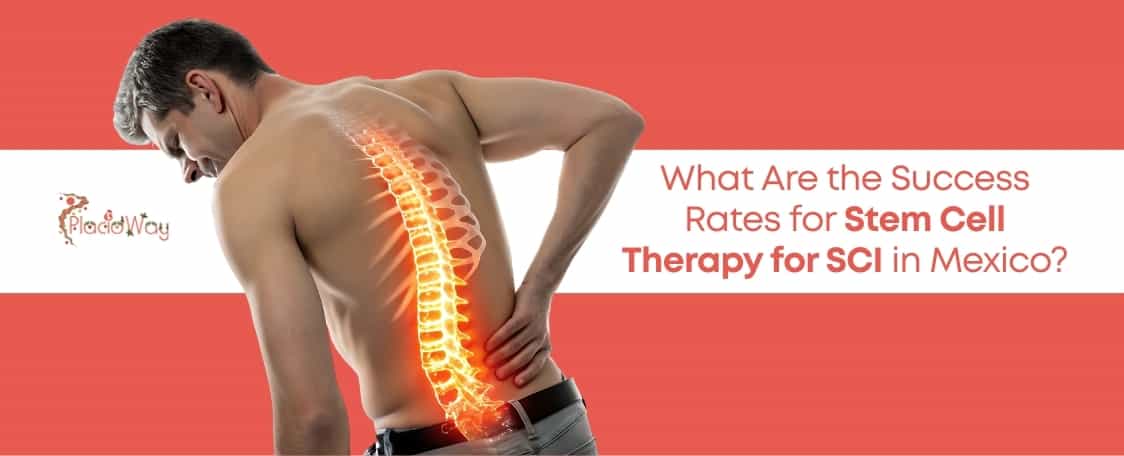
When you're dealing with a spinal cord injury, hope for improvement becomes incredibly important. Stem cell therapy has emerged as a potential avenue for recovery, and Mexico has become a notable destination for these treatments. It's natural to have many questions, especially concerning what "success" truly means and what kind of outcomes are realistic.
This blog post aims to cut through the confusion and provide clear, straightforward answers about stem cell therapy for SCI in Mexico. We'll explore the reported success rates, discuss safety aspects, delve into the types of cells used, and guide you through what to expect if you're considering this treatment option. Our goal is to equip you with reliable information so you can make informed decisions about your health journey.
What are the success rates for stem cell therapy for SCI in Mexico?
The term "success" in the context of stem cell therapy for spinal cord injury (SCI) is not always about a complete reversal of the injury, but rather about achieving meaningful improvements that enhance a patient's quality of life. In Mexico, clinics offering stem cell therapy for SCI often report positive outcomes, which can range from subtle sensory gains to significant motor function recovery.
These improvements might include:
- Increased muscle strength and motor control
- Restoration of sensation below the injury level
- Reduction in neuropathic pain and spasticity
- Improved bladder and bowel function
- Better overall independence and mobility
It's important to understand that outcomes are highly individualized, depending on factors such as the severity and age of the injury, the patient's overall health, and the specific stem cell protocol used. While official, large-scale clinical trial data specific to all Mexican clinics might be limited, patient testimonials and smaller studies frequently highlight encouraging results.
Is stem cell therapy for SCI in Mexico safe?
The safety of stem cell therapy in Mexico largely depends on the clinic's reputation, the expertise of its medical staff, and the quality of its protocols. Mexico has a robust medical tourism industry, with many clinics operating under strict regulations set by the Federal Commission for the Protection against Sanitary Risks (COFEPRIS). Reputable clinics prioritize patient safety through comprehensive screening, sterile environments, and rigorous quality control for stem cell processing.
Potential risks, though rare in accredited facilities, can include:
- Infection at the injection site
- Immune reactions
- Tumor formation (extremely rare with adult mesenchymal stem cells)
- Allergic reactions to administered substances
To mitigate these risks, it is crucial for patients to thoroughly research clinics, ask about their accreditation, read patient reviews, and understand the source and type of stem cells being used. A transparent clinic will readily provide this information and explain any potential side effects.
What types of stem cells are used for SCI treatment in Mexico?
Mesenchymal Stem Cells (MSCs) are the most common type of stem cells utilized in Mexico for spinal cord injury treatment. MSCs are multipotent stromal cells that can differentiate into various cell types, including bone, cartilage, and fat cells. More importantly for SCI, they have powerful paracrine effects, meaning they release growth factors, cytokines, and other molecules that promote tissue repair, reduce inflammation, and protect existing neural cells.
These MSCs can be sourced from several areas:
- Umbilical Cord Tissue (UCT-MSCs): Often considered a superior source due to their abundant quantity, high proliferative capacity, and low immunogenicity, meaning a lower risk of rejection. They are collected after a healthy birth, posing no risk to the mother or baby.
- Adipose Tissue (ADSCs): Extracted from a patient's own fat through a mini-liposuction procedure. They are readily available and can be harvested in large quantities.
- Bone Marrow (BM-MSCs): Harvested from a patient's own bone marrow, typically from the hip bone. This is another autologous (patient's own cells) source.
The choice of stem cell source can depend on the clinic's expertise, the patient's condition, and the specific treatment protocol designed to address the SCI. Clinics in Mexico often prefer umbilical cord-derived MSCs due to their robust therapeutic potential and ethical sourcing.
What kind of improvements can be expected after SCI stem cell therapy?
The improvements observed after stem cell therapy for SCI are highly individual and can manifest in various ways, often subtly at first, then progressing over several months. It's crucial for patients and their families to maintain realistic expectations, as a complete "cure" for SCI is not typically the outcome. Instead, the focus is on functional gains and an improved quality of life.
Commonly reported improvements include:
| Category of Improvement | Specific Examples |
|---|---|
| Motor Function | Increased strength in limbs, ability to move previously paralyzed digits, improved balance, better walking ability (with or without assistance). |
| Sensory Perception | Return of touch, temperature, or pressure sensation below the injury site, reduction in numbness or tingling. |
| Pain & Spasticity | Significant reduction in neuropathic pain, decreased frequency and intensity of muscle spasms. |
| Autonomic Function | Improved bladder and bowel control, better temperature regulation, reduced instances of autonomic dysreflexia. |
| Quality of Life | Increased independence in daily activities, enhanced sleep quality, improved mood and psychological well-being. |
These changes typically occur gradually over several months post-treatment and are often supported by concurrent physical rehabilitation to maximize the functional gains.
How much does stem cell therapy for SCI cost in Mexico?
The cost of stem cell therapy for spinal cord injury in Mexico is a significant consideration for many patients. It's important to understand that there isn't a single fixed price, as several factors influence the overall expense. These factors include the reputation and location of the clinic, the specific treatment protocol, the number of stem cell administrations, and any additional therapies or accommodations provided.
Generally, prices can start from around $10,000 for basic protocols and go upwards of $30,000 for more comprehensive packages that might include multiple infusions, extended stays, rehabilitation services, and follow-up care. Compared to similar treatments in countries like the United States or Europe, Mexico often offers these advanced therapies at a more accessible price point without compromising on quality or safety in reputable facilities.
When inquiring about costs, always ask for a detailed breakdown of what is included. This should cover consultation fees, diagnostic tests, the stem cell preparation and administration, post-treatment care, and any necessary medications. Some clinics may offer packages that bundle accommodation and transportation, which can be beneficial for international patients.
What factors influence the success of stem cell therapy for SCI?
Understanding the variables that can affect the outcome of stem cell therapy for SCI is crucial for setting realistic expectations. It's not a one-size-fits-all treatment, and individual responses can vary significantly. Several key factors play a role in determining the potential for success:
Here are some of the primary influencers:
- Patient Age: Younger patients often have a greater regenerative capacity and may respond more favorably to stem cell treatments.
- Injury Severity and Completeness: Patients with incomplete SCI, where some nerve connections remain, tend to show more promising results than those with complete spinal cord transections.
- Time Since Injury: While stem cell therapy can be beneficial for chronic injuries, earlier intervention, particularly in subacute phases, may lead to better outcomes as there is less scar tissue and a more conducive environment for repair.
- Type and Quality of Stem Cells: The specific source (e.g., umbilical cord, adipose, bone marrow) and the viability and potency of the administered stem cells are critical. High-quality, viable cells are essential for therapeutic effect.
- Method of Administration: The way stem cells are delivered (e.g., intrathecal, intravenous, directly into the injury site) can impact their ability to reach and act on the damaged spinal cord tissue.
- Post-Treatment Rehabilitation: Stem cell therapy acts as a biological "kick-start." Intensive and consistent physical, occupational, and neuro-rehabilitation are absolutely vital to "retrain" the nervous system and maximize any gains made from the stem cells.
- Patient's Overall Health: Underlying health conditions, nutritional status, and lifestyle choices can all affect the body's ability to heal and respond to treatment.
A comprehensive assessment by the treating clinic will take these factors into account when developing a personalized treatment plan.
How do I choose a reputable stem cell clinic for SCI in Mexico?
Selecting the right clinic for stem cell therapy for SCI in Mexico is perhaps the most critical step in your treatment journey. With the growing popularity of medical tourism, it's essential to perform thorough due diligence to ensure safety and efficacy. Here’s a checklist to guide your decision:
- Accreditation and Licensing: Verify that the clinic is fully licensed and accredited by COFEPRIS (Federal Commission for the Protection against Sanitary Risks), Mexico's health regulatory body. This ensures they meet national medical standards.
- Medical Team Expertise: Inquire about the qualifications, experience, and specialization of the doctors, nurses, and technicians involved in your care. Look for neurologists, neurosurgeons, or rehabilitation specialists with specific experience in SCI and stem cell applications.
- Transparency in Protocols: A reputable clinic will be open about their treatment protocols, including the type of stem cells used (e.g., umbilical cord MSCs), their sourcing, processing methods, dosage, and administration routes. They should also explain the scientific basis for their approach.
- Patient Testimonials and Reviews: Seek out genuine patient stories, reviews, and, if possible, connect with former patients. Be wary of clinics with overly aggressive marketing or guarantees of a "cure."
- Comprehensive Consultation: A good clinic will require a thorough review of your medical history, imaging (MRI, CT scans), and current condition before recommending a treatment plan. They should explain potential benefits, risks, and realistic expectations.
- Facility Standards: Ensure the clinic maintains high standards of hygiene, uses state-of-the-art equipment, and provides a comfortable, safe environment.
- Post-Treatment Support: Ask about follow-up care, recommendations for rehabilitation, and how they monitor patient progress after you return home.
What are the regulations for stem cell therapy in Mexico?
Mexico's regulatory framework for stem cell therapy, primarily governed by COFEPRIS, aims to balance innovation with patient safety. Unlike some countries where stem cell treatments are heavily restricted or only available under clinical trials, Mexico has developed a more permissive yet regulated environment. This allows for a broader range of therapeutic applications, including those for spinal cord injuries.
COFEPRIS guidelines cover various aspects, including:
- Licensing of Clinics and Labs: Facilities performing stem cell therapies must be officially licensed and regularly inspected.
- Quality Control of Cells: Regulations dictate the sourcing, processing, storage, and handling of stem cells to ensure their safety, viability, and sterility. This is particularly strict for allogeneic cells (from a donor, like umbilical cord).
- Ethical Standards: Guidelines address the ethical acquisition of donor cells, especially for umbilical cord-derived stem cells, ensuring informed consent and proper screening.
- Medical Supervision: Treatments must be administered by qualified medical professionals.
While the regulations are in place, the oversight can vary, making it crucial for patients to verify a clinic's adherence to these standards. Always ask for proof of COFEPRIS accreditation and inquire about their specific protocols for quality assurance.
What are the advantages of seeking SCI treatment in Mexico?
For individuals with spinal cord injuries, Mexico has emerged as a compelling destination for stem cell therapy, primarily due to several distinct advantages that attract international patients. These benefits contribute to a growing medical tourism sector focused on advanced regenerative treatments.
Key advantages include:
- Accessibility to Advanced Therapies: Mexico's regulatory environment allows for the therapeutic application of stem cells for conditions like SCI, which may still be under strict clinical trial limitations or unavailable in other countries. This offers a path to treatment that might otherwise be out of reach.
- Cost-Effectiveness: The cost of stem cell therapy in Mexico is often significantly lower than in the United States, Canada, or Western Europe, making cutting-edge treatments more affordable without necessarily sacrificing quality.
- High-Quality Medical Care: Many Mexican clinics catering to international patients boast state-of-the-art facilities, modern equipment, and highly trained medical professionals, including specialists with international experience and certifications.
- Reduced Waiting Times: Unlike some public healthcare systems, patients in Mexico can often access treatments much faster, reducing the critical waiting period for those seeking immediate intervention.
- Proximity for North Americans: For patients from the U.S. and Canada, Mexico offers convenient travel, often requiring shorter flights and less travel-related stress compared to destinations further afield.
- Comprehensive Care Packages: Many clinics offer all-inclusive packages that cover treatment, accommodation, transportation, and even post-treatment rehabilitation, simplifying the medical travel process.
These factors combine to make Mexico a viable and attractive option for those exploring stem cell therapy for SCI.
What should I consider when planning medical travel for SCI therapy to Mexico?
Planning medical travel for a specialized treatment like SCI stem cell therapy requires careful consideration to ensure a smooth and effective journey. Beyond choosing a reputable clinic, several logistical and practical aspects need to be addressed, especially for individuals with mobility challenges.
Here’s a checklist for your medical travel plan:
- Clinic Research and Communication: Start by thoroughly researching clinics as discussed previously. Communicate extensively with your chosen clinic to understand the entire process, from pre-treatment evaluations to post-treatment care.
- Financial Planning: Obtain a clear, itemized cost estimate. Understand what is included and what might be extra. Factor in travel, accommodation, food, local transportation, and any potential unforeseen expenses.
- Travel Logistics for Accessibility:
- Flights: Book flights that can accommodate your needs (e.g., aisle chair assistance, specific seating). Communicate your requirements to the airline in advance.
- Accommodation: Choose hotels or lodgings that are wheelchair accessible and close to the clinic. Many clinics assist with this.
- Local Transportation: Arrange for accessible transportation from the airport to your accommodation and to the clinic. Some clinics offer this as part of their package.
- Documentation: Ensure your passport is valid and you have any necessary visas (though many nationalities do not require a visa for short medical stays in Mexico). Bring all relevant medical records, including diagnostic reports and a list of current medications.
- Travel Insurance: Consider purchasing travel insurance that covers medical emergencies and travel disruptions, specifically noting any pre-existing conditions.
- Companionship: It is highly recommended to travel with a companion who can assist you, especially given the nature of SCI and the treatment.
- Post-Treatment Plan: Discuss the recovery timeline, expected physical therapy, and any specific instructions for care once you return home. Understand how the clinic will provide remote follow-up or communicate with your local healthcare providers.
By carefully planning these aspects, you can minimize stress and focus on your treatment and recovery journey in Mexico.
If you're exploring options for advanced healthcare services, including stem cell therapy for spinal cord injury in Mexico or other global destinations, consider reaching out to PlacidWay. PlacidWay is a leading medical tourism platform that connects patients with world-class clinics and hospitals, offering comprehensive support and personalized guidance to help you find the best solutions for your health needs.





















Share this listing