


IVF process in Mexico from start to finish

Considering IVF can be a significant and often emotional step for many individuals and couples hoping to build a family. It's a journey filled with hope, anticipation, and naturally, a lot of questions. If you've been exploring options for fertility treatment, you might have come across Mexico as a prominent and increasingly appealing destination. It's completely understandable to have concerns and queries, especially when considering medical care in another country. The journey through In Vitro Fertilization (IVF) is a detailed and multi-stage process, and understanding each step thoroughly can help you feel more prepared, confident, and in control of your treatment plan.
The IVF process in Mexico offers a comprehensive and accessible solution for individuals and couples facing infertility challenges, drawing a growing number of international patients. This appeal is largely due to Mexico's compelling combination of state-of-the-art medical facilities, highly experienced fertility specialists, and often more competitive costs compared to what you might find in the United States or Canada. From your very first initial consultation and diagnostic tests to the crucial steps of ovarian stimulation, egg retrieval, fertilization, embryo transfer, and finally, the exciting moment of a pregnancy test, the entire process is meticulously structured. Clinics in Mexico aim to provide the best possible chance of success while prioritizing patient comfort, safety, and personalized care. This detailed guide will walk you through each stage of the IVF journey in Mexico, addressing common questions and providing essential insights into what you can truly expect when undergoing this life-changing fertility treatment.
Why Choose Mexico for IVF Treatment?
Mexico has emerged as a leading destination for fertility treatment, particularly for those seeking IVF. One of the primary reasons is the significant cost savings without compromising on quality. Mexican fertility clinics often provide services at a fraction of the price found in countries like the U.S. or Canada, making advanced reproductive technology accessible to more people. Beyond cost, these clinics boast modern equipment, highly trained specialists, and adhere to international standards of care.
Moreover, Mexico's legal environment for IVF is generally more permissive and less restrictive than in some other nations, allowing for a broader range of treatment options, including egg donation, sperm donation, and even surrogacy in certain states, although it's crucial to verify current regulations. The convenience of travel, often shorter wait times, and the opportunity to combine treatment with a recovery vacation also contribute to Mexico's appeal as a medical tourism hub for the IVF process.
How Much Does IVF Cost in Mexico Compared to Other Countries?
The financial aspect is a major concern for many considering IVF. Mexico offers a clear advantage here. A standard IVF cycle in Mexico, which typically includes the initial consultations, ovarian stimulation medications, egg retrieval, fertilization, and embryo transfer, can range from $4,000 to $8,000. This is a considerable difference when compared to the average cost of an IVF cycle in the United States, which can often be $15,000 to $20,000 or more, not including medication.
The exact price will vary based on the specific clinic, the complexity of the case, and whether additional services are needed, such as:
- ICSI (Intracytoplasmic Sperm Injection): A technique to inject a single sperm into an egg.
- PGT (Preimplantation Genetic Testing): Screening embryos for genetic abnormalities.
- Egg/Sperm Donation: Costs associated with donor recruitment and compensation.
- Freezing Embryos/Sperm: For future use.
Despite these potential add-ons, the overall cost remains highly competitive, making Mexico a financially viable option for many seeking advanced fertility care.
What Are the Typical Stages of an IVF Cycle in Mexico?
The IVF journey is a carefully orchestrated sequence of medical procedures, each designed to maximize the chances of a successful pregnancy. Here's a breakdown of the typical stages you can expect:
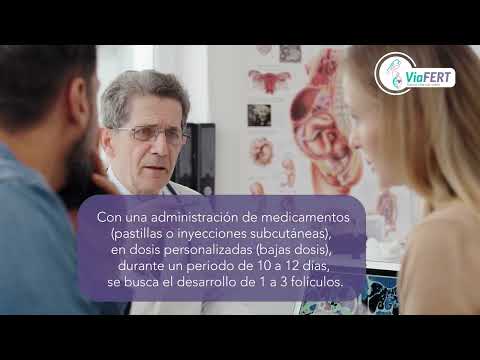
- Ovarian Stimulation (Follicle Stimulation): This stage involves daily injections of fertility medications (gonadotropins) for about 8-12 days. These medications stimulate the ovaries to produce multiple mature eggs, rather than the single egg typically released during a natural cycle. Throughout this period, you will have regular ultrasounds and blood tests to monitor follicle development and hormone levels, ensuring the optimal timing for egg retrieval.
- Trigger Shot: Once the follicles are mature, a "trigger shot" (usually hCG) is administered. This injection prompts the final maturation of the eggs and prepares them for retrieval within 34-36 hours.
- Egg Retrieval: This is a minor surgical procedure performed under light sedation. A thin needle, guided by ultrasound, is inserted through the vaginal wall to aspirate fluid from each follicle, collecting the eggs. The procedure typically takes 20-30 minutes, and patients usually recover quickly.
- Sperm Collection: On the same day as egg retrieval, a sperm sample is collected from the male partner. In cases of male factor infertility or if using donor sperm, the sample is prepared for fertilization.
- Fertilization (Insemination): In the laboratory, the retrieved eggs are combined with the prepared sperm. This can be done through conventional insemination (mixing eggs and sperm in a petri dish) or ICSI (Intracytoplasmic Sperm Injection), where a single sperm is injected directly into each egg, often used for male factor infertility.
- Embryo Culture: The fertilized eggs (now called embryos) are carefully monitored in an incubator for 3-5 days. During this time, they develop and divide, reaching either the cleavage stage (Day 2-3) or the blastocyst stage (Day 5-6). The embryologists assess their quality and development.
- Embryo Transfer: One or more selected embryos are gently transferred into the woman's uterus using a thin, flexible catheter. This procedure is typically painless and doesn't require anesthesia. The number of embryos transferred is discussed with your doctor, considering factors like age, embryo quality, and previous IVF attempts.
- Luteal Phase Support: After the transfer, progesterone medication is usually prescribed to support the uterine lining and enhance the chances of embryo implantation.
- Pregnancy Test: Approximately 10-14 days after the embryo transfer, a blood test is performed to detect pregnancy hormones (hCG).
Each of these stages is meticulously managed by the fertility team to ensure the highest possible success rate for your IVF process in Mexico.
What Initial Medical Tests Are Required Before Starting IVF in Mexico?
A thorough diagnostic evaluation is a critical first step in the IVF process. These tests help the fertility specialist understand your specific situation, identify any underlying issues, and tailor the most effective treatment plan. Many of these tests can often be completed in your home country before traveling to Mexico, and results shared with your chosen clinic.
For the female partner, common tests include:
- Hormone Blood Tests: To assess ovarian reserve and function, typically including FSH (Follicle-Stimulating Hormone), LH (Luteinizing Hormone), AMH (Anti-Müllerian Hormone), and Estradiol.
- Thyroid and Prolactin Levels: To check for hormonal imbalances that could affect fertility.
- Infectious Disease Screening: Tests for HIV, Hepatitis B and C, and Syphilis to ensure safety.
- Ultrasound: To evaluate the uterus, ovaries, and fallopian tubes, checking for structural abnormalities, fibroids, or cysts.
- Hysterosalpingogram (HSG) or Saline Infusion Sonogram (SIS): To assess the patency of the fallopian tubes and uterine cavity.
For the male partner, tests typically include:
- Semen Analysis: To evaluate sperm count, motility, morphology, and other factors.
- Infectious Disease Screening: Similar to the female partner (HIV, Hepatitis B and C, Syphilis).
- Hormone Tests: Occasionally, if male factor infertility is suspected, hormone levels like testosterone might be checked.
These initial evaluations are crucial to ensure a safe and effective IVF process in Mexico, allowing the medical team to optimize your chances of success.
How Long Does the Entire IVF Process Typically Take in Mexico?
For international patients, understanding the timeline is essential for travel planning. The hands-on portion of the IVF process in Mexico, from the beginning of ovarian stimulation to the embryo transfer, usually requires you to be in Mexico for approximately 14 to 21 days. This allows for daily medication, regular monitoring appointments, and the procedures for egg retrieval and embryo transfer.
Here's a breakdown:
- Pre-cycle preparation (at home): 1-4 weeks (initial tests, consultation, birth control pill if prescribed).
- Travel to Mexico: Arrive before stimulation begins.
- Ovarian Stimulation and Monitoring: 8-12 days in Mexico.
- Egg Retrieval: Day 12-14 of stimulation.
- Fertilization and Embryo Culture: 3-5 days after retrieval.
- Embryo Transfer: Day 3 or Day 5 after retrieval.
- Post-transfer rest: It's often recommended to stay in Mexico for a day or two after transfer before flying.
While the active treatment itself is relatively short, clinics often suggest a preparatory phase that can last a few weeks or even months, involving lifestyle adjustments and preliminary testing. Many patients choose to arrive a few days before stimulation begins to settle in and attend an initial in-person consultation. The entire IVF process, from initial decision to pregnancy test, should be viewed as a multi-week commitment, requiring careful coordination with your chosen clinic.
What Are the Success Rates for IVF in Mexico?
When considering IVF, success rates are a primary concern for everyone. Mexican fertility clinics, particularly those catering to international patients, often report success rates that are on par with, or even exceed, those of top clinics in the United States and Europe. For women under 35, pregnancy rates per embryo transfer can frequently be in the range of 40% to 60% or even higher, especially when using fresh embryos. For older women, these rates naturally decrease due to age-related decline in egg quality, but advanced techniques like PGT (Preimplantation Genetic Testing) and egg donation can significantly improve outcomes.
Several factors influence IVF success rates:
- Female Age: The most significant factor, as egg quality and quantity decline with age.
- Cause of Infertility: Some conditions (e.g., severe male factor, unexplained infertility) may have different prognoses.
- Embryo Quality: High-quality embryos are more likely to implant.
- Clinic Expertise: The experience of the fertility specialists, embryologists, and the quality of the lab play a crucial role.
- Number of Embryos Transferred: While transferring more embryos might increase pregnancy rates, it also raises the risk of multiple pregnancies.
- Lifestyle Factors: Diet, weight, smoking, and stress can also play a part.
Reputable clinics in Mexico will openly share their success rates, often broken down by age group and treatment type. It's important to discuss these statistics with your doctor and understand how they apply to your specific situation.
Are There Specific Legal Considerations or Regulations for IVF in Mexico?
The legal landscape for reproductive technology in Mexico is generally quite favorable, which contributes to its popularity for medical tourism. Unlike some countries with strict national laws, many aspects of IVF are regulated at the state level, leading to some variations. In most states, procedures such as egg donation, sperm donation, and embryo donation are legally permissible and commonly practiced. This flexibility allows a wider range of patients to access necessary fertility treatments.
However, it is crucial for patients, especially international ones, to be aware of the nuances, particularly concerning surrogacy. While some states have established frameworks for surrogacy, others may have limited or no explicit regulations, and the laws can change. Therefore, it is highly recommended to:
- Consult with your chosen clinic: They should be knowledgeable about the specific state laws relevant to your treatment plan.
- Seek legal advice: For complex cases, especially those involving third-party reproduction (donation, surrogacy), consulting with a local lawyer specializing in family and reproductive law is advisable to ensure all aspects are compliant and legally sound in both Mexico and your home country.
- Understand parental rights: Ensure you understand the legal process for establishing parental rights in your home country, especially if using donor gametes or surrogacy.
Overall, Mexico's legal environment is supportive of fertility treatments, but due diligence on state-specific laws is always recommended for a smooth and secure IVF process.
How Do International Patients Prepare and Plan for IVF Treatment in Mexico?
Planning for IVF as an international patient requires careful coordination, but many Mexican clinics are well-versed in assisting global clients. Here's a step-by-step guide:
- Research and Select a Clinic: Start by researching clinics that specialize in international patients. Look for accreditations, success rates, patient testimonials, and transparent communication.
- Initial Consultation & Diagnostics: Most clinics offer virtual consultations to discuss your medical history, review previous test results, and outline a preliminary treatment plan. Many initial diagnostic tests can be performed in your home country and sent to the Mexican clinic.
- Financial Planning: Obtain a detailed cost breakdown from the clinic, including all procedures, medications, and potential extra costs. Plan your budget, considering travel, accommodation, and living expenses during your stay.
- Travel Arrangements: Book flights and accommodation well in advance. Many clinics can recommend nearby hotels or provide concierge services to assist with arrangements. Ensure you have a valid passport and check visa requirements if applicable.
- Medication Management: Discuss with your clinic how you will obtain your IVF medications. Some clinics may prescribe them locally in Mexico, while others might provide options for obtaining them internationally. Understand storage and administration instructions.
- Support System: Consider traveling with a companion for emotional support, especially during procedures like egg retrieval.
- Communication: Establish clear communication channels with your clinic. Many staff members are bilingual and experienced in assisting international patients, but confirm language support if needed.
By meticulously planning each of these aspects, international patients can navigate the IVF process in Mexico with greater ease and confidence.
What Should I Expect During and After the Embryo Transfer in Mexico?
The embryo transfer is a pivotal and often highly anticipated moment in the IVF process. It's a relatively simple, outpatient procedure that typically doesn't require anesthesia. Here’s what you can expect:
During the Transfer:
- You will lie on an examination table, similar to a routine gynecological exam.
- The doctor will use a speculum to visualize your cervix.
- A thin, flexible catheter containing the embryo(s) is passed through your cervix into the uterus. Ultrasound guidance is often used to ensure precise placement.
- The embryo(s) are gently released into the uterine cavity.
- The procedure is usually quick, lasting only a few minutes, and most patients experience little to no discomfort, perhaps some mild cramping.
After the Transfer:
- You may be asked to rest briefly at the clinic, typically for 15-30 minutes, though prolonged bed rest has not been shown to improve success rates.
- You will continue with progesterone medication, which helps support the uterine lining and potential implantation. This is usually taken daily until the pregnancy test or beyond, if pregnancy is confirmed.
- You might experience some mild cramping, spotting, or bloating, which are common and usually not a cause for concern.
- Doctors usually advise avoiding strenuous activities, heavy lifting, and hot baths for a few days. Gentle, normal activities are generally fine.
- The "two-week wait" begins – the period between embryo transfer and the pregnancy test. This can be emotionally challenging, so try to keep yourself distracted and avoid stress.
Finally, approximately 10 to 14 days after the transfer, a blood test will be performed to determine if pregnancy has occurred. This is a crucial step in the IVF process in Mexico, marking the culmination of your treatment cycle.
How Do I Choose a Reputable IVF Clinic in Mexico?
Selecting the right IVF clinic is one of the most critical decisions in your fertility journey. A reputable clinic will not only offer high success rates but also provide exceptional patient care and support. Here are key factors to consider:
- Accreditation and Certifications: Look for clinics accredited by international bodies (like JCI - Joint Commission International) or local health authorities that ensure adherence to high medical standards. This signifies a commitment to quality and safety.
- Experience and Qualifications of Specialists: Research the fertility doctors and embryologists. They should have extensive experience in reproductive medicine, relevant certifications, and be members of professional organizations.
- Success Rates: Ask for detailed success rates, broken down by age groups, type of treatment (e.g., fresh vs. frozen, own eggs vs. donor eggs). Be wary of clinics that promise unusually high rates without clear data.
- Technology and Laboratory Quality: Ensure the clinic uses state-of-the-art laboratory equipment and techniques. The embryology lab is the heart of an IVF clinic, and its quality significantly impacts outcomes.
- Transparency in Pricing: A reputable clinic will provide a clear, detailed breakdown of all costs upfront, including medications, procedures, and any potential additional fees.
- Patient Support and Communication: Look for clinics that offer excellent patient support, including dedicated coordinators for international patients, language assistance, and readily available channels for communication with your medical team.
- Patient Reviews and Testimonials: Check online reviews, forums, and patient testimonials. Real-world experiences can offer valuable insights into a clinic's care, professionalism, and results.
Choosing a clinic that aligns with your needs and makes you feel comfortable and confident in the IVF process in Mexico is paramount for a positive experience and successful outcome.
Ready to explore your options for IVF in Mexico or other medical treatments abroad? Visit PlacidWay today to connect with top-tier clinics and unlock a world of healthcare solutions.





.png)






.png)








Share this listing