
What treatment


21+ Best Clinics for In Vitro Fertilization IVF in Mexico
Trusted Medical Tourism Platform Since 2007
What are the best IVF and fertility clinics in Mexico?
The top IVF and fertility clinics in Mexico include ViaFERT (Culiacan and Mazatlan), Centro de Fertilidad del Prado (Tijuana), Eligen Fertility Center (Gustavo A. Madero), Fertility Beyond Borders (Tijuana, Guadalajara, Cancun), The Fertility Center Mexico (Tijuana), FertilyLife (Cancun), and Medica Fertil (Queretaro).
These COFEPRIS and RedLARA-certified facilities offer advanced reproductive medicine, including In Vitro Fertilization (IVF), ICSI, IUI, egg donation, genetic screening (PGD/PGS), and surrogacy. Standard IVF treatment costs range from $4,000 to $10,200 USD, providing highly affordable family-building options compared to the United States while maintaining advanced laboratory standards and personalized patient care.

 100.00% Patient Recommend
Centro de Fertilidad del Prado


Overview
Del Prado Fertility Center, recognized as one of the best fertility clinics in Tijuana, Mexico, provides advanced fertility treatments, personalized care, and address reproductive challenges.
Read more details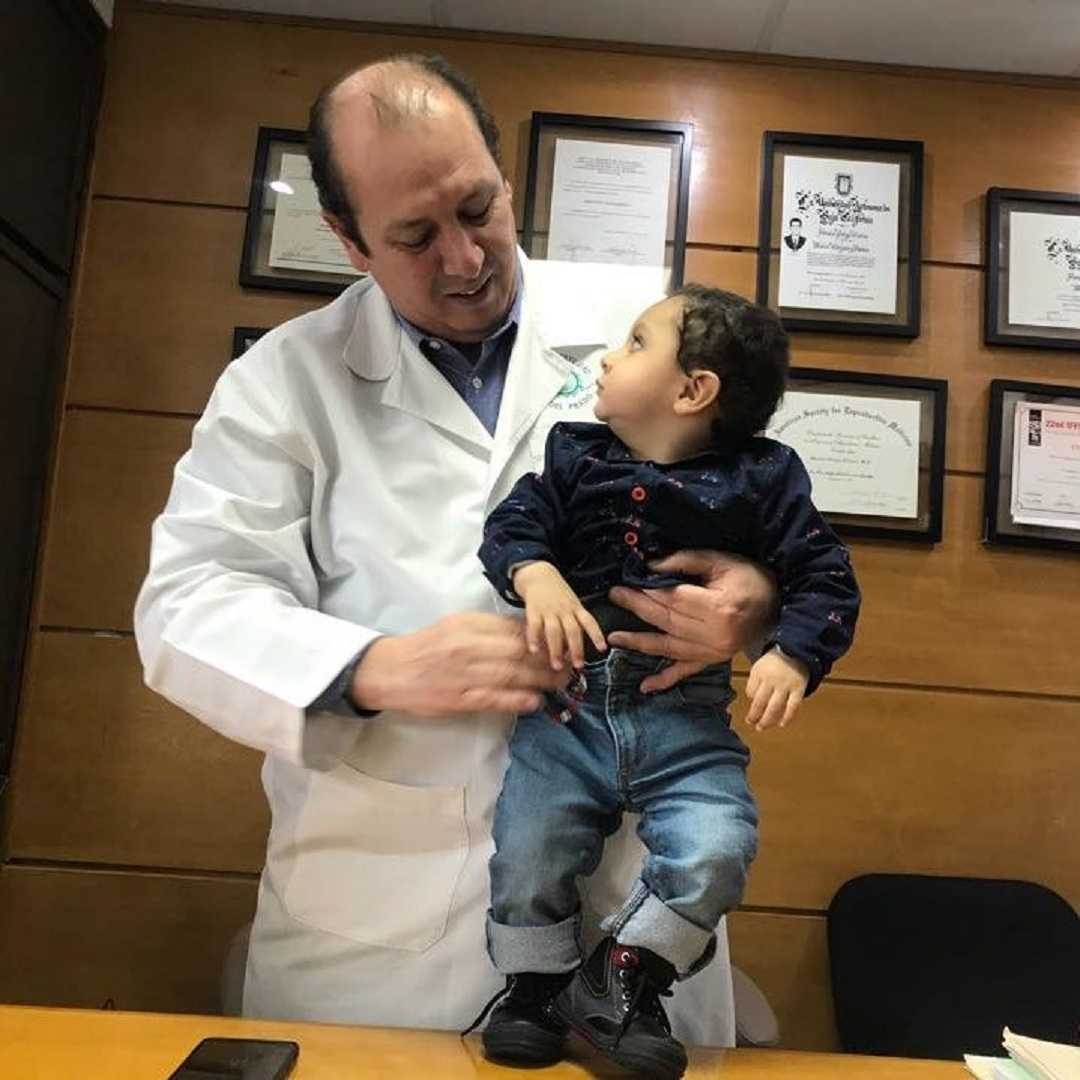

 100.00% Patient Recommend
Dr. Javier Piri Sarmiento - IVF Specialist in Tijuana Mexico

Overview
Dr. Javier Piri, fertility and reproductive medicine expert in Tijuana. Personalized IVF treatments to help you start your family.
Read more details


Eligen Fertility Center
Overview
Eligen Fertility Center in Gustavo Adolfo Madero, Mexico offers surrogacy, IVF, ICSI, semen freezing, IUI, and ovulation induction services.
Read more details
 100.00% Patient Recommend
Fertility Beyond Borders - Dr. Felix Atondo
Overview
Discover leading IVF clinic in Tijuana, Mexico. Fertility Beyond Borders offers expert fertility solutions for your journey. Book now at PlacidWay!
Read more details
Discover your treatment options with a free, no-obligation quote!
Get your quote now! 81.82% Patient Recommend
IREGA Cancun (Institute of Reproduction, Gynecology and Genetics)
Overview
Choose IREGA in Cancun, Mexico, for IVF, fertility treatments, egg donation, genetic testing, and personalized reproductive care.
Read more details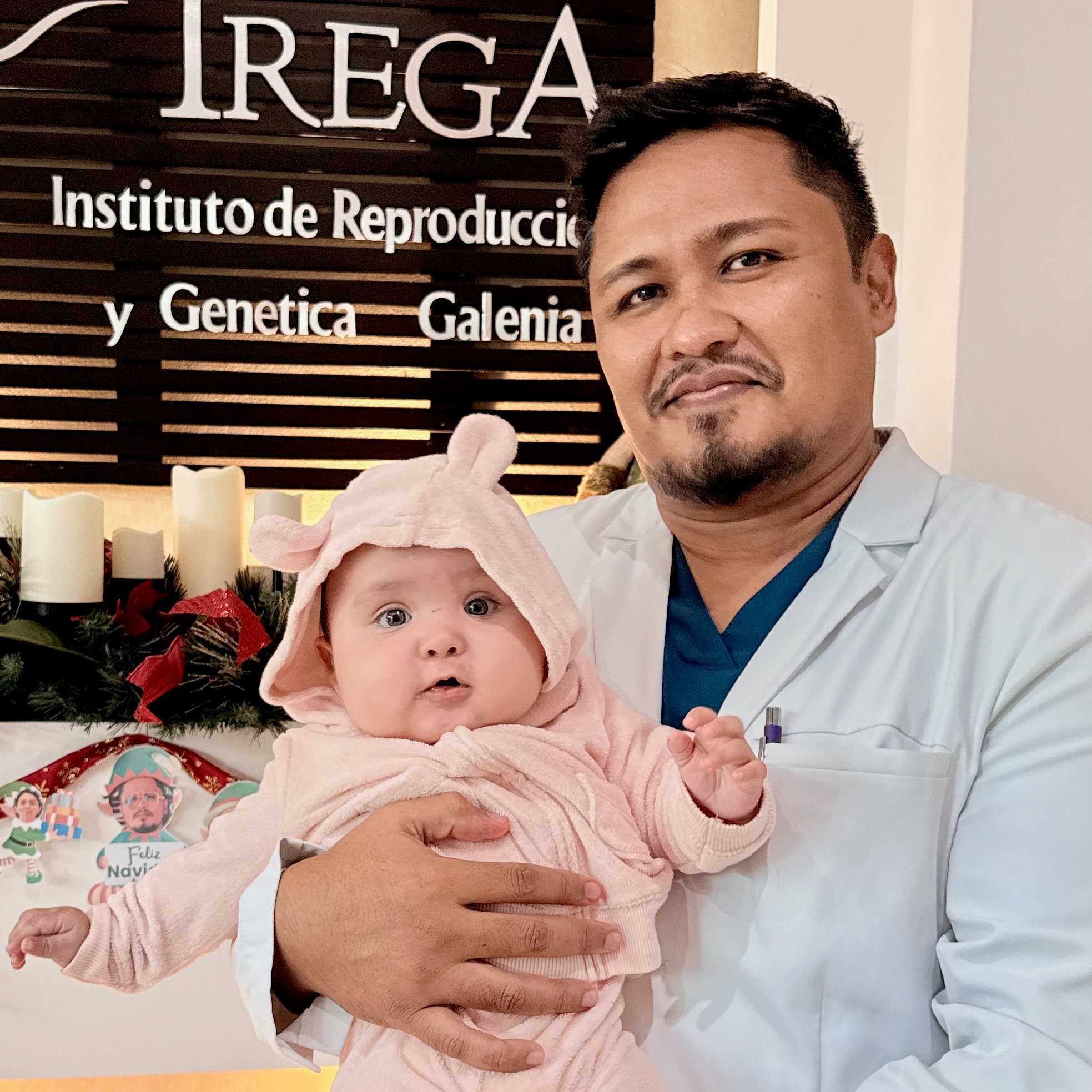


IVF Clinic in Mexico ViaFERT Culiacan
Overview
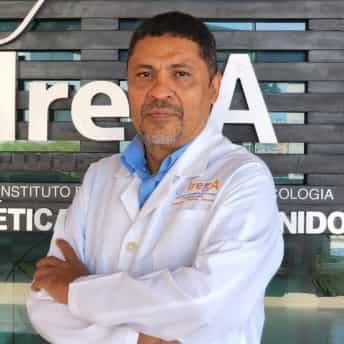
ViaFERT is a fertility clinic in Culiacan, Sinaloa, Mexico. On-site services include IUI, IVF/ICSI, egg retrieval, embryo transfer, egg freezing and storage, obstetric care and reproductive surgery.
Read more details



The Fertility Center Mexico
Overview
The Fertility Center Mexico is a top IVF clinic in Tijuana, Mexico, offering advanced fertility treatments for your parenthood journey.
Read more details

Eligen Fertility Center | Spanish Profile
Overview
Eligen Fertility Center en Gustavo Adolfo Madero, Mexico ofrece servicios de gestacion subrogada, FIV, ICSI, congelacion de semen, IUI e induccion de ovulacion.
Read more detailsDiscover your treatment options with a free, no-obligation quote!
Get your quote now!
FertilyLife
Overview
Discover FertilyLife, the premier IVF Treatment Center in Cancun, Mexico. Offering surrogacy, egg donation, ICSI, embryo cryopreservation and more.
Read more details 66.67% Patient Recommend
Medica Fertil
Overview
Medica Fertil provides best IVF Treatment in Queretaro, Mexico. Book online now IVF with Gender Selection, In Vitro Fertilization, and Intrauterine insemination at Medica Fertil.
Read more details



Baja Fertility Services - IVF Clinic Tijuana Mexico
Overview
Discover Baja Fertility Services, a leading IVF clinic in Tijuana, Mexico, offering advanced fertility treatments and personalized patient care.
Read more details 100.00% Patient Recommend
Consultorio Privado
Overview
Consultorio Privado in Merida, Mexico provides expert women's care, fertility solutions, comprehensive obstetrics, and advanced gynecological treatments.
Read more details 100.00% Patient Recommend
DR CIGUENA FERTILITY CENTER
Overview
DR CIGÜEÑA FERTILITY CENTER in Mexicali, Mexico specializes in Infertility and Reproductive Medicine and offers the best-assisted reproduction treatments for those who wish to conceive and had difficulty achieving it.
Read more details 100.00% Patient Recommend
Fertilidad Integral
Overview
Discover Mexico City's leading IVF fertility clinic. Fertilidad Integral offers premier treatment with compassion and expertise. Book your consultation today!
Read more details
Hestia Fertility
Overview
Discover expert fertility care at Hestia Fertility in Juarez, Mexico. Personalized treatments, advanced labs, and compassionate support await you.
Read more details 80.00% Patient Recommend
Inovavita Fertility Clinic
Overview
Inovavita Fertility Clinic in Mexico City, Mexico, offers Reproductive Medicine services in Women's Health and Fertility treatments, which range from Gynecology to Reproductive and Genetic Medicine.
Read more details
IREGA Acapulco
Overview
IREGA IVF Acapulco is a leading clinic in Mexico offering reproductive health and infertility treatment solutions for local and international patients. Their key treatment procedures include IVF, artificial Insemination, PGD, ICSI, Assisted Hatching, Egg Donation, Sex Selection and more.
Read more details
IVF Clinic in Mexico ViaFERT Mazatlan
Overview
ViaFERT is a fertility clinic in Mazatlan, Sinaloa, Mexico. On-site services include IUI, IVF/ICSI, egg retrieval, embryo transfer, egg freezing and storage, obstetric care and reproductive surgery.
Read more details 100.00% Patient Recommend
PROVIDA
Overview
Renowned for offering some of the less expensive IVF options, the clinic provides top-tier fertility treatments and regenerative medicine. With more than 20 years of expierence.
Read more details 100.00% Patient Recommend
UNILIVE
Overview
UNILIVE is an assisted reproduction unit in Puebla City, Puebla, Mexico, offering affordable fertility treatments for local and international patients.
Read more detailsWhy Mexico is the Leading Destination for In Vitro Fertilization & Fertility Treatment
Mexico has emerged as a world-class hub for reproductive medicine, combining cutting-edge genetic technology with highly compassionate patient care. Discover why thousands of hopeful parents journey south of the border to realize their dreams of starting a family.
Elite Reproductive Laboratories
Mexican fertility clinics are equipped with state-of-the-art incubation systems, clean-room environments, and advanced micromanipulation tools that match or exceed North American standards. This ensures optimal embryo development, high blastocyst conversion rates, and industry-leading success profiles across all age demographics.
Inclusive Legal Framework
Mexico offers a welcoming regulatory landscape for fertility treatments. Unlike many European or Middle Eastern countries, Mexico allows IVF, egg donation, and genetic screening for single parents, unmarried partners, and LGBTQ+ couples, making parenthood accessible to everyone.
Affordable, All-Inclusive Care
The financial burden of fertility care can be overwhelming in the United States and Canada. In Mexico, comprehensive IVF cycles, including advanced embryology and medications, are available at a fraction of the cost, eliminating high-interest medical debt for intended parents.
Stress-Free Healing Settings
High stress and elevated cortisol levels can negatively impact the success of embryo transfer cycles. Recovering and undergoing treatment in Mexico's tranquil coastal environments or comfortable cultural capitals helps patients relax, physically and mentally, during their delicate IVF journey.
In Vitro Fertilization Costs: Mexico vs. United States & Canada (2026)
Compare projected 2026 pricing for comprehensive fertility treatments. Mexican clinics provide transparent, bundled packages that prevent hidden fees and make building a family financially viable.
| Procedure | Mexico Price | US / UK Price | You Save | Savings % |
|---|---|---|---|---|
| Standard IVF Cycle (Stimulation & Transfer) | $4,500–$6,500 | $15,000–$22,000 | $10,500+ | 70% |
| IVF with ICSI Micromanipulation | $5,200–$7,500 | $17,500–$25,000 | $12,300+ | 70% |
| IVF with Donor Eggs (All-Inclusive Cycle) | $8,000–$11,500 | $24,000–$35,000 | $16,000+ | 67% |
| PGT-A Genetic Screening (up to 8 Embryos) | $2,500–$4,000 | $6,000–$9,000 | $3,500+ | 58% |
* Prices are 2026 estimates based on verified PlacidWay partner clinics in Mexico. Total costs vary depending on required hormonal medications, physical diagnostics, egg donor matching, and laboratory genetic tests. Request a free quote for customized pricing.
Comparing Mexico's Premier Fertility Treatment Cities
If you are considering Mexico for IVF, choosing the right city can shape your entire experience. Here is how the top destinations compare in expertise, accessibility, and lifestyle.
Cancun
Caribbean Coast
Combines elite, internationally accredited embryology labs with a stress-free tropical backdrop. It is highly favored by North American and European travelers seeking a relaxing vacation environment to optimize hormonal and emotional wellness during the embryo transfer phase.
Tijuana
San Diego Border
The ultimate choice for patients on the US West Coast who prefer to drive across the border or utilize San Diego International Airport. Excellent for rapid, single-day diagnostic checkups and medication monitoring without high flight costs.
Mexico City
Central Metropolis
The country's academic and clinical epicenter, hosting massive fertility research networks and globally recognized reproductive endocrinologists. Perfect for complex cases involving severe male-factor infertility or repeated pregnancy loss requiring deep academic pathology.
Guadalajara
Known as Mexico's medical and tech capital, providing cutting-edge biomedical developments and high-tech labs at highly competitive rates. Intended parents benefit from exceptional local infrastructure, rich cultural heritage, and lower pricing than coastal resort zones.
Comprehensive Fertility Procedures in Mexico
From basic fertility tracking to advanced genetic diagnostics, Mexico's elite clinics provide the full medical spectrum to guide you safely toward a successful pregnancy.
Intracytoplasmic Sperm Injection (ICSI)
$5,200 – $7,500A highly specialized laboratory technique where a single, healthy sperm is micro-injected directly into a mature egg. This bypasses structural barriers, high sperm DNA fragmentation, and low motility, resulting in significantly higher fertilization rates compared to standard insemination.
Save $12,000+ vs. US prices
IVF with Egg Donation
$8,000 – $11,500Tailored for women with diminished ovarian reserve or advanced age. Mexican clinics feature diverse, deeply screened egg donor databases, utilizing young, exceptionally healthy donors to ensure high embryo viability and optimal blastocyst success.
Save $16,000+ vs. US prices
PGT-A Embryo Genetic Screening
$2,500 – $4,000Analyzes the chromosomal health of developing blastocysts prior to transfer. By identifying and selecting genetically normal (euploid) embryos, PGT-A significantly reduces miscarriage risk, speeds time to successful pregnancy, and allows for optional gender family balancing.
Save $5,000+ vs. US prices
Gestational Carrier Paths
$38,000 – $55,000For intended parents who cannot biologically carry a pregnancy. Supported by rigorous legal drafting in select progressive Mexican states, this process ensures secure legal frameworks, placing the intended parents' names directly on the birth certificate.
Save $80,000+ vs. US prices
How to Select the Ideal Fertility Clinic in Mexico
Embarking on a fertility journey abroad requires deep trust. Follow our structured checklist to safely identify and partner with Mexico's most elite IVF clinics.
Verify Medical & Laboratory Accreditations
Confirm the clinic is fully registered with COFEPRIS (Mexico's healthcare regulator) and meets laboratory standards certified by REDLARA (Latin American Network of Assisted Reproduction) to ensure international-level safety and accuracy.
Evaluate Doctor Credentials & Associations
Review the credentials of the treating reproductive endocrinologists. Ensure they hold active memberships in global associations like ASRM (American Society for Reproductive Medicine) or ESHRE (European Society of Human Reproduction and Embryology).
Request Age-Specific Success Rates
Do not rely on generalized "global" success rates. Ask the clinic for precise clinical pregnancy and live birth rates for your exact age group, distinguishing between autologous (own egg) and donor egg cycles.
Insist on Full Price Transparency
Fertility protocols can quickly accumulate unexpected costs. Insist on a written breakdown that details medication costs, laboratory cultivation fees, embryo freezing charges, and annual storage rates before starting treatment.
Partner with an Independent Facilitator
Using PlacidWay gives you direct access to pre-screened medical providers. We evaluate clinic infrastructure, analyze real patient testimonials, and arrange secure consultations to ensure a safe, successful medical travel journey.
Your Path to Parenthood in Mexico
Understanding the timeline of your upcoming IVF cycle ensures absolute emotional and physical readiness for every developmental milestone.
Step 1: Virtual Consultation & Assessment
Your journey begins at home. Through PlacidWay, we schedule a comprehensive video consultation with our specialized Mexican fertility endocrinologists. They review your medical charts, past fertility diagnostics, and customize your cycle protocol.
Step 2: Ovarian Stimulation & Monitoring
Stimulation medications are typically self-administered at home under the clinic's remote oversight, or you can travel to Mexico early. Periodic local blood work and ultrasound scans track egg follicle development to pinpoint the perfect retrieval window.
Step 3: Egg Retrieval & Fertilization
You travel to Mexico for the retrieval procedure, which is performed under light sedation and takes only 20 minutes. Retrieved eggs are immediately fertilized with partner or donor sperm using standard IVF or high-precision ICSI methods.
Step 4: Embryo Culture & Genetic Testing
The fertilized eggs cultivate in advanced incubators for 5 to 6 days. Highly specialized embryologists carry out blastocyst biopsies for PGT-A genetic screening to isolate only the healthiest, chromatid-normal embryos for potential transfer.
Step 5: Embryo Transfer & Post-Care Rest
The doctor gently transfers the selected embryo into your uterus using fine-catheter guidance. After a short period of rest, you spend 2 to 3 days in a relaxing Mexican coastal or city setting before heading home to await your pregnancy test.
In Vitro Fertilization & Fertility Treatment in Mexico FAQ
Get detailed answers to the most common questions regarding clinical and legal parameters of IVF in Mexico.
Success Stories: Fertility Journeys in Mexico
Read true experiences from couples who overcame long-term fertility hurdles and embraced parenthood through our premier medical network in Mexico.
"After four failed IVF cycles in New York and spending nearly $80,000, we were emotionally and financially drained. Traveling to Mexico for IVF with donor eggs was our last-ditch effort. The compassion, scientific excellence, and care we received was incomparable. We successfully welcomed our twins last fall and couldn't be more thankful."
"As a single woman seeking to become a mother, the pricing and rigid clinical frameworks at home made IVF feel impossible. The clinic in Mexico City was exceptionally inclusive and helped me select a donor and undergo ICSI. The medical team was incredibly supportive, guiding me step-by-step. My baby boy is now three months old!"
Why Choose PlacidWay for Your Fertility Journey?
Connecting with international fertility specialists requires trust, security, and absolute precision. As a global leader in medical facilitation, PlacidWay helps you navigate your road to parenthood with confidence.
Independently Vetted Laboratories
We perform strict credential checks on every partner clinic in Mexico, ensuring their lab environments meet REDLARA and global cleanroom standards to safeguard your gametes and embryos.
Unbiased Medical Comparisons
Our independent facilitator framework allows us to present transparent options from Mexico's top competing centers, letting you evaluate doctor credentials, lab technologies, and prices with complete clarity.
Direct Reproductive Endocrinologist Contact
We facilitate safe video calls and digital consults directly with treating clinical panels in Mexico, so you can receive answers to medical, diagnostic, and stimulation questions before leaving home.
Comprehensive Patient Advocacy
From transferring past clinical tests and medical records to managing coordination details and follow-ups during your recovery, our dedicated patient coordinators support you at every single step.
Begin Your Healing Pathway to Parenthood
Your dream of starting a family is within reach. Connect with Mexico's elite reproductive clinics, access advanced genetic technologies, and save up to 70% compared to North American costs.
Get Free QuoteDisclaimer: PlacidWay is a medical tourism facilitator and does not provide medical advice, diagnosis, or treatment. We connect patients with independently verified clinics abroad. Always consult with a qualified healthcare provider regarding your specific medical condition and reproductive options.
List of Best In Vitro Fertilization IVF Clinics in Mexico
Unlock the Best Fertility Treatment Packages Just for You
Discover the ultimate Fertility Treatment packages designed to meet your health and wellness goals. Choose the perfect fit for your journey.

Price starting from $9,900
IVF Treatment Package in Cancun, Mexico by FertilyLife
FertilyLife
- Fertility Treatment
Cancun, Mexico

Price starting from $7,000
IVF Treatments Package in Tijuana, Mexico by Dr. Javier Piri Sarmiento
Dr. Javier Piri Sarmiento - IVF Specialist in Tijuana Mexico
- Fertility Treatment
Tijuana, Mexico

Price starting from $4,930
IVF Treatment Package in Mexico by ViaFERT Culiacan
IVF Clinic in Mexico ViaFERT Culiacan
- Fertility Treatment
Culiacan, Mexico
-Package-at-Advanced-Fertility-Center-Cancun,-Cancun,-Mexico.png)
Price starting from $10,000
In Vitro Fertilization (IVF) Package at Advanced Fertility Center Cancun, Cancun, Mexico
Advanced Fertility Center Cancun
- Fertility Treatment
Cancun, Mexico
Transformative Fertility Treatment Experiences: Dive into Procedure Insights
Discover the power of Fertility Treatment through compelling patient experiences. Uncover detailed insights into procedures, recovery journeys, and life-changing results.

.png)
Price starting from $9,000
IVF in Cancun, Mexico
- In Vitro Fertilization (IVF), Fertility Treatment
Cancun, Mexico
.png)
Price starting from $2,000
PGD in Tijuana, Mexico
- Preimplantation Genetic Diagnosis (PGD), Fertility Treatment
Tijuana, Mexico
.png)
Price starting from $7,000
IVF Treatments in Tijuana, Mexico
- In Vitro Fertilization (IVF), Fertility Treatment
Tijuana, Mexico
Explore Fertility Treatment: Stories, Testimonials, and Procedures
Watch in-depth videos covering everything from Fertility Treatment success stories to detailed procedure explanations. Learn what to expect and hear from real patients.
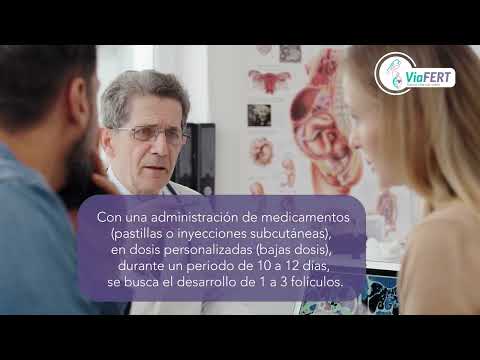
Comprehensive Guide to Timed Intercourse Fertility Treatment in Mexico
Fertility Treatment
IVF Clinic in Mexico ViaFERT Culiacan
Mexico

Understanding PCOS Fertility Treatment and IVF Procedures in Mexico
Fertility Treatment
IVF Clinic in Mexico ViaFERT Culiacan
Mexico

Complete Guide to Endometrial Receptivity Test in Mexico: Perfect Timing for Your Pregnancy
Fertility Treatment
IVF Clinic in Mexico ViaFERT Culiacan
Mexico
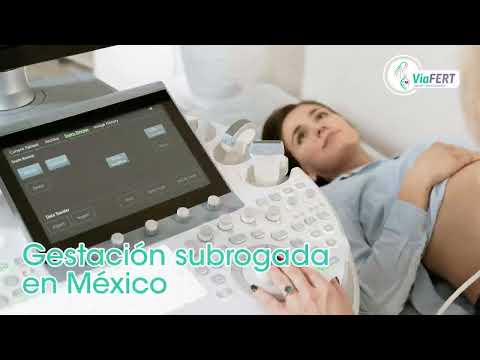
Comprehensive Guide to the Surrogacy Procedure in Mexico
Fertility Treatment
IVF Clinic in Mexico ViaFERT Culiacan
Mexico
Learn More with These Fertility Treatment Articles
Take a look at these interesting articles, stories and research that will help you learn more about Fertility Treatment.
.jpg)
IVF in Cancun, Mexico: Understanding Costs Before You Decide
PlacidWay Mexico Medical Tourism
- Fertility Treatment
Mexico
.jpg)
Egg Donation in Mexico: Questions Patients Should Ask Before Treatment
PlacidWay Medical Tourism
- Fertility Treatment
Mexico
.jpg)
Tubal Ligation in Mexico: A 5-Day Tijuana Recovery Plan
PlacidWay Medical Tourism
- Fertility Treatment
Mexico
.jpg)
IVF in Mexico - Five Cities Ranked for US Patients
PlacidWay Medical Tourism
- Fertility Treatment
Mexico
Fertility Treatment Solutions Near You: Explore Top Medical Centers
Discover how Fertility Treatment is transforming lives at leading medical centers in , Mexico. Dive into center profile, specialties, doctors, reviews, etc. and explore the best options tailored to your needs in this region.

Fertility Beyond Borders - Dr. Felix Atondo
Tijuana,Guadalajara,Cancun, Mexico

Eligen Fertility Center
Gustavo A. Madero, Mexico

Dr. Javier Piri Sarmiento - IVF Specialist in Tijuana Mexico
Tijuana, Mexico








Assisted reproduction specialists at the Meadow Fertility Center are references in human reproduction in the Northwest of the country and Southern California. For 20 years, they offer first-rate, infertility, IVF and Gynecology treatments. Dr. Horacio Ortega has been my lifelong gynecologist and the women in my family, and we are extremely grateful to him and the clinic. Highly recommended.
Read More