
Leading Chinese Hospitals for Multiple Myeloma
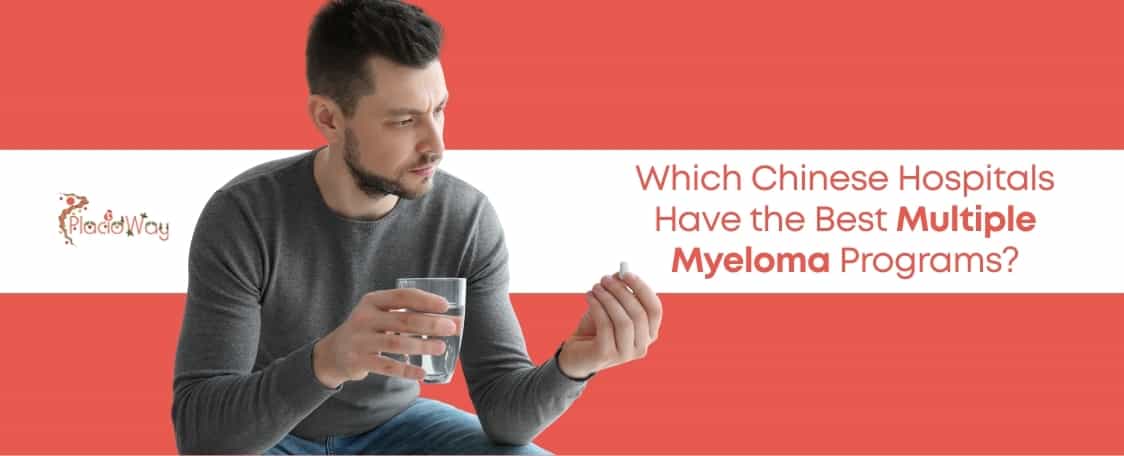
When facing a complex blood cancer diagnosis, patients and their families often explore international options to find the most appropriate care. Over the past decade, China has made significant advancements in hematology-oncology, becoming a prominent destination for therapies that might be less accessible or more expensive elsewhere. Identifying a specialized program for multiple myeloma treatment in China requires understanding how their healthcare system is structured, what advanced treatments are available, and how to navigate the logistical aspects of cross-border medical care.
Key Takeaways
- Top multiple myeloma care in China is concentrated in "Class 3A" comprehensive medical centers in major cities like Beijing, Shanghai, and Guangzhou.
- Treatment protocols often align with international guidelines, utilizing targeted therapies, immunomodulators, and monoclonal antibodies.
- China is highly active in CAR-T cell therapy research, offering potential options for patients with relapsed or refractory multiple myeloma.
- Careful coordination between a Chinese medical team and your home oncologist is essential for long-term safety and maintenance therapy.
- Thorough medical visa planning and language support are necessary for a successful international patient experience.
What criteria define top multiple myeloma programs in China?
In the Chinese healthcare system, hospitals are graded on a three-tier system, with Class 3 being the highest. Within Class 3, the "A" designation represents the pinnacle of medical quality, research capability, and technological infrastructure. When seeking a high-quality multiple myeloma clinic in China, international patients generally focus on these Class 3A facilities.
Top-tier programs are characterized by a multidisciplinary team (MDT) approach. Multiple myeloma is a complex disease that can affect the bones, kidneys, and immune system. Therefore, an elite program will not only have specialized hematologist-oncologists but will also routinely collaborate with nephrologists, orthopedic surgeons, infectious disease experts, and pain management specialists.
Furthermore, leading centers often hold international accreditations, such as from the Joint Commission International (JCI), and have dedicated international patient departments. These departments are crucial because they help bridge the gap in language, cultural nuances, and medical record translation, ensuring that care is delivered safely and effectively.
What types of multiple myeloma therapies are available in China?
Multiple myeloma is highly treatable, though individual responses vary significantly. Specialized clinics in China generally utilize treatment protocols that mirror global standards. The backbone of induction therapy (the initial phase of treatment) often includes a combination of targeted drugs designed to destroy myeloma cells while managing side effects.
Patients can typically access advanced medications, including proteasome inhibitors (which prevent cancer cells from breaking down proteins, causing them to die) and immunomodulatory drugs (which harness the patient's immune system to attack the cancer). In recent years, monoclonal antibodies have also become standard options in Chinese urban medical centers.
It is important to understand that medication availability can sometimes differ based on regional pharmaceutical approvals and supply chains. While top centers usually have access to the most advanced drugs, the specific combination prescribed will depend entirely on the patient's age, overall health, kidney function, and the genetic risk factors of their specific cancer cells.
How do Chinese hematology centers approach CAR-T cell therapy?
One of the primary reasons international patients look into medical tourism in China for blood cancers is the extensive availability of CAR-T cell therapies. This advanced form of immunotherapy involves extracting a patient's own T-cells, genetically modifying them in a laboratory to recognize and attack myeloma cells, and infusing them back into the patient's body.
Top hematology programs in China host a significant percentage of the world's CAR-T clinical trials. For patients whose multiple myeloma has stopped responding to traditional therapies (refractory) or has returned after treatment (relapsed), these therapies can offer a valuable line of defense. Specific targets, such as the BCMA (B-cell maturation antigen) protein found on myeloma cells, are frequently utilized in these advanced protocols.
However, CAR-T therapy carries risks of severe side effects, most notably Cytokine Release Syndrome (CRS) and neurological toxicities. Therefore, undergoing this treatment requires a highly equipped medical center with intensive care capabilities and medical staff deeply experienced in managing these specific, potentially life-threatening immune reactions.
Are stem cell transplants commonly performed for this condition in China?
For newly diagnosed patients who are considered fit enough to undergo intensive treatment, an autologous stem cell transplant is frequently recommended. This procedure involves collecting the patient's own healthy blood-forming stem cells, administering a high dose of chemotherapy to eradicate the cancer cells in the bone marrow, and then returning the collected stem cells to help the bone marrow recover.
Leading Chinese medical centers perform high volumes of ASCTs annually. Their dedicated bone marrow transplant units feature specialized isolation rooms designed to protect patients from infections during the vulnerable period when their immune system is compromised. The clinical teams follow rigorous protocols for stem cell mobilization, collection, and re-infusion.
Eligibility for a transplant is carefully assessed by the medical team. Factors such as heart, lung, and liver function are thoroughly evaluated. While age was historically a strict barrier, top programs now look more closely at a patient's "biological age" and functional status, occasionally offering transplants to active, healthy older adults in their late 60s.
Important Consideration: Medical History
Patients considering international care must compile complete, translated medical records, including bone marrow biopsy slides, cytogenetic reports (FISH testing), and a history of all previous therapies and responses. This allows the receiving oncology team to determine if treatment in China is viable.
What is the estimated multiple myeloma treatment cost in China?
Providing an exact price for cancer treatment is impossible due to the highly individualized nature of the disease. However, treatment in China is frequently more affordable than in the United States or Western Europe, which is a significant factor for those relying on out-of-pocket funding. Standard induction therapies utilizing targeted drugs and immunomodulators may cost between $2,000 and $8,000 per month, varying widely based on the specific drug combinations used.
If the treatment plan includes an autologous stem cell transplant, patients might expect estimated costs ranging from $30,000 to $50,000 USD. This covers the hospital stay, isolation ward fees, stem cell harvesting, high-dose chemotherapy, and supportive care during recovery.
Advanced treatments like CAR-T cell therapy tend to be the most expensive, often ranging from $40,000 to $80,000 USD or more, though this is still often a fraction of the commercial cost in the US. Patients participating in certain clinical trials may have some costs subsidized by the trial sponsor, but travel, accommodation, and standard supportive care are generally the patient's responsibility. It is crucial to request a detailed, itemized cost estimate from the facility before traveling.
How do international patients access a specialized multiple myeloma clinic in China?
The journey to finding a multiple myeloma clinic in China begins with initial remote consultations. International patient departments act as the liaison between the patient and the oncology team. Patients must submit their comprehensive medical records in English (or translated into Chinese) for the specialists to review.
Once the medical team determines that they can offer an appropriate treatment plan, the hospital will issue a formal letter of invitation. This document is mandatory for applying for an S2 medical visa through the Chinese embassy or consulate in the patient's home country.
Logistical preparation is extensive. Patients must consider not only the hospital arrangements but also long-term accommodation nearby, as treatments like transplants or CAR-T therapy can require stays of several months. Having a dedicated medical coordinator or working through established international medical facilitation channels can significantly ease this administrative burden.
What should patients expect during the diagnostic phase in China?
Even if a patient arrives with extensive medical records, top medical centers will insist on conducting their own diagnostic workup to confirm the current stage of the disease and establish a baseline before beginning treatment. This re-evaluation ensures the utmost patient safety and medical accuracy.
The diagnostic phase typically includes a comprehensive blood panel to check kidney function, calcium levels, and blood counts. Specialized tests such as Serum Protein Electrophoresis (SPEP) and Immunofixation Electrophoresis (IFE) are used to measure the abnormal proteins (M proteins) produced by the myeloma cells.
A fresh bone marrow aspiration and biopsy are usually required. The bone marrow sample is analyzed using advanced techniques like Fluorescence In Situ Hybridization (FISH) to identify specific chromosomal abnormalities. These genetic markers help the oncology team predict the aggressiveness of the disease and tailor the treatment plan accordingly. Advanced imaging, such as whole-body MRI or PET-CT, is also utilized to check for bone lesions or extramedullary disease (tumors outside the bone marrow).
Is medical tourism in China safe for complex blood cancers?
Engaging in medical tourism in China for a condition as serious as multiple myeloma presents unique challenges that go beyond typical medical travel. The primary concern is the patient's immune system. Treatments like high-dose chemotherapy and stem cell transplants leave patients severely immunocompromised, making them highly susceptible to infections.
Safety heavily depends on the facility chosen. Leading hematology centers maintain strict infection control protocols and modern isolation wards. However, patients must also be incredibly vigilant outside the hospital, practicing strict hygiene and dietary precautions while staying in their local accommodation.
Another major safety factor is communication. Misunderstanding medication dosages or symptom management instructions can be dangerous. It is essential to ensure that the medical team has fluent English speakers or that a professional, medically trained interpreter is present for all consultations and critical treatment phases.
What follow-up care is required after receiving treatment in China?
Multiple myeloma is generally characterized by periods of remission followed by relapse; it is not typically considered curable. Therefore, returning home after a successful induction phase, transplant, or CAR-T cell therapy is only one part of the journey. Patients must have a solid plan for continued care.
Before leaving China, patients usually receive a detailed discharge summary, translated into English, outlining the exact treatments received, any complications encountered, and the recommended maintenance protocol. Maintenance therapy often involves taking oral immunomodulatory drugs daily or receiving periodic injections to help keep the cancer in remission as long as possible.
It is vital that patients do not travel abroad for treatment without first securing a local hematologist-oncologist who agrees to manage their follow-up care. This local specialist will need to conduct regular blood tests, monitor for signs of relapse, manage long-term side effects, and adjust maintenance medications as needed.
Why Choose PlacidWay for Medical Tourism in China?
Organizing complex oncology care in a foreign country requires careful research and logistical coordination. PlacidWay helps international patients navigate this process by offering a structured platform to explore global healthcare options.
- Information Access: PlacidWay provides detailed profiles of international medical centers and specialized clinics.
- Facilitated Communication: The platform helps connect patients directly with international patient departments at medical facilities abroad.
- Treatment Comparison: Patients can review different destinations and healthcare systems to make informed decisions about their care.
- Organized Inquiries: PlacidWay allows patients to request initial cost estimates and submit medical inquiries in a structured manner.
- Educational Resources: The platform offers resources regarding the general processes of cross-border medical travel and visa preparations.
Frequently Asked Questions
Can international patients join CAR-T clinical trials in China?
Yes, international patients may sometimes be eligible to join CAR-T clinical trials in China, provided they meet strict medical criteria. Eligibility depends on the specific trial protocol, the patient's previous treatments, and their overall health status.
How long do I need to stay in China for an autologous stem cell transplant?
Patients typically need to stay in China for several months when undergoing an autologous stem cell transplant. The process involves preparation, collection, conditioning, the transplant itself, and a crucial recovery period where immune function is closely monitored.
Do Chinese hematology centers have English-speaking staff?
Many top-tier Class 3A hospitals in major urban centers have international patient departments with English-speaking physicians and nursing staff. However, medical interpreters are often recommended to ensure absolute clarity during complex oncology discussions.
What is the typical age limit for stem cell transplants in China?
While chronological age is a factor, biological age and overall fitness are more critical. Many centers consider patients up to age 65 or 70 for autologous transplants, provided they do not have significant comorbidities that would make the procedure unsafe.
Are targeted therapies like daratumumab available in China?
Yes, many modern targeted therapies and monoclonal antibodies used in global multiple myeloma care are approved and available in specialized Chinese hematology centers, though availability and pricing can vary by facility.
How do I get a medical visa for oncology treatment in China?
To obtain a medical visa (S2 visa) for China, patients generally need an official letter of invitation and a confirmed treatment plan from a recognized Chinese medical institution, which is then submitted to the Chinese embassy or consulate in their home country.
Can I bring a family member with me during treatment?
Yes, having a caregiver is highly recommended, especially for intensive treatments like stem cell transplants. Family members can typically apply for a companion visa using the same medical invitation letter provided by the hospital.
What happens if I experience complications after returning home?
It is vital to establish a relationship with a local hematologist-oncologist before traveling. If complications arise after returning home, your local specialist will manage your care, ideally coordinating with the medical team in China for continuity.
Will my home health insurance cover multiple myeloma care in China?
Standard domestic health insurance rarely covers planned oncology treatment abroad. Patients usually rely on out-of-pocket funding or specialized global medical insurance policies that explicitly include cross-border oncology care.
Are the treatment protocols in China similar to those in the US or Europe?
Yes, leading hematology programs in China generally follow international guidelines, such as those from the NCCN or ESMO, adapting them based on drug availability, regulatory approvals, and the patient's individual clinical profile.
Explore Your Global Healthcare Options
If you are researching international options for multiple myeloma care, connecting with established facilities can help you understand your choices.
Request Treatment InformationReferences
- Treating Multiple Myeloma – American Cancer Society
- Multiple Myeloma – Leukemia & Lymphoma Society
- Multiple Myeloma Clinical Practice Guidelines – National Comprehensive Cancer Network (NCCN)
- Myeloma Treatments – International Myeloma Foundation
- Medical Tourism Travel Information – Centers for Disease Control and Prevention (CDC)
- CAR T Cells: Engineering Patients' Immune Cells to Treat Their Cancers – National Cancer Institute (NCI)
- Cancer Fact Sheet – World Health Organization (WHO)





.jpg)

.jpg)

.png)








Share this listing