


Understanding Risk of Spinal Fusion Surgery in Mexico
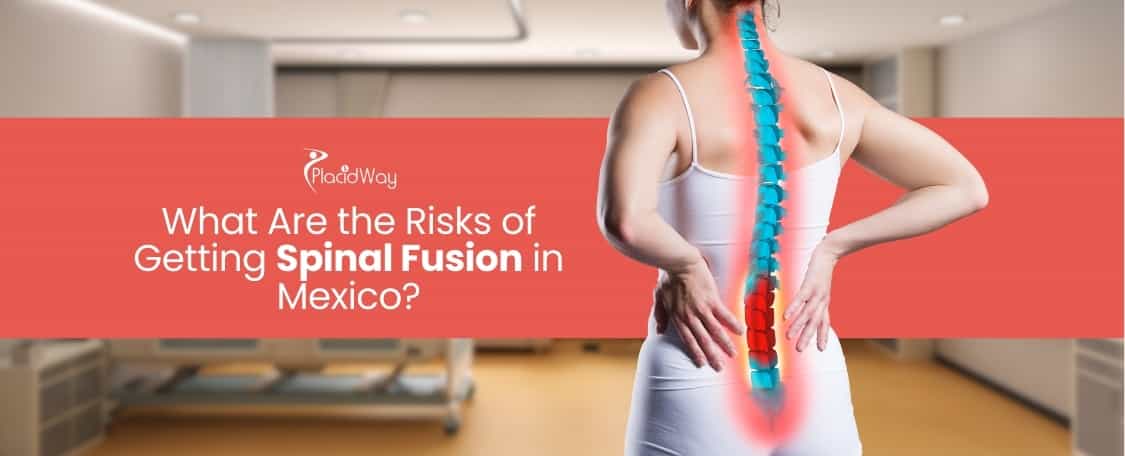
For many individuals seeking relief from chronic back pain or spinal conditions, spinal fusion surgery can be a life-changing procedure. However, the high costs associated with such intricate surgeries in countries like the United States or Canada often lead patients to explore medical tourism options. Mexico has emerged as a popular destination, offering significantly lower prices for complex procedures like spinal fusion. The appeal of affordability is strong, yet it's crucial to understand that venturing abroad for medical treatment introduces a unique set of considerations and potential risks.
While the prospect of cost savings is attractive, making an informed decision about spinal fusion in Mexico requires a thorough understanding of these potential risks. This isn't to say that all facilities in Mexico are subpar; many hospitals and surgeons provide world-class care, particularly those catering to international patients. However, the regulatory landscape, healthcare standards, and post-operative support can differ significantly from what you might be accustomed to.
By exploring the common concerns—ranging from surgical complications and quality of care to communication challenges and follow-up issues—this guide aims to equip you with the knowledge necessary to weigh the pros and cons carefully and make the best choice for your spinal health.
What are the general risks of spinal fusion surgery?
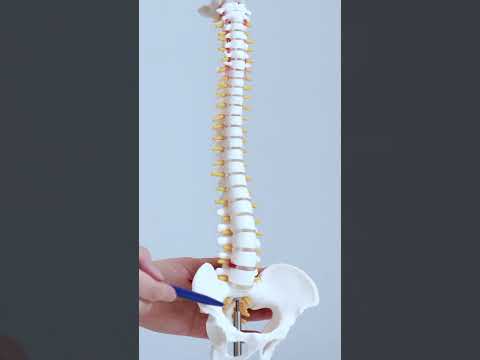
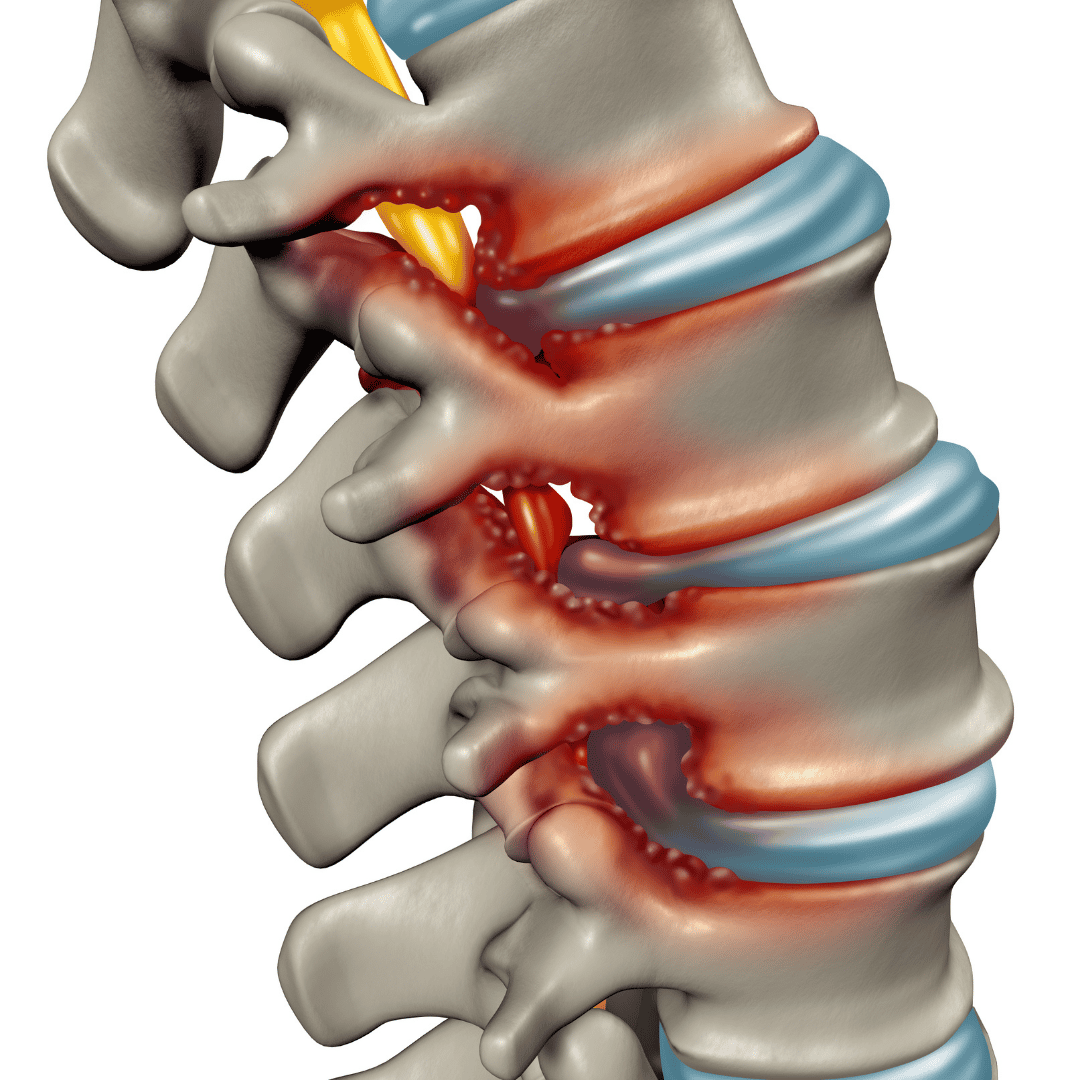
Spinal fusion is a major surgical procedure designed to permanently connect two or more vertebrae in your spine, eliminating motion between them. Like any significant surgery, it comes with inherent risks that patients should be aware of. These risks are not exclusive to any country but are fundamental to the nature of the surgery itself.
Common complications can include:
- Infection: This can occur at the surgical site and, if severe, may require further treatment or surgery.
- Bleeding: Excessive blood loss during or after surgery is a potential concern.
- Nerve Damage: There is a risk of damage to spinal nerves, which could lead to pain, numbness, weakness, or even paralysis.
- Blood Clots: Patients can develop deep vein thrombosis (DVT) in the legs, which can be dangerous if a clot travels to the lungs (pulmonary embolism).
- Anesthesia Complications: Adverse reactions to anesthesia are always a possibility.
- Pseudoarthrosis: This is a significant risk where the vertebrae fail to properly fuse, leading to continued pain and potentially requiring another surgery.
Other potential issues include implant failure (screws, rods breaking or shifting), hardware loosening, adjacent segment disease (increased stress on unfused segments), and chronic pain. Understanding these baseline risks is essential before considering any spinal fusion procedure, regardless of where it is performed.
What specific complications might arise from spinal fusion in Mexico?
While the general risks of spinal fusion apply everywhere, seeking treatment in Mexico can introduce specific concerns that might amplify these risks or create new ones. It's important to differentiate between well-established, internationally accredited facilities and smaller, less regulated clinics.
Potential specific complications include:
- Infection Rates: While many Mexican hospitals maintain high standards, there can be variability in infection control protocols and sterilization practices across different facilities. This could potentially lead to higher rates of surgical site infections compared to highly regulated environments.
- Implant Quality: The quality and sourcing of surgical implants (screws, rods, cages) can vary. Some clinics might use less expensive, lower-grade materials that may not have the same long-term track record or regulatory approval as those used in other countries.
- Substandard Care: Although not universal, some facilities may lack the advanced equipment or highly trained support staff that are standard in more developed healthcare systems, potentially impacting surgical precision and patient safety.
Furthermore, if a complication arises, the logistics of addressing it can be complex. Returning to Mexico for revision surgery might be difficult or costly, and finding a surgeon willing to take on a case performed abroad can be challenging in your home country. These factors underscore the need for meticulous research into the specific clinic and surgeon.
How does the quality of care in Mexican hospitals compare to the US or Canada?
When considering spinal fusion in Mexico, comparing the quality of care to that in the US or Canada is a critical factor. It’s a common misconception that all healthcare in Mexico is uniform, when in reality, there's a wide spectrum. Many hospitals in major cities like Tijuana, Monterrey, and Guadalajara specifically cater to medical tourists and strive to meet international standards.
These top-tier facilities often:
- Possess international accreditations (e.g., Joint Commission International - JCI), which indicates adherence to rigorous quality and patient safety standards.
- Employ highly trained, often US-board-certified or US-trained surgeons and medical staff.
- Utilize modern medical technology and equipment.
- Have protocols for infection control and patient safety that align with global best practices.
However, outside of these specialized medical tourism hospitals, standards can vary considerably. Smaller or less regulated clinics may not have the same level of equipment, staff training, or patient safety protocols. Patients must conduct thorough due diligence, looking specifically for international accreditations, surgeon credentials, and transparent patient outcome data rather than assuming a universal standard.
What are the risks related to surgeon qualifications and experience in Mexico?
The expertise of your surgeon is paramount for the success and safety of spinal fusion. In Mexico, while there are many highly skilled and experienced spinal surgeons, verifying their qualifications can be more challenging for international patients than in their home country.
Key concerns include:
- Varying Licensing Requirements: Medical licensing and specialization standards can differ. It's essential to understand what "board-certified" means in the Mexican context and if it aligns with the rigorous standards of your home country.
- Verification Challenges: Independently verifying a surgeon's credentials, training, and experience may require more effort. Patients should request detailed CVs, proof of board certification, and information on their surgical volume for spinal fusion.
- Lack of Transparency: Some clinics or individual practitioners may not be fully transparent about their surgeons' backgrounds or complication rates. This makes it difficult for patients to make an informed decision based on verifiable data.
It is advisable to seek surgeons who have completed training in internationally recognized programs, are members of prestigious spinal surgery societies, and ideally, have significant experience performing the specific type of spinal fusion you require. Asking for patient testimonials and references, along with detailed case histories, can also provide valuable insight.
What are the potential language and communication barriers during spinal fusion in Mexico?
Effective communication between a patient and their medical team is fundamental to safe and successful treatment. When undergoing spinal fusion in Mexico, language differences can pose a significant risk, even if the primary surgeon speaks English.
Potential communication pitfalls include:
- Misunderstanding Medical Information: Critical details about your diagnosis, surgical procedure, potential risks, and recovery expectations might be lost or misinterpreted if there isn't fluent communication.
- Consent Process: Ensuring you fully understand and agree to the consent forms, which are legal documents, can be difficult if they are primarily in Spanish or translated poorly.
- Post-operative Instructions: Clear instructions for medication, wound care, physical therapy, and emergency contact information are vital for recovery. Any ambiguity due to language barriers could compromise healing and lead to complications.
- Communicating Symptoms: Patients need to be able to clearly articulate their pain levels, new symptoms, or concerns to nurses and other support staff, who may not all be fluent in English.
Many hospitals catering to international patients offer dedicated English-speaking coordinators, interpreters, and medical staff. However, it's essential to confirm the extent of this support and ensure it's available throughout your entire hospital stay, not just during consultations with the surgeon. Having a family member or trusted friend who speaks Spanish accompany you can also be highly beneficial.
How does post-operative care and follow-up differ for spinal fusion in Mexico?
One of the most significant differences when undergoing spinal fusion abroad is the challenge of post-operative care and long-term follow-up. In your home country, you would typically have regular check-ups with your surgeon and physical therapists for several months, or even years, after surgery. This ongoing care is crucial for monitoring healing, addressing any immediate complications, and guiding rehabilitation.
When you have spinal fusion in Mexico, your immediate post-operative stay in the hospital will be managed by the Mexican medical team. However, once you return home, which is often within a week or two, you are responsible for arranging your own follow-up care. This can present several difficulties:
- Access to the Operating Surgeon: Direct, in-person follow-up with the surgeon who performed your fusion becomes impractical. While some clinics offer teleconsultations, these cannot replace physical examinations, imaging reviews, and hands-on therapy.
- Local Doctor Reluctance: Some local doctors or physical therapists in your home country may be hesitant to take on the follow-up care for a surgery performed abroad, especially if they are unfamiliar with the specific surgical techniques or implants used.
- Continuity of Care: Ensuring a seamless transfer of your medical records, surgical notes, and imaging results to your local healthcare providers is critical but can sometimes be cumbersome due to differing medical record systems.
Before traveling for surgery, it is essential to have a clear plan for post-operative care, including identifying local healthcare providers willing to manage your recovery and understanding what support the Mexican clinic will offer remotely.
What are the legal and ethical considerations for spinal fusion in Mexico?
Engaging in medical tourism for spinal fusion means entering a different legal and ethical framework. This can present unique challenges if something goes wrong, as the legal protections and avenues for recourse you might expect in your home country may not apply in Mexico, or may be significantly harder to access.
Key areas of concern include:
- Medical Malpractice Laws: Medical liability laws in Mexico may differ substantially from those in the US or Canada. Proving negligence, pursuing compensation, or even understanding the legal process can be daunting in a foreign legal system.
- Patient Rights: While Mexico has patient rights, their enforcement and interpretation might vary. Patients should understand their rights concerning informed consent, privacy, and access to medical records before surgery.
- Accreditation and Regulation: The oversight and regulation of medical facilities and practitioners can be less stringent or differ from your home country's standards. This can make it harder to assess the ethical standards of a clinic or surgeon.
It's vital for patients to research the legal framework surrounding medical tourism in Mexico. Consider consulting with an attorney specializing in international medical malpractice before undergoing surgery to understand your rights and potential recourse in the event of complications. Reading and understanding all consent forms thoroughly, ideally with legal counsel, is also essential.
Is medical malpractice a concern for spinal fusion patients in Mexico?
The possibility of medical malpractice is a concern in any medical procedure, but it takes on a different dimension when you're undergoing surgery in a foreign country. If a complication arises due to negligence or substandard care during your spinal fusion in Mexico, seeking legal redress can be significantly more challenging than it would be in your home country.
Here's why:
- Jurisdiction: Any legal action would likely need to be filed in Mexican courts, under Mexican law. This means navigating an unfamiliar legal system, potentially hiring a local attorney, and incurring substantial costs for legal fees and travel.
- Proof of Negligence: Proving medical negligence can be difficult anywhere, but it's compounded by language barriers, differences in medical record-keeping, and the need for expert witnesses familiar with Mexican medical standards.
- Limited Damages: Even if successful, the compensation awarded in Mexican courts for medical malpractice may be significantly lower than what you might expect in the US or Canada, and the process can be protracted.
While many Mexican doctors and hospitals are professional and provide excellent care, the recourse options for patients are less straightforward. Researching the reputation of a facility and surgeon, ensuring they carry professional liability insurance, and understanding the local legal landscape can help mitigate this risk, though it cannot eliminate it entirely.
What travel-related risks should I consider when getting spinal fusion in Mexico?
Beyond the surgical risks, undergoing spinal fusion in Mexico also involves a series of travel-related considerations that can impact your safety and recovery. Traveling, especially internationally, can be taxing on the body even when healthy, and it becomes even more critical after a major surgery like spinal fusion.
Key travel-related risks include:
- Post-Surgical Travel Complications: Prolonged sitting during air or car travel shortly after spinal surgery can increase the risk of deep vein thrombosis (DVT), a potentially life-threatening condition where blood clots form in the legs.
- Physical Discomfort: Traveling back home will likely be uncomfortable while you are recovering from surgery. The jostling, limited mobility, and stress of travel can exacerbate pain and hinder initial healing.
- Vulnerability Abroad: You may be more vulnerable to petty crime or other safety issues while recovering in an unfamiliar environment, particularly if your mobility is limited. It's crucial to stay in secure areas and have reliable transportation.
- Travel Insurance Limitations: Standard travel insurance often does not cover complications from elective medical procedures performed abroad. You would need specialized medical tourism insurance, which comes with its own terms and conditions.
Patients should plan their travel meticulously, including travel dates, accommodation for recovery, and emergency contacts. Discussing travel plans with both your surgeon in Mexico and your local doctor is essential to ensure a safe return home.
How can I minimize the risks of spinal fusion surgery in Mexico?
While risks are inherent in any medical procedure, there are concrete steps you can take to significantly minimize the potential dangers associated with getting spinal fusion in Mexico. Diligent preparation and thorough research are your best defenses.
Here’s how you can reduce your risks:
- Choose an Accredited Facility: Look for hospitals with international accreditations like Joint Commission International (JCI) or similar reputable bodies. These accreditations signify adherence to global standards for patient safety and quality of care.
- Verify Surgeon Credentials: Research your surgeon thoroughly. Confirm their board certification, surgical experience, specialized training in spinal fusion, and ask for their success rates and complication rates for the specific procedure you need. Inquire about their affiliation with international medical societies.
- Ensure Clear Communication: Confirm that the medical team, including nurses and support staff, can communicate effectively in English, or that a professional medical interpreter will be consistently available. Avoid relying solely on the surgeon for all communication.
- Understand Implant Quality: Inquire about the brand and origin of the spinal implants that will be used. Reputable facilities will use implants from internationally recognized manufacturers with established safety records.
- Plan for Post-Operative Care: Before you travel, establish a clear plan for your post-operative recovery and rehabilitation once you return home. Identify local doctors and physical therapists who are willing to manage your follow-up care and ensure all medical records will be transferred seamlessly.
- Consider Medical Tourism Insurance: Invest in specialized medical tourism insurance that covers complications arising from elective procedures performed abroad, as standard travel insurance often excludes this.
- Read and Understand Contracts: Carefully review all contracts, consent forms, and cost breakdowns. Do not hesitate to ask questions until you fully understand every detail.
By taking these proactive steps, you can greatly enhance your safety and peace of mind when considering spinal fusion in Mexico.
For individuals exploring solutions for their healthcare needs, including complex procedures like spinal fusion, PlacidWay offers a comprehensive platform to research and compare medical options globally. Explore PlacidWay today to find accredited facilities, experienced specialists, and transparent information that can help guide your medical tourism journey.

.jpg)






.png)

.png)
.png)








Share this listing